
1. Sugary Breakfast Cereals

If you grew up believing breakfast was incomplete without a cartoon mascot staring back at you, you were not alone. These cereals were marketed as a fun way to start the day, complete with prizes, games, and catchy jingles. What they did not highlight was how much sugar was packed into each colorful bowl. Many of them had as much sugar as a dessert, just disguised with words like “fortified” or “part of a balanced breakfast.” Kids poured giant servings without a second thought. Parents trusted the ads because cereal felt harmless. Looking back, it probably deserved a flashing warning about sugar overload.
Those early morning sugar spikes set the tone for a wild energy crash later. It is no wonder so many kids were bouncing off the walls before school. The fiber and protein were usually an afterthought. The cartoon characters did a lot of heavy lifting to distract from the nutrition label. Even today, many adults still feel nostalgic loyalty to these brands. A little honesty in the ads would have gone a long way.
2. Fruit Snacks
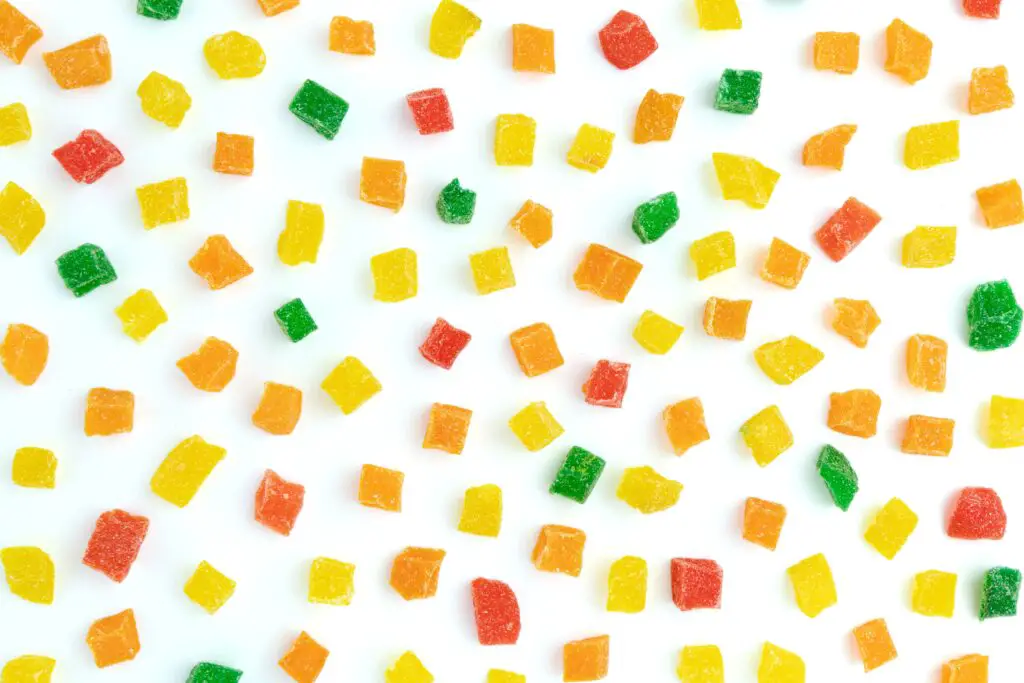
Fruit snacks sounded healthy, especially when commercials showed smiling kids running through orchards. The packaging used bright fruit imagery and words like “made with real fruit,” which felt reassuring. In reality, they were closer to candy than anything you would find in the produce aisle. They were sticky, sugary, and easy to eat by the handful. Kids tore open the packets without thinking twice. The idea that they counted as a fruit serving was wildly misleading.
Those chewy little shapes clung to teeth and fueled sugar cravings all day long. Parents often packed them thinking they were making a smart lunch choice. The marketing blurred the line between snack and nutrition. Kids learned early that fruit could taste like gummy bears. A warning label might have saved a lot of cavities.
3. Candy-Coated Chocolate
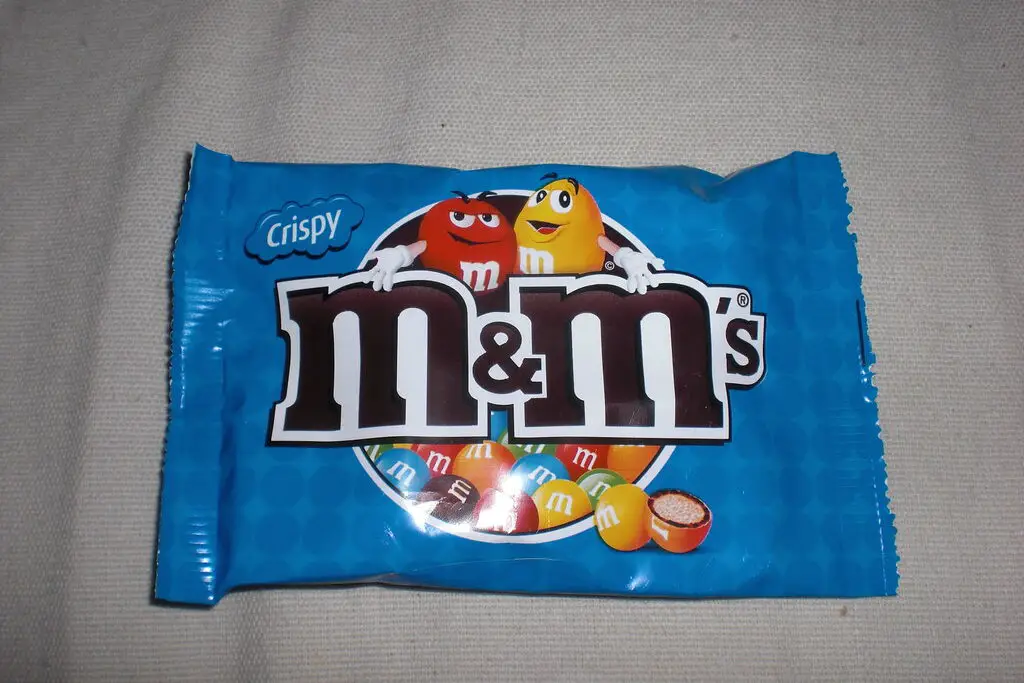
Bright shells and fun colors made these chocolates feel playful and innocent. Commercials showed kids sharing them, laughing, and never making a mess. The candy coating made parents feel like they were cleaner and somehow better than regular chocolate bars. What no one talked about was how easy it was to eat far too many at once. A small handful turned into a sugar rush in seconds.
These candies trained kids to snack constantly rather than savor a treat. Portion control went out the window the moment the bag was opened. The ads focused on fun, not moderation. The sugar and additives were never part of the conversation. A simple warning about mindless munching would have been helpful.
4. Toaster Pastries
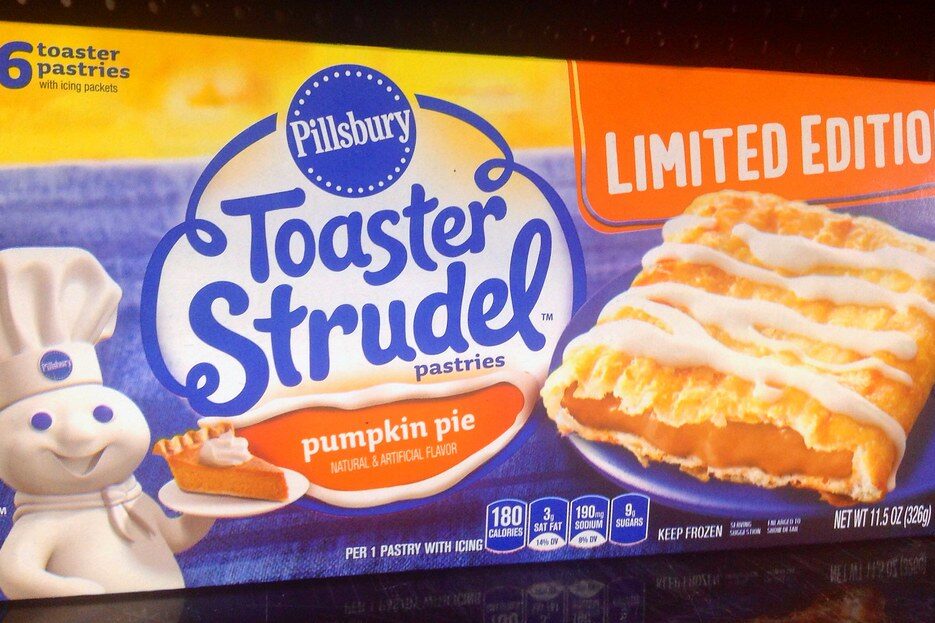
These were sold as the perfect grab-and-go breakfast for busy kids. Commercials made them look warm, comforting, and almost homemade. The frosting and sprinkles were front and center, while the nutrition facts stayed quiet. Kids could eat them straight from the package, sometimes two at a time. They were more like dessert than breakfast.
The sugar hit came fast and rarely lasted long. There was little protein or fiber to balance it out. Parents trusted the convenience without realizing the trade-off. The idea of starting the day with frosting should have raised eyebrows. A warning label about energy crashes would have been honest.
5. Neon-Colored Drinks
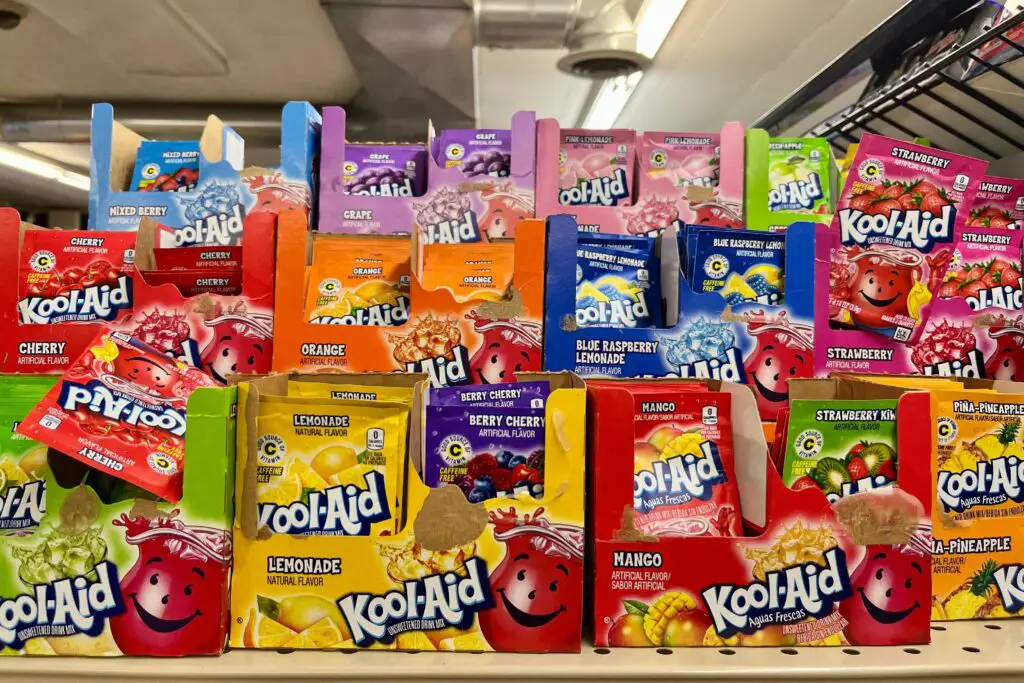
Bright blues, reds, and greens promised excitement in every sip. Ads showed kids playing sports or running around, implying these drinks fueled activity. They tasted sweet and went down fast, especially on hot days. The colors alone should have been a clue that something was off. Sugar was the main ingredient, with very little else to offer.
These drinks taught kids to associate hydration with sweetness. Water suddenly felt boring by comparison. The marketing made it feel like a lifestyle choice, not a sugary beverage. Kids drank them constantly without thinking about the impact. A warning about sugar content and artificial dyes would have been fair.
6. Cheese-Flavored Snack Crackers
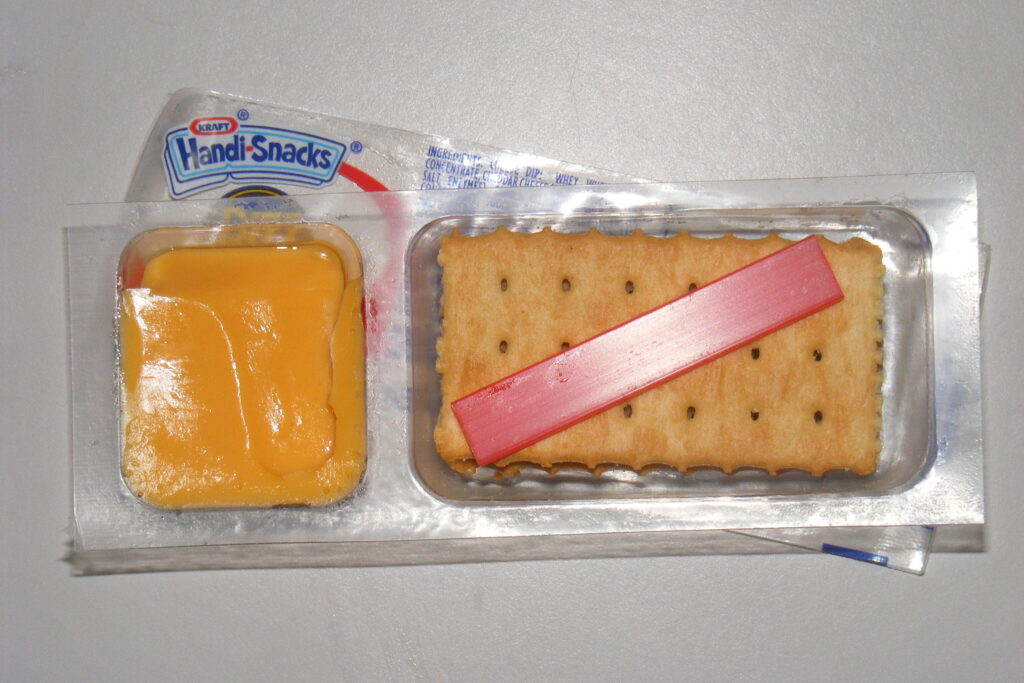
They were crunchy, salty, and designed to be eaten by the handful. Commercials made them seem like a smart snack, especially compared to candy. The word “cheese” gave them a nutritional halo they did not really deserve. Kids carried them everywhere in lunchboxes and backpacks. Few stopped to consider how processed they were.
These snacks were heavy on sodium and light on real ingredients. They encouraged grazing instead of mindful eating. The ads focused on fun shapes and cheesy smiles. Nutrition was rarely part of the message. A label reminding kids they were not real cheese might have helped.
7. Sweetened Yogurt Cups
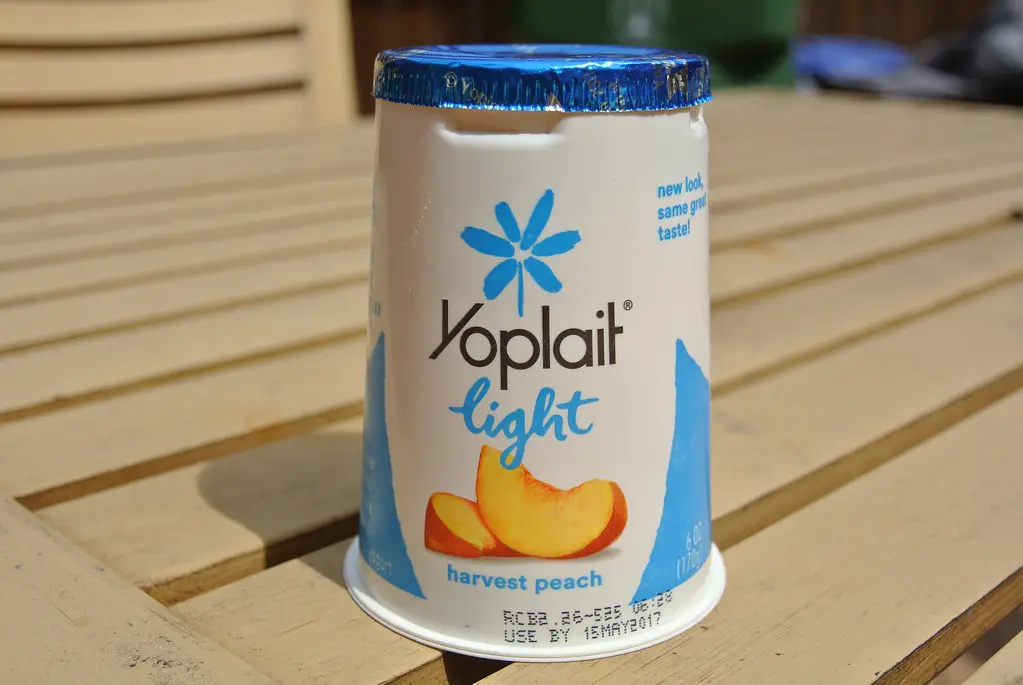
Yogurt sounded healthy, especially when paired with fruit flavors and bright packaging. Commercials often showed kids happily spooning it up as a snack or breakfast. What they did not show was how much sugar went into those tiny cups. Some had more sugar than a candy bar. Kids assumed yogurt always meant healthy.
These products blurred the line between dessert and dairy. Parents trusted the reputation of yogurt without checking labels. The sweetness trained kids to expect sugar with every spoonful. Plain yogurt never stood a chance. A warning about added sugar would have changed perceptions.
8. Chocolate Milk
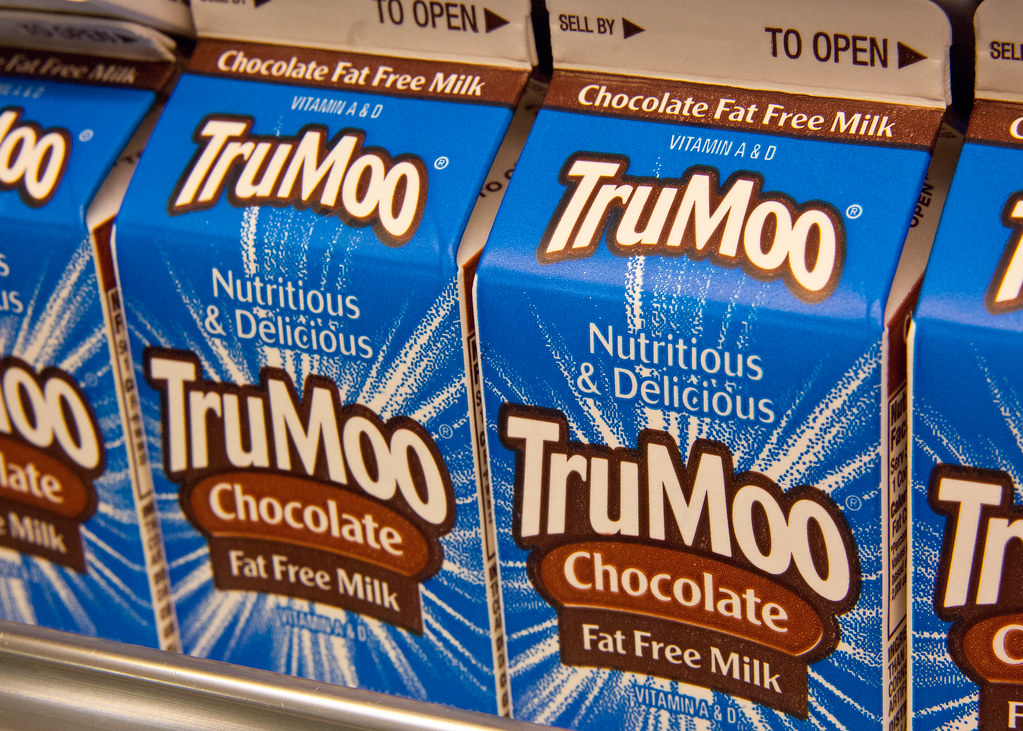
Chocolate milk was marketed as a treat that still counted as milk. Ads leaned hard into the idea that kids were getting calcium and vitamins. The chocolate flavor made it irresistible, especially at school lunches. What often got overlooked was the added sugar. It turned a nutritious drink into something closer to a dessert.
Kids drank it daily, sometimes multiple times a day. The sweet taste made plain milk feel boring by comparison. The marketing made it feel like a smart compromise. Sugar was rarely mentioned. A clear label would have helped balance the message.
9. Microwave Popcorn with Flavor Dust

Popcorn felt like a wholesome snack, especially since it started as a whole grain. The flavored versions marketed to kids came loaded with artificial butter and cheese powders. Commercials focused on movie nights and fun family moments. Kids poured it into bowls and kept refilling. The salt and additives added up fast.
These snacks taught kids that popcorn had to taste intense to be enjoyable. The natural version seemed bland by comparison. Portion sizes were rarely realistic. The marketing skipped over the ingredient list entirely. A warning about sodium would have been reasonable.
10. Colorful Ice Pops
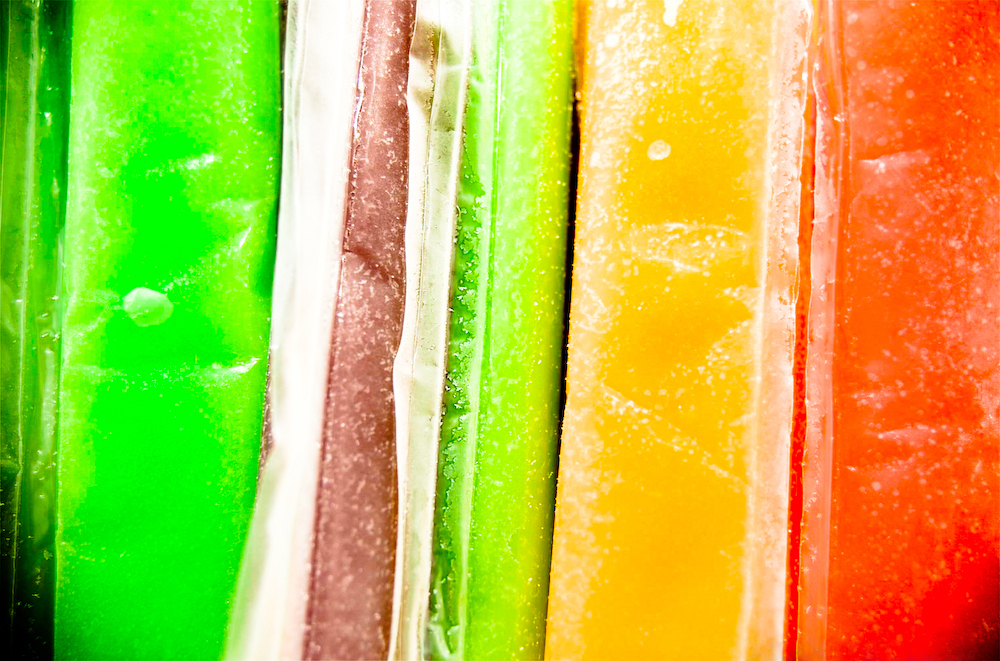
Ice pops were everywhere in summer commercials, dripping with bright colors and smiles. They looked refreshing and harmless, especially compared to ice cream. Kids begged for them daily during hot weather. The sugar content and artificial colors were rarely discussed. They melted fast, making it easy to eat several in a row.
These treats were mostly sugar and dye frozen on a stick. They offered little satisfaction beyond the sweetness. Kids associated summer fun with constant sugar intake. The ads made them seem like a cooling necessity. A warning about moderation would have made sense.
11. Sweetened Applesauce Cups

Applesauce sounded like the healthiest snack imaginable. Commercials showed kids happily squeezing or spooning it straight from the container. The added sugars were quietly tucked into the ingredient list. Kids assumed fruit meant no sugar worries. The packaging did a lot of convincing.
These snacks replaced whole fruit with something far less filling. The sweetness was amplified beyond what apples naturally offer. Kids learned that fruit should taste like dessert. Parents often packed them daily without concern. A label explaining the difference would have been useful.
12. Lunchbox Dessert Cakes
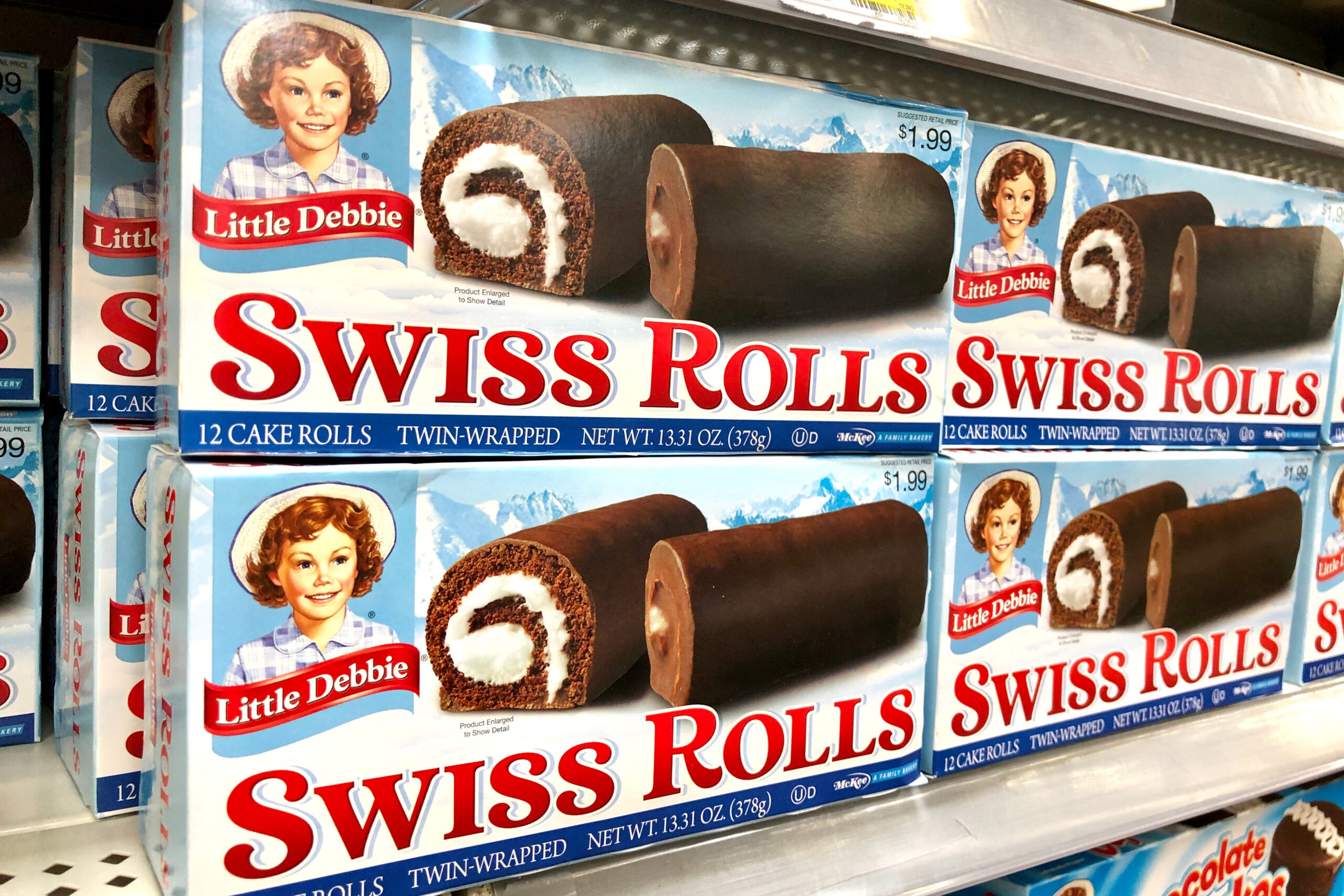
These little cakes were a lunchbox staple thanks to nonstop advertising. Commercials made them feel like a normal part of a school day. They were soft, sweet, and individually wrapped for convenience. The sugar and preservatives were never part of the pitch. Kids ate them without thinking twice.
These treats blurred the line between snack and dessert. They encouraged daily indulgence rather than occasional treats. The marketing normalized sugar as fuel. Portion size felt irrelevant because they were so small. A warning label might have reminded everyone they were still cake.
13. Sweetened Peanut Butter
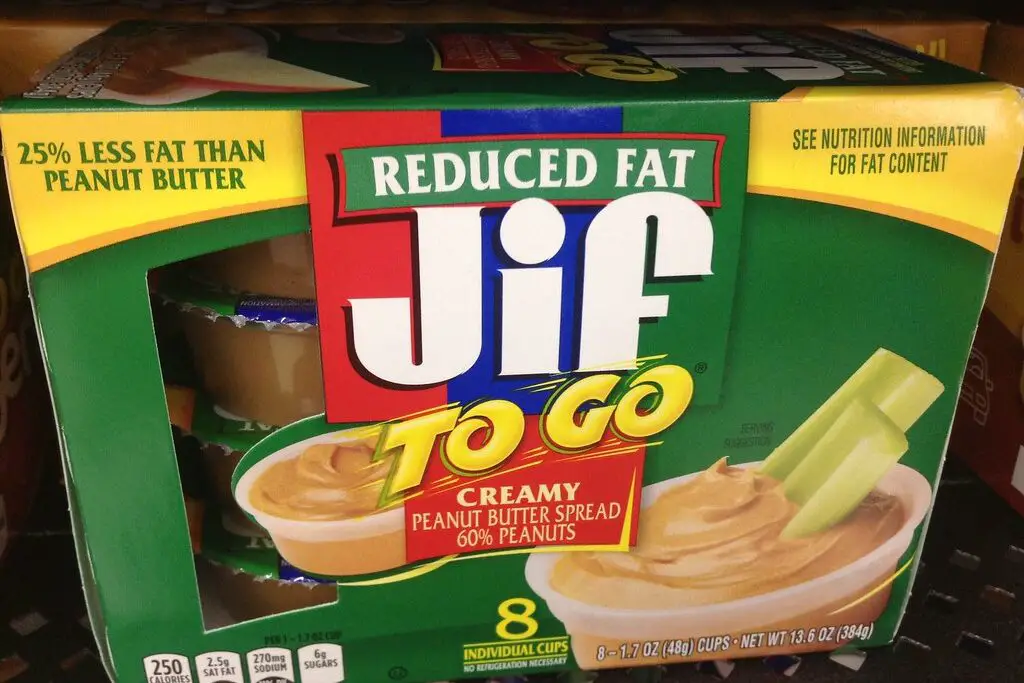
Peanut butter felt like a protein-packed choice, especially for growing kids. The sweetened versions were advertised as fun and kid-friendly. Commercials showed thick spreads on bread with happy faces all around. The added sugar often went unnoticed. Kids preferred the sweet version and rejected anything else.
This turned a simple food into a sugar delivery system. The natural nut flavor was masked by sweetness. Parents trusted the protein claim without realizing the trade-off. Kids grew up thinking peanut butter had to be sweet. A warning about added sugar would have clarified things.
14. Candy-Like Vitamins

These vitamins were shaped like bears, dinosaurs, or bright little gems. Commercials made them feel like treats rather than supplements. Kids begged for them and sometimes wanted more than the recommended dose. The candy-like taste blurred an important line. They looked and tasted too much like sweets.
These products taught kids that medicine could be fun and sugary. The risk of overconsumption was rarely addressed. Parents had to guard the bottles like candy jars. The ads focused on flavor, not responsibility. A clear warning would have been wise.