
1. McDonald’s Changeables

Back in the late ’80s, McDonald’s Changeables toys turned fries, shakes, and burgers into transforming robots, which already sounds like a lot of small moving parts in one tiny hand. Kids were expected to snap, twist, and flip pieces until the food magically became a robot character. Pieces popped off easily, especially after being stepped on once or twice. Parents probably spent a lot of time fishing plastic bits out of couch cushions.
Looking at them now, the issue is obvious. Small detachable parts and tight snapping mechanisms are exactly what modern toy safety rules try to avoid. Today’s standards focus heavily on choking hazards and durability, neither of which these toys handled well. They were clever and fun, but also a little too ambitious for something handed out with a cheeseburger.
2. Burger Chef Finger Puppets
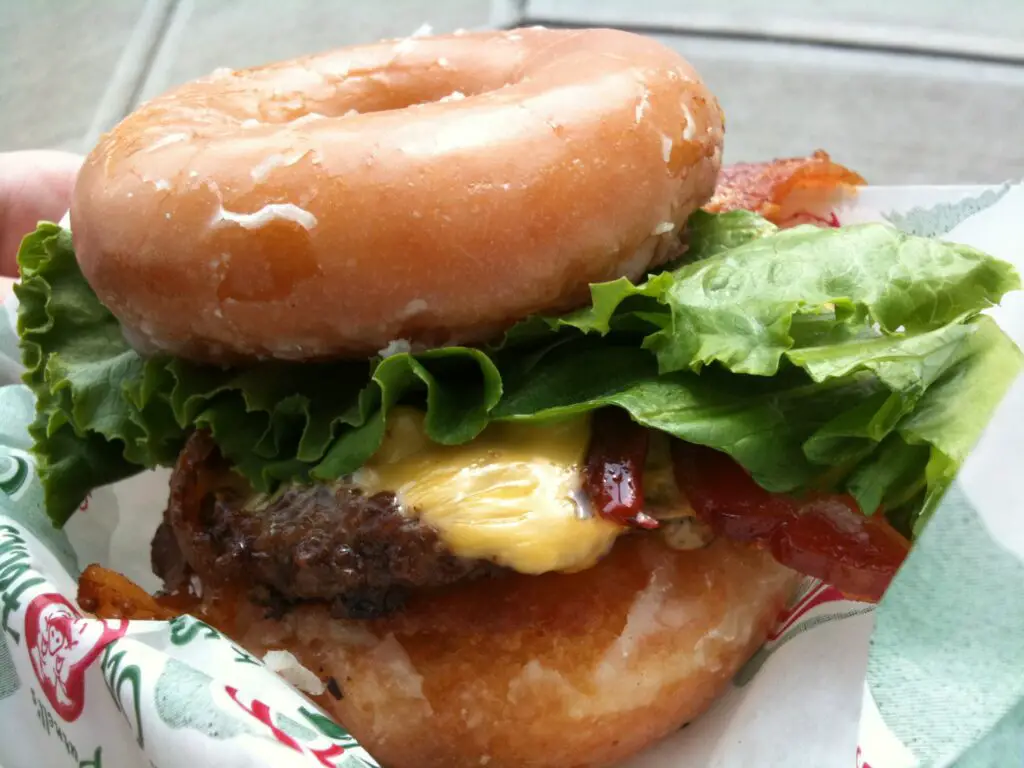
Burger Chef once gave out tiny hard plastic finger puppets shaped like animals and characters. They were simple toys, meant to slip onto a finger and spark imaginative play. The problem was their size, because some were barely bigger than a quarter. Kids inevitably tried them on toes, pencils, or just stuck them in their mouths.
By today’s standards, they would fail basic small-part testing almost immediately. Anything that fits entirely into a choke-testing cylinder is a no-go now. Back then, the assumption was kids would figure it out. Modern safety guidelines are far less trusting.
3. McDonald’s Hard Plastic Halloween Buckets

Those iconic McDonald’s Halloween buckets were sturdy, stackable, and endlessly reusable. Kids used them for candy, crayons, beach toys, and sometimes even as helmets. The rigid plastic and open handle made them feel practically indestructible. Unfortunately, that also made them unforgiving.
Today, concerns would pop up about head entrapment, finger pinching, and the overall hardness of the material. Modern versions tend to be softer, lighter, and more flexible. The originals were charming, but definitely built more like hardware than toys.
4. Wendy’s Glow-in-the-Dark Toys

Wendy’s offered several glow-in-the-dark figures during the ’80s and ’90s that kids proudly took into dark bedrooms. These toys often had stiff plastic bodies and angular shapes. The glow feature was the main event, not comfort or safety. Kids played with them in the dark, where bumps and falls were almost guaranteed.
Today, safety testing would likely flag materials, sharp edges, and visibility issues. Toys meant for nighttime use now tend to be softer and more rounded. Back then, the thrill of glowing plastic outweighed any concerns about bruised knees or stubbed toes.
5. McDonald’s Hot Wheels-Style Cars

Some McDonald’s kids’ meals included miniature cars that looked and felt a lot like die-cast Hot Wheels. They were heavier than most fast food toys and could really fly when thrown across a room. Kids loved the solid feel and fast roll. Parents probably didn’t love the dents in furniture.
Modern standards would question both the weight and velocity potential of toys like these. Heavier toys pose more risk when tossed or stepped on. Today’s fast food cars are usually lighter, softer, and far less destructive.
6. Taco Bell Hand Puppets

Taco Bell once leaned into oversized fabric hand puppets that barely fit small hands. These puppets often had plastic eyes, tongues, or accessories sewn or glued on. Kids tugged on them constantly, testing every seam. Over time, pieces inevitably loosened.
Current toy rules focus heavily on securely attached features. Any glued-on eyes or decorations would face intense scrutiny now. While they encouraged imaginative play, the construction would not pass today’s attachment strength tests.
7. McDonald’s Inspector Gadget Toys
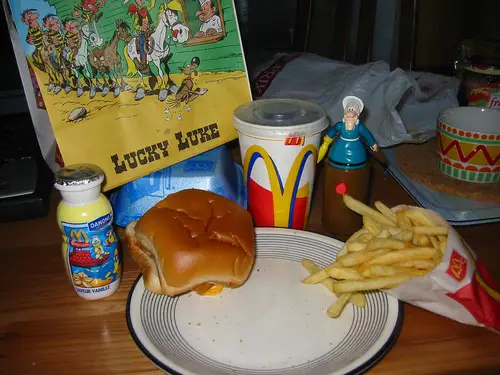
Inspector Gadget toys from McDonald’s featured extendable limbs, spinning parts, and hidden mechanisms. They were complex little figures packed with surprises. That complexity came at a cost, because parts broke easily. Once cracked, sharp edges sometimes appeared.
Today’s standards strongly discourage sharp points and fragile mechanisms. Toys now are tested repeatedly for breakage safety. These gadgets were fun, but far more mechanical than modern kids’ meal toys are allowed to be.
8. Burger King Star Wars Figures

Burger King’s early Star Wars toys were often rigid, highly detailed, and filled with sharp sculpted features. Lightsabers, weapons, and pointed helmets were common. Kids bashed them together in epic battles, usually at full force. The toys did not forgive rough play.
Modern versions tend to soften edges and simplify details. Any toy weapon today faces stricter guidelines than it did decades ago. Those vintage figures look great on shelves now, but playtime was a different story.
9. McDonald’s Mini Frisbees
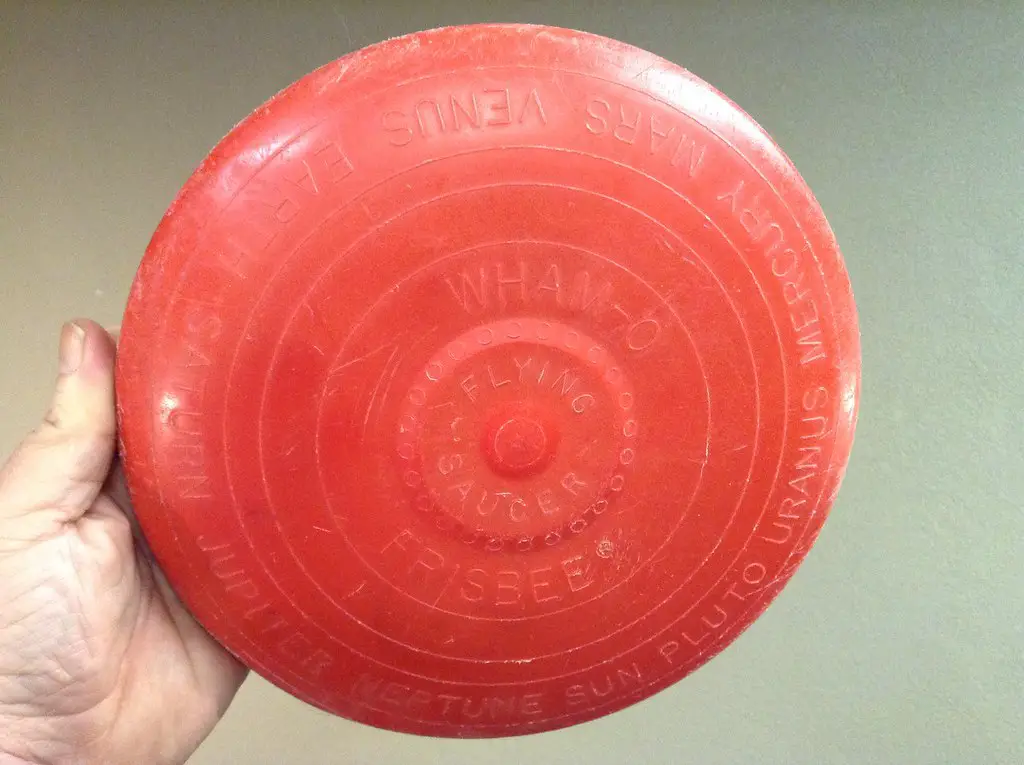
McDonald’s mini frisbees seemed harmless, but they were made from hard plastic with thin edges. Kids snapped them, bent them, and flung them at siblings and pets. When cracked, they could become surprisingly sharp. Eye safety was clearly not part of the design conversation.
Today’s flying toys go through impact and flexibility testing. Many are made from foam or rubberized materials now. The old plastic versions would raise concerns in a modern safety review.
10. Pizza Hut Puppets with Plastic Mouths

Pizza Hut once offered plush puppets that included rigid plastic mouths for chomping action. Kids loved the snapping feature and used it nonstop. Fingers often got caught between the hard edges. The novelty wore off faster than the soreness.
Current standards discourage rigid components inside soft toys. Anything that can pinch skin would be reconsidered or redesigned. These puppets were imaginative, but not exactly finger-friendly.
11. McDonald’s Tiny Transformer-Style Figures
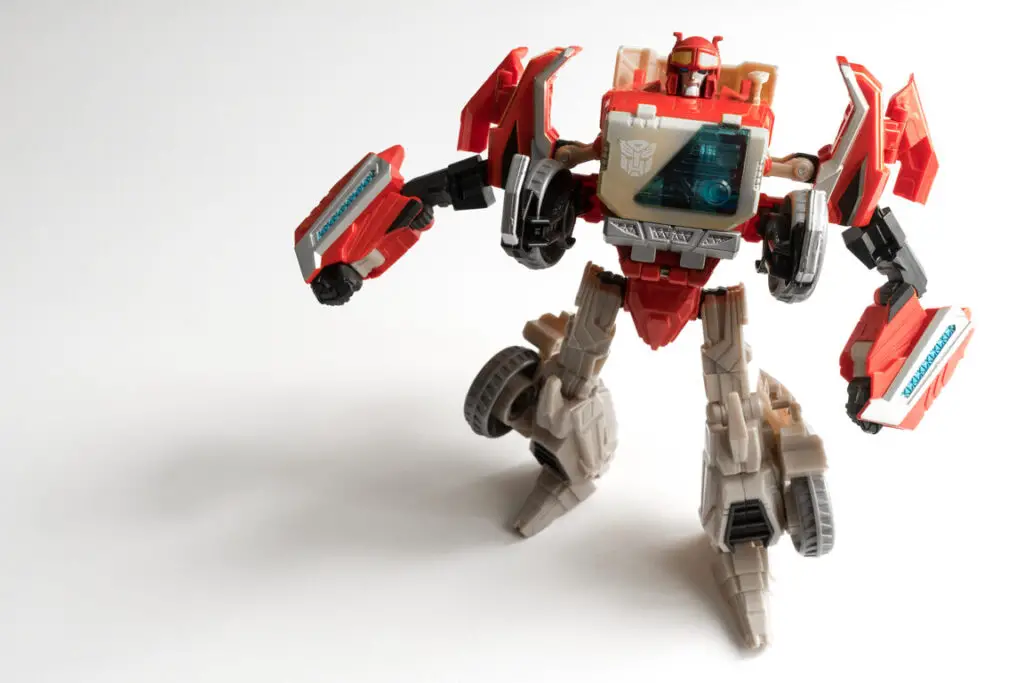
Various McDonald’s promotions included tiny transformable figures during the ’90s. These toys required precise folding and unfolding. Hinges snapped easily, leaving loose bits behind. Once broken, they became classic choking hazards.
Today, transformable toys are usually larger and sturdier. Safety rules now account for repeated stress on hinges and joints. These early versions were impressive feats of design, but fragile by modern standards.
12. Burger King Nintendo Game Pieces
Burger King once handed out plastic game-themed pieces that were small, flat, and shiny. Kids stacked them, chewed on them, or slipped them into pockets. Their coin-like size made them especially risky. Parents had no shortage of reasons to worry.
Modern toys rarely come in that size anymore. Choking hazard regulations have become far more strict over time. These pieces would almost certainly be redesigned today.
13. McDonald’s McNugget Buddies
The original McNugget Buddies were bold, colorful, and oddly shaped, sometimes with detachable costumes. Kids mixed and matched pieces constantly. Small accessories were easily lost under furniture or worse, found by younger siblings. The creativity came with a lot of loose parts.
Today’s versions keep accessories either oversized or permanently attached. Safety testing now prioritizes simplicity and durability. As beloved as the originals were, they feel like relics from a much looser safety era.