
1. Tab Hunter
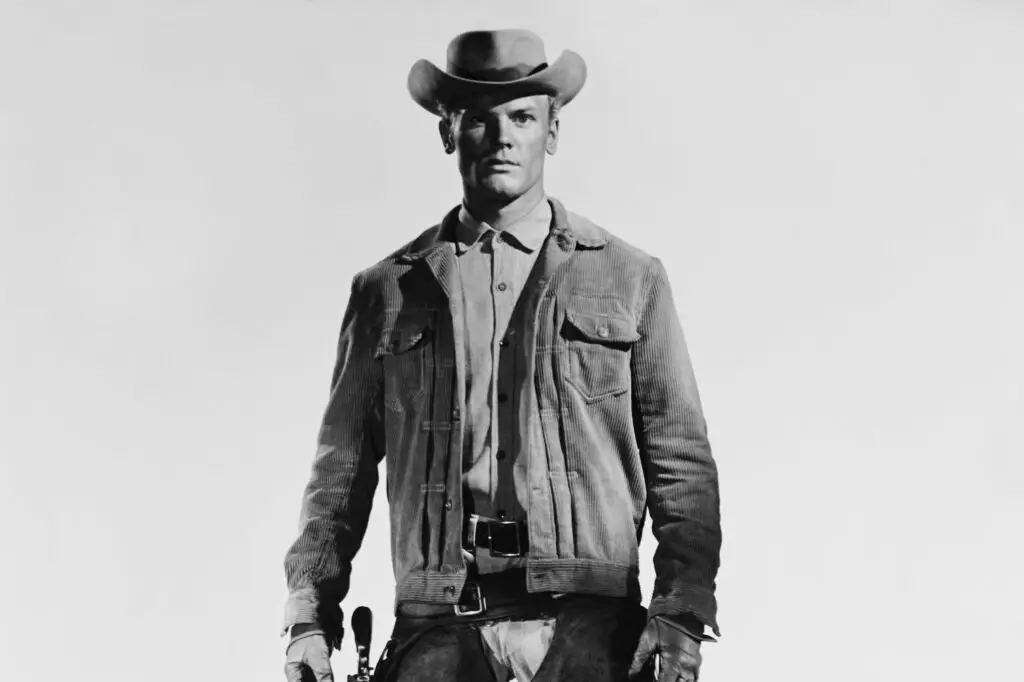
Tab Hunter was one of those impossibly handsome faces that seemed to define late ’50s and early ’60s Hollywood. He topped the box office, landed teen idol magazine covers, and even scored a surprise hit on the music charts with “Young Love.” For a while, it felt like you could not walk past a newsstand without seeing his smile staring back at you. As tastes shifted and youth-driven stardom moved on to new faces, Hunter’s name slowly slipped out of everyday conversation. He continued working steadily in film, television, and theater, but the frenzy around him faded. Many younger viewers now recognize him only when they stumble across an old movie late at night. It is a reminder of how quickly pop culture cycles can turn over even the biggest stars.
Later in life, Hunter became newly appreciated through documentaries and memoirs that reflected honestly on Hollywood’s studio era. His openness about navigating fame and personal identity added depth to the image fans once knew only as a heartthrob. Still, his name does not carry the automatic recognition it once did among casual audiences. If you mention him today, you often get a pause, followed by “Oh right, I’ve heard of him.” That kind of half-remembered recognition says a lot about how fame ages. Hunter’s legacy lives on, but quietly, tucked into classic film libraries and nostalgic conversations.
2. Connie Stevens
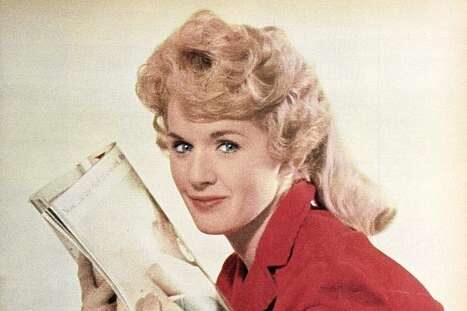
Connie Stevens was everywhere in the late ’50s and ’60s, bouncing easily between television, movies, and pop music. Many people first knew her from the detective series Hawaiian Eye, where her charm made her a standout. She also scored radio hits and appeared regularly on variety shows, which kept her in constant rotation on living room screens. At one point, she felt like a guaranteed household name. As television formats shifted and new generations of stars emerged, her visibility gradually tapered off. She never truly disappeared, but she stopped being a daily cultural presence. Over time, her name became more familiar to nostalgia fans than to mainstream audiences.
Stevens remained active in acting and business ventures, and she raised daughters who later became well known in their own right. That family connection sometimes sparks recognition even when her own career is not immediately recalled. If you bring up her name today, people often remember a face before they remember a title. It highlights how celebrity memory can soften rather than vanish outright. Her work still holds up when revisited, especially for fans of classic television. She represents that large group of once-ubiquitous entertainers who quietly drifted into the background of pop culture.
3. Fabian Forte
Fabian Forte was the definition of teen idol in the late ’50s and early ’60s, with hit songs, movie roles, and endless fan mail. His clean-cut image made him a staple on magazine covers and television variety shows. Teen audiences adored him, and record sales backed up the hype. Like many idols of that era, his fame burned bright and fast. When musical tastes evolved and rock culture shifted, his chart presence faded. He continued performing and acting, but the mass hysteria cooled. Today, his name often surfaces mainly in conversations about early pop stardom.
There is something nostalgic about revisiting Fabian’s music and seeing just how massive his popularity once was. For longtime fans, his songs can instantly bring back a specific time and feeling. For younger listeners, he sometimes sounds like a historical footnote rather than a former chart king. That contrast shows how dramatically public memory can compress a career. He still tours occasionally and appears at nostalgia events, keeping that connection alive. Even so, his once-dominant fame has softened into a quiet legacy.
4. Bobby Vee
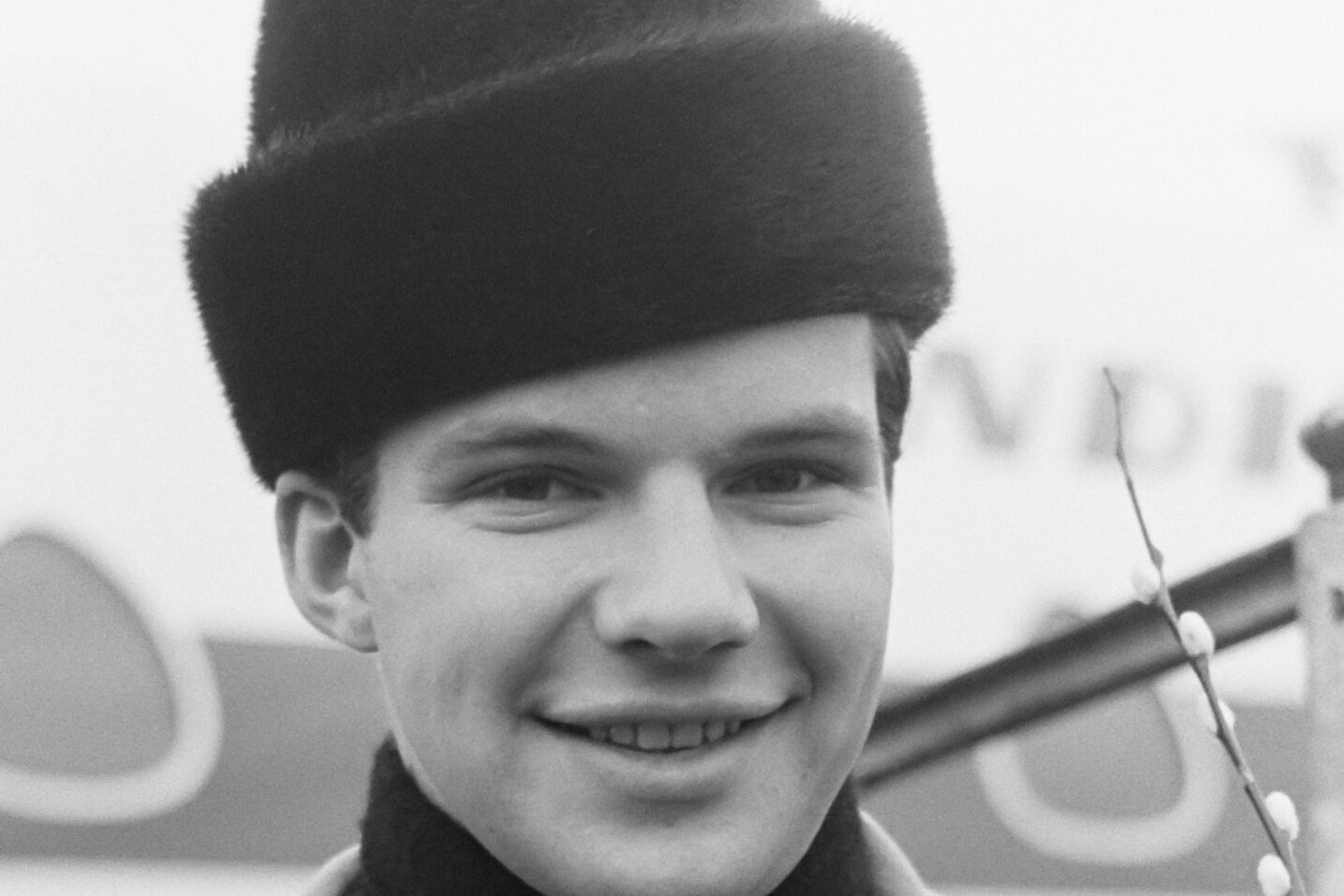
Bobby Vee enjoyed a string of pop hits in the early ’60s and became a familiar voice on the radio. Songs like “Take Good Care of My Baby” helped cement his place in the teen pop wave that followed the first explosion of rock and roll. He toured heavily, appeared on television, and built a solid fan base. For several years, he felt like a permanent fixture of the charts. As the British Invasion reshaped popular music, many American pop singers saw their momentum slow, and Vee was no exception. His name gradually moved out of everyday music conversations. Still, his songs remain recognizable when they pop up on oldies stations.
Later generations may recognize the melodies even if the name does not immediately click. Vee continued performing for decades, which kept him connected to longtime fans. His career is often discussed in music history circles rather than mainstream pop culture now. That shift does not diminish his impact, but it does change how often he is mentioned. He represents an era when radio hits could make someone instantly famous nationwide. Today, his legacy lives more in playlists than headlines.
5. Tommy Roe
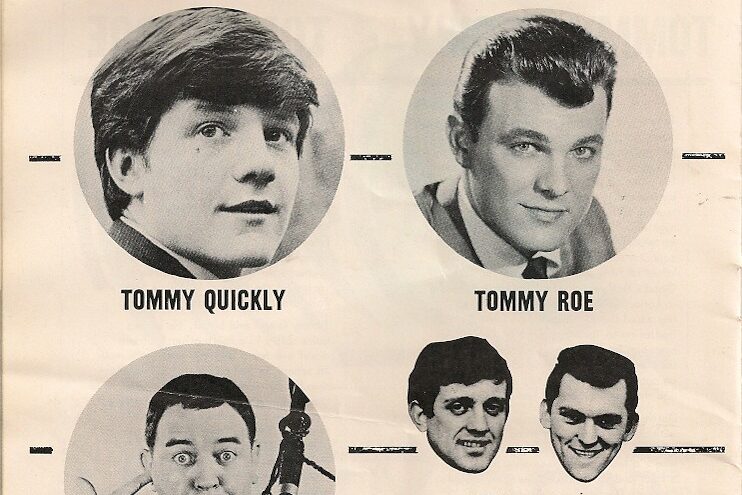
Tommy Roe’s upbeat pop sound defined a slice of the early ’60s, especially with catchy hits like “Sheila” and “Dizzy.” His music was everywhere for a stretch, playing at dances, on jukeboxes, and across radio stations. He fit perfectly into the bright, optimistic pop moment of the time. As musical trends became more experimental and rock-driven, his chart dominance slowed. He continued to record and tour, but the mainstream spotlight shifted elsewhere. Over the years, his name slipped into the category of familiar but not front-and-center. Many people still recognize the songs faster than the singer.
Roe’s career remains a favorite among fans of classic pop and oldies radio. There is a simple joy in revisiting those tunes, which still sound sunny and carefree. Yet younger listeners may not immediately place his name without context. That gap highlights how musical memory often prioritizes songs over artists. His influence remains part of pop history, even if his celebrity no longer dominates conversation. Roe’s story reflects how quickly pop fame can cycle forward.
6. Gary Puckett
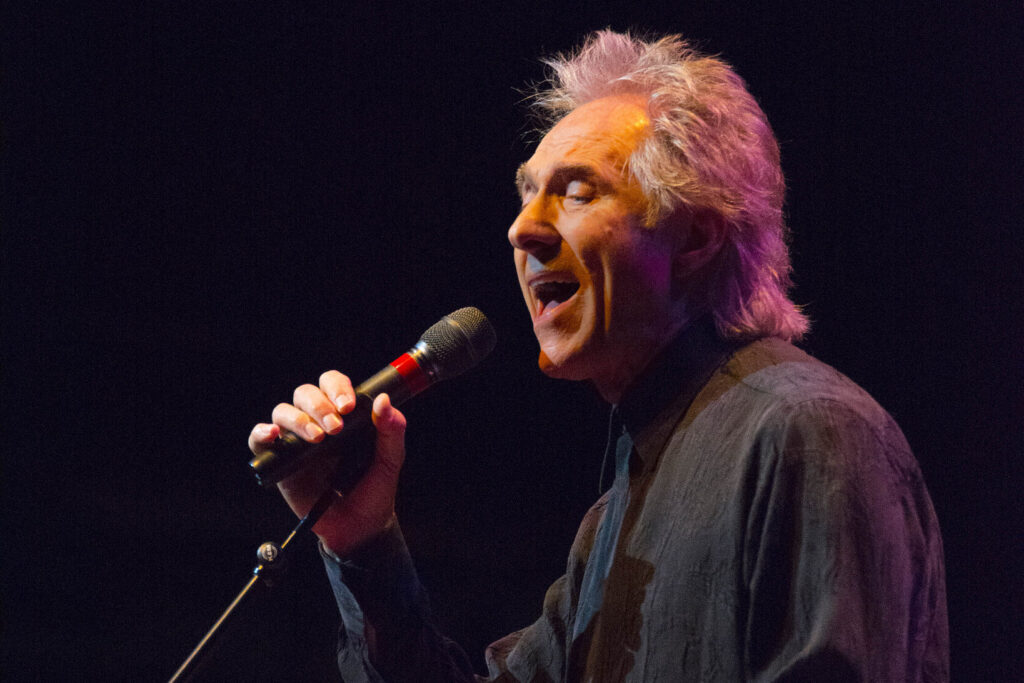
Gary Puckett burst onto the late ’60s music scene with powerhouse ballads that dominated the charts. Songs like “Young Girl” and “Lady Willpower” were massive hits and showed off his strong vocal style. For a brief period, he felt unavoidable on the radio. The shift into the ’70s brought new sounds and changing tastes, and his chart presence softened. He continued performing and remained popular on the nostalgia circuit, but mainstream exposure faded. Over time, his name became more closely associated with a specific era rather than ongoing fame. Many listeners remember the emotion of the songs even if they struggle to recall the artist.
Puckett’s voice still impresses when rediscovered, especially for fans of classic pop and early rock. His recordings continue to appear on compilation albums and retro playlists. The gap between past chart dominance and current recognition can feel surprising. It is a common pattern for artists whose peak aligns tightly with a specific cultural moment. His legacy remains solid, but quieter than it once was. He represents the many voices that once ruled radio airwaves and now live mostly in memory.
7. Jane Powell
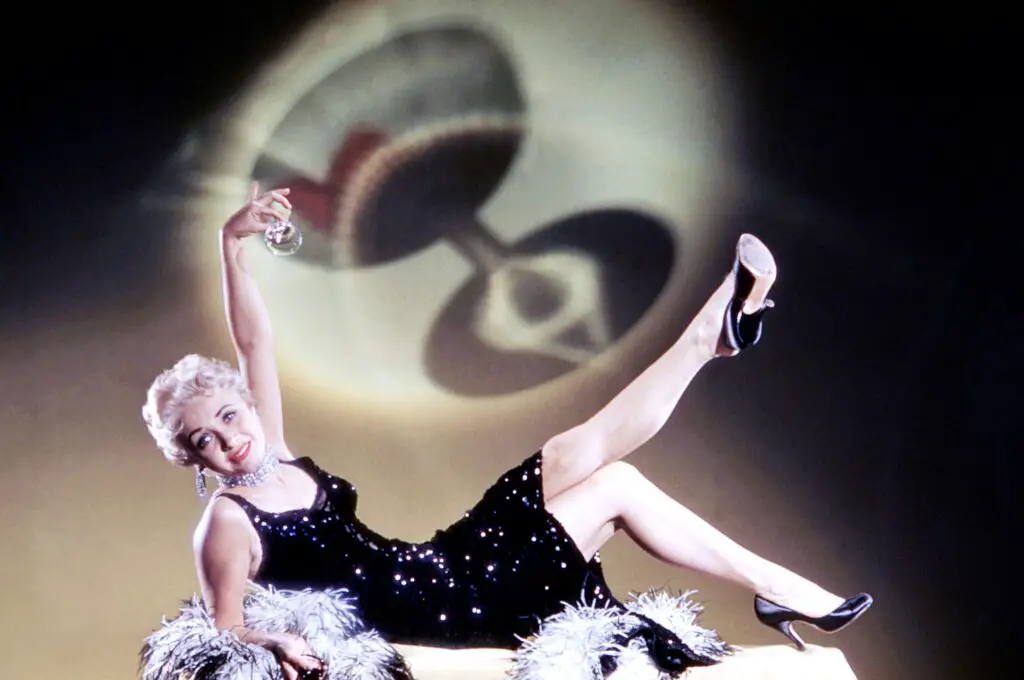
Jane Powell was a beloved musical film star in the ’40s and ’50s, known for her bright screen presence and strong singing voice. She appeared in colorful MGM productions that defined Hollywood’s golden age of musicals. At the time, she was a recognizable name among moviegoers who loved lavish song-and-dance spectacles. As the studio system declined and musical films became less common, her visibility naturally decreased. She continued acting and appearing in television projects, but the massive studio spotlight faded. Over time, her name became more familiar to classic film enthusiasts than casual viewers. Younger audiences may recognize the movies without knowing who starred in them.
Revisiting Powell’s films today reveals just how skilled and charismatic she was on screen. Her performances still sparkle with energy and warmth. The gradual fading of her name reflects a broader shift away from classic Hollywood programming in everyday media consumption. Her legacy remains preserved in film archives and specialty channels. For fans of golden age cinema, she is far from forgotten. In the broader culture, however, her fame has softened into a gentle memory.
8. Shelley Fabares
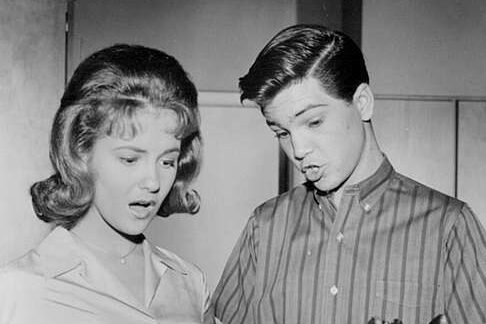
Shelley Fabares became a familiar face in the early ’60s thanks to her role on The Donna Reed Show, where she embodied wholesome teen charm. She also crossed into music and scored a major hit with “Johnny Angel,” which briefly made her a pop sensation as well. For a stretch, she felt like one of those names everyone casually recognized from both television and radio. As the decade shifted and youth culture moved in new directions, her teen idol image naturally aged out of the spotlight. She continued acting steadily, appearing in films and guest-starring on popular TV series. The work never fully stopped, but the intense public attention softened. Over time, her name became more familiar to classic TV fans than to mainstream audiences.
Later in her career, Fabares earned renewed respect for her dramatic roles, showing a range that went far beyond her early sweetheart image. Many viewers today rediscover her through reruns and are surprised by how versatile she actually was. Her career reflects how easily early fame can overshadow later accomplishments. If you mention her name now, people often respond with recognition once reminded of the shows or songs. That delayed spark of memory says a lot about how entertainment history compresses itself over time. Her legacy remains intact, just quieter than it once was.
9. Bobby Sherman
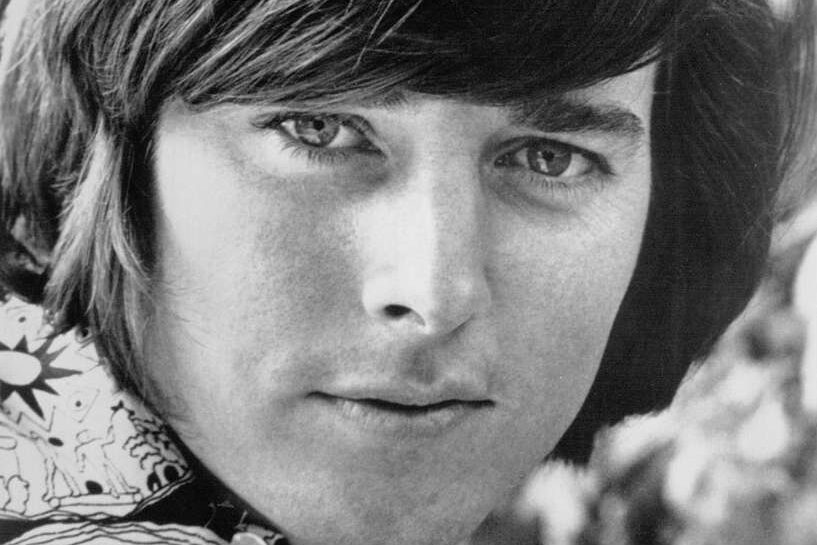
Bobby Sherman was a major teen idol in the late ’60s and early ’70s, known for both his music career and television roles. His songs charted well, and his fan base was passionate and devoted. He felt like a constant presence on posters, lunchboxes, and magazine covers. As the teen idol wave shifted, his music career slowed, and he transitioned away from the spotlight. Sherman eventually pursued a career in public service, which marked a significant change from show business. That pivot contributed to his gradual fading from pop culture headlines. Many fans still remember the excitement he generated during his peak years.
His later life choices earned respect, even if they reduced his visibility in entertainment media. For longtime fans, his songs and TV appearances still spark fond memories. Younger audiences may encounter his name mainly through retro playlists or documentaries. His story illustrates how fame can be temporary, while personal fulfillment takes different forms. Sherman remains a nostalgic favorite for those who lived through his heyday. His cultural footprint is quieter now, but still meaningful.
10. Petula Clark
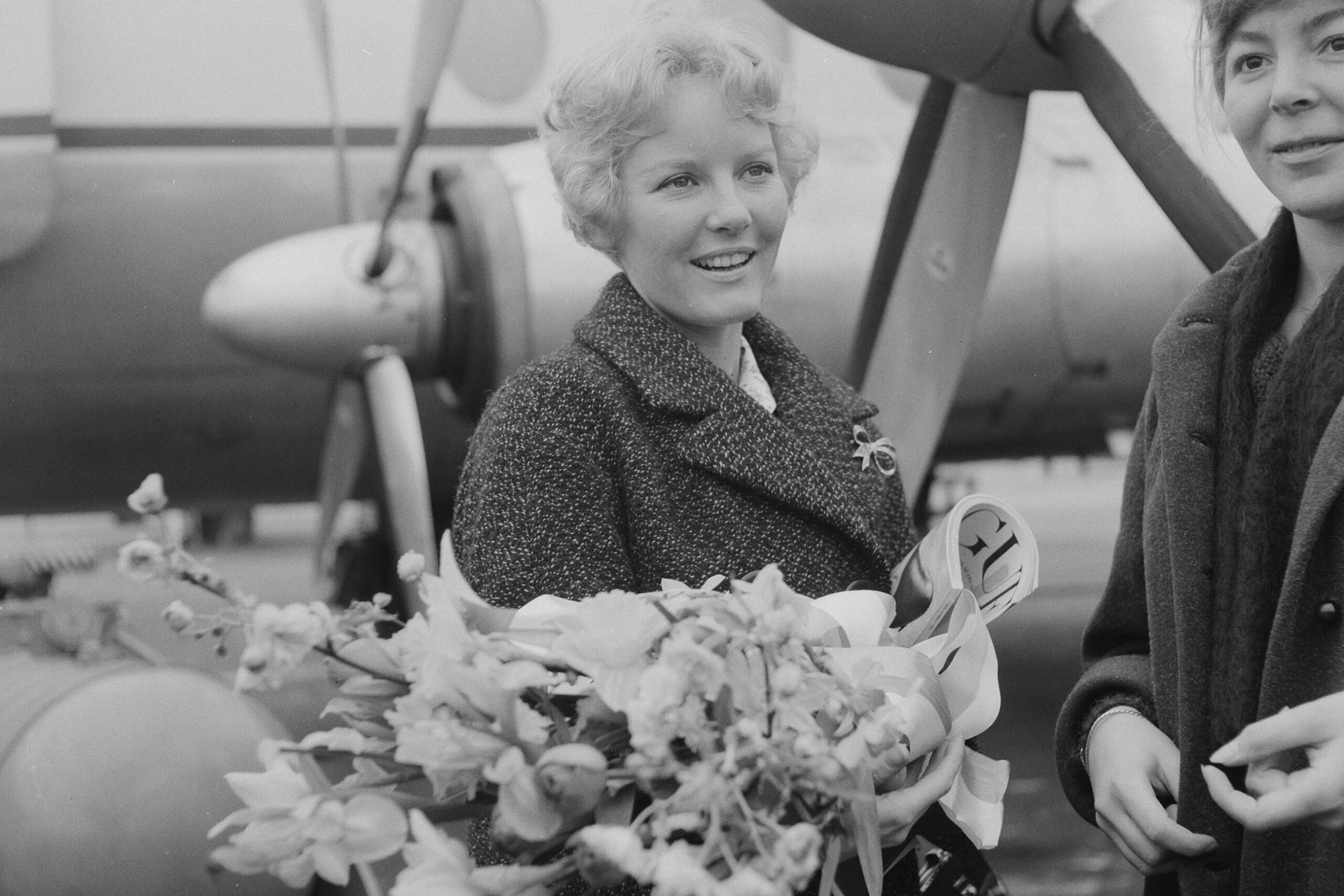
Petula Clark enjoyed international success with polished pop hits that crossed generations, including the enduring “Downtown.” She had a long career that spanned several decades, appearing on television, stage, and radio. At her peak, her name was instantly recognizable across multiple countries. As newer artists emerged and radio formats shifted, her constant presence eased. She continued performing and recording, but mass-market visibility declined. Over time, her name became more associated with a specific era of pop rather than ongoing chart success. Many listeners recognize the songs even if they forget the singer behind them.
Clark’s influence on pop music remains widely respected among music historians. Her recordings still receive airplay on classic stations and in curated playlists. The gentle fading of her name reflects how even major international stars eventually step out of daily conversation. Her catalog continues to introduce new listeners to her sound. While she may not dominate headlines, her music still carries emotional weight. Her legacy remains quietly intact.
11. Frankie Avalon
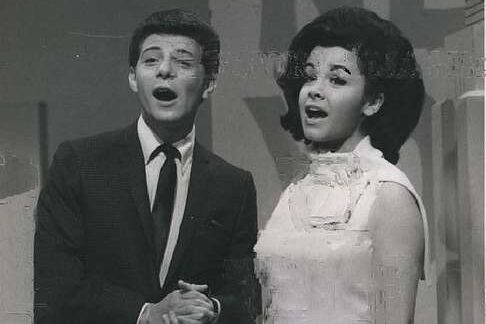
Frankie Avalon became synonymous with teen beach movies and sunny pop hits in the early ’60s. His clean image and catchy songs made him a fixture in youth culture. For a stretch, he felt like the friendly face of carefree fun on screen and radio. As film trends changed and teen musicals lost their grip on box offices, his visibility declined. He continued performing and occasionally appeared in later films, but the cultural spotlight shifted. Over time, his name became more closely tied to nostalgia than current entertainment. Many people remember the beach movies more than the individual performers.
Avalon still appears at retro events and celebrations of classic pop culture. His continued presence keeps him connected to longtime fans. For newer audiences, his name may sound familiar without strong context. That partial recognition is common for stars rooted in specific genres and eras. His career remains a cheerful snapshot of a lighter moment in pop history. The fame has softened, but the charm remains.
12. Tuesday Weld
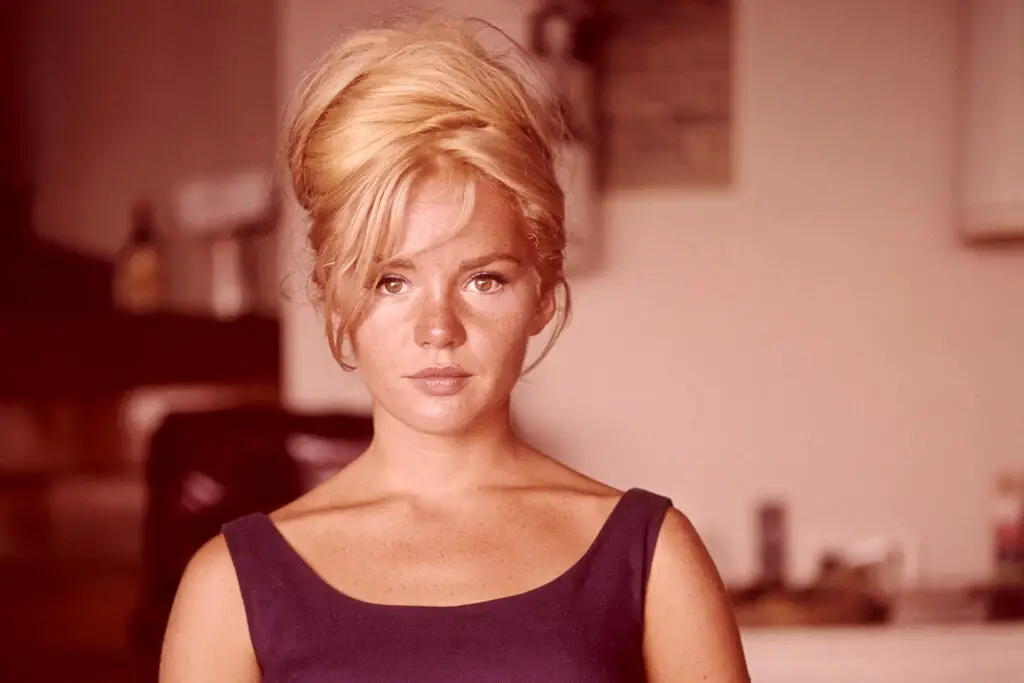
Tuesday Weld was one of the most talked-about young actresses of the late ’50s and ’60s, known for her striking presence and emotionally complex performances. She appeared in a wide range of films, moving easily between teen roles and more challenging dramatic parts. For a time, her name carried a sense of intrigue and star power that made her a frequent topic in entertainment coverage. As the industry shifted and she became more selective about projects, her public visibility gradually decreased. She continued working well into later decades, but without the constant media spotlight that once followed her. Over time, her name became more familiar to film enthusiasts than to casual viewers. Many people recognize her face immediately, even if the name takes a moment to place.
Weld’s performances still resonate when rediscovered, especially in films that capture the changing tone of American cinema during that period. Critics and longtime fans often cite her as an underrated talent who brought depth to every role. The quieter recognition today reflects how selective careers can fade from everyday pop culture memory. New generations tend to encounter her work through classic film channels or streaming libraries rather than theatrical releases. Her legacy remains respected, even if it no longer dominates conversation. She represents how serious talent can endure quietly while public attention moves on.
13. Pat Crowley
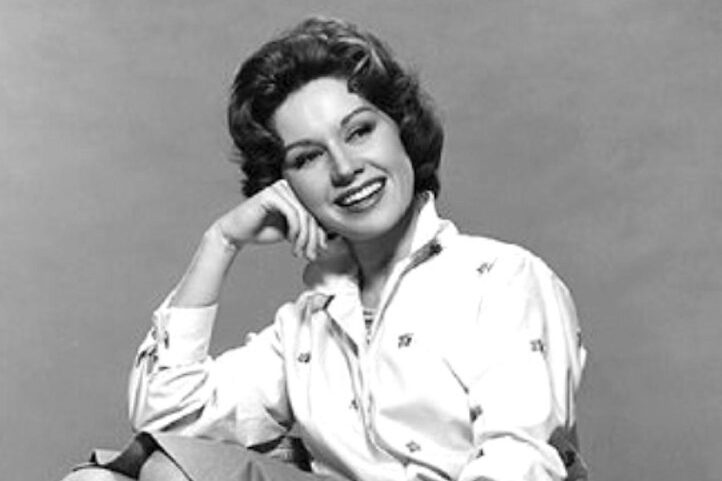
Pat Crowley appeared in numerous television series and films during the ’50s and ’60s, becoming a familiar face to viewers of early TV dramas and comedies. She worked steadily at a time when network programming dominated family entertainment. Her performances were reliable and warmly received by audiences. As television expanded and new generations of performers emerged, her screen appearances became less frequent. Over time, her name slipped from everyday conversation. Many viewers recognize her once they see her on screen, but may struggle to recall her name independently. That kind of fading is common among working actors from television’s early decades.
Crowley’s body of work remains part of television history, preserved in reruns and archives. Fans of classic programming still appreciate her contributions. The gradual loss of name recognition reflects how quickly media landscapes evolve. Her career helped shape early broadcast storytelling. While she may not be widely discussed today, her work still resonates with dedicated viewers. Her legacy quietly endures through the shows she helped bring to life.
14. Eydie Gormé
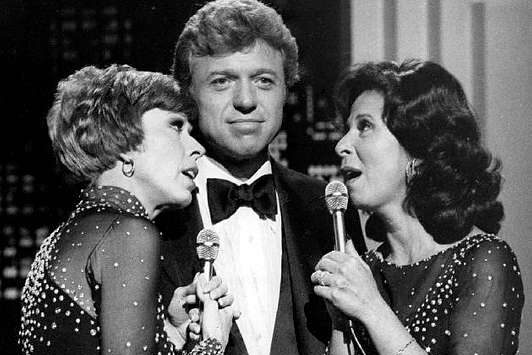
Eydie Gormé was a powerhouse vocalist who enjoyed major success in both pop and Latin music, often performing alongside her husband Steve Lawrence. Her voice carried warmth, precision, and emotional depth that resonated across audiences. For decades, she was a regular presence on television specials and concert stages. As musical trends changed and variety programming declined, her mainstream exposure decreased. She continued to be admired within music circles, but broader public attention softened. Over time, her name became less commonly mentioned outside of classic music fans. Many listeners still recognize the sound of her recordings immediately.
Gormé’s influence remains significant in vocal performance and crossover pop history. Her recordings continue to circulate among collectors and streaming platforms. The fading of her name reflects shifting tastes rather than diminishing talent. New listeners often discover her through curated retro playlists or family collections. Her legacy remains strong for those who seek it out. She stands as an example of lasting artistry even as public memory shifts.
15. George Maharis
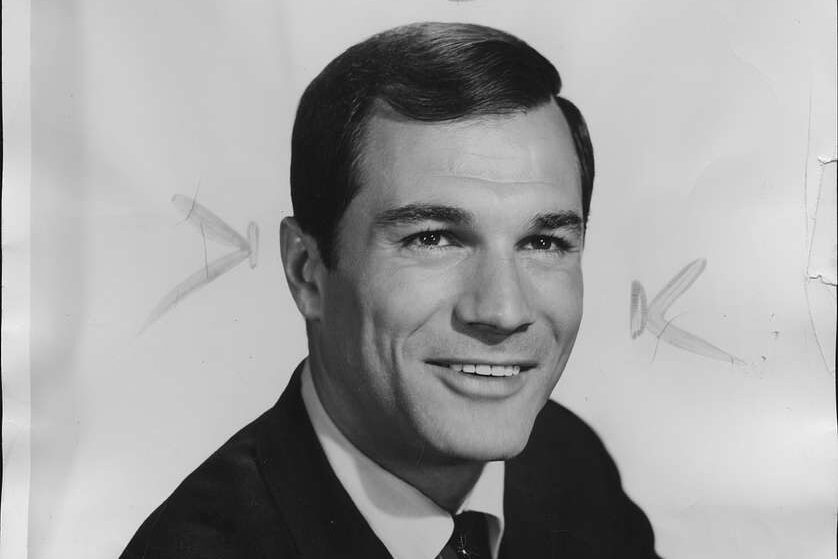
George Maharis gained major recognition through television in the early ’60s, becoming a familiar face in adventure and drama programming. His leading roles made him a regular presence in homes during the height of network television dominance. At the time, his popularity extended into fan magazines and public appearances. As television formats changed and new stars emerged, his visibility gradually declined. He continued acting and pursuing artistic interests, but mainstream attention eased. Over the years, his name drifted into the category of lightly remembered television history. Many viewers recognize him more by image than by name today.
Maharis’s career reflects the transitional nature of early television fame. His work remains accessible through classic TV reruns and archives. Fans who revisit those shows often rediscover his strong screen presence. The quieter recognition does not erase the impact he once had on audiences. His legacy persists in the early chapters of television storytelling. Like many stars of that era, his fame softened into a quieter kind of remembrance.