
1. Greta Garbo
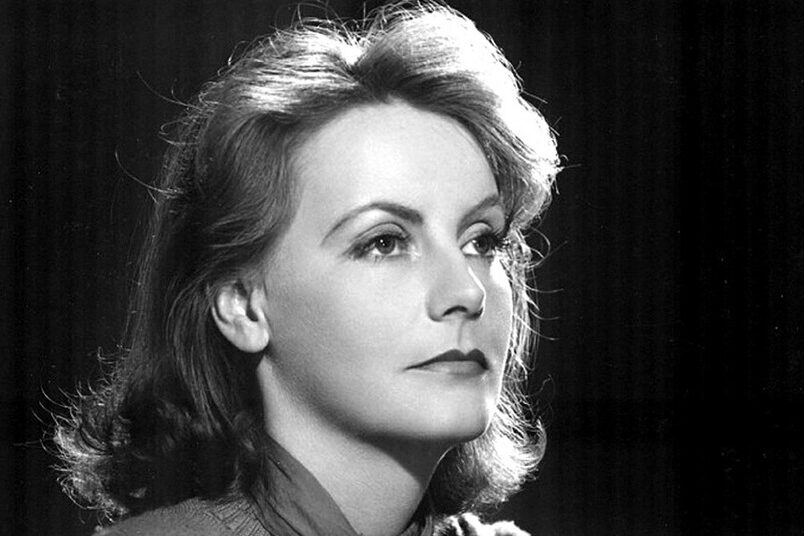
At the height of her fame in the early 1940s, Greta Garbo was one of the most recognizable faces in the world, known for films like Grand Hotel and Camille. Studios would have happily built entire production slates around her, yet she quietly stepped away from acting at just 36 years old. Garbo was famously private and uncomfortable with celebrity culture, even as audiences adored her. Her final film, Two-Faced Woman, came out in 1941, and she simply chose not to return to Hollywood afterward. There was no dramatic farewell tour or emotional press circuit, just a clean exit. Fans spent decades hoping she might reappear on screen, but she never did. Her decision only deepened her mystique and legend. In a business driven by visibility, Garbo proved that disappearing could be just as powerful as fame.
She lived the rest of her life largely out of the spotlight in New York City, rarely granting interviews or public appearances. That sense of mystery kept people talking about her long after her films stopped playing in theaters. It’s rare for a star to walk away while still commanding massive box office appeal, but Garbo managed exactly that. Her retreat reinforced the idea that success does not always have to mean constant reinvention. Many actors cite her as proof that protecting personal peace can matter more than awards or attention. Even today, her choice feels bold and almost unimaginable in an era of nonstop publicity. Garbo left audiences wanting more, and she seemed perfectly content with that.
2. Rick Moranis
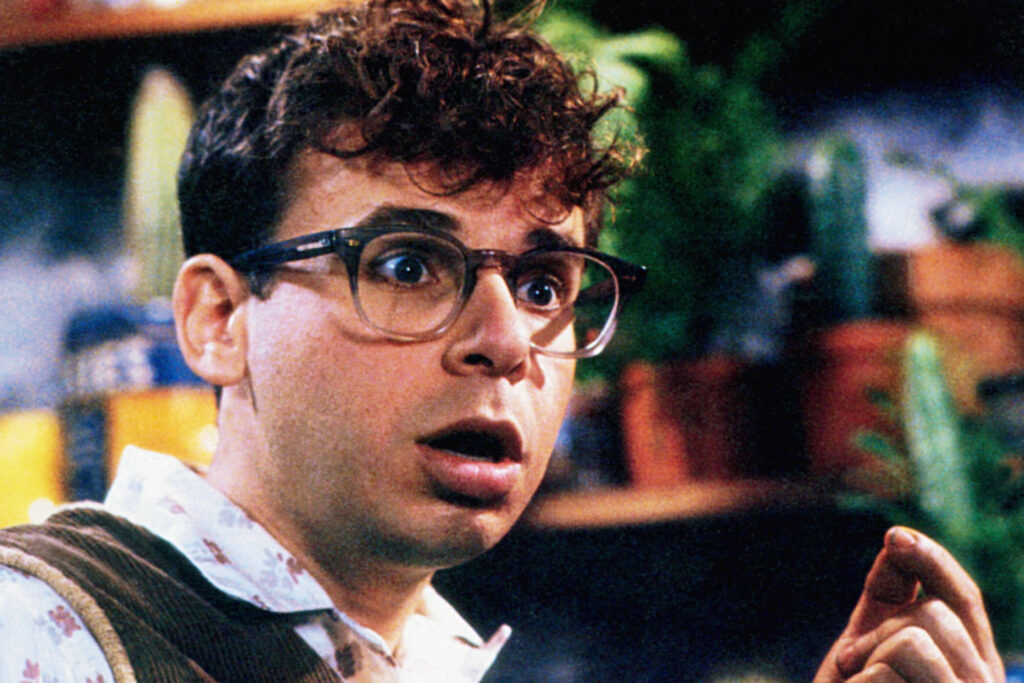
In the late 1980s and early 1990s, Rick Moranis was everywhere, from Ghostbusters to Honey, I Shrunk the Kids. He had a rare mix of comedic timing and genuine warmth that made him especially appealing to family audiences. Then, seemingly overnight, he stepped away from acting at the peak of his popularity. Moranis chose to focus on raising his children after the death of his wife, a deeply personal decision that reshaped his priorities. Instead of chasing new roles, he shifted toward voice work and occasional music projects. Fans were surprised, but many respected the clarity of his choice. Hollywood kept the door open for years, hoping he might return. His absence made his performances even more cherished over time.
Every few years, rumors surface about a comeback, which shows just how fondly audiences remember him. When Moranis does pop up for a voice role or small project, it feels like a reunion with an old friend. His decision highlights how rare it is for someone to walk away when their career momentum is still climbing. He didn’t leave because the offers stopped, he left because life demanded something different. That kind of boundary-setting remains unusual in the entertainment world. Moranis quietly demonstrated that stepping back can be a form of success, not a failure. His legacy lives on through movies families still quote and rewatch today.
3. Daniel Day-Lewis
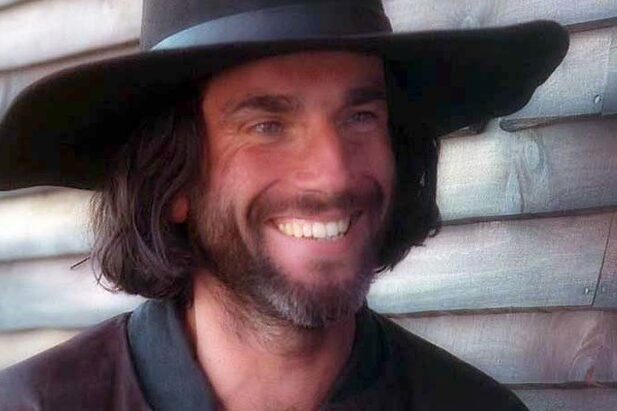
Daniel Day-Lewis built a reputation as one of the most intense and respected actors of his generation, winning multiple Academy Awards for performances in films like There Will Be Blood and Lincoln. His work was admired for its depth, discipline, and total immersion into character. In 2017, he announced that Phantom Thread would be his final film and that he was retiring from acting. The news stunned fans and critics alike, especially because he was still delivering award-worthy performances. Day-Lewis offered no grand explanation beyond a personal sense that it was time to stop. He has always been selective and private, which made the decision feel consistent with his personality. Still, it was hard to imagine cinema without him. His departure left a noticeable gap in prestige filmmaking.
Unlike many actors who tease future projects, Day-Lewis has remained firmly out of the spotlight. He has not returned for surprise cameos or limited series, reinforcing that his retirement was sincere. For audiences, his filmography now feels like a carefully curated body of work rather than an ongoing career. That sense of closure is rare in Hollywood, where most performers continue working indefinitely. His exit at the top of his craft adds to his mystique and legacy. It also raises interesting questions about knowing when you’ve said everything you want to say artistically. Few entertainers have walked away with such universal respect still firmly intact.
4. Phoebe Cates
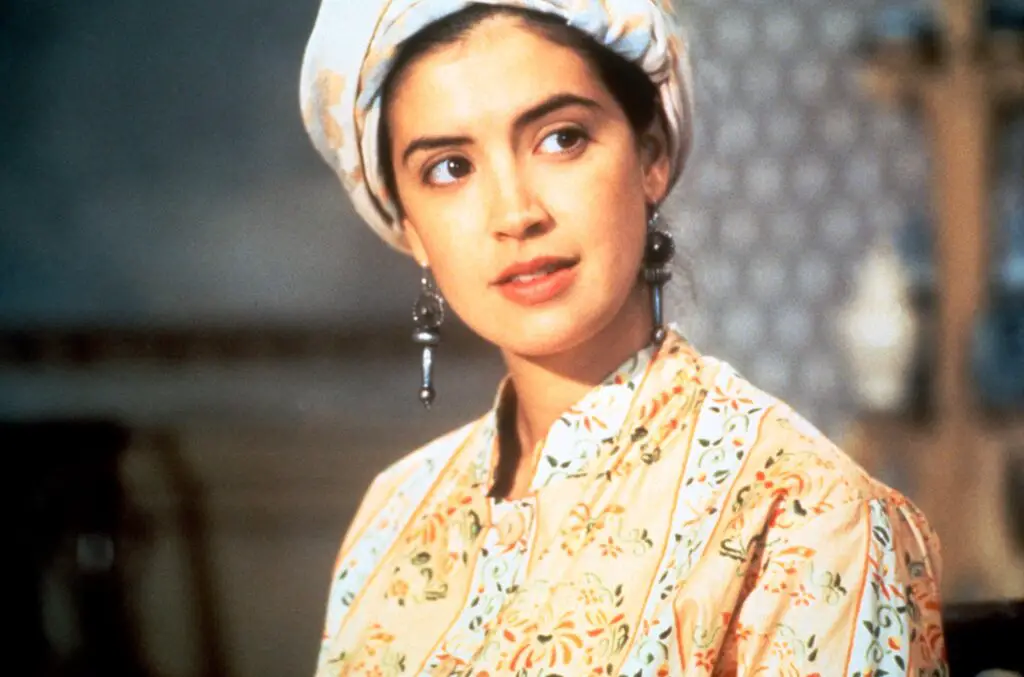
Phoebe Cates became a pop culture icon in the 1980s thanks to films like Fast Times at Ridgemont High and Gremlins. She had the kind of star power that suggested a long Hollywood career was inevitable. Instead, Cates chose to step away from acting in the mid-1990s to focus on her family with husband Kevin Kline. Her decision was quiet and intentional, without dramatic announcements or publicity campaigns. Fans were often surprised to realize how completely she disappeared from new projects. She made only a handful of appearances after leaving and largely avoided the industry. For many viewers, she remains frozen in time as the quintessential 80s screen presence. Her absence only added to her nostalgic appeal.
Cates later shifted her energy into entrepreneurship, opening a boutique in New York City rather than returning to film sets. She has occasionally spoken about being content with her choice and not feeling the pull to return to acting. In an industry driven by visibility and reinvention, her steady retreat feels refreshingly grounded. Her legacy lives on through endlessly replayed movies and cultural memory rather than ongoing publicity. Fans still associate her with a specific era of youthful, carefree cinema. That lasting impression shows how powerful a short but impactful career can be. Walking away didn’t diminish her influence, it simply preserved it.
5. Bridget Fonda
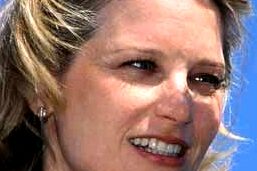
During the 1990s, Bridget Fonda was a familiar face in films like Single White Female, Jackie Brown, and Singles. She moved easily between thrillers, comedies, and indie projects, building steady momentum in Hollywood. Then, after the early 2000s, she stopped acting altogether. A serious car accident in 2003 reportedly influenced her decision to step away from the industry. Instead of returning to film sets, she chose a quieter life focused on family. Unlike many stars who maintain a public presence, Fonda largely disappeared from entertainment headlines. Her absence often surprises people when they revisit her films and realize how abruptly her career paused. The timing made it feel like she left just as her range was expanding.
Because Fonda has rarely given interviews about her decision, the mystery adds to public curiosity. Fans still remember her for the cool, grounded energy she brought to her roles. Her story reflects how personal circumstances can reshape even the most promising careers. Hollywood often frames success as constant upward motion, but her choice shows another path entirely. She left behind a solid body of work that continues to circulate on streaming and cable. That quiet exit preserved her image at a high point rather than risking overexposure. For many viewers, she remains emblematic of 1990s cinema.
6. Gene Hackman
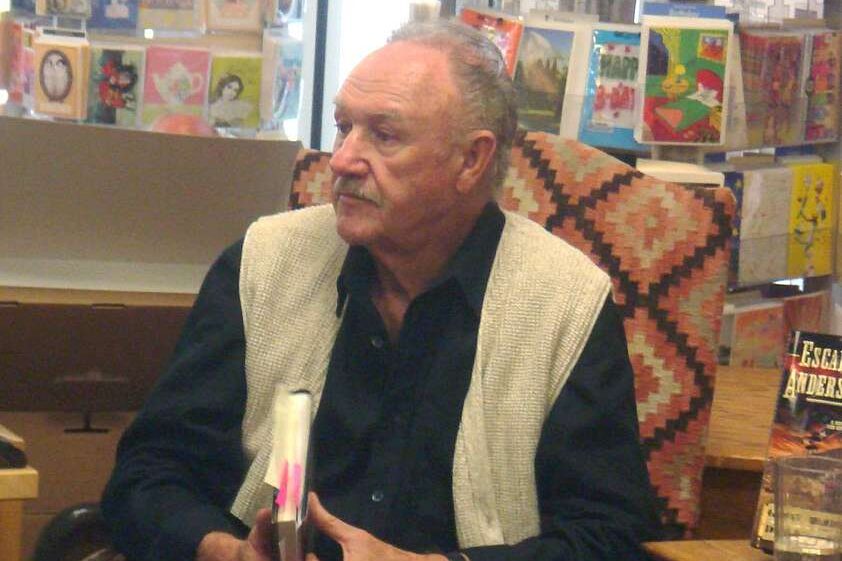
Gene Hackman was one of the most respected actors of his generation, delivering memorable performances in films like The French Connection, Unforgiven, and The Royal Tenenbaums. Even into his seventies, he remained in demand and consistently praised for his work. After completing Welcome to Mooseport in 2004, Hackman quietly retired from acting. He later explained that he no longer wanted the stress and physical demands of film production. There was no decline in his talent or reputation that pushed him out. Instead, he chose a calmer life away from sets and schedules. Fans were surprised but understood the logic behind the decision. His career already felt complete and richly varied.
Hackman redirected his creative energy into writing novels, proving that retirement did not mean inactivity. His decision underscores how longevity can look different for different artists. Rather than chasing one more role, he protected his health and personal well-being. His performances remain staples of film history and continue to attract new audiences. Many viewers still list him among the greatest American actors of all time. Walking away when your reputation is already secure is a rare luxury in Hollywood. Hackman exercised that option with quiet confidence.
7. Cameron Diaz
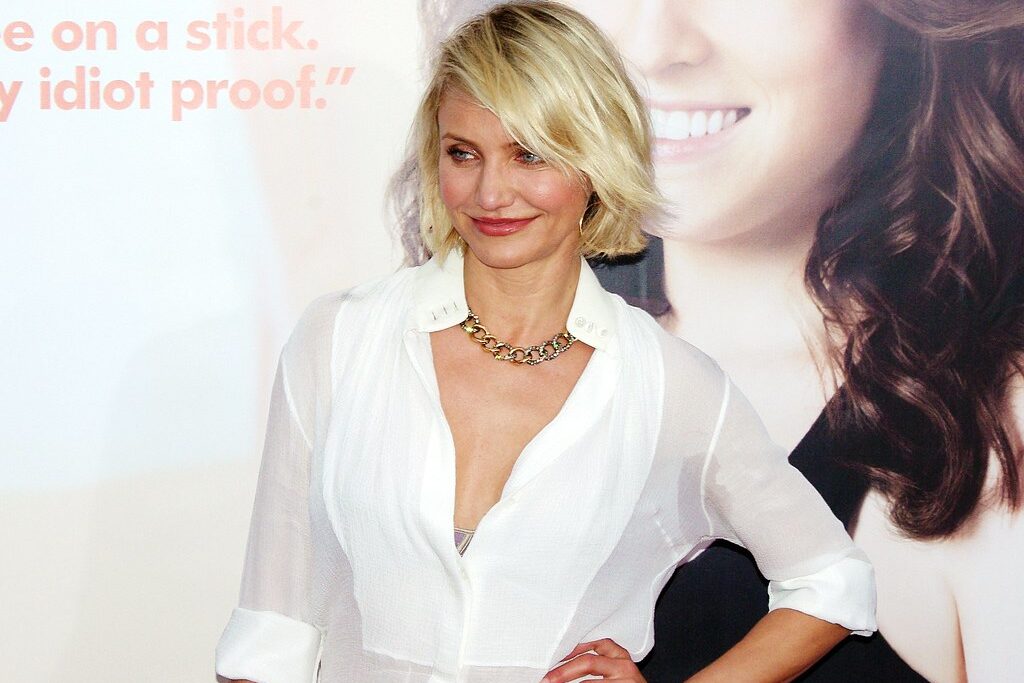
Cameron Diaz spent decades as a major box office draw, starring in everything from There’s Something About Mary to the Shrek franchise. She balanced comedy, romance, and animation while remaining consistently visible in pop culture. In the mid-2010s, Diaz stepped away from acting and publicly acknowledged that she had effectively retired. She spoke candidly about wanting more control over her time and personal life. The pace of filmmaking had become exhausting, and she wanted space to explore other interests. Fans were surprised because she still had commercial momentum and broad audience appeal. Her absence from red carpets and premieres felt noticeable almost immediately. It marked a clear shift in priorities.
Diaz later focused on wellness projects, business ventures, and family life rather than returning to film sets. While she has occasionally hinted at openness to future possibilities, she has not resumed regular acting work. Her transparency about burnout resonated with many people outside the entertainment industry as well. She demonstrated that even highly successful careers can benefit from deliberate pauses or endings. For longtime fans, her movies still circulate heavily on streaming platforms. That continued visibility keeps her cultural footprint strong even without new releases. Walking away did not erase her impact, it simply reshaped it.
8. Jack Nicholson
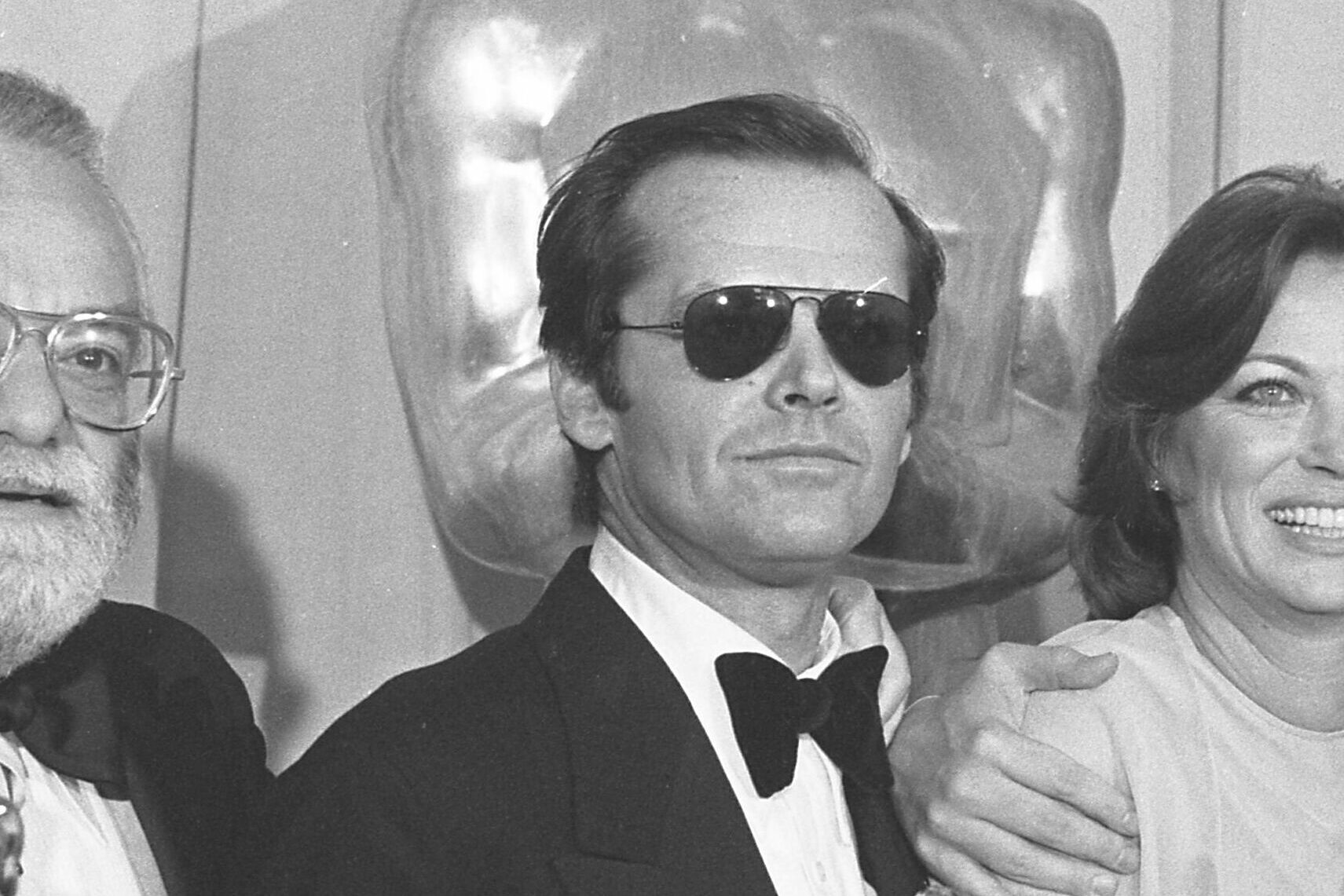
Jack Nicholson dominated American cinema for decades, delivering iconic performances in films like One Flew Over the Cuckoo’s Nest, Chinatown, and The Departed. His on-screen persona became synonymous with intensity, wit, and unpredictability. After How Do You Know in 2010, Nicholson largely stopped taking acting roles. Although he never formally announced a retirement, he has not returned to film production since then. Reports suggested that memory concerns and a desire for a quieter life influenced his withdrawal. At the time, he was still one of the most recognizable stars in the industry. Fans expected at least one more major performance. Instead, his filmography quietly closed.
Nicholson remains a public figure through occasional basketball game appearances and rare sightings, but his acting career appears complete. His body of work already stands as one of the most celebrated in film history. Walking away without a farewell project feels fitting for someone who always followed his own instincts. His absence highlights how certain screen presences simply cannot be replaced. New generations continue discovering his films long after his last role. The legacy remains intact precisely because he did not overextend it.
9. Mara Wilson
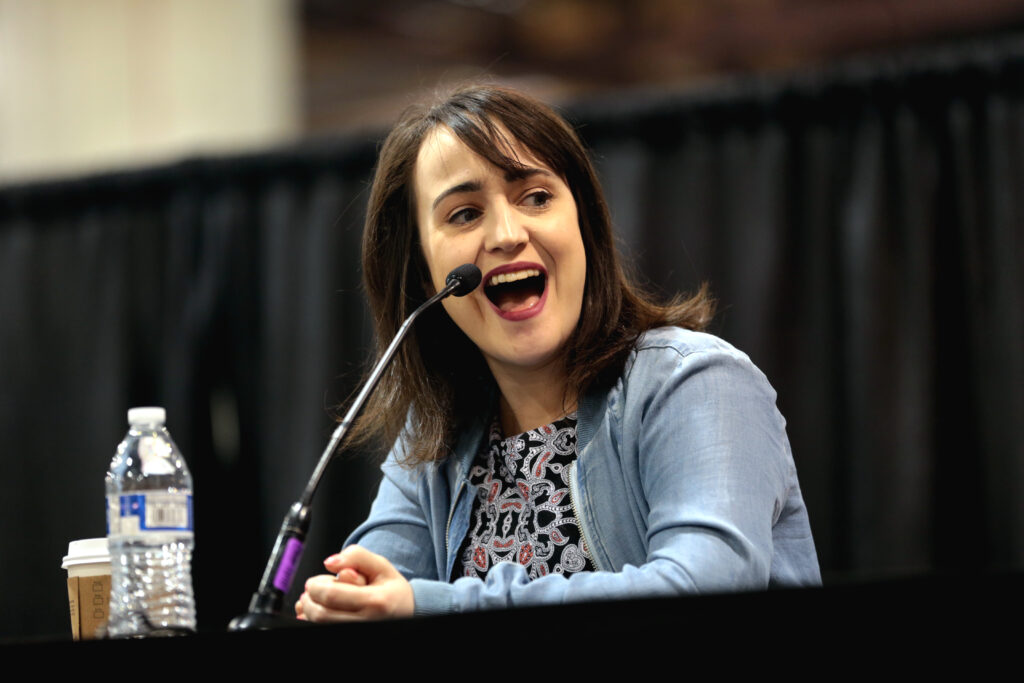
Mara Wilson became a household name as a child actor in beloved films like Matilda and Mrs. Doubtfire. Her performances made her one of the most recognizable young stars of the 1990s. As she grew older, Wilson found that Hollywood opportunities changed and often became less fulfilling. She gradually stepped away from acting and chose not to pursue the traditional adult career path many child stars attempt. Instead, she shifted toward writing, theater, and advocacy work. Her decision was driven by personal growth rather than industry pressure alone. Fans who grew up watching her often express surprise at how completely she moved on from screen acting. Her clarity about the realities of child stardom has been especially meaningful to audiences.
Wilson has been open in essays and interviews about the emotional challenges of early fame. By choosing a different creative path, she regained control over her identity and career direction. Her story resonates with many former child performers who struggle with long-term visibility. While she no longer appears in mainstream films, her voice remains present through books and public speaking. That quieter form of influence suits her better than constant spotlight exposure. Her early roles remain beloved cultural touchstones. Walking away allowed her to redefine success on her own terms.
10. Sean Connery
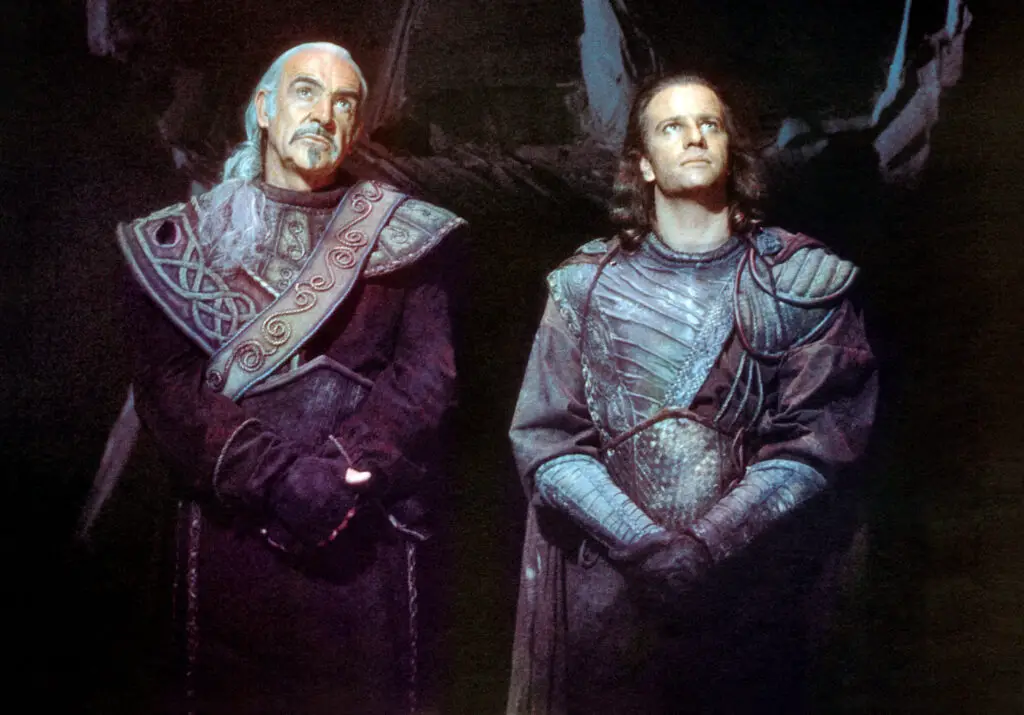
Sean Connery achieved global fame as the original James Bond and remained a major star for decades in films like Indiana Jones and the Last Crusade and The Untouchables. Even in his later years, his screen presence carried enormous weight and audience appeal. After appearing in The League of Extraordinary Gentlemen in 2003, Connery retired from acting. He later expressed frustration with aspects of modern filmmaking and production culture. Rather than chasing additional roles, he chose to step away entirely. Fans were disappointed but understood that he had little left to prove. His career already spanned iconic franchises and award-winning performances. The timing marked a definitive end to an era of classic leading men.
Connery remained largely out of the public eye in retirement, making only occasional appearances. His Bond legacy alone ensured his permanent place in film history. Walking away while still culturally relevant preserved the strength of his image. Unlike performers who linger in diminishing roles, Connery exited on his own terms. That sense of agency added dignity to his final chapter. His films continue to attract new viewers decades later. The spotlight moved on, but his influence did not fade.
11. Shirley Temple
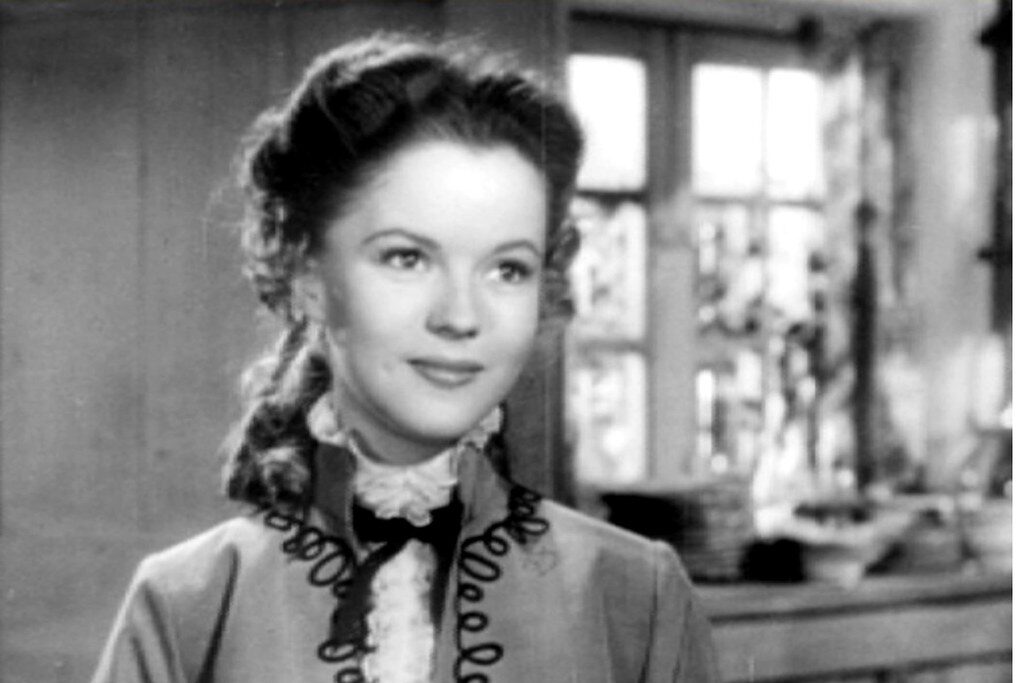
Shirley Temple was arguably the biggest child star in Hollywood history, dominating the box office during the 1930s. Her films brought comfort and optimism during the Great Depression, making her a cultural phenomenon. As she matured, Temple gradually stepped away from acting and formally retired in the early 1950s. Rather than remaining in entertainment, she pursued education, family life, and later public service. She became a U.S. ambassador and diplomat, carving out a second career entirely separate from Hollywood. Her transition was deliberate and deeply successful. Many fans still associate her exclusively with childhood stardom, even though her adult life was equally impactful. She demonstrated that reinvention does not always have to stay within the same industry.
Temple’s decision showed remarkable foresight and independence. She avoided the identity struggles that affected many former child stars. Her public service work earned widespread respect beyond her film legacy. Walking away from fame allowed her to grow into a different kind of leadership role. Her story remains one of the healthiest transitions from childhood celebrity into adulthood. The films still play on television and streaming, keeping her memory alive for new generations. Her exit from acting preserved a positive, enduring image.
12. Enya
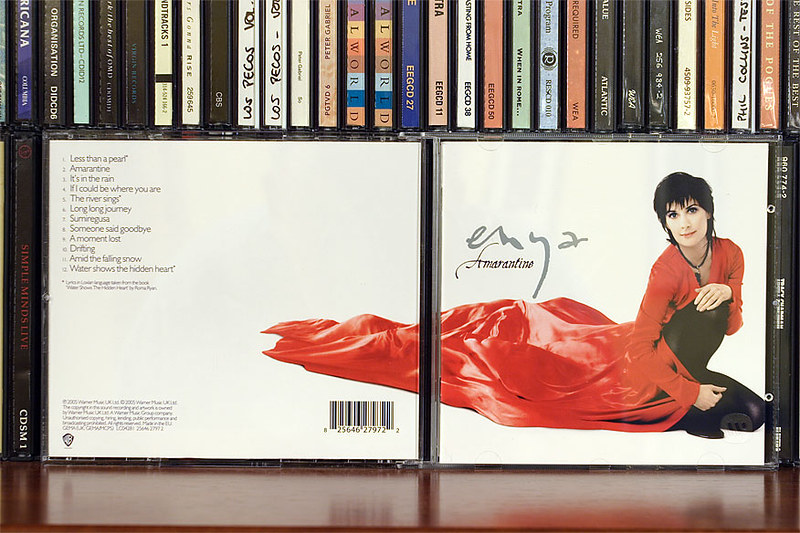
Enya became one of the best-selling solo artists in the world with ethereal hits like “Orinoco Flow” and massively successful albums like Watermark and A Day Without Rain. Despite her global fame, she maintained an intensely private lifestyle from the beginning of her career. Over time, she reduced public appearances, touring, and media engagement even as her music continued selling in enormous numbers. Enya never embraced the typical pop-star promotional cycle. She preferred to focus quietly on studio work and personal life rather than constant visibility. For fans, this created an unusual dynamic where the music stayed present while the artist remained distant. Her withdrawal felt intentional rather than reactive. It reinforced her mystique and artistic identity.
While she has not fully retired from recording, her absence from mainstream media feels like a deliberate step back from the spotlight. Enya’s career demonstrates that commercial success does not require nonstop exposure. Her songs continue to circulate in films, television, and playlists worldwide. That passive presence keeps her culturally relevant without demanding public performance. Few entertainers have managed fame with such consistent privacy. Her approach challenges the assumption that visibility equals relevance. Walking away from the spotlight, while staying creatively active, became her signature balance.