
1. Reading a Paper Map Without Panic

There was a time when unfolding a giant paper map was considered a basic life skill, not a stressful group activity. Older generations learned to trace routes with a finger, memorize turns, and refold the map neatly afterward, which was its own talent. Getting lost was expected, but so was figuring it out without outside help. You learned to read symbols, highway numbers, and distance scales almost by instinct.
Asking for directions was normal, and remembering them was part of the job. People paid attention to landmarks because they had to. If you missed a turn, you adapted instead of recalculating. The map stayed in the glove compartment, creased and familiar, ready for the next trip.
2. Writing in Cursive
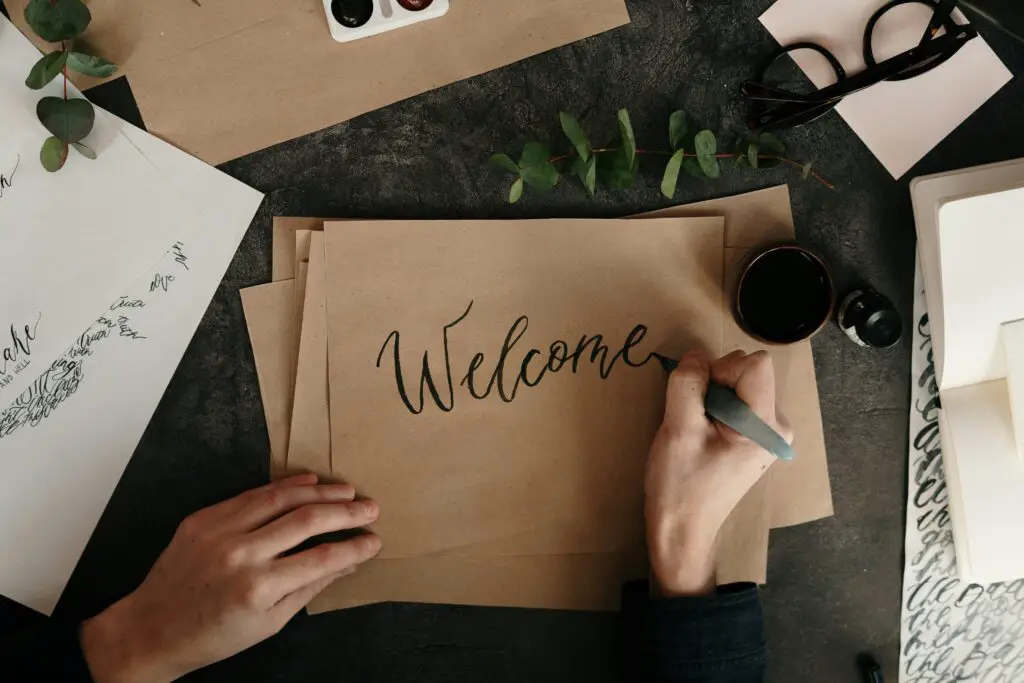
Cursive was once treated as the default form of adult handwriting, not an optional flourish. Kids practiced loops and slants until their hands cramped, because everyone was expected to read and write it fluently. Signing your name felt like a skill you had earned. Letters were personal, recognizable, and slightly imperfect.
Reading someone else’s cursive was just as important as writing your own. Notes from teachers, coworkers, or relatives were all handwritten. No one stopped to ask what a word said unless it was truly unreadable. It was assumed your brain would adjust.
3. Doing Mental Math on the Spot

Adding a grocery total in your head was considered practical, not impressive. People estimated costs while shopping to avoid surprises at the register. Making change without a calculator was part of daily life. You learned to round numbers and adjust quickly.
This wasn’t about being a math whiz. It was about staying aware of what things cost. Mental math kept you engaged with money in a very direct way. You trusted your own calculations. There was confidence in knowing you could figure it out anywhere.
4. Memorizing Phone Numbers

Important phone numbers lived in your head, not in a device. You knew your own number, your best friend’s, close relatives, and maybe your workplace. Repetition made them stick. Forgetting a number meant you were temporarily out of luck.
This skill gave people a sense of independence. You could use any phone and still reach who you needed. There was no scrolling or searching. The numbers were just there, ready when you needed them.
5. Driving Without GPS

Directions were something you prepared for in advance. You either studied a route or wrote instructions on a scrap of paper. Paying attention while driving mattered, because no voice was going to remind you to turn. You learned to stay alert.
Mistakes happened, but they were handled calmly. You pulled over, checked signs, or asked someone nearby. Getting lost was annoying but not catastrophic. Eventually, you learned your surroundings well enough to rely on memory.
6. Fixing Small Household Problems
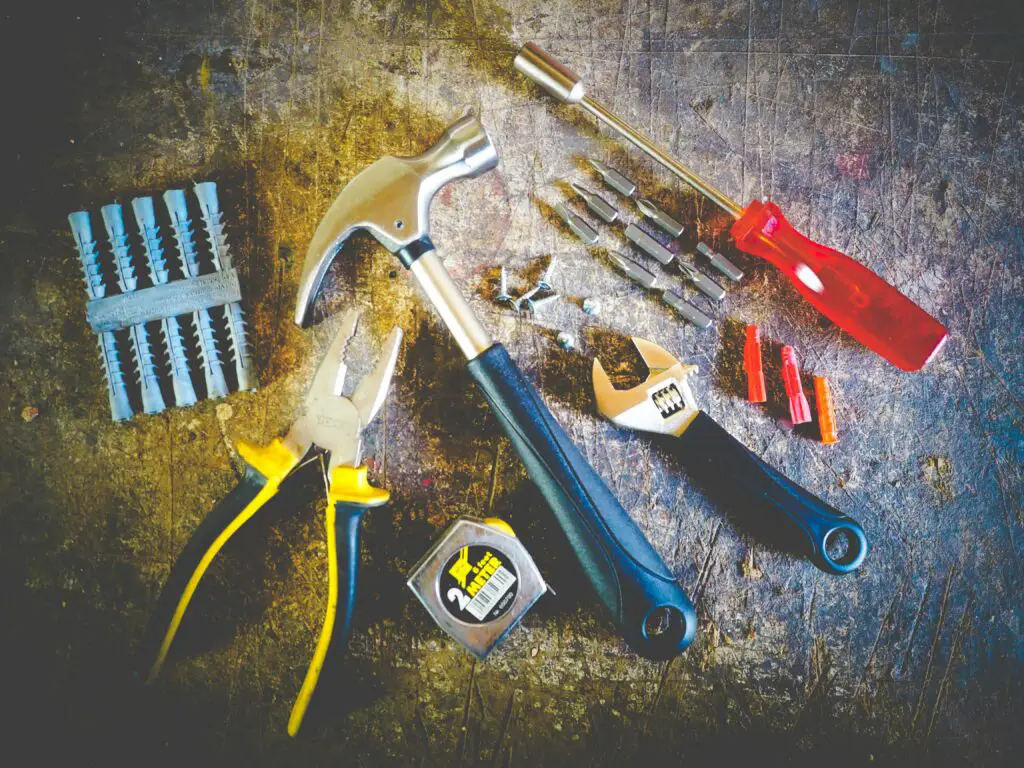
Basic repairs were often handled without calling anyone. Tightening a loose screw or unclogging a drain was considered common sense. People kept simple tools and knew how to use them. Trial and error was part of learning.
There was pride in solving small problems yourself. You didn’t need instructions for everything. Watching someone older fix something once was often enough. The knowledge stuck.
7. Writing a Formal Letter

Knowing how to structure a proper letter was expected. You included a greeting, clear sentences, and a polite closing. Tone mattered because it carried more weight than a quick message. Every word felt deliberate.
Letters were often reread before being sent. Mistakes couldn’t be easily corrected. That made people slow down and think. Communication felt more intentional.
8. Reading the Room

Social awareness was learned early and reinforced constantly. You noticed body language, tone changes, and silences. Knowing when to speak and when to stay quiet was important. These cues weren’t explained, they were absorbed.
This skill helped people navigate workplaces and family gatherings alike. It reduced misunderstandings. You learned to adjust without being told. It was assumed everyone picked this up naturally.
9. Using the Yellow Pages

Finding a business once meant flipping through a thick book. You scanned categories and small print until you found what you needed. Ads competed for attention, but patience paid off. It was slow but reliable.
You learned how things were organized. You didn’t expect instant results. The process itself taught you persistence. Once you found a number, you wrote it down.
10. Cooking Without a Recipe

Many meals were made from memory and instinct. Measurements were approximate, and taste guided decisions. You learned by watching and doing, not by following steps. Every kitchen had its own rhythms.
This made cooking feel flexible and personal. Adjustments were made without stress. You trusted your senses. Recipes were suggestions, not rules.
11. Waiting Without Entertainment
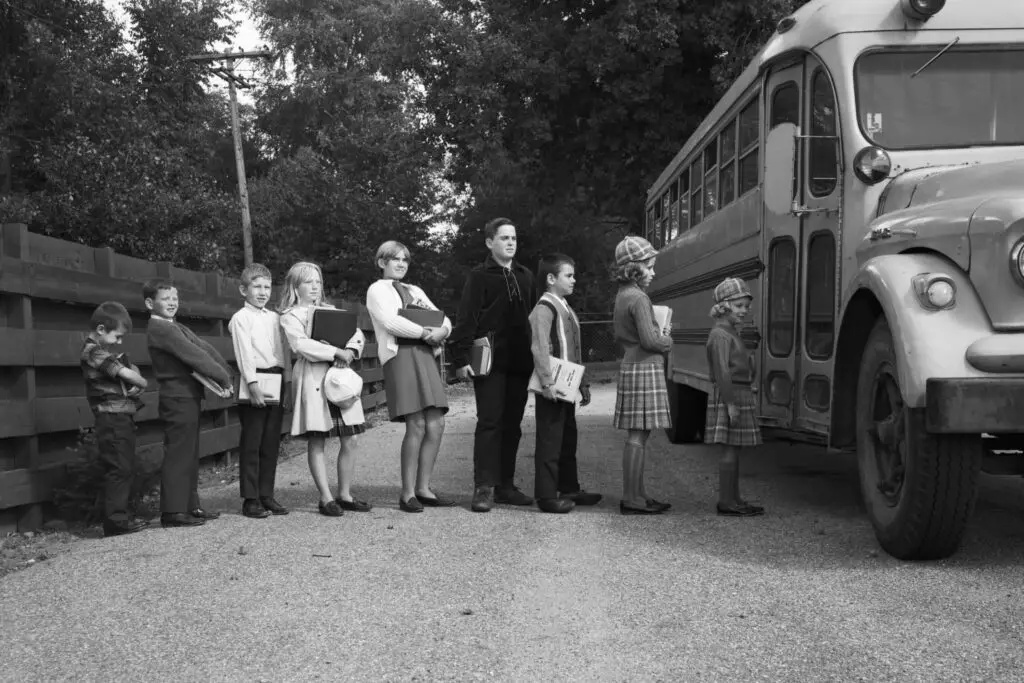
Waiting rooms and lines didn’t come with built in distractions. People sat, watched, or talked to strangers. Boredom was temporary and accepted. You learned to be still.
This built patience in a quiet way. Thoughts wandered. Observation became a habit. Waiting was just part of life.
12. Remembering Appointments

Appointments were remembered because they had to be. You marked a calendar or relied on memory. Forgetting meant missing it entirely. There were no automatic reminders.
This made scheduling feel more serious. You planned your day around commitments. Being on time mattered. Responsibility was assumed.
13. Navigating Social Conflict Face to Face

Disagreements were handled in person more often than not. You had to deal with expressions, tone, and immediate reactions. Avoidance wasn’t always an option. Resolution required effort.
This taught people how to manage discomfort. Apologies were spoken, not typed. You learned to listen. Moving on felt more complete.
14. Entertaining Yourself Creatively
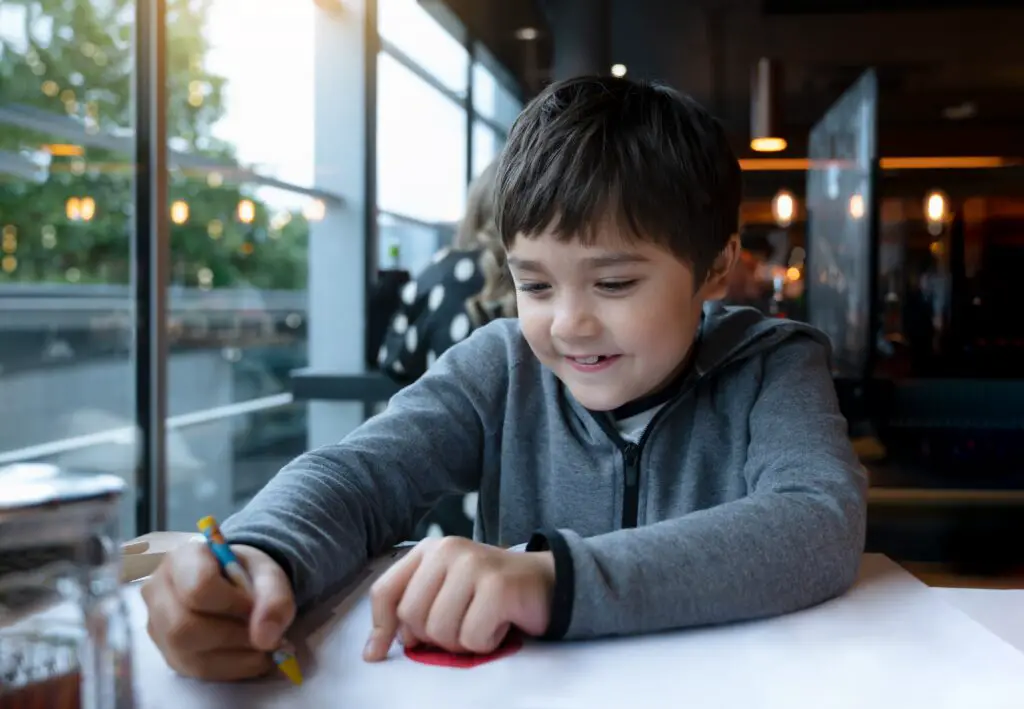
Kids and adults alike were expected to make their own fun. Games were invented on the spot. Imagination filled gaps. You didn’t wait for something to entertain you.
This creativity carried into adulthood. Free time wasn’t feared. You found ways to enjoy it. Resourcefulness became second nature.
15. Trusting Your Memory

Remembering details was something people relied on daily. Addresses, schedules, and instructions stayed in your head. Writing things down helped, but memory did most of the work. Forgetfulness felt like a personal failure.
This trust created confidence. You believed your mind could handle what you needed. Repetition strengthened recall. It was assumed everyone functioned this way.