
1. The Town That Wouldn’t Start Anything on Fridays

There was a small community in the Midwest where Fridays were practically considered off limits for new beginnings. Folks avoided signing papers, starting projects or even opening a new box of cereal, convinced it brought a streak of bad luck that could linger for weeks. It became such a habit that even outsiders felt the need to tiptoe around their plans. If someone forgot and tried to schedule something big on a Friday, neighbors would gently steer them away from it with a sympathetic smile. Kids even used it as an excuse to delay homework. The whole thing started generations back, but no one could quite say when. Everyone simply agreed it felt safer to wait until Saturday.
The funny thing was that people swore the superstition worked. They would point to stories about broken tractors or canceled picnics that happened whenever someone ignored the rule. Over time, the fear turned into something like a community personality trait. Visitors often joked that the town treated Fridays like they were cursed by the calendar itself. Even so, there was something oddly comforting about everyone believing in the same little ritual. It gave them a strange sense of unity. And honestly, many locals admitted they just liked having one day where no one expected too much from them.
2. The Town That Covered Mirrors During Storms

In one southern town, mirrors vanished from sight the moment thunderclouds rolled in. Residents believed uncovered mirrors could attract lightning, especially if the flash hit just right. As soon as storms were predicted, people would drape towels, quilts or even newspaper over every reflective surface they owned. It didn’t matter if the mirror was tiny or decorative, if it shined, it was getting covered. Kids grew up thinking thunderstorms were just “mirror emergencies.” Even motorists hung little cloths over their rearview mirrors while parked. It was a whole thing.
People claimed the habit started after a barn burned down in the early ’40s. A cracked windowpane inside supposedly glinted at the wrong moment, and the tale spread from one porch to another. Whether or not it was true, the ritual became as automatic as grabbing an umbrella. Neighbors checked on each other to make sure no mirror went forgotten, like part of a public safety routine. Even those who didn’t believe still played along. After all, no one wanted to be the one responsible for tempting fate. Or worse, drawing lightning to the entire block.
3. The Community That Never Whistled Indoors

You could walk into any home or shop in this mountain town and hear absolute silence when it came to whistling. Outdoors was fine, but inside, even a tiny note was considered a direct invitation for misfortune. Some folks said it “whistled up trouble,” while others insisted it woke up restless spirits. Store owners would politely hush visitors, even if the tune was cheerful. Kids learned the rule early, but every once in a while, one would forget and be met with a dozen gasps. It became a part of their shared identity.
The superstition was so strong that residents kept signs near doors reminding people to keep their lips closed. Musicians practiced outside no matter the weather. And whenever someone accidentally broke the rule, everyone paused, almost expecting something to fall off a shelf. Nothing ever did, but it didn’t matter. The town had built its whole sense of caution around the idea. Even newcomers eventually fell in line, learning that silence could sometimes feel like a form of community spirit.
4. The Town That Feared the Color Yellow

In a little coastal community, wearing the color yellow was treated like announcing disaster. Locals believed it brought storms, accidents or sudden arguments between loved ones. No one quite knew why yellow got such a bad reputation; some said it came from old sailors who blamed their bad luck on a yellow rain slicker. For decades, school portraits had no yellow sweaters. Store windows skipped the color entirely. Even flowers in that shade felt suspicious.
Residents grew up learning to scan for yellow like it was a warning sign. If a tourist arrived wearing a bright jacket, people gave them a wide berth until the weather report passed. Local theater groups avoided costumes in that color altogether. And if anyone dared to test the superstition, they usually did it quietly, like admitting they were trying to see whether the sky would turn on them. Whether or not anything happened wasn’t really the point. The ritual was so woven into daily life that it shaped the town’s look without anyone questioning it.
5. The Community That Refused to Sweep After Sunset
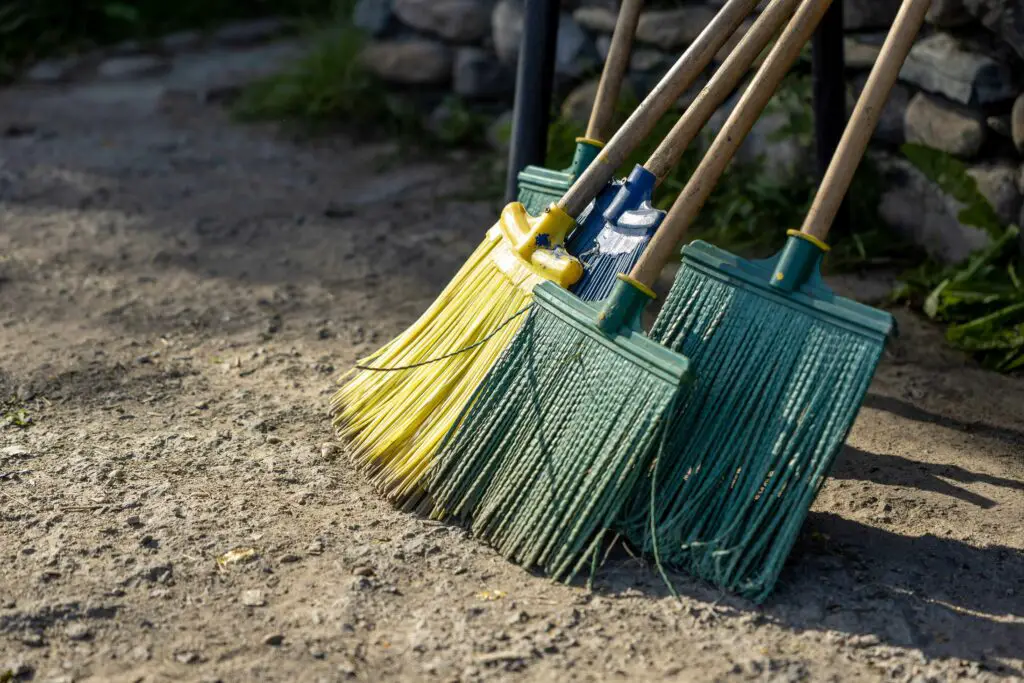
In this desert town, sweeping after sunset was practically forbidden. People believed it swept good fortune right out the door, leaving the household unprotected overnight. Even tidy residents let crumbs sit until morning rather than risk it. If someone heard a broom being dragged across the floor after dark, they’d knock on the door and gently remind the person of the rule. The sound of sweeping at night became almost eerie.
Families worked around the superstition by doing big cleanups before dinner. Businesses even closed early on some days so employees could sweep before sundown. When the power went out, everyone took it as a sign that sweeping definitely wasn’t happening that night. Newcomers were quick to learn the expectation. And whether they believed in luck or not, they followed the rule just to blend in. Over time, it became a nightly ritual that helped everyone slow down and accept that some chores could wait.
6. The Fishing Village That Never Said the Word “Rabbit”

This village believed uttering the word “rabbit” would ruin an entire day’s catch. It was such a serious superstition that people used substitutes like “the long-eared one” or “the hopper.” Even children whispered the word only when they were far from the docks. Fishermen claimed the taboo went back to a shipwreck blamed on crates of rabbits that chewed through ropes. Whether true or not, it stuck for generations.
Local shops avoided bunny-themed décor to keep the peace. During Easter, people decorated with chicks instead, just to be safe. A tourist once wore a shirt with a big cartoon rabbit on it, and the whole dock went silent. After that, visitors were quietly briefed before heading to the water. The whole thing became a quirky part of the town’s charm, even if it sometimes confused outsiders. But locals didn’t mind, they preferred caution over tempting the sea.
7. The Town That Never Cut Hair on Tuesdays

In this Midwest community, Tuesday was off limits for haircuts. People believed trimming even a single strand would bring bad health or financial trouble. Barbers closed shop entirely, treating it like a sacred day off. If someone forgot and asked for a Tuesday appointment, they’d get sympathetic looks, as if they’d narrowly avoided something dramatic. The superstition made such an impact that people planned their grooming weeks around it.
Schools even scheduled picture days to avoid the infamous Tuesday rule. Parents reminded their kids the moment they reached for scissors on that day. Newcomers occasionally tested the superstition, but they soon learned they’d be the talk of the town for doing so. Despite no evidence of danger, the tradition persisted because it made people feel anchored to something familiar. And in a funny way, it gave everyone one less decision to worry about each week.
8. The Town That Believed Knocking Twice Kept Spirits Away
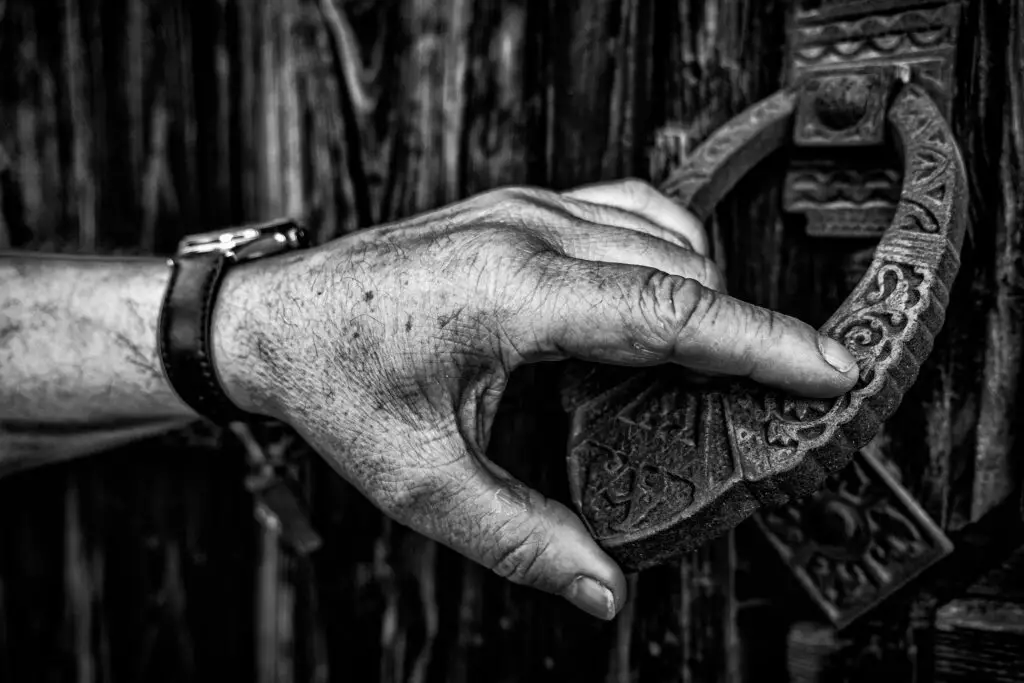
In one old mining town, folks knocked twice on any wooden doorframe before entering a room. They believed the double-knock signaled to lingering spirits that you meant no harm. It became such second nature that people knocked without thinking. Visitors found themselves copying it just to avoid standing out. Even animals seemed to pause when the knocking began.
The superstition likely started when miners worked long hours underground and wanted a way to feel protected. Knocking became a kind of shared heartbeat for the town, a soft reminder that they were all in this life together. Parents taught it to their kids the same way they taught table manners. The ritual lived on long after the mines closed, becoming one of those habits no one questioned anymore. And honestly, no one wanted to risk being the person who broke the chain.
9. The Community That Wouldn’t Leave Shoes Upside Down

In this valley town, an upside-down shoe was treated like a bad omen. Residents believed it invited arguments, illnesses or unexpected visitors. If someone walked into a home and spotted a flipped shoe, they’d set it upright immediately, like fixing a dangerous mistake. Kids were gently corrected if they kicked their sneakers off too fast and left them wrong-side up. Even garages had signs reminding people to keep shoes right-side up.
The superstition created a town of unusually neat entryways. People developed the habit of checking their shoes the same way others check if the stove is off. Over time, it became a point of pride. Visitors often commented on how tidy everything looked. And while some residents laughed about it privately, they still fixed any upside-down shoes without hesitation. It just felt like the right thing to do.
10. The Town That Never Opened Umbrellas Indoors, Ever

Sure, most people think opening umbrellas indoors is unlucky, but this town took it to a whole new level. Not only was it discouraged, it was practically outlawed in social terms. If someone accidentally popped one open inside, shops would go quiet, and people would look genuinely distressed. Residents believed an open indoor umbrella brought seven days of misfortune to the entire building. The superstition ran so deep that folks stored umbrellas in sealed bags to avoid accidental openings.
Families taught kids early to treat umbrellas like delicate artifacts. Schools held rainy-day safety talks that included reminders about keeping umbrellas tightly closed. Even repair shops insisted on working outside or under awnings. It might have seemed extreme, but to locals it kept life running smoothly. They figured that avoiding avoidable bad luck was just common sense.
11. The Town That Believed Whispers Could Predict Illness

In this northern town, people believed faint whispers in the wind were signs someone in the community might soon fall ill. Whenever the breeze carried that soft, eerie sound, neighbors checked on one another. Folks would sit on porches listening carefully, almost treating the whispers like a weather forecast. If they heard something strange, they’d start making soup or offering rides to doctor appointments. Even skeptics found themselves listening when the wind picked up.
Over time, the superstition became more of a caretaker tradition. People grew used to looking after one another whenever the whispers appeared. It gave the town a sense of tenderness that visitors often noticed. The line between superstition and community care blurred. And residents didn’t mind, they liked believing the wind nudged them toward kindness. Even if the whispers were nothing more than rustling leaves, the feeling behind them became something real.
12. The Village That Never Allowed Empty Rocking Chairs
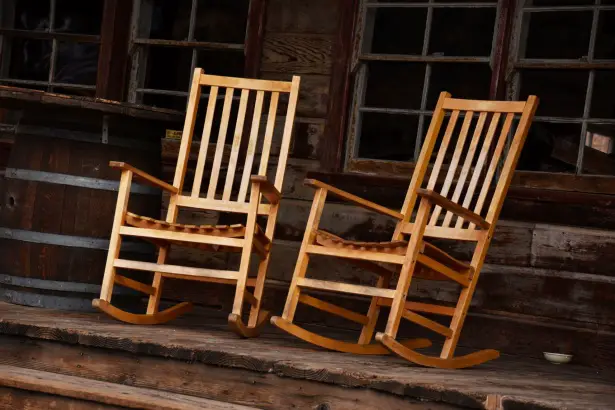
This little mountain village had an unusual fear of empty rocking chairs moving on their own. If a chair rocked without someone in it, folks believed a spirit was passing through. So they went out of their way to keep chairs still when not in use. People wedged books under the runners or placed them against walls. During windy days, it became a chore to check every porch chair for movement.
The superstition created a funny sort of caution. Friends visiting each other’s homes instinctively stopped any chair that wiggled. Porch gatherings often began with someone making sure the chairs were “behaving.” Even if the belief sounded strange, it brought neighbors closer together in practice. No one wanted a wandering spirit causing trouble, imagined or not. And honestly, the ritual became just another thread in the fabric of daily life, something comforting in its own peculiar way.