
1. Sewing a Button Back On
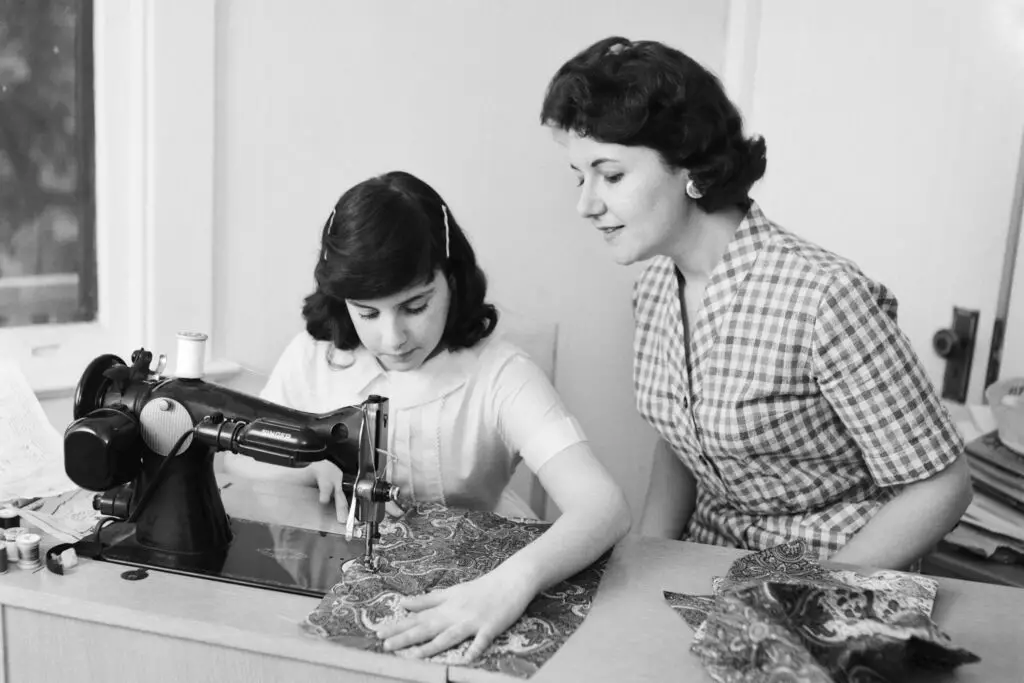
For a lot of older adults, sewing a loose button back onto a shirt was simply part of normal life. If something popped off, you grabbed a needle and thread and fixed it in a few minutes. Many people learned the skill from parents or grandparents while sitting at the kitchen table. It wasn’t considered crafty or impressive, it was just basic household knowledge. Children often saw adults doing small repairs and naturally picked it up.
Today, plenty of people would rather replace a shirt or take it to a tailor. Sewing kits still exist, but many sit untouched in drawers. The simple act of threading a needle can feel strangely complicated if you never practiced it. For earlier generations, though, it was one of those quiet skills that made everyday life run smoothly.
2. Reading a Paper Map

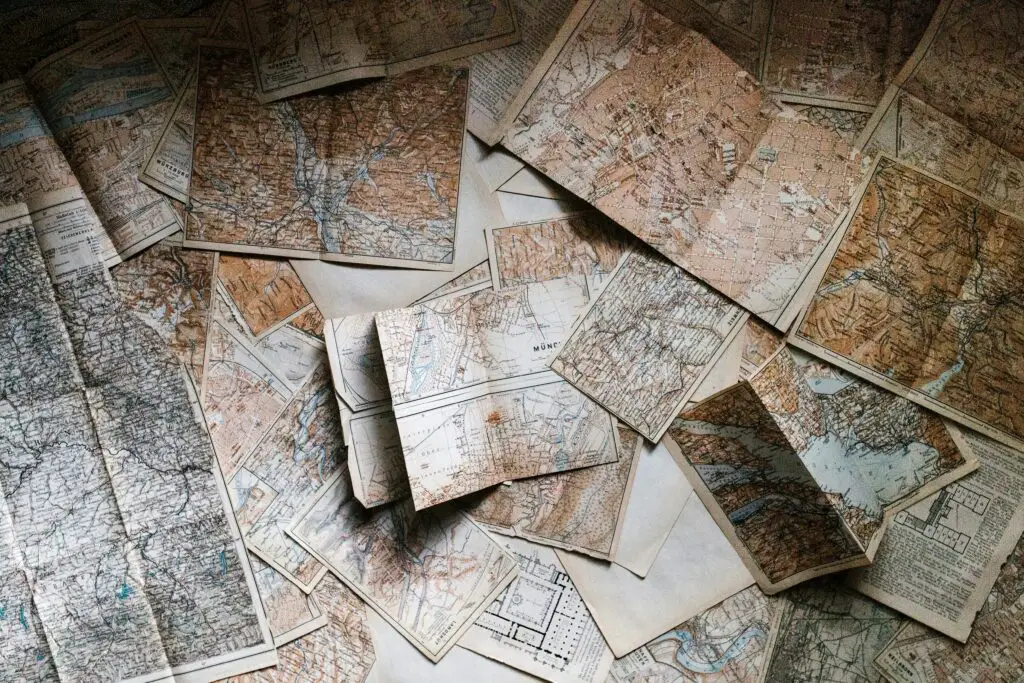
Before GPS apps and digital navigation, road trips usually involved unfolding a large paper map across the car seat. Drivers and passengers worked together to trace routes and figure out which highways to follow. Gas stations often handed out free maps, and families sometimes kept entire atlases in the glove compartment. Learning to read them was just part of traveling anywhere new.
It required paying attention to symbols, mileage markers and compass directions. People became surprisingly good at orienting themselves using landmarks and road numbers. Getting lost occasionally was part of the adventure. These days, many younger travelers have never needed to interpret a map grid at all.
3. Writing in Cursive
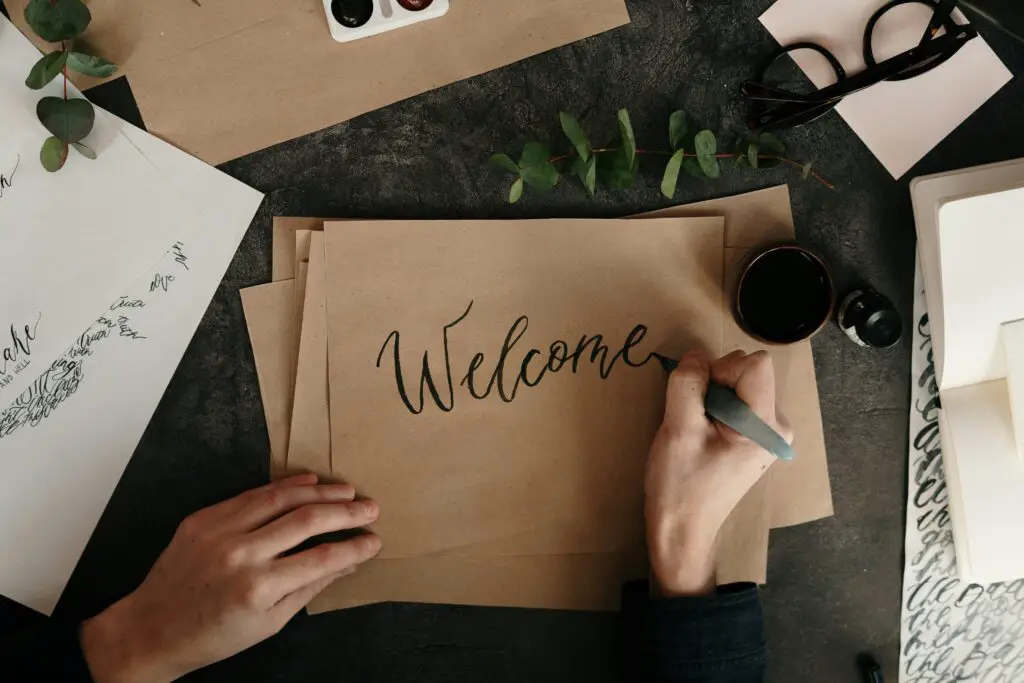
Cursive writing used to be a standard part of elementary school education. Students spent hours practicing loops, slants and smooth connecting strokes. Teachers expected homework, essays and even tests to be written this way. It became second nature after years of repetition.
Because of that, older adults can often write quickly and elegantly in cursive without thinking about it. Many signatures still rely on the style they learned as kids. In contrast, some younger people struggle to read it, let alone write it. What once felt like a basic literacy skill now sometimes looks like a mysterious script.
4. Memorizing Important Phone Numbers

At one time, people carried dozens of phone numbers in their heads. You knew your parents’ numbers, your friends’ numbers and often the numbers of nearby businesses. If you needed to make a call, you simply dialed from memory or checked a small address book. Pay phones made this skill especially useful.
Today most numbers live inside a smartphone’s contact list. Many people admit they barely know even their closest family members’ numbers anymore. Without the phone, it can suddenly feel impossible to reach anyone. Older generations relied on memory instead of digital storage.
5. Balancing a Checkbook

Balancing a checkbook used to be a regular monthly routine for many households. People carefully recorded every purchase, deposit and check they wrote. When the bank statement arrived in the mail, they compared every number to make sure nothing was off. It required patience and attention to detail.
Doing the math by hand also helped people stay aware of exactly how much money they had. Even small errors could throw the entire balance off. Today banking apps update transactions instantly. As a result, the habit of maintaining a handwritten ledger has largely faded.
6. Ironing Clothes Properly
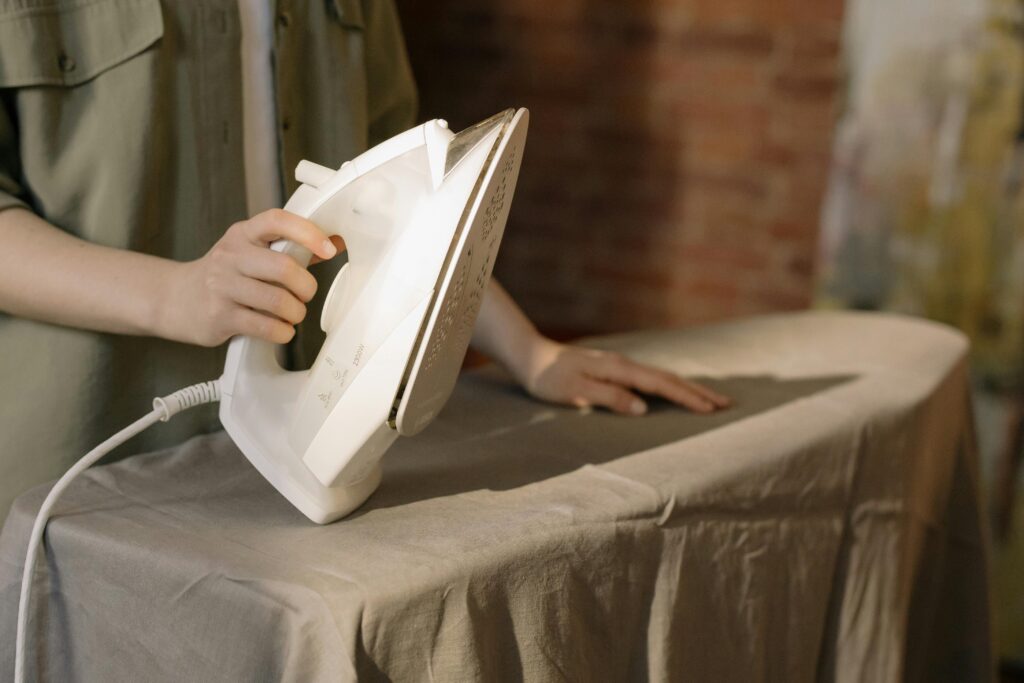
Ironing used to be a weekly ritual in many homes. Shirts, pants and even handkerchiefs were carefully pressed to remove wrinkles. People learned which fabrics required steam, which needed lower heat and how to avoid leaving shiny marks on clothing. It was simply part of looking presentable.
Laundry routines often included a dedicated ironing board set up in the living room or laundry area. Parents sometimes ironed while watching evening television. These days wrinkle resistant fabrics and casual dress codes have reduced the need. Many people rarely touch an iron at all.
7. Using Basic Tools
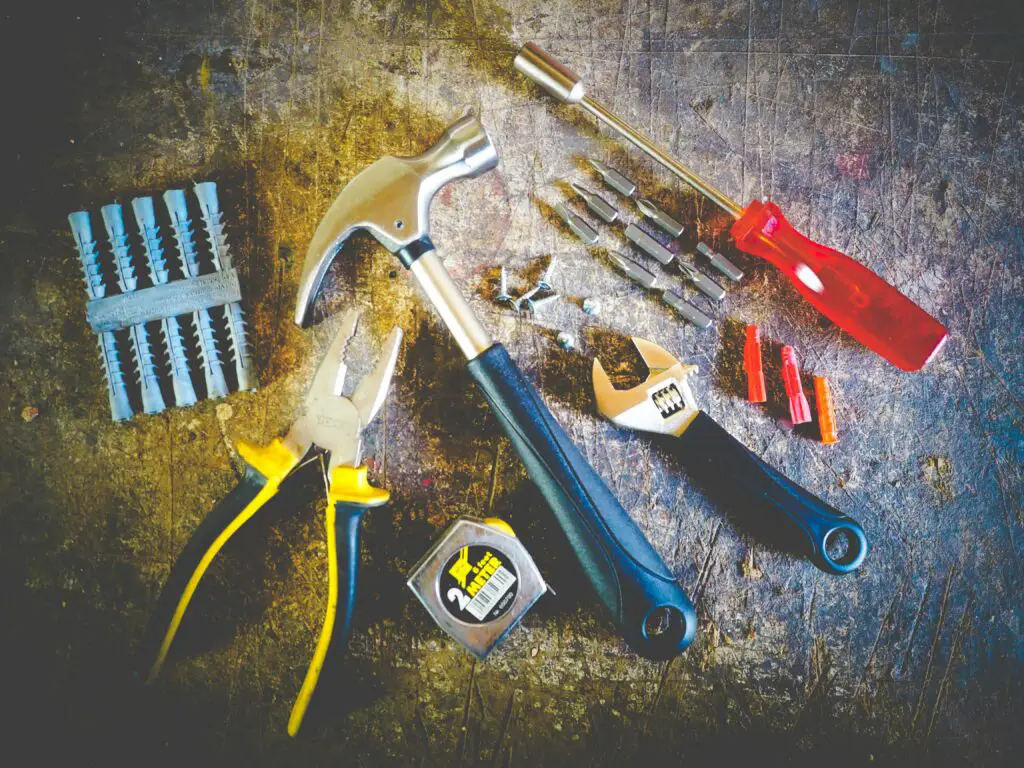
Older generations often learned basic tool skills early in life. Hammering a nail, tightening a screw or fixing a loose hinge was considered ordinary household maintenance. Toolboxes were common fixtures in garages and basements. Children frequently watched parents handle small repairs and gradually learned to do them too.
This didn’t mean everyone was a skilled carpenter. It simply meant people felt comfortable trying simple fixes before calling for help. Today many households rely more heavily on professional repair services. As a result, some of those everyday tool skills are less widely practiced.
8. Cooking Without a Recipe

Many grandparents could cook full meals without measuring anything. Recipes were remembered from experience and adjusted by taste. A pinch of salt, a handful of herbs or a splash of milk was added instinctively. Years of repetition made the process feel natural.
Family dishes were often passed down through observation rather than written instructions. Kids learned by standing nearby and helping chop or stir. Modern cooking tends to rely more on precise online recipes and measurements. The intuitive style that earlier generations used is becoming less common.
9. Addressing and Mailing Letters
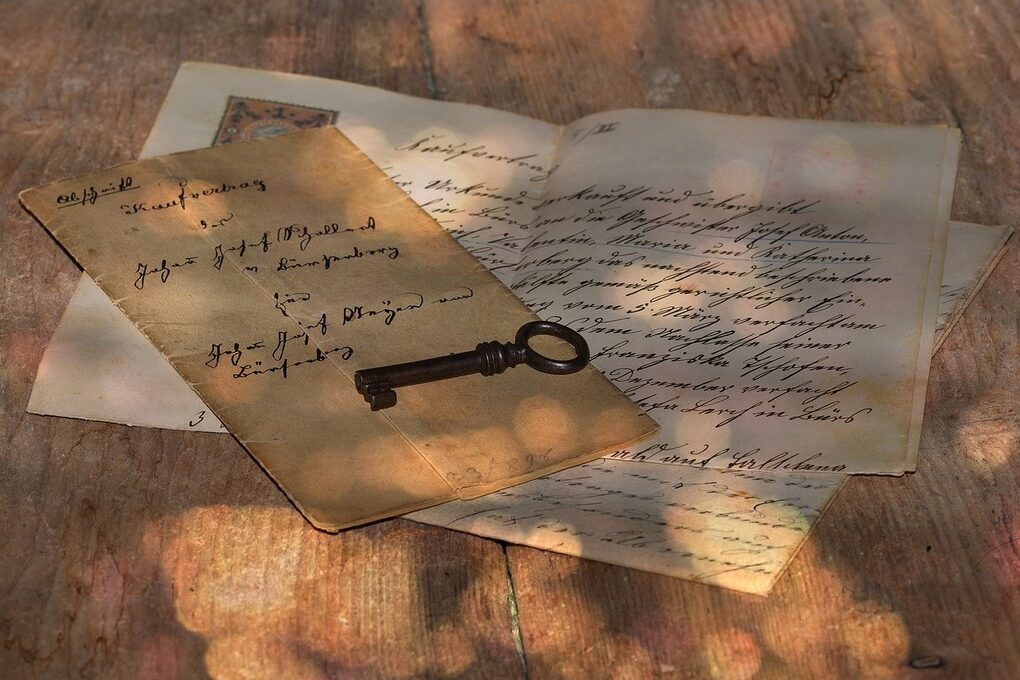
Sending a letter once involved several small steps that people knew by heart. You had to write the address correctly, place the stamp in the corner and drop the envelope in a mailbox. Children sometimes practiced addressing envelopes in school. It was considered a normal communication skill.
Mailing letters was how people stayed in touch with distant relatives or friends. Holidays and birthdays often meant stacks of cards sent through the post. Today digital messaging has replaced much of that routine. Many younger adults rarely send physical mail at all.
10. Driving a Manual Transmission

Manual transmission cars were far more common decades ago. Learning to drive meant figuring out the clutch, gear shifts and timing between them. It could take a few stalled engines before the technique finally clicked. Once mastered, though, the skill became automatic.
Drivers often felt more connected to the car because they controlled the gears themselves. It was especially common in older vehicles and work trucks. Today automatic transmissions dominate the market. As a result, many drivers have never operated a stick shift.
11. Sharpening Knives
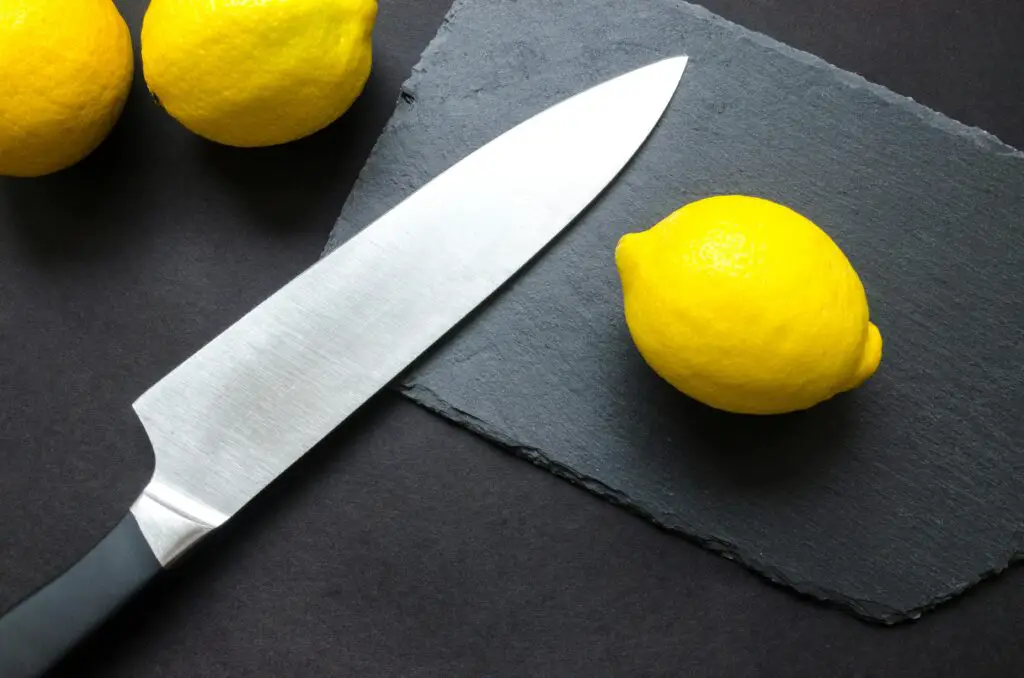
Instead of replacing dull kitchen knives, people often sharpened them at home. Sharpening stones or steel rods were standard kitchen tools. Learning the correct angle took practice, but it kept knives useful for years. Many cooks treated it as part of normal kitchen upkeep.
A sharp knife made cooking easier and safer, something experienced home cooks understood well. Today many people simply buy new knives when old ones lose their edge. The sharpening skill itself is becoming less familiar in everyday kitchens.
12. Reading Analog Clocks Instantly

Before digital clocks were everywhere, people relied on analog clock faces. Telling time meant quickly interpreting the position of the hour and minute hands. Children practiced the skill repeatedly in school until it became second nature. Eventually you could glance at a clock and know the time immediately.
For those who grew up with analog clocks, the process feels effortless. But younger people who mostly use phones and digital displays sometimes need a moment to interpret it. The skill still exists, but it isn’t as universal as it once was.
13. Making Basic Home Remedies

Older generations often relied on simple home remedies for minor ailments. Warm saltwater for a sore throat or a spoonful of honey for a cough were common suggestions. Families kept small mental lists of what worked for everyday problems. These solutions were passed down informally through relatives.
Not every remedy was medically proven, but many were practical and harmless. They reflected a time when people handled minor issues without immediately seeking medication. Today information often comes from online searches or pharmacies. The tradition of family remedy knowledge has faded somewhat.
14. Growing Vegetables at Home

Many households once maintained small vegetable gardens. Tomatoes, beans, lettuce and herbs were grown in backyards during the warmer months. Children often helped water plants or pick vegetables when they were ready. Gardening was both practical and relaxing.
Growing food also helped families stretch their grocery budgets. Even people without large yards sometimes kept small plots or container gardens. While gardening is still popular for some, it is no longer a routine skill for most households. Earlier generations often treated it as a normal part of everyday living.
15. Remembering Directions Without Technology
Before navigation apps, people regularly memorized routes to places they visited often. You might remember landmarks like a gas station, a bridge or a specific intersection. Directions were often explained verbally, sometimes using phrases like “turn after the red barn.” Paying attention to surroundings was essential.
After a few trips, the route usually stuck in your memory. People developed a strong mental sense of where things were located around town. Today many drivers rely entirely on GPS guidance. The ability to navigate purely from memory has become less common.