
1. Tying Your Own Shoes

There was a real sense of pride the first time you managed to knot those laces without calling for help. Kids practiced on sneakers, winter boots, and even stray hoodie strings until their fingers just knew what to do. It was treated like a rite of passage, not just a convenience. Teachers expected you to show up ready for recess without needing assistance. If you couldn’t tie them yet, you risked sitting out kickball or tripping halfway across the blacktop. Parents often turned it into a game or a race to make it stick. Once you mastered it, you felt strangely grown up walking down the hall with your laces neatly tucked.
It also quietly taught patience and problem solving in a very hands-on way. You had to learn the sequence and fix it when the knot collapsed into a mess. Kids compared techniques and argued about the best method, bunny ears versus the loop and swoop. It was one of those small skills that made you feel capable in the world. You didn’t think about it much once you had it, which was kind of the point. Independence started with simple things like this. Even today, it’s hard not to smile when you see a kid finally crack the code.
2. Telling Time on an Analog Clock

Reading a clock used to be a daily classroom ritual, not an optional skill. Teachers would point to the wall clock and ask what time it was, expecting hands to shoot up with the answer. Kids learned to count by fives, understand the difference between the hour hand and the minute hand, and figure out what “quarter past” actually meant. It took practice, especially when the hands were between numbers. Worksheets and little cardboard clocks made their way home in backpacks. Being able to read the clock meant you knew when recess was coming and how much longer math class would last. It gave you a real sense of time passing.
Once you mastered it, you felt more in control of your day. You could tell if you had time to finish an assignment or squeeze in one more game at recess. It also helped you learn punctuality without relying on adults to constantly remind you. There was something satisfying about catching the exact minute on your own. Digital clocks eventually made this less essential, but the skill stuck for many kids. It trained your brain to visualize time instead of just reading numbers. That awareness carried into everything from homework routines to bedtime negotiations.
3. Memorizing Important Phone Numbers

Before phones stored everything automatically, kids were expected to actually memorize key numbers. Most could rattle off their home phone number, a parent’s work number, and sometimes a grandparent’s line. It was framed as a safety skill, but it also built confidence. You knew you could reach someone if you needed help. Teachers even quizzed students on their numbers as part of early safety lessons. Writing it on the inside of a notebook was a backup, but memory mattered. It felt oddly grown up to know that information by heart.
This habit trained memory in a way that doesn’t happen as often now. Kids repeated the digits like a song until it stuck permanently. It also reinforced responsibility and awareness of personal information. Knowing a phone number meant you could make a call without panicking. There was comfort in that sense of preparedness. Even today, many adults still remember the first phone number they memorized as kids. It’s a small reminder of how self-reliance was quietly built into daily life.
4. Writing in Cursive
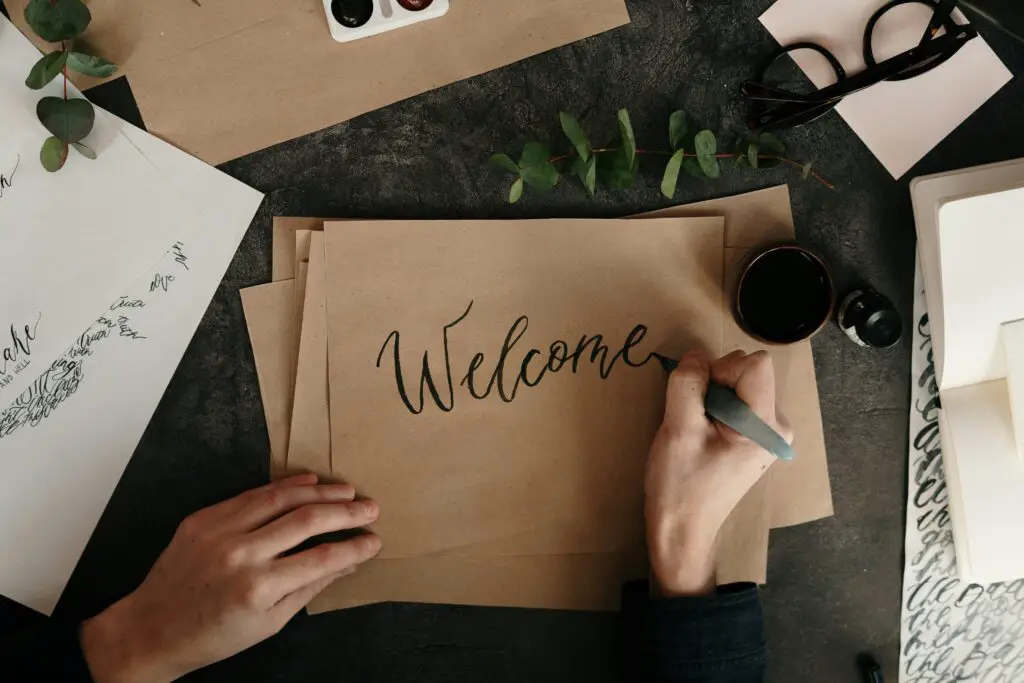
Cursive wasn’t optional for many classrooms, it was an expectation. Kids spent hours practicing loops, slants, and connecting letters until their handwriting flowed. There were special workbooks filled with dotted lines and sample alphabets. Teachers corrected posture, pencil grip, and spacing like it was a serious craft. Signing your name in cursive felt like a milestone. It made you feel more official and mature somehow. Notes passed in class suddenly looked fancier and more secretive. It was treated as a lifelong skill, not just a temporary lesson.
While not everyone loved it, cursive built fine motor control and patience. You learned to slow down and focus on form, not just speed. It also connected you to older generations who wrote everything that way. Reading handwritten letters and notes became easier once you mastered it. Even if many people rarely use cursive now, the skill still lives in muscle memory. It was one of those school lessons that felt strangely ceremonial. You knew you were leveling up when your teacher finally let you write all assignments in cursive.
5. Packing Your Own Lunch or Snack

By a certain age, kids were expected to handle their own lunch routine. That meant making a sandwich, grabbing fruit, and remembering to pack everything the night before. Forgetting your lunch usually meant borrowing or going hungry, which was a powerful lesson. Parents might supervise at first, but independence came quickly. You learned what you actually liked to eat and how to portion it. Brown bags, lunch boxes, and thermoses became your responsibility. It made mornings feel more grown up and organized.
This skill quietly taught planning and accountability. You had to think ahead instead of reacting at the last minute. Kids also learned basic food safety, like keeping cold items insulated. There was pride in opening a lunch you packed yourself. It also helped build routine and consistency. Small responsibilities like this made school days run smoother. It was an early introduction to managing your own daily needs.
6. Riding a Bike Without Training Wheels
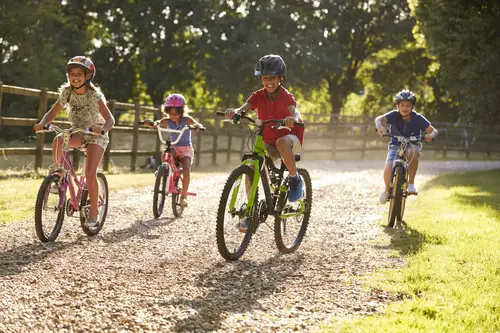
Learning to ride without training wheels was practically a neighborhood event. Kids wobbled, crashed into grass, and popped back up until balance finally clicked. Parents ran alongside holding the seat until that magical moment of letting go. Scraped knees were part of the deal. Once you mastered it, the world suddenly felt bigger. You could explore blocks, visit friends, and feel independent in a whole new way. It was freedom on two wheels.
That skill also built confidence and resilience. Falling was expected, not something to fear long-term. You learned to trust your balance and react quickly. Riding bikes became a social activity and a form of exercise without even realizing it. It also taught basic safety awareness like watching traffic and signaling turns. For many kids, this was their first real taste of independence. The memory sticks with people for decades.
7. Making a Simple Breakfast

Kids were often expected to handle a basic breakfast on their own. That might mean pouring cereal, making toast, or grabbing fruit and yogurt. It wasn’t gourmet cooking, but it required attention and responsibility. You had to remember to turn off the toaster and clean up crumbs. Mornings felt empowering when you didn’t need constant help. It also taught time management before school. Being able to feed yourself felt like a real step toward growing up.
This habit encouraged self-sufficiency and routine building. Kids learned to gauge hunger and portion sizes. It also reduced pressure on parents during busy mornings. Small kitchen independence often led to curiosity about cooking later on. Even simple tasks built confidence in handling everyday needs. It reinforced the idea that you could take care of yourself in practical ways. That mindset carried into many other responsibilities.
8. Using a Library and Finding Books

Library skills were once taught explicitly in school. Kids learned how to use card catalogs, understand call numbers, and find books on their own. It felt like solving a quiet little puzzle. Teachers encouraged independence instead of fetching every book for you. Browsing shelves became part of the learning experience. You learned how sections were organized and how to return books properly. The library felt like a place you could navigate confidently.
This skill built research habits and curiosity. Kids learned how to seek information without immediate help. It also taught respect for shared spaces and materials. Finding a book yourself felt surprisingly rewarding. You became more comfortable exploring topics independently. Even as systems became digital, the foundational idea of navigating information stuck. It helped create lifelong readers and learners.
9. Writing a Thank You Note

Thank you notes were considered basic manners training. Kids practiced writing short but thoughtful notes after birthdays and holidays. Parents often reminded them, but the words had to come from the child. It taught gratitude and communication. Learning how to address an envelope and sign your name was part of the process. It also reinforced neat handwriting and sentence structure. Sending something through the mail felt special.
This small task taught emotional awareness and social responsibility. Kids learned that gifts and kindness deserved acknowledgment. It encouraged reflection instead of taking things for granted. Writing a note made the act of gratitude feel more real and intentional. It also built confidence in written communication. Even if digital messages are more common now, the lesson remains valuable. It trained kids to express appreciation thoughtfully.
10. Reading a Map or Basic Directions

Before GPS did everything, kids were often introduced to simple maps. They learned to follow directions on paper, recognize symbols, and understand scale. Road trip maps and school geography lessons reinforced the skill. Finding a location felt like a mini adventure. It encouraged spatial awareness and logical thinking. Kids could trace routes with their fingers and visualize travel. It made geography feel tangible and practical.
This skill improved problem solving and orientation. Kids learned to pay attention to landmarks and patterns. It also encouraged patience and focus. Understanding maps helped them feel less lost in unfamiliar places. It sparked curiosity about different regions and distances. Even though digital navigation dominates now, the foundational thinking still matters. It taught kids how to interpret visual information meaningfully.
11. Doing Basic Household Chores
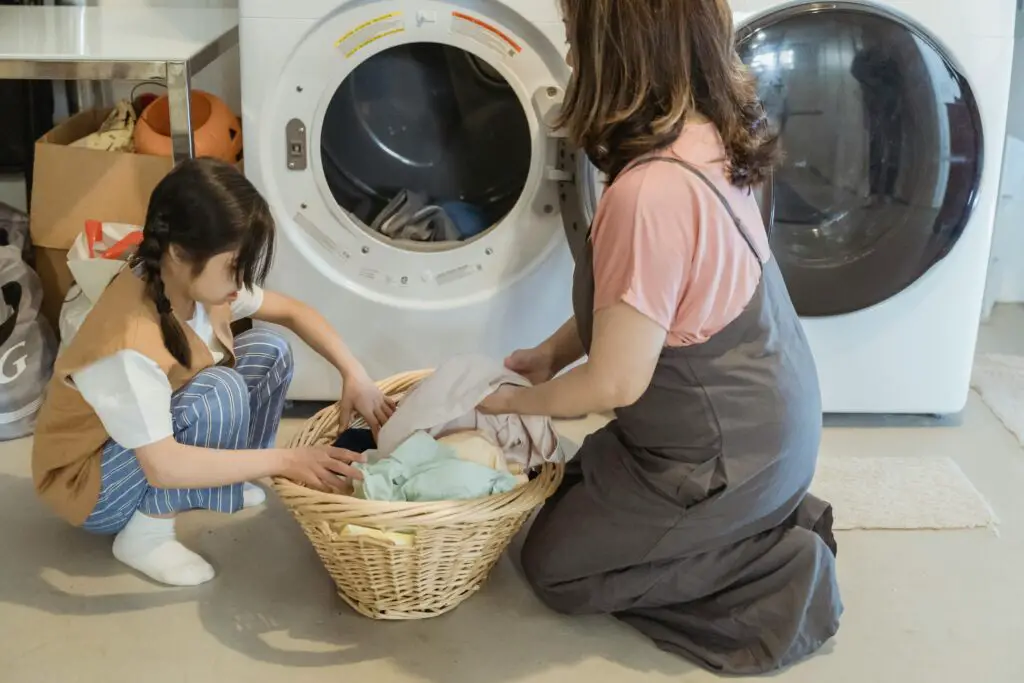
Chores were not optional extras, they were expected contributions. Kids learned to make their beds, set the table, fold laundry, and take out trash. Responsibility started small but built steadily. It taught teamwork within the family. Forgetting a chore usually came with consequences or reminders. There was pride in being trusted with real tasks. It helped kids feel useful and capable.
Chores also taught time management and consistency. Kids learned that effort mattered even when the task wasn’t exciting. It built habits that carried into adulthood. Seeing the direct result of your work was satisfying. It reinforced accountability and follow-through. These routines shaped responsibility in subtle but lasting ways. It was everyday life training in disguise.
12. Counting Change and Basic Money Skills

Handling money was introduced early through allowance and small purchases. Kids learned to count coins, make change, and understand basic value. Buying candy or trading cards required quick math. Mistakes were part of learning. Parents used real-world moments to reinforce the skill. It made math feel practical instead of abstract. Kids gained confidence handling small transactions.
This skill strengthened numeracy and budgeting awareness. Kids learned the difference between wants and limits. It also encouraged saving and delayed gratification. Handling money responsibly built trust. Even small amounts taught decision-making. Those lessons often stuck into adulthood. It connected math to real-life responsibility.
13. Using the Telephone Politely
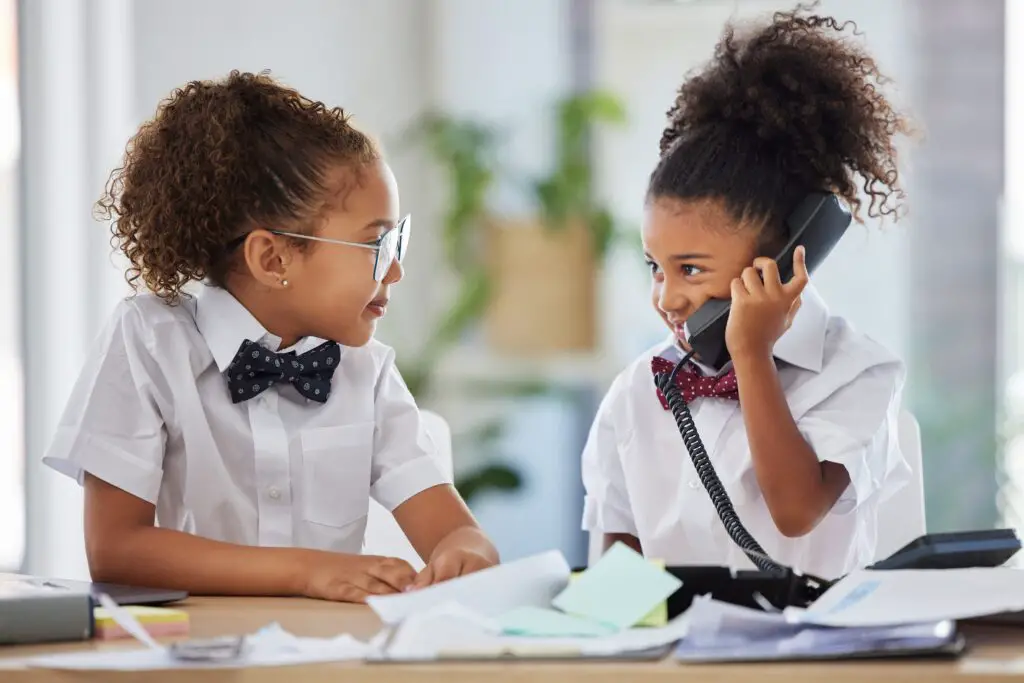
Answering the phone used to be a shared household responsibility. Kids learned how to greet callers politely and take messages. It required listening carefully and speaking clearly. Saying “May I ask who’s calling?” felt very grown up. You had to write down names and times accurately. It built confidence in communication. The phone wasn’t just entertainment, it was responsibility.
This skill taught social etiquette and memory. Kids learned how to interact respectfully with adults. It also reinforced clarity and attention. Making or receiving calls reduced shyness over time. It prepared kids for professional communication later on. Even though texting dominates now, those interpersonal skills still matter. It shaped confidence in speaking with others.
14. Keeping Track of Homework Independently
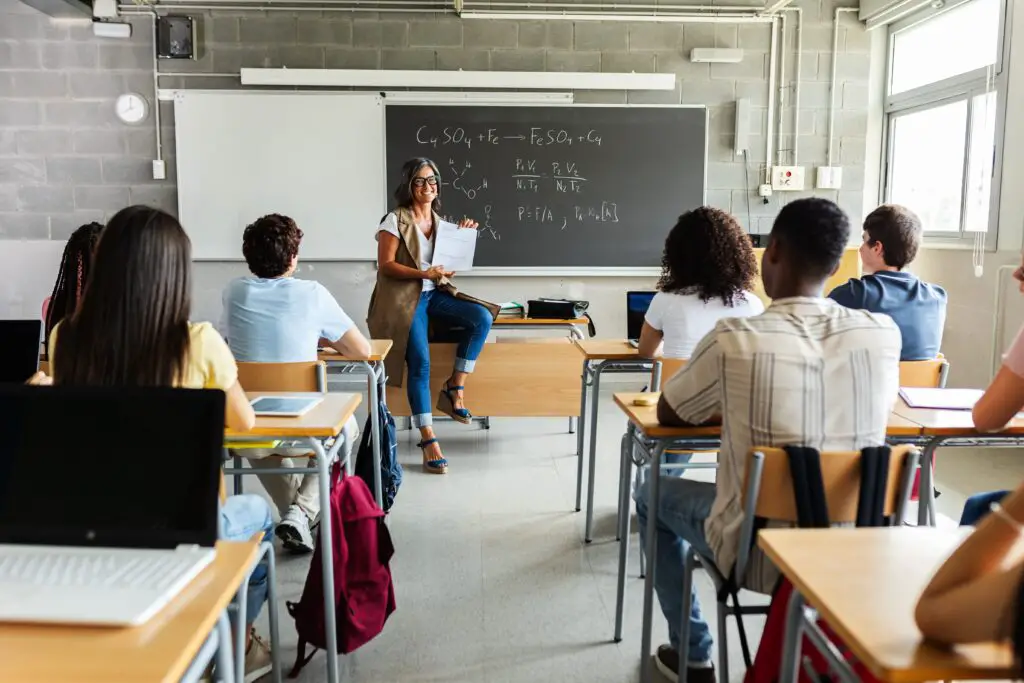
By elementary school, kids were expected to manage their own assignments. Planners, folders, and binders became organizational tools. Forgetting homework had consequences. Teachers expected students to remember deadlines without constant reminders. It built accountability quickly. Kids learned to check backpacks and plan ahead. Organization became a daily habit.
This skill strengthened executive functioning and responsibility. Kids learned to prioritize tasks and manage time. It reduced reliance on adults. Completing work independently built confidence. Mistakes became learning opportunities. It set the foundation for later academic success. Organization became part of personal discipline.
15. Writing Complete Sentences and Short Letters
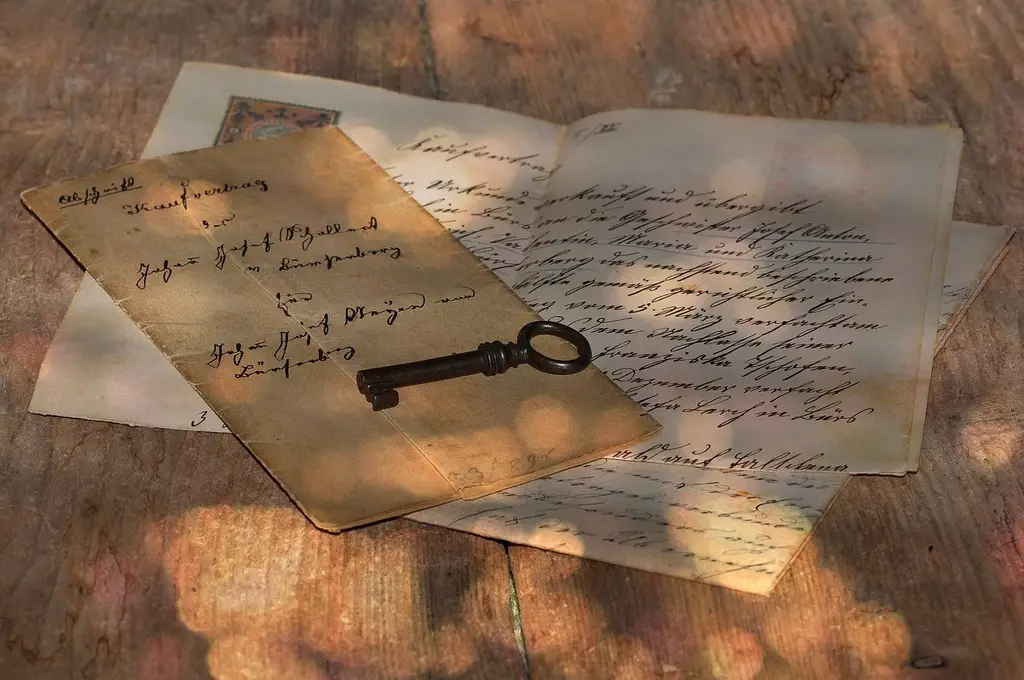
Writing full sentences was drilled consistently in school. Kids practiced grammar, punctuation, and clear expression. Short letters and simple stories were common assignments. It taught structure and communication. Sharing writing aloud built confidence. Teachers emphasized clarity over fancy language. It made communication tangible and purposeful.
This skill supported critical thinking and expression. Kids learned how to organize thoughts logically. Writing built patience and focus. It also improved reading comprehension. Clear communication became second nature. These foundational skills supported academic growth. Writing became a tool for self-expression.
16. Solving Minor Problems Without Adult Help
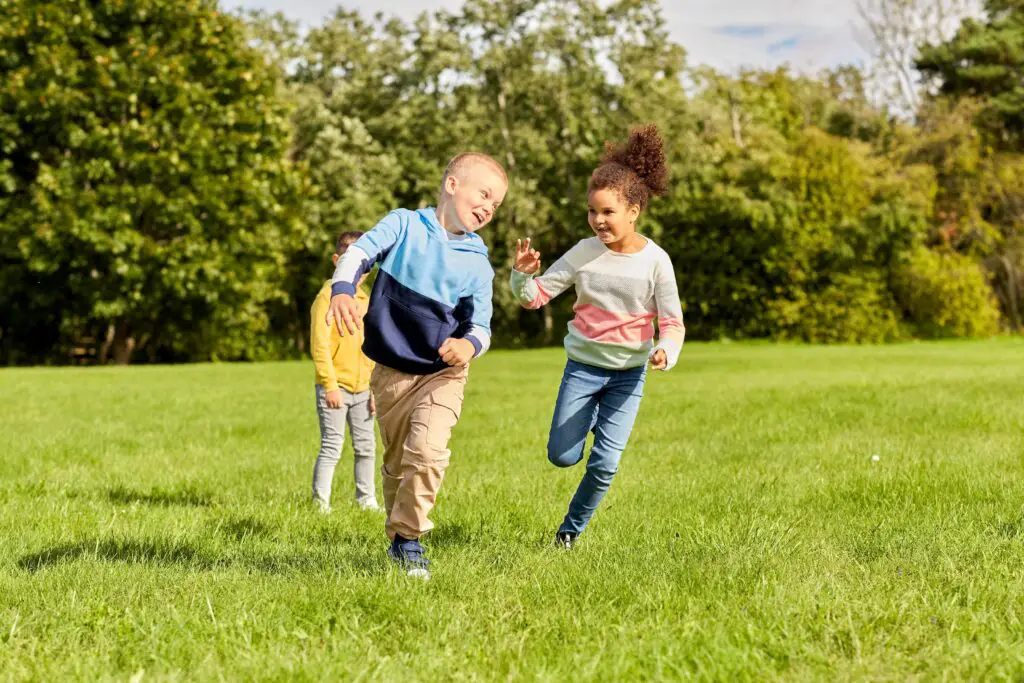
Kids were encouraged to try solving small problems on their own. That might mean finding a lost item, resolving a playground disagreement, or fixing a simple mistake. Adults guided but didn’t immediately step in. It taught resilience and confidence. Kids learned to assess situations calmly. Small successes built independence. It encouraged critical thinking.
This mindset strengthened decision-making skills. Kids learned to evaluate options and consequences. It reduced dependency and built self-trust. Problem solving became part of everyday life. Confidence grew through trial and error. These lessons carried into adolescence and adulthood. Independence became second nature.