
1. Writing in Cursive Without Thinking About It
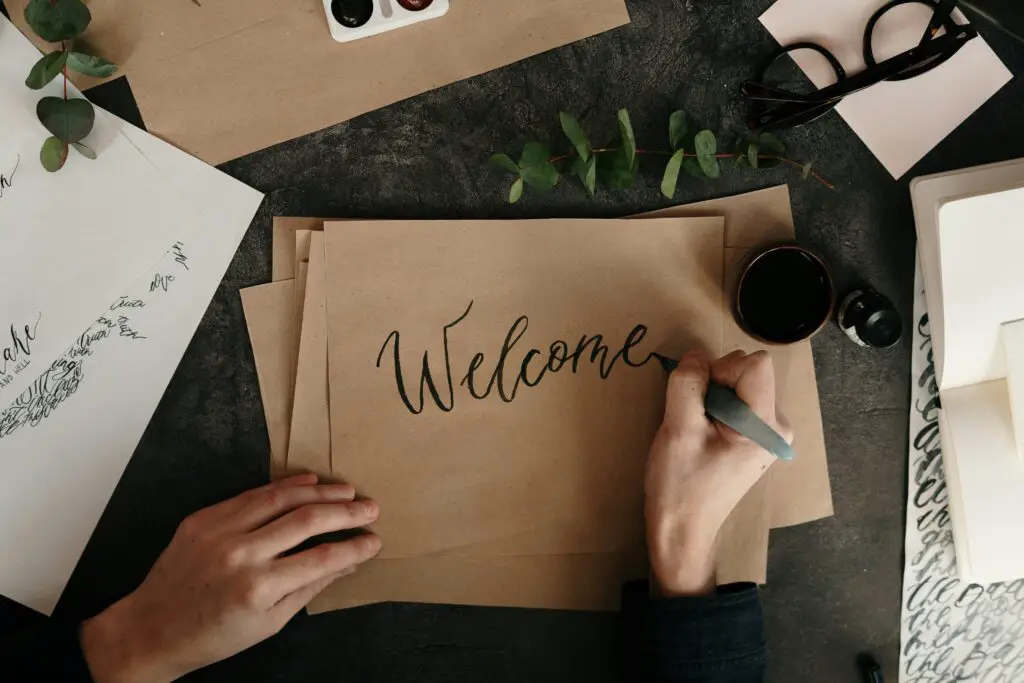
There was a time when cursive wasn’t a novelty, it was just how you wrote once you hit upper elementary school. Teachers drilled letter connections until your hand could flow across the page without stopping to think about each loop. Notes passed in class, handwritten book reports, and birthday cards all came out in slanted, swooping handwriting that felt strangely grown-up. You learned how to sign your name long before anyone explained credit cards or contracts. Even messy cursive still felt like a personal signature of who you were. It was one of those skills that quietly made you feel older and more capable.
Today, a lot of kids barely see cursive outside of old letters or historical documents. Typing and touchscreens have replaced the need to master fancy handwriting. Some schools barely teach it at all, which means reading older handwriting can feel like decoding a secret language. It’s funny how something once considered essential has turned into a niche curiosity. Anyone who learned it still remembers the muscle memory, even if they rarely use it now. It’s one of those skills that sneaks back the moment you pick up a pen.
2. Reading an Analog Clock Instantly

Before digital clocks took over everything, reading a clock face was a basic life skill. You learned to glance at the big hand and little hand and instantly know whether you were late for class. Teachers used classroom clocks as silent timekeepers, and you were expected to keep track without reminders. There was a certain satisfaction in mastering the “quarter past” and “half past” language. It made you feel like you had some control over your day. Even waiting for recess felt more dramatic when you kept watching the hands creep forward.
Now, many kids grow up surrounded by digital displays that tell them the time in bold numbers. An analog clock can feel oddly confusing if you never practiced reading one. Some classrooms still use them, but they’re no longer the default. It’s a small shift that shows how quickly everyday skills can fade. Adults who grew up with analog clocks still instinctively read them without thinking. It’s another example of how technology quietly reshapes what feels “basic.”
3. Memorizing Important Phone Numbers

At one point, you were expected to know your home phone number by heart, along with at least one parent’s work number. Friends’ numbers lived in your head, not in a contact list. You’d pace the kitchen while dialing each digit carefully, hoping you didn’t misdial and reach a stranger. There was something comforting about knowing you could reach home from any pay phone. It gave a small sense of independence, especially when walking to a friend’s house or staying late after school. Memory skills were constantly being exercised without anyone calling it training.
Smartphones have made memorization mostly unnecessary. Contacts are saved automatically, and speed dial handles the rest. Many kids today might not even know their own phone number without checking a device. That convenience comes with a small trade-off in mental habits. Older generations still tend to remember numbers long after they stop using them. It’s one of those invisible shifts in how brains get used day to day.
4. Making Simple Meals Without Supervision

By middle school, many kids could scramble eggs, make grilled cheese, or heat soup without much help. You learned how to use the stove safely and clean up your mess afterward. Packing your own lunch or making an after-school snack felt like a little badge of responsibility. Mistakes happened, like slightly burnt toast or unevenly melted cheese, but that was part of learning. It built confidence in small, practical ways. Food felt less mysterious once you knew how to make something yourself.
Today, many households rely more heavily on pre-packaged meals or delivery. Some kids don’t get many chances to practice basic cooking until much later. Safety concerns and busy schedules sometimes limit hands-on kitchen time. The result is fewer opportunities to build those early life skills naturally. People who learned young often still default to simple homemade meals. It’s a quiet foundation that sticks with you.
5. Writing a Proper Letter or Thank-You Note

Handwritten letters used to be a normal way to communicate, especially with relatives or pen pals. You learned how to start with a greeting, structure a few thoughtful paragraphs, and sign your name neatly at the end. Thank-you notes after birthdays or holidays were practically mandatory. It taught gratitude, patience, and basic writing etiquette all at once. You had to think about tone, spelling, and clarity without relying on spellcheck. The act of putting words on paper made the message feel more meaningful.
Email and texting have largely replaced handwritten correspondence. Many kids today rarely send physical mail unless it’s for a school project. The structure of a formal letter can feel unfamiliar or overly stiff. Still, people who learned this early tend to appreciate the personal touch of handwritten notes. It’s one of those skills that feels timeless, even if it’s used less often. The emotional impact hasn’t really changed, just the frequency.
6. Using a Map or Giving Directions
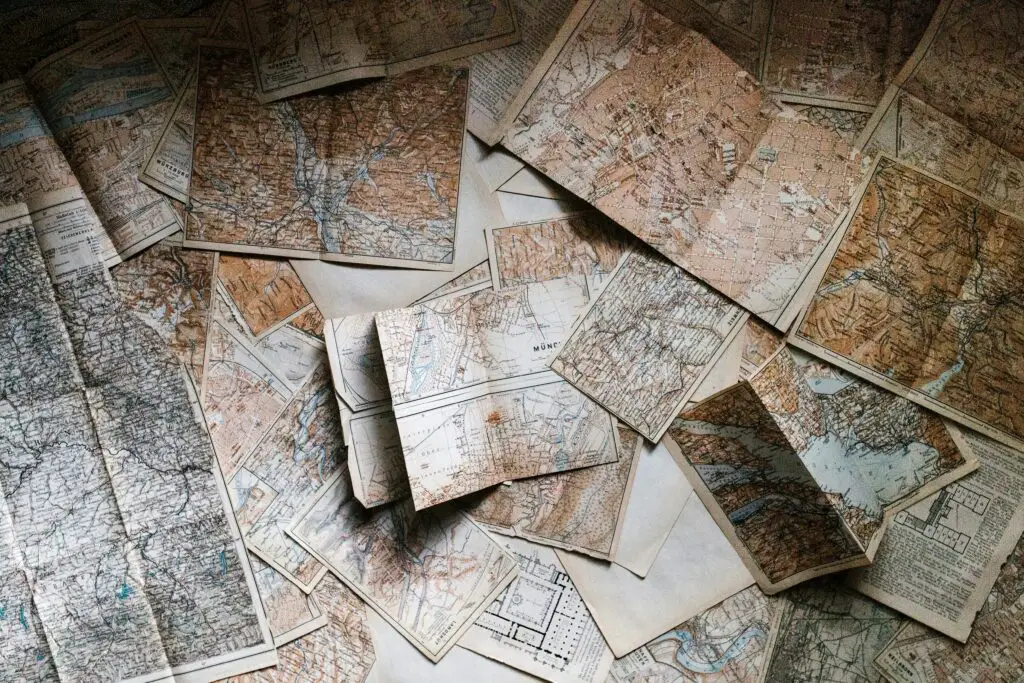
Before GPS became universal, knowing how to read a map was genuinely useful. Kids learned how to follow street grids, recognize landmarks, and understand north and south. Giving directions over the phone required clarity and spatial awareness. You paid closer attention to your surroundings because you had to remember how to get back. It built confidence in navigating new places without digital help. Even family road trips became mini geography lessons.
Today, turn-by-turn navigation handles most of that thinking for us. Many people rarely look at an actual map unless a signal drops. Spatial memory skills aren’t exercised as often. Some kids grow up never needing to visualize a route in their heads. Adults who learned map reading early still tend to trust their sense of direction more. It’s a skill that quietly fades when convenience takes over.
7. Managing a Small Allowance or Cash

Handling cash taught basic budgeting without anyone calling it financial literacy. You learned how far a few dollars would stretch at the corner store or arcade. Counting change became second nature. Saving up for a bigger purchase taught patience and planning. Mistakes, like spending everything too fast, became valuable lessons. It made money feel tangible and real.
Digital payments have made cash less common for many families. Kids might see money mostly as numbers on a screen. The physical connection between spending and consequence can feel more abstract. Some still get allowances, but it’s often digital or card-based. Those early cash experiences shaped how many adults think about budgeting today. It’s a small skill with long-term influence.
8. Basic Sewing and Clothing Repairs
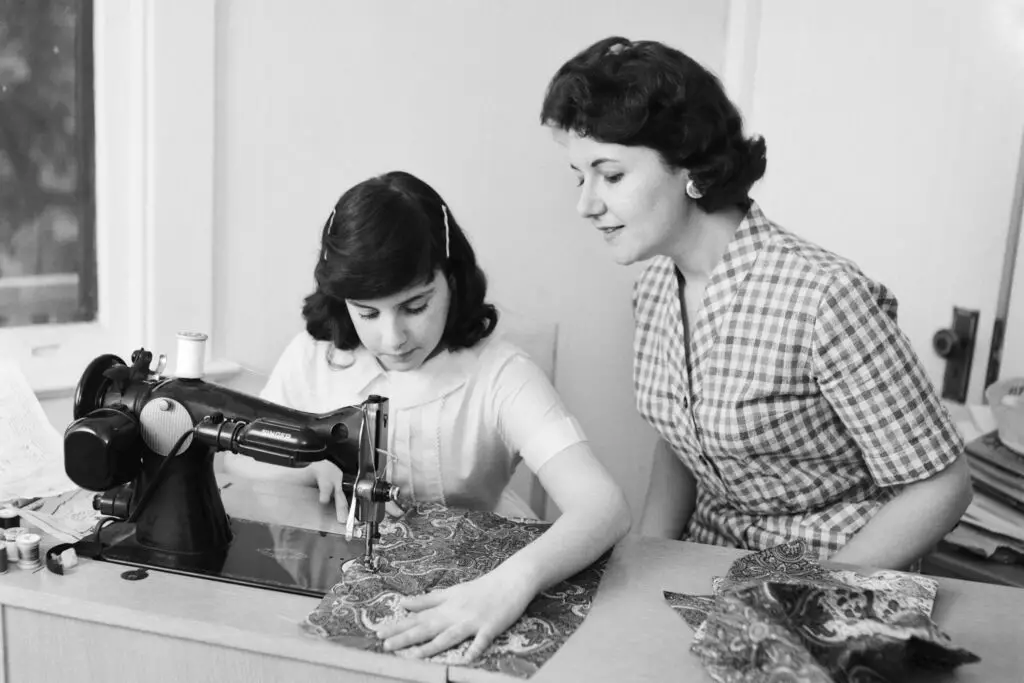
Many kids once learned how to sew on a button or fix a small tear. It was considered a practical life skill, not a hobby. You might sit with a parent or grandparent learning simple stitches. Fixing your own clothes felt oddly empowering. It also taught patience and attention to detail. Clothes lasted longer when you could repair them.
Fast fashion and cheap replacements have made repair less common. Many people now replace items instead of fixing them. Sewing skills are often learned later, if at all. Still, those who learned young tend to keep mending habits. It’s another example of how convenience reshapes everyday abilities. The knowledge hasn’t disappeared, but it’s no longer routine.
9. Doing Laundry From Start to Finish

By early adolescence, many kids could run a load of laundry independently. You learned how to separate colors, measure detergent, and avoid shrinking your favorite shirt. Folding and putting clothes away were part of the process. It taught responsibility and time management in a very practical way. Mistakes were memorable and usually one-time lessons. Clean clothes became something you actively helped maintain.
In some households, laundry is still tightly managed by adults. Busy schedules and shared machines can limit practice opportunities. Some kids reach adulthood without ever running a washer themselves. That can make early independence feel overwhelming later. Those who learned young tend to treat laundry as a normal rhythm of life. It’s a quiet but essential skill.
10. Taking Public Transportation Confidently
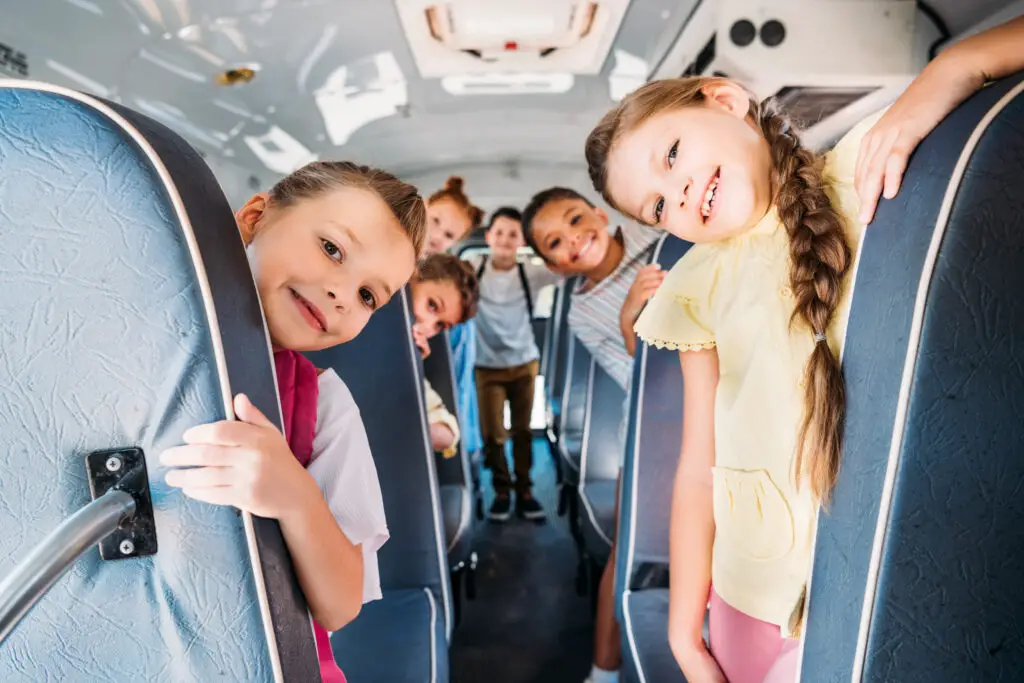
Older kids often learned how to read bus schedules, buy tickets, and navigate routes. It built independence and awareness of their city or town. Riding alone for the first time felt like a milestone. You learned to be alert, respectful, and responsible. Timing mattered, and mistakes taught planning skills quickly. It expanded your sense of freedom.
In many areas, parents now drive kids everywhere due to safety concerns or convenience. Public transit exposure can be limited. Some teens don’t ride alone until much later, if at all. That can delay confidence in navigating public systems. Adults who learned early often feel more comfortable traveling independently. It’s a skill tied closely to autonomy.
11. Typing Properly on a Keyboard
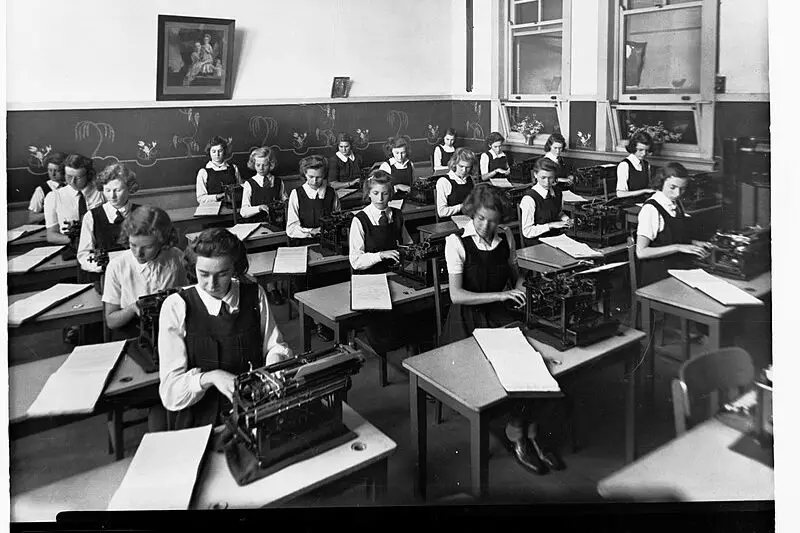
Typing classes once focused on finger placement and accuracy rather than speed alone. You practiced without looking at the keys until muscle memory kicked in. It felt tedious at the time, but it paid off later. Homework, reports, and early computer use became easier. The skill translated directly into productivity. It was treated like a foundational academic tool.
Touchscreens and voice input have changed how typing is learned. Some kids type quickly but with inconsistent technique. Formal keyboarding instruction is less common. The result can be less efficiency over long periods of typing. People who learned touch typing early still rely on it daily. It remains quietly valuable in most professions.
12. Keeping a Personal Schedule or Planner

Paper planners and assignment notebooks were once essential school tools. You learned how to track deadlines, tests, and activities manually. Forgetting to write something down had real consequences. It encouraged organization and accountability. You developed a personal system for managing time. Seeing your week laid out helped build planning habits.
Digital calendars now handle much of that work automatically. Reminders and alerts reduce the need for manual tracking. Some kids never experience maintaining a physical planner. While convenient, it can reduce intentional planning skills. Adults who grew up using planners often still prefer them. It’s a habit that shapes how people approach time management.
13. Writing Legibly for Long Periods

Handwriting endurance used to matter. Essays, exams, and notes were all handwritten. You learned how to pace yourself and keep writing legibly even when tired. Grip, posture, and comfort mattered more than anyone realized. It built fine motor endurance and focus. You also learned how to organize thoughts quickly on paper.
Typing has reduced the need for extended handwriting. Many kids now write far less by hand overall. When required, it can feel physically tiring or awkward. The muscle memory simply isn’t as developed. Older generations still find longhand writing natural. It’s another skill that fades quietly.
14. Basic Home Cleaning Skills
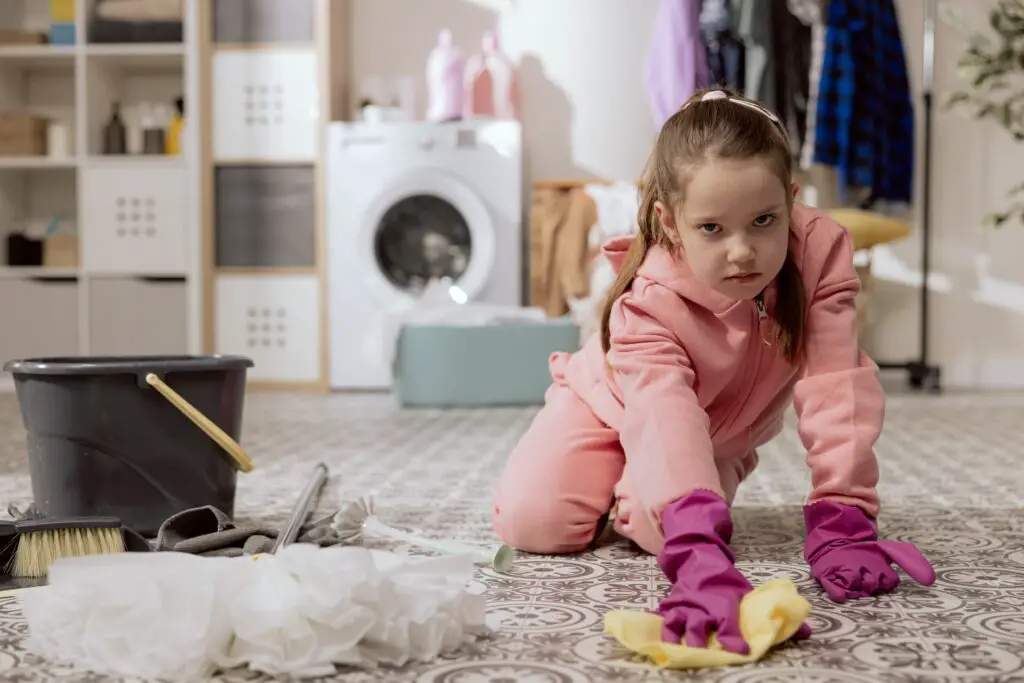
Kids once learned how to properly sweep, dust, and clean shared spaces. Chores were a regular part of family life. You learned responsibility through routine maintenance. It taught respect for shared environments. Cleaning became less intimidating when you knew the basics. Small habits built discipline.
Some households now outsource or minimize chores due to busy schedules. Kids may not participate as actively in household upkeep. That can delay learning practical maintenance skills. Adults who learned early often keep cleaner habits. It’s one of those skills that shapes daily life more than people realize.
15. Resolving Minor Conflicts Face to Face
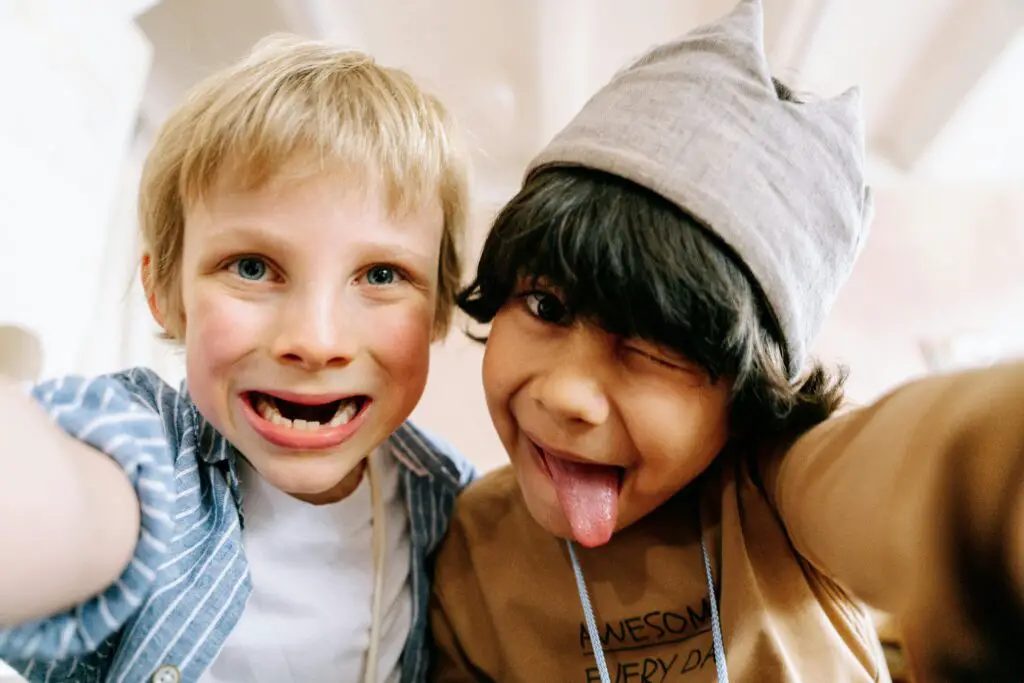
Kids often had to work out disagreements in person without adult mediation. You learned how to apologize, compromise, and move on. Social skills developed through trial and error. It wasn’t always comfortable, but it built resilience. You learned how tone and body language mattered. Friendships depended on communication skills.
Digital communication has shifted many interactions online. Conflict resolution can happen through texts or social media now. That can change how emotional cues are interpreted. Some kids have fewer opportunities to practice in-person problem solving. Adults who grew up resolving conflicts face to face often value direct communication. It remains an important interpersonal skill.
16. Taking Responsibility for Personal Belongings
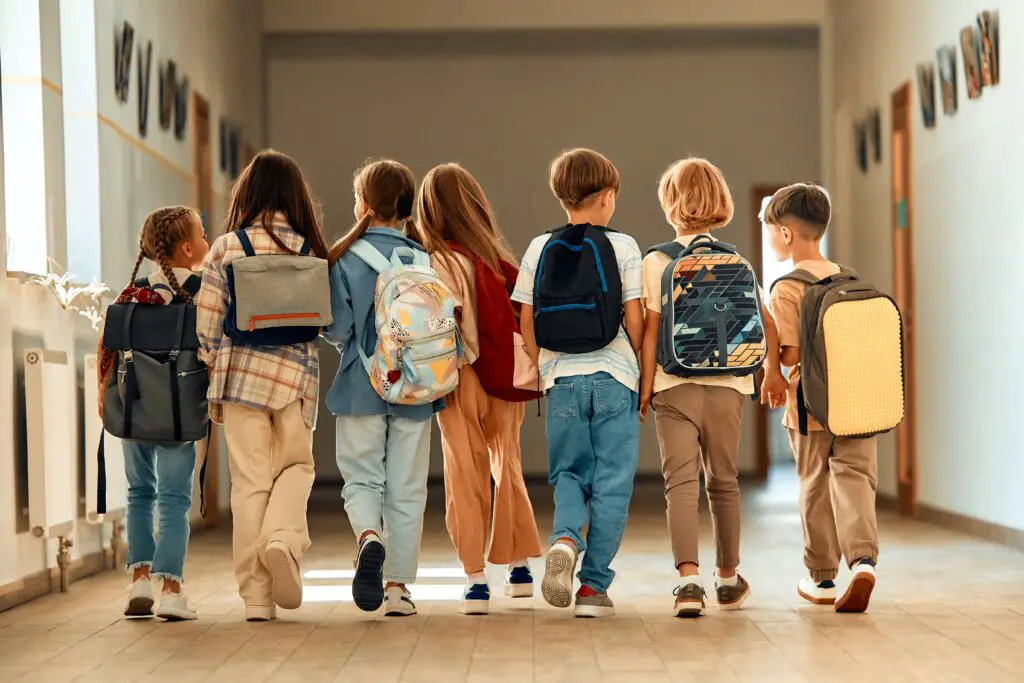
You were expected to keep track of your own backpack, jacket, and school supplies. Losing things had consequences, and replacements weren’t automatic. It encouraged organization and accountability. You learned how to label, store, and care for your items. Responsibility grew naturally through small daily habits. It built a sense of ownership.
Today, tracking devices and quick replacements can soften those lessons. Some kids rely more on adults to manage belongings. The sense of personal responsibility can develop later. Still, those early habits often stick with people for life. It’s a foundational skill that supports independence.