
1. Navigating the Grocery Store

Think about the last time you sent a child to find the “greenest bananas” or the cheapest loaf of bread. While they thought they were just playing a high-stakes game of I Spy, they were actually developing critical scanning skills and early literacy. They learn to categorize items by department and understand that milk never lives next to the laundry detergent. It’s their first real-world introduction to logical organization and spatial awareness in a large, public setting.
Beyond just finding the items, they are soaking up the fundamentals of consumer math and comparison shopping. When you ask them to choose between two brands of cereal, they are weighing value against desire, even if they don’t know the word “frugality” yet. They observe how to interact with service workers and wait their turn in a queue. Every trip to the store is a masterclass in patience and social etiquette. These small errands build a foundation for independent living that sticks with them for life.
2. Following a Recipe
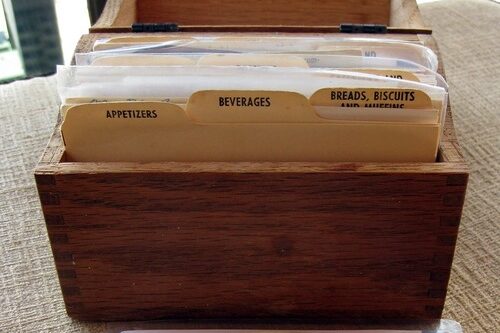
Baking a batch of cookies feels like a delicious treat, but for a kid, it’s a secret chemistry lab and a lesson in precision. They learn that the order of operations matters—you can’t exactly un-mix the eggs once they’re in the flour. Measuring out a teaspoon of vanilla or a cup of sugar introduces them to fractions and volume without the stress of a chalkboard. They begin to see how individual, boring ingredients transform into something entirely new through heat and time.
This process also teaches them the value of following directions and the consequences of “freestyling” too early. If they skip a step, the cake might collapse, providing a low-stakes lesson in cause and effect. They develop fine motor skills by cracking eggs and stirring thick dough until their arms ache. Kitchen time builds confidence as they see a project through from a raw list of items to a finished product. Plus, they learn that cleaning up is an unavoidable part of the creative process.
3. Playing Board Games
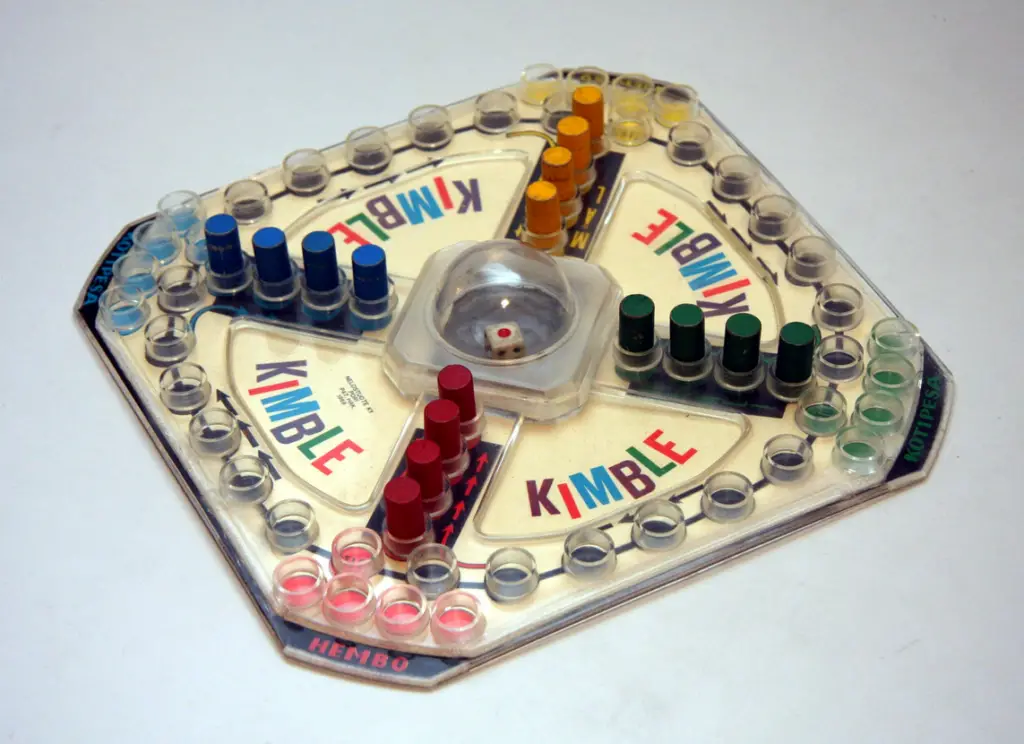
Sitting down for a round of a classic game is a crash course in emotional intelligence and strategic thinking. Kids have to learn how to handle the sting of a bad dice roll or the frustration of being sent back to the start. It’s a safe environment to practice sportsmanship and understand that winning isn’t the only goal. They watch how others react to pressure and begin to model their own behavior after the adults at the table.
Technically, these games are also reinforcing mental math and long-term planning. They have to count spaces, manage play money, and anticipate what their opponent might do three turns from now. It builds a sense of fairness as they realize that rules apply to everyone equally, regardless of age. Waiting for their turn teaches impulse control, which is a vital skill for any classroom or playground. They walk away with a sharper mind and a better handle on their feelings.
4. Building with Blocks
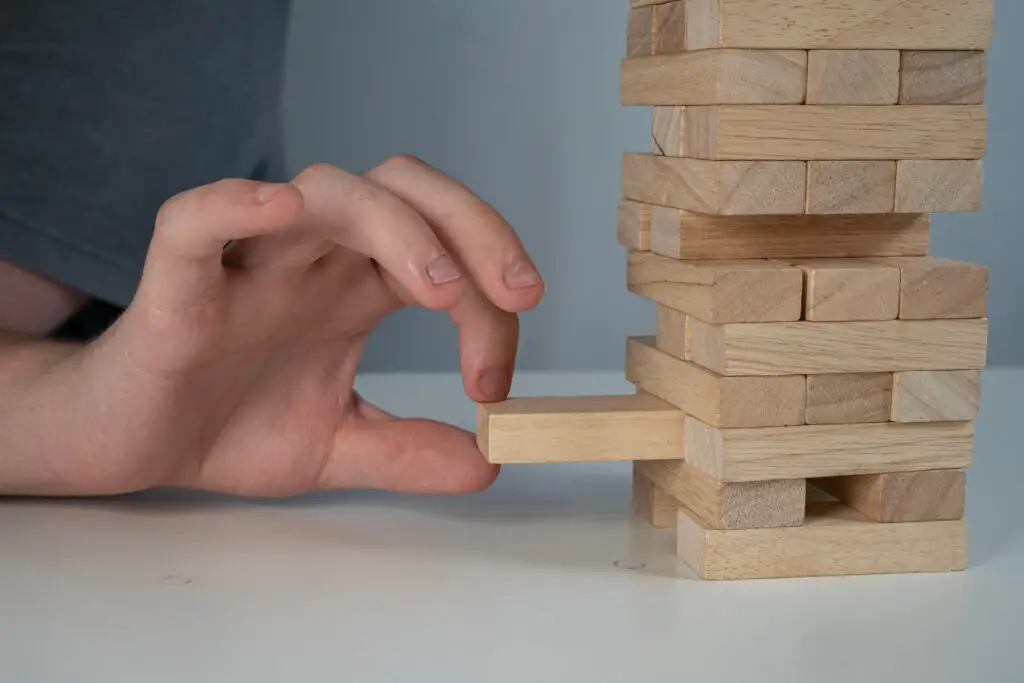
Whether it’s wooden cubes or plastic bricks, construction play is a child’s first encounter with structural engineering. They quickly discover that a narrow base won’t support a massive tower, teaching them about gravity and balance through trial and error. There is a deep focus involved in aligning edges and ensuring everything is sturdy. This hands-on experience develops three-dimensional thinking and spatial reasoning that textbooks struggle to replicate.
When the tower inevitably falls, they are learning resilience and the “back to the drawing board” mentality. Instead of giving up, they usually laugh and start over with a better plan for the foundation. It encourages creativity as they turn a pile of random shapes into a castle or a spaceship. They learn to visualize an end goal and work backward to figure out how to get there. It’s pure problem-solving disguised as an afternoon of messy fun on the living room rug.
5. Sorting the Laundry
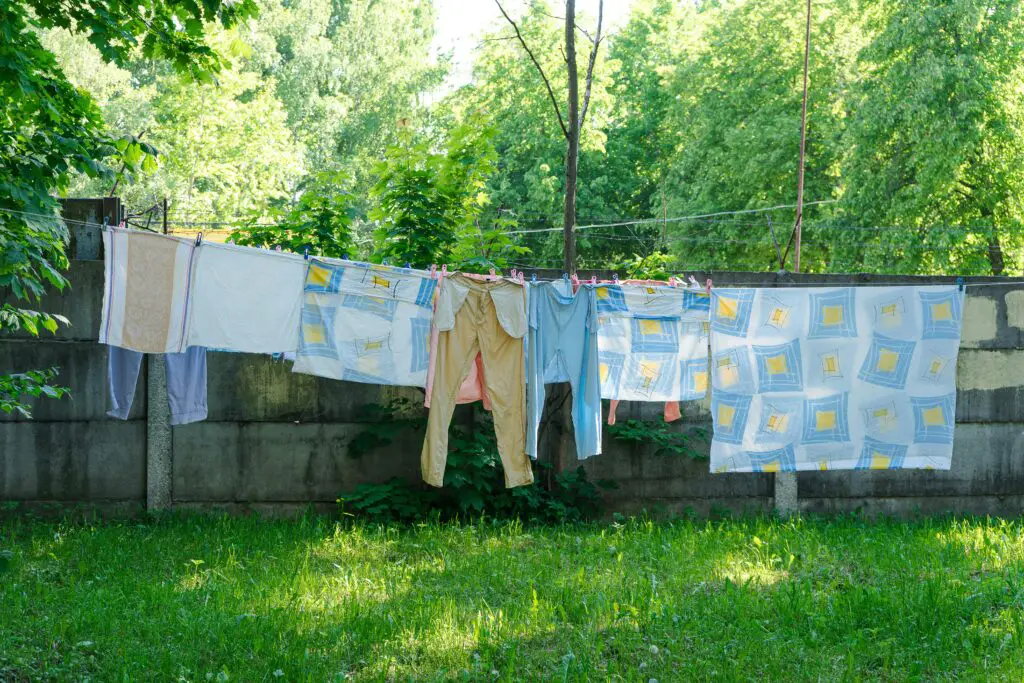
Matching socks might seem like a mindless chore to an adult, but it’s a sophisticated pattern-recognition exercise for a child. They have to identify colors, textures, and sizes to ensure every garment finds its partner. This task hones their attention to detail and helps them distinguish between subtle differences in fabric or print. It’s a tactile way to engage with the concept of sets and pairs, which is a building block for early mathematics.
By helping fold shirts or stack pants, they also gain a sense of contribution and responsibility within the family unit. They see the labor that goes into maintaining a household and begin to value the clothes they wear. It teaches them about organization and how keeping things in order makes life run much smoother. Even the simple act of carrying a basket helps with gross motor skills and physical coordination. They are learning that even small contributions help the whole team succeed.
6. Taking Care of a Pet
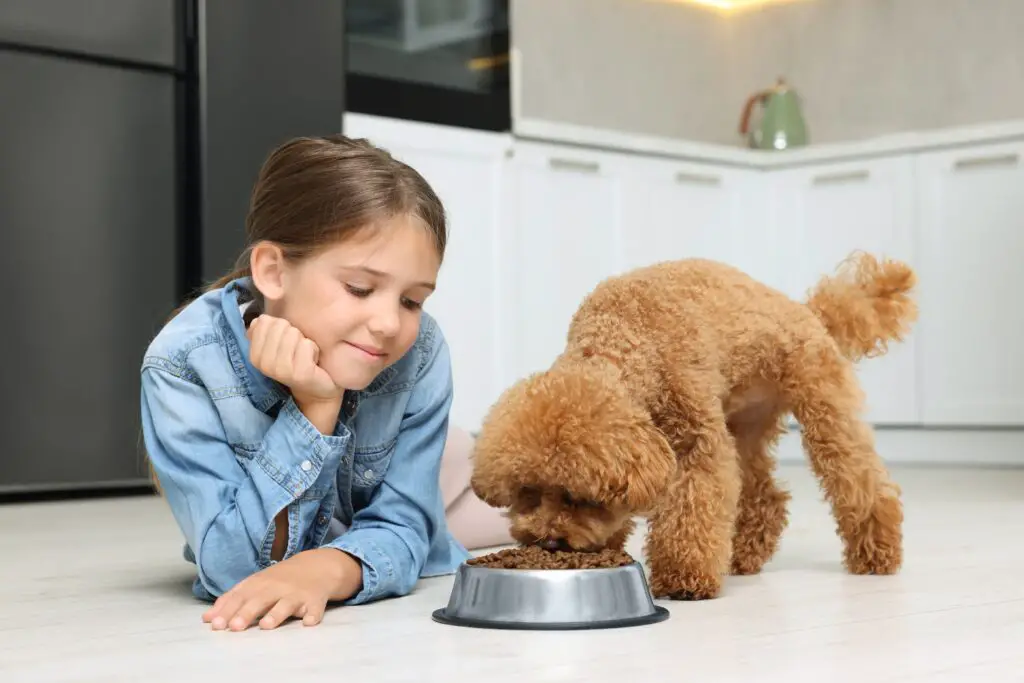
Filling a water bowl or brushing a dog’s fur is a child’s introduction to empathy and the needs of others. They learn that a living creature relies on them for its well-being, which shifts their focus away from their own immediate desires. It teaches a routine that cannot be skipped just because they feel tired or distracted. Observing a pet’s body language helps them develop non-verbal communication skills and emotional sensitivity.
This daily responsibility fosters a deep sense of accountability and the understanding of a schedule. They see the direct link between their actions—like feeding the fish—and the health of their animal friend. It also provides a gentle way to learn about boundaries, as they realize the cat needs space when it’s sleeping. Handling a pet teaches gentleness and the importance of soft touch and patience. These early bonds often form the basis for how they treat people later in life.
7. Negotiating on the Playground
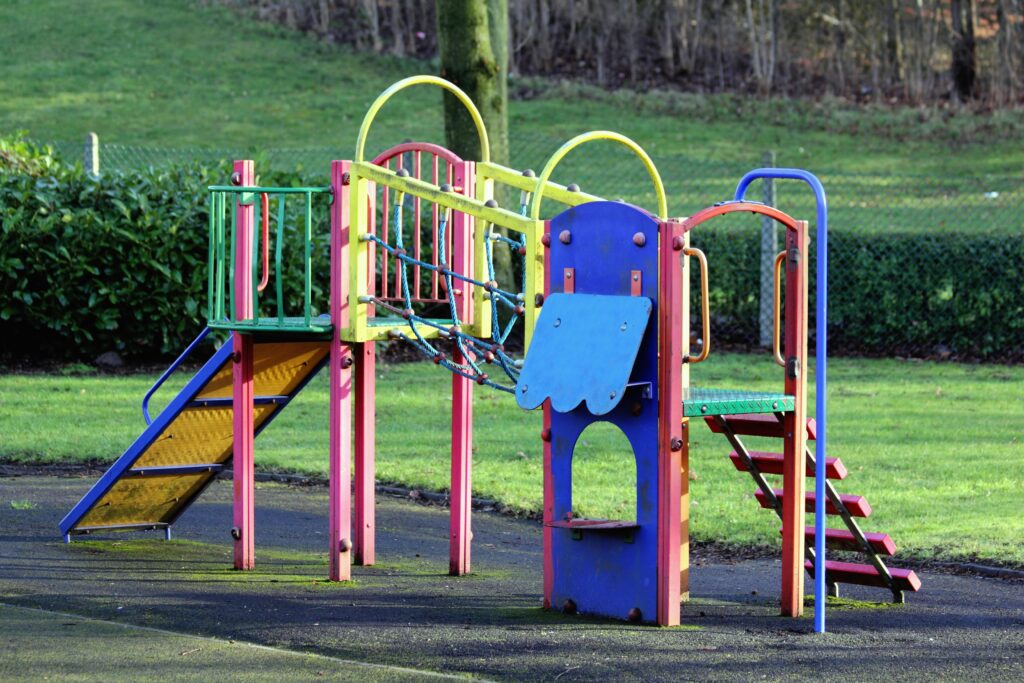
The playground is a miniature society where kids have to figure out how to share the “cool” swing or organize a game of tag. They aren’t just playing; they are learning the art of diplomacy and conflict resolution. When two kids want the same toy, they have to communicate their needs and find a middle ground without a parent stepping in. This builds the social muscles required to navigate complex human relationships and peer dynamics.
These interactions teach them how to read social cues and understand when someone is feeling left out. They learn the “unwritten rules” of a group and how to advocate for themselves while respecting others. It’s a lesson in compromise and the realization that you don’t always get your way immediately. Developing a reputation for being fair and fun to play with becomes an early lesson in personal branding. They are essentially learning the soft skills that define successful leadership and teamwork.
8. Packing a Backpack
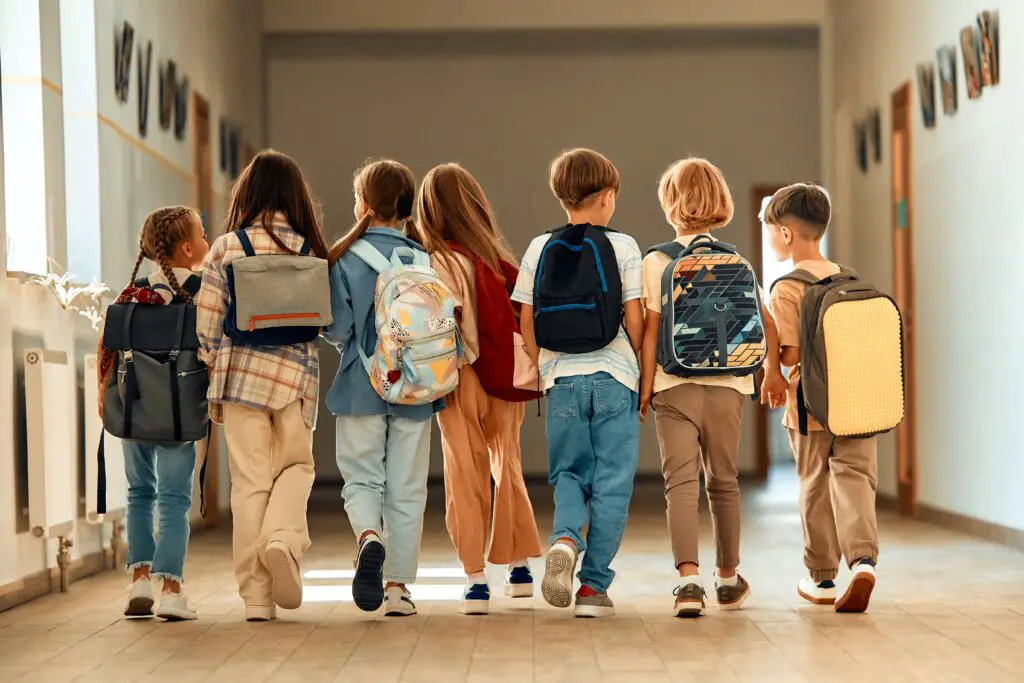
Deciding what needs to go into a bag for a day at school or a trip to the park is a lesson in foresight. Kids have to think about what the “future version” of themselves will need, like a jacket if it gets cold or a snack for later. This encourages them to visualize their day and plan accordingly, which is the root of executive functioning. It forces them to prioritize items when space is limited, teaching them about essential versus non-essential goods.
When they forget their lunch or a specific toy, the natural consequence teaches them more than a lecture ever could. They realize that preparation is the key to a stress-free day and that they are the masters of their own gear. Zipping, buckling, and organizing the pockets also helps with manual dexterity and physical organization. It builds a sense of autonomy as they take ownership of their personal belongings. This habit eventually translates into better time management and professional reliability.
9. Watering the Garden
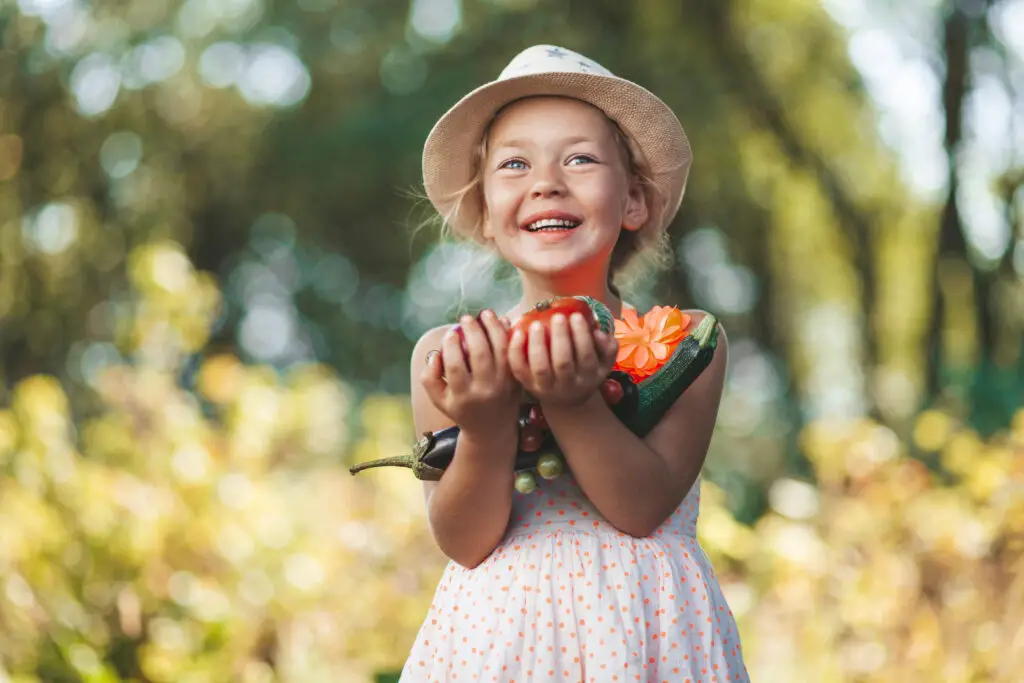
Caring for plants is a slow-motion lesson in patience and the cycles of nature. A child learns that you can’t rush a flower to bloom and that consistent, small efforts lead to big results over time. They observe how sunlight and water affect growth, making them amateur biologists without opening a single book. It connects them to the environment and gives them a front-row seat to the wonders of the natural world.
They also learn about the fragility of life and the impact of neglect, which reinforces the concept of duty. Seeing a wilted leaf perk up after a drink provides instant, visual feedback on the success of their work. It’s a sensory experience, involving the smell of damp earth and the feeling of dirt between their fingers. This grounding activity helps reduce stress and encourages a sense of wonder. Ultimately, it teaches them that nurturing something outside of themselves is a rewarding way to spend time.
10. Telling Time on a Clock

Learning to read an analog clock is about more than just knowing when it’s lunchtime; it’s about understanding the passage of time. As they watch the second hand sweep, they begin to grasp how minutes turn into hours and how the day is structured. It gives them a framework for the abstract concept of “five more minutes” or “half an hour.” This skill helps reduce anxiety about transitions because they can see exactly when the next activity is coming.
It also reinforces the base-60 system and skip-counting by fives, which are essential math concepts. They learn to estimate how long a task will take and begin to develop their own internal rhythm. Being able to tell time gives a child a sense of power over their schedule and lessens their dependence on adults for every transition. They start to recognize patterns in their daily life, like when the sun sets or when a parent returns from work. It’s a vital bridge to independence and personal time management.
11. Writing a Thank-You Note

The act of sitting down to write a note of gratitude is a lesson in perspective-taking and formal communication. It forces a child to stop and think about the effort someone else made specifically for them. By articulating why they liked a gift or an experience, they are practicing their writing skills and expanding their emotional vocabulary. It’s a slow, deliberate process that stands in stark contrast to the instant gratification of digital life.
This habit teaches them the importance of acknowledging others and the value of good manners. They learn how to structure a letter, address an envelope, and understand the journey of a stamp through the mail. It builds a sense of social grace that will serve them well in every professional and personal relationship they ever have. They realize that their words have the power to make someone else feel appreciated and seen. It’s a small gesture that yields huge returns in character development.
12. Using a Map or GPS

Whether it’s a paper map at a theme park or watching the blue dot on a phone, kids are learning navigation and orientation. They have to translate a two-dimensional image into the three-dimensional world around them. This develops their “mental map” and helps them understand North, South, East, and West in a practical sense. It’s an exercise in logic as they figure out the most efficient route to get from the roller coaster to the cotton candy stand.
This skill builds confidence in exploring new environments and reduces the fear of getting lost. They learn to look for landmarks and pay attention to their surroundings instead of just following an adult blindly. It encourages them to ask “where am I?” and “where am I going?” which are fundamental questions for any traveler. Navigating a space gives them a sense of autonomy and makes the world feel like a place they can master. They are essentially learning how to find their way through life, one turn at a time.
13. Helping with Simple Repairs
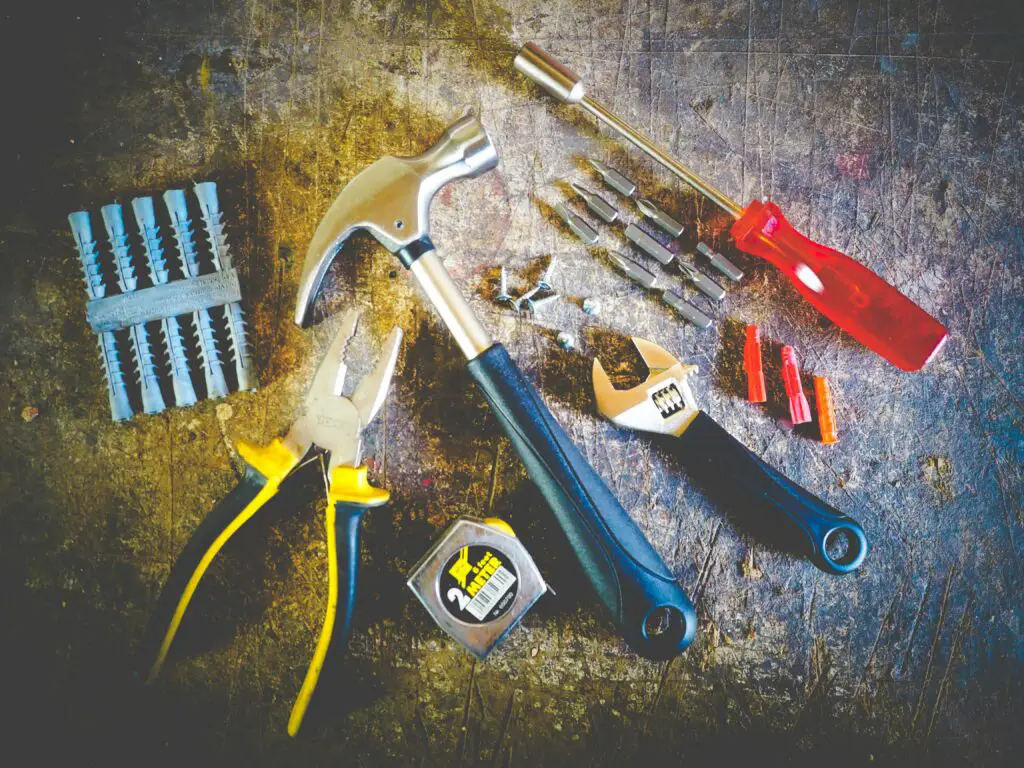
Handing a parent a screwdriver or holding a flashlight while a leaky faucet is fixed is a child’s first lesson in “if it’s broken, fix it.” They see that the objects in their home aren’t magical; they are systems that can be understood and maintained. This demystifies technology and household items, fostering a “can-do” attitude toward physical problems. They learn the names and functions of different tools, building a vocabulary for the physical world.
This collaborative work teaches them safety and the importance of taking things apart and putting them back together correctly. It encourages a growth mindset, where a problem is just a puzzle waiting to be solved with the right tool and some patience. They feel a sense of pride when the light turns back on or the door stops squeaking because they helped. It’s a lesson in self-reliance that prevents them from feeling helpless when things go wrong later in life. They learn that their hands have the power to improve their environment.
14. Setting the Table
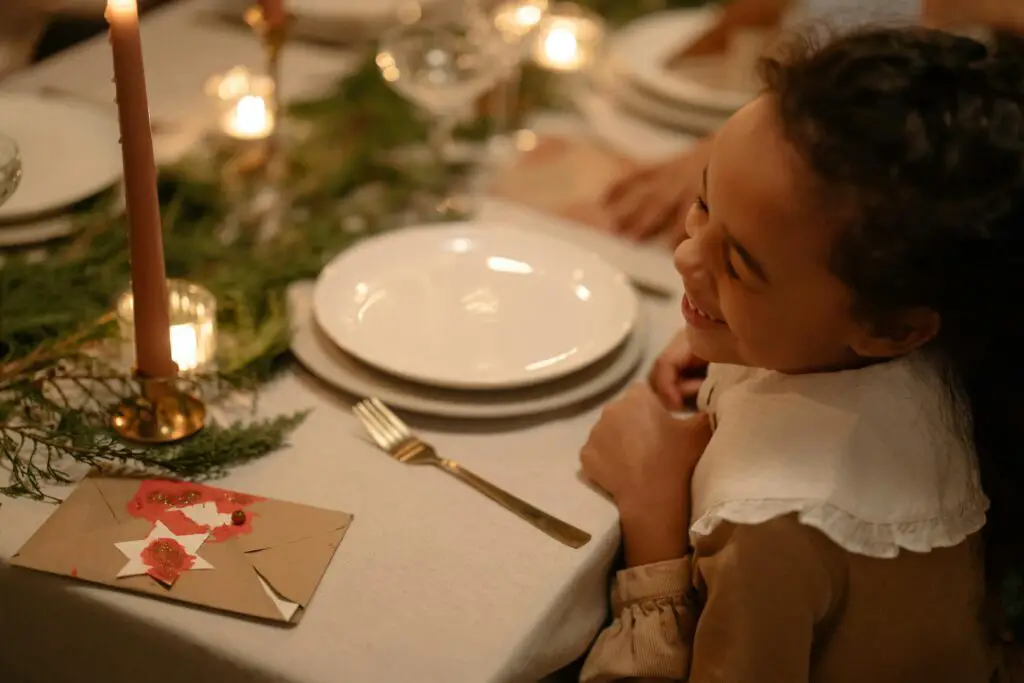
Placing forks, knives, and napkins in their proper spots is an exercise in symmetry and tradition. It teaches a child that there is a specific order to things and that presentation matters when welcoming guests or family. They have to count the number of people and ensure everyone has what they need, which is a subtle lesson in hospitality and situational awareness. It turns a mundane task into a ritual that signals the start of quality family time.
Beyond the physical layout, it teaches them to anticipate the needs of others before they even sit down. They learn the difference between a salad fork and a dinner fork, which builds cultural literacy and confidence in formal settings. It’s a low-pressure way to practice fine motor skills and spatial organization. By contributing to the meal prep, they feel more connected to the family and more likely to engage in conversation. They are learning that small, aesthetic details can make an ordinary moment feel special.
15. Managing a Small Allowance

Having a few dollars to their name is the best way for a kid to learn the reality of trade-offs and opportunity cost. They realize that if they buy the candy bar today, they won’t have enough for the toy they’ve been eyeing next week. This is their first taste of financial literacy and the discipline required to save for a long-term goal. It moves money from an abstract concept to a finite resource that they have the power to control.
This experience also introduces them to basic accounting as they track what they have and what they owe. They might even learn about “interest” if they borrow a dollar from a sibling and have to pay back more later. It teaches them to value work and understand that money is earned through effort or responsibility. Making their own purchasing decisions builds a sense of maturity and the ability to live within their means. These early financial mistakes are much cheaper than the ones they might make as adults.
16. Cleaning Up After Play
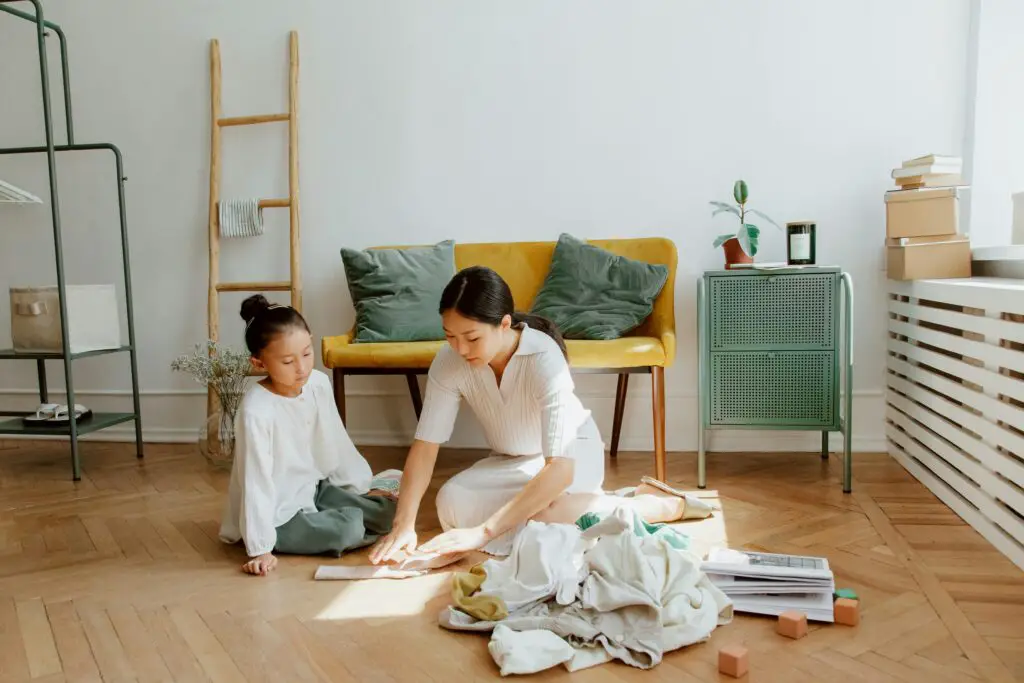
Putting toys back in their bins at the end of the day is a lesson in closure and the “full circle” of an activity. It teaches kids that every project has a beginning, a middle, and an end, and that the end involves preparation for next time. They learn that a clean space feels better and makes it easier to find what they want tomorrow. It’s a fundamental habit of organization that prevents chaos from taking over their physical and mental environment.
This task also reinforces the idea of personal responsibility for the messes they create. It’s not just about tidying up; it’s about respecting their belongings and the shared spaces of the home. They learn to categorize objects by type, which reinforces the same logical thinking used in math and science. Working together to “beat the timer” during cleanup can turn a chore into a team-building exercise. By the time the floor is clear, they’ve learned that being a responsible person means taking care of the boring parts of life too.