
1. Knowing When to Stay Quiet
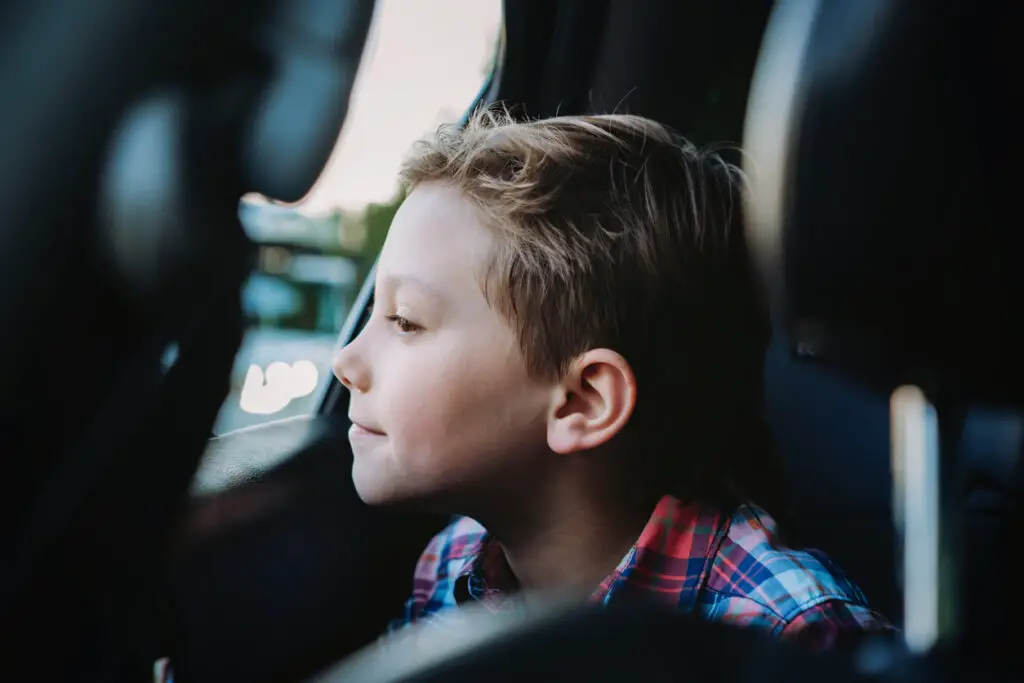
Kids figured out pretty quickly when silence was the safest option. You learned it in classrooms, in the back seat of the car, or when adults suddenly stopped talking mid sentence. No one sat you down to explain it, you just felt the shift in the room. The tone changed, eyes narrowed, and you adjusted instantly. It became second nature to read the moment and respond accordingly.
Over time, this skill turned into emotional radar. You could sense when jokes would land and when they would not. It helped you avoid trouble and sometimes helped others avoid it too. Even as adults, many people still rely on that same instinct. It is a skill learned entirely through observation.
2. Entertaining Yourself
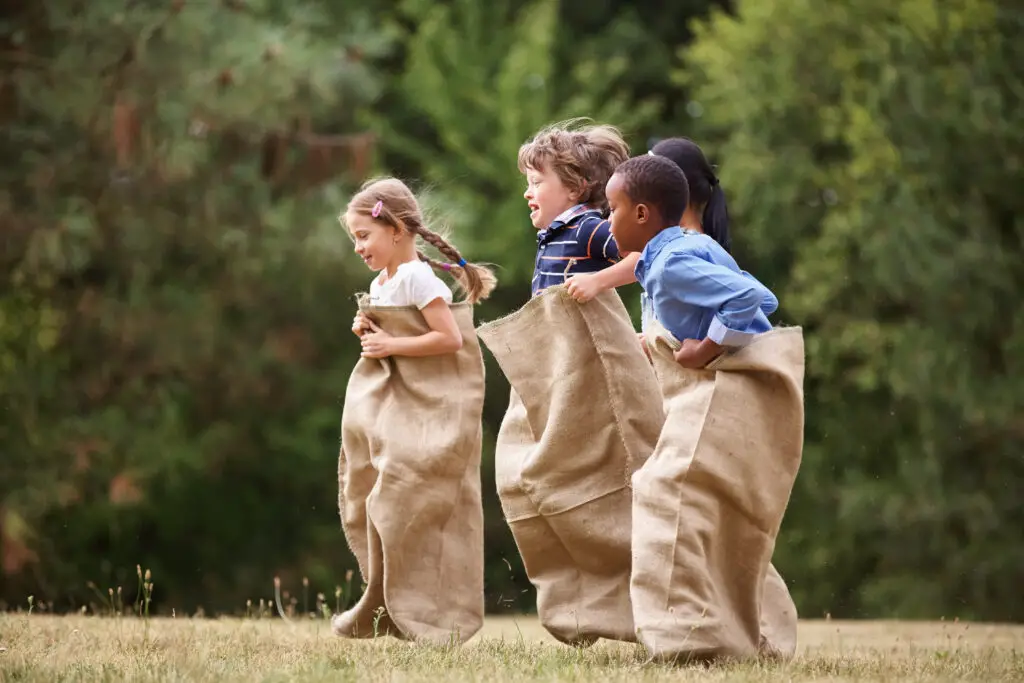
Long before screens followed us everywhere, boredom forced creativity. Kids learned how to turn nothing into something interesting. A stick became a sword, a box became a spaceship, and the backyard became a whole world. No one assigned this task, it simply happened out of necessity.
This kind of self entertainment built imagination and patience. You learned how to sit with your thoughts and make the most of quiet time. It also made waiting rooms and long car rides survivable. Many adults still miss that ability once constant distractions took over.
3. Figuring Out Family Rules Without Asking

Every household had rules that were never written down. Kids learned them by watching what happened to other people. You noticed who got in trouble and why, then adjusted your behavior. Sometimes the rule changed depending on mood or company.
This taught flexibility and awareness. You learned that rules were not always logical, but they mattered anyway. It also taught kids how to adapt quickly to different environments. Those skills carried over into school, work, and social settings later on.
4. Telling Time Without a Clock
Before everyone had a phone in their pocket, kids learned to estimate time. You knew when it was close to dinner or when it was almost time to go home. The light outside, the sounds of the neighborhood, and your own hunger were clues. No one formally taught this.
This skill built awareness of routines and rhythms. You learned to listen to your body and your surroundings. It made you more present in the moment. Even now, some people can still tell roughly what time it is without looking.
5. Navigating Social Hierarchies
Kids quickly figured out where they stood socially. You learned who had influence, who was safe to trust, and who to avoid. This happened on playgrounds, buses, and lunchrooms. Adults rarely explained it, but kids understood it immediately.
This awareness helped with survival and belonging. You adjusted how you spoke and acted depending on the group. It was not always fair, but it was effective. Those early lessons often shaped confidence and social skills for years.
6. Handling Minor Injuries Quietly
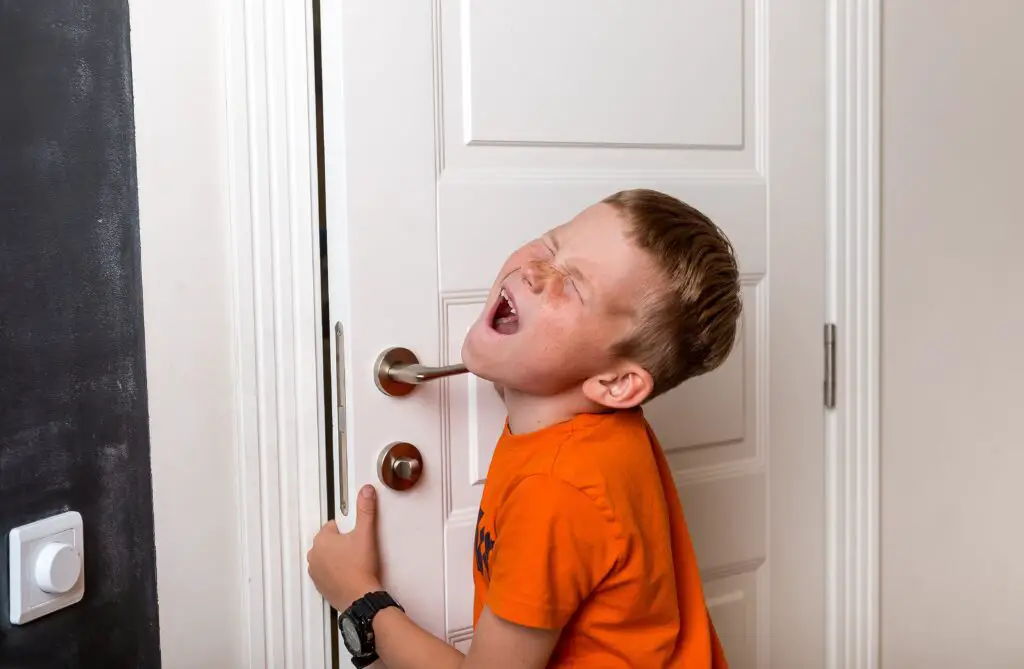
Scraped knees and stubbed toes were part of daily life. Kids learned when an injury was worth mentioning and when it was not. You tested the pain first before deciding whether to cry. No one spelled this out.
This taught resilience and self assessment. You learned your own limits and thresholds. It also taught you when help was truly needed. That judgment still shows up in adulthood.
7. Sharing Without Being Told

In group settings, kids learned when sharing was expected. Toys, snacks, and space often came with unspoken rules. Watching others helped you understand what was acceptable. Saying no sometimes came with consequences.
This skill built cooperation and social balance. It taught compromise even when it felt unfair. Over time, kids learned when to share and when to hold firm. That nuance was learned entirely through experience.
8. Reading Adult Moods
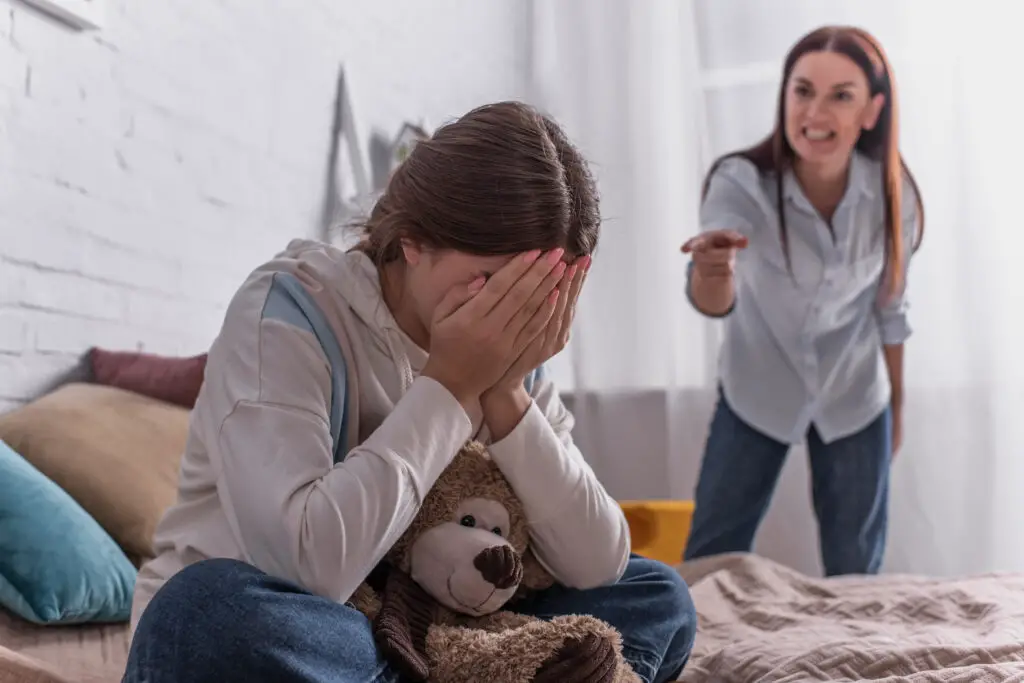
Kids became experts at reading adults. A sigh, a look, or a change in tone said everything. You learned when to ask questions and when to wait. No lesson plan covered this.
This awareness helped kids feel safer and more prepared. It also created emotional intelligence early on. Many adults still rely on this skill at work and in relationships. It began quietly in childhood.
9. Finding Your Way Home
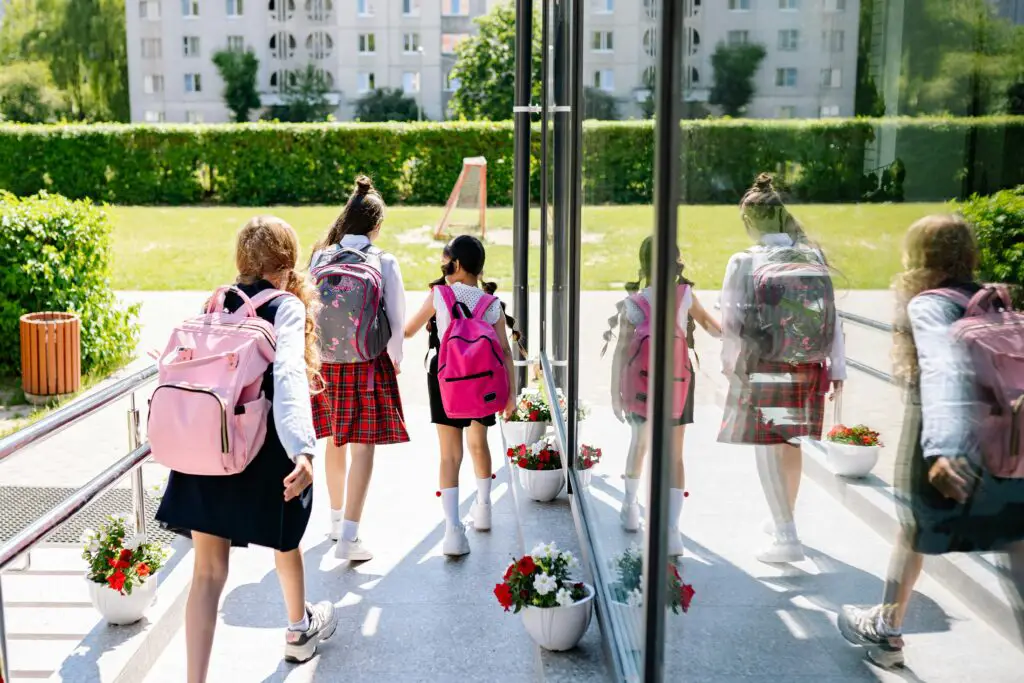
Kids learned routes through repetition. Walking to school or biking around the neighborhood taught navigation. Landmarks mattered more than street names. No one handed out maps.
This built confidence and independence. You trusted your memory and instincts. Getting lost once or twice taught problem solving. Those experiences made familiar places feel secure.
10. Knowing When to Speak Up
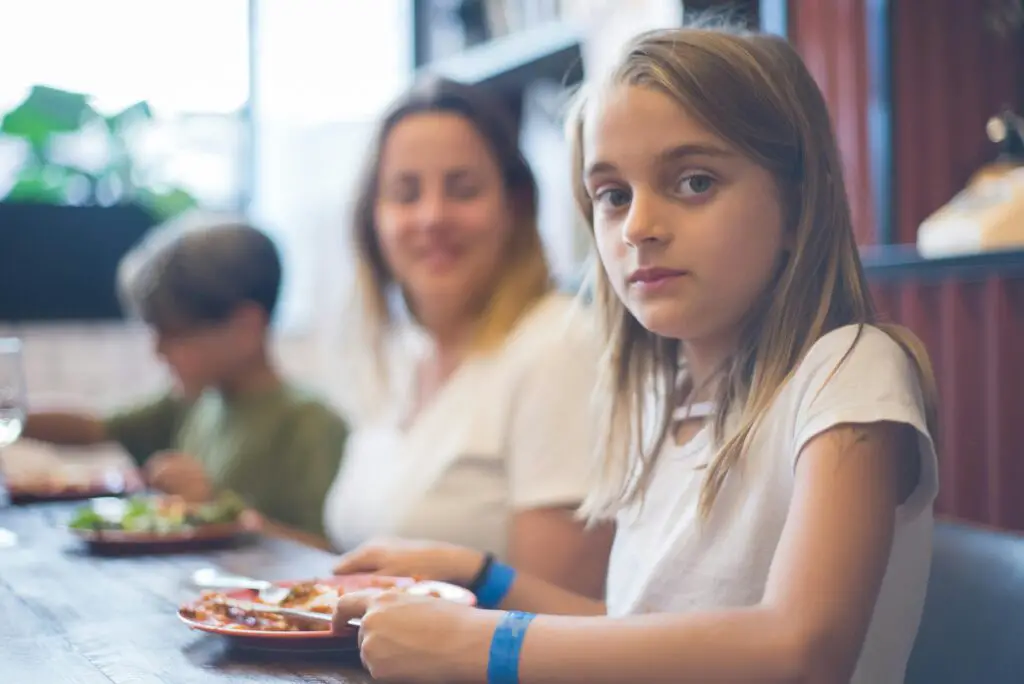
Kids learned when it was necessary to say something. You watched what happened when others spoke up or stayed silent. Over time, you learned the balance between self expression and caution. No adult lecture was required.
This skill shaped confidence and boundaries. It taught timing and tone. Speaking up at the right moment became powerful. That instinct often stays with people for life.
11. Managing Hunger Until Later
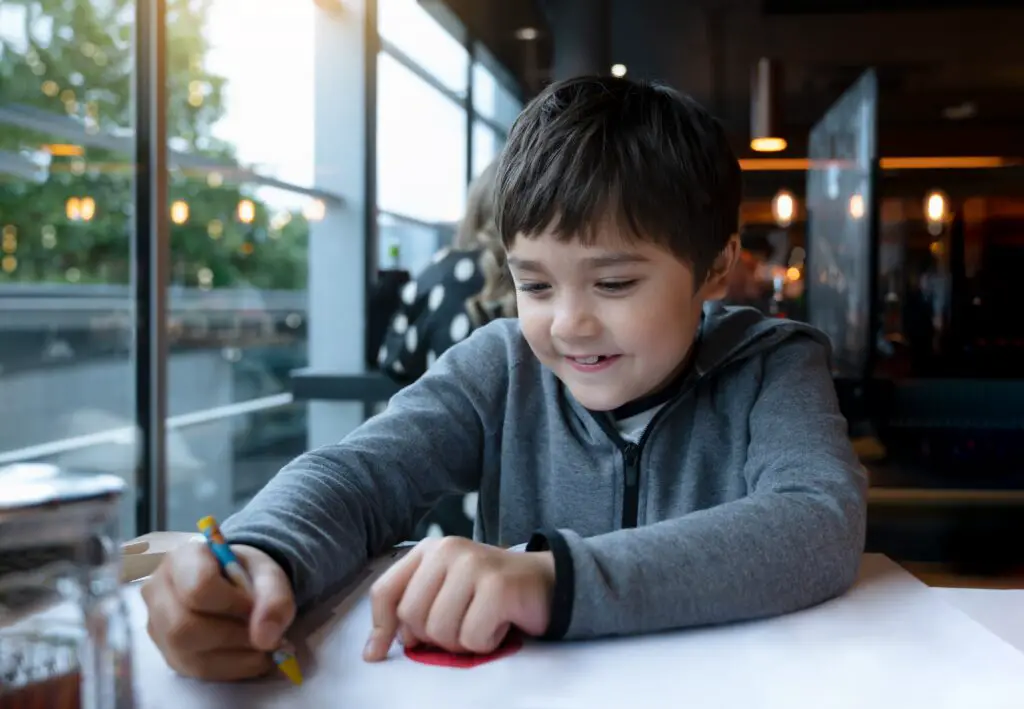
Kids learned to wait for meals. You understood that snacks were limited and dinner had a schedule. Complaining did not always help. Hunger became something to manage quietly.
This taught patience and awareness of routine. You learned to distract yourself or pace your energy. It also taught appreciation for meals when they came. That skill quietly shaped eating habits.
12. Understanding Consequences Through Observation
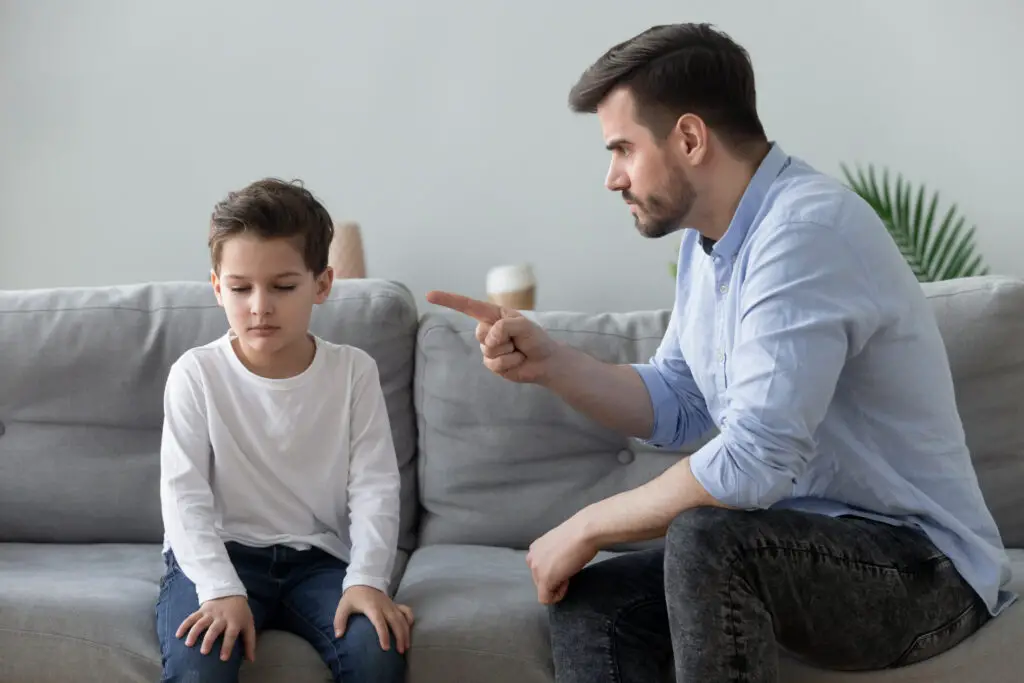
Kids learned consequences by watching others. Seeing someone get punished was often enough. You adjusted your behavior without direct correction. It was an efficient lesson.
This built cause and effect thinking. You learned to anticipate outcomes. It also taught responsibility indirectly. Those lessons stuck because they felt real.
13. Taking Care of Younger Kids
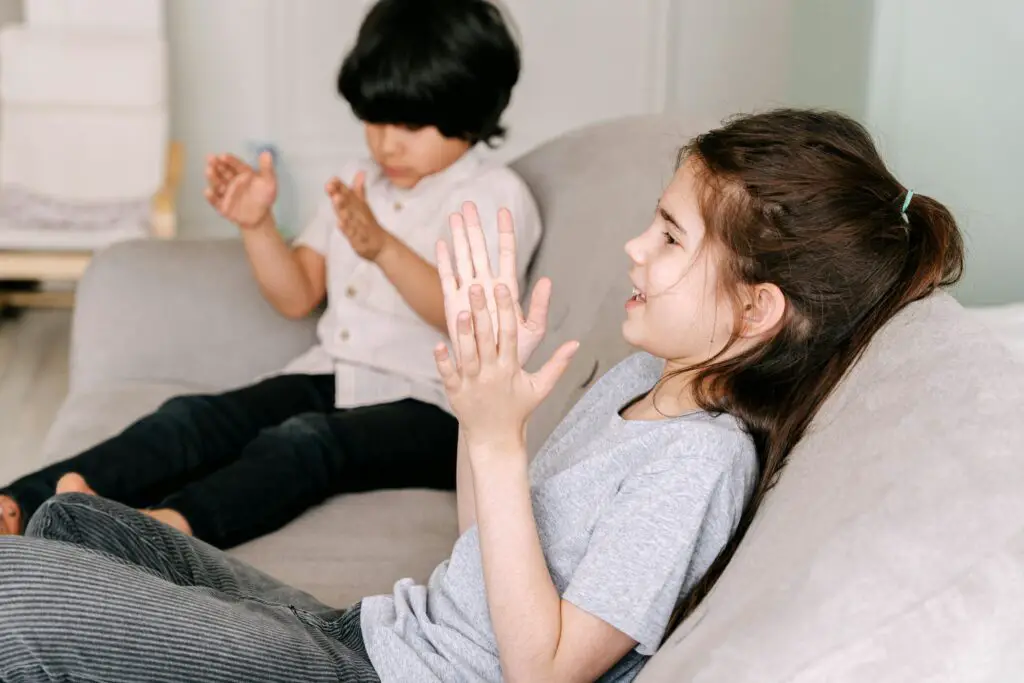
Older kids often learned responsibility early. Watching siblings or neighborhood kids became normal. You learned how to protect, entertain, and calm others. No training was provided.
This built empathy and leadership. You learned to think beyond yourself. It also created confidence in handling responsibility. Many adults trace caregiving skills back to this time.
14. Knowing When Something Was Off Limits
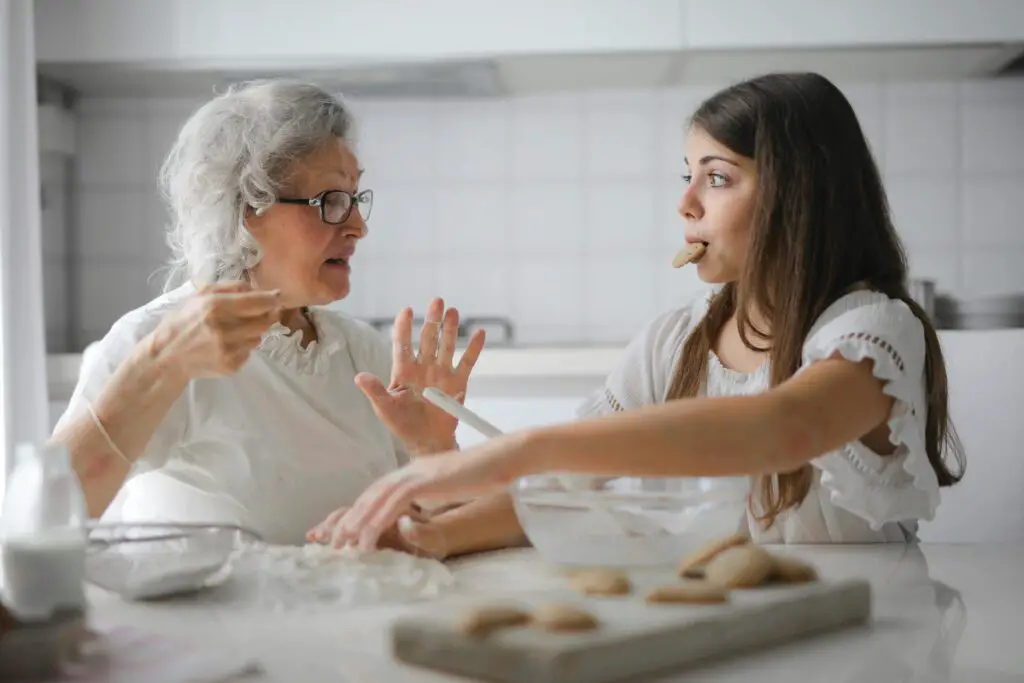
Kids learned boundaries by testing them. A look or a warning was usually enough. Certain rooms, objects, or topics were clearly off limits. No list was needed.
This taught respect and restraint. You learned to recognize unspoken rules. It also taught trust when boundaries were respected. Those lessons carried into adulthood.
15. Adapting to Different Adults
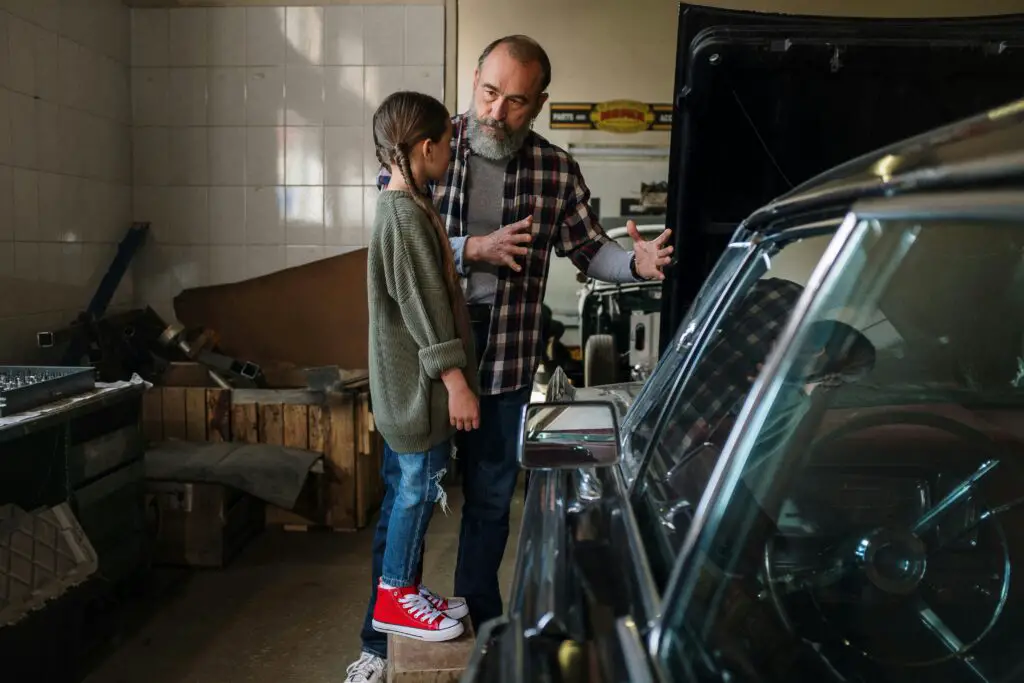
Kids learned that every adult was different. What worked with one did not work with another. You adjusted tone, behavior, and expectations accordingly. This happened naturally.
This skill built adaptability and awareness. You learned to read personalities quickly. It also helped in school and social situations. Many people still rely on this flexibility.
16. Letting Things Go
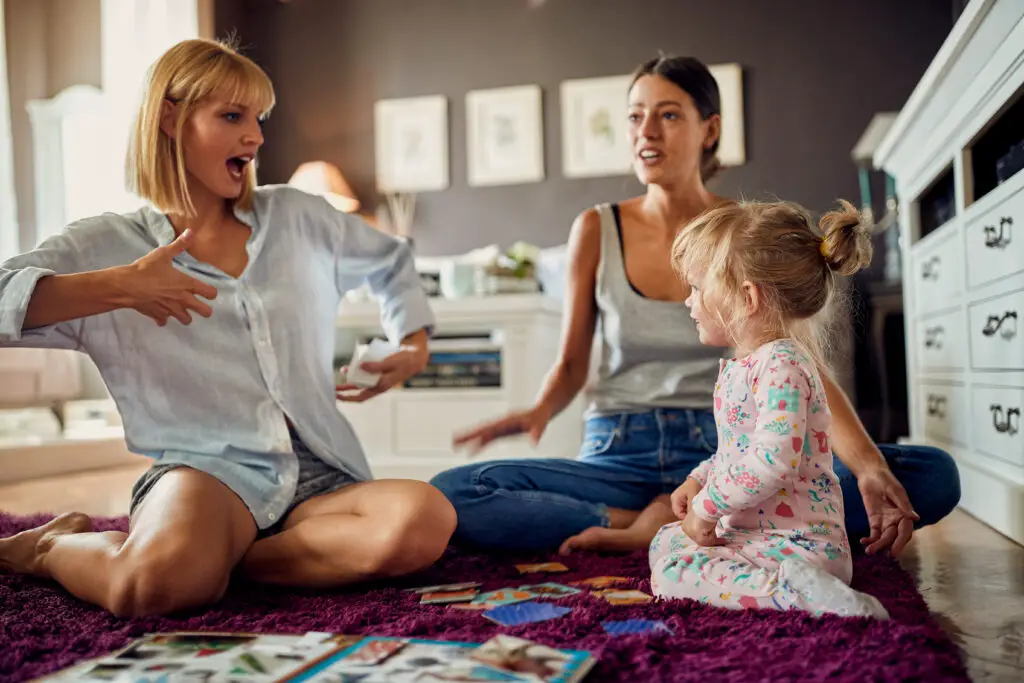
Kids learned that not every conflict needed resolution. Some arguments faded if ignored. You learned when to move on. No one explained this directly.
This taught emotional regulation. You learned to prioritize peace over winning. It also helped preserve friendships. That quiet wisdom often lasts a lifetime.