
1. Broken Mirrors
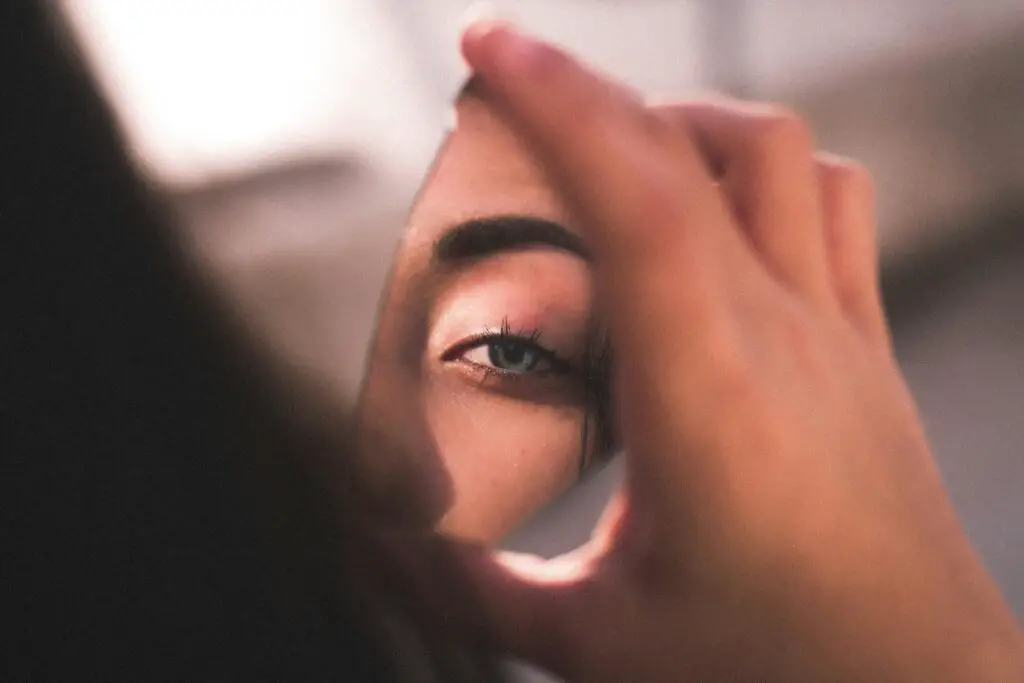
People once believed a broken mirror didn’t just make a mess, it cracked your future. Mirrors were thought to hold pieces of the soul, so breaking one felt deeply personal and dangerous. The famous seven years of bad luck wasn’t a joke, it was a warning people took seriously. Even sweeping up the glass was done carefully, sometimes with gloves or rituals.
Some believed the shards had to be buried under moonlight to undo the damage. Others refused to look at their reflection afterward, just in case. A broken mirror could linger in your mind longer than the mess itself. Even now, plenty of people feel a little uneasy when one shatters.
2. Open Umbrellas Indoors
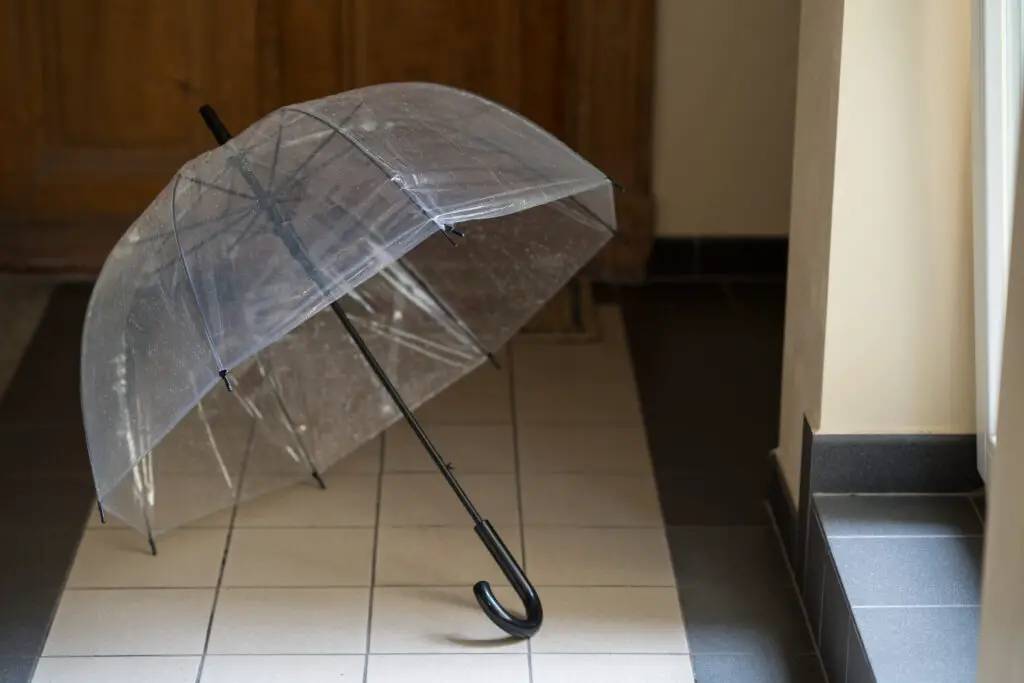
Opening an umbrella inside was said to invite disaster into the home. Umbrellas were tied to protection, so opening one without rain was seen as tempting fate. People believed it confused whatever forces were supposed to keep harm away.
Parents often scolded kids for it, even if they couldn’t explain why. Some thought it invited financial trouble or sudden arguments. Others said it brought illness to the household. To this day, many people still instinctively close it fast.
3. Rocking Chairs That Rocked on Their Own
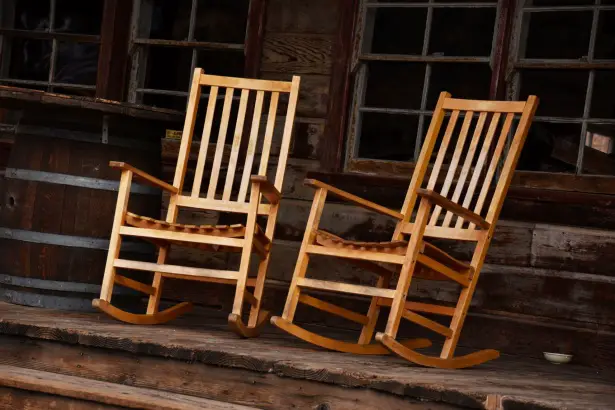
An empty rocking chair moving by itself made people uneasy. It was believed to invite spirits to sit down or signal an unseen presence. Some families would stop the chair immediately, sometimes with a pillow or book.
Leaving it rocking overnight was considered especially bad. People believed it predicted illness or death in the home. Even skeptics admitted it felt unsettling. The sound alone was enough to raise goosebumps.
4. Shoes Placed on a Table
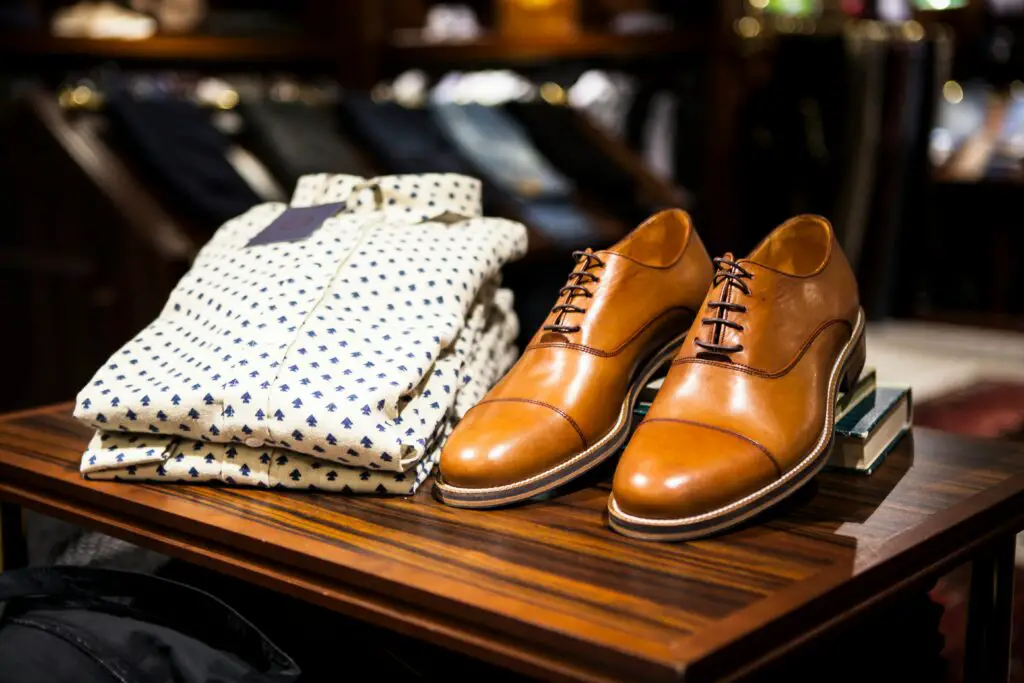
Shoes on a table were thought to bring bad luck or death. This belief came from funeral traditions where shoes were displayed after someone passed. Placing everyday shoes on a table felt like inviting that symbolism early.
Many households treated it as an absolute rule. Even clean shoes were a no. People believed it disrupted the home’s balance and invited grief. Today, some still cringe when they see it happen.
5. Spilled Salt

Salt was once precious, so spilling it felt serious. People believed it opened the door to bad fortune or betrayal. That’s why tossing a pinch over your left shoulder became common practice.
The gesture was meant to blind lurking bad spirits. Some believed ignoring the spill guaranteed arguments or money troubles. The habit stuck around long after salt became cheap. Many people still do it automatically.
6. A Hat Left on a Bed

Leaving a hat on the bed was thought to invite bad luck while sleeping. Beds were considered sacred places tied to health and vulnerability. A hat symbolized the outside world, dirt, and danger.
Some believed it brought nightmares or illness. Others thought it predicted a death in the household. Even guests were warned not to do it. The superstition lingered quietly but firmly.
7. Clocks Stopping Suddenly
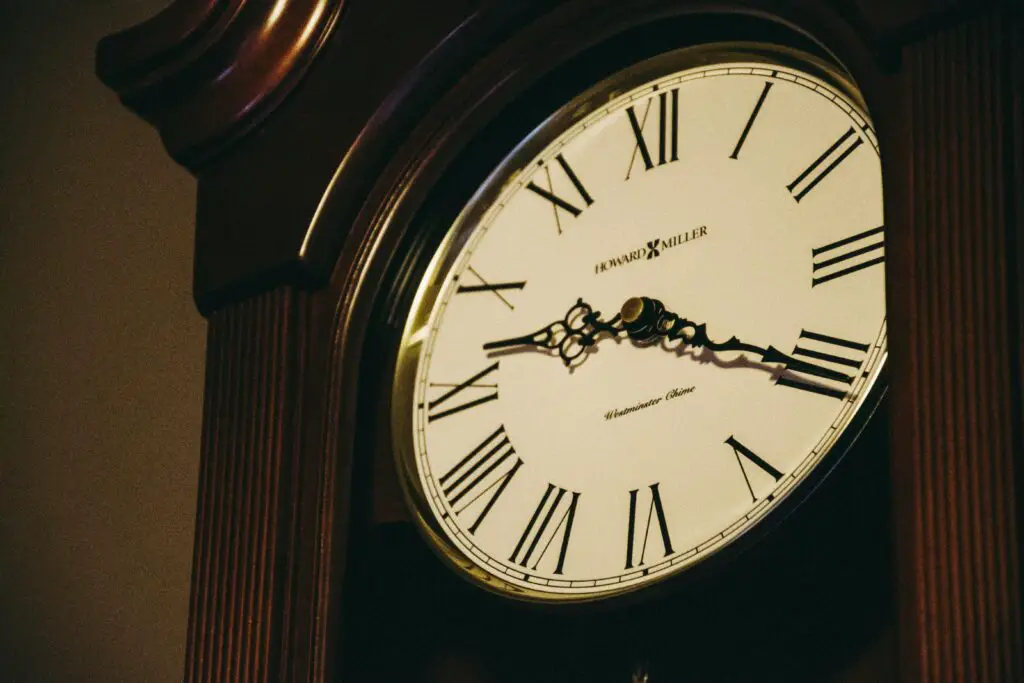
When a clock stopped without explanation, people feared the worst. It was often believed to mark the moment of someone’s death. Families would note the exact time and wait anxiously.
Fixing the clock didn’t erase the worry. Some refused to restart it at all. A silent clock felt like a warning rather than a malfunction. The stillness carried more weight than the sound ever did.
8. A Single Shoe Found Alone

Finding one shoe without its match was seen as a bad omen. Shoes were symbols of journeys and life paths. One shoe suggested interruption or loss.
Some believed it meant separation or misfortune ahead. Others thought it pointed to unfinished business. People often threw it away quickly. Keeping it felt like tempting fate.
9. Cracked Dishes
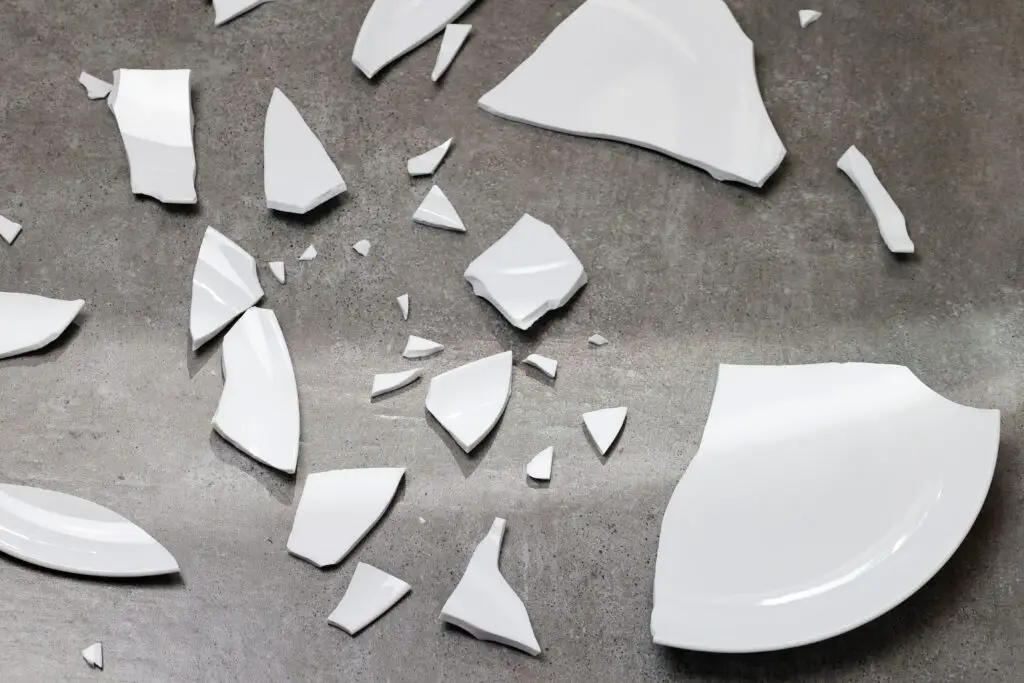
Cracked plates and cups were believed to bring tension into the home. A flaw in something meant to nourish felt symbolic. People believed it encouraged arguments and financial strain.
Using chipped dishes was avoided whenever possible. Some said it drained good energy from meals. Others thought it invited accidents. Many families quietly replaced them without discussion.
10. A Whistling Teapot Left Unattended

Letting a teapot whistle too long was thought to attract trouble. The sound was believed to call attention from negative forces. It also symbolized carelessness, which people thought luck punished.
Some believed it brought unexpected visitors or bad news. Others thought it caused household disagreements. Kitchens were places of ritual and order. A screaming kettle broke that balance.
11. Fallen Pictures or Wall Decor
When a picture frame fell off the wall, people worried immediately. It was often linked to bad news or illness. Some believed it meant someone was speaking ill of you.
Frames were inspected closely for hidden meaning. Even minor falls caused anxiety. People would rehang them with care or move them entirely. The event lingered in memory longer than the noise.
12. Keeping Old Calendars
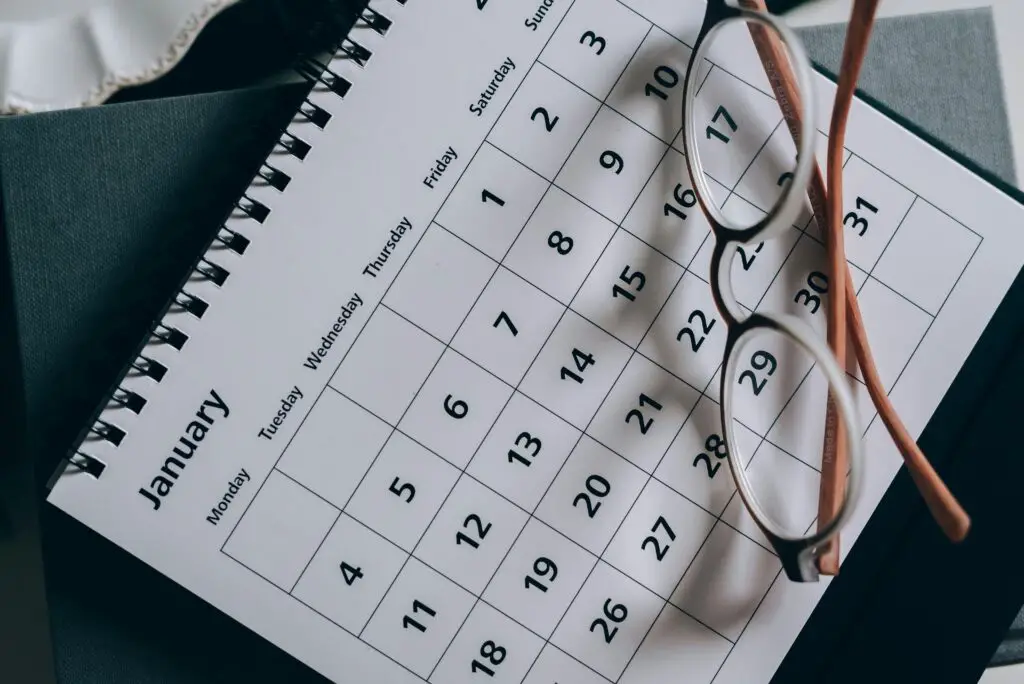
Holding onto old calendars was thought to trap time. People believed it prevented progress and invited stagnation. Hanging onto the past was seen as unlucky.
Some believed it blocked new opportunities. Others thought it encouraged regret or sadness. Old calendars were often discarded quickly after New Year’s. Fresh pages meant fresh luck.
13. Empty Bottles Left Standing
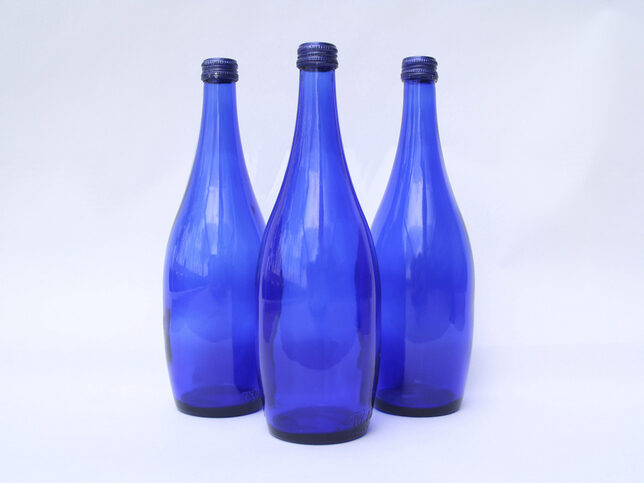
Empty bottles standing upright were believed to invite bad spirits. Turning them upside down was thought to trap or block negative energy. Leaving them open felt careless and risky.
This belief was common in kitchens and taverns alike. People flipped bottles without thinking. It became a habit passed down quietly. Few questioned it, they just did it.
14. Bringing Outdoors Objects Inside Without Cleaning

Sticks, stones, or branches brought inside were thought to carry bad luck. People believed the outdoors held unseen forces that shouldn’t enter the home uninvited. Cleaning or blessing the object was sometimes required.
Some believed storms left dangerous energy behind. Others thought it invited illness or bad dreams. Items were left on porches to “settle” first. Even harmless objects came with rules.