
1. Broken Mirrors
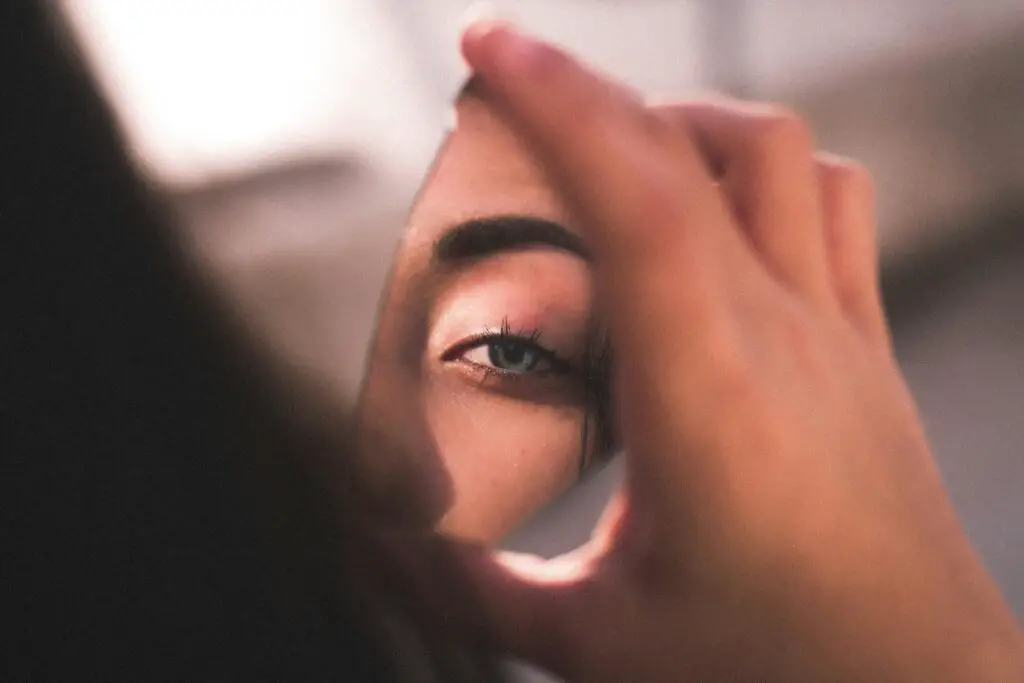
A broken mirror has long been tied to the idea of seven years of bad luck, and that belief stuck hard even in modern households. Mirrors were once expensive, fragile, and sometimes believed to hold part of a person’s soul or reflection of their spirit. When one shattered, it felt like more than just an accident, it felt like something personal had been damaged. Even people who say they don’t believe in superstitions still tend to pause when a mirror cracks. You might instinctively avoid sweeping up the shards with bare hands or joke nervously about what’s coming next. There’s a lingering sense that the moment matters more than a simple cleanup job. That uneasy pause is part of why the superstition survived for so long.
Some families even had rituals to counteract the bad luck, like burying a shard in the ground or throwing pieces into running water. Others believed waiting seven hours, days, or weeks could soften the curse depending on local tradition. It’s funny how a cracked piece of glass can suddenly feel heavy with meaning instead of just inconvenient. Even now, plenty of people will replace a broken mirror immediately rather than live with the reminder. The superstition lingers quietly in everyday life, especially during stressful times when people are already feeling vulnerable. A broken mirror can make a bad day feel ominously worse. Logic may dismiss it, but the discomfort still feels real.
2. Spilled Salt
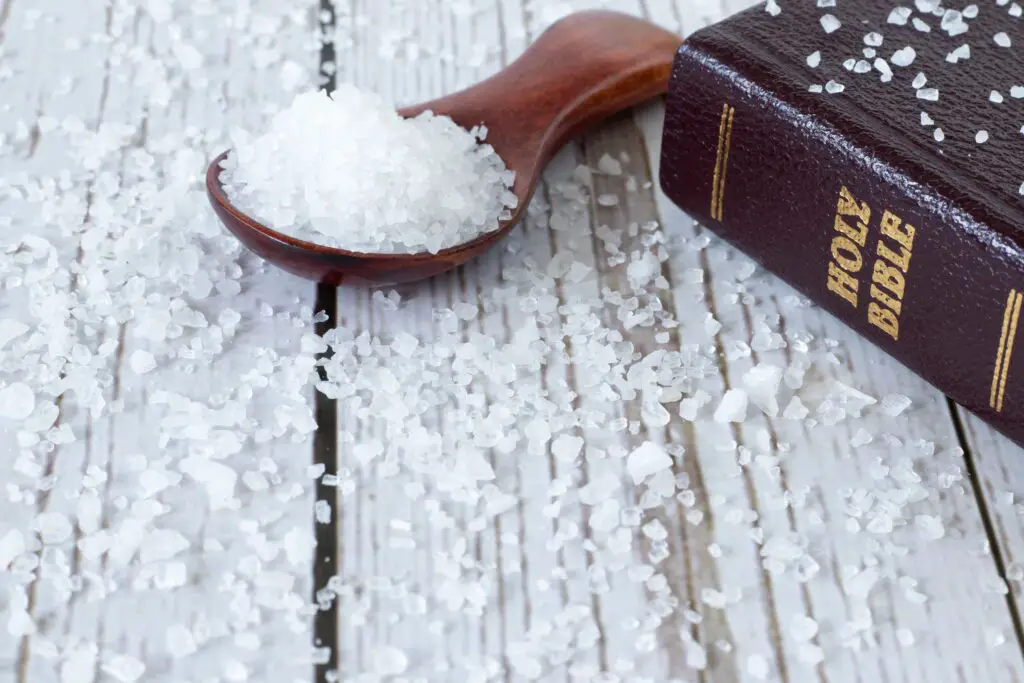
Spilling salt used to feel like tempting fate, especially when salt was expensive and essential for preserving food. Wasting it wasn’t just careless, it felt disrespectful to something valuable. Over time, that practical concern turned into a superstition that spilled salt attracted bad luck or arguments. Many people still instinctively gasp when the salt shaker tips over. There’s a reflexive urge to fix it quickly, as if the moment itself matters. Even kids learn the rule early, usually from watching adults react dramatically. The table suddenly feels tense for no logical reason.
The classic solution is tossing a pinch of salt over your left shoulder to blind the devil or cancel the bad luck. People may laugh while doing it, but they often still follow through anyway. It becomes a small ritual that brings relief and restores balance to the moment. Restaurants and kitchens are full of people quietly practicing this habit without even thinking about it. The superstition has survived because it’s harmless and oddly comforting. It gives people something to do when something small goes wrong. A spilled grain becomes a moment of shared tradition.
3. Open Umbrellas Indoors
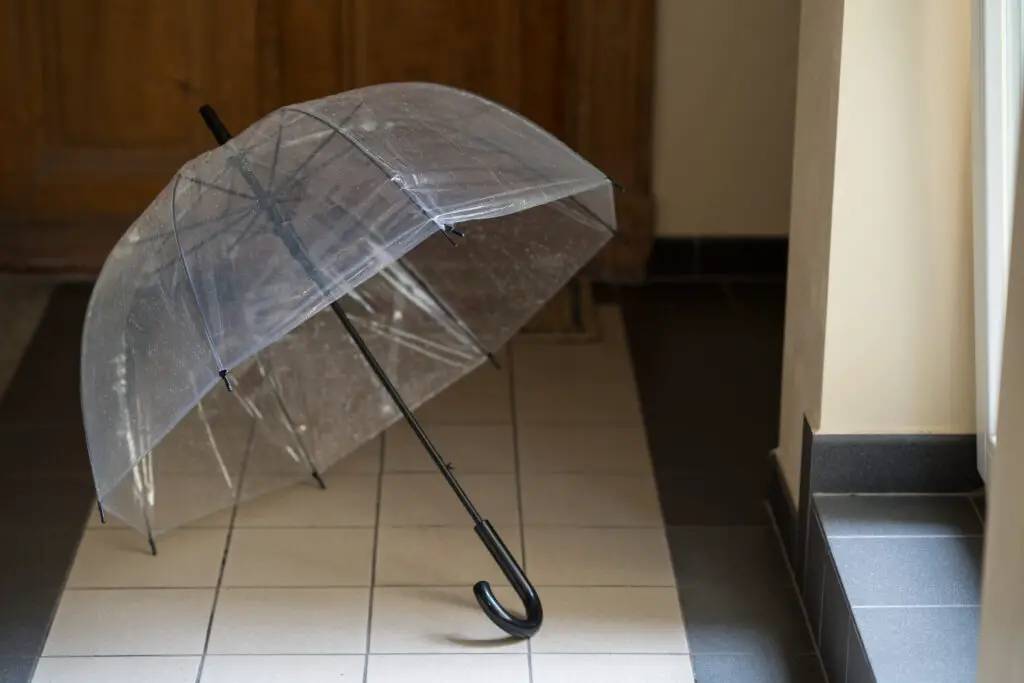
Opening an umbrella inside has long been considered an invitation for bad luck. The superstition likely came from the danger of early umbrellas snapping open and injuring someone indoors. Over time, that safety warning turned into something more mystical and ominous. Even now, many people instinctively cringe when someone pops one open in a hallway or living room. It feels disruptive and wrong in a way that’s hard to explain. The space suddenly feels unsettled, like a rule has been broken. People will rush to close it immediately, even if they don’t fully believe in the superstition.
Parents often pass this rule down without explaining where it came from. Kids absorb it as fact and grow up enforcing it themselves. It becomes one of those household rules that feels almost sacred. The umbrella suddenly carries emotional weight instead of being a simple object. Even during practical moments like drying a wet umbrella, people hesitate. The superstition sticks because it blends safety, habit, and a touch of mystery. Once you grow up with it, it’s hard to ignore.
4. Walking Under Ladders
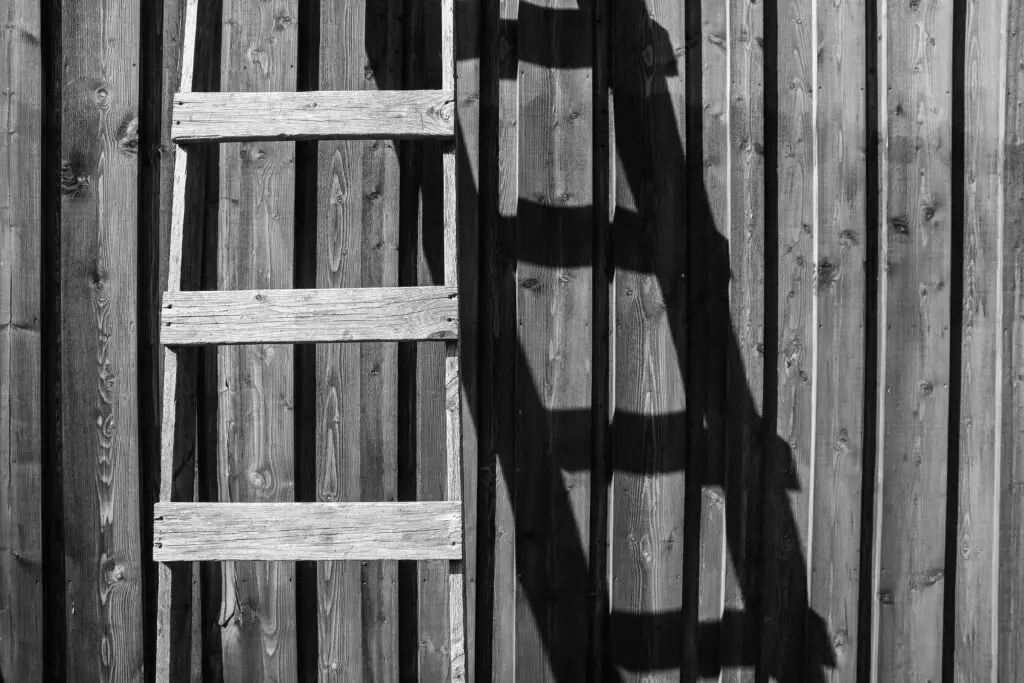
Walking under a ladder has been avoided for generations as a sign of inviting misfortune. Part of the fear comes from practical danger, since tools or debris could easily fall. But symbolically, the triangle formed by a ladder against a wall was once considered sacred in religious traditions. Breaking that shape was seen as disrespectful or unlucky. Even today, people instinctively step around ladders on sidewalks or job sites. It feels like tempting fate to walk straight through. The small detour feels safer emotionally as well as physically.
Some people even have small rituals if they accidentally walk under one, like crossing their fingers or spitting for luck. It becomes a playful way to restore balance after a perceived mistake. The superstition sticks because it’s reinforced by real-world logic and old beliefs. You rarely question avoiding a ladder because it feels reasonable. Over time, the emotional reaction becomes automatic. The ladder becomes more than a tool, it becomes a quiet warning sign. Even skeptics often avoid testing it.
5. Black Cats Crossing Your Path
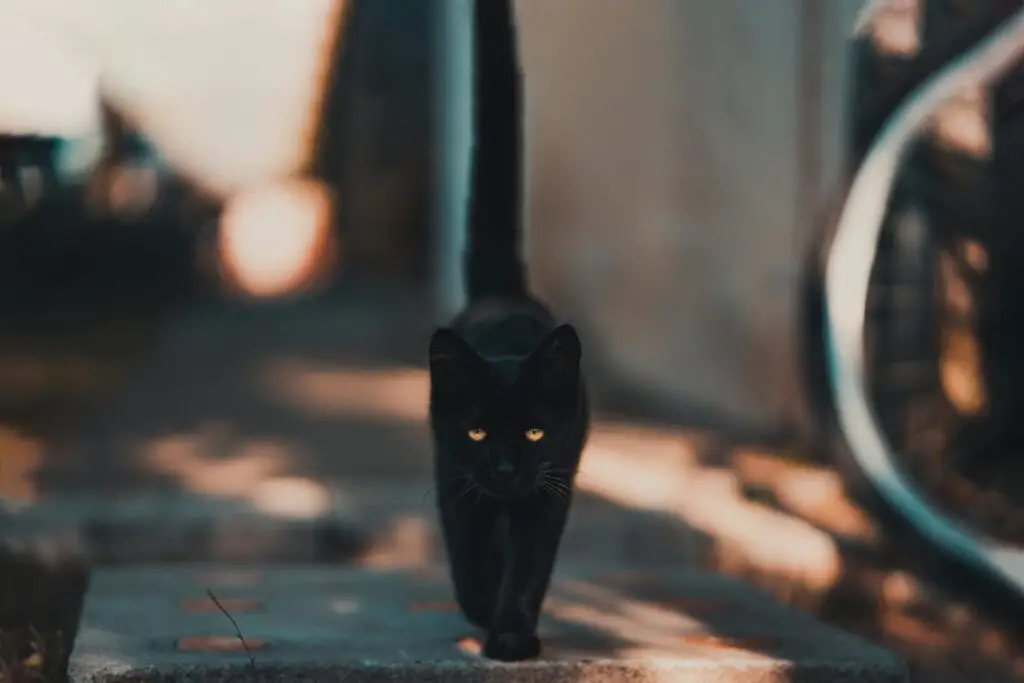
Black cats have unfairly carried bad luck reputations for centuries, especially in Western folklore. They were once linked to witches, nighttime mysteries, and superstition-driven fear. Seeing one cross your path was believed to signal misfortune or bad news ahead. Even today, some people still pause when a black cat darts across the road. There’s a brief moment of hesitation or nervous humor. It’s hard to shake something learned so early in life. The animal itself feels innocent, but the story sticks.
In reality, many cultures consider black cats lucky, which makes the superstition even more ironic. Some people deliberately greet a black cat or make a wish instead of fearing it. Still, old habits die hard for many households. The image of the black cat remains tied to spooky imagery and cautionary tales. It shows how stories can shape perception more than logic. Even animal lovers may feel a flicker of superstition. The cat becomes a symbol rather than just a pet.
6. Cracked Dishes or Cups
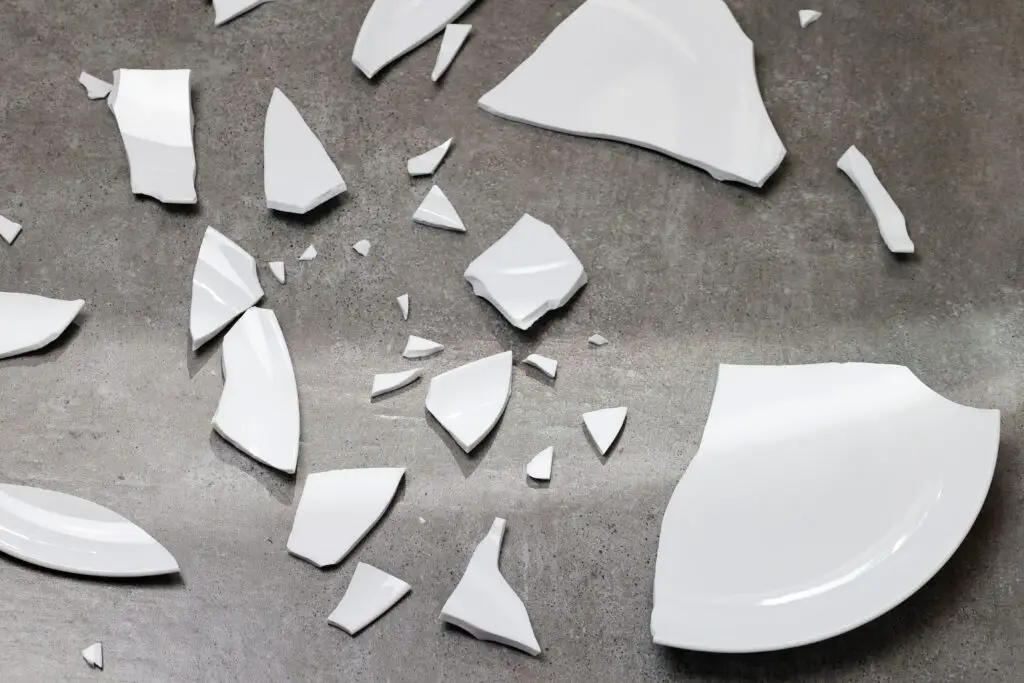
Using cracked plates or chipped cups was once believed to bring bad luck or attract negative energy. Some families felt broken items invited misfortune into the home. Others believed they symbolized financial hardship or instability. Even now, people often feel uneasy drinking from a chipped mug. It feels slightly wrong, even if it’s perfectly safe. The flaw becomes the focus instead of the function. It’s a reminder of imperfection that some people associate with bad outcomes.
Many households quietly discard damaged dishes rather than keep them. The choice feels emotional rather than practical. There’s a sense of restoring order and protection to the kitchen. Even thrift-minded people sometimes hesitate with cracked items. The superstition ties into a desire for stability and cleanliness. Broken things feel symbolic of broken luck. It’s a small but powerful emotional response.
7. Rocking an Empty Rocking Chair
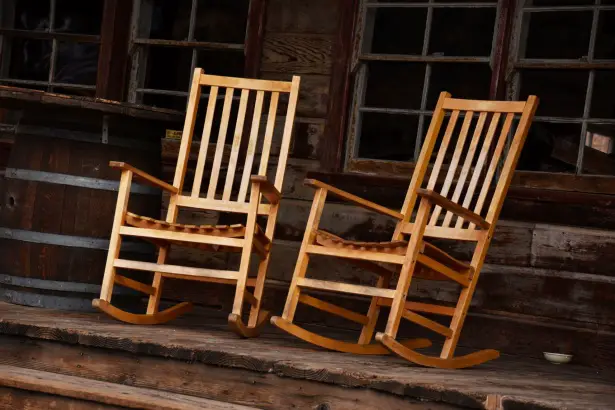
An empty rocking chair moving on its own has long been associated with bad omens in folklore. Some believed it signaled spirits, death, or unseen visitors. Even a light breeze causing motion could trigger unease. The visual alone feels eerie, especially in quiet rooms. People often rush to stop the chair from moving. The silence suddenly feels heavier. It taps into a deep fear of the unseen.
Older generations often warned children not to rock empty chairs. The idea lingered in family storytelling and ghost tales. Even adults sometimes feel unsettled by the sight. The chair becomes symbolic of absence rather than comfort. It transforms a cozy object into something unsettling. The superstition persists because it taps into imagination and atmosphere. Once noticed, it’s hard to ignore.
8. Leaving Shoes on the Table
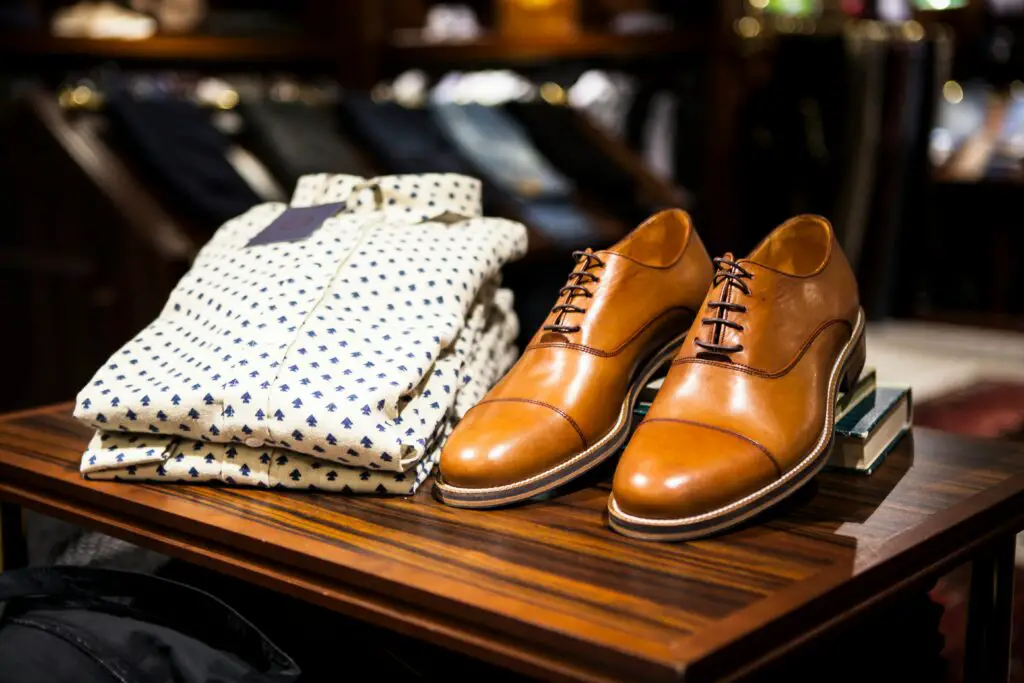
Putting shoes on a table has been considered unlucky in many households. The superstition often links back to funeral customs and bad omens. Shoes symbolized death or final journeys in some traditions. Even today, people instinctively remove shoes from eating surfaces. It feels disrespectful and wrong. The idea of mixing dirt with food adds to the discomfort. The emotional reaction comes quickly.
Parents often scold kids immediately for doing this. It becomes an unspoken household rule. Even in casual settings, people tend to correct it. The superstition blends hygiene with tradition. Shoes feel tied to outside energy and dirt. Keeping them off tables feels protective and respectful. It’s one of those rules people follow without question.
9. Giving a Knife as a Gift
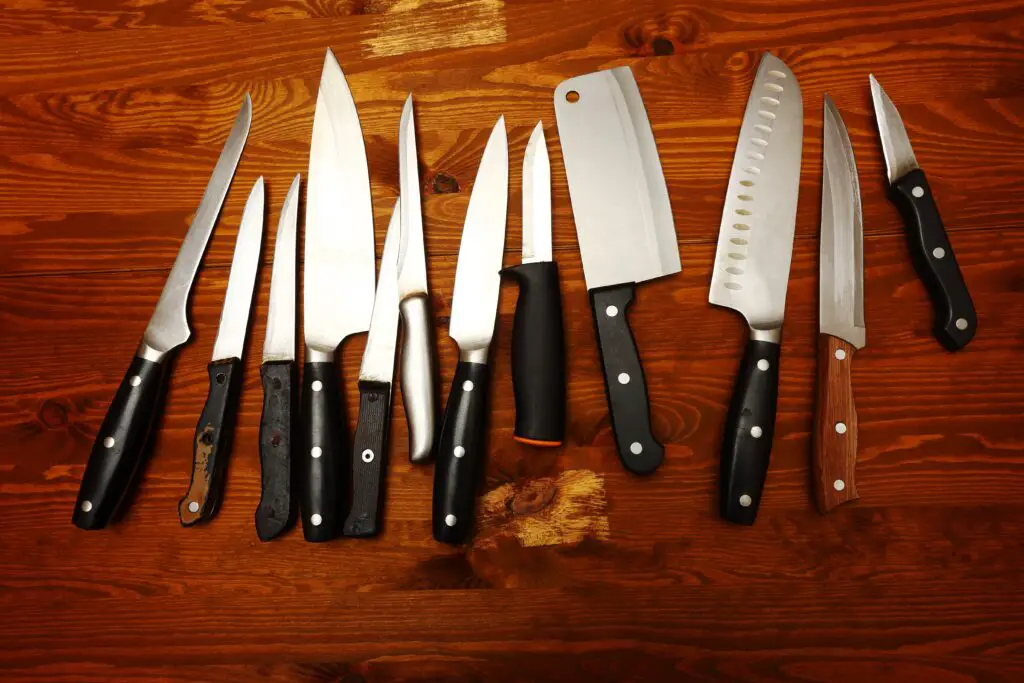
Giving a knife as a gift was once believed to cut the relationship between giver and receiver. It symbolized severed bonds, arguments, or bad luck. Even now, some people feel uneasy gifting sharp objects. The solution was often to include a coin so the receiver could “buy” the knife instead. That small gesture was thought to cancel the bad omen. It adds a layer of ritual to a simple gift exchange. The tradition still pops up during weddings or housewarmings.
The superstition sticks because relationships feel fragile emotionally. People don’t want to risk harm, even symbolically. The coin ritual offers reassurance and closure. It turns the gift into a shared moment of care. Even practical people often follow the rule just in case. It shows how symbolism can outweigh logic. The knife becomes more than a tool in that moment.
10. Sitting at the Corner of a Table

Sitting at the corner of a table was once believed to bring bad luck in love or future relationships. Some traditions claimed it meant you wouldn’t marry or would face loneliness. Children often heard this rule during family meals. It created a playful scramble for better seats. Even adults sometimes joke about avoiding the corners. The superstition lingered as a lighthearted warning.
It added drama to everyday seating choices. People liked having a reason to tease or rearrange themselves. Even if no one truly believed it, the habit stuck. Corners became symbolic rather than practical. It added charm and storytelling to meals. These little traditions kept family folklore alive. The table became part of social ritual.
11. Placing a Hat on a Bed

Putting a hat on a bed has been considered unlucky in many cultures. Some believed it invited illness, accidents, or death. Others thought it disturbed protective household energy. Even today, many people instinctively move a hat off the bed. It feels strangely uncomfortable to leave it there. The reaction is emotional rather than logical. It’s one of those rules that feels inherited.
Parents often pass it down without explanation. Kids grow up respecting it automatically. The bed feels like a sacred resting place. Mixing outside items with it feels wrong emotionally. The superstition connects comfort with protection. Once learned, it’s hard to unlearn. The habit quietly survives.
12. Breaking a Wishbone Incorrectly
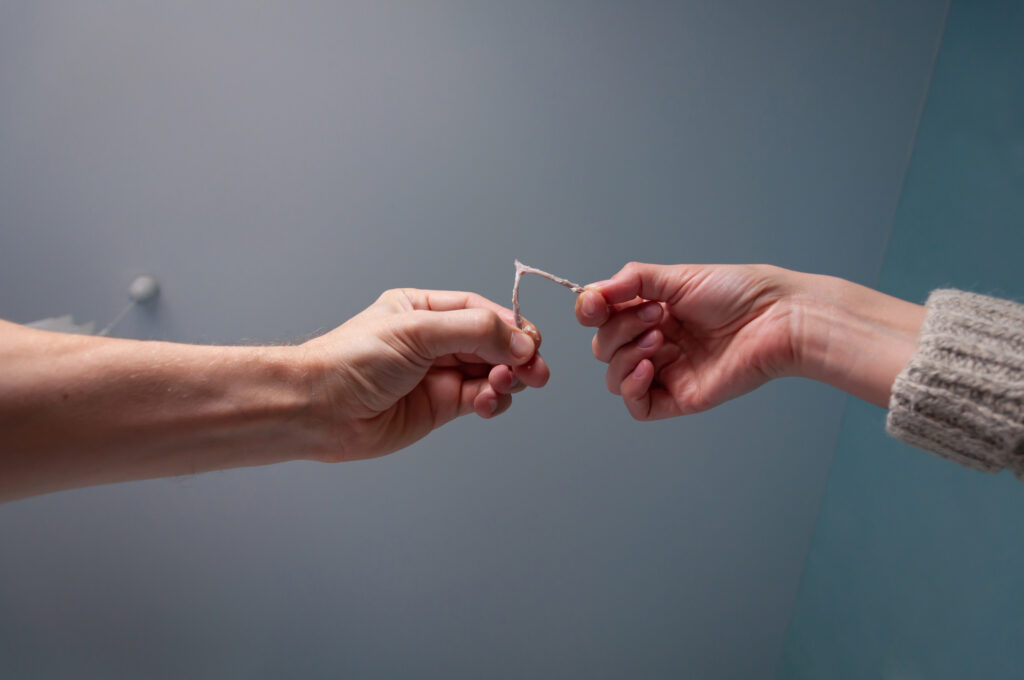
Wishbones were believed to hold luck and future fortune. Breaking it the right way meant your wish might come true. If it snapped unevenly or fell on the floor, some believed it brought bad luck instead. Kids especially took this ritual seriously at family dinners. The moment felt dramatic and full of anticipation. Even adults sometimes play along. It turns a meal into a small ceremony.
The superstition made ordinary dinners feel magical. Everyone wanted the bigger piece. Losing could feel oddly disappointing. The ritual stuck because it created shared excitement. It blended play with belief. Even now, people smile when they break one. The tradition keeps family folklore alive.
13. Letting a Clock Stop
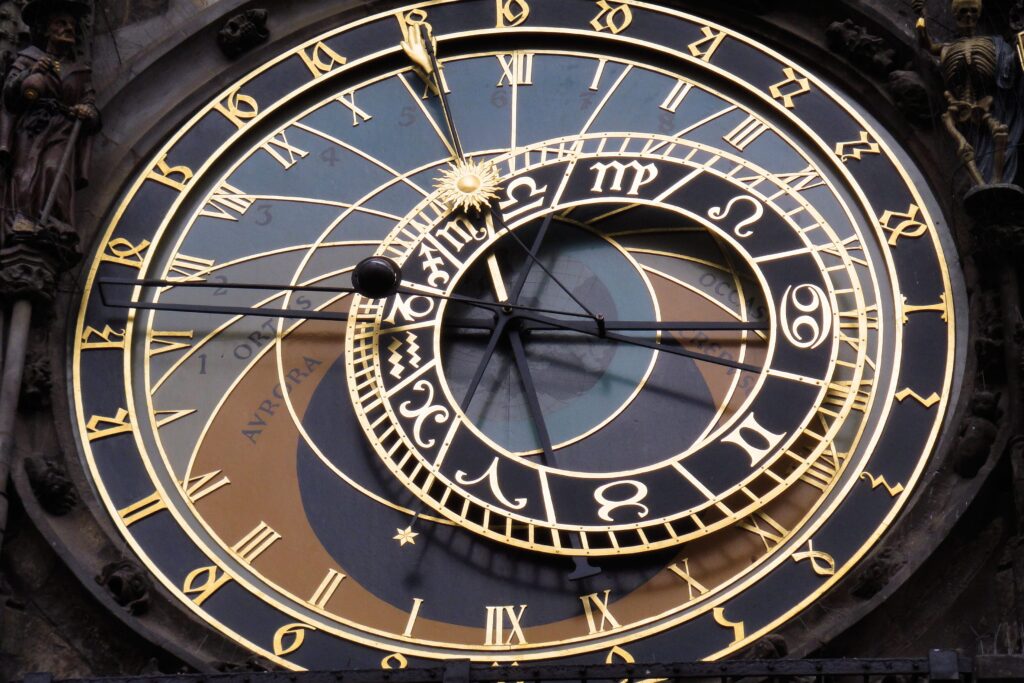
A stopped clock was once believed to signal bad news or bad luck in a household. Some even associated it with death or major change. The silence of a stopped clock can feel unsettling. It disrupts the sense of order and time. People often rush to fix or replace it quickly. The stillness feels wrong emotionally. It draws attention in an uncomfortable way.
Older homes especially carried these beliefs. A stopped clock became something people whispered about. Even now, some people feel uneasy leaving one broken. Time feels symbolic of life and movement. When it stops, it feels ominous. The superstition reflects how humans connect meaning to rhythm. It lingers quietly in the background.
14. Carrying a Peacock Feather Indoors
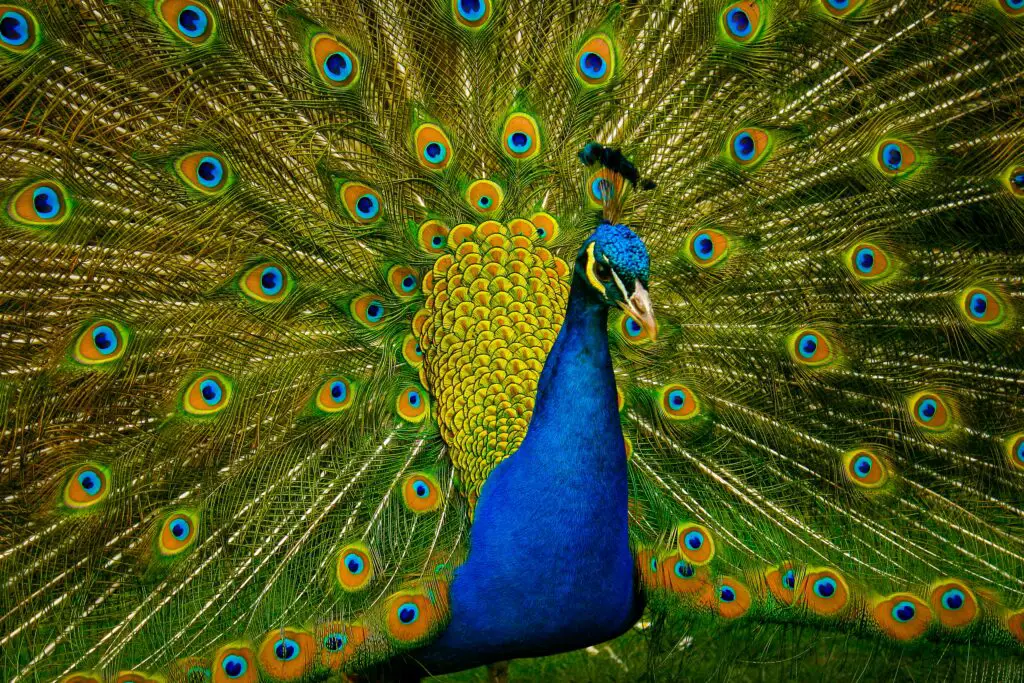
Peacock feathers were once believed to bring bad luck indoors because of the eye-like patterns on the feathers. Some associated them with jealousy, misfortune, or bad spirits. Even decorative use was avoided in certain homes. The feathers felt beautiful but risky. People admired them from a distance rather than bringing them inside. The superstition traveled through theater culture as well, where performers avoided them backstage.
Even today, some people hesitate to display them. The belief persists quietly in design choices. It shows how symbolism can override aesthetics. The feather becomes loaded with meaning. People often choose safer décor instead. It’s a reminder of how deeply stories shape behavior. Even beautiful things can carry fear.