
1. Rotary Phones
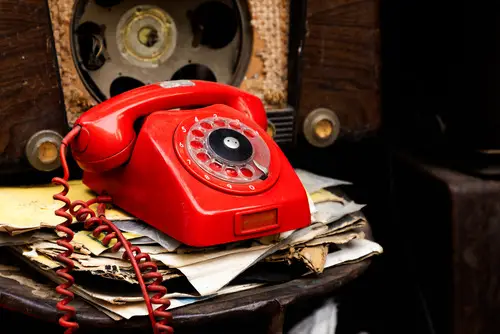
For decades, making a phone call meant sticking your finger into a numbered hole and slowly turning a dial. A rotary phone required patience because each number had to spin all the way back before you could dial the next one. Kids today, who are used to tapping a screen instantly, often stare at these things like they belong in a museum. Even figuring out how to start dialing can be confusing the first time someone sees one.
There was also the unmistakable clicking sound as the dial returned to its starting position. If you made a mistake while dialing, there was no delete button, you simply had to hang up and start again. Long distance calls felt like a bigger deal back then, partly because the process itself took effort. It’s the kind of device that once sat in nearly every home, but now leaves younger people scratching their heads.
2. Film Cameras
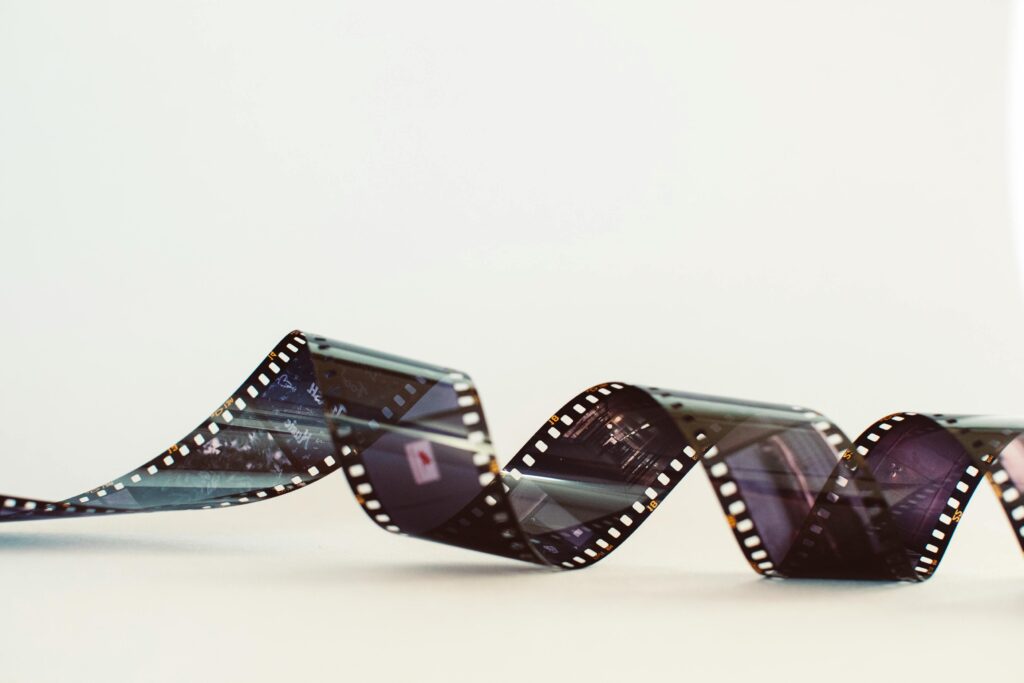
Before smartphones turned everyone into a photographer, taking pictures required a camera loaded with film. You usually had 24 or 36 shots available, and once they were gone, that was it until you replaced the roll. Younger people sometimes struggle to understand why you couldn’t immediately see the photo you just took. The idea of waiting days to find out if a picture turned out still feels strange in the digital age.
There was also a small winding lever that advanced the film after every shot. If you forgot to wind it, the camera simply wouldn’t take another picture. People also had to rewind the film before opening the camera or risk ruining the entire roll. It was slower and less forgiving than modern photography, but many people remember it as part of the excitement.
3. Cassette Tapes
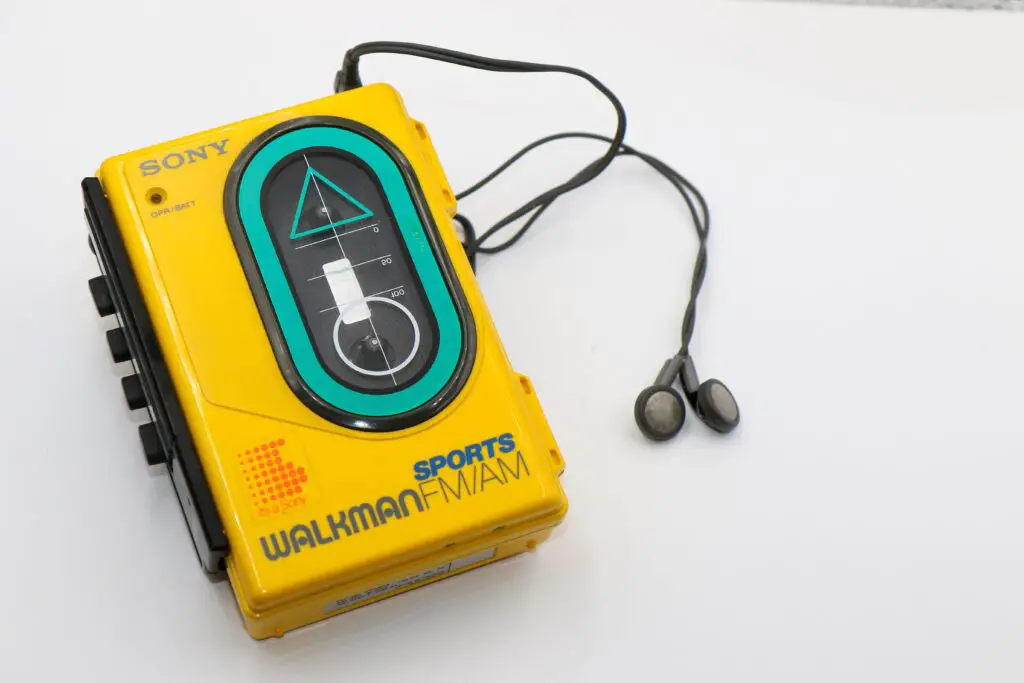
Cassette tapes once held music, comedy albums and even recorded messages between friends. To play one, you slid it into a tape deck or portable player and pressed a big physical button labeled “Play.” Younger people often get confused by the need to flip the tape halfway through to hear the rest of the album. That little ritual was simply part of listening to music.
Another thing that puzzles people today is how often the tape itself could get tangled. If the tape spilled out, you carefully wound it back in using a pencil. Rewinding or fast forwarding also took time, which meant sitting and waiting for the song you wanted. Compared to instant streaming, it now feels almost charmingly slow.
4. Manual Typewriters
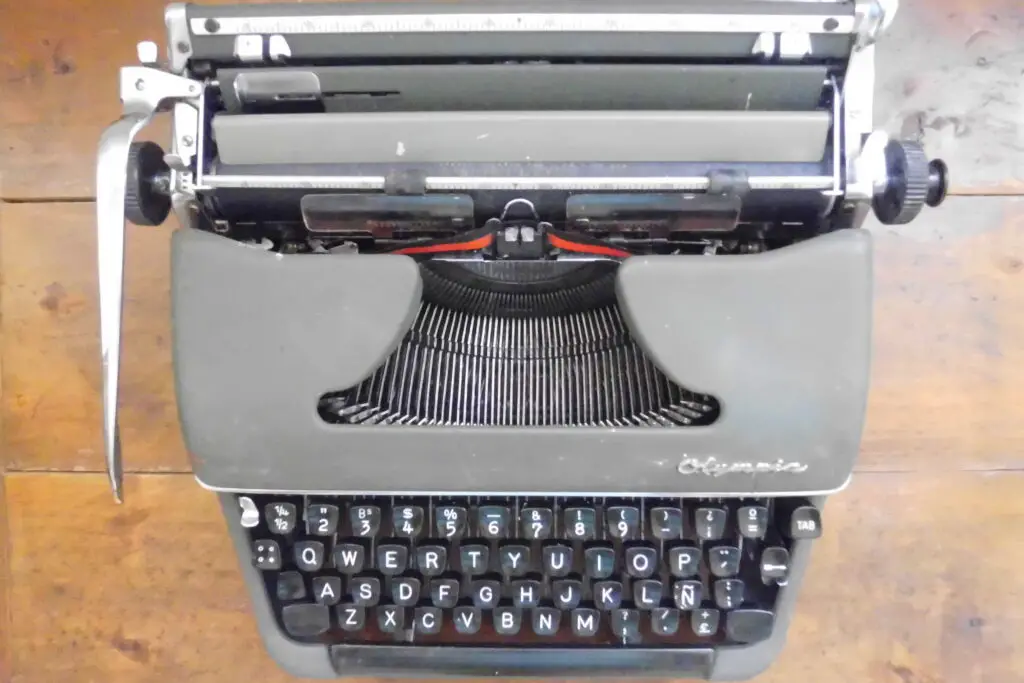
A typewriter looks simple enough until someone actually tries to use one. Each key requires a firm press that slams a metal letter onto paper through an ink ribbon. Younger users often expect the keys to work like a laptop keyboard and are surprised by the physical effort involved. The loud clacking sound alone can feel shocking the first time.
Mistakes were also a much bigger deal on a typewriter. You either used correction fluid or started the page over completely. At the end of each line, the typist had to push a lever to move the carriage back to the beginning. It was a machine that demanded rhythm and patience, something computers quietly removed from the writing process.
5. Pay Phones
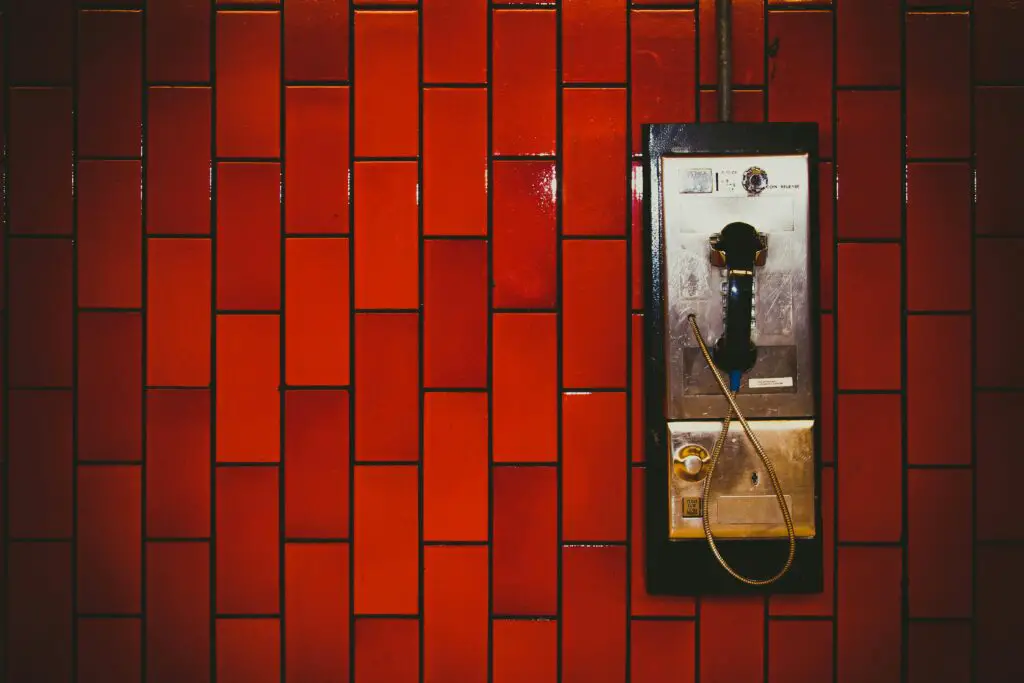
There was a time when if you needed to call someone while out in public, you looked for a pay phone. These metal booths or wall mounted phones required coins before you could dial. Younger people sometimes struggle to understand why you would need one when everyone now carries a phone in their pocket. The whole concept feels oddly outdated.
You also had to remember important phone numbers because there was no contact list. If you ran out of coins mid call, the connection simply ended. Some people even carried a few quarters specifically for emergencies. Today most of these phones have disappeared, leaving behind only a few scattered relics.
6. VHS Tapes
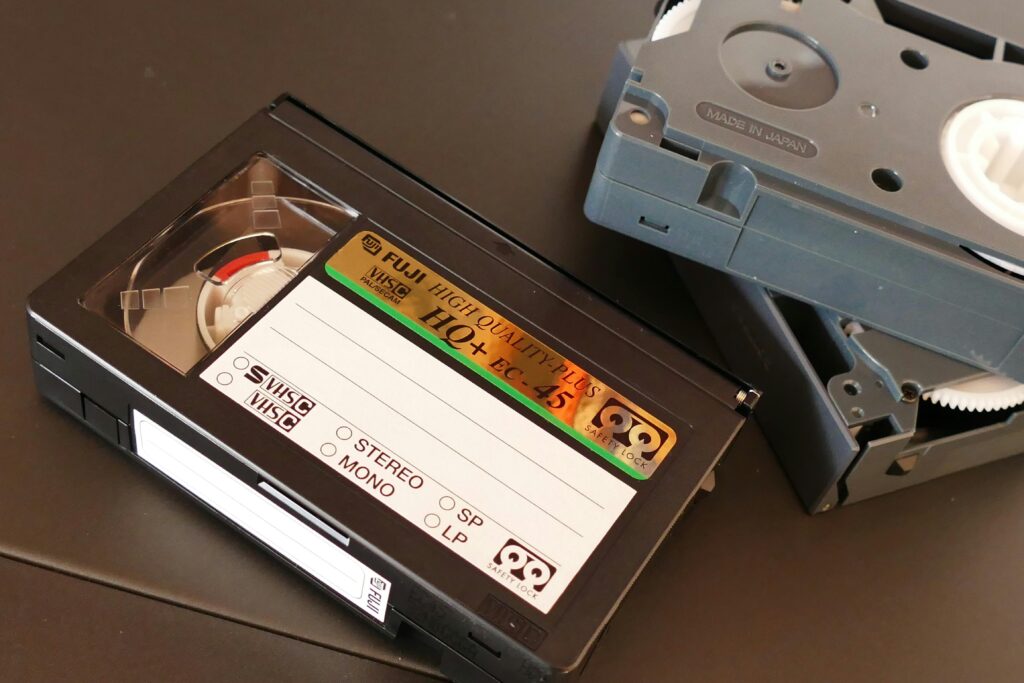
Before streaming services, movies came in bulky plastic cases containing VHS tapes. Watching one required inserting the tape into a VCR and manually rewinding it if someone forgot to do so earlier. Younger viewers often wonder why the picture quality looks so fuzzy compared to modern video. That grainy look was just part of the experience.
Video rental stores were also built around these tapes. People would browse shelves, pick a movie, and return it a few days later. If you forgot to rewind before returning it, the store sometimes charged a small fee. It was a system that now seems complicated compared to simply clicking “Play” online.
7. Rolodex Card Files
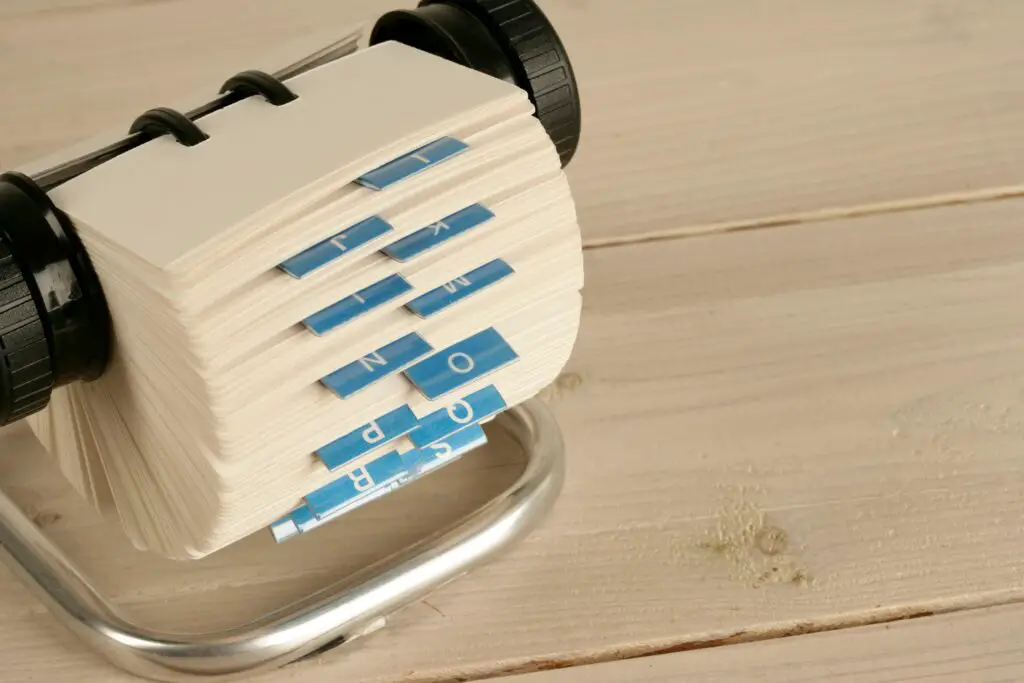
Offices once relied heavily on something called a Rolodex to store contact information. It was a rotating wheel filled with small cards that held names, phone numbers and addresses. Younger workers often assume it’s some kind of unusual office decoration when they first see one. In reality, it was the analog version of a contact list.
Finding someone meant flipping through alphabetical tabs until you reached the right card. When someone changed jobs or numbers, you physically replaced the card with an updated one. It required organization and constant maintenance. Today that entire process lives inside a smartphone.
8. Floppy Disks
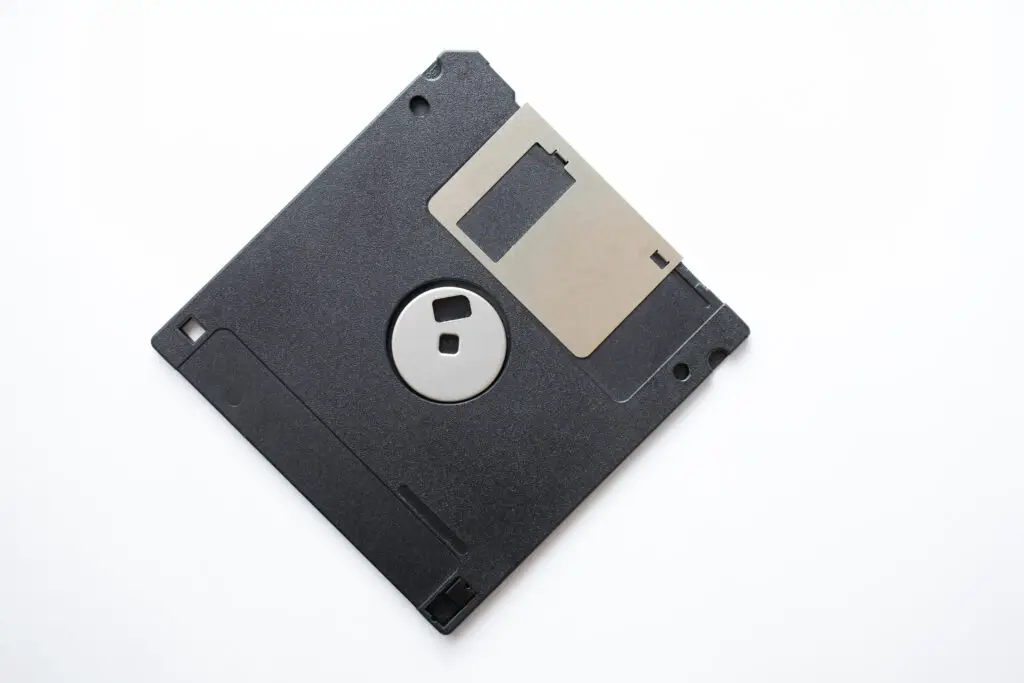
Floppy disks were once the standard way to store computer files. Early versions were actually flexible plastic squares, which explains the name. Even the later hard shell versions only held a tiny amount of data by today’s standards. Younger people often laugh when they learn how little information could fit on one disk.
Saving a file meant inserting the disk into the computer and waiting while it wrote the data. Many school papers and early digital photos were stored this way. If the disk became damaged or exposed to magnets, the data could disappear completely. It was fragile technology that feels almost prehistoric now.
9. Slide Projectors
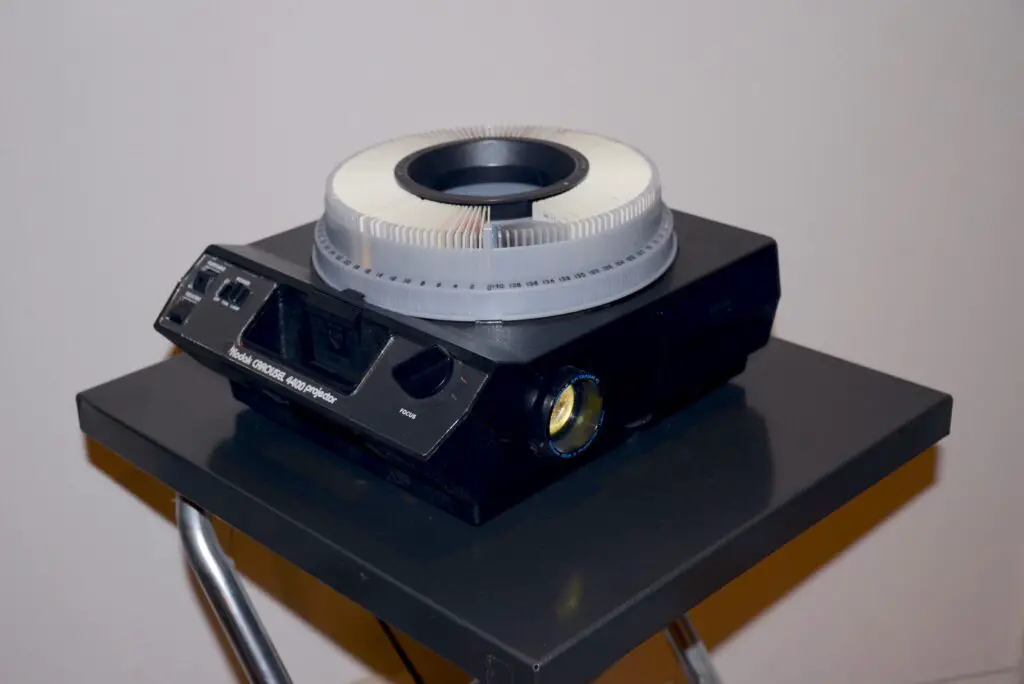
Family gatherings sometimes included the ritual of watching slide shows. Small photographic slides were loaded into a circular tray and projected onto a wall using a special projector. Younger viewers are often surprised by how manual the whole process was. Someone had to click a button each time to advance the next slide.
The projector also produced a steady humming sound as it ran. If a slide was inserted upside down, the image appeared flipped and someone had to fix it. Despite the occasional awkward moment, these shows were a common way families shared travel memories. Today that role has largely been replaced by digital photo galleries.
10. Pencil Sharpeners Mounted on Walls
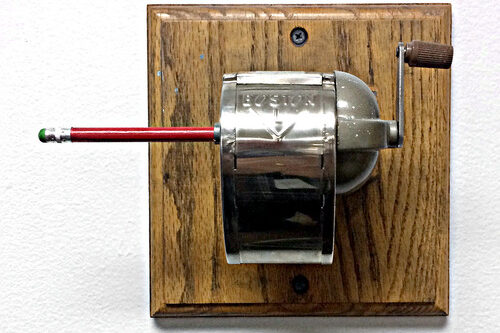
Many classrooms once had a metal pencil sharpener mounted to the wall. Instead of using a small handheld version, students placed a pencil inside and turned a crank. Younger kids who see one sometimes aren’t sure how the device works at first. It looks more like a tool than something for school supplies.
Turning the handle shaved the pencil down to a fresh point. The shavings collected inside a small container that had to be emptied regularly. There was also a very distinctive grinding sound that echoed through classrooms. It was such a normal part of school life that most people barely thought about it at the time.
11. Answering Machines
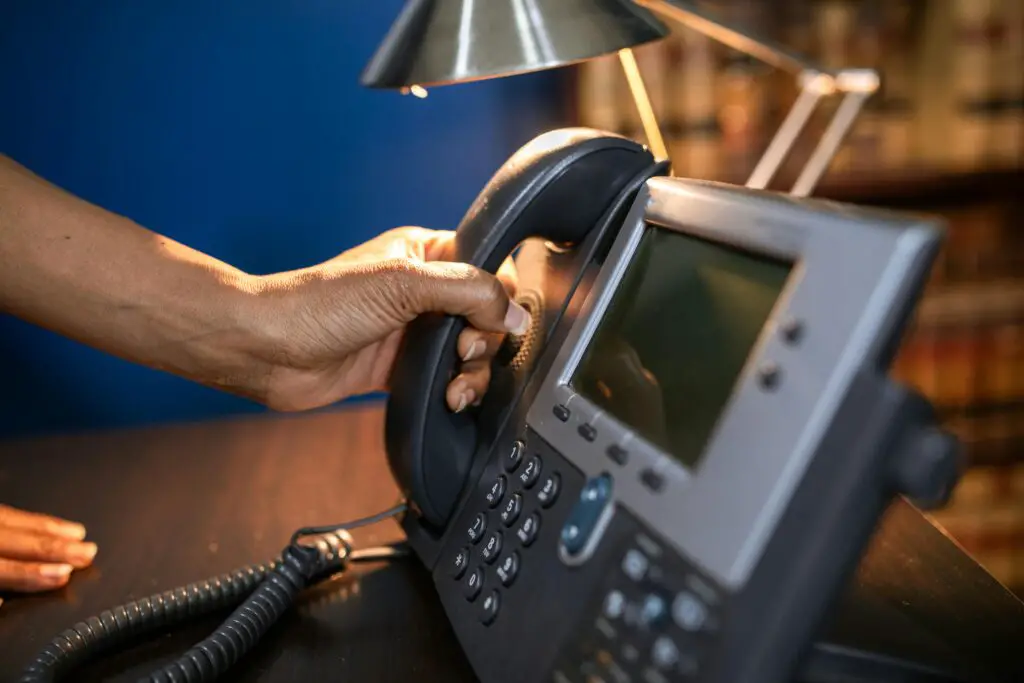
Before voicemail became automatic on cell phones, homes often had answering machines. These small devices recorded messages on tiny cassette tapes. If you missed a call, the machine would play a greeting and then capture the caller’s message. Younger people sometimes find it odd that messages were stored physically.
You could press a button and listen to them later through a small speaker. Some machines even allowed you to screen calls while the person was leaving the message. Eventually the tape would fill up and needed to be erased. It was a surprisingly mechanical system compared to today’s invisible digital voicemail.
12. TV Antennas
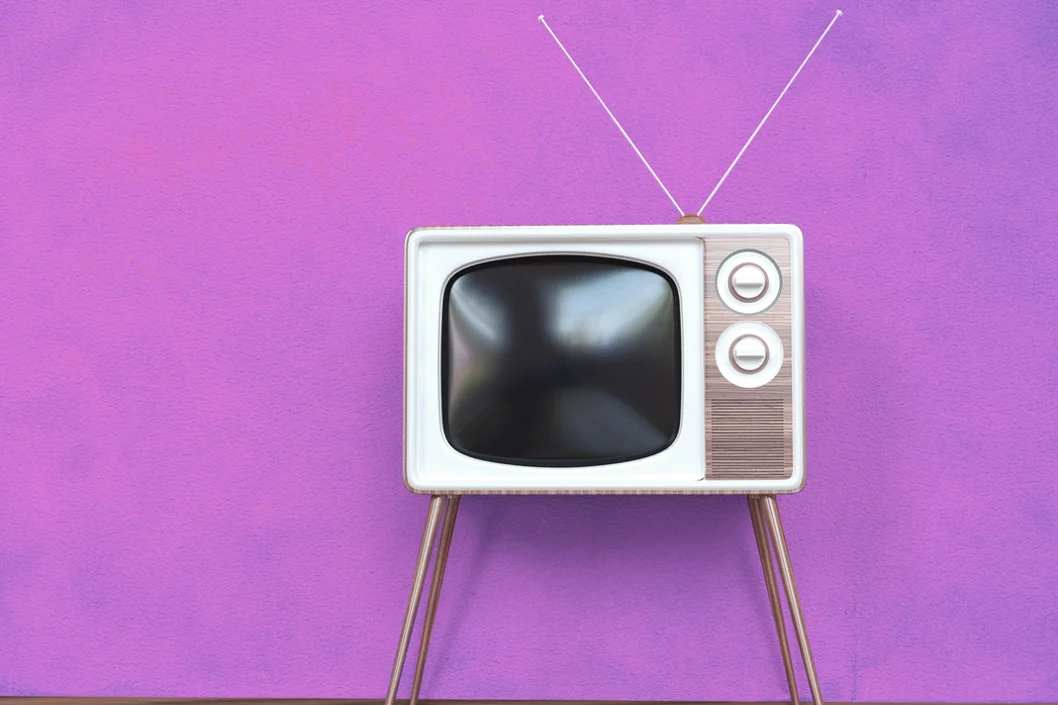
Televisions once relied on antennas to receive broadcast signals. Many homes had “rabbit ear” antennas sitting right on top of the TV set. Younger viewers often struggle to understand why someone would stand in the room holding an antenna at a strange angle. That awkward pose was sometimes the only way to get a clear picture.
Even small adjustments could change the signal dramatically. People would rotate the antenna, extend the rods or wrap them in foil to improve reception. Stormy weather could also affect the signal. It required a bit of trial and error that modern cable and streaming viewers rarely experience.
13. Carbon Paper
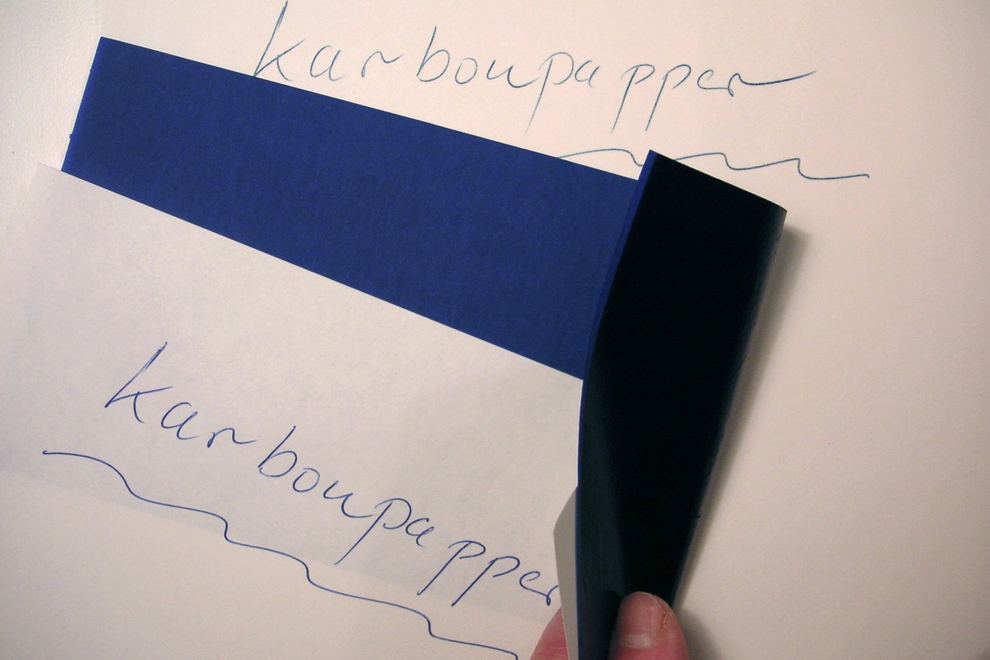
Carbon paper was a clever tool used to make instant copies of typed or handwritten documents. A sheet of dark coated paper was placed between two regular sheets. When someone typed or wrote on the top page, the pressure transferred the text onto the sheet underneath. Younger people often have never encountered this method at all.
It was especially common for receipts, contracts and office forms. Businesses could create duplicates without using a copier. The downside was that the paper could smudge easily and stain fingers. Once photocopiers and printers became widespread, carbon paper quickly faded from everyday use.