
1. Air Conditioning

There was a time when air conditioning felt like a rich person’s perk, not something you expected in every home. Families gathered around box fans, windows cracked open, hoping for a breeze that never really came. Sleeping on hot nights meant sticking to the sheets and flipping the pillow for the “cool side.” Kids learned early not to touch the thermostat, because even having AC didn’t mean you could actually use it freely.
When central air finally arrived, it felt almost indulgent to walk into a cool house on a sweltering day. Summer suddenly became manageable instead of something you endured. Now it’s so common that a broken AC feels like an emergency. Back then, it was a luxury you bragged about quietly.
2. Long-Distance Phone Calls
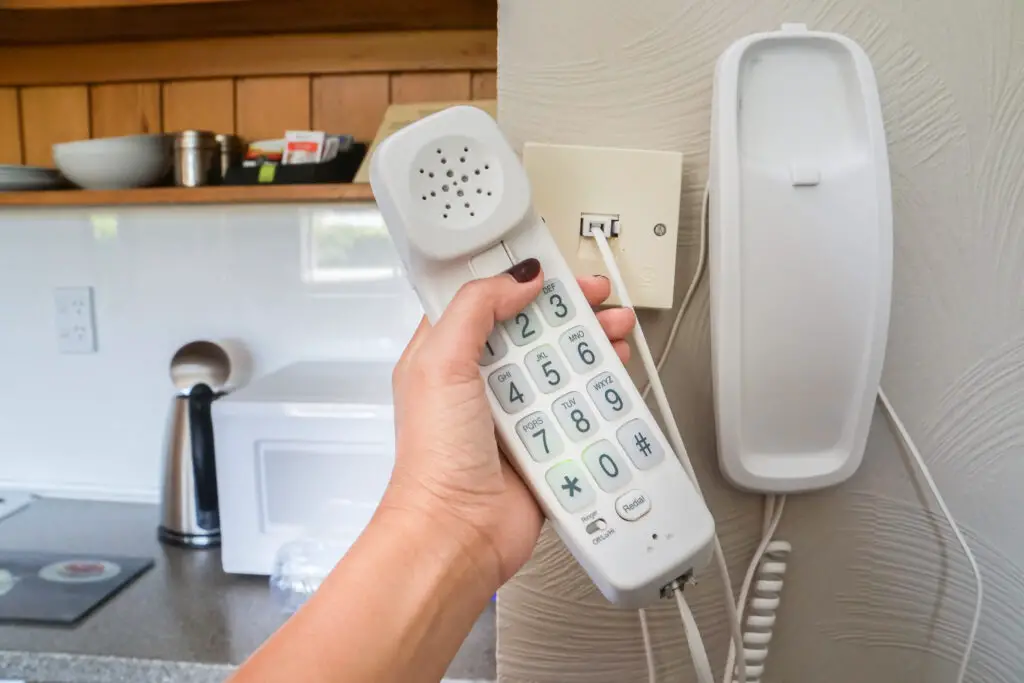
Making a long-distance phone call used to require planning, permission, and sometimes a little courage. You didn’t just dial without thinking because those minutes added up fast. Calls were short, purposeful, and often made late at night when rates were cheaper. Parents hovered nearby, listening for the click that meant the call had gone on too long.
Hearing a familiar voice from another state felt special, almost ceremonial. Now we casually FaceTime people across the world without a second thought. Back then, staying connected came with a price tag and a sense of restraint. Every long-distance call felt like a small splurge.
3. Eating Out at Restaurants

Going out to eat wasn’t a weekly habit, it was an event. Families dressed a little nicer, kids were reminded to behave, and menus were studied carefully. Ordering soda felt exciting, and dessert was often shared instead of individual. The bill mattered, and everyone knew it.
Today, grabbing takeout can feel as routine as cooking at home. Back then, restaurant meals were reserved for birthdays, celebrations, or special visits. The experience felt fancy even if it was just a local diner. Eating out carried a sense of occasion that’s mostly faded.
4. Brand-Name Shoes

Having brand-name shoes at school could instantly change how you felt walking down the hallway. Off-brand sneakers worked just fine, but everyone knew the difference. Kids tried to keep their shoes spotless, avoiding puddles at all costs. Getting a new pair was a moment worth showing off.
Now, brand names are everywhere and often expected. Back then, they were a luxury item that families saved for or debated. Shoes weren’t just footwear, they were a status symbol. Owning the “right” pair felt like winning a small social lottery.
5. Cable Television
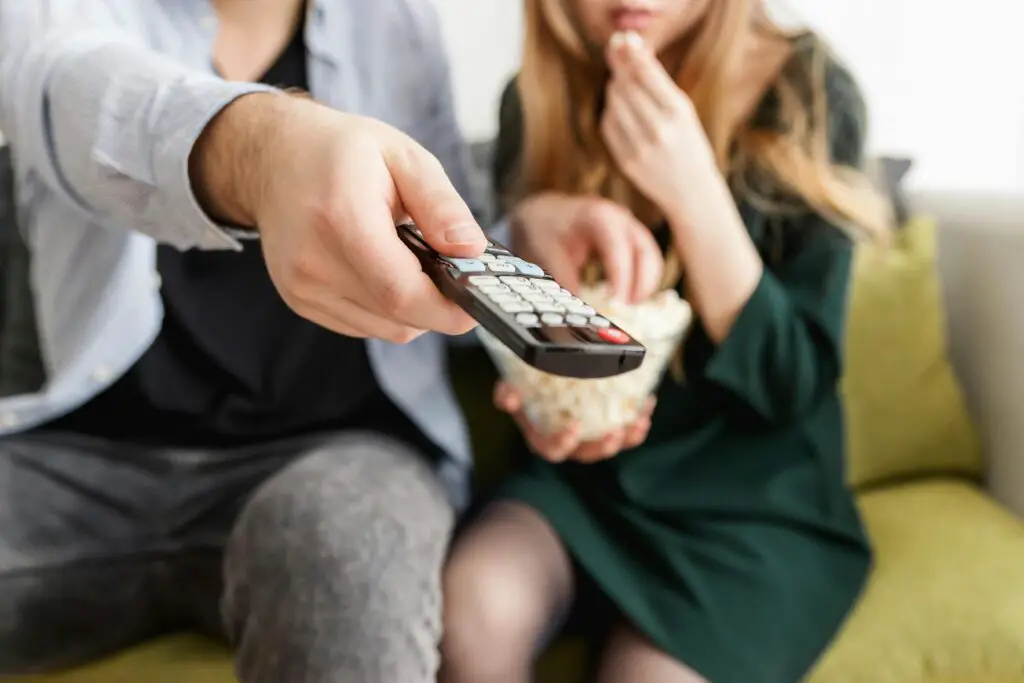
Cable TV once felt like an endless treasure chest compared to a few local channels. Suddenly there were cartoons all day, movies on demand, and channels just for music or sports. Friends without cable came over specifically to watch shows they couldn’t get at home. Flipping through channels felt thrilling.
Now streaming has made content practically unlimited. Cable used to be something you mentioned proudly, not something everyone assumed you had. Missing cable meant missing out on conversations at school. It was entertainment that felt exclusive.
6. A Second Car
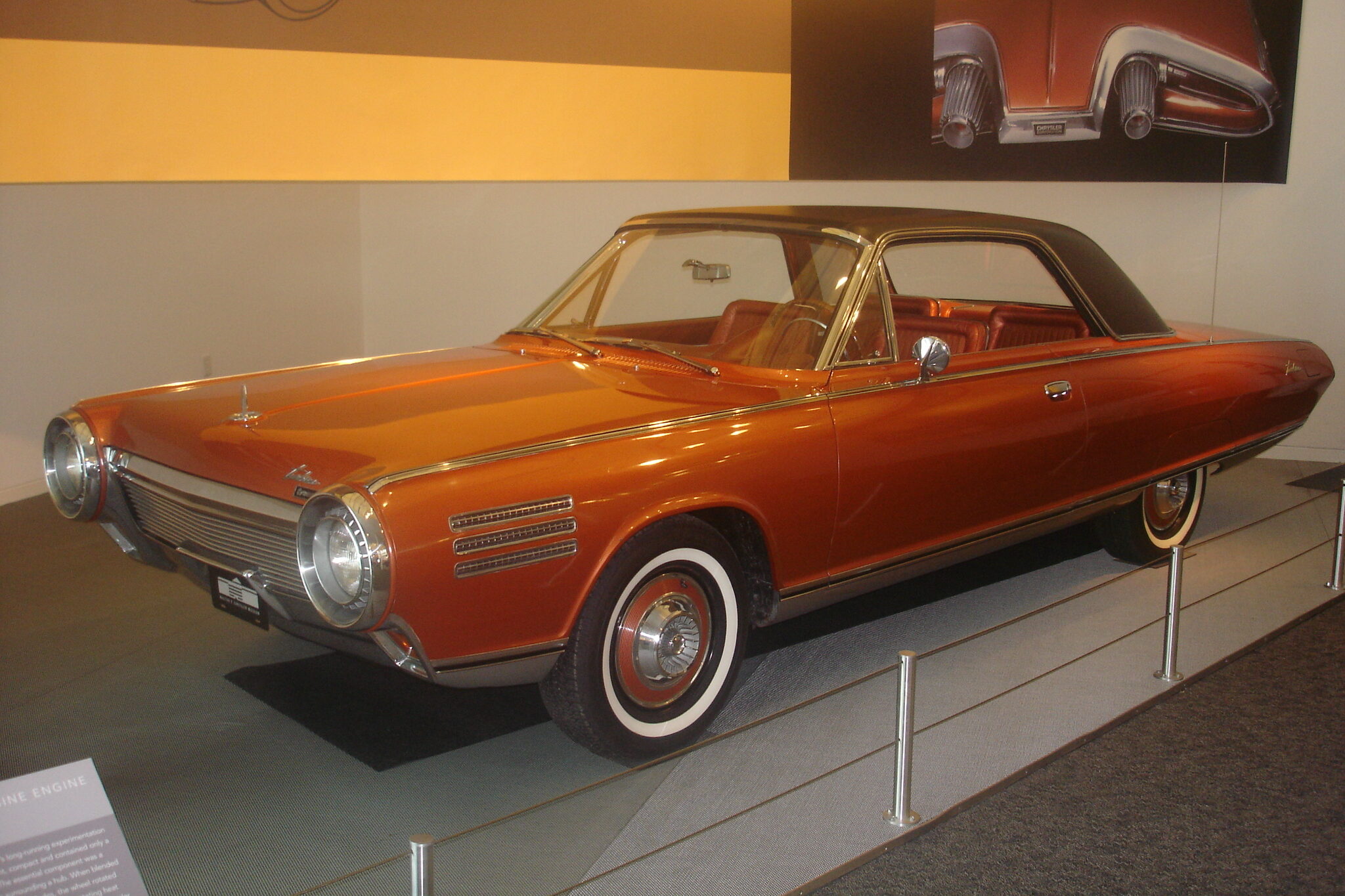
Having more than one car in a household signaled a certain level of comfort. It meant someone didn’t have to wait to be driven somewhere. Errands were easier, schedules less tangled, and independence felt closer. Not every family had that flexibility.
Today, multiple cars are often a necessity rather than a luxury. Back then, it felt like proof that things were going well. A second car represented freedom and convenience. It quietly said your household had made it.
7. Name-Brand Groceries

Generic labels were practical, but brand-name groceries felt special. Opening a familiar box or bottle carried a sense of quality and comfort. Kids noticed the difference immediately and commented on it. Certain brands were associated with “good weeks” at home.
Now store brands are widely accepted and often preferred. Back then, brand names felt like a treat. They signaled that money wasn’t quite as tight that week. Even small items like cereal or soda felt elevated.
8. New Clothes for School
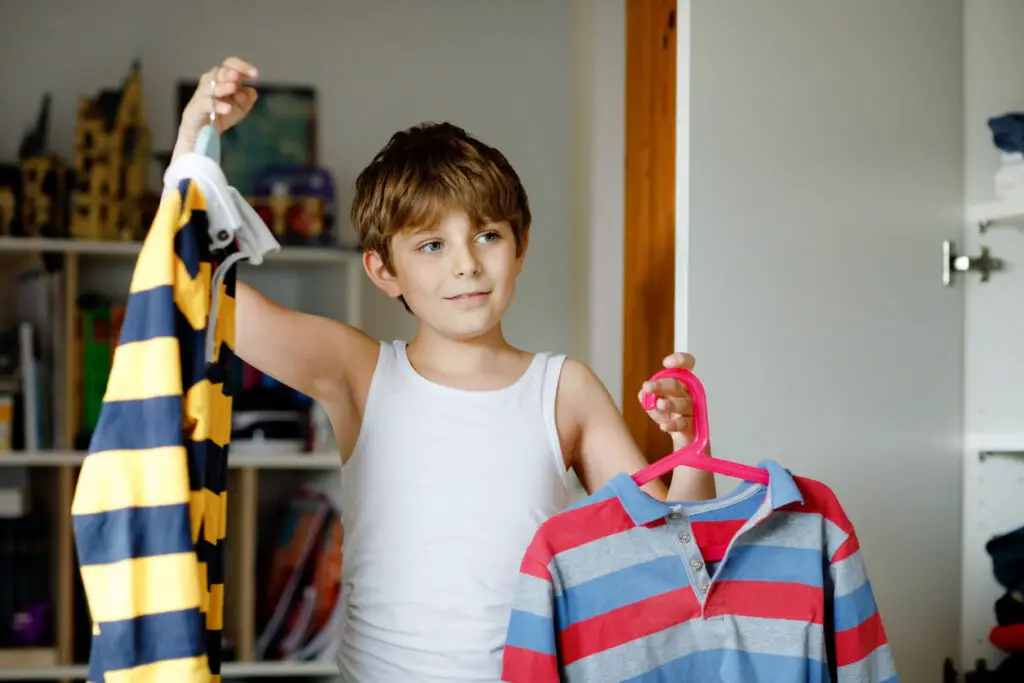
New clothes usually meant waiting for a special time of year. Back-to-school shopping was a major event, planned carefully and remembered clearly. Each outfit was considered, coordinated, and saved for the first day. Wearing something new felt like a confidence boost.
Today, buying clothes can happen on a whim. Back then, new clothes were spaced out and appreciated. Hand-me-downs were common and expected. A brand-new outfit felt like a real luxury.
9. Owning a Dishwasher
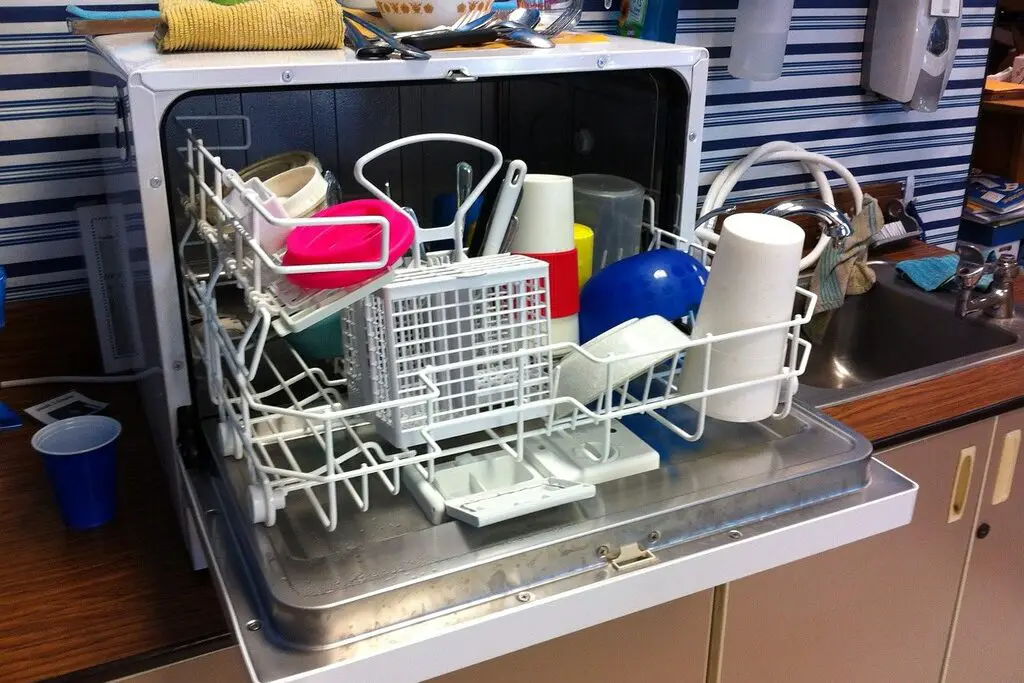
Washing dishes by hand was just part of daily life. Dishwashers existed, but they weren’t guaranteed in every kitchen. Having one meant less arguing over chores and more free time after dinner. It quietly made evenings easier.
Now dishwashers are standard in most homes. Back then, they felt like a convenience reserved for newer houses or higher budgets. Using one felt slightly extravagant. It was a small machine that changed routines.
10. Fresh Fruit Year-Round
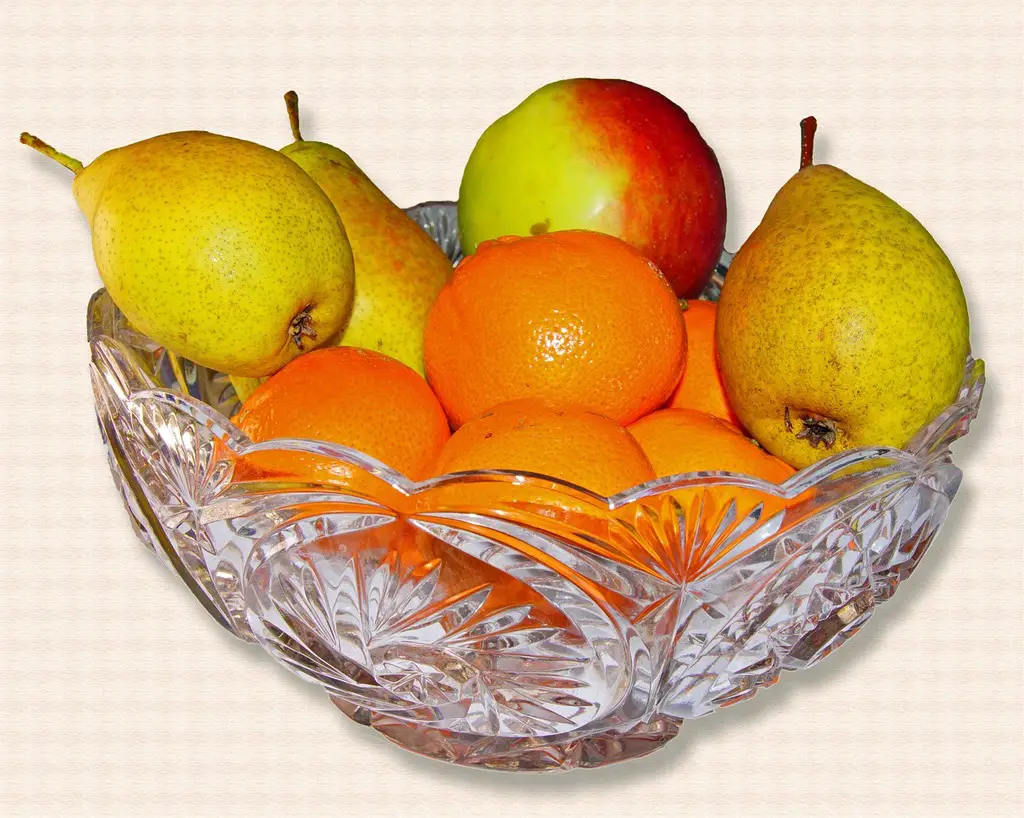
Seasonal fruit was normal, and out-of-season produce felt expensive or unnecessary. Oranges in winter were exciting, while berries felt like a rare indulgence. Families planned around what was available and affordable. Fresh fruit wasn’t always a given.
Now grocery stores are stocked year-round with everything imaginable. Back then, abundance felt special. Buying certain fruits signaled a little extra spending room. Fresh produce carried more meaning.
11. Vacations That Required Flying
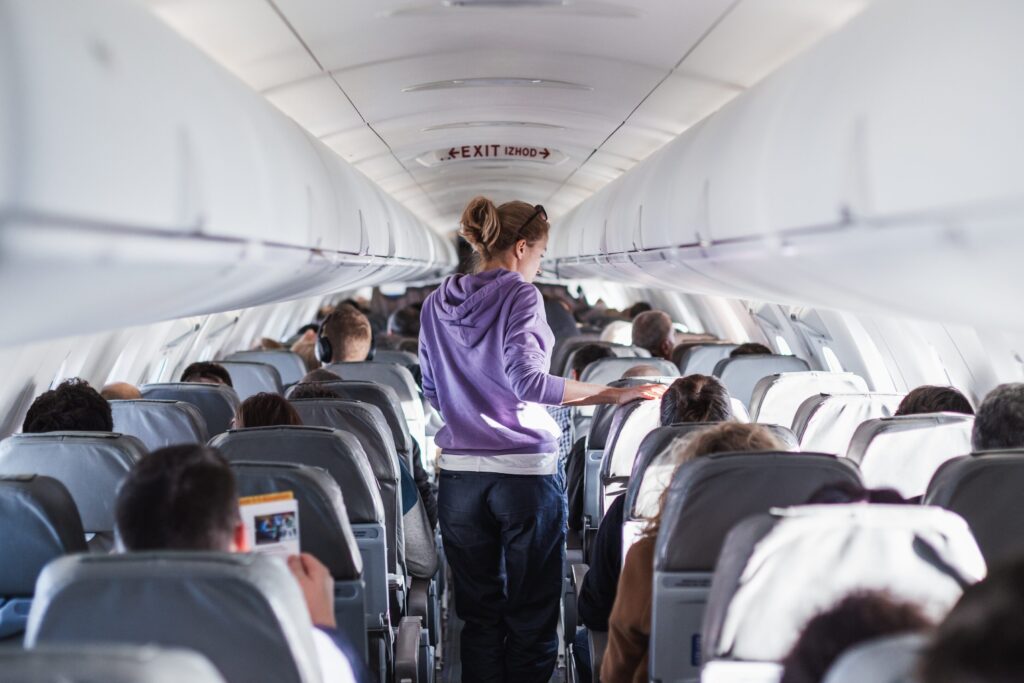
Road trips were common, flights were not. Flying somewhere meant serious planning and saving. It felt glamorous, almost intimidating, to step into an airport. Kids talked about it like an adventure.
Now flights are far more accessible. Back then, flying on vacation was a clear luxury. It meant your trip was something special. The experience felt bigger than the destination itself.
12. Personal Electronics
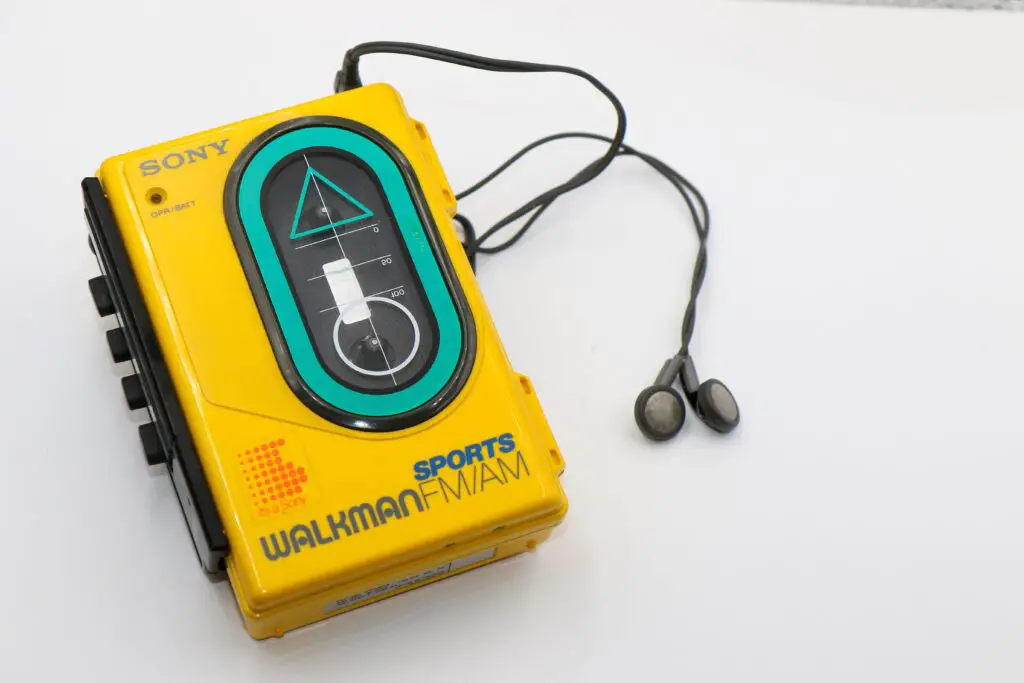
Owning your own electronic device was a big deal. TVs, radios, or game systems were often shared, not personal. Asking for your own felt like asking for something extravagant. Taking care of it was taken seriously.
Now personal devices are everywhere. Back then, having one felt like a privilege you earned. It marked a shift toward independence. That sense of novelty and pride is hard to replicate today.