
1. Mirrors
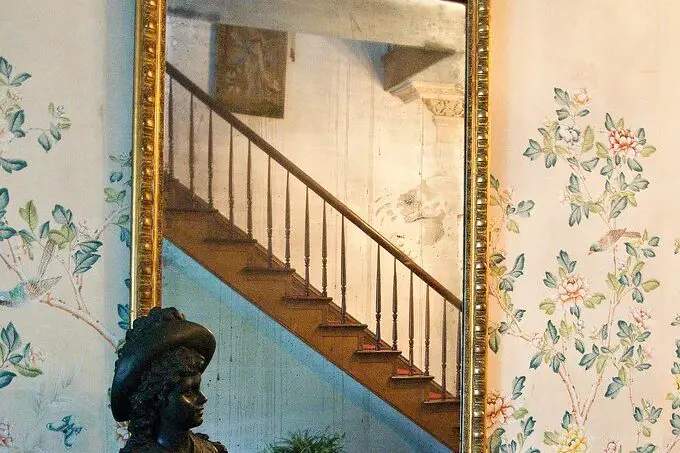
For centuries, mirrors have made people uneasy, especially when one breaks. The belief that breaking a mirror brings seven years of bad luck dates back to ancient Rome, when people thought reflections held pieces of the soul. A cracked mirror was seen as damaging that soul. Even people who rolled their eyes at superstitions often felt a twinge of dread when glass shattered.
Mirrors were also once covered in houses where someone had died. The idea was that a wandering spirit could get trapped inside the reflection. In some cultures, uncovered mirrors were thought to invite illness or misfortune. That nervous feeling people still get around old mirrors did not come from nowhere.
2. Secondhand Jewelry
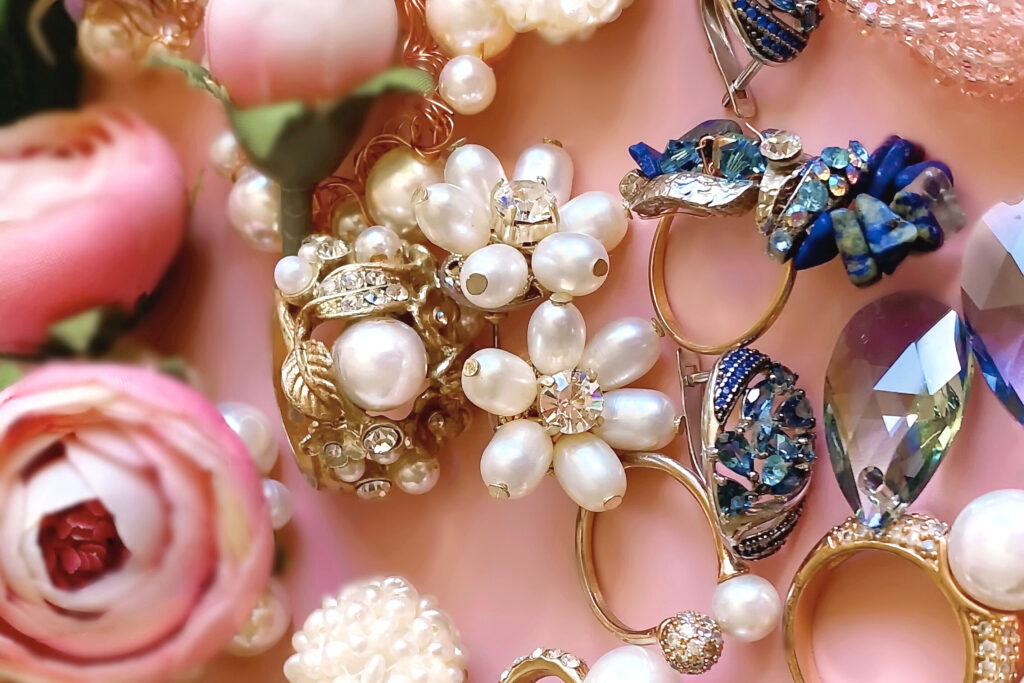
Old rings, brooches, and necklaces were often believed to carry the emotional residue of previous owners. If the jewelry came from someone who suffered heartbreak, illness, or betrayal, that bad energy was thought to linger. Wearing it could supposedly invite similar trouble into your own life. This belief made people hesitant to accept inherited jewelry without knowing its story.
Victorian mourning jewelry made this fear even stronger. Hair and personal items were sometimes sealed inside lockets, making them feel especially intimate. People worried those keepsakes carried grief instead of love. Even today, some folks insist on cleansing old jewelry before wearing it.
3. Rocking Chairs
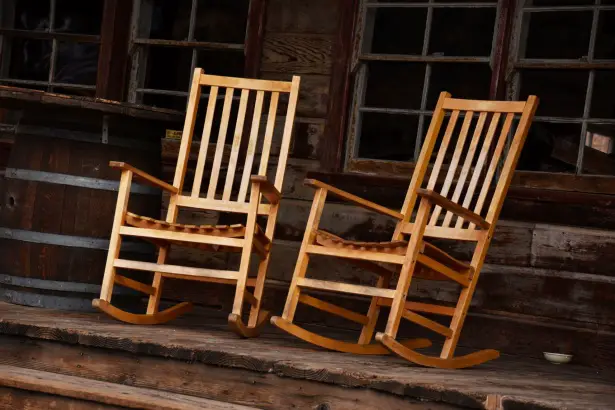
An empty rocking chair moving on its own has long been considered unsettling. In many households, a rocking chair was believed to invite spirits to sit and sway. If it moved without anyone touching it, people assumed something unseen had arrived. This belief made some families prop chairs against walls when not in use.
Rocking chairs were especially associated with death and mourning in rural folklore. After a funeral, families sometimes stopped the chair completely. The idea was to prevent the spirit from returning. That eerie creak still makes people pause in quiet rooms.
4. Antique Clocks
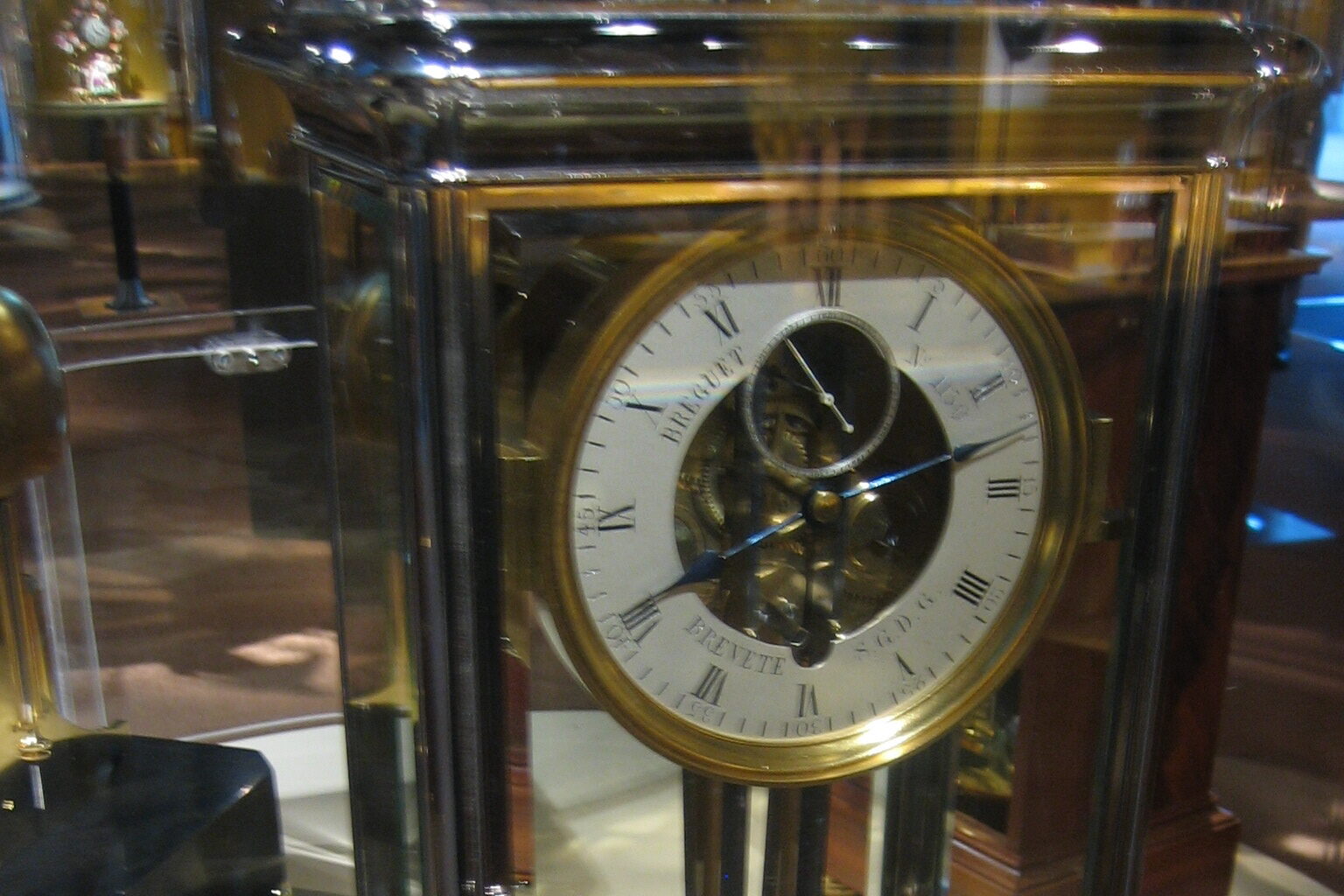
Old clocks were once thought to mark more than just time. If a clock stopped unexpectedly, people believed it signaled an impending death in the household. Families often noted the exact moment a clock halted, linking it to bad news that followed. This made antique clocks feel less like décor and more like omens.
Some families stopped clocks intentionally when someone died. Restarting them too soon was believed to disturb the dead. The ticking sound itself could feel ominous late at night. Even now, a stopped clock can feel strangely personal.
5. Shoes on a Table
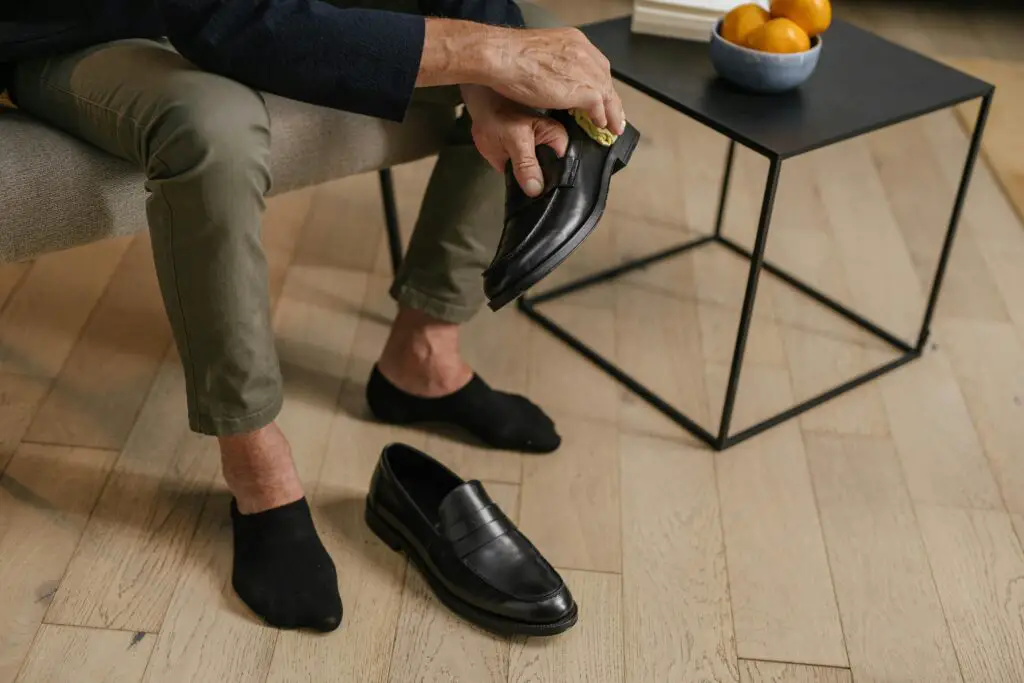
Placing shoes on a table was once considered a serious mistake. In many cultures, it was believed to invite bad luck or even death. The superstition may trace back to mining towns, where a dead worker’s shoes were placed on a table after an accident. That image stuck.
Over time, the habit became associated with misfortune in general. Parents warned kids never to do it, even if they could not explain why. The rule stuck around long after its origins were forgotten. Some people still feel uncomfortable seeing shoes anywhere near a table.
6. Old Photographs
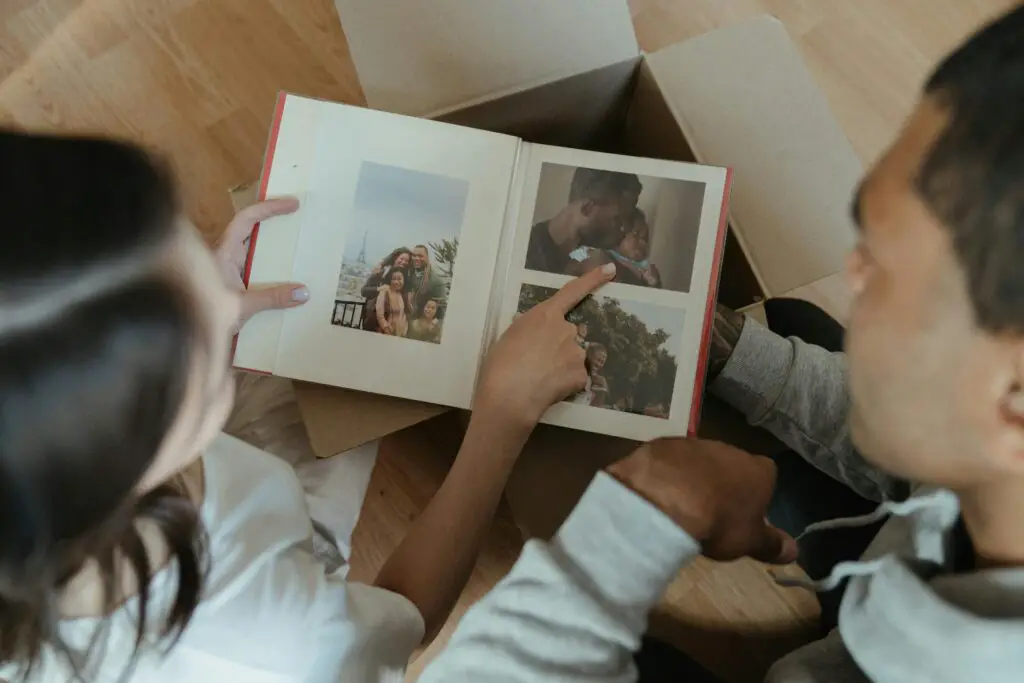
Early photography unsettled people in ways we forget today. Some believed photos captured a piece of the subject’s spirit. Keeping too many images of the dead was thought to invite bad luck or restless souls. That belief made photo albums feel oddly powerful.
Postmortem photography added to the fear. Families displayed photos of deceased loved ones posed as if alive. While meant as remembrance, others saw it as dangerous. Even now, certain old photos can feel heavy in a way modern snapshots do not.
7. Wedding Dresses

Wedding dresses were supposed to bring joy, but many believed they could also carry curses. If a marriage ended badly, the dress was thought to absorb that sorrow. Passing it down could supposedly doom the next bride. This belief kept some dresses locked away for generations.
There were also strict rules about who could see the dress before the wedding. Letting the groom see it early was believed to invite disaster. Brides followed these rules carefully, just in case. Superstition often outweighed logic on such an important day.
8. Beds and Mattresses
Beds were once seen as deeply personal objects tied to health and fate. Sleeping in a bed where someone had died was thought to invite illness or misfortune. Some families burned or discarded mattresses after a death. It felt safer than taking a chance.
Nightmares were also blamed on cursed beds. If bad dreams persisted, the furniture took the blame. Moving the bed or replacing it was a common solution. The idea that bad energy lingered where bodies rested felt very real.
9. Dolls
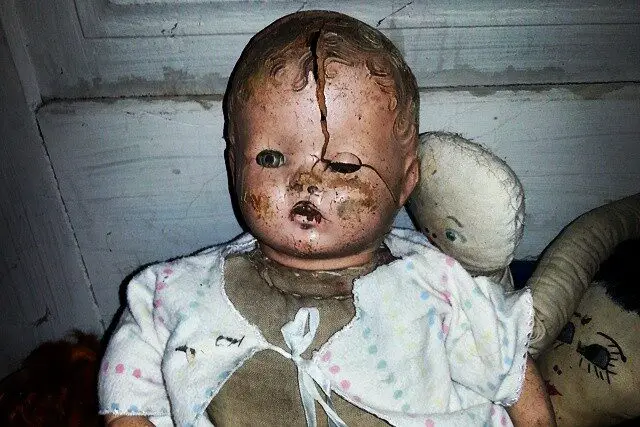
Dolls have long been linked to superstition and fear. People believed dolls could become vessels for spirits or bad luck. If a doll appeared damaged or moved unexpectedly, it was considered a bad sign. Parents sometimes removed them from children’s rooms entirely.
Handmade dolls were thought to be especially risky. They felt more personal and therefore more vulnerable to spiritual attachment. Some cultures avoided gifting dolls altogether. That lingering unease explains why antique dolls still make people uncomfortable.
10. Keys
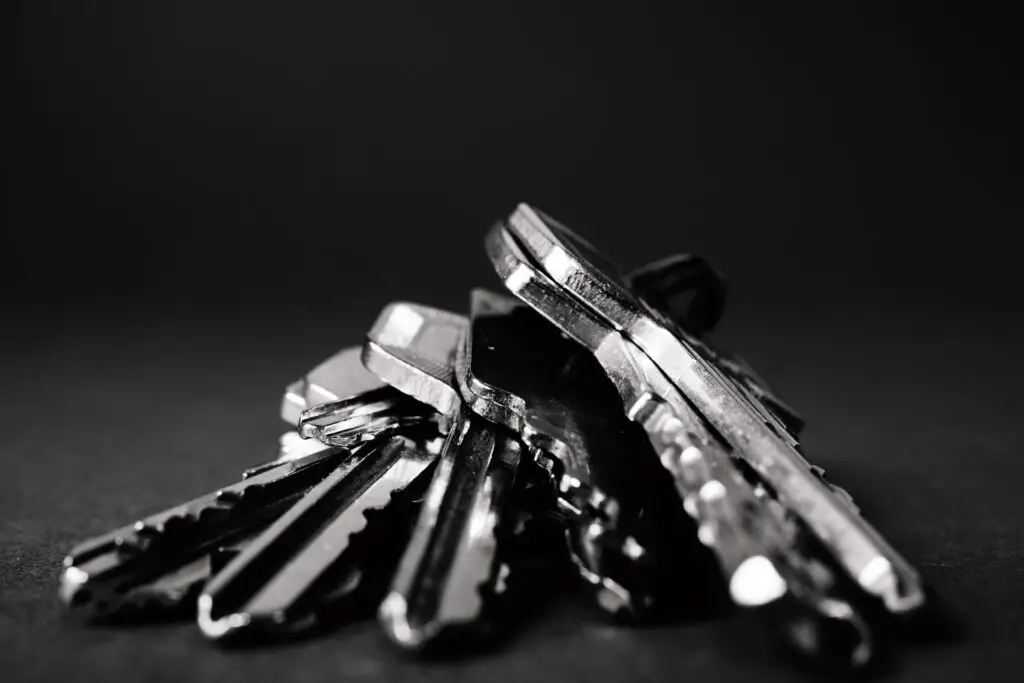
Keys were more than tools, they symbolized control and access. Losing a key was believed to invite chaos or theft. Giving away keys carelessly could supposedly hand over your luck. Some people refused to accept old keys from unknown sources.
Keys associated with prisons or old houses carried extra fear. They were thought to hold memories of confinement or sorrow. Keeping them nearby felt risky. Even today, people hold onto keys long after locks are gone, almost respectfully.
11. Hats on Beds

Placing a hat on a bed was once considered extremely unlucky. In some traditions, it symbolized death approaching the household. The belief may come from clergy placing last rites on beds, often while wearing hats. That image stuck.
Parents passed this rule down without explanation. Children learned quickly not to test it. Even people who dismiss superstitions still hesitate before tossing a hat on a bed. Old habits die hard.
12. Combs and Brushes
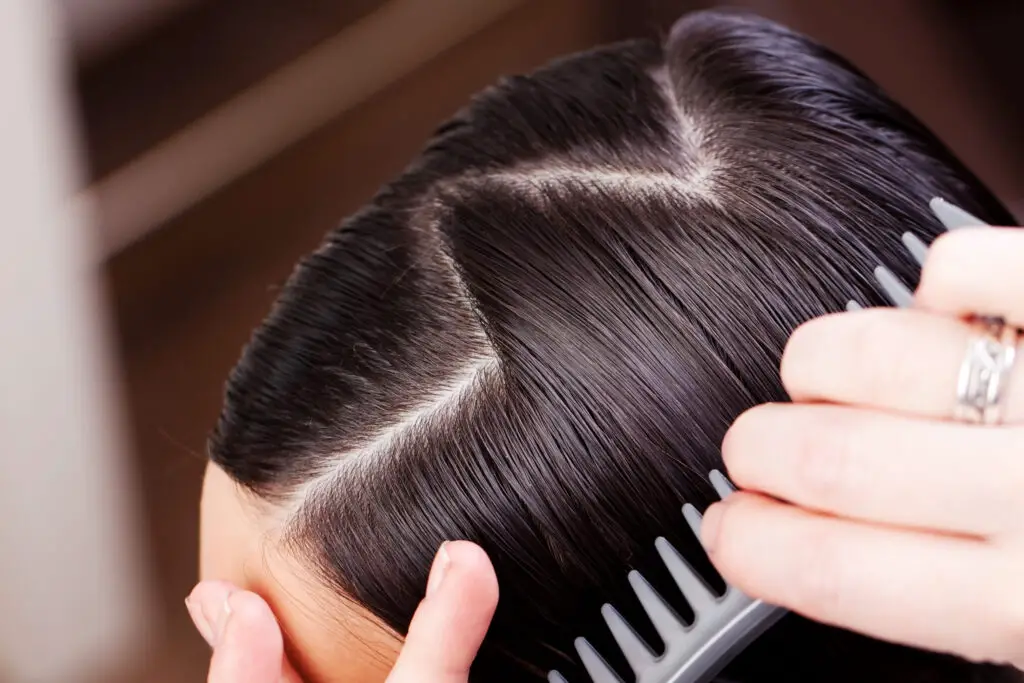
Hair tools were believed to hold personal energy. Using someone else’s comb or brush was thought to transfer bad luck or illness. Hair itself was seen as powerful and deeply tied to identity. Mixing it carelessly felt dangerous.
Some cultures avoided discarding combs casually. They were broken or buried instead. Sharing brushes was discouraged, especially among strangers. Even today, many people instinctively refuse to borrow a hairbrush, superstition or not.