
1. Phone Books
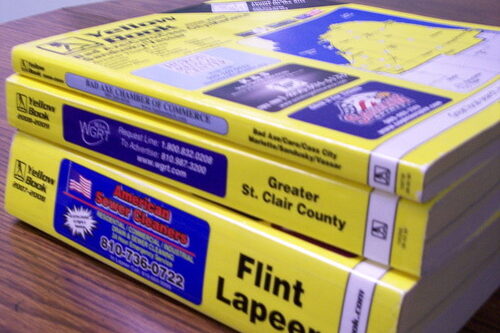
There was a time when the thick phone book landing on your doorstep felt almost official, like a yearly reset of who was who in your town. People actually sat and flipped through those pages to find a plumber, a neighbor, or even a long-lost friend. Businesses fought for bigger ads because that was how you got noticed, no algorithms involved. It was also surprisingly easy to memorize local numbers when you saw them printed so often. Kids would even use them as booster seats at the dinner table, which says a lot about how bulky they were. And if you needed to look something up fast, you had to physically get up and go find the book. It was a shared household tool, usually kept in the same spot for years. You didn’t question it, you just used it.
Now, of course, that entire system has been replaced by search engines and contact lists stored in your phone. The idea of printing millions of pages of information that instantly becomes outdated feels wildly inefficient. Most people don’t even know their closest friends’ numbers anymore because they don’t have to. Businesses rely on online reviews instead of bold yellow ads. The physical book itself has mostly disappeared, and when it does show up, it feels like a relic. Some people even get annoyed receiving one at all. It’s hard to imagine needing a dedicated object just to look up a phone number. What once felt essential now feels completely unnecessary.
2. Rolodexes
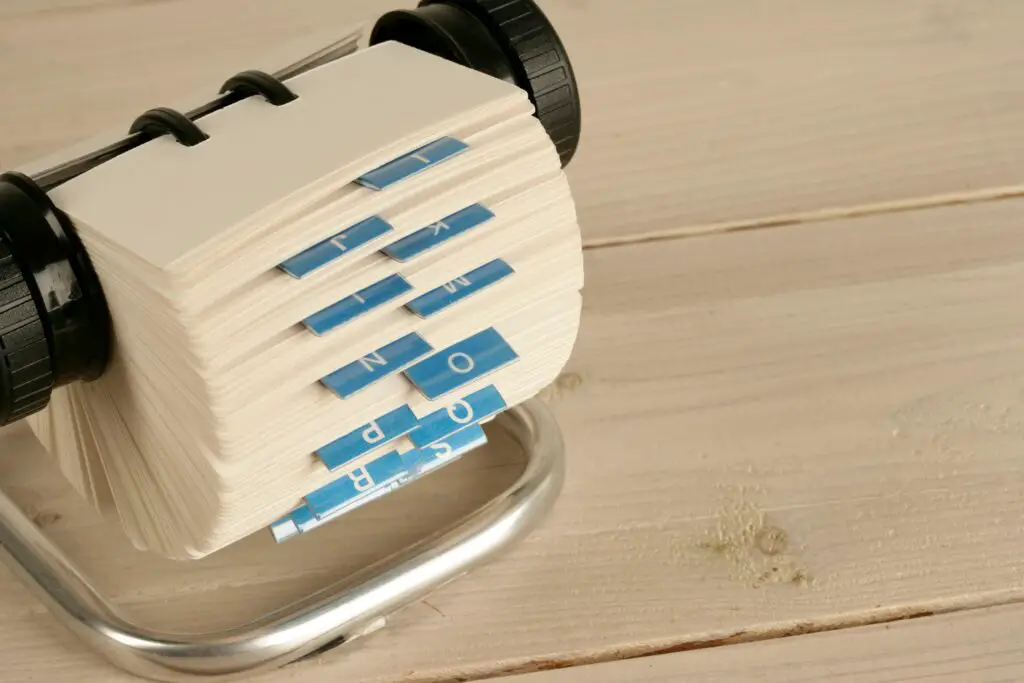
The Rolodex used to sit proudly on desks, a spinning catalog of everyone you might need to contact. Each card was carefully typed or handwritten, sometimes with notes scribbled in the margins. It wasn’t just about storing names, it was about organizing your professional world. People developed their own systems with tabs, color coding, and abbreviations. Flipping through it had a rhythm that became second nature over time. If you lost it, you lost a piece of your network. It was personal, physical, and oddly satisfying to use. Offices were full of them, and they felt like a mark of being established. You knew someone meant business if they had a full one.
Today, that entire function lives inside smartphones and email platforms. Contacts sync automatically across devices, and you can search a name in seconds instead of flipping through cards. Updates happen instantly, so you’re not stuck crossing things out or rewriting entries. The physical act of maintaining a Rolodex now feels like unnecessary labor. Most people under a certain age have never used one at all. Even the word itself sounds dated. It’s been replaced so completely that it’s hard to justify keeping one around. What used to be a centerpiece of office life has become more of a nostalgic desk decoration.
3. Pager Beepers
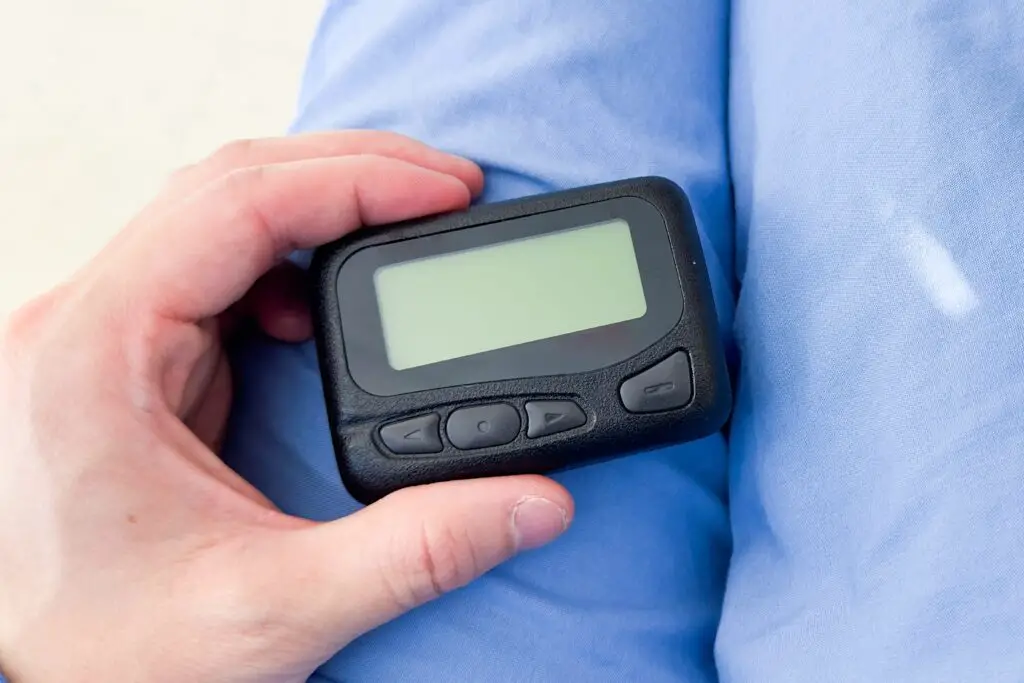
Before cell phones became common, pagers were the quickest way to reach someone who was on the move. You’d hear that distinct beep and know you needed to find a phone immediately. Doctors, businesspeople, and even teenagers carried them clipped to their belts. Messages were often just numbers, which meant you had to decode what they meant or call back to find out more. It created this constant sense of urgency, even if the message wasn’t actually urgent. People got creative with numeric codes to send short messages. It felt futuristic at the time, like you were always reachable. And for a while, that was a big deal. It changed how people expected to communicate.
Now, pagers feel like an unnecessary middle step in communication. Smartphones allow full conversations instantly, without needing a separate device or callback. The idea of receiving a number and then hunting down a phone seems almost inconvenient. Pagers still exist in some specific fields like healthcare, but even there they’re gradually being replaced. For everyday use, they’ve completely disappeared. Most people would find them confusing rather than helpful. The simplicity that once made them appealing now feels limiting. It’s a reminder of how quickly communication tools evolved.
4. Cassette Rewinders
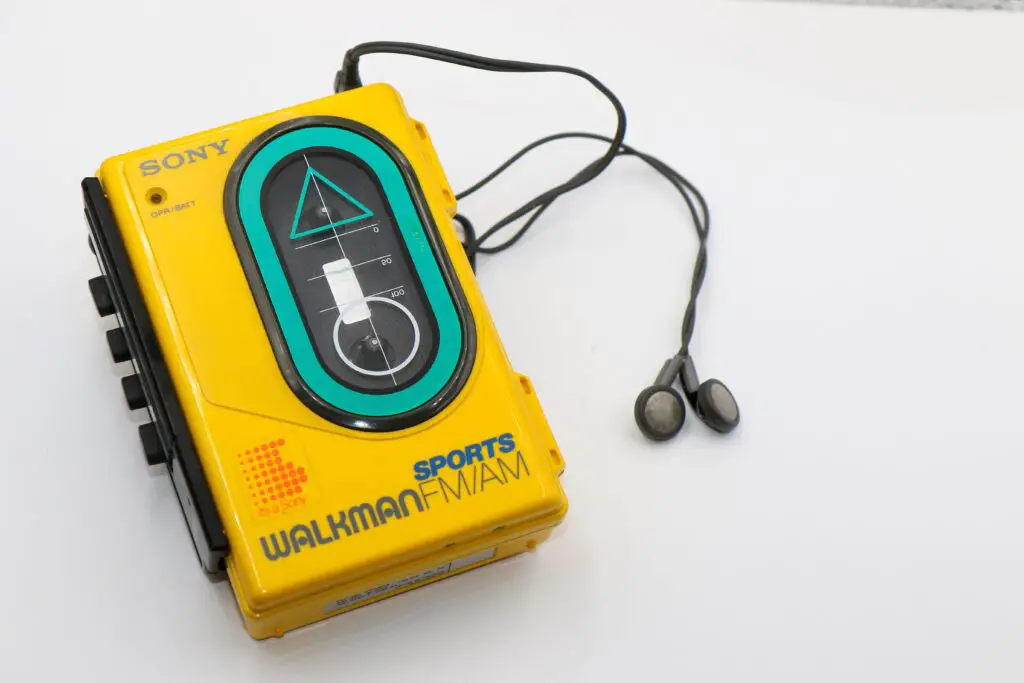
If you owned cassette tapes, chances are you also had a separate rewinder sitting nearby. It was designed to save your tape player from wear and tear by handling the rewinding process. Some were shaped like cars or other novelty designs, which made them feel like a fun accessory. You’d pop the tape in, press a button, and watch it spin back at high speed. It was oddly satisfying, especially if you were impatient to replay a favorite song. People took it seriously because replacing tape decks wasn’t cheap. It was one of those small habits that just became routine. You didn’t think twice about needing a separate device for that one task. It simply made sense at the time.
With digital music, the entire concept has vanished. There’s nothing to rewind, no mechanical parts to worry about, and no delay between plays. Even cassette players themselves are now mostly niche or nostalgic items. The idea of owning a separate machine just to rewind media feels excessive. It’s one of those inventions that solved a very specific problem that no longer exists. Younger generations might not even understand what it was for. What once felt practical now seems almost comically specialized. It’s a perfect example of how technology can eliminate entire categories of objects.
5. Film Developing Envelopes
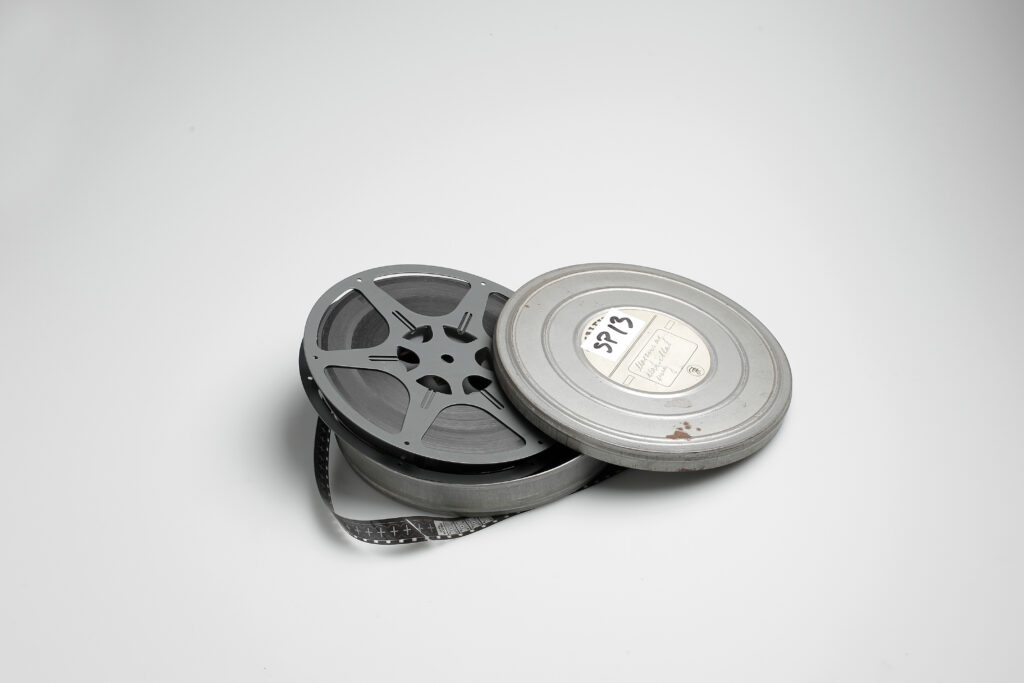
Taking photos used to come with a built-in waiting period, and those little envelopes were part of the process. You’d drop off your film at a pharmacy or photo shop, fill out your details, and wait days to see your pictures. There was always a sense of anticipation, and sometimes a little anxiety about how they turned out. The envelope itself became a temporary placeholder for your memories. People often wrote notes or instructions on them, like ordering duplicates. It was a physical step in something we now think of as instant. Losing the envelope could mean losing your photos entirely. It made photography feel more deliberate and less disposable. Every shot mattered more because you couldn’t check it right away.
Now, photos are taken, viewed, and shared within seconds. The idea of waiting days just to see if a picture came out feels almost unthinkable. Film developing still exists, but mostly for hobbyists and professionals who prefer that medium. For everyday use, the envelope has disappeared along with the process it supported. There’s no need to label, store, or track anything physically. Everything lives in the cloud or on a device. The anticipation has been replaced by immediacy. What was once a normal part of capturing memories now feels like an unnecessary delay.
6. VCR Tape Rewind Fees
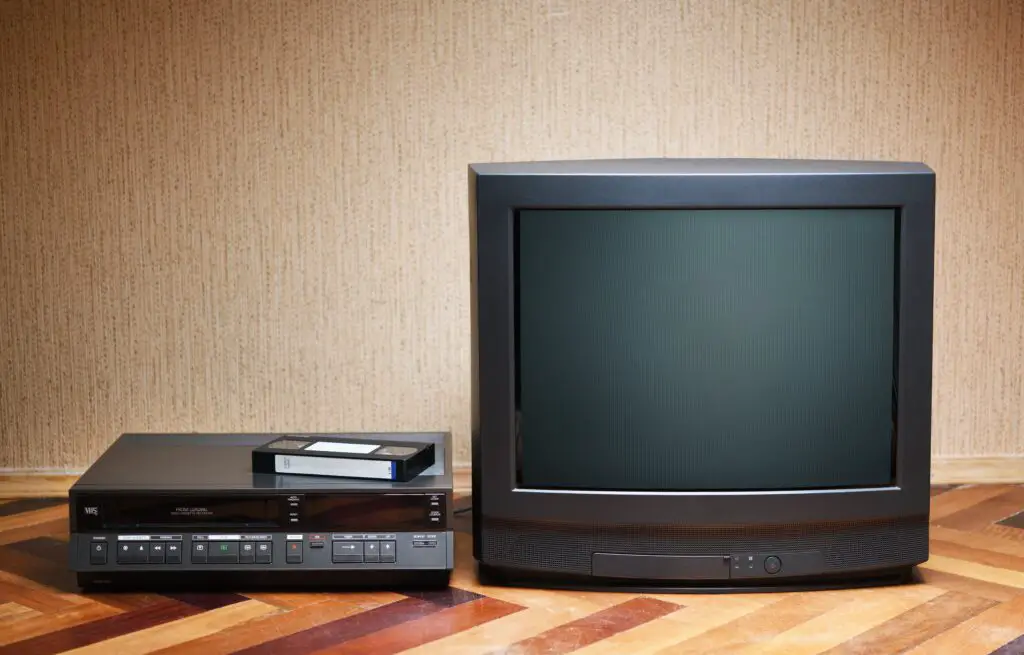
If you rented movies in the VHS era, you probably remember the warning to “Be Kind, Rewind.” Rental stores would charge a fee if you returned a tape without rewinding it. It became a shared responsibility among viewers, almost like an unwritten rule. People would sit there at the end of a movie waiting for the tape to rewind before returning it. Some even invested in those separate rewinders just to avoid fees. It added a small but consistent layer of effort to movie night. Forgetting to rewind could cost you, even if it was just a small amount. It was a system built around the limitations of the format. And everyone accepted it as normal.
Streaming has eliminated that entire concept. There’s nothing to rewind, return, or physically handle. Movies start exactly where you want them, every time. The idea of being charged for not rewinding something feels outdated. Rental stores themselves have mostly disappeared, taking that rule with them. It’s hard to imagine explaining rewind fees to someone who grew up with Netflix. What once felt like a reasonable expectation now seems oddly inconvenient. It’s a small detail that highlights how much media consumption has changed.
7. Fax Machines
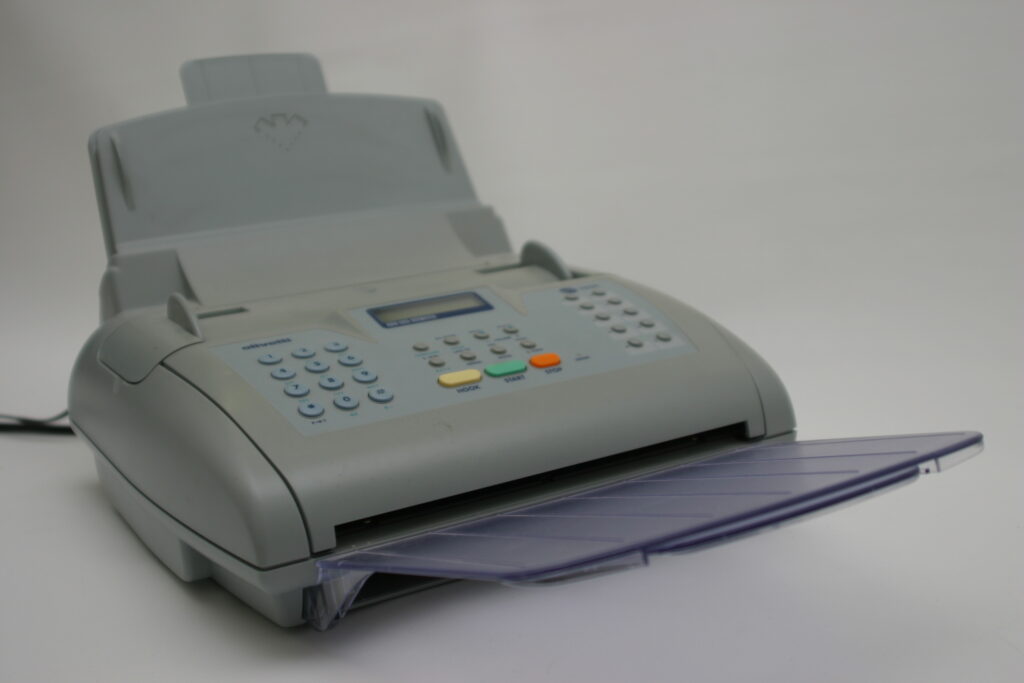
Fax machines were once essential for sending documents quickly over long distances. Businesses relied on them for contracts, forms, and anything that needed a signature. There was something reassuring about hearing the machine connect and watching the paper feed through. It felt immediate compared to mailing something. Offices often had a dedicated fax area, and using it was part of daily workflow. People memorized fax numbers just like phone numbers. It was considered secure and official at the time. If something was faxed, it felt legitimate. It bridged the gap between physical and digital communication.
Today, email and digital signatures have made faxing largely unnecessary. Documents can be sent instantly without printing or scanning. Many people have never used a fax machine at all. Some industries still rely on them, but even those are gradually shifting away. The process now feels slow and cumbersome compared to modern alternatives. It also requires physical equipment that most people no longer have. The sound of a fax machine, once common, is now rarely heard. What used to be cutting-edge now feels outdated and inefficient.
8. MapQuest Printouts
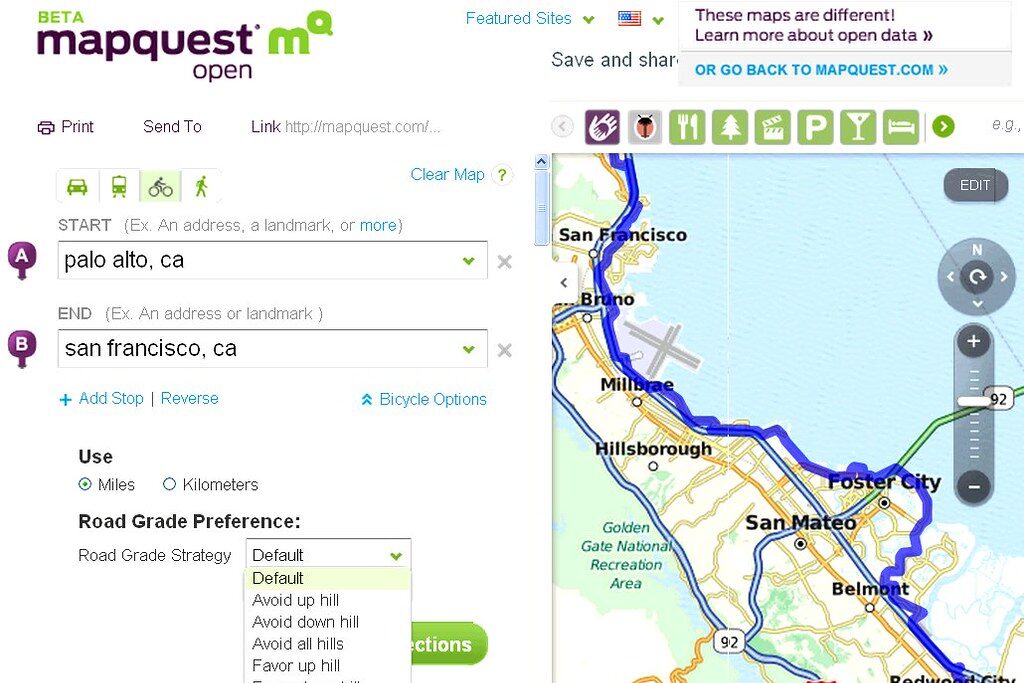
Before smartphones and GPS apps, people planned trips by printing directions from MapQuest. You’d enter your starting point and destination, then carry a stack of paper in your car. Each step was listed in order, often with mile markers and street names. Missing a turn could throw everything off, leaving you scrambling to get back on track. It required a level of attention that feels intense by today’s standards. Passengers often played the role of navigator, reading directions out loud. It made road trips feel a bit more like teamwork. And if you got lost, you had to figure it out manually. There was no recalculating route in real time.
Now, GPS apps provide live directions with voice guidance and automatic rerouting. There’s no need to print anything or plan as far ahead. Traffic updates, alternate routes, and estimated arrival times are all built in. The idea of relying on static directions feels risky and outdated. Most people wouldn’t even think to print directions anymore. It’s one of those habits that disappeared almost overnight. What once felt like a smart way to travel now seems unnecessarily complicated. It’s a clear example of convenience replacing preparation.
9. Disposable Camera Flash Cubes
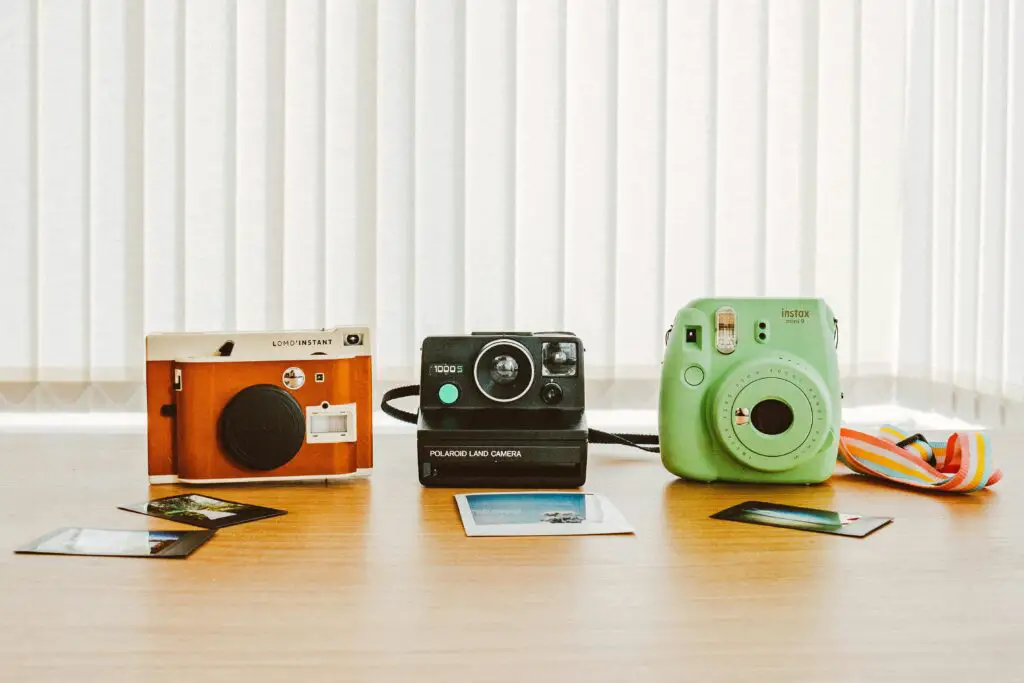
Flash cubes were a common accessory for older cameras, especially in the ’60s and ’70s. Each cube had multiple flash bulbs that would rotate as you took pictures. Once all the bulbs were used, you had to replace the cube to keep shooting with flash. It added an extra step and expense to photography. People had to plan ahead if they expected to take photos in low light. The cubes themselves were small but easy to forget or run out of. It was part of the process that you didn’t question at the time. Photography involved managing several physical components. And flash cubes were just one more thing to keep track of.
Modern cameras and smartphones have built-in flashes that don’t require replacement. There’s no need to carry extra bulbs or worry about running out mid-event. The entire concept of a single-use flash unit feels wasteful by today’s standards. It’s also less convenient compared to integrated technology. Most people have never even seen a flash cube in person. What used to be standard equipment now feels unnecessarily complicated. It’s another example of how multiple steps have been streamlined into one device. The functionality still exists, just in a much simpler form.
10. TV Antenna Adjusters

Getting a clear TV signal used to require constant adjustment of the antenna. People would stand by the television, slowly moving the “rabbit ears” while someone else watched the screen. It often turned into a back-and-forth conversation of “a little left” or “hold it right there.” The signal could change depending on weather or time of day. Some households even used aluminum foil to improve reception. It was a hands-on experience that required patience. Watching TV wasn’t always as simple as turning it on. You had to work for a clear picture. And even then, it wasn’t guaranteed.
Digital broadcasting and cable have made that process largely obsolete. Signals are now stable and consistent, without the need for manual adjustment. The idea of physically tweaking an antenna feels outdated. Most TVs today don’t even come with those classic rabbit ears. Streaming has taken things even further by removing broadcast signals altogether. It’s hard to imagine needing to fine-tune your TV just to watch a show. What used to be a normal part of viewing now feels like an unnecessary hassle. It’s a reminder of how much easier entertainment has become.
11. Check Registers

Balancing a checkbook used to be a routine part of managing your finances. People carefully recorded every transaction in a small register to keep track of their balance. It required attention to detail and regular updates to avoid mistakes. Forgetting to write something down could throw everything off. Many people developed their own systems for staying organized. It was a hands-on way to understand your spending. Banks encouraged it because it reduced errors and disputes. It also gave people a sense of control over their money. The process became a habit for many households.
Online banking has largely replaced the need for manual tracking. Transactions update automatically, and balances are calculated in real time. Most people rely on apps to monitor their finances instead of writing things down. The idea of maintaining a physical register feels unnecessary. Checks themselves are used less frequently, which further reduces the need. While some still prefer the method, it’s no longer the norm. Digital tools have made the process faster and more accurate. What once felt essential now feels like extra work.
12. Answering Machines
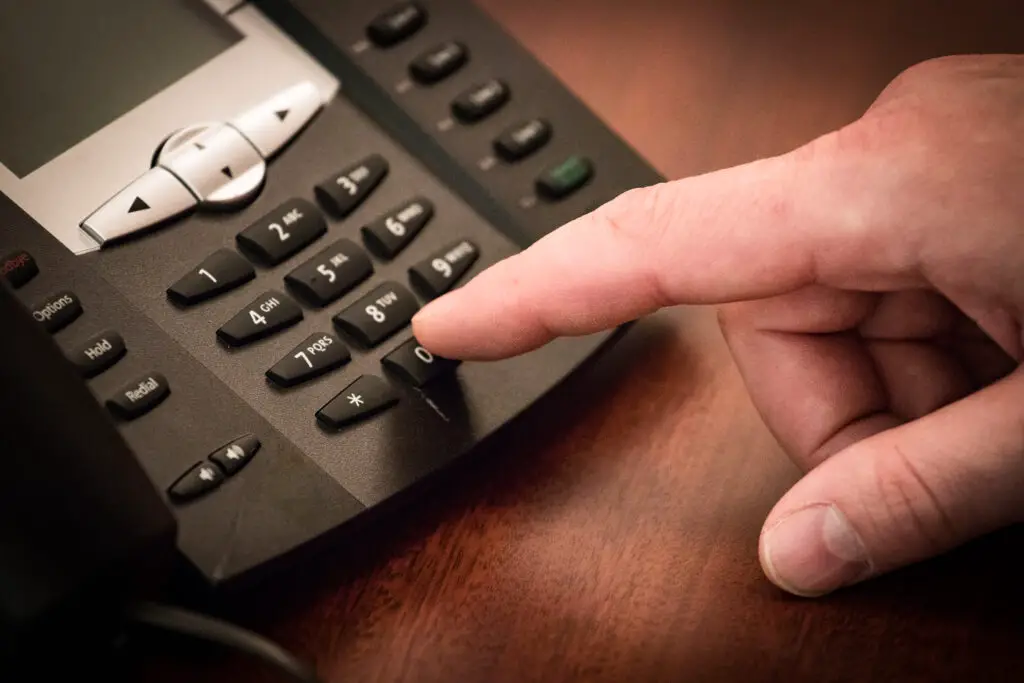
Before voicemail became standard on phones, answering machines were a common household item. They recorded messages on cassette tapes when you couldn’t pick up the phone. People would come home and press play to hear who called. Messages could be saved, erased, or even replayed multiple times. There was something personal about hearing someone’s voice recorded like that. It also meant you had to be physically present to check messages. If the tape filled up, new messages wouldn’t record. It required occasional maintenance, like rewinding or replacing tapes. It was a simple but important tool for communication.
Today, voicemail is built directly into phones and accessible from anywhere. There’s no need for a separate device or physical media. Messages can be listened to, saved, or deleted with a few taps. Visual voicemail even lets you read transcripts instead of listening. The limitations of answering machines feel outdated by comparison. Most people haven’t used one in years. They’ve been completely absorbed into modern technology. What was once a household staple now feels unnecessary and a bit cumbersome.