
1. Writing Thank You Notes by Hand
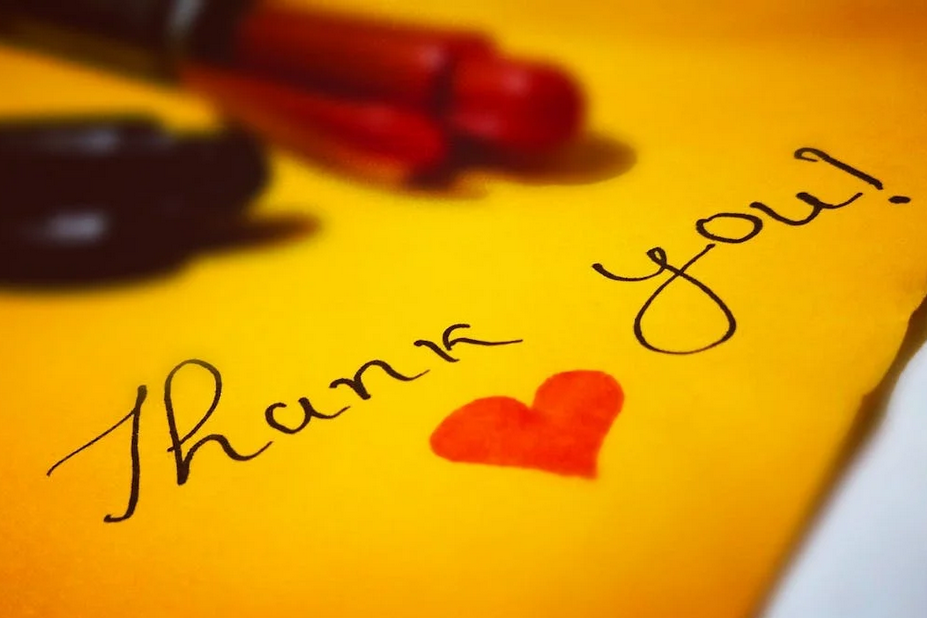
There was a time when a gift was not truly finished until a handwritten thank you note landed in the mail. People kept boxes of stationery just for this purpose, often choosing paper that matched the occasion. The wording mattered, and so did the handwriting. It was seen as a reflection of character, not just politeness.
Now gratitude usually arrives as a quick text or emoji, if it arrives at all. The intention may still be sincere, but the ritual is gone. Few people keep stamps around anymore, let alone formal note cards. What used to feel thoughtful now feels almost ceremonial.
2. Calling Before Stopping By

Dropping in unannounced was once completely normal, especially in close neighborhoods. Friends and relatives would show up, knock, and expect to be welcomed in. Homes were kept in a semi presentable state just in case company appeared. It was part of everyday social life.
Today, an unexpected knock can feel intrusive or even alarming. Most visits are scheduled through texts days in advance. The idea of just “seeing if someone is home” has faded. Privacy slowly replaced spontaneity.
3. Addressing Letters by Memory
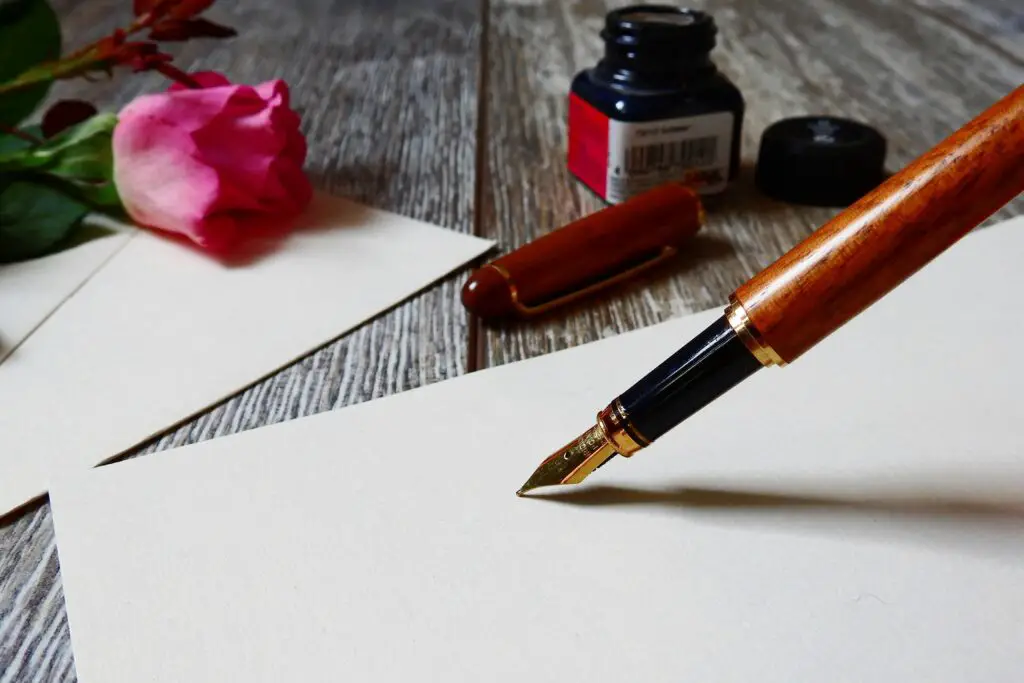
People once knew phone numbers and addresses by heart. Address books were handwritten and carefully updated over time. Forgetting an address meant asking around or digging through old mail. Memory played a bigger role in staying connected.
Now everything lives in a contact list or cloud backup. Few people could recite even close family addresses. Convenience won out over memorization. The skill quietly disappeared without much notice.
4. Dressing Up for Air Travel
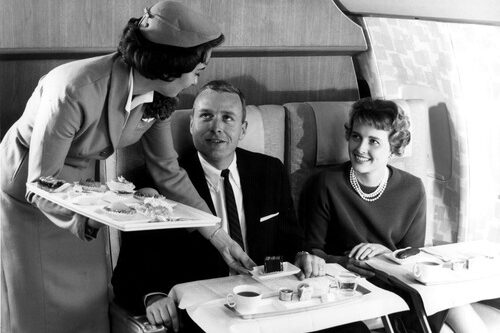
Flying used to feel like an event that required effort and polish. People wore their best outfits and behaved accordingly. Airports felt more like formal spaces than extensions of daily life. Even short flights came with a sense of occasion.
Today comfort rules the cabin. Sweatshirts and sneakers are the norm, and no one blinks at it. Air travel became routine, and the formality fell away. The shift happened gradually, until dressing up seemed unnecessary.
5. Reading the Newspaper Cover to Cover
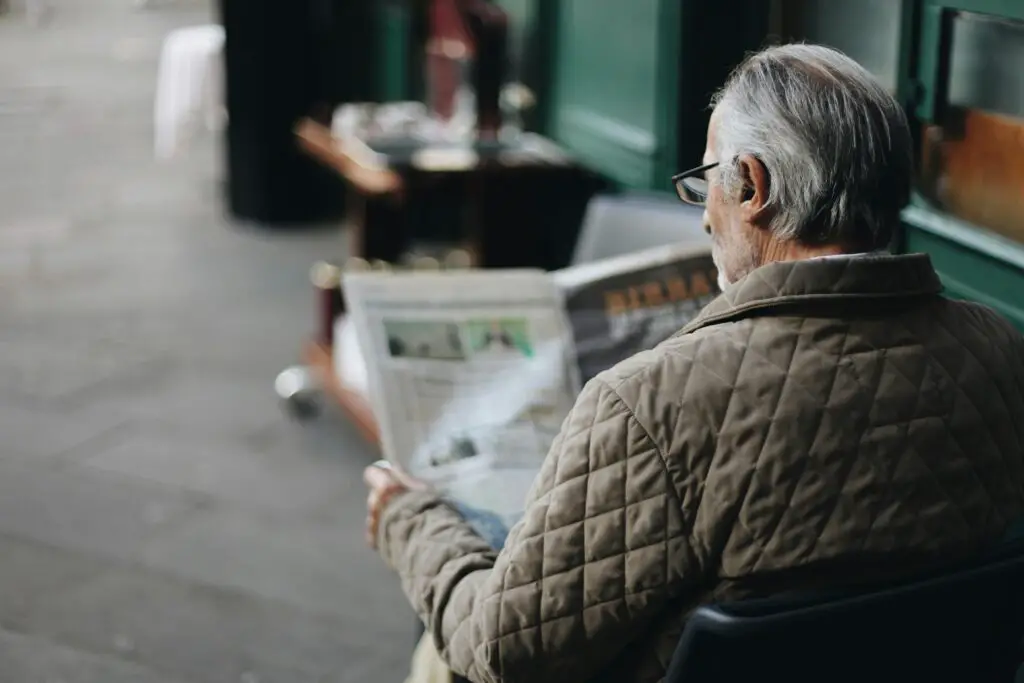
The daily newspaper once anchored the morning routine. People sat with coffee and worked their way through each section. Headlines were shared aloud, and discussions followed naturally. It was a shared cultural rhythm.
Now news arrives in fragments throughout the day. Articles are skimmed, scrolled past, or missed entirely. The sense of completion is gone. Information is faster, but the ritual is lost.
6. Waiting by the Phone
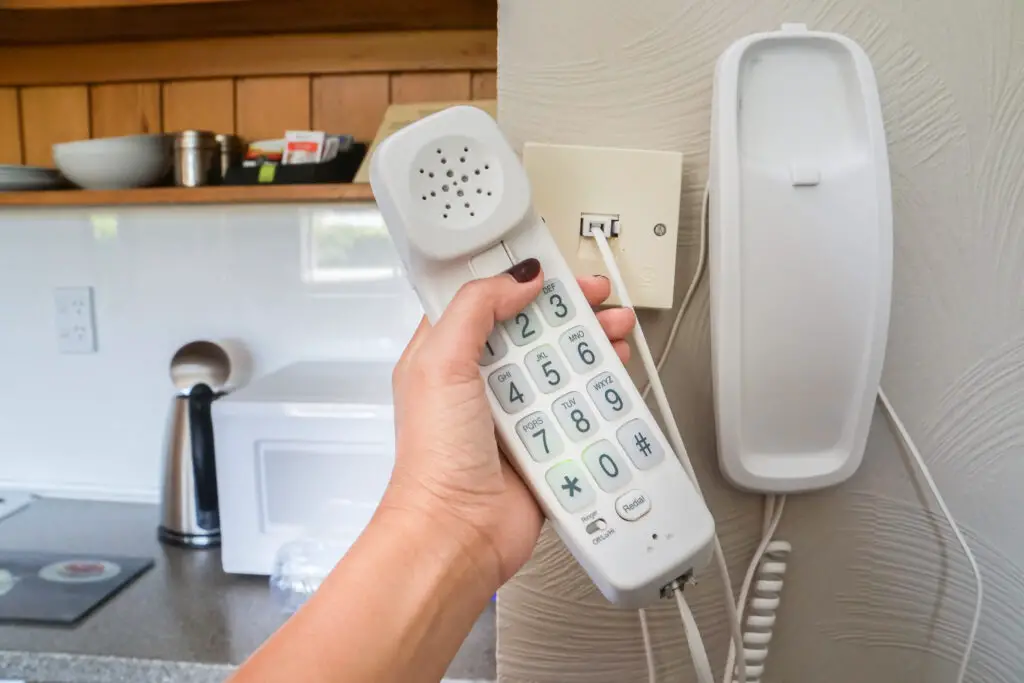
Before caller ID and texting, missing a call felt serious. People stayed close to home if they expected important news. The ringing phone commanded attention and sometimes anxiety. It shaped how people planned their day.
Today messages wait patiently until we check them. There is no urgency tied to a specific moment. The phone no longer controls the schedule. That old tension has mostly disappeared.
7. Sending Holiday Cards to Everyone
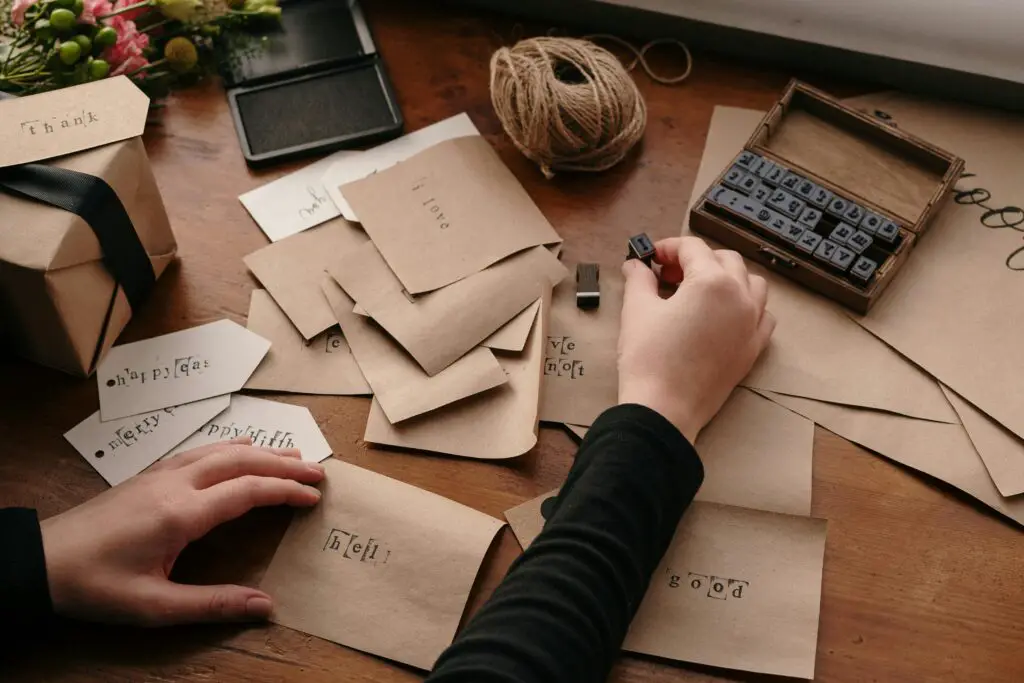
Holiday cards were once a major seasonal project. Lists were made, cards were signed, and addresses were double checked. Receiving a full mailbox felt festive and personal. It marked the passage of the year.
Now many greetings arrive digitally, if at all. Social media posts replaced envelopes and stamps. The gesture became simpler but less tangible. The ritual slowly thinned out.
8. Using Cash for Everyday Purchases
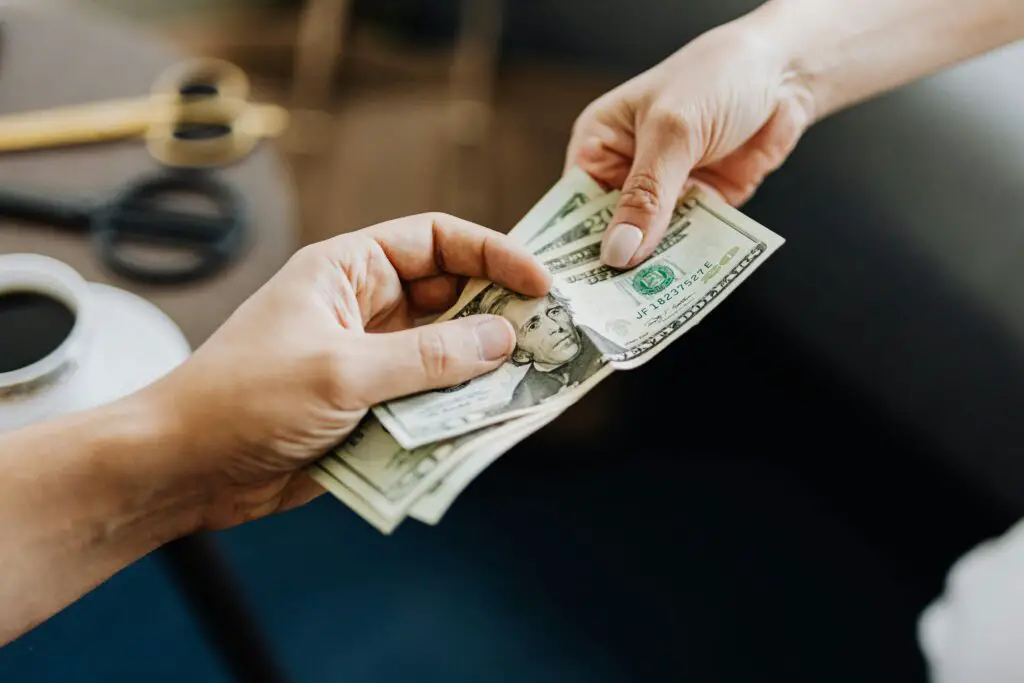
Cash once dominated daily transactions. People counted bills carefully and kept coins in jars or purses. Making change was part of every purchase. It created a physical sense of spending.
Now cards and phones do the work. Many people rarely carry cash at all. Money feels abstract, almost invisible. The habit faded as technology took over.
9. Memorizing Store Hours

Shops used to keep consistent, predictable schedules. People planned errands around posted hours and word of mouth. Showing up late meant coming back another day. It required attention and planning.
Now hours change frequently and are checked online in seconds. Some stores never close at all. The mental habit of remembering schedules is gone. Convenience reshaped expectations.
10. Sharing a Single Family Phone
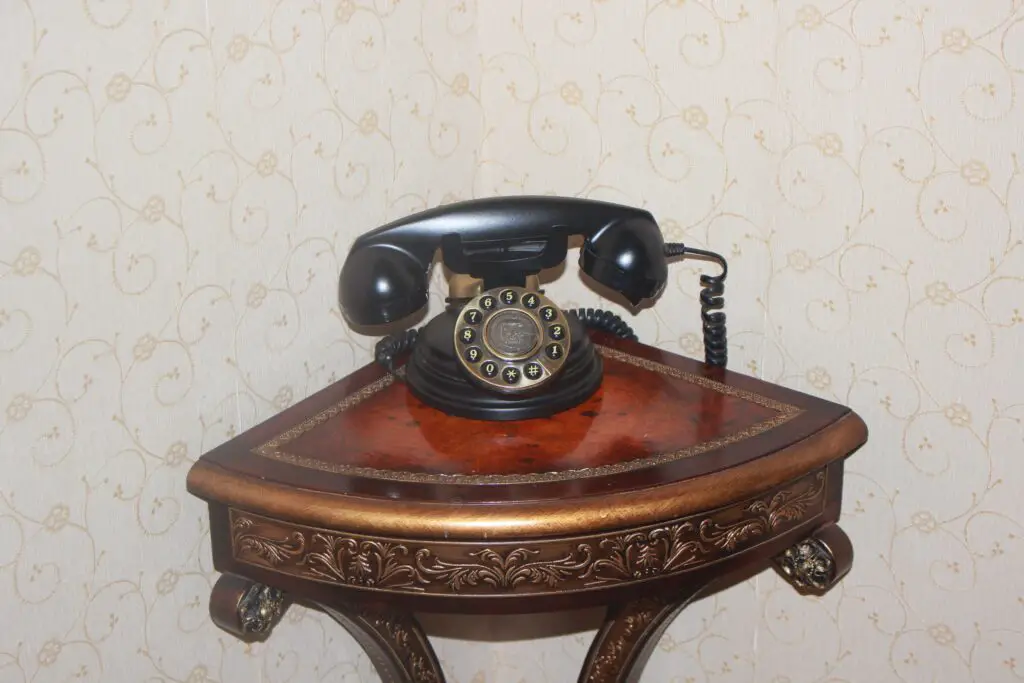
One phone in the house meant shared conversations and occasional eavesdropping. Calls were often answered by whoever was closest. Privacy was limited but accepted. It shaped family dynamics in small ways.
Today everyone carries their own device. Conversations are private and constant. The shared experience disappeared quietly. Along with it went a certain sense of togetherness.
11. Keeping a Rolodex or Address Book
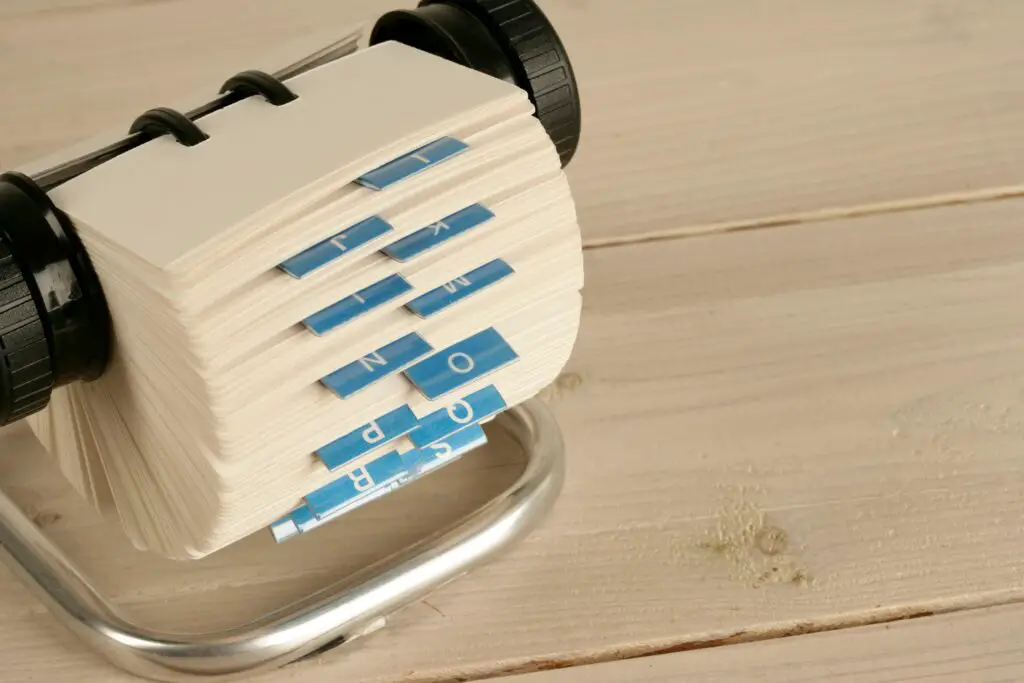
Desks once held thick address books filled with crossed out names and notes. They were personal records of relationships over time. Losing one felt devastating. It was a physical map of a social life.
Now contacts update themselves automatically. Names appear and disappear without effort. The tactile record is gone. What remains is efficient but impersonal.
12. Repairing Things Instead of Replacing Them

Broken items were once taken to repair shops without question. Appliances, shoes, and watches were expected to last. Fixing something felt responsible and practical. It was simply how things worked.
Now replacement is often cheaper and faster. Many items are not designed to be repaired at all. The mindset shifted along with manufacturing. Repair became the exception.
13. Leaving Notes on the Counter
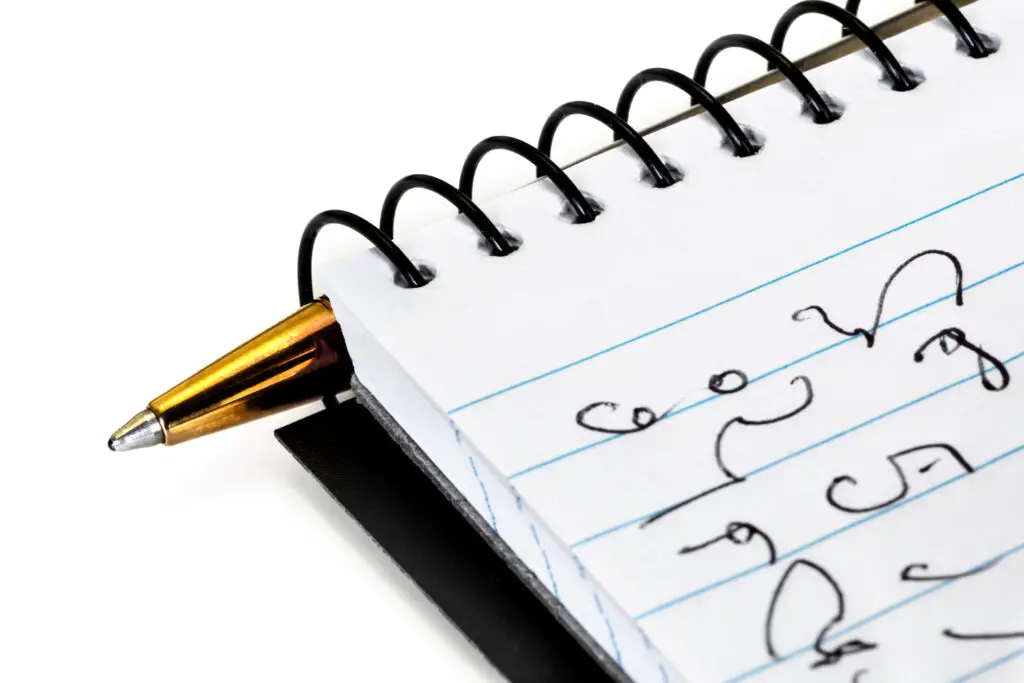
Handwritten notes once handled daily communication. Messages about errands or reminders sat on kitchen counters. They were quick, visible, and often affectionate. Everyone knew where to look.
Now reminders live in phones and apps. Messages are sent and forgotten just as fast. The physical note has become rare. Its quiet presence is missed.
14. Watching TV at a Specific Time
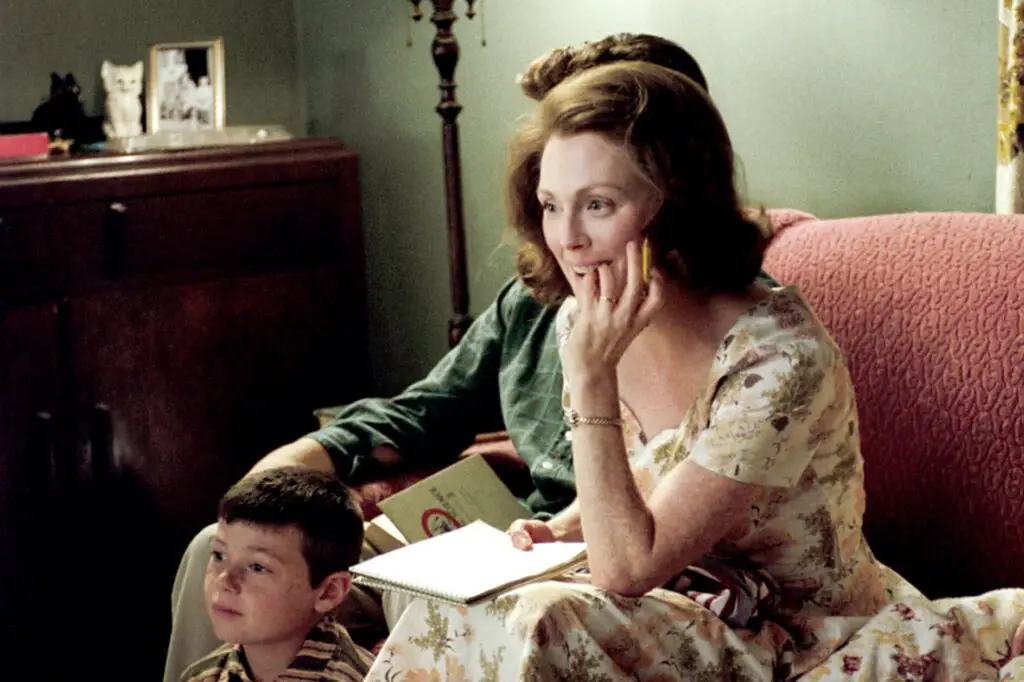
Television schedules once structured evenings. Missing a show meant missing it entirely. Families planned around broadcast times and watched together. It created shared moments.
Now everything waits on demand. Shows are paused, binged, or abandoned midway. The collective timing is gone. Watching became solitary and flexible.