
1. Writing Letters Just to Stay in Touch
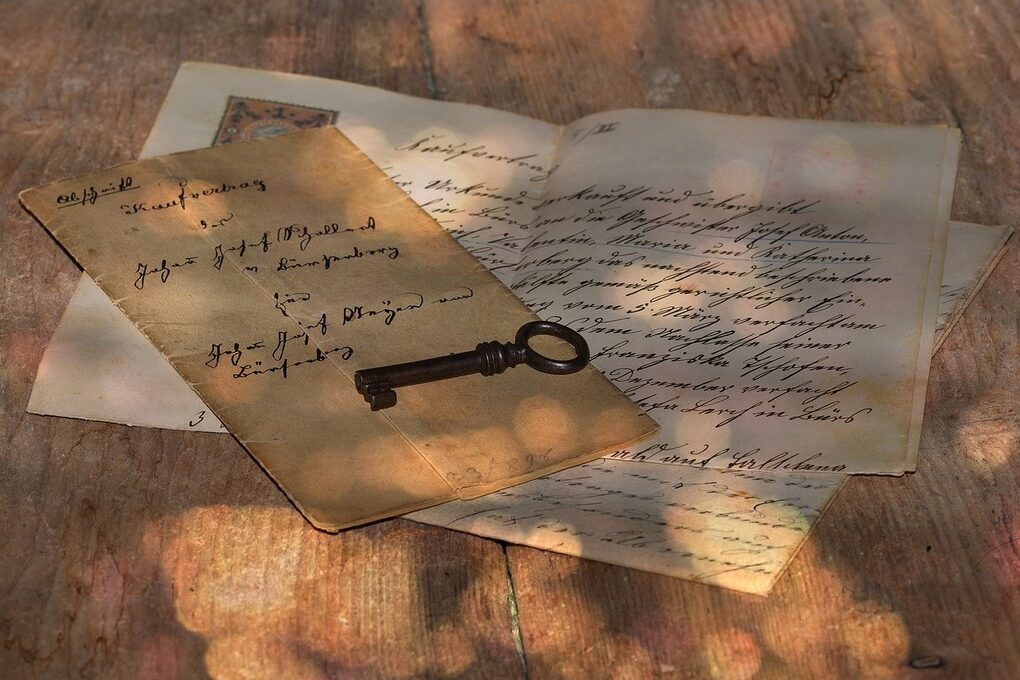
Not long ago, writing a letter was a completely normal way to keep friendships alive. People sat at the kitchen table, sometimes with a cup of coffee nearby, and filled pages with updates about work, family, or the latest neighborhood gossip. The process took time, and that was part of the charm. You chose your words carefully because once the envelope was sealed, there was no editing it.
Today most communication happens instantly through texts or social media. Those quick messages are convenient, but they rarely capture the thoughtful storytelling that letters encouraged. Waiting a few days for a reply once felt natural rather than inconvenient. As life sped up, the slower rhythm of letter writing quietly faded away.
2. Stopping by a Neighbor’s House Without Calling
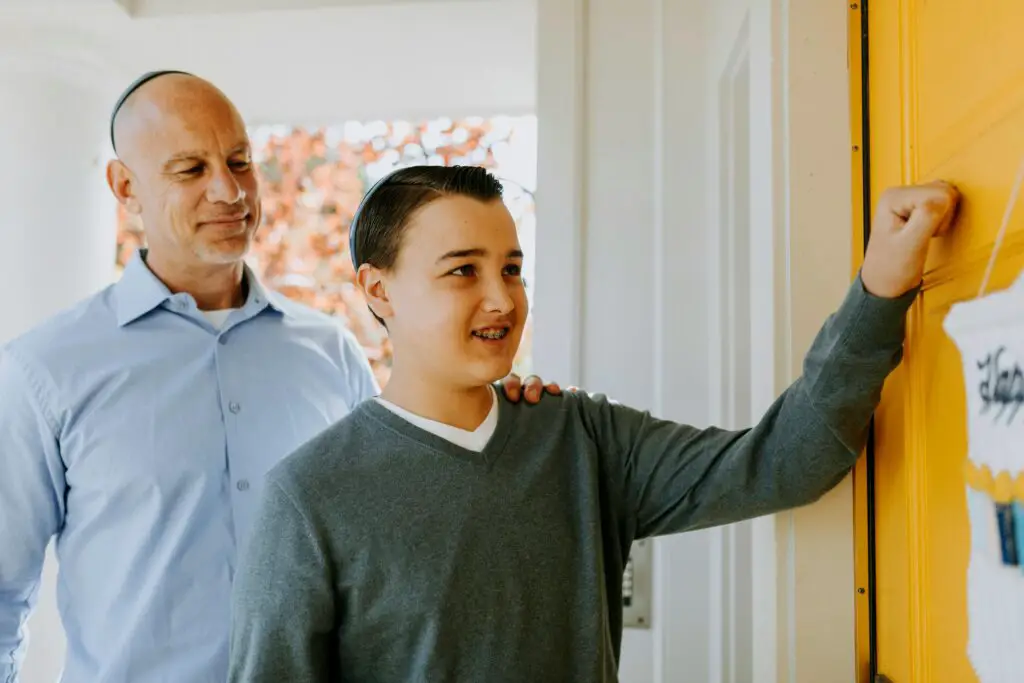
There was a time when people knocked on a neighbor’s door without sending a message first. Kids might wander over after school, and adults might drop in to borrow sugar or chat on the porch. The assumption was that people were generally available and open to a visit. It created a kind of casual connection that made neighborhoods feel alive.
Now most visits are arranged in advance through texts or calendar invites. Dropping by unannounced can even feel slightly awkward in many places. Schedules have become tighter and homes feel more private than they once did. The friendly spontaneity of the unexpected knock has mostly disappeared.
3. Sunday Afternoon Drives
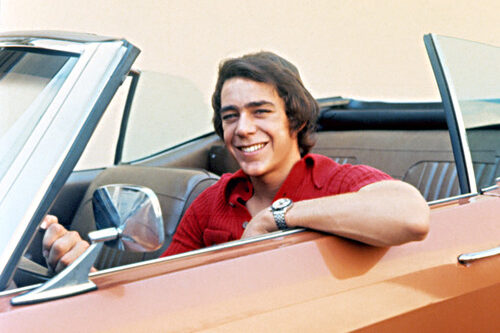
For many families, taking a drive with no real destination used to be a relaxing weekend activity. Parents piled everyone into the car, rolled down the windows, and explored nearby roads just to see where they led. The conversation was usually simple and the scenery did most of the work. It was less about travel and more about slowing down.
Modern weekends tend to be filled with planned events and errands. If people get in the car now, it usually means they have somewhere specific to be. Navigation apps and packed schedules have removed the sense of wandering that those drives once had. The idea of driving purely for the pleasure of it has become surprisingly rare.
4. Reading the Newspaper at the Breakfast Table

Morning routines once included unfolding a newspaper while eating breakfast. People skimmed headlines, circled interesting articles, and sometimes read sections aloud to others at the table. It offered a quiet moment before the day really began. The rustle of the pages was almost part of the ritual.
Digital news changed the rhythm of that habit. Information now arrives constantly through phones, often in small bursts throughout the day. Instead of one focused reading session, people check headlines while multitasking. The slow ritual of sitting with a full newspaper has mostly vanished.
5. Shopping in Person for Almost Everything

Running errands once meant physically visiting several different stores. People talked to shop owners, compared products on shelves, and sometimes ran into friends along the way. Even simple purchases felt like small social interactions. The process was slower, but it also felt more tangible.
Online shopping has dramatically reduced those trips. Many purchases happen with a few clicks instead of a Saturday afternoon outing. Convenience increased, but the small moments of conversation that came with in-person shopping declined. The rhythm of browsing aisles has become less common.
6. Kids Playing Outside Until the Streetlights Came On

A familiar phrase once echoed through neighborhoods: come home when the streetlights turn on. Children spent hours riding bikes, inventing games, and knocking on friends’ doors to see who was free to play. Parents trusted that the group would look out for each other. It created a shared childhood rhythm across entire blocks.
Today children’s schedules are often more structured. Organized activities, homework, and digital entertainment take up much of their time. Free roaming play has become less typical in many areas. The sight of kids disappearing outside for an entire afternoon is no longer as common.
7. Family Photo Albums on the Coffee Table
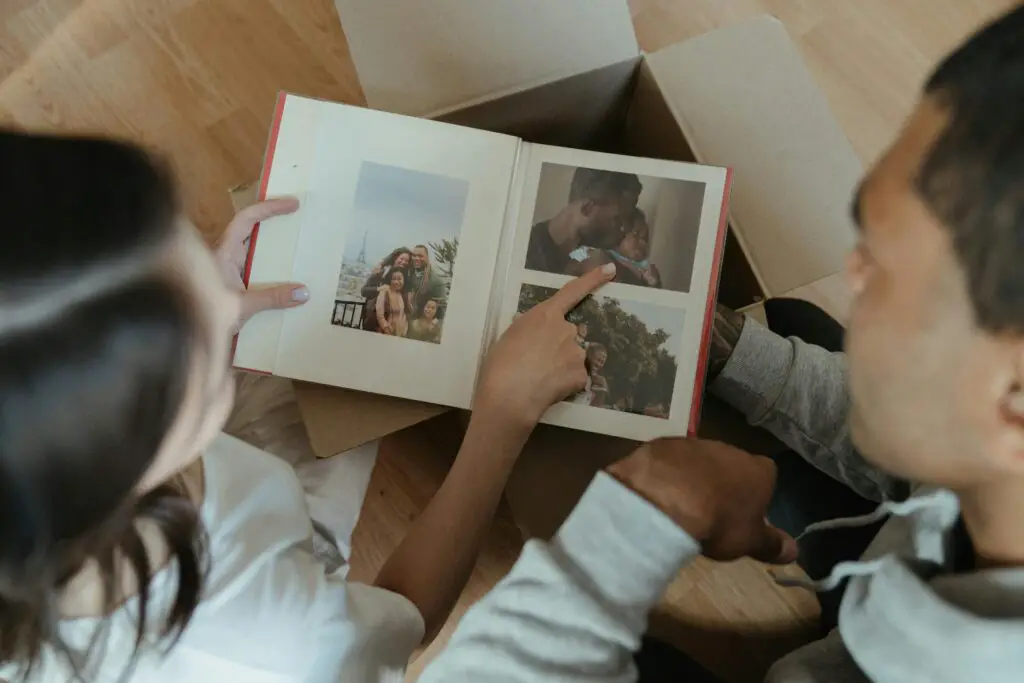
Families used to keep thick photo albums in the living room. Visitors might flip through them during conversations, pointing out familiar faces or laughing at old hairstyles. Each photograph represented a deliberate moment because film was limited. The album became a small archive of shared memories.
Digital photography changed how those memories are stored. Thousands of photos now live on phones or cloud storage rather than printed pages. While it is easier to take pictures, fewer people sit down and look through them together. The physical album gradually lost its place in everyday life.
8. Waiting for a Favorite TV Show at a Specific Time
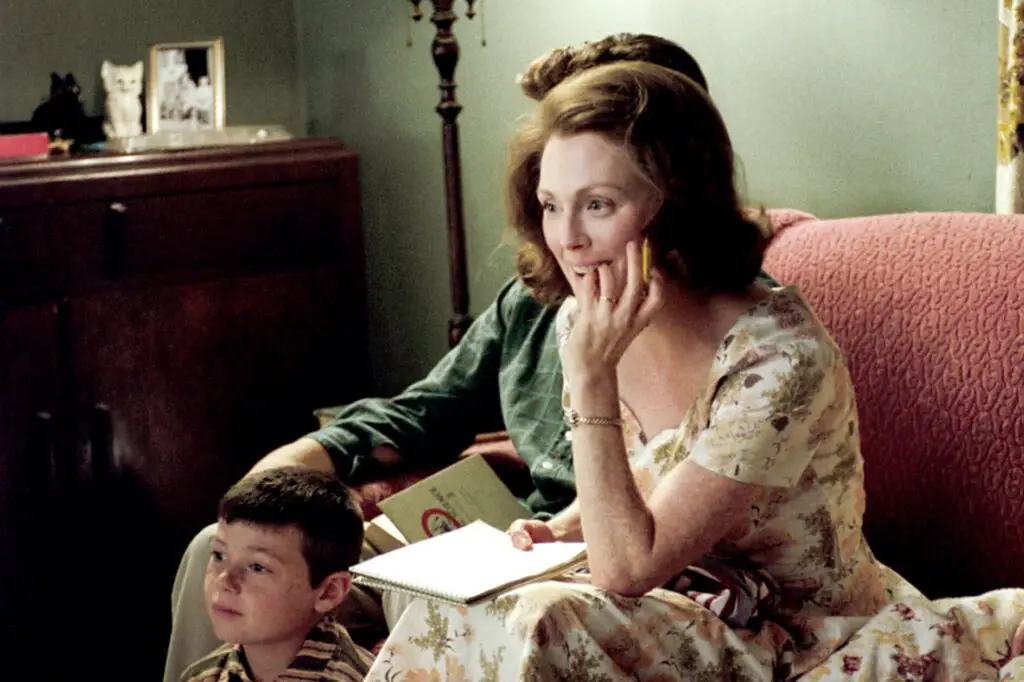
Television once required patience. If a show aired at eight o’clock on Thursday night, that was the moment to watch it. Families arranged their evening around that schedule and commercials became a natural break to grab a snack. Missing the broadcast meant waiting months for a rerun.
Streaming services eliminated that waiting entirely. Episodes can now be watched at any hour and entire seasons appear all at once. Convenience improved, but the shared anticipation disappeared. The idea of an entire household planning an evening around one program has become uncommon.
9. Calling Someone’s House Phone
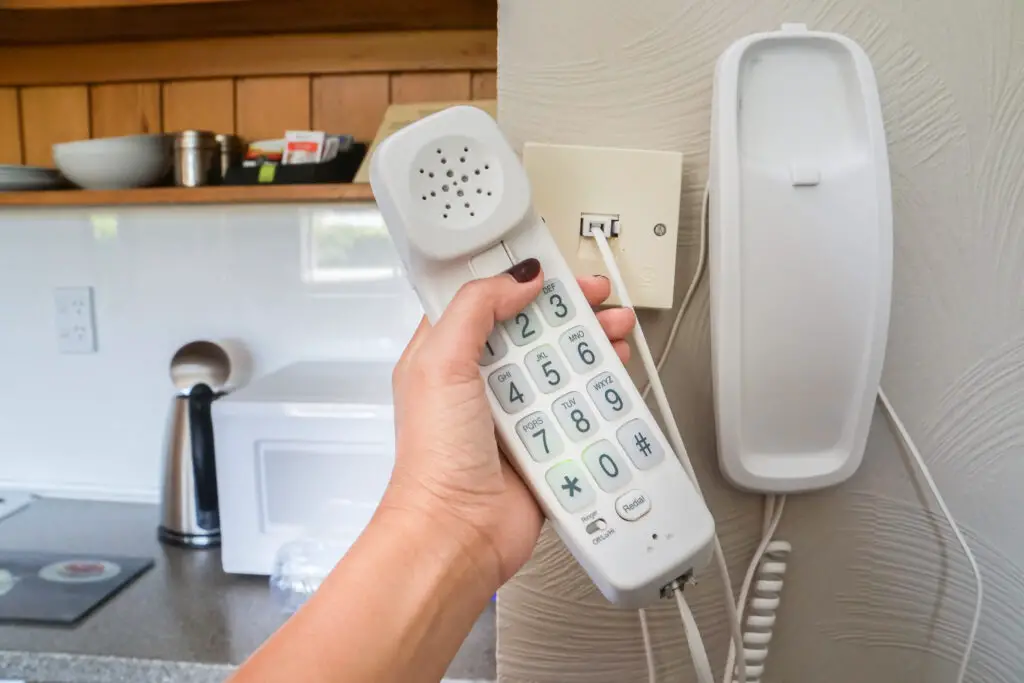
Before personal cell phones, calling a friend meant dialing the house number and hoping they were home. A parent or sibling might answer first, which led to brief conversations before the phone changed hands. It was slightly unpredictable and sometimes a little awkward. Still, it was the standard way people reached each other.
Mobile phones replaced that experience almost completely. Calls now go directly to the person instead of the household. The small social dance of speaking with family members on the line has largely vanished. The house phone itself has become rare in many homes.
10. Community Bulletin Boards
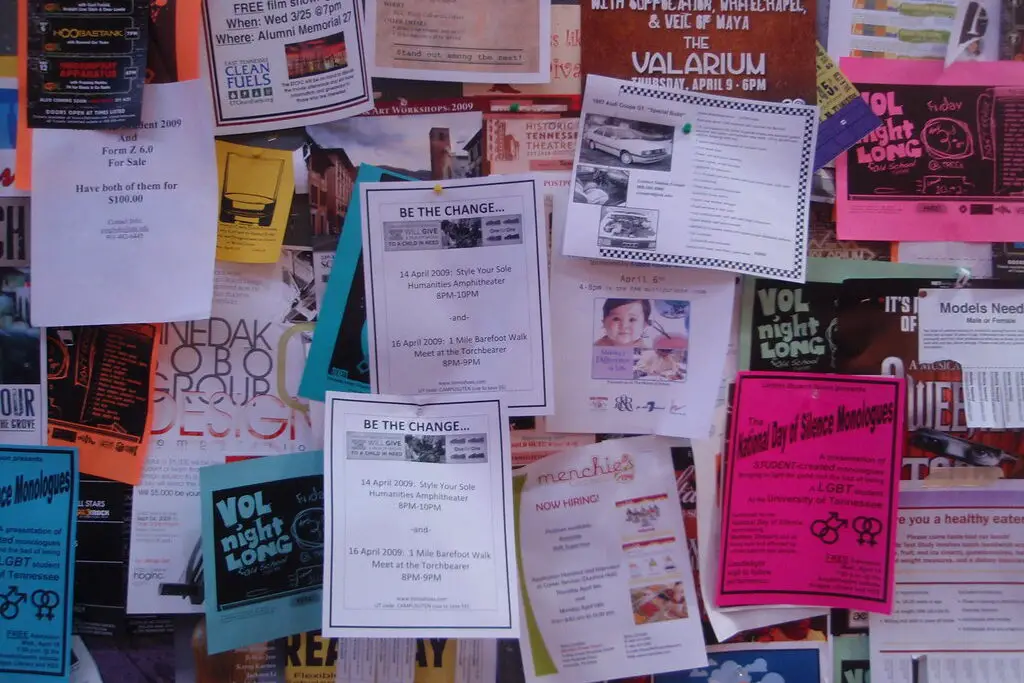
Many towns once relied on physical bulletin boards for local news. Grocery stores, libraries, and coffee shops had cork boards covered with flyers. People advertised yard sales, music lessons, or community meetings using thumbtacks and handwritten notes. Checking the board was almost part of the errand.
Today most of those announcements appear online instead. Social media groups and neighborhood apps replaced the physical board in many communities. Information spreads faster, but it is less visible in everyday spaces. The colorful patchwork of paper notices gradually disappeared.
11. Sitting on the Front Porch in the Evening
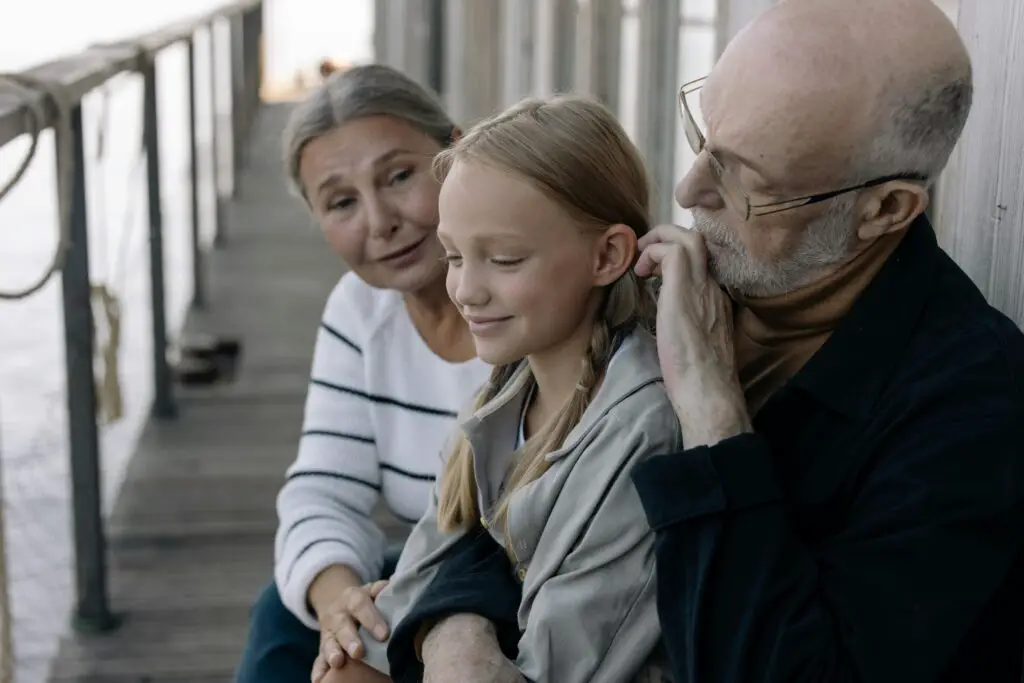
Front porches used to be social spaces. After dinner people carried chairs outside, watched the street, and greeted neighbors walking by. Conversations sometimes started with a simple wave and stretched well into the evening. The porch functioned almost like an informal gathering place.
Air conditioning, television, and indoor entertainment slowly shifted that habit. Many people now spend evenings inside rather than outdoors. Porches still exist, but they are used less often for casual socializing. The nightly ritual of porch conversations has faded in many neighborhoods.
12. Keeping a Personal Address Book
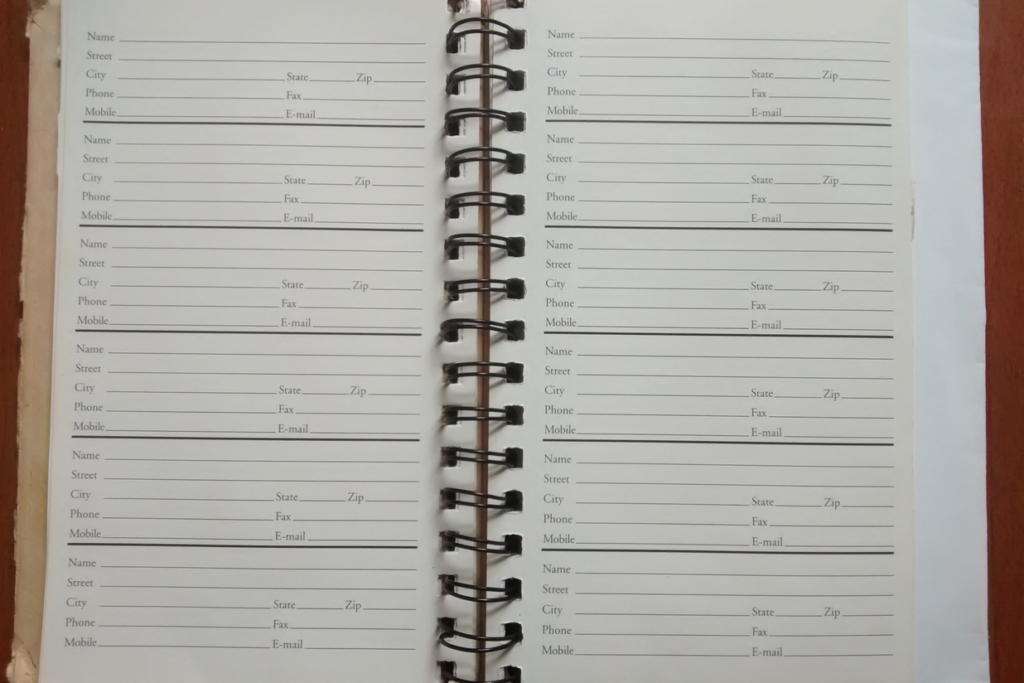
Before digital contacts, people kept small address books filled with names and phone numbers. Some were neatly organized while others had scribbled updates squeezed into the margins. Losing the book could feel like losing an entire network of connections. It was a practical object people relied on daily.
Smartphones made those notebooks unnecessary. Contacts are stored digitally and synced across devices without much effort. Convenience improved, but the tactile sense of flipping through pages disappeared. The humble address book quietly went out of use.
13. Sending Holiday Cards to Everyone You Knew
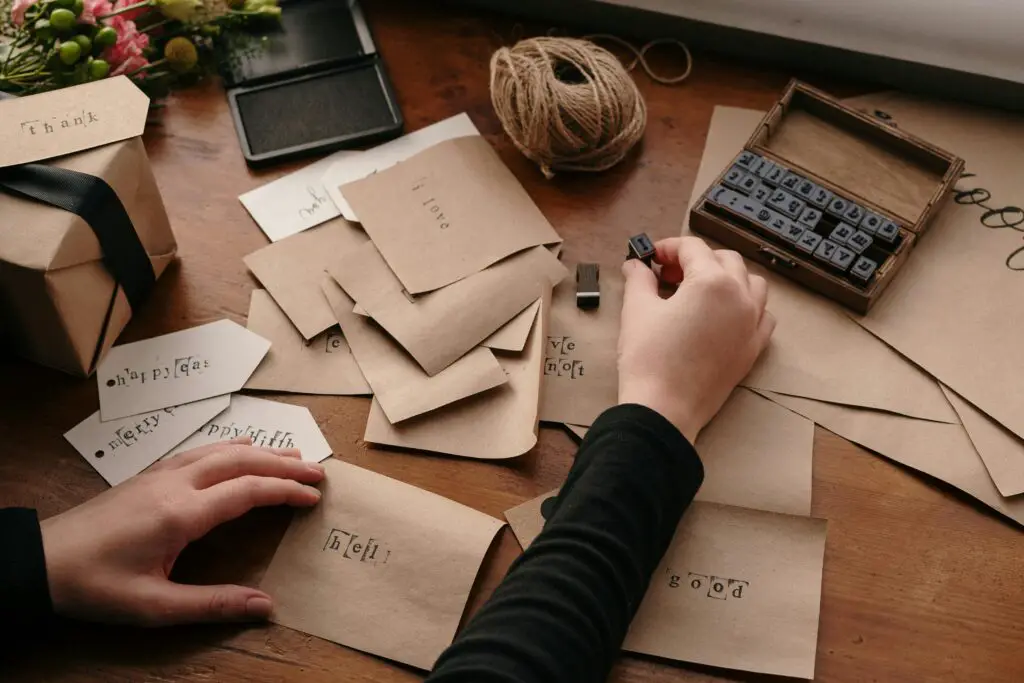
For decades, December meant addressing a stack of holiday cards. Families wrote short updates about the year and mailed them across the country. Receiving a card in the mailbox felt like a small seasonal event. Some households displayed them across mantels or doorways.
Digital greetings and social media posts gradually replaced many of those cards. A single message can now reach dozens of people instantly. While convenient, it lacks the physical presence of a card on the fridge. The tradition still exists, but it is far less common than it once was.
14. Waiting in Line to Buy Event Tickets
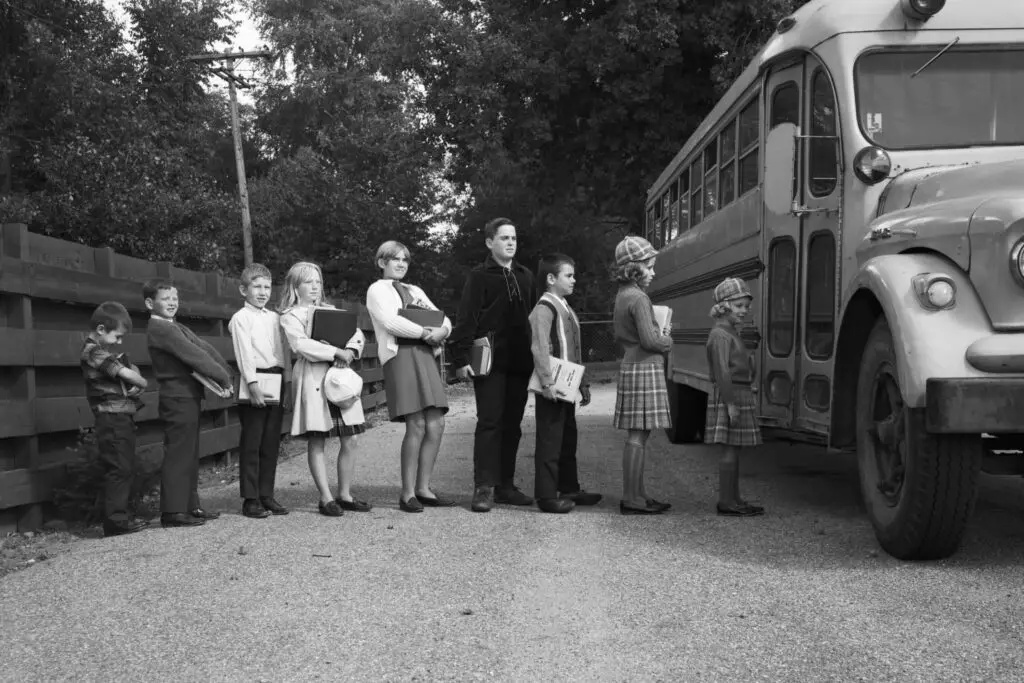
Buying tickets for concerts or sporting events once required real patience. Fans sometimes lined up outside box offices hours before sales opened. The line itself became part of the experience, with strangers chatting about the show they hoped to see. Securing the ticket felt like a small victory.
Online ticket systems changed that process entirely. Purchases now happen within seconds from a phone or computer. The convenience is undeniable, but the shared anticipation of waiting together disappeared. What used to be a social ritual became a quick digital transaction.