
1. Burning Sage or Herbs to Chase the Illness Away
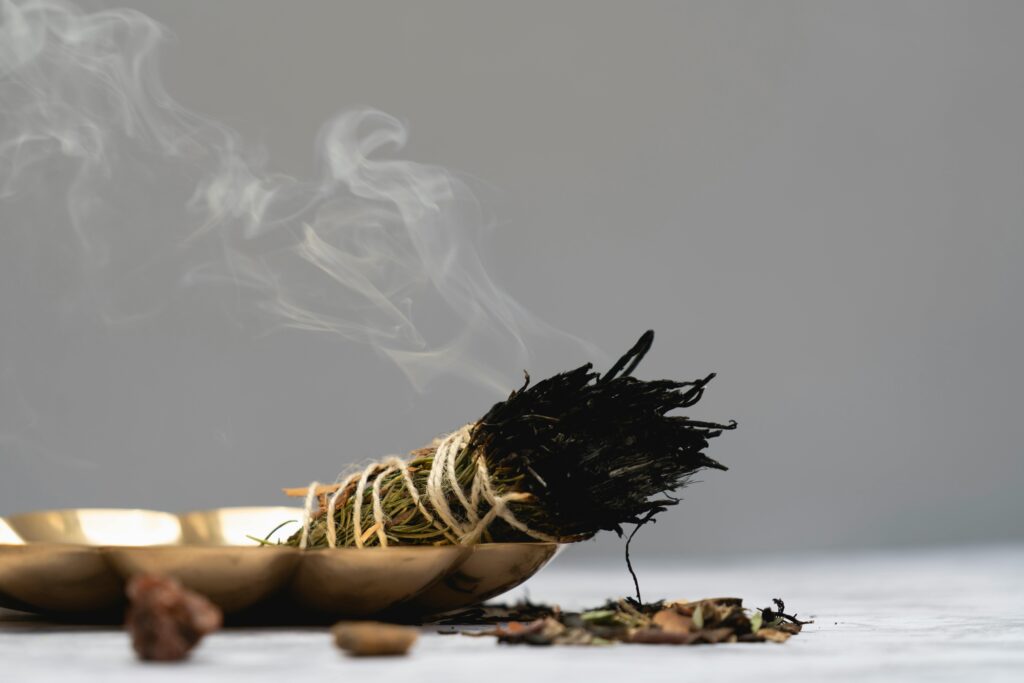
When someone fell ill, families often burned sage, rosemary, or other strong-smelling herbs to cleanse the room. The smoke was believed to drive out whatever unseen force caused the sickness. Windows were sometimes closed so the smoke could fully surround the patient. The scent alone made the ritual feel serious and powerful.
People whispered prayers or family sayings while the herbs burned down. If the patient coughed, it was taken as a sign the illness was being disturbed. The ashes were sometimes buried or thrown outside afterward. Even if nothing changed medically, the ritual gave everyone a sense of control.
2. Placing Iron Objects Under the Bed

Iron was believed to repel evil spirits and harmful forces. Families tucked scissors, knives, or horseshoes under a sick person’s bed for protection. The metal was thought to block the illness from worsening. Some believed iron could physically pin the sickness in place.
The objects were often hidden so the patient would not be frightened. If recovery followed, the iron was credited immediately. If the illness lingered, more metal was added. The ritual stayed in place until the person was fully well.
3. Whispering the Patient’s Name to the Fire
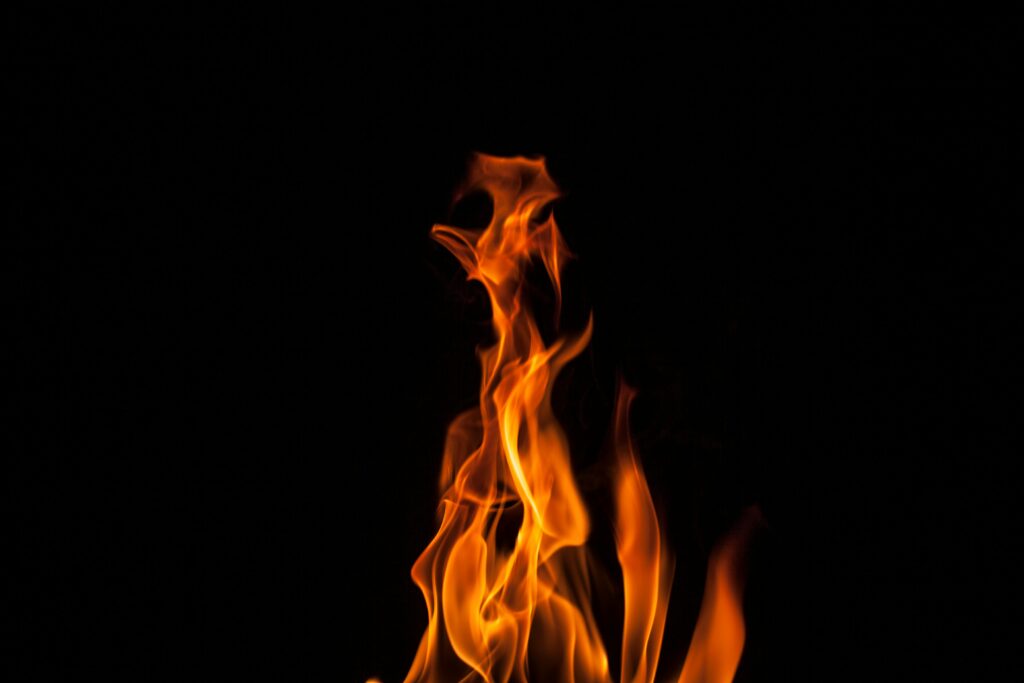
Fires were seen as living things that could listen and respond. Someone would whisper the sick person’s name into a hearth or candle flame. The hope was that the fire would carry the plea upward.
This was usually done at night when the house was quiet. If the flame flickered, it was seen as acknowledgment. Some families repeated the ritual every evening. The act felt intimate and strangely comforting.
4. Tying Red Thread Around the Wrist
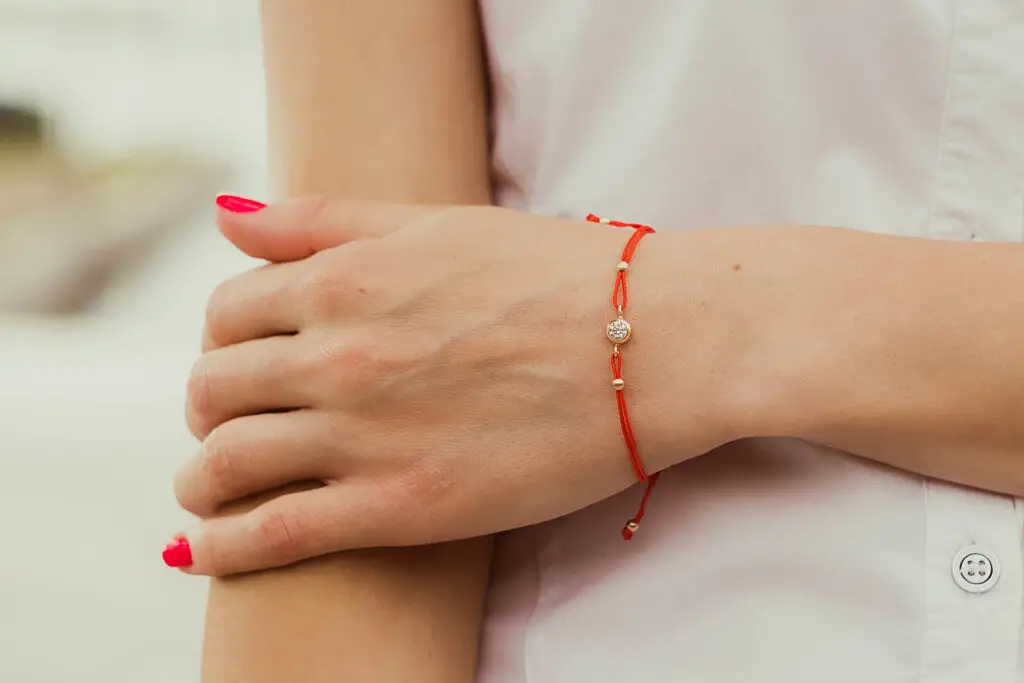
Red thread was believed to ward off danger and illness. A small piece was tied around the patient’s wrist or ankle. The knot was often made while saying a blessing.
The thread stayed on until it fell off naturally. Cutting it was considered bad luck. If the patient improved, the thread was credited with protection. Many kept the habit even after recovery.
5. Leaving Bread or Salt Near the Bed

Bread and salt were symbols of life and protection. Families placed them near the patient to absorb sickness. Sometimes the food was left untouched overnight.
In the morning, it was thrown away or fed to animals. Eating it was forbidden. If the patient slept well, the ritual was deemed successful. The practice continued for days if needed.
6. Turning Mirrors to Face the Wall
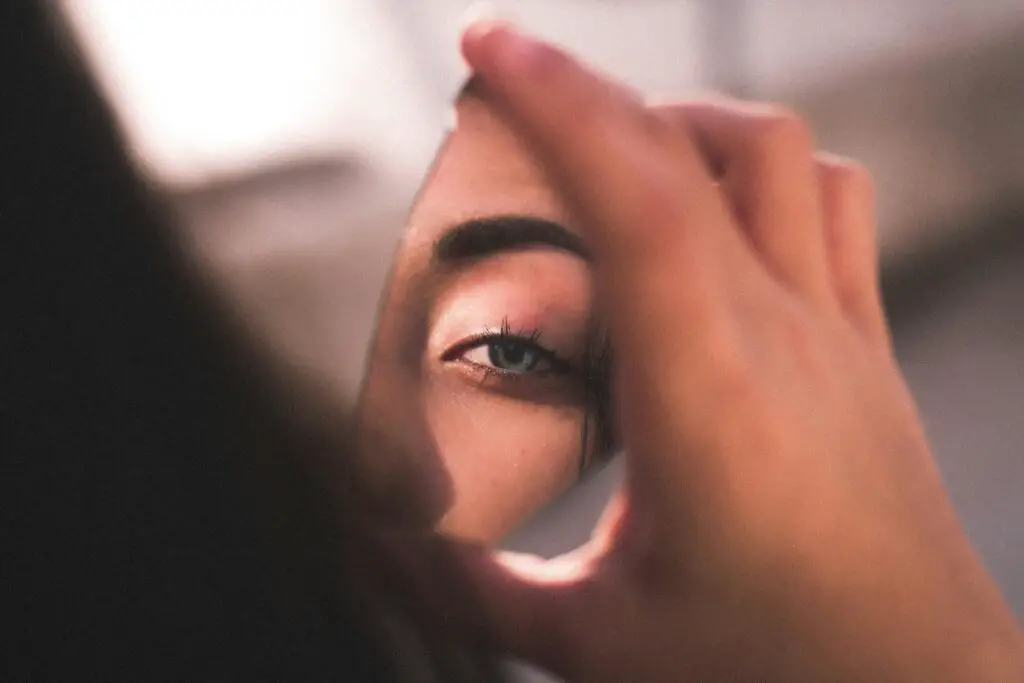
Mirrors were believed to trap or reflect harmful energy. When someone was ill, mirrors were covered or turned away. The fear was that sickness could linger inside the glass.
Rooms felt darker and quieter without reflections. Families believed this helped the body rest. Once the patient recovered, mirrors were uncovered ceremoniously. Leaving them covered too long was thought to invite bad luck.
7. Walking the Patient’s Clothing Outside at Dawn
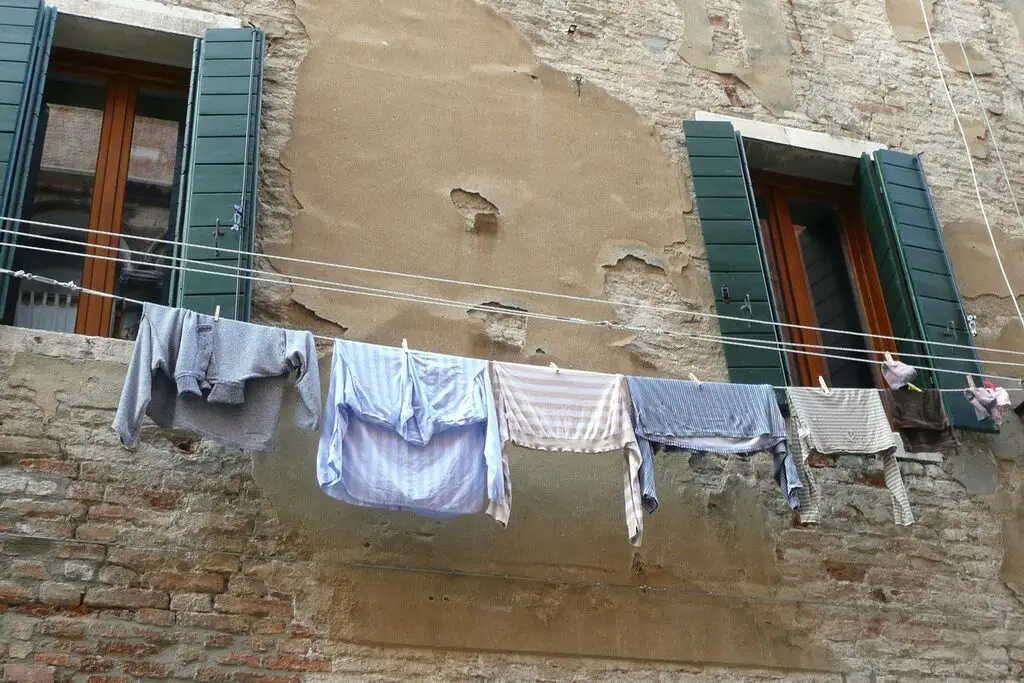
Some believed illness clung to clothing. A family member would take the patient’s clothes outdoors at sunrise. The fresh air was thought to cleanse them.
The clothes were shaken and sometimes laid in the grass briefly. Dew was considered especially powerful. Afterward, the clothing was brought back inside. The ritual felt hopeful and oddly peaceful.
8. Knocking on Wood Near the Bed
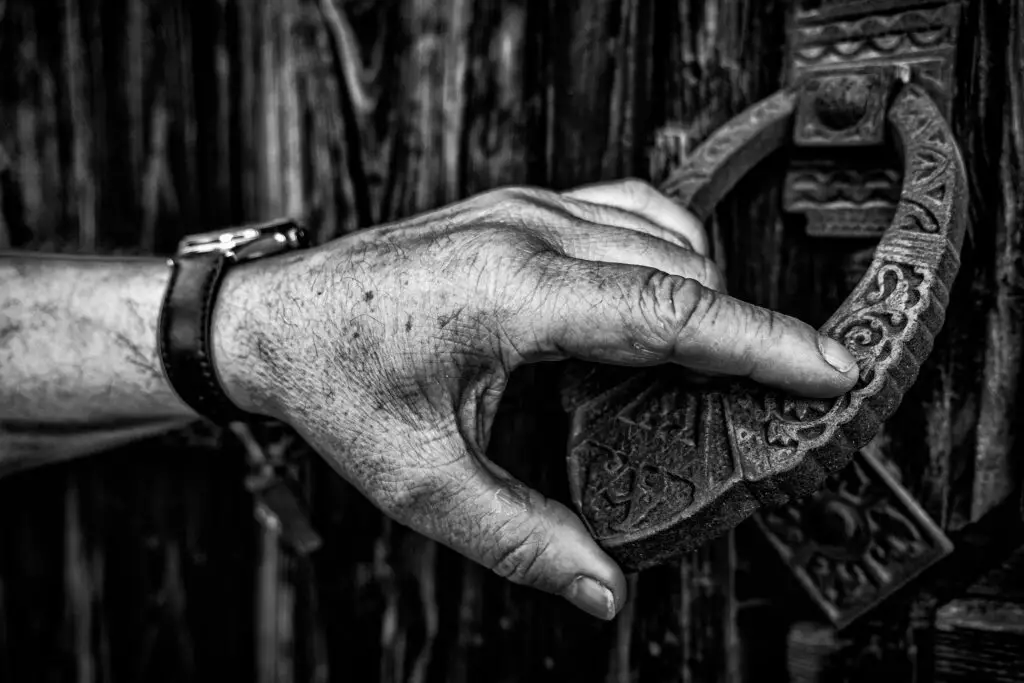
Wood was believed to contain protective spirits. People knocked on wooden furniture near the patient. This was meant to awaken helpful forces.
The knocking followed a specific rhythm in some homes. Silence afterward was important. If the patient rested quietly, it was seen as a good sign. The ritual was simple but taken seriously.
9. Hanging Protective Symbols Above the Door
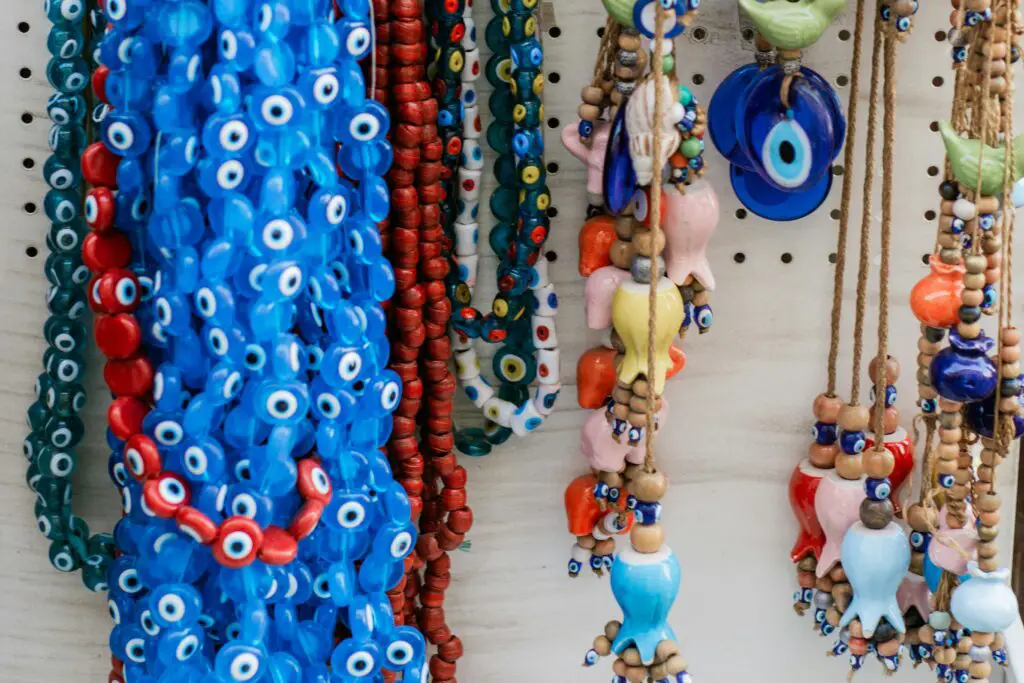
Charms, herbs, or symbols were hung over the sickroom door. These were meant to block the illness from spreading. Each item had a specific meaning.
Family members touched the charm before entering. If no one else fell ill, the ritual was considered successful. The symbol stayed up until full recovery. Removing it early was considered risky.
10. Washing Hands in Water Left Overnight
Water left out overnight was believed to absorb healing properties. In the morning, hands were washed in it before tending the patient. This was meant to prevent sickness from transferring.
The water was never reused. Some added a pinch of salt for strength. The act slowed everyone down and made care feel intentional. It became a quiet morning ritual.
11. Speaking Only Positive Words Near the Patient
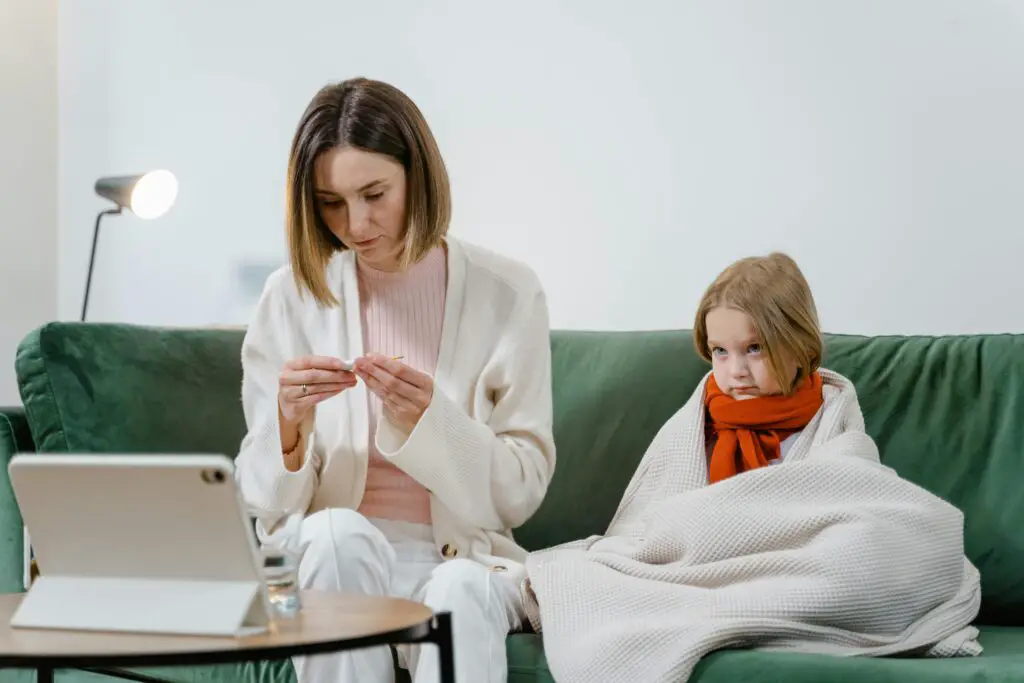
Negative language was thought to worsen illness. Families avoided discussing fear or death near the bed. Only hopeful phrases were allowed.
If someone slipped up, they might whisper a correction. Silence was often preferred to risk saying the wrong thing. The ritual shaped the emotional atmosphere of the room. It gave illness a sense of boundaries.
12. Placing Shoes Facing the Door
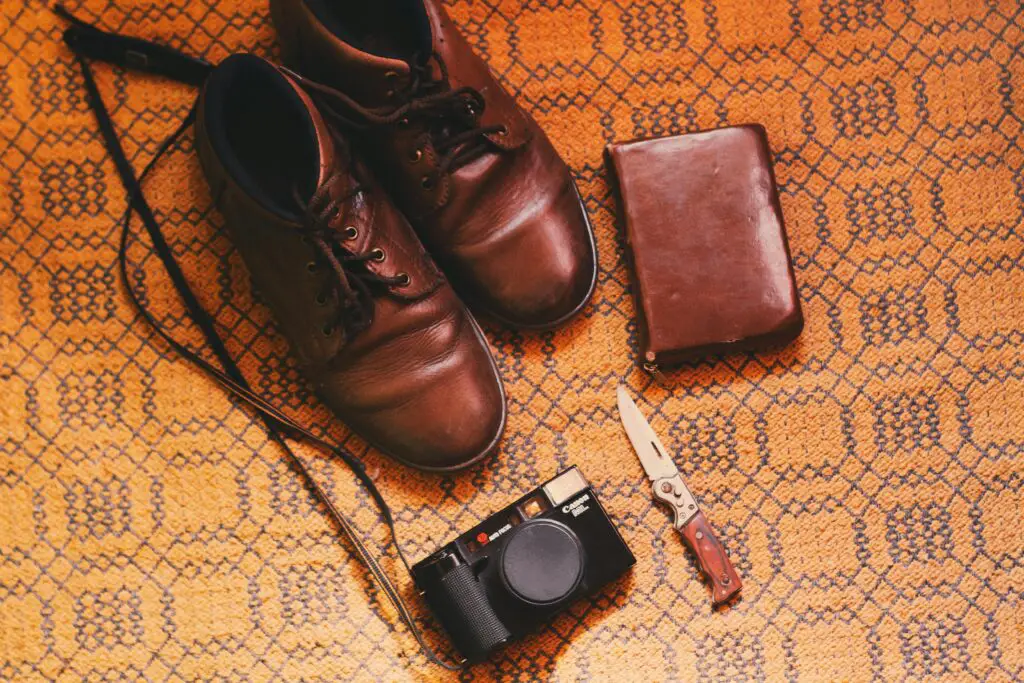
Shoes placed facing outward were believed to guide sickness away. The idea was that illness would follow the path out. The shoes usually belonged to the patient.
They were set neatly and left untouched. If recovery came, the shoes were moved back normally. Tripping over them was considered bad luck. The ritual blended practicality with superstition.