
1. Breaking a Mirror Brings Seven Years of Bad Luck
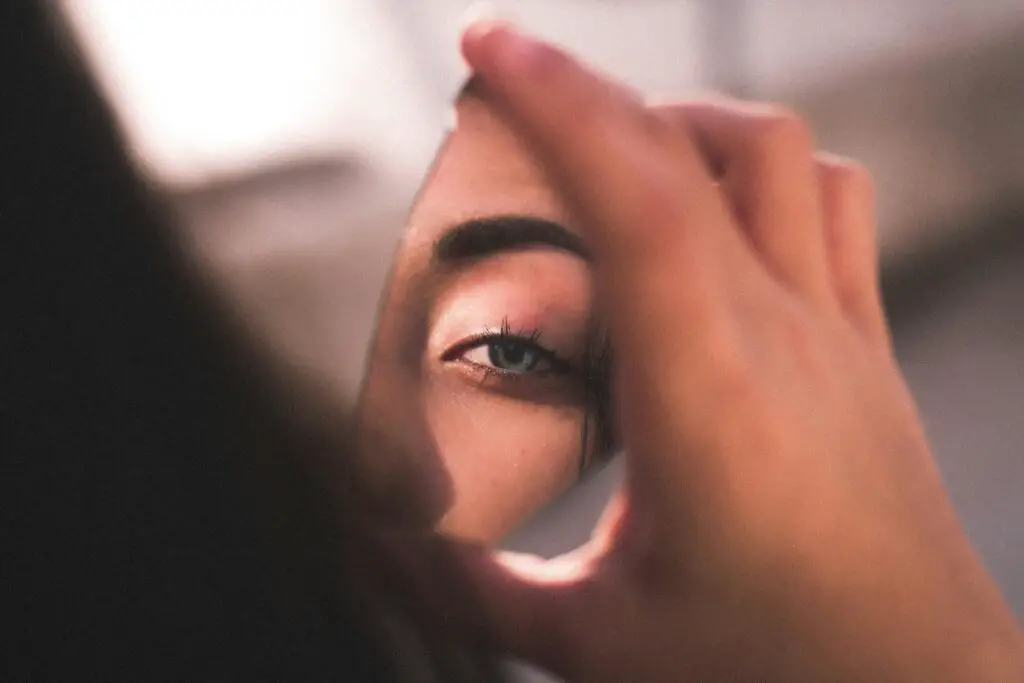
The idea that breaking a mirror invites seven years of misfortune is still one of the most widespread superstitions in the world. Its roots stretch back to ancient Rome, where people believed mirrors held fragments of the soul. The thought was that if the mirror shattered, the soul needed seven full years to repair itself. Even people who say they are not superstitious admit they feel a little uneasy when a mirror cracks. Some traditions claim you can soften the curse by tossing the pieces into running water. Others say grinding the shards into dust removes the spirit’s reflection entirely. It is a superstition that has survived centuries, partly because it gives meaning to a very unlucky accident.
People who are especially cautious will take immediate steps to avoid lingering bad luck. Some follow the old idea of burying the broken pieces under moonlight to let nature cleanse the damage. Others believe sweeping up the shards without looking into the fragments prevents the spirit from duplicating the bad fortune. A few even think burning sage over the spot helps restore balance. Families who grew up hearing these warnings often pass them on without question. It becomes one of those rituals people do “just in case,” even if they cannot explain why. The myth might sound dramatic, but it still makes dropping a mirror feel like a much bigger deal.
2. Mirrors Can Steal Your Soul
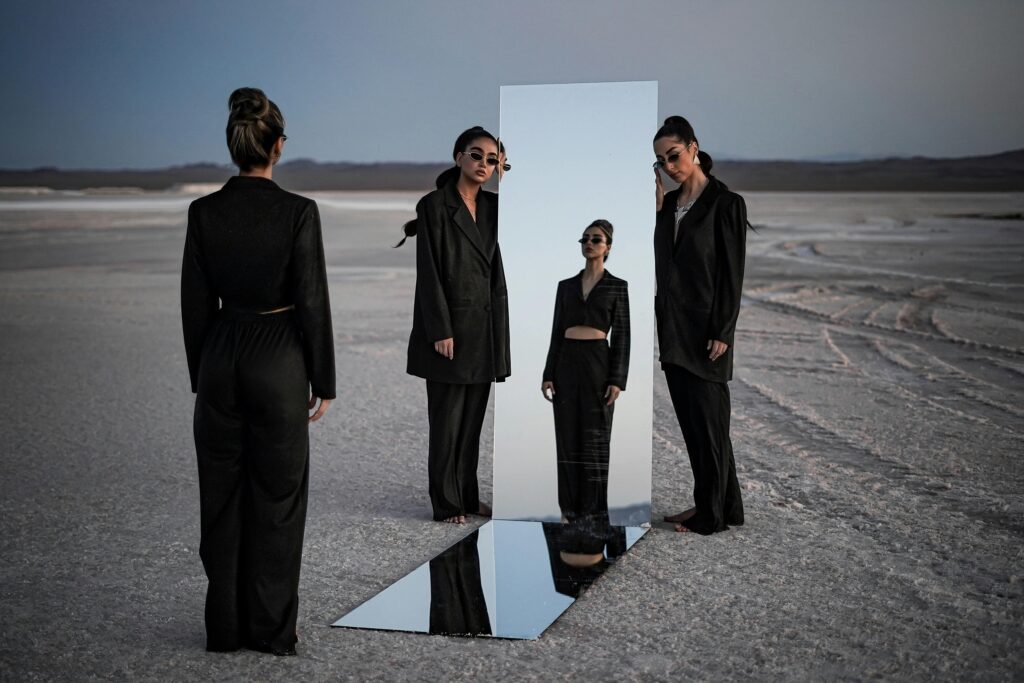
Many cultures have believed that mirrors do more than reflect your face, they interact with your spirit. The fear comes from the idea that the reflection is a piece of your soul staring back at you. If a mirror is mishandled, cracked, or enchanted, some say that piece can be taken. This superstition explains why some communities historically covered mirrors during sickness or death. They worried the person’s weakened or wandering spirit could slip inside the glass. It created a sense of mystery around mirrors and encouraged people to treat them with caution. Even today, some feel uneasy looking at a mirror in a dark room.
This belief can influence how people arrange their homes and how they interact with mirrors at night. In some households, mirrors are never placed opposite a bed because they say the soul wanders during sleep and could get startled by its own reflection. Others avoid staring into a mirror for too long, especially during emotional moments, because they fear losing something intangible. A few people even refuse to take photos in front of mirrors for the same reason. Whether or not the superstition is literal, it represents a long history of seeing mirrors as spiritually charged objects. And because it is tied to the idea of protecting the soul, it has remained surprisingly common.
3. Seeing a Ghost in the Mirror at Midnight

In several Asian cultures, there is a long-standing belief that mirrors become spiritually thin at midnight. At that exact moment, people say you might catch a glimpse of a ghost standing behind you in the reflection. The idea is that the mirror becomes a temporary portal between the living and the supernatural. Some claim that people who do this can feel a sudden chill or hear faint whispers. Others even say staring into a mirror at midnight invites bad luck for the rest of the night. Families who follow the superstition often teach children to avoid mirrors before bed. It creates an eerie atmosphere around something usually mundane.
Even adults who do not fully believe the myth admit mirrors feel creepier after dark. Some avoid brushing their teeth or fixing their hair in front of the mirror late at night, especially if they are home alone. A few say they have felt like something was watching them through the reflection, which is enough to keep the superstition alive. Others simply avoid turning lights on in rooms with large mirrors after midnight. Whether based in fear or tradition, the myth adds a sense of caution to nighttime routines. And because it taps into universal fears about the dark, it remains one of the most commonly repeated mirror legends.
4. Covering Mirrors After Someone Dies
Many cultures have long believed that mirrors must be covered when someone dies in the home. The tradition comes from the idea that the spirit is still wandering and might accidentally get trapped inside the glass. Some variations say the soul could even pull living people into the mirror world if they look into it too soon. Families practiced this to protect both the deceased and the mourners. It also prevented people from seeing something unsettling during such an emotional time. Covering mirrors became a ritual that blended respect with superstition. Even today, many families still follow it out of tradition.
People who keep this practice alive describe it as a way to let the home remain peaceful during mourning. Some believe an uncovered mirror might confuse the spirit, delaying its journey to the afterlife. Others think the mirror could reflect sorrow back into the household, making grief feel heavier. A few even share stories passed down from older generations about strange reflections seen during mourning periods. Whether symbolic or spiritual, the act of covering mirrors gives people a sense of control during a difficult time. And because it has existed for centuries, it continues to be deeply ingrained in many cultural rituals.
5. Mirrors Facing the Bed Invite Bad Energy
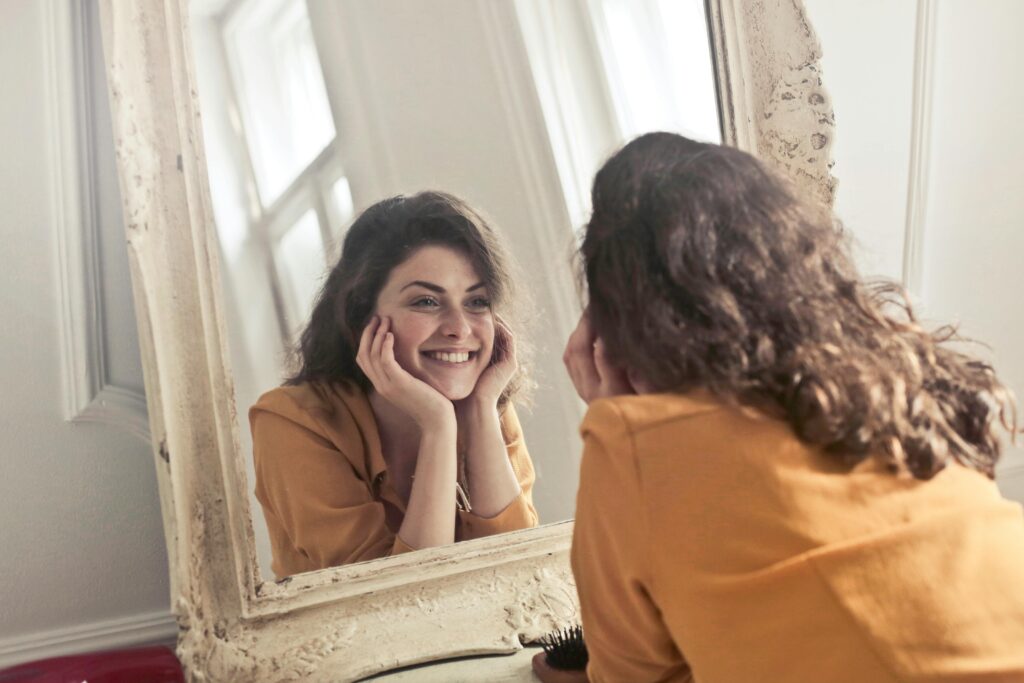
Feng Shui is often credited with popularizing the idea that mirrors across from beds can disrupt sleep. The belief says mirrors bounce energy around the room, making it harder for the mind and body to rest. Some go further and claim that when you sleep, your soul temporarily leaves your body and could be startled by its reflection. Others believe the reflection attracts wandering spirits that slip into dreams. Even people who do not follow Feng Shui sometimes admit a mirror facing the bed just feels off. It is one of those superstitions that blends spiritual ideas with simple discomfort.
Because of this, many people will rearrange furniture or cover mirrors at night to avoid the issue. Others choose wardrobes with built-in panels that hide the mirror entirely after dark. A few say they sleep better when the mirror is turned to the wall or draped with a cloth. Some families even teach children that mirrors in bedrooms invite nightmares. Whether based on tradition or instinct, the belief shapes how people design their sleeping spaces. And because bedrooms are such intimate places, the superstition tends to stick.
6. Mirrors as Portals to Other Realms

Some folklore suggests that mirrors are not just reflective surfaces, they are gateways to parallel worlds. Storytellers often describe the mirror world as a place where everything is reversed or slightly distorted. People claim spirits move freely between the two sides, slipping through when emotions are strong or the veil is thin. This idea fuels many ghost stories and has made mirrors common props in horror traditions. It also explains why some cultures treat mirrors with a mixture of fascination and fear. The mirror becomes more mysterious when people think of it as a doorway.
Many households influenced by this belief avoid placing mirrors near entryways to keep unwanted spirits out. Others avoid antique mirrors because they believe the older the glass, the more likely it is to hold lingering energy or trapped entities. A few people say mirrors should never face each other because they create an endless tunnel spirits can use. Even those who do not fully believe admit that mirrors sometimes feel like they have depth beyond the surface. The myth survives because it plays into the tension between curiosity and caution.
7. Bloody Mary-Type Rituals

Urban legends like the Bloody Mary ritual have convinced many that chanting names into a mirror can summon spirits. The idea usually involves dim lighting, candle glow, and staring into the reflection until something shifts. Some say the mirror warps when the spirit arrives. Others claim the summoned figure can scratch, scream, or even step out of the glass. The story varies, but the fear behind it remains the same. Mirrors become tools for contacting something otherworldly.
People who grew up with this myth often refuse to attempt the ritual as adults, even as a joke. Many say they tried it once and felt such an intense sense of dread that they stopped immediately. Some swear they saw their reflection change or felt their chest tighten. Others describe the room going suddenly quiet, as if something were listening. These unsettling experiences keep the legend alive. Even skeptics prefer not to test a ritual that feels too eerie to dismiss.
8. Babies Shouldn’t Look Into Mirrors Too Soon

In some cultures, people believe letting a baby look into a mirror too early invites bad luck. They say a newborn’s spirit is delicate, and seeing its reflection could confuse or frighten it. Some versions claim the baby might mistake the reflection for another spirit entirely. Others say it could stunt their development or cause sleeplessness. Parents who follow this superstition often keep mirrors covered around infants. It becomes part of how they protect the child.
Even families who no longer practice the superstition still talk about it as part of their heritage. Some say the myth originally existed to keep babies from being overstimulated in their early months. Others believe it was tied to old ideas about the soul not fully forming until a certain age. A few still wait until the baby is older before allowing mirror play, just in case. While modern parents may not worry about spirits, the myth lingers as a reminder of older traditions.
9. Mirrors Lose Their Power After Dark
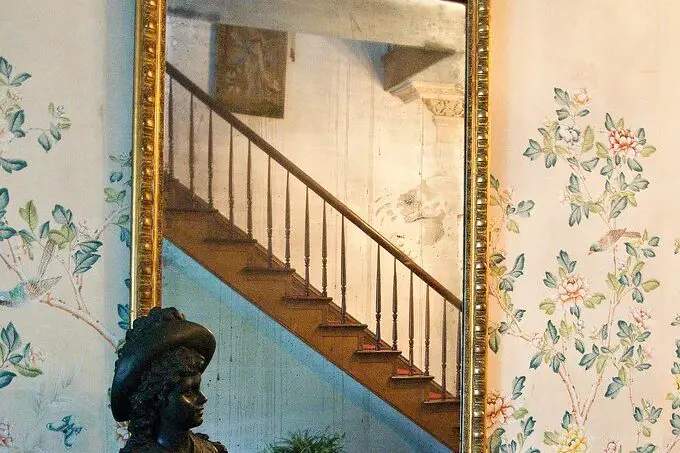
There is a belief in some traditions that mirrors should not be used once the sun sets. People say mirrors collect the energy of the day, and using them at night can release unsettling vibrations. Others claim your reflection becomes less “true” after dark and may show things you do not want to see. The superstition sometimes warns that spirits are more active after sunset and may appear in the glass. For many, the idea alone makes mirrors feel creepier when the lights are low.
People who follow the belief often avoid brushing hair or applying makeup in front of mirrors at night. Some turn mirrors toward the wall before bed to prevent any nighttime energy from escaping. Others hang small charms near mirrors to protect the household after dark. A few families even pass stories about eerie reflections caught late at night. Whether taken literally or symbolically, the superstition reinforces the idea that nighttime changes the way we interact with the world.
10. Antique Mirrors Hold Spirits

A common superstition says old mirrors can absorb the energy of the people who looked into them. Some believe antique mirrors hold traces of past owners’ emotions, memories, or even spirits. This creates the idea that buying an old mirror could bring unknown energy into the home. Many people avoid antique shops for this very reason. Others say they must cleanse old mirrors with salt or smoke before hanging them. It turns an everyday object into something mysterious.
Stories about haunted mirrors often come from homes where antique furniture was passed down. People say they feel watched or sense a shadow moving just behind them. Some describe nightmares starting after bringing an old mirror into the bedroom. Others swear they saw reflections that did not match their movements. These tales reinforce the superstition and make antique mirrors feel like living objects. Even skeptics admit they sometimes get chills around very old glass.
11. Mirrors Should Not Face Doors
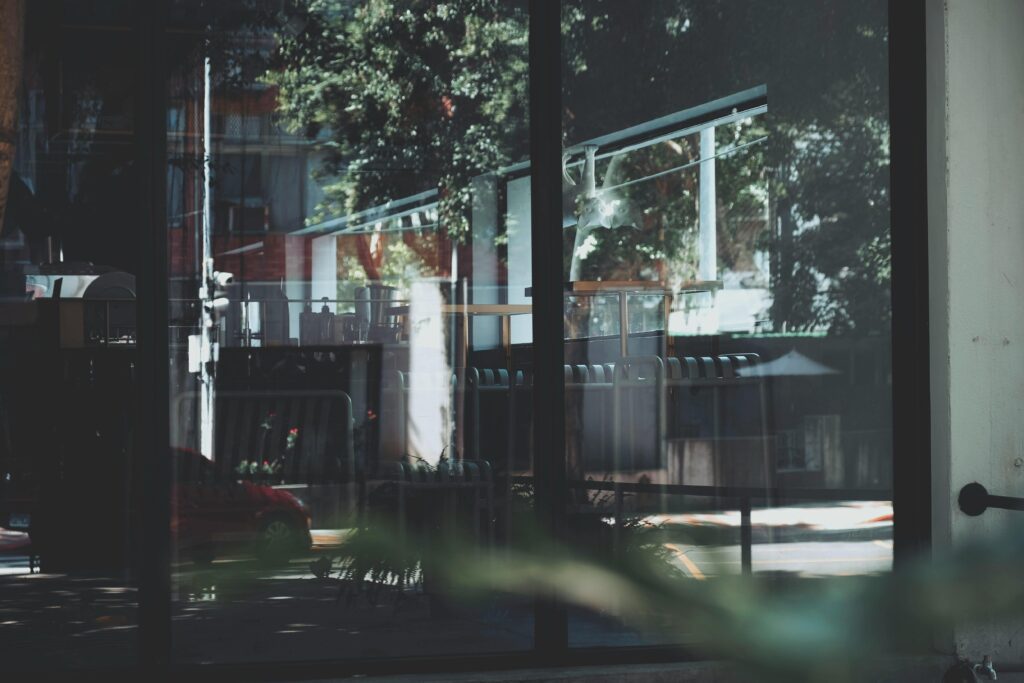
Feng Shui and related folk beliefs say mirrors should never face a front door. The idea is that good energy entering the home is immediately reflected back out. Some people think this keeps luck from settling into the household. Others say it confuses spirits, causing restless energy to circulate. This superstition makes people think about mirrors as more than just decorative items. They become important parts of the home’s spiritual layout.
Because of this belief, many families avoid placing mirrors near entryways. Others use curtains or screens to redirect the reflection. Some even choose smaller mirrors so their impact feels limited. A few people share stories of financial or emotional improvement after moving a mirror away from a door. Whether coincidence or tradition, the superstition influences how people design their homes. And it reinforces the idea that reflections carry power.
12. Mirrors Can Capture Your Dreams

Some folklore suggests that dreams linger briefly in your reflection when you look into a mirror after waking. People say the mirror can trap fragments of nightmares or memories that were meant to fade. This superstition warns against staring at yourself too soon after getting out of bed. Some believe it can bring bad dreams back to life throughout the day. Others claim it makes a person more vulnerable to spiritual interference. It turns morning routines into careful rituals.
Families who follow this habit often wait until they are fully awake before approaching a mirror. Some even splash water on their face first to “break” the connection between the dream and the reflection. Others place small protective charms near bathroom mirrors to keep lingering dreams away. While modern psychology offers different explanations for dream processing, the superstition offers a symbolic way to protect the mind. And because dreams already feel mysterious, the idea sticks.
13. Mirrors Should Never Be Used in Candlelight
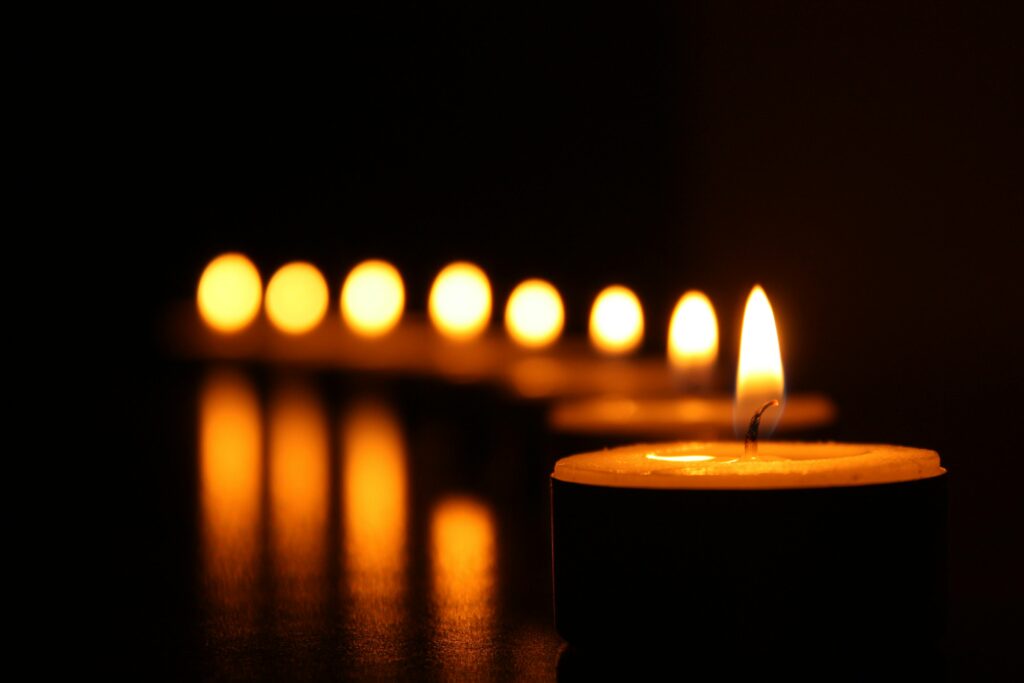
There is a superstition that mirrors become dangerous when used in candlelight. The flickering flames can distort reflections, and people once believed these shapes revealed spirits or omens. Some say candlelit mirrors show your “true” face, which may not be pleasant. Others claim spirits are drawn to dim reflections and can appear more easily. This makes mirror gazing by candlelight feel eerie even for those who do not believe. It is a superstition rooted in fear of the unknown.
Those who follow the belief avoid using vanity mirrors during power outages or ritual candles. Some families insist that candlelit mirrors reflect more than what is physically present. Others say the reflection becomes unstable and can affect a person’s mood. A few even tell stories about seeing unfamiliar faces flicker behind them. These experiences keep the tradition alive and make candlelit reflections feel risky. Even today, the combination of mirrors and dim light feels unsettling.
14. Two Mirrors Facing Each Other Invite Spirits
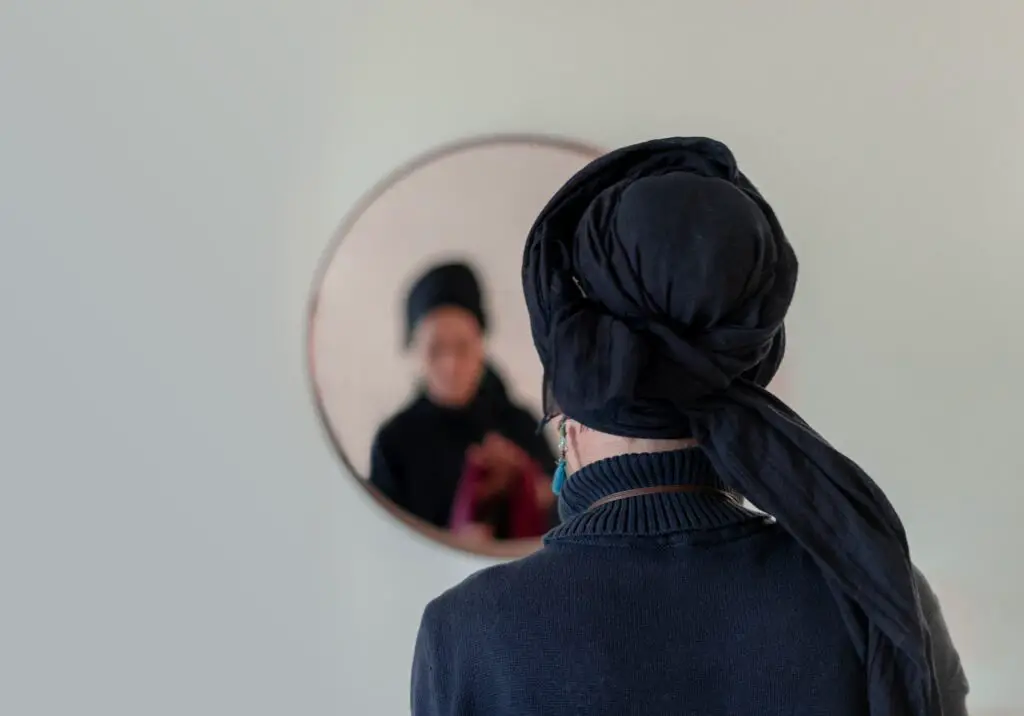
When two mirrors face each other, they create an infinite tunnel of reflections. While visually striking, many cultures see this setup as spiritually dangerous. Some believe the endless pathway invites spirits to travel through the repeated reflections. Others say it acts like a portal that never closes. This superstition makes people cautious about decorating with mirrored walls. It turns a simple design choice into something ominous.
People who follow the belief avoid arranging mirrors this way, especially in bedrooms or hallways. Some say the repeating reflections trap restless energy and cause anxiety or bad dreams. Others place charms or plants between the mirrors to break the “pathway.” A few even claim to have seen shadowy figures moving within the infinite tunnel. Whether or not these experiences are explainable, the superstition endures. And once you know about it, it is hard to look at facing mirrors the same way.