
1. Lucy’s Pregnancy on I Love Lucy
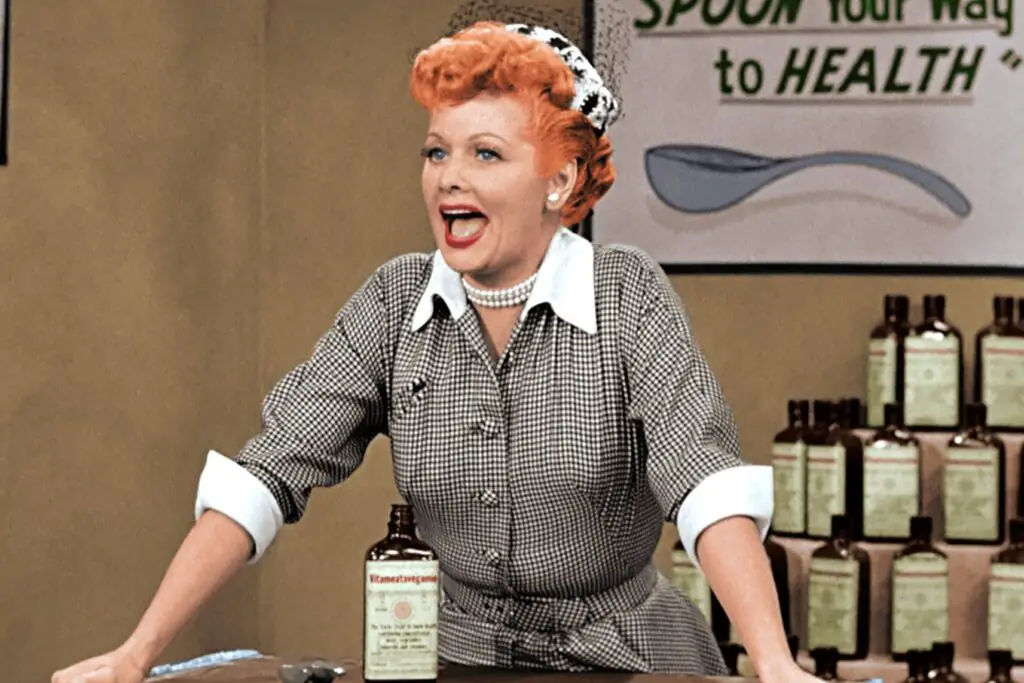
When I Love Lucy tackled Lucy Ricardo’s pregnancy in 1952, it was considered groundbreaking, but also tightly controlled. The word “pregnant” was actually banned from the script, so characters had to say she was “expecting.” Even showing a married couple sharing a bed was off-limits at the time. The episode still drew massive ratings, proving audiences were ready for more honest storytelling. But the network carefully monitored every line and visual detail to avoid offending sensibilities.
Today, the storyline itself would not be controversial, but the restrictions around it feel almost impossible to imagine. Modern shows routinely explore pregnancy with far more openness and realism. Back then, even acknowledging basic biology required delicate phrasing. It is less the story itself and more how constrained it was that would not translate today. That cautious handling reflects a very different era of television standards.
2. Edith’s Assault on All in the Family
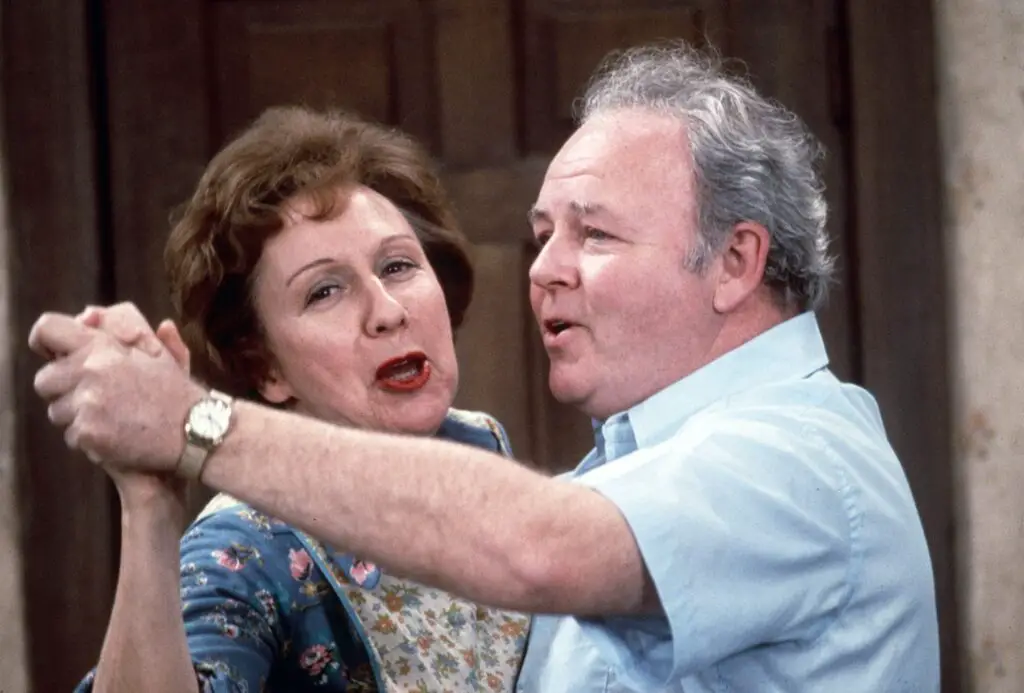
All in the Family pushed boundaries constantly, but one of its most difficult episodes involved Edith nearly being assaulted by a man posing as a police officer. The tone balanced tension with the show’s usual grounded realism, but it was still shocking for network TV in the ’70s. Jean Stapleton’s performance made the situation feel uncomfortably real. The episode aired with minimal warning compared to modern standards.
Today, a storyline like this would require extensive content advisories and likely a very different narrative framing. Modern audiences expect more sensitivity and clearer messaging around trauma. The episode’s straightforward presentation, without the kind of contextual framing used today, might draw criticism. It remains powerful, but it would likely be handled with far more caution now.
3. Sammy Davis Jr. Kisses Archie Bunker
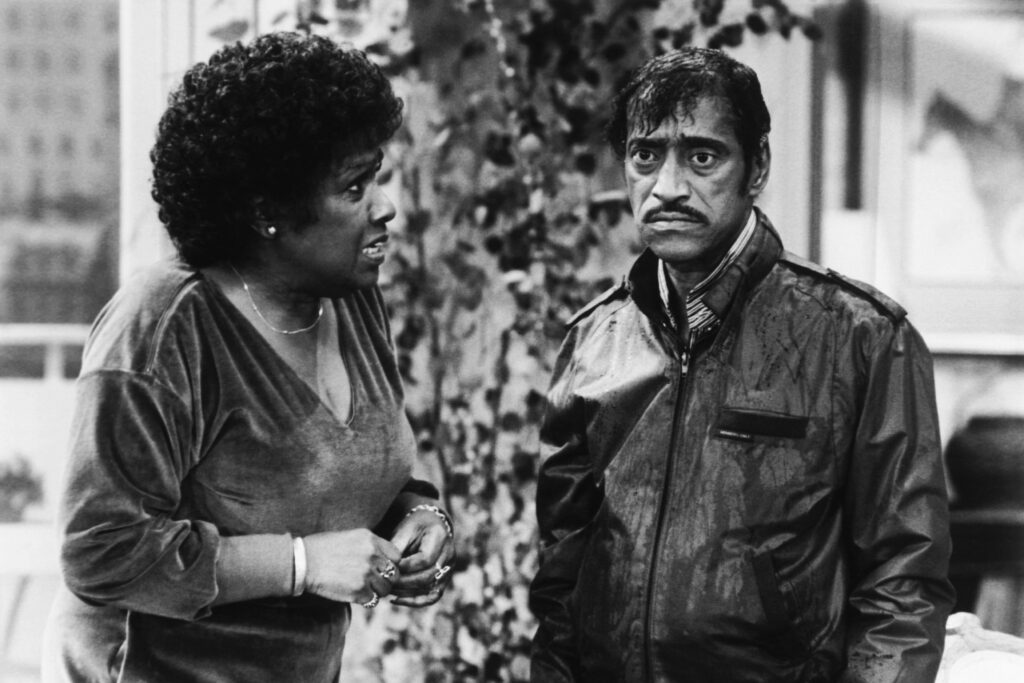
In a famous All in the Family episode, Sammy Davis Jr. surprises Archie with a kiss on the cheek. The moment was played for both humor and social commentary, highlighting Archie’s prejudice. It became one of the most talked-about scenes in sitcom history. The show used humor to confront racism in a way few others dared at the time.
Today, the scene itself might still work, but the surrounding dialogue could be more controversial. Archie’s language and attitudes were intentionally offensive to make a point, but modern audiences can be less tolerant of hearing that language, even in context. Writers now tend to approach similar themes with more nuance or different framing. The bluntness that made the scene memorable might also make it harder to air unchanged today.
4. The “Maude’s Dilemma” Abortion Episodes
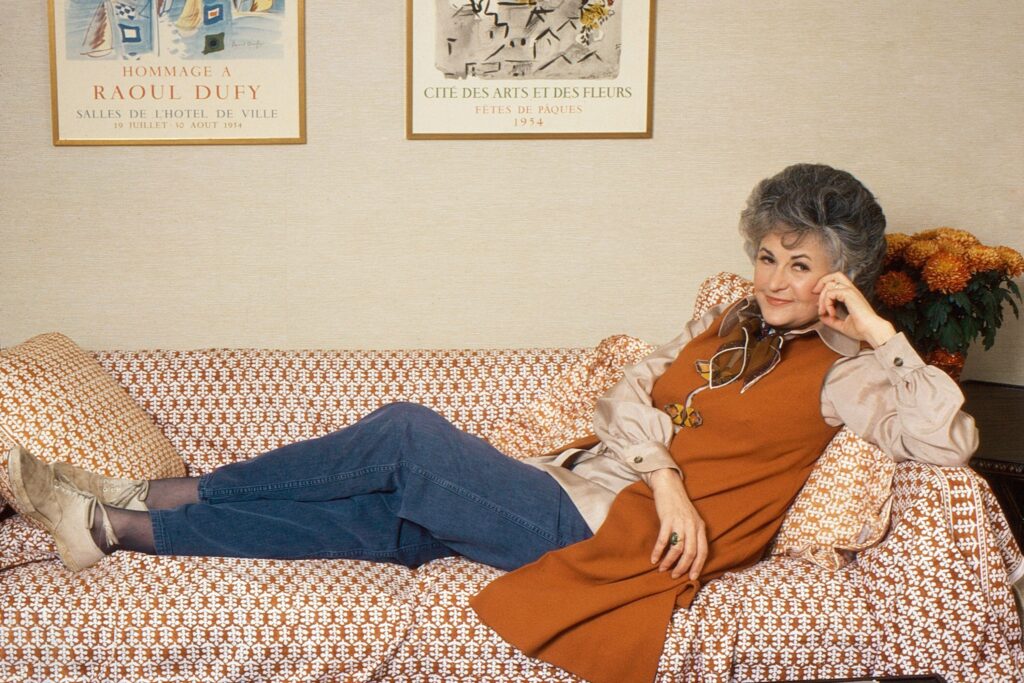
Maude aired a two-part storyline in which Maude decides to have an abortion, something almost unheard of on television at the time. Bea Arthur played the role with seriousness and conviction. The episodes sparked protests and intense public debate. Some stations even refused to air them.
Even now, abortion remains a highly sensitive topic on television. While it is addressed more openly today, network shows still approach it carefully. The directness of Maude’s decision, without softening or deflection, would likely face similar backlash. It is one of the clearest examples of television stepping directly into a cultural divide.
5. “The Bicycle Man” on Diff’rent Strokes
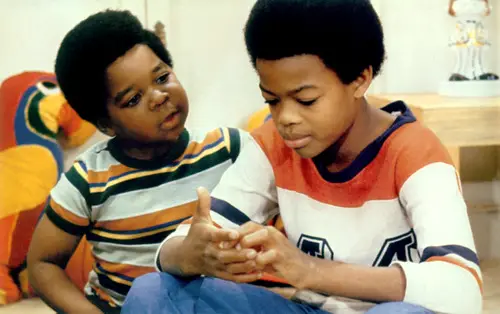
Diff’rent Strokes aired a two-part episode where a trusted adult attempts to groom Arnold and Dudley. It was introduced with a warning from Gary Coleman, which was unusual at the time. The storyline was intended as a cautionary tale for young viewers. It was serious, unsettling, and far removed from the show’s usual tone.
Today, this subject is still addressed, but typically with more careful writing and support resources included. The abrupt tonal shift and presentation might feel jarring to modern audiences. Current standards often require clearer educational framing and follow-up discussion. The episode was ahead of its time, but also handled in a way that might be reconsidered now.
6. The “Very Special Episode” Drug Storylines
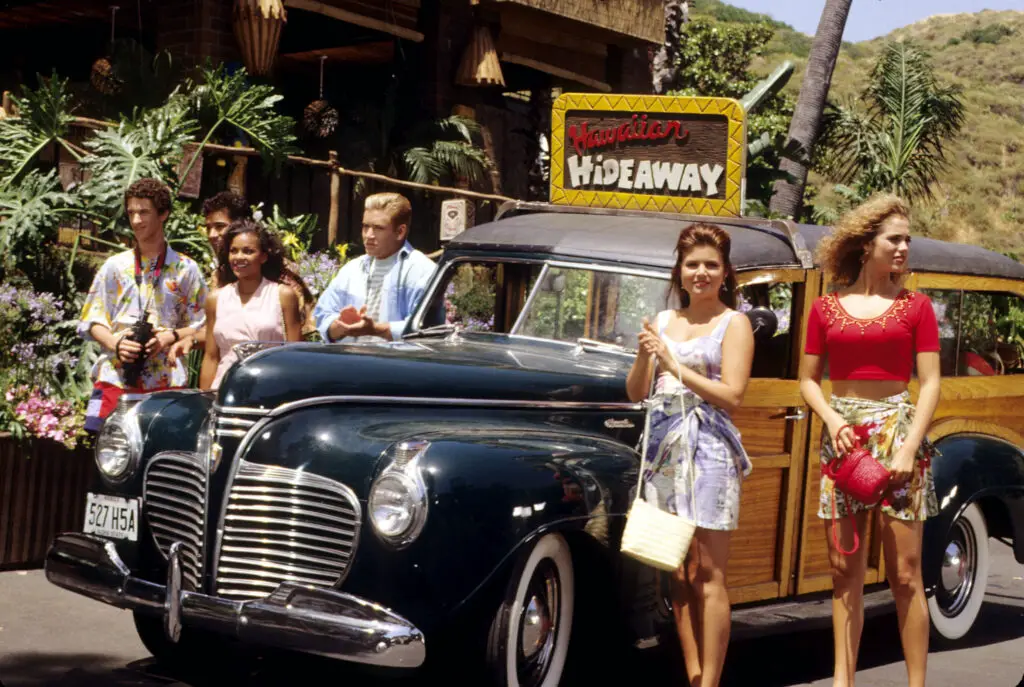
Throughout the ’70s and ’80s, shows like Saved by the Bell tackled drug use in what became known as “very special episodes.” One of the most famous involved Jessie becoming addicted to caffeine pills. The performance was intense, but the resolution was quick and simplified. These episodes often aimed to teach a lesson in a single half hour.
Today, substance abuse is typically portrayed with more complexity and realism. The simplified cause-and-effect storytelling might feel outdated or even misleading. Modern viewers expect longer arcs and more nuanced consequences. The format itself, where a serious issue is introduced and resolved quickly, would likely not be used in the same way.
7. Hawkeye’s Breakdown on M*A*S*H
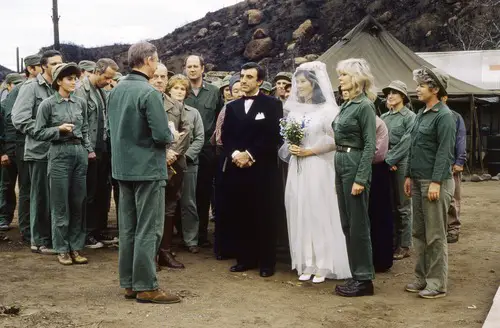
The finale of M*A*S*H revealed that Hawkeye had repressed a traumatic memory involving a mother smothering her baby to avoid detection. The story was initially framed differently before the truth came out. It was a deeply disturbing twist for a show known for balancing comedy and drama. Alan Alda’s performance made it one of the most unforgettable moments in TV history.
Today, that kind of reveal would still be powerful, but likely handled with more explicit content warnings. The sudden shift in tone and the severity of the subject matter could be seen as too abrupt. Modern storytelling often prepares audiences more gradually for such revelations. The scene remains effective, but its presentation would probably be adjusted.
8. The “Quiz Show Scandals” Depicted on TV
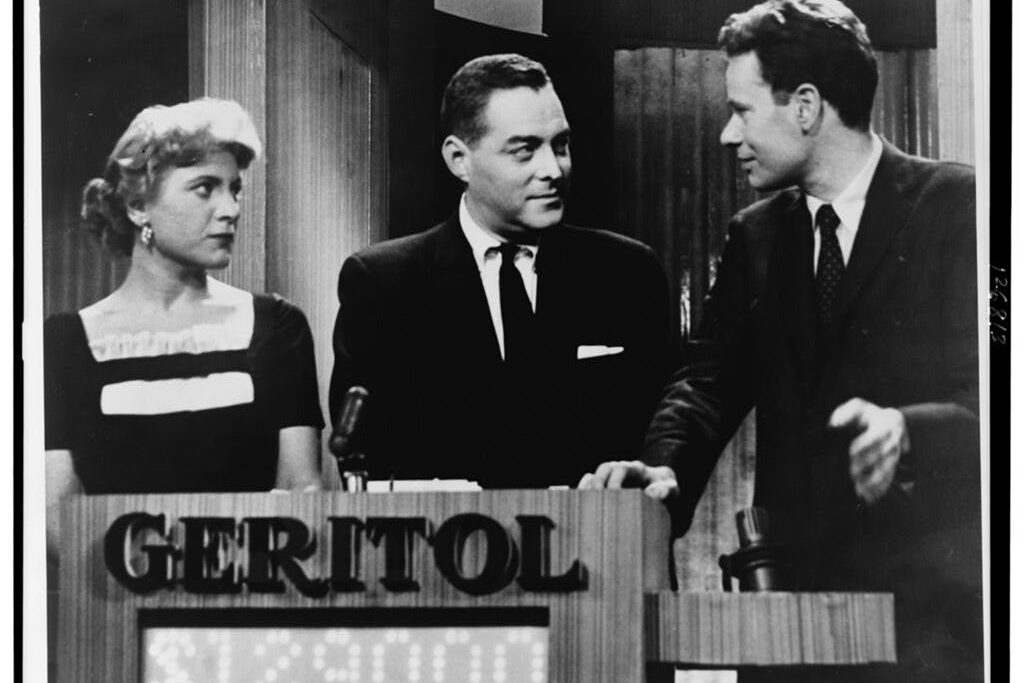
Early television didn’t just portray controversial stories, it lived them. Programs like Twenty-One were later revealed to have been rigged. Contestants were sometimes given answers or coached to create drama. When the truth came out, it led to congressional investigations. It changed how audiences viewed television entirely.
A scandal like that would be handled very differently today, with stricter regulations and transparency. While reality TV still blurs lines, outright deception on that level would not be tolerated. The idea that viewers were misled so directly would cause immediate backlash. It remains one of the most significant turning points in TV history.
9. Archie’s Use of Slurs on All in the Family
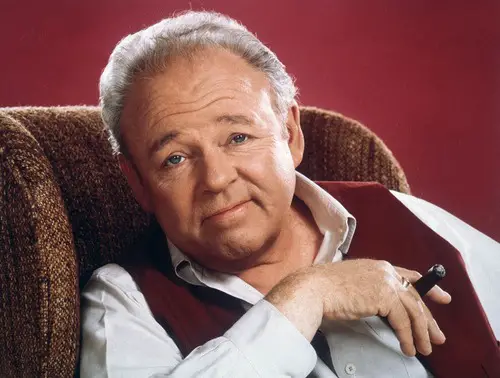
All in the Family frequently included offensive language as part of Archie Bunker’s character. The intent was to expose ignorance and prejudice, not endorse it. However, the words themselves were still spoken on network television. At the time, this was seen as bold and even necessary.
Today, even when used critically, such language is often avoided or heavily contextualized. Networks are more cautious about what is said outright. The balance between satire and offense is handled differently now. While the message might remain relevant, the delivery would likely change significantly.
10. The Klan Episode on The Dukes of Hazzard

The Dukes of Hazzard aired an episode involving a group resembling the Ku Klux Klan, referred to as the “Hooded Riders.” The show treated it as an action-adventure storyline rather than a deeply examined social issue. The Dukes ultimately defeat them, but the tone remained relatively light.
Today, portraying such a group would require a much more serious and nuanced approach. The casual framing would likely be criticized. Modern audiences expect historical and cultural sensitivity when addressing such topics. The episode reflects how differently television once handled serious subject matter.
11. Mental Health Portrayals in Early Sitcoms
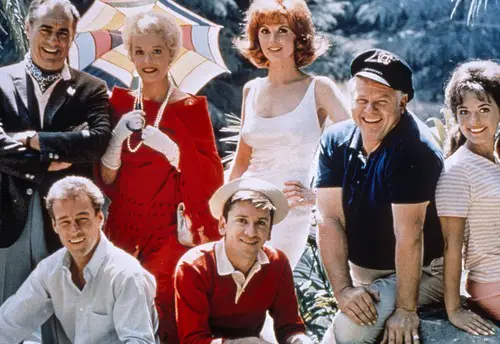
Shows like Gilligan’s Island often treated mental health issues as jokes or plot devices. Characters experiencing distress were played for laughs rather than explored with depth. This reflected broader cultural attitudes at the time. The humor rarely acknowledged real-world implications.
Today, mental health is treated with far more care and accuracy. Comedy still addresses it, but usually with a more informed perspective. The casual handling seen in earlier shows could be viewed as dismissive or harmful. That shift reflects a broader cultural change in understanding mental health.
12. Smoking as a Casual Habit on Screen

In many early shows, including The Twilight Zone, characters frequently smoked on screen without comment. It was presented as normal adult behavior. Sponsors even included tobacco companies in some cases. The health risks were not emphasized in the same way they are today.
Modern television rarely depicts smoking without context. When it appears, it is often tied to character traits or historical settings. The casual, unexamined presence of smoking would feel out of place now. Regulations and cultural attitudes have shifted significantly since then.
13. Domestic Discipline Storylines
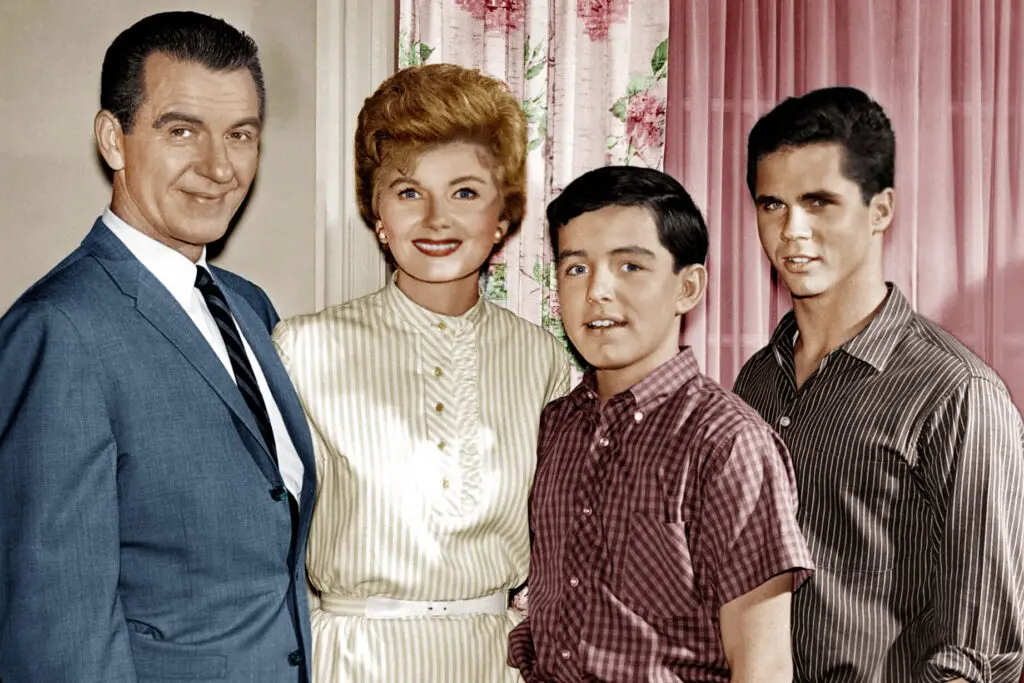
Older sitcoms sometimes included storylines where physical discipline of children was treated as acceptable. Shows like Leave It to Beaver reflected norms of the time. While not always shown explicitly, the implication was often present. It was rarely questioned within the narrative.
Today, such themes are approached very differently. Discussions around parenting tend to emphasize non-physical discipline. The normalization seen in earlier TV would likely be challenged. It highlights how societal expectations have evolved over time.
14. Gender Role Expectations in Bewitched
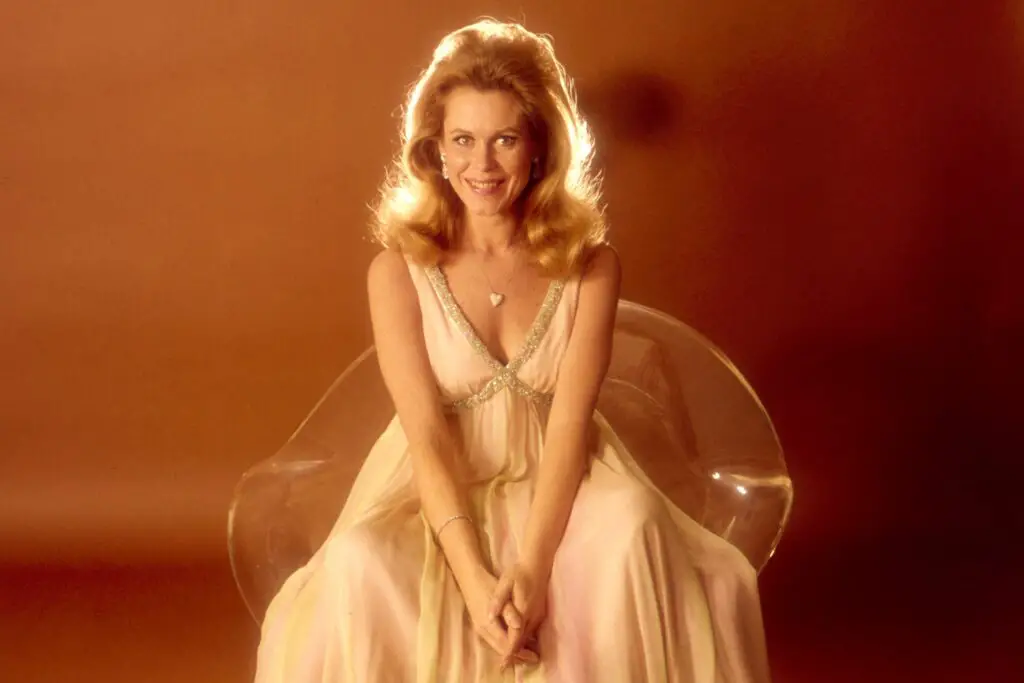
Bewitched often centered on Samantha trying to suppress her powers to fit into a traditional housewife role. While the show had feminist undertones, it still reinforced certain expectations. Darrin frequently insisted on maintaining a conventional household dynamic. This tension was a recurring theme.
Today, that dynamic might be framed more critically or subverted more clearly. Modern audiences often expect stronger agency for characters like Samantha. The premise itself would likely be interpreted differently. What once felt progressive now reads as more complicated.
15. Casual Workplace Harassment in The Mary Tyler Moore Show
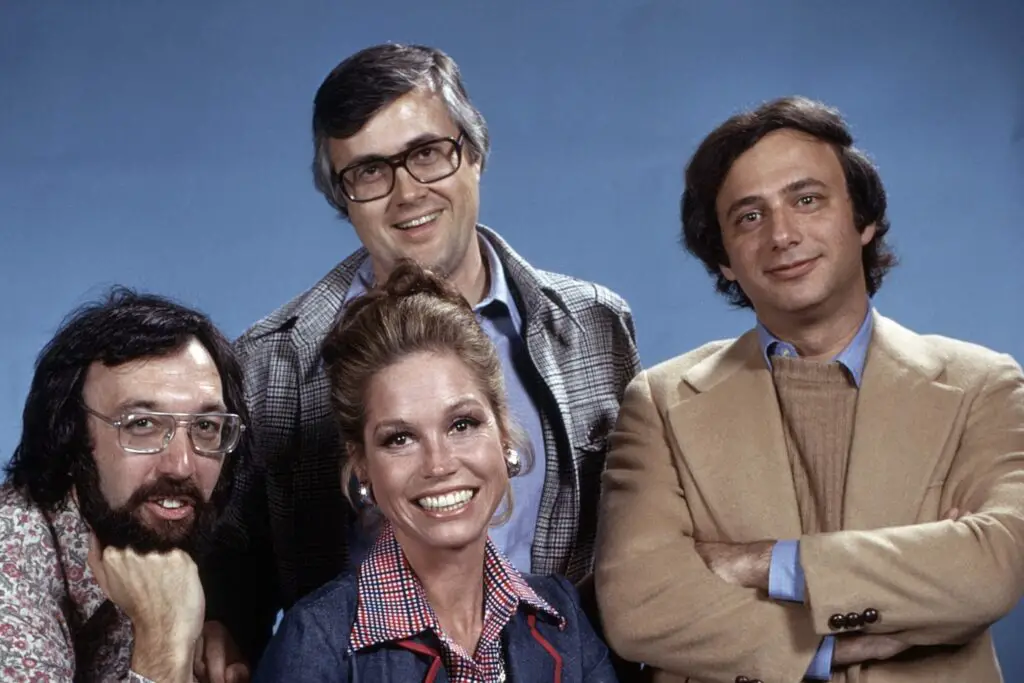
The Mary Tyler Moore Show was progressive in many ways, but it still included moments that reflected outdated workplace norms. Characters occasionally made comments that would now be considered inappropriate. These moments were usually played lightly rather than addressed directly.
Today, workplace dynamics are portrayed with greater awareness of boundaries. Even comedic shows tend to handle these situations more carefully. What once passed as harmless banter might now be scrutinized. It shows how workplace expectations have shifted over time.
16. Violence Played for Comedy in The Three Stooges
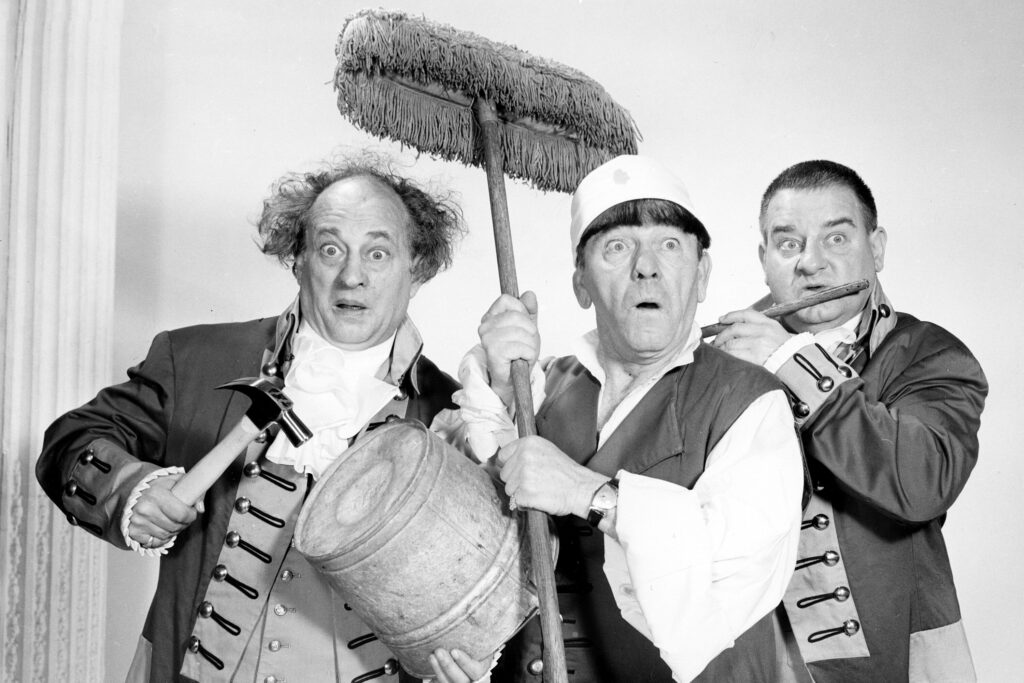
While technically predating television, The Three Stooges became a staple of early TV reruns. Their slapstick violence was exaggerated and constant, with eye pokes and head bonks as recurring gags. Audiences accepted it as harmless comedy. It became part of childhood viewing for many generations.
Today, that level of physical comedy might be reconsidered, especially in programming aimed at children. Concerns about imitation and messaging have changed how such content is evaluated. While slapstick still exists, it is often toned down or contextualized. The Stooges remain influential, but their style reflects a different era of entertainment.