
1. Reading a Paper Map Without Panicking

There was a time when unfolding a paper map was part of the adventure, not a crisis moment. People could trace routes with their fingers, spot landmarks, and adjust on the fly without a robotic voice telling them to reroute. Getting lost was frustrating, but it also built confidence and patience. You learned how towns connected instead of just following a blinking dot.
Today, most of us would struggle to orient a map north without a phone nearby. The skill wasn’t just about directions, it was about spatial awareness and problem solving. You had to think ahead and visualize where you were going. Now the map does the thinking for us, and we barely notice.
2. Writing a Proper Handwritten Letter
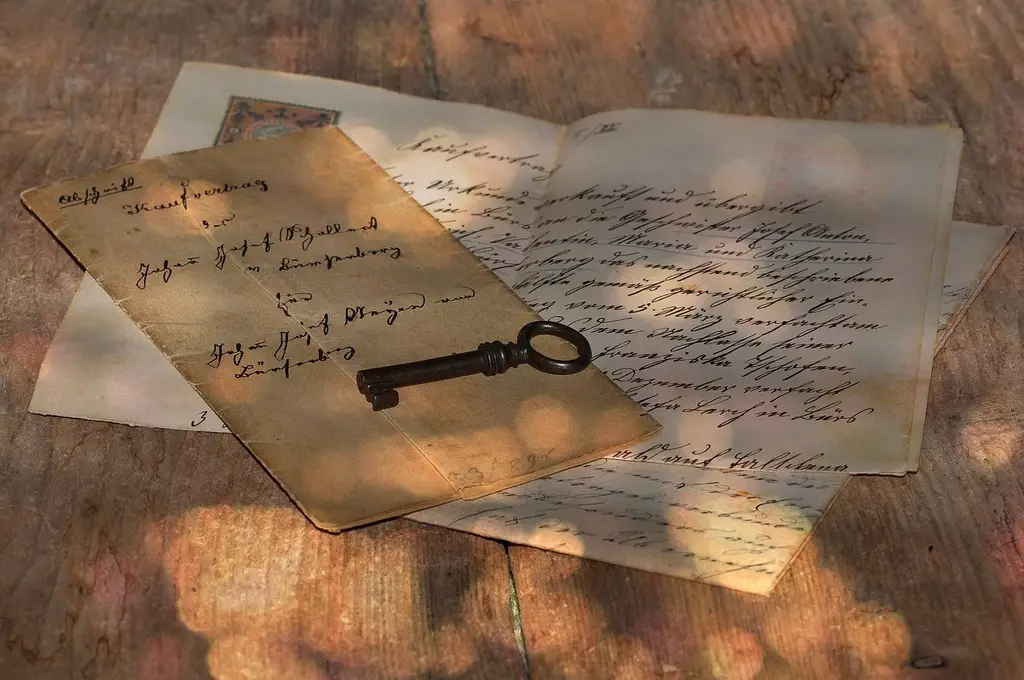
Handwritten letters once carried real weight and intention. You sat down, chose your words carefully, and committed them to paper knowing there was no delete key. Handwriting revealed personality, mood, and even how rushed someone was feeling. Opening an envelope felt personal in a way texts never quite manage.
Now most people rarely write more than a quick note by hand. Cursive is fading, and even printing feels awkward for some. The rhythm of writing slowed people down and made communication more thoughtful. Today everything is faster, but often less meaningful.
3. Memorizing Phone Numbers

People used to carry entire phone books in their heads without thinking twice. Family numbers, best friends, work contacts, all committed to memory through repetition. Dialing meant focus and accuracy because mistakes mattered. You learned numbers the way you learned birthdays or addresses.
Now phones remember everything for us, and most people can barely recall their own number. If a phone dies, panic sets in quickly. The skill wasn’t just memory, it was reliability. You were never stranded without a way to reach someone.
4. Fixing Small Household Problems

Loose cabinet hinges, leaky faucets, and jammed drawers were once handled without calling for help. People kept basic tools and had enough confidence to try fixing things themselves. Trial and error was normal, and mistakes were part of learning. You figured things out because there wasn’t always another option.
Today many people hesitate to touch anything mechanical. The fear of making it worse stops a lot of attempts before they start. Convenience replaced curiosity in many homes. As a result, small problems often become expensive ones.
5. Cooking Without a Recipe

Cooking used to be guided by instinct, taste, and whatever was already in the fridge. People knew how flavors worked together and adjusted meals as they went. Measurements were flexible and substitutions were normal. Dinner didn’t require a screen or step by step instructions.
Now many cooks rely heavily on exact recipes and videos. Deviating can feel intimidating instead of creative. The old skill encouraged confidence and adaptability in the kitchen. Without it, cooking can feel more stressful than satisfying.
6. Sewing a Button or Fixing a Hem
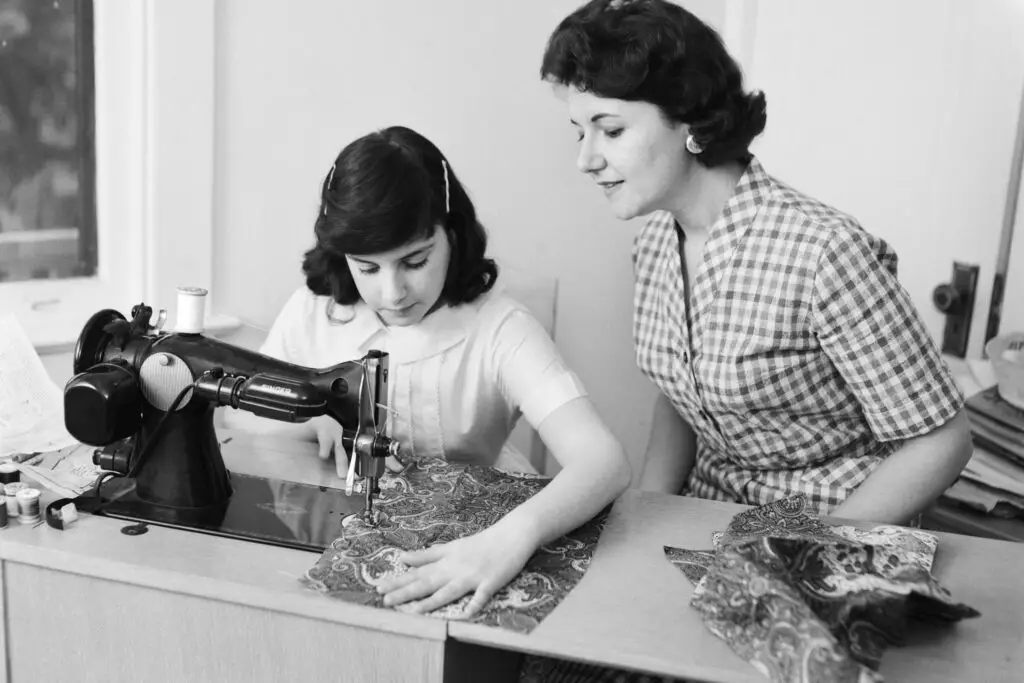
Knowing how to sew was once considered basic life knowledge. A loose button or torn seam didn’t mean a trip to the store. People kept sewing kits and used them regularly. Clothing lasted longer because repairs were expected.
Today many people would rather replace an item than repair it. Sewing feels mysterious or overly complicated to beginners. The skill saved money and reduced waste. Its disappearance quietly changed how disposable clothing became.
7. Talking to Strangers Comfortably

Casual conversation with strangers used to be common and easy. Waiting in line or sitting on a bus often led to small talk. People practiced reading social cues and responding naturally. These interactions built confidence and connection.
Now phones fill quiet moments that once invited conversation. Talking to someone new can feel awkward or intrusive. The skill required practice and a bit of courage. Without it, social comfort zones shrink.
8. Remembering Directions After Being Told Once

When someone gave directions, you listened carefully because that was all you got. You paid attention to landmarks and turns, repeating them in your head. Missing a step meant figuring it out yourself. The process sharpened listening skills.
Today directions are replayed endlessly by GPS. We stop actively listening because we know help is coming. The old skill encouraged focus and memory. Now we outsource both without realizing it.
9. Entertaining Yourself Without Screens

Boredom once led to creativity instead of scrolling. People found ways to pass time with imagination, observation, or simple activities. Daydreaming was normal and even encouraged. Quiet moments weren’t something to escape.
Now constant stimulation fills every pause. Being alone with your thoughts can feel uncomfortable. The skill of self entertainment built patience and creativity. Its loss shows in how restless downtime has become.
10. Balancing a Checkbook

Managing finances once meant carefully tracking every expense by hand. You knew exactly where your money went because you wrote it down. Math mattered, and mistakes had real consequences. It forced awareness and responsibility.
Now apps do the calculations instantly. Many people never fully see their spending habits. The skill encouraged accountability and planning. Without it, money can feel abstract and easy to ignore.
11. Using a Phone Book

Finding a number once meant flipping through thin pages and scanning tiny print. You learned alphabetical order quickly or struggled. The process required patience and attention. It also meant knowing what you were looking for before starting.
Today searching is instant and forgiving. Misspellings rarely matter anymore. The skill trained focus and persistence. Losing it made information feel effortless, but also less memorable.
12. Waiting Without Complaining
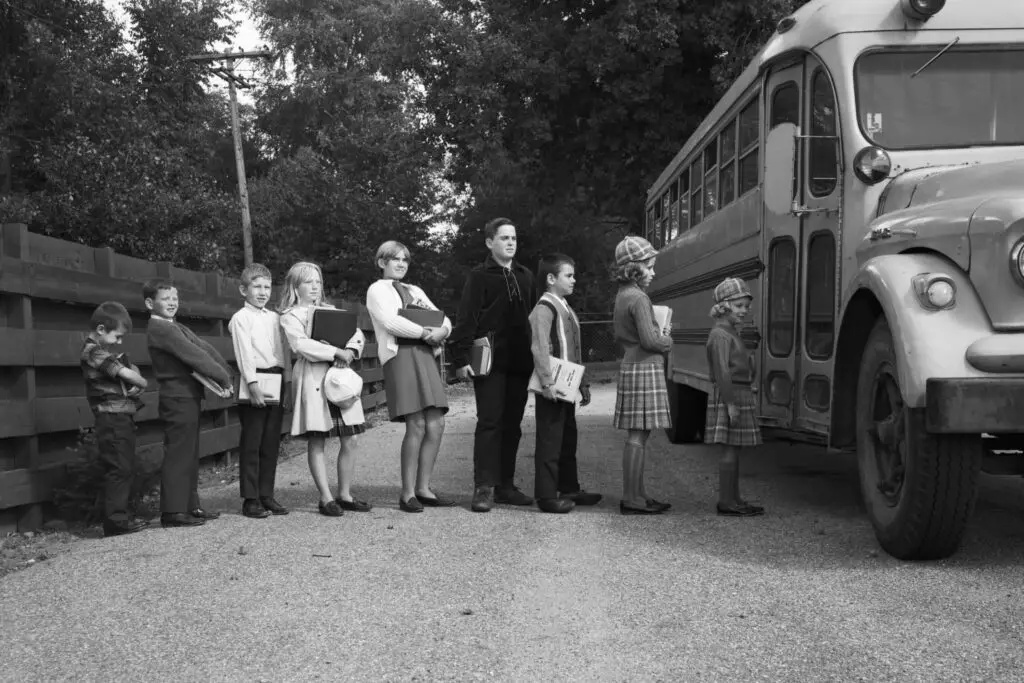
Waiting used to be unavoidable and expected. Long lines, delayed plans, and slow service were part of life. People adjusted, chatted, or simply endured. Patience was practiced daily.
Now waiting feels like a failure of the system. We expect instant results and get frustrated quickly. The skill helped regulate emotions and expectations. Without it, small delays feel much bigger than they are.
13. Learning by Watching and Copying

Many skills were once learned by observing others closely. You watched how someone worked, then tried it yourself. Instructions were minimal and experience mattered most. This approach built confidence through repetition.
Today we look for tutorials before attempting anything. Watching someone in person feels less common. The old skill encouraged initiative and adaptability. Its decline changed how people approach learning altogether.