
1. Independent Bookstores

There was a time when nearly every town had a cozy independent bookstore where the owner knew your name and your reading tastes. These shops often hosted author readings, book clubs, and community events that made them feel like gathering places rather than just retail spaces. Before big chains expanded in the ’90s, these smaller stores were the backbone of local literary culture. You could walk in and get a handwritten recommendation tucked into a shelf or have a real conversation about what to read next. It felt personal in a way that is hard to replicate.
Large chains like Barnes & Noble and Borders started to push many of these stores out, and then online retailers changed the landscape again. While some independent bookstores have made a comeback in recent years, they are far less common than they once were. Many towns that once had several now have none. The ones that remain tend to survive by leaning heavily into community events and curated selections. It is a different model from what used to exist on nearly every corner.
2. Travel Agencies
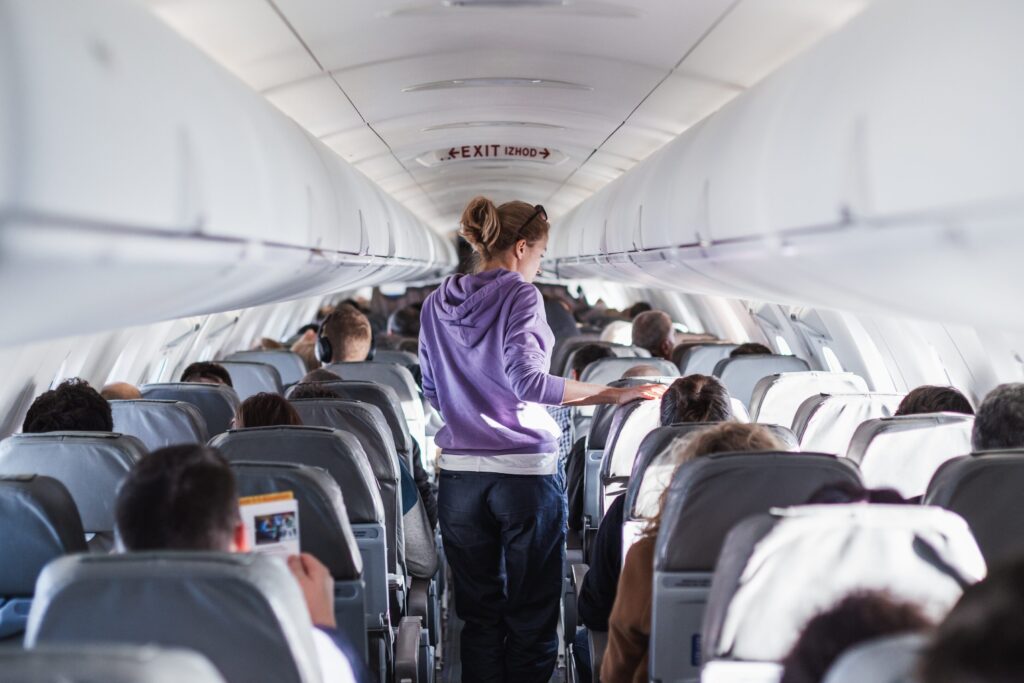
Before the internet, booking a trip meant sitting down with a travel agent who handled every detail for you. They arranged flights, hotels, rental cars, and even suggested itineraries based on your preferences. Travel agencies were especially common in malls and strip centers during the ’70s through the ’90s. People relied on their expertise because information was not as easily accessible. Planning a vacation felt more like a collaborative process than a solo task.
Online booking platforms dramatically reduced the need for in-person agents. Websites made it possible to compare prices and book everything yourself in minutes. Many travel agencies closed as a result, especially smaller independent ones. Some still exist today, but they tend to focus on luxury travel or complex itineraries. The everyday storefront agency is no longer something you see on every corner.
3. Photo Processing Shops

Dropping off a roll of film and waiting days to see how your pictures turned out used to be completely normal. Photo processing shops, including chains like Fotomat, were scattered across parking lots and shopping centers. You would fill out an envelope, send your film off, and hope for the best. There was always a bit of suspense, especially if you were not sure how the shots came out. It made photography feel a little more intentional.
Digital cameras and smartphones eliminated the need for film processing almost entirely. As soon as people could instantly view and store photos, the old system became outdated. Most of these shops disappeared by the mid-2000s. A few specialty labs still exist for enthusiasts, but the everyday drop-off kiosk is gone. It is one of those changes that happened quickly once technology caught up.
4. Record Stores
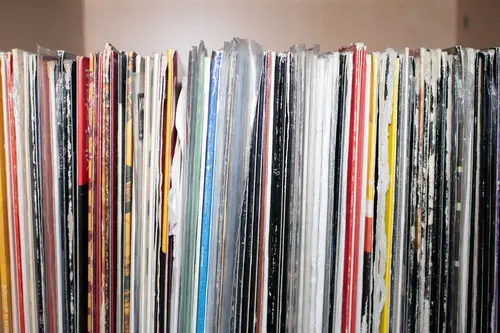
Record stores were once a central hub for music lovers, especially in the ’60s, ’70s, and ’80s. People spent hours flipping through vinyl, listening to albums, and discovering new artists. Staff often had deep knowledge and strong opinions, which shaped what customers bought. These stores were social spaces as much as retail ones. You did not just buy music, you experienced it.
The rise of CDs initially kept these stores alive, but digital downloads and streaming eventually took over. By the 2000s, many record stores had closed their doors. Vinyl has seen a resurgence, but the number of stores is still far smaller than it used to be. What was once a standard part of every neighborhood is now more of a niche destination. The culture around them has shifted as well.
5. Local Hardware Stores
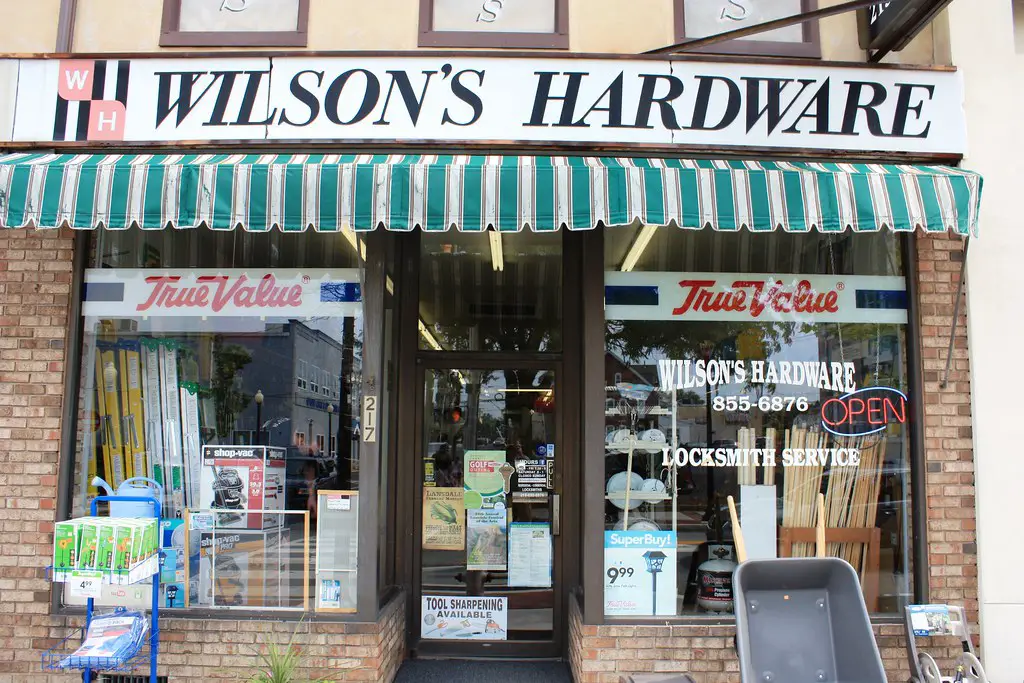
Small, family-owned hardware stores used to be everywhere, often run by people who knew exactly what you needed. You could walk in with a vague problem and leave with the right part and some advice. These shops were deeply tied to their communities and often served generations of the same families. The service was personal and practical. It was not unusual for the owner to recognize you on sight.
Big-box retailers like Home Depot and Lowe’s changed the industry significantly. Their scale and pricing made it difficult for smaller stores to compete. Many local hardware stores closed or were absorbed into larger chains. Some still survive, especially in smaller towns, but they are less common than they once were. The experience of getting hands-on help has also changed.
6. Neighborhood Shoe Repair Shops

Shoe repair shops used to be a regular sight, especially when people invested in well-made footwear. Cobblers could resole shoes, fix heels, and extend the life of items that would otherwise be thrown away. It was a practical service that made economic sense. People expected to repair things rather than replace them. These shops often operated quietly but steadily.
As fast fashion and cheaper footwear became more common, demand for repairs declined. It often became less expensive to buy new shoes than to fix old ones. Many cobblers closed as a result. Today, they still exist, but mostly in larger cities or specialty markets. They are no longer a standard neighborhood business.
7. Department Store Catalog Showrooms (Like Service Merchandise)
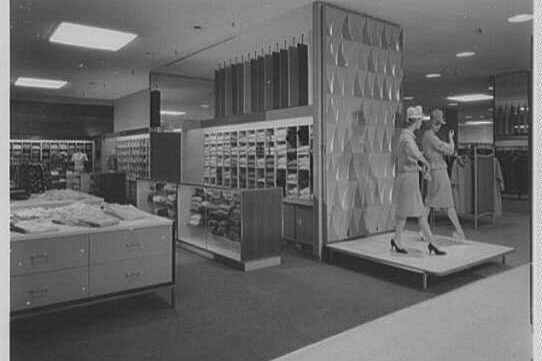
Before online shopping, some department stores operated as catalog showrooms where you browsed items on display and then placed an order to pick up at the counter. Chains like Service Merchandise were widely known for this model. It blended in-person browsing with a more controlled inventory system. Customers would fill out slips and wait for their items to be retrieved from the back. It was a unique shopping experience.
As traditional retail evolved and e-commerce emerged, this model became outdated. Customers increasingly expected immediate access to products rather than waiting for fulfillment. Most of these showroom-style stores closed by the early 2000s. The concept has largely disappeared from everyday retail. It feels like a precursor to modern online ordering.
8. Drive-In Movie Theaters
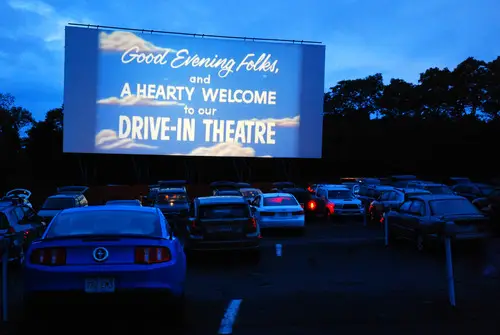
Drive-in theaters were once a staple of American entertainment, especially in the ’50s and ’60s. Families and couples would park their cars, tune in the audio, and watch movies under the stars. It was both a social outing and a cinematic experience. At their peak, there were thousands of drive-ins across the country. They were especially popular in suburban and rural areas.
Television, multiplex theaters, and later home video contributed to their decline. Rising land values also made it difficult to maintain large outdoor spaces. While some drive-ins still operate today, they are far fewer than they once were. Many people have never experienced one at all. What used to be a common night out is now more of a novelty.
9. Video Arcades
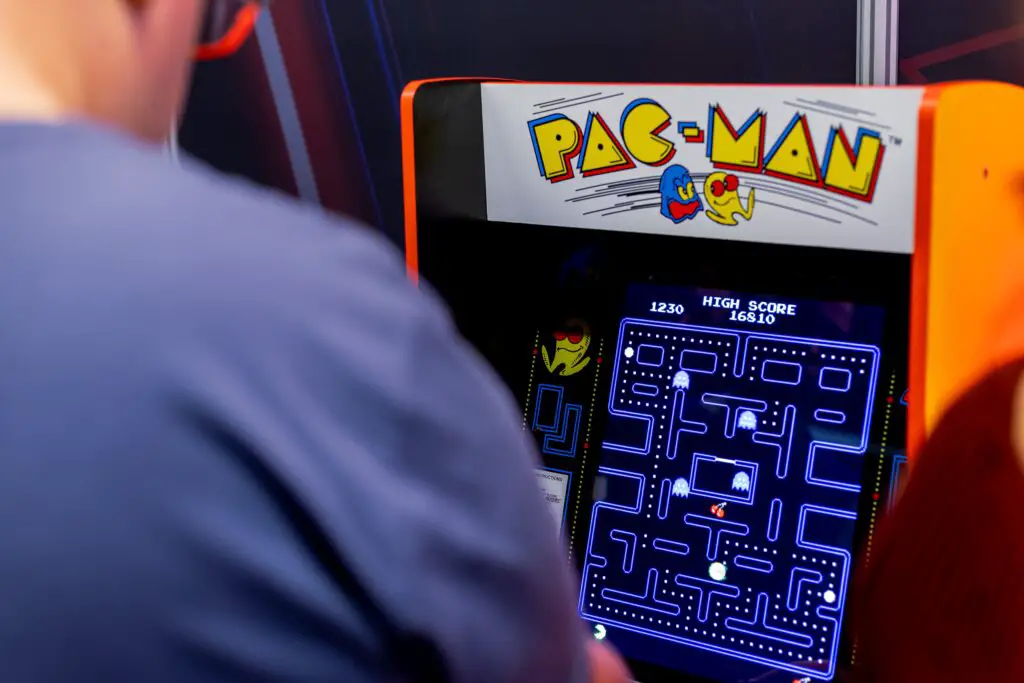
Arcades were once packed with people playing games like Pac-Man, Space Invaders, and Street Fighter. They were especially popular in the ’80s and early ’90s, often located in malls and entertainment centers. Kids and teens would gather with pockets full of quarters, competing for high scores. It was a shared, social gaming experience. The atmosphere was loud, colorful, and energetic.
Home gaming consoles gradually reduced the need for dedicated arcade spaces. As technology improved, people could get similar experiences at home. Many arcades closed or shifted into hybrid entertainment centers. A few still exist, often with a retro focus, but they are not nearly as widespread. The era of arcades on every corner has passed.
10. Mom-and-Pop Pharmacies
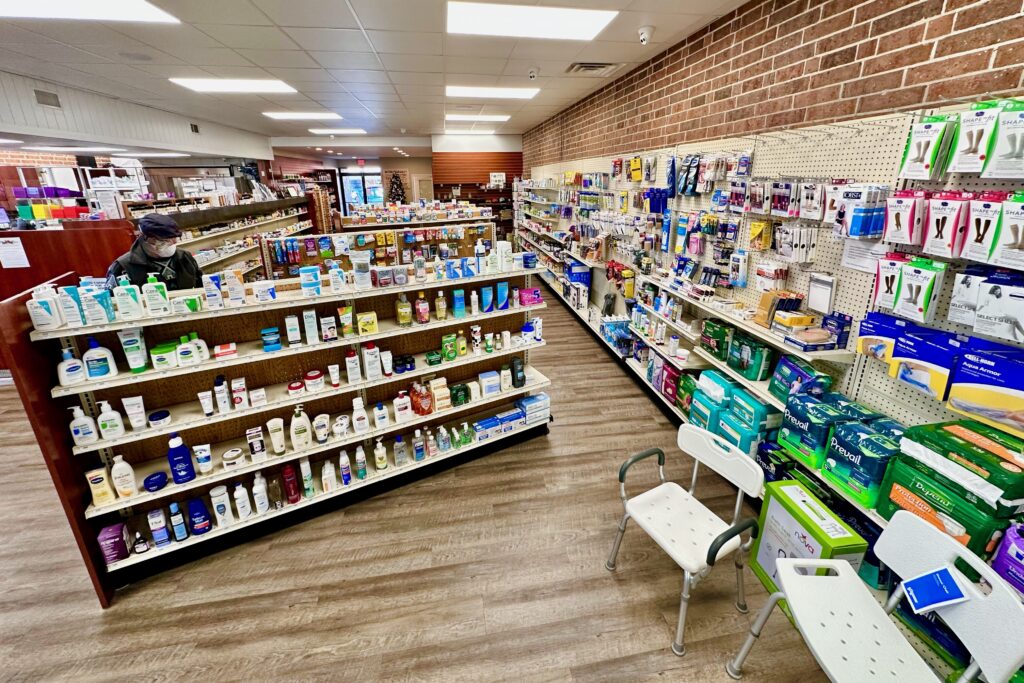
Independent pharmacies used to be a cornerstone of neighborhoods, often run by pharmacists who knew their customers personally. You could ask questions, get advice, and feel like more than just a transaction. These stores often carried a mix of prescriptions, over-the-counter items, and small household goods. They were convenient and familiar. Trust played a big role in their appeal.
Large chains like CVS and Walgreens expanded aggressively, offering longer hours and more locations. This made it difficult for smaller pharmacies to compete. Many closed or were acquired by larger companies. While some independent pharmacies still operate, they are much less common. The personal touch has largely been replaced by scale and efficiency.
11. Gas Station Service Garages
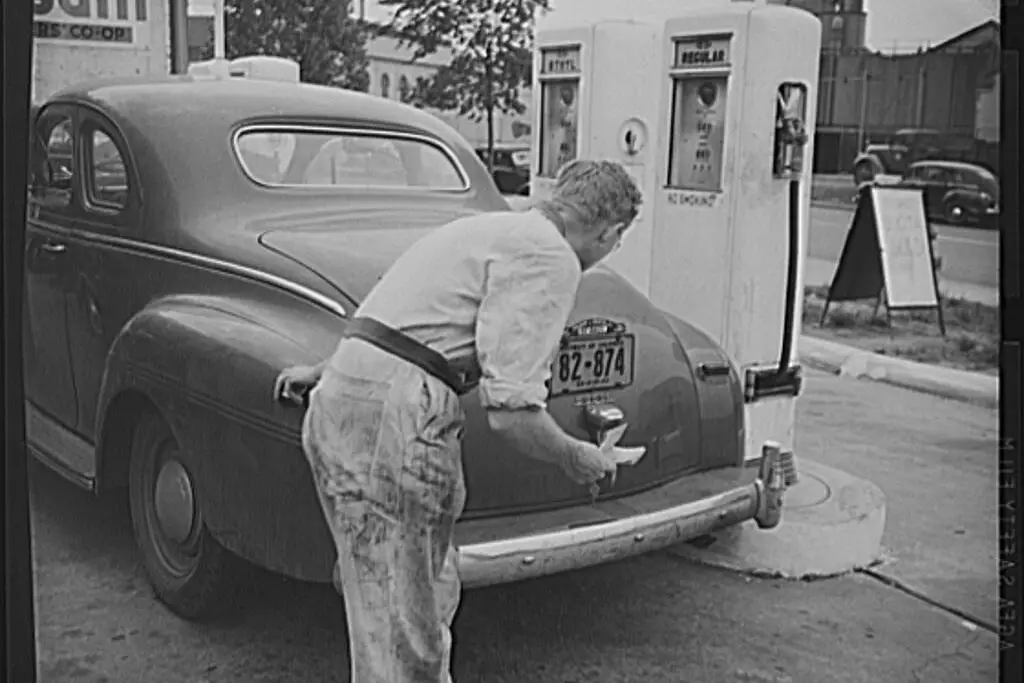
Gas stations used to offer full-service care, including pumping gas, checking oil, and performing basic repairs. Mechanics were often on-site, ready to fix minor issues or perform routine maintenance. It was a one-stop shop for both fuel and service. Customers did not even have to leave their cars in many cases. The model was built around convenience and expertise.
Self-service pumps and specialized auto repair shops gradually replaced this approach. It became more efficient for gas stations to focus solely on fuel and retail sales. Most service garages attached to stations disappeared over time. Today, full-service stations are rare and often considered a novelty. The shift reflects broader changes in how car maintenance is handled.
12. Typewriter Repair Shops
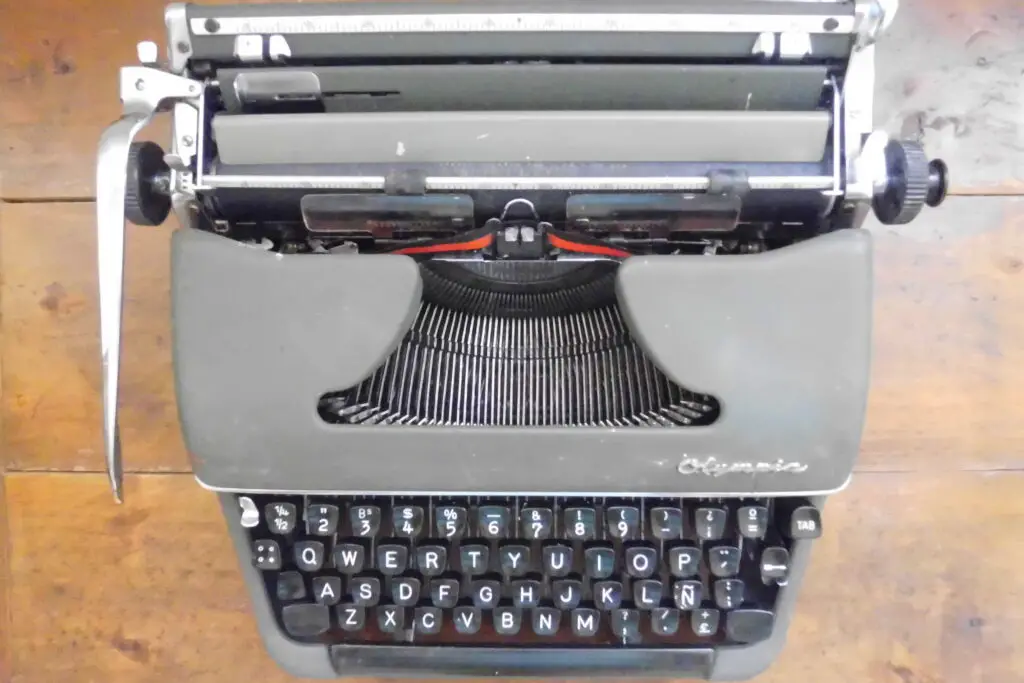
When typewriters were the primary tool for writing, repair shops were essential. These businesses fixed jams, replaced ribbons, and kept machines running smoothly. Offices, writers, and students all depended on them. Skilled technicians understood the mechanics in detail. It was a specialized trade that required precision.
The rise of personal computers in the ’80s and ’90s made typewriters largely obsolete. As demand declined, so did the need for repair services. Most of these shops closed, and the skill set became less common. A few specialists still exist for collectors and enthusiasts. For the general public, the business has effectively disappeared.
13. Mall-Based Camera Stores
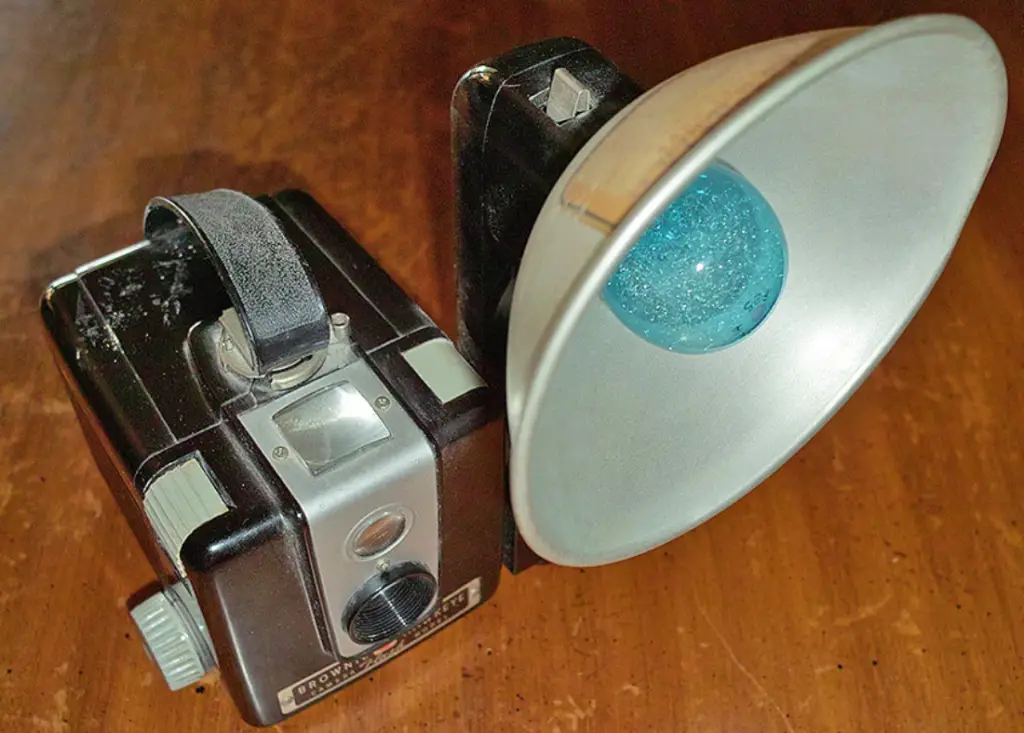
Camera stores in shopping malls were once a go-to destination for photography enthusiasts. They sold film, lenses, and equipment, and often provided advice on technique. Staff were typically knowledgeable and passionate about photography. These stores also handled photo development and printing. They played a central role in the hobby.
Digital photography changed the entire industry. As cameras became integrated into phones, the need for dedicated camera shops declined. Many mall-based stores closed, unable to compete with online retailers and changing consumer habits. Some specialty camera shops remain, but they are fewer and more focused. The mall presence has largely vanished.
14. Telephone Booth Enclosures

While payphones were common, enclosed telephone booths were once even more widespread, especially in cities. They offered a bit of privacy and protection from the elements. You could step inside, close the door, and make a call without distraction. They became iconic symbols of urban life. At one point, they were everywhere.
As mobile phones became standard, both payphones and their booths fell out of use. Many booths were removed entirely, while others were repurposed or preserved as curiosities. Maintenance and space considerations made them impractical to keep. Today, seeing one is unusual. They have shifted from necessity to nostalgia.
15. Neighborhood Laundromats with Attendants

Laundromats used to be more than just rows of machines, many had attendants who helped customers, handled issues, and even offered wash-and-fold services. They were especially common in urban areas and apartment-heavy neighborhoods. These spaces often became informal community hubs. People chatted while waiting for their clothes to finish. It was a routine part of daily life for many.
While laundromats still exist, fully staffed ones are less common. Automation and cost-cutting have reduced the need for on-site employees. Many locations now operate with minimal supervision. The shift has changed the atmosphere and level of service. What used to feel more personal now feels more transactional.
16. Newspaper Stands
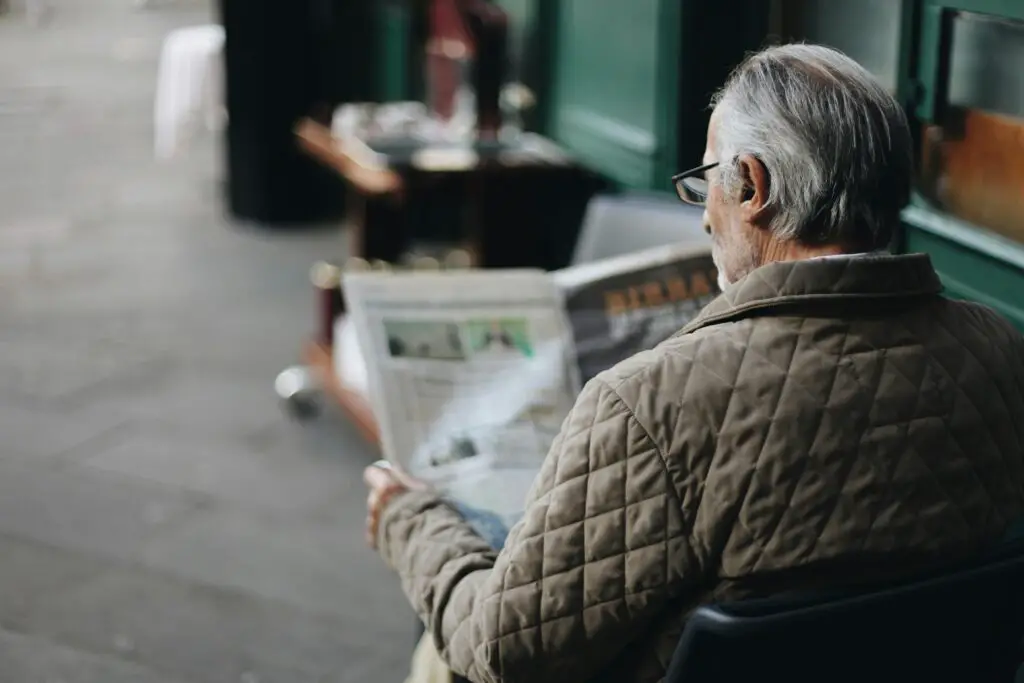
Newspaper stands were once a daily stop for people commuting to work or running errands. Vendors sold papers on busy corners, calling out headlines to passersby. It was one of the primary ways people stayed informed before digital news. Morning routines often included picking up a physical paper. The stands themselves became part of the urban landscape.
As news moved online, demand for print newspapers declined significantly. Many stands disappeared as circulation dropped. Some still exist in major cities, but they are far less common. The habit of buying a paper on the street has largely faded. It is another example of how quickly everyday routines can change.