
1. Don’t Sit in Dad’s Chair
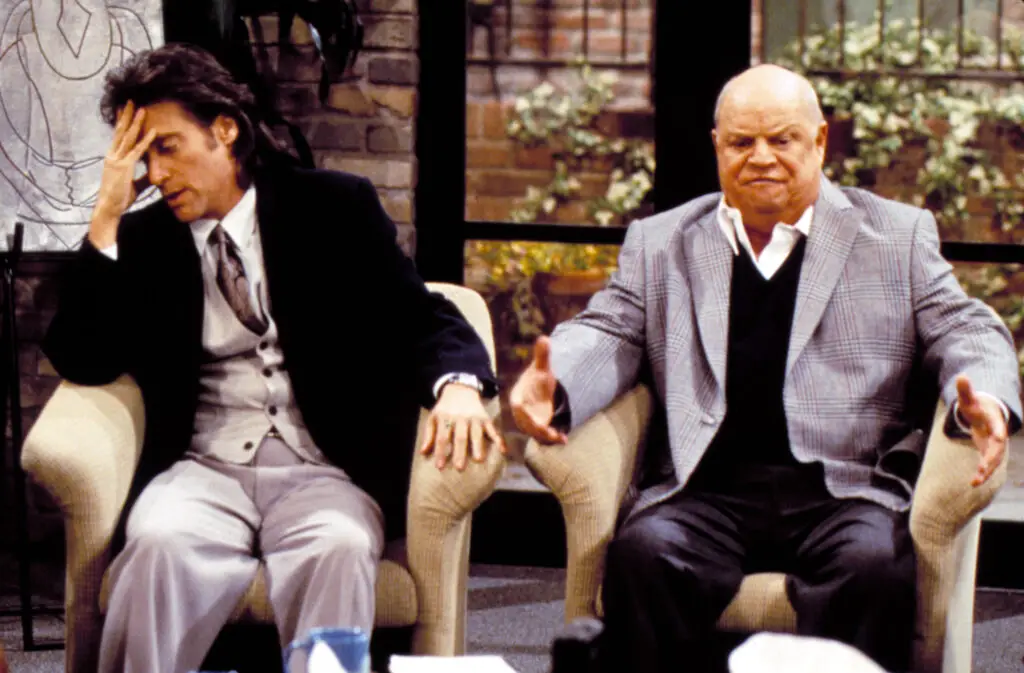
Every house seemed to have one sacred chair that belonged to Dad, even if nobody officially declared it off-limits. You just somehow knew not to take that seat when he wasn’t home, because it felt like tempting fate. If you did sit there, you probably jumped up the second you heard the car pull into the driveway. The chair held the best view of the TV, the perfect lamp light, and sometimes the remote tucked into the arm. It wasn’t about ownership as much as respect and routine. Kids learned quickly that some spaces carried invisible boundaries. Nobody explained the rule, but everyone followed it.
That chair became a symbol of hierarchy in the household without ever being framed that way. It quietly taught kids about personal territory and unspoken respect. Even guests sometimes sensed it and avoided sitting there, which always felt funny in hindsight. Years later, many adults laugh when they realize they now have “their” chair too. It’s one of those habits that sneaks into adulthood without permission. The rule wasn’t written anywhere, but it stuck for generations.
2. Don’t Start Eating Until Everyone Is Seated

Plates could be steaming hot and stomachs could be growling, but no one touched a fork until everyone was at the table. You might hover your hand over your food, waiting for the last person to sit down. Sometimes a parent would say, “Go ahead,” but often nobody needed to say anything at all. It was simply understood that eating together mattered. Even kids learned patience in those quiet few seconds. The meal felt more official once everyone was present. It was less about manners and more about togetherness.
That pause before eating created a small shared ritual that made ordinary dinners feel connected. It subtly reinforced the idea that family time came before individual hunger. When someone broke the rule, it stood out immediately. You could almost feel the room notice. Many adults still feel slightly uncomfortable starting a meal alone because of this habit. It’s a tiny social conditioning that follows people into restaurants and work lunches. The rule quietly shaped how people approach shared spaces and meals.
3. Don’t Interrupt Adults When They’re Talking

Kids learned quickly that adult conversations carried invisible walls. You waited for a pause, raised a hand, or hovered awkwardly nearby until someone noticed you. Blurting something out usually earned a look or a gentle reminder to wait your turn. Even if the topic sounded boring, the rule stayed firm. It taught kids patience and awareness of social cues early on. You learned to read tone, body language, and timing without realizing it. Interrupting felt like breaking a serious code.
This unspoken rule shaped how many people communicate as adults. It trained listening skills long before anyone called them that. Some kids mastered the art of quietly sliding into a conversation at just the right moment. Others learned to hold their thoughts until invited. It also created a clear line between adult space and kid space in the household. Looking back, it explains why many people still hesitate before speaking up in group conversations. That invisible boundary stayed lodged in muscle memory.
4. Don’t Talk About Money in Front of Guests

Money conversations stayed behind closed doors or after company left. Kids knew not to mention bills, budgets, or anything that hinted at financial stress. Even excitement about a new purchase sometimes got toned down when guests were around. It wasn’t about secrecy as much as privacy and politeness. Families treated money as personal business that didn’t belong in casual conversation. You learned early that some topics stayed off the table. Nobody spelled it out, but everyone sensed the boundary.
This rule shaped how people approach financial conversations as adults. Many still feel uncomfortable discussing salaries or expenses openly. It reinforced the idea that money talk could be awkward or impolite in social settings. While that mindset is slowly shifting, the old instinct still lingers for a lot of people. You might still lower your voice when discussing prices or payments. That early conditioning sticks in subtle ways. It’s one of those quiet social rules that travels from childhood straight into adulthood.
5. Don’t Open the Fridge Just to Stare

Opening the fridge without a clear purpose felt like a minor offense. Someone would inevitably call out, “What are you looking for?” from across the room. The fridge door wasn’t meant to hang open while you thought about your options. It was about saving energy, keeping food cold, and avoiding waste, even if no one explained it that way. Kids learned to decide what they wanted before opening the door. Lingering too long felt like breaking an invisible rule. The refrigerator became a surprisingly regulated space.
That small habit quietly trained efficiency and awareness. It also taught kids to be mindful of shared resources. Many adults still catch themselves closing the fridge quickly out of reflex. Even when living alone, the instinct remains. It’s funny how such a small household rule can become automatic behavior decades later. The fridge almost feels like it deserves respect. That quiet discipline followed people straight into their own kitchens.
6. Don’t Wear Shoes Through the House
Some families treated shoes indoors like a serious offense, even if there was no posted rule. You kicked them off at the door without thinking. Dirt, snow, and mud were not invited inside. Even guests often picked up on the cue and followed suit. The floor was considered a clean zone, especially if kids played on it. You learned quickly where the shoe pile belonged. Nobody needed to lecture you.
This habit shaped how people define comfort and cleanliness in their homes. Many adults still feel uneasy walking across carpet with shoes on. It also created a sense of home being a protected space. The act of removing shoes became a small transition from outside life to inside life. Even apartments and dorm rooms often carried the same rule out of habit. It’s one of those customs that feels natural once you grow up with it. The rule quietly sticks for life.
7. Don’t Call Adults by Their First Names

Kids addressed grown-ups as “Mr.” or “Mrs.” even if they heard adults use first names casually. It felt strange and almost disrespectful to say a first name directly. You waited for explicit permission before switching, and even then it could feel uncomfortable. The rule reinforced a sense of hierarchy and formality. Respect came baked into everyday language. Kids absorbed it without questioning much.
That early training often sticks well into adulthood. Some people still hesitate to use first names with authority figures or older neighbors. It shaped how politeness and respect were expressed verbally. Even in more relaxed environments, the instinct sometimes lingers. The rule also taught boundaries between generations. It subtly reinforced social structure inside families and communities. Those habits can be hard to unlearn.
8. Don’t Answer the Phone Unless You’re Told To

Landline phones came with their own unspoken etiquette. Kids rarely answered unless a parent specifically asked them to. There was a sense that phone calls were adult business. Picking up without permission felt like crossing a line. You might run to get a parent instead of answering yourself. The ringing phone carried a certain seriousness. It wasn’t treated casually the way phones are today.
That rule created respect for privacy and boundaries around communication. It also trained kids to be cautious about interacting with unknown callers. Many adults still feel a slight tension when answering unfamiliar numbers. The habit of screening calls has deep roots. Even now, some people hesitate before picking up their phone. That early conditioning quietly shaped communication comfort levels.
9. Don’t Sit on the Plastic-Covered Furniture

Plastic-covered couches and chairs were treated like museum exhibits. You were allowed to sit, but carefully and usually only on special occasions. The plastic stuck to your legs in summer and made a crinkly sound every time you moved. Kids learned not to jump, bounce, or roughhouse on those pieces. They existed to stay perfect, not necessarily to be comfortable. Everyone understood the rule without explanation.
That furniture taught kids about preservation and respect for household investments. It also introduced the idea that some things were meant to last, not just be used freely. Many adults now laugh about how untouchable those couches felt. The memory sticks because it was so sensory and specific. It shaped how people treat “nice” things later in life. The rule lived quietly but firmly in many homes.
10. Don’t Air Family Problems Outside the House

Family issues stayed inside the family. Kids learned not to talk about arguments, finances, or conflicts with friends or neighbors. It wasn’t framed as secrecy so much as loyalty and privacy. You instinctively filtered what you shared. Some topics simply didn’t leave the house. Even casual oversharing felt wrong.
That rule shaped how people manage personal boundaries as adults. Many still struggle to open up about personal challenges. It created a strong sense of internal family identity. While privacy has its benefits, it sometimes made emotional expression harder later on. The instinct to keep things contained can be deeply ingrained. It’s one of the more powerful unspoken rules families passed down.
11. Don’t Touch the Thermostat

The thermostat might as well have been locked behind glass. Kids knew not to adjust it without permission. Even glancing at it too long felt suspicious. Temperature control belonged to the adults who paid the bills. You learned to grab a sweater or open a window instead of touching the dial. The rule was enforced more by looks than words.
That early boundary taught respect for shared resources and authority. Many adults still hesitate before adjusting thermostats in shared spaces. It created awareness of energy use long before environmental conversations became mainstream. The thermostat became symbolic of household control. Even now, people joke about it because the rule was so universal. The habit remains surprisingly strong.
12. Don’t Waste Food

Cleaning your plate wasn’t optional in many households. Leftovers were saved, reused, and respected. Throwing food away felt almost wrong. Kids learned to take smaller portions rather than waste. The rule often came with stories about scarcity or hard times. Even picky eaters felt the pressure.
That mindset carries into adulthood in subtle ways. Many people still feel guilty throwing food away, even when it’s reasonable. It encourages planning and mindful consumption. It also shapes grocery habits and portion control. The emotional connection to food waste runs deep. That quiet rule continues influencing behavior long after childhood.
13. Don’t Talk Back to Adults

Disagreeing openly with adults was often seen as disrespectful. Kids learned to keep their opinions toned down. Even when you felt strongly, you chose your words carefully or stayed silent. Respect meant compliance more than debate. You absorbed the rule through reactions rather than instructions. Tone mattered just as much as content.
That conditioning shaped communication styles later in life. Some adults still struggle with assertiveness or conflict. It trained people to prioritize harmony over confrontation. While it kept peace in the household, it sometimes limited self-expression. The rule quietly shaped interpersonal dynamics long-term. Those habits can take years to unlearn.
14. Don’t Leave Lights On in Empty Rooms

Someone always seemed to notice when a light was left on. You’d hear reminders echo through the house. Turning off lights became automatic muscle memory. It wasn’t framed as environmentalism yet, but practicality and cost mattered. Kids learned responsibility through tiny daily actions. Forgetting once usually fixed the habit forever.
That rule still lives strongly in many adults. People instinctively turn off lights even in unfamiliar spaces. It trained awareness of energy use without formal lessons. The habit becomes almost reflexive. It also reinforced shared responsibility in the household. Small rules often leave the strongest imprints.
15. Don’t Wake Sleeping Adults Unless It’s Important

Kids learned quickly not to disturb a sleeping adult unless absolutely necessary. Tiptoeing became an art form. You whispered, closed doors gently, and avoided noisy toys. Sleep was treated as sacred time. Even small sounds felt risky. You learned situational awareness early.
That rule created respect for rest and boundaries. Many adults now feel protective of their own sleep for the same reason. It also trained kids to be considerate of others’ needs. The instinct to move quietly around sleeping people sticks around. It’s a small rule with lasting behavioral impact. The habit feels natural long after childhood ends.