
1. Waiting 30 Minutes After Eating to Swim

Most of us grew up hearing that you had to wait half an hour after eating before getting into a pool. Parents and lifeguards repeated it like it was a law of nature. Very few people ever questioned where the idea came from. It simply became one of those warnings that sounded official enough to follow.
The rule was supposed to prevent cramps or sudden danger in the water. In reality, the science behind it has always been shaky at best. Still, generations of kids sat on towels watching the clock because of it. Even today, plenty of adults hesitate to jump in right after lunch.
2. Never Wearing White After Labor Day

Somewhere along the line, everyone learned that white clothing had an expiration date. Once Labor Day passed, white shoes and pants were quietly retired until spring. Nobody really explained the reasoning behind it. It was just accepted as a firm fashion boundary.
The tradition likely came from old social customs about seasonal fabrics. Wealthy families once used color to signal the change of summer and fall. Over time, the idea trickled down to ordinary people. Now many follow it out of habit more than belief.
3. Saying “Bless You” After a Sneeze

From childhood, we are trained to respond instantly when someone sneezes. The phrase comes out automatically, even among strangers. Most people never stop to wonder why sneezing requires a verbal reaction. It just feels rude to stay silent.
The custom has roots in ancient superstitions about spirits and health. Long ago, people believed a sneeze left the body vulnerable. Wishing a blessing was meant as protection. Today it remains a polite reflex with no real explanation.
4. Standing Up for the National Anthem
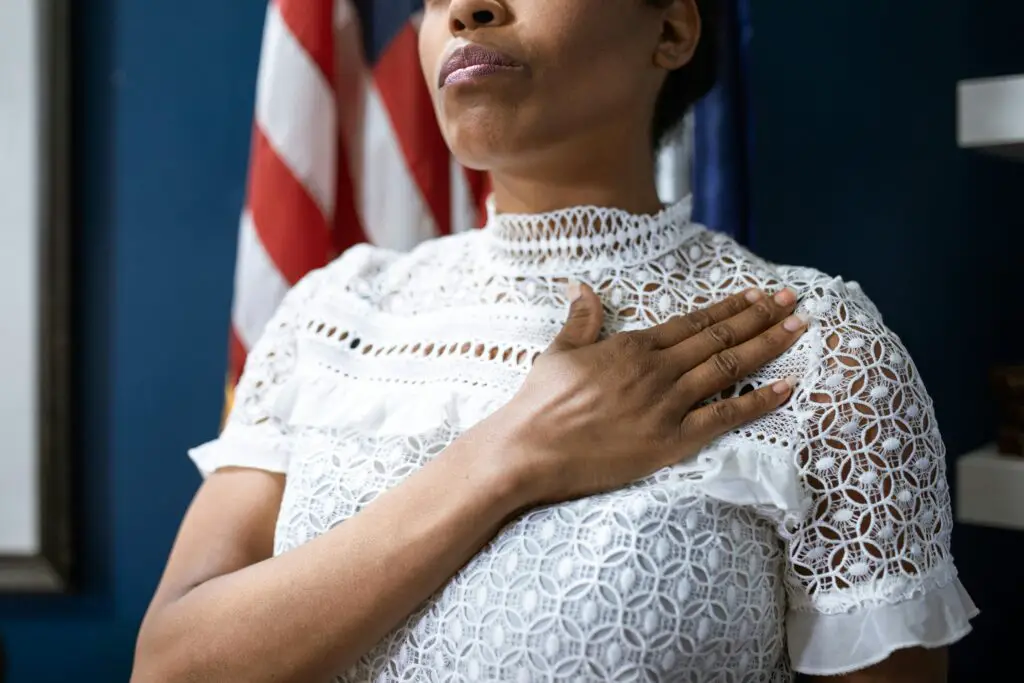
At sporting events and school assemblies, everyone rises as soon as the music begins. Children learn early that staying seated is not an option. Few are ever told the exact origin of the practice. Respect is simply expected without question.
The act of standing became a symbol of unity and honor over time. It turned into an unspoken social agreement. Even people who feel indifferent often stand anyway. The rule survives because nobody wants to be the only one sitting.
5. Avoiding Phone Calls After Nine at Night

For decades, households operated under a quiet time rule for telephones. Calling someone late in the evening was considered intrusive. Unless it was an emergency, you waited until morning. The idea passed from family to family without much discussion.
The custom grew from a time when phones were loud and shared by the whole home. Late calls often meant bad news. Even with modern cell phones, the old mindset lingers. Many people still hesitate to dial after dark.
6. Taking Off Hats Indoors

Children used to hear this rule the moment they entered a building. A hat stayed on outside and came off inside. Hardly anyone explained why this mattered. It was treated as basic manners rather than a choice.
The habit dates back to old signs of respect in churches and formal spaces. Removing a hat showed openness and courtesy. Over the years, it became a general expectation in everyday life. Plenty of people still follow it without knowing the history.
7. Shaking Hands When Meeting Someone

Introducing yourself without offering a handshake once seemed unthinkable. The gesture was considered the proper way to greet adults and professionals. Nobody questioned where the practice began. It was simply what polite people did.
The handshake originally signaled peaceful intentions. Showing an empty hand proved you were not carrying a weapon. That meaning faded long ago, but the motion remained. Even now, many feel awkward greeting someone without it.
8. Facing Forward in Elevators
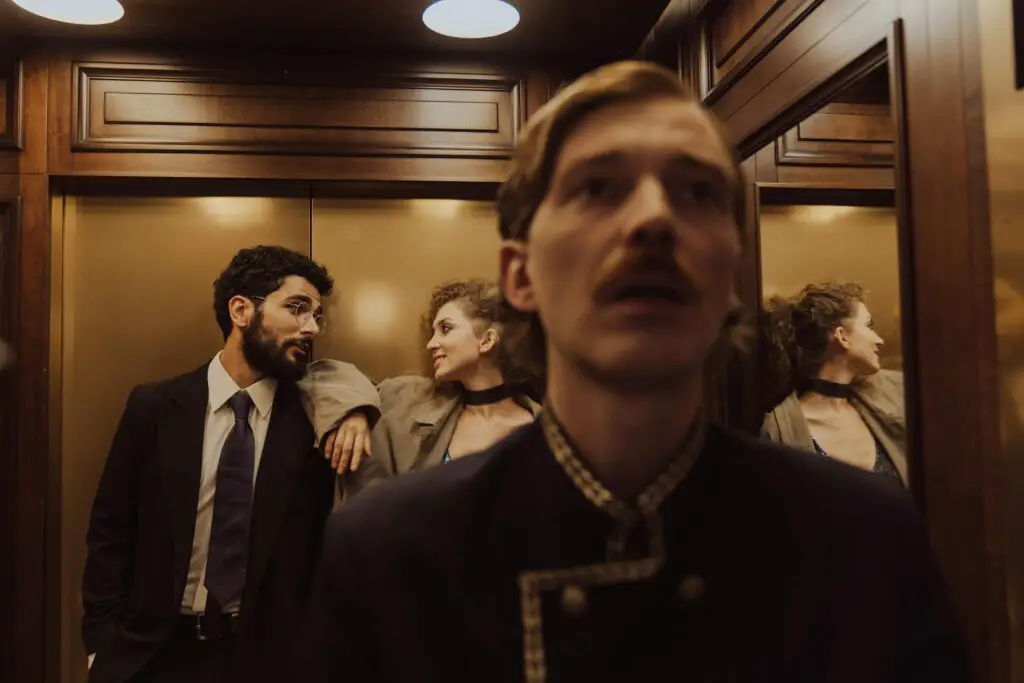
There is no official rule posted inside an elevator, yet everyone behaves the same way. Strangers step in, turn toward the doors, and stand silently. Facing the back or starting a conversation would feel strange. People follow the pattern without thinking.
This unspoken behavior developed as a way to respect personal space. Elevators put people uncomfortably close together. Facing forward helps avoid awkward eye contact. The habit became so normal that breaking it feels wrong.
9. Not Pointing Directly at People

From an early age, kids are told that pointing is impolite. Adults correct the behavior almost automatically. Very few ever explain why a simple finger gesture is considered rude. The rule just gets passed along like common knowledge.
In many cultures, pointing was associated with accusation or mockery. Using an open hand was seen as more respectful. Those ideas blended into everyday manners. Now people avoid pointing even when they cannot say exactly why.
10. Using Formal Titles for Adults

Calling grownups by their first names once felt almost rebellious. Children were taught to say Mister, Miss, or Doctor without hesitation. The expectation rarely came with a detailed explanation. Respect was the only reason anyone needed.
The custom came from older social structures where age and status mattered deeply. Titles created clear boundaries between adults and children. Modern life has relaxed the rule in many places. Still, plenty of people instinctively default to formality.
11. Covering Your Mouth When You Yawn

Yawning is natural, but doing it openly has long been considered bad manners. Parents remind children to cover their mouths even when nobody is around. Few stop to question why such a harmless action needs hiding. It is just treated as polite behavior.
The rule likely began as a basic concern for hygiene and appearance. An open yawn was seen as lazy or disrespectful. Covering it made the act seem more controlled. The habit stuck around long after anyone remembered the reason.
12. Avoiding Conversations About Salary

For years, asking someone what they earned was seen as incredibly rude. People learned to keep money matters private and unspoken. The rule existed even among close friends and family. Most accepted it without ever hearing a clear justification.
The silence around pay grew from old ideas about class and status. Talking openly about income was thought to create jealousy or conflict. Modern attitudes are slowly changing, but the discomfort remains. Many still avoid the topic out of pure habit.