
1. Saying a Prayer Before Dinner
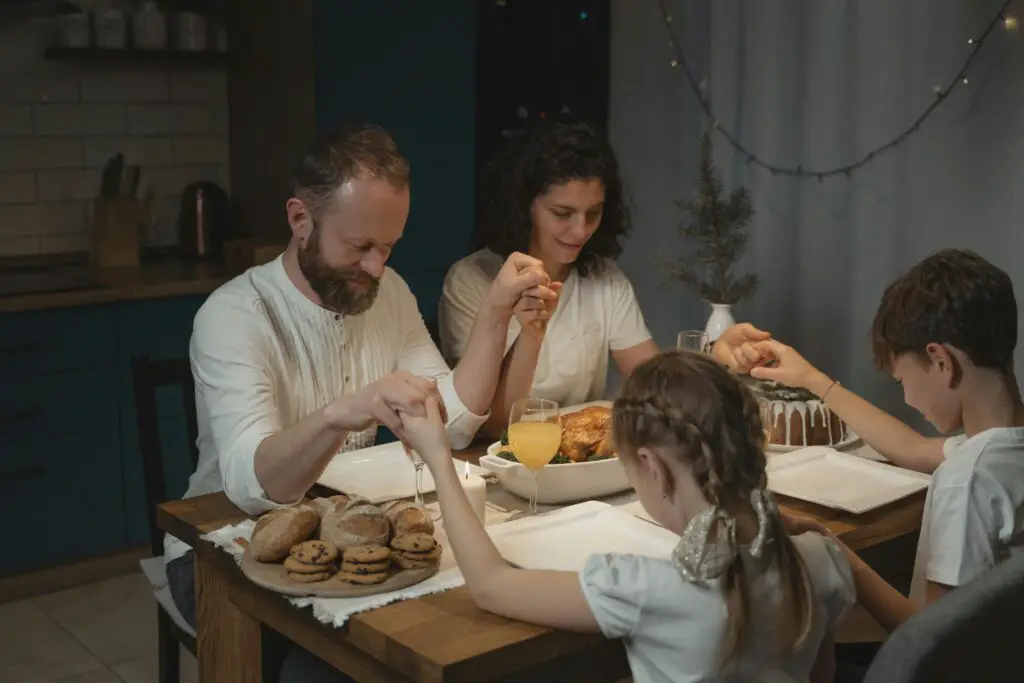
For many families, saying a short prayer before dinner was simply something everyone did without much thought. It might have been a quick blessing recited from memory or a moment where someone around the table thanked God for the meal. Kids often learned the words before they were even old enough to understand the meaning behind them. In many homes, the same prayer was repeated night after night until it became second nature.
Looking back, this routine was actually a cultural and religious tradition being passed down quietly from one generation to the next. Families didn’t usually sit down and explain the historical roots behind it. Instead, children absorbed the habit simply by participating. Over time it became part of the household rhythm, as automatic as setting the table or passing the salt.
2. Watching the Same TV Shows Together Every Week
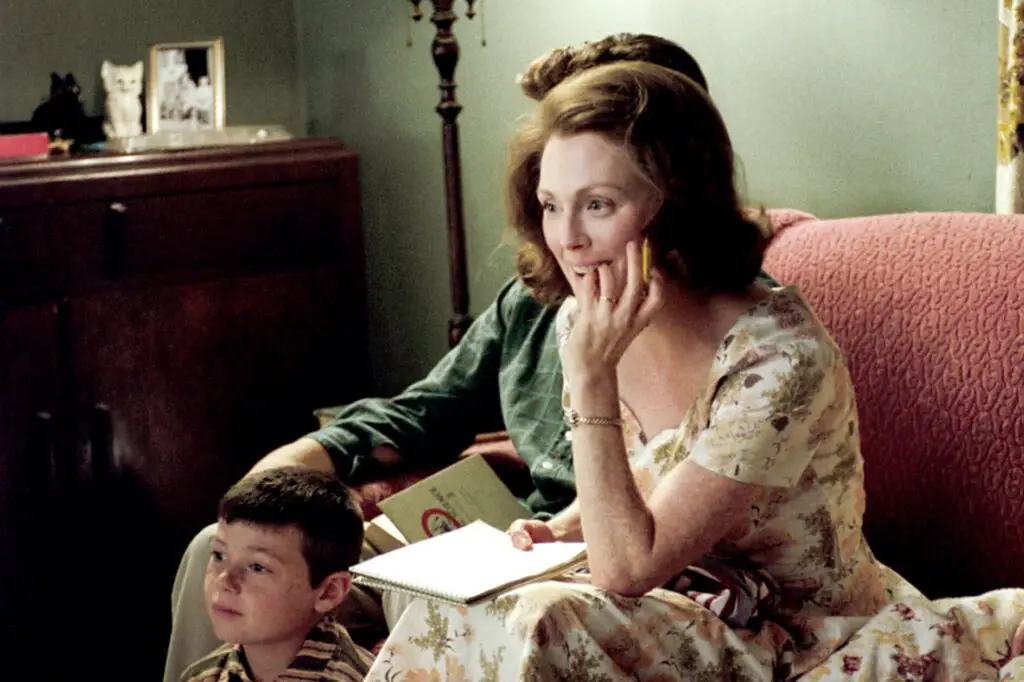
Before streaming and endless entertainment options, families often gathered around the television for the same shows each week. Certain nights had unofficial traditions, like sitcom night or a favorite drama everyone followed together. Parents and kids planned their evenings around these broadcasts without even thinking about it. Missing an episode could feel like missing an event.
What many people didn’t realize was that this created a shared cultural experience across households all over the country. Families were laughing at the same jokes and discussing the same cliffhangers the next day. It shaped conversations at school and work in subtle ways. Without realizing it, television became a weekly cultural ritual inside the home.
3. Eating the Same Meals on Certain Days
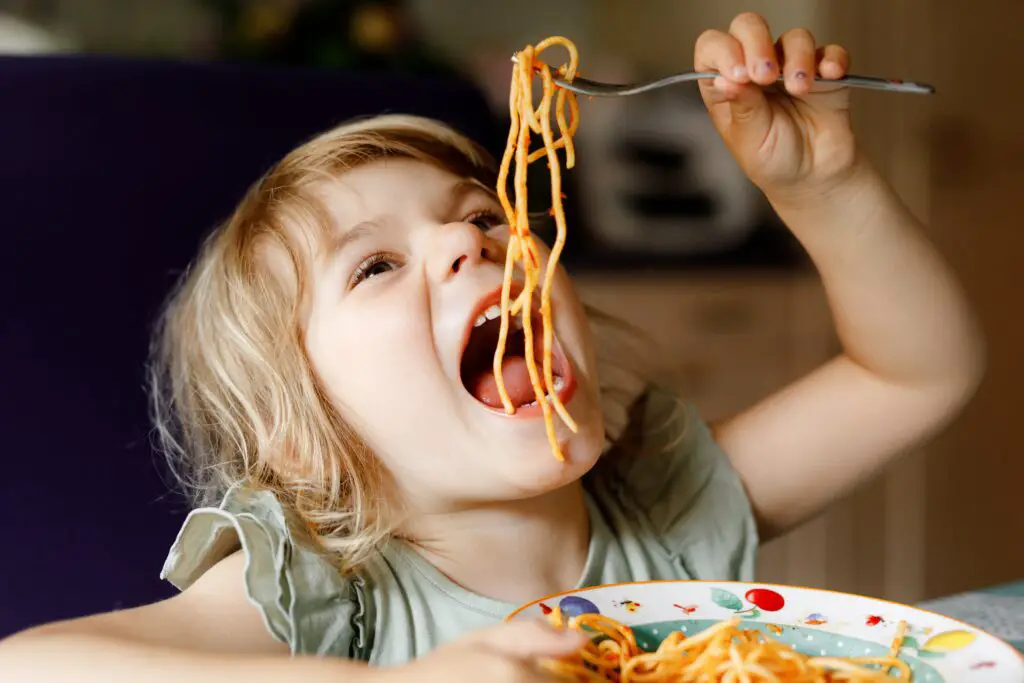
In many homes, certain meals were tied to specific days of the week. Friday might mean fish, Sunday might mean a big roast dinner, and Monday could be leftovers. These patterns often came from religious traditions, economic habits, or simple routines that stuck over time. Kids grew up expecting those meals without questioning where the idea started.
What seemed like a simple dinner plan was often rooted in deeper cultural practices. Some traditions came from immigrant backgrounds that carried old country food customs into new homes. Others reflected church teachings or regional habits. Families repeated them week after week without realizing they were keeping a cultural tradition alive.
4. Visiting Grandparents on Sundays
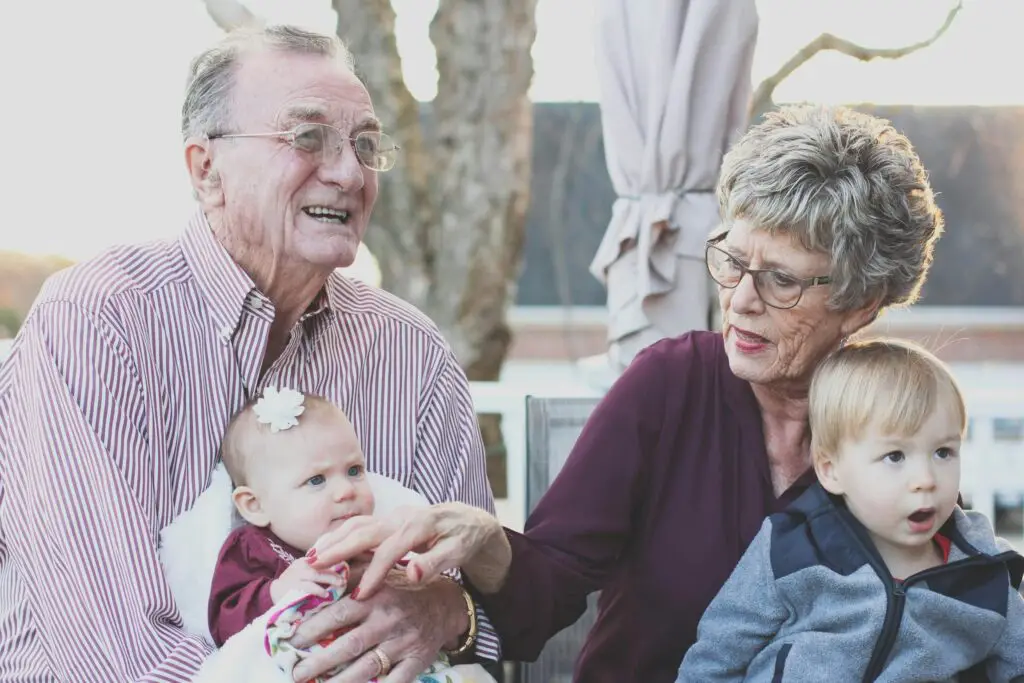
For many families, Sunday afternoons were reserved for visiting grandparents or extended relatives. It might involve a short drive, a big shared meal, or simply spending a few hours together in the living room. Kids often played with cousins while the adults caught up on family news. Over time it became a predictable part of the week.
This routine quietly reinforced the importance of family bonds across generations. In many cultures, regular visits to elders were considered a responsibility rather than a choice. Even when families didn’t think of it that way, they were practicing a long-standing cultural value. The habit helped keep family stories, traditions, and advice flowing from one generation to the next.
5. Saving Wrapping Paper and Gift Bags
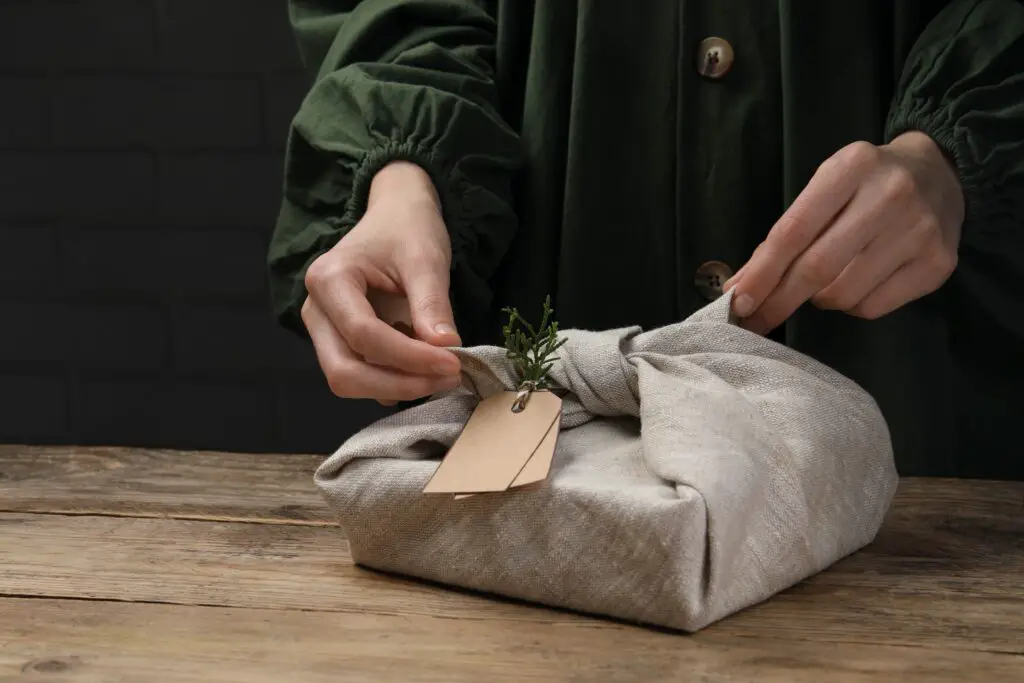
Many parents carefully folded wrapping paper after birthdays or holidays instead of throwing it away. Gift bags were tucked into closets and reused year after year. Kids might not have noticed the logic behind it, but they quickly learned not to rip paper too aggressively when opening presents. It simply became part of the routine.
This small habit reflected a cultural mindset shaped by earlier generations that lived through tighter economic times. People who grew up during the Great Depression or wartime often developed strong habits of saving and reusing. Even decades later, those practices carried on in subtle ways. Families were passing along thrift without even talking about it.
6. Passing Down Hand-Me-Down Clothes
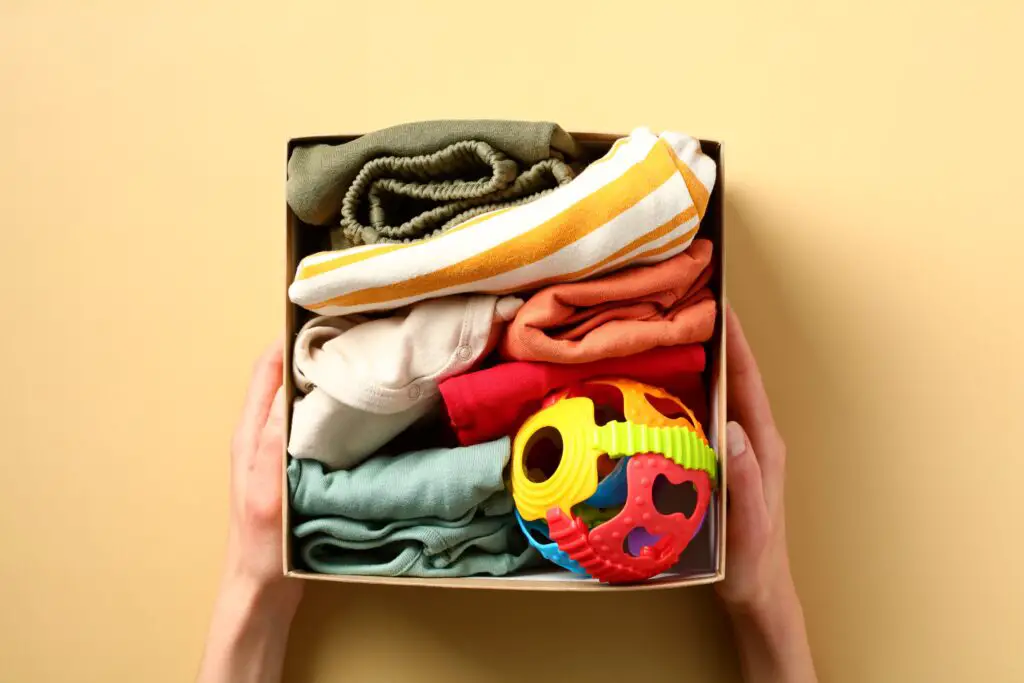
Older siblings often handed down clothes to younger brothers or sisters as they grew out of them. A sweater or jacket might pass through several kids before finally wearing out. Parents rarely framed it as anything special, it was just practical. Most children accepted the system as normal family life.
But hand-me-downs were also tied to cultural ideas about resourcefulness and family cooperation. In many households, especially larger ones, sharing clothing was an expected part of growing up. It taught kids to take care of their belongings because someone else would use them later. Without realizing it, families were reinforcing values about thrift and community within the home.
7. Bringing Food to Neighbors in Tough Times
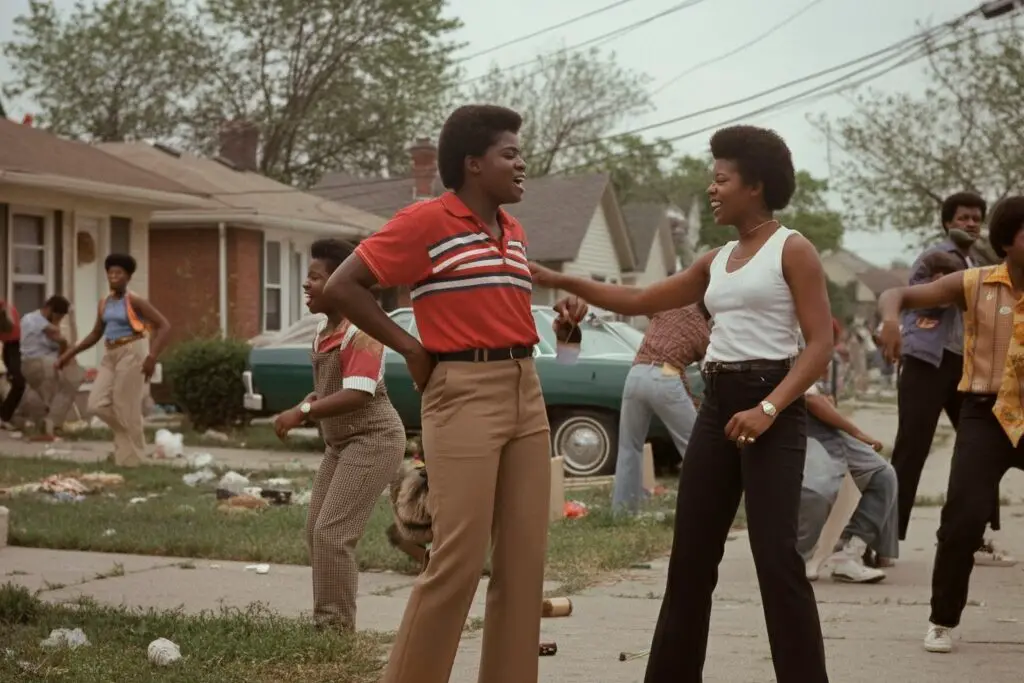
When someone on the block experienced a loss or illness, families often brought over casseroles, baked goods, or extra meals. Kids might accompany their parents to deliver the dish and say a few kind words. It seemed like a simple act of kindness, nothing particularly formal. But it happened often enough to become part of neighborhood life.
This tradition reflected a broader cultural expectation of mutual support within communities. Long before organized meal trains or online sign-ups existed, neighbors simply stepped in when needed. Children watching this behavior learned that helping others was just what people did. The lesson was absorbed quietly, through example rather than instruction.
8. Taking Shoes Off at the Door

In some households, taking off shoes before entering the living space was automatic. Kids grew up knowing to leave their shoes by the door without being reminded. It kept floors cleaner and reduced the amount of dirt tracked through the house. Guests quickly learned the routine too.
This habit is deeply tied to cultural traditions found in many parts of the world. Families from certain backgrounds carried the practice into their homes even after moving to new countries. Over time, the rule felt less like a cultural custom and more like common sense. But it was still part of a broader tradition being quietly maintained.
9. Having a “Good China” Cabinet
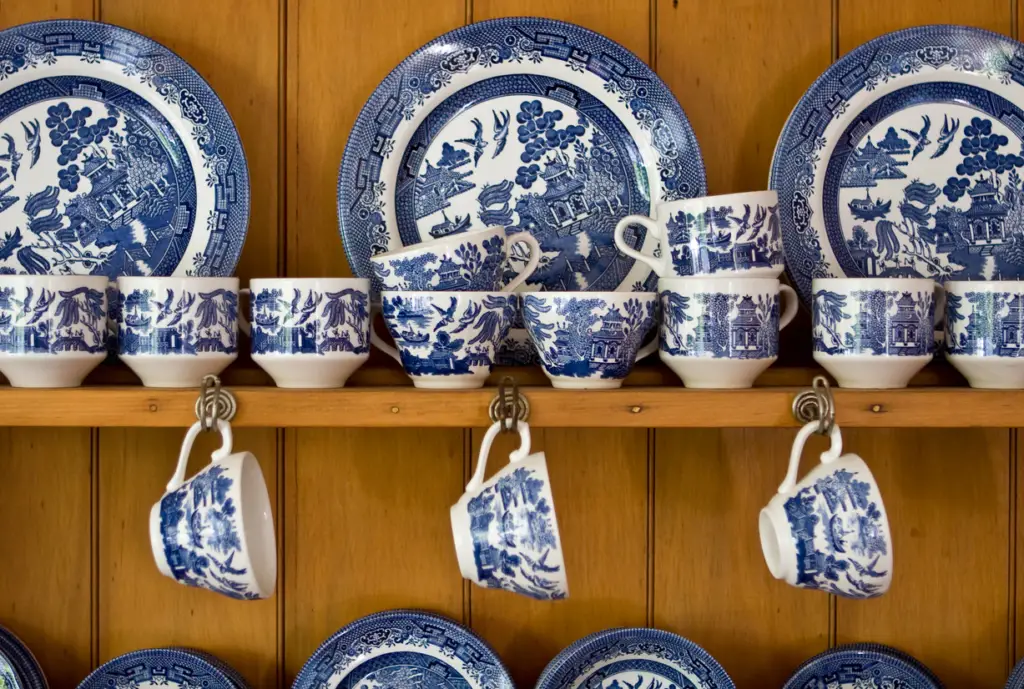
Many families owned a special set of dishes reserved for holidays or important guests. The plates and glasses often stayed tucked safely inside a china cabinet most of the year. Children were told not to touch them unless there was a special occasion. When those dishes appeared on the table, everyone knew the event mattered.
This practice reflected older cultural ideas about hospitality and presentation. Formal dinnerware symbolized respect for guests and pride in the household. Even families who rarely used the dishes kept them because that was simply what people did. The tradition continued long after its original social expectations faded.
10. Listening to the Same Holiday Music Every Year

As soon as the holidays approached, certain songs filled the house again and again. The same albums came out of storage and played while decorating, cooking, or wrapping gifts. Kids grew up associating specific songs with the smell of pine trees or freshly baked cookies. The music felt inseparable from the season itself.
This repetition created a powerful cultural connection to shared celebrations. Many of those songs had been popular for decades, long before the children in the house were born. Playing them each year quietly linked generations through the same soundtrack. Families didn’t usually discuss the tradition, they simply lived it.
11. Taking Family Photos in the Same Spot
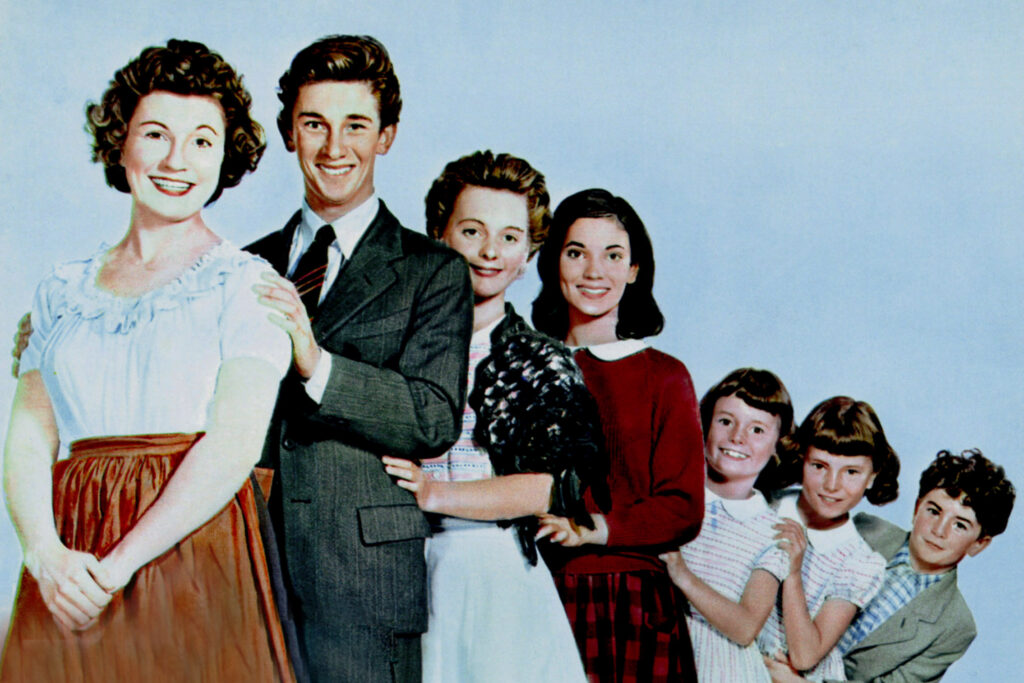
Some families always took photos in the same location, like the front porch, the living room couch, or the backyard tree. Year after year the same background appeared in albums or holiday cards. At the time, it probably seemed like the easiest place to gather everyone together. No one thought much about it beyond convenience.
Over time, those repeated photos created a visual record of family history. Children could see themselves growing up in the same familiar setting. What started as a simple habit became a tradition that connected different moments in time. Without realizing it, families were building a quiet cultural archive.
12. Greeting Relatives With Hugs or Kisses
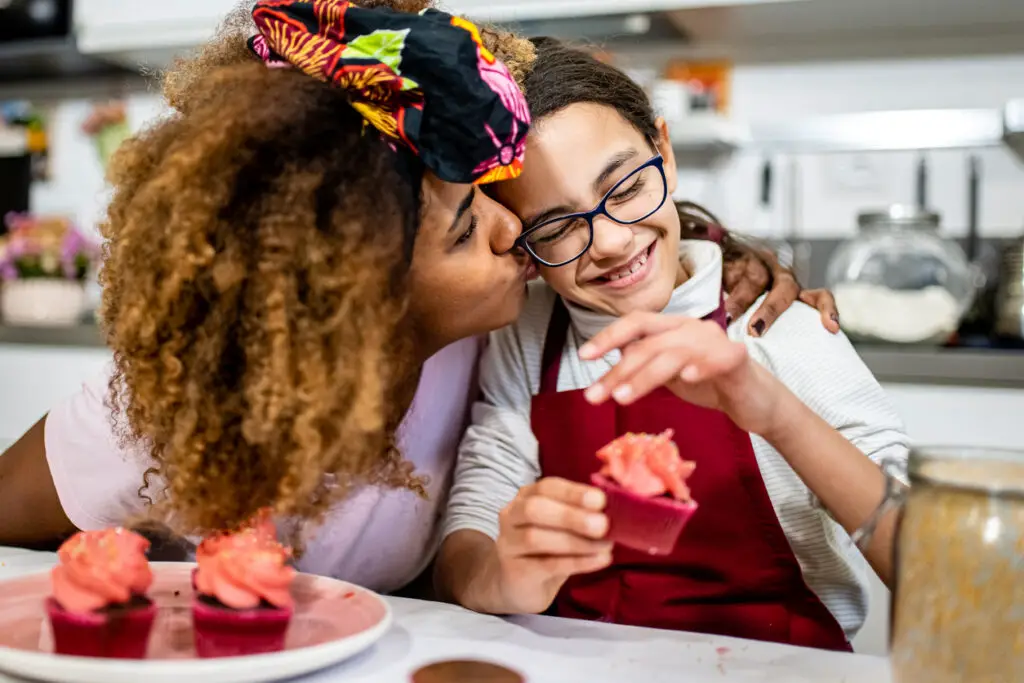
In many families, greeting relatives meant a hug, a kiss on the cheek, or both. Children quickly learned the expected routine when arriving at family gatherings. Skipping the greeting could earn a reminder from parents or grandparents. The gesture felt automatic after a while.
This physical greeting reflected cultural attitudes toward affection and respect. Different communities had their own versions, but the idea was similar across many households. The greeting reinforced family closeness and acknowledgment of elders. Kids absorbed those customs without needing them explained.
13. Sitting in the Same Seats at the Table
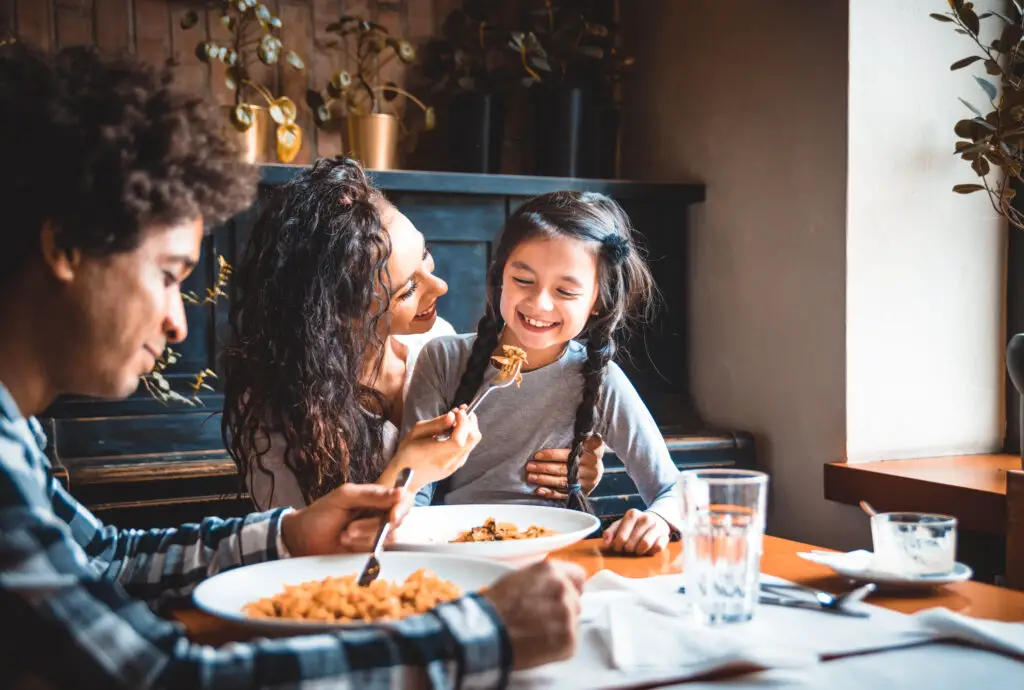
Many families developed unofficial seating arrangements at the dinner table. One parent sat at the head, another at the opposite end, and children filled the same chairs every night. Guests sometimes disrupted the pattern, but the usual arrangement quickly returned afterward. No one formally assigned the seats.
This habit created a quiet structure within daily family life. Over time, the seats themselves started to feel like extensions of each person’s role in the household. The arrangement mirrored older traditions about family hierarchy and organization. Even when families never talked about it, they were repeating a cultural pattern.
14. Telling the Same Family Stories Over and Over

Every family has certain stories that get told again and again at gatherings. It might be about how the parents met, a childhood mishap, or a funny holiday disaster. Kids often heard the same stories so many times they could repeat them word for word. Yet people still laughed every time they came up.
These repeated stories served a deeper purpose than simple entertainment. They preserved family identity and shared history across generations. Each retelling reminded everyone where they came from and what moments shaped the family. Without realizing it, families were passing down an oral tradition that has existed for centuries.