
1. Everyone Ate the Same Dinner

Families rarely asked what each person wanted for dinner because there was one meal and that was that. You sat down, you ate what was served, and you did not negotiate substitutions. Disliking something did not automatically excuse you from eating it. At most, you were told to take a few polite bites and move on. Complaints were often met with a reminder about wasted food.
This habit quietly taught kids that meals were about togetherness, not personal preference. Dinner was a shared experience rather than a custom order situation. It also reinforced respect for the person who cooked. Over time, many people carried this mindset into adulthood without ever questioning it.
2. Children Didn’t Interrupt Adult Conversations

Kids were expected to wait patiently while adults talked, even if the conversation felt endless. Interrupting was considered rude, not urgent or expressive. If you had something to say, you waited for a pause or were told to excuse yourself. Sometimes you stood nearby in silence, hoping someone would notice you.
This habit taught restraint and observation more than self expression. Children learned to read rooms and social cues early. It also reinforced a clear hierarchy between adults and kids. Only later did many people realize how deeply this shaped their communication style.
3. Guests Were Always Offered Food

If someone came to the house, food appeared almost automatically. It did not matter if the visit was planned or unexpected. Something was pulled out, heated up, or set on the table. Refusing food often required polite insistence from both sides.
This practice was rooted in hospitality and care, not hunger. Offering food was a way of saying you were welcome here. It also reflected a belief that showing up empty handed as a host was unthinkable. Many families practiced this without ever labeling it as cultural tradition.
4. Shoes Came Off at the Door

Some households had an unspoken rule that shoes did not go past the entryway. No sign was needed and no explanation was offered. You just knew what to do by watching everyone else. Guests followed suit without much discussion.
This habit blended cleanliness with respect for the home. It also subtly marked the boundary between outside and inside life. Over time, it became automatic, something people still do even when living alone. Few ever questioned why it felt so important.
5. Children Answered the Phone Politely

When the phone rang, kids were often the ones who answered it. You said hello clearly and asked who was calling before handing it off. Hanging up politely mattered just as much as answering. Slamming the phone down was not acceptable.
This habit trained children in basic social etiquette without formal lessons. It also gave them responsibility in household communication. Many adults still answer phones using the same tone they learned back then. It became muscle memory rather than a conscious rule.
6. Respect Was Shown Through Silence

In many families, silence was a form of respect, especially during tense moments. Talking back or arguing openly was discouraged. If you disagreed, you kept it to yourself or waited until later. Emotional restraint was seen as maturity.
This habit shaped how people handled conflict long after childhood. It taught patience but sometimes also avoidance. Families practiced it because it felt orderly and controlled. Only later did some recognize both its strengths and limitations.
7. Elders Were Deferred to Automatically

Older relatives were rarely questioned in family decisions. Their opinions carried extra weight, whether or not they made sense to younger generations. You listened, nodded, and often complied. Age alone granted authority.
This practice reinforced respect across generations. It also created a sense of continuity and tradition. Even when kids disagreed internally, they followed along. For many, this habit lingered into adulthood in how they treat authority figures.
8. Holidays Followed the Same Script Every Year

Holidays unfolded the same way year after year without discussion. The same foods were made, the same rituals followed, and the same jokes repeated. Changing anything felt almost wrong. Everyone knew their role.
This habit created stability and shared memory. It also made holidays feel timeless, even as people aged. Families did not analyze why repetition mattered. They just knew it did.
9. Chores Were Assigned by Age, Not Preference
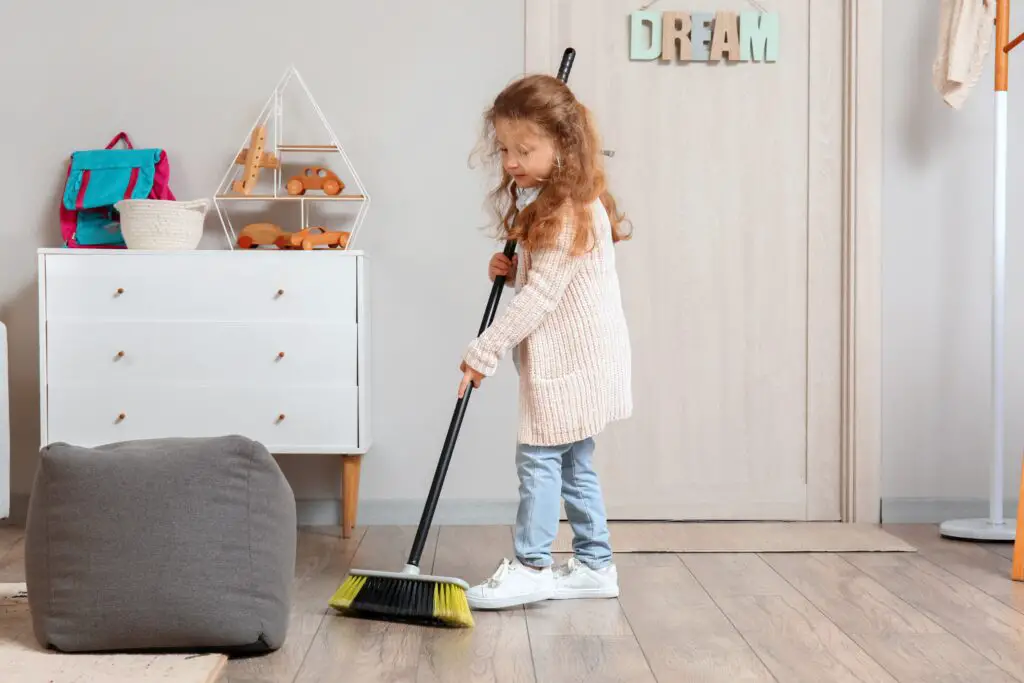
Kids did certain chores simply because that was what kids their age did. You did not choose tasks based on interest or ability. You learned as you went, sometimes poorly at first. Complaints were brushed aside.
This habit taught responsibility without negotiation. It also reinforced the idea that contributing to the household was expected. Many adults still associate certain tasks with specific ages. It became a quiet framework for responsibility.
10. Personal Problems Stayed Inside the Family

Families often believed personal issues should not be shared outside the household. You did not tell neighbors or teachers everything. Privacy was protection. Loyalty meant discretion.
This habit fostered a strong sense of family unity. It also taught boundaries, even if they were sometimes too rigid. People followed this rule instinctively. Only later did they reflect on how much it shaped trust and openness.
11. Children Ate Before Playing

You did not run outside or turn on the TV until you ate something. Hunger was not treated casually. Meals came first, fun came later. This rule applied even if you insisted you were not hungry.
This habit tied nourishment to structure. It also reinforced routine in daily life. Families practiced it because it felt sensible and responsible. Many people still feel uneasy skipping meals because of it.
12. Thank You Notes Were Nonnegotiable

If you received a gift, you wrote a thank you note. It did not matter how small the gift was. The note had to be timely and sincere. Parents often supervised the wording.
This habit taught gratitude as an action, not just a feeling. It also emphasized follow through. Families treated it as basic manners rather than a lesson. For many, it still defines how appreciation should be expressed.