
1. The Hookman of Lover’s Lane

Every small town seemed to have some version of the Hookman, usually whispered about when teens talked about parking too late at night. Parents swore he was an escaped mental patient with a hook for a hand who targeted couples sitting in cars after dark. The story always ended with a scratch on the car door or a hook found hanging from the handle. It was told with just enough detail to make you glance at the driveway before getting out of the car. Even younger kids heard it secondhand and let their imaginations do the rest.
The real point was never the Hookman himself, it was the warning underneath it. Parents wanted kids home early and far away from isolated roads. The story worked because it felt plausible and personal, like it could happen in your town. No one ever knew someone who actually saw him, but everyone knew someone who knew someone. That uncertainty made it linger long after bedtime.
2. Bloody Mary
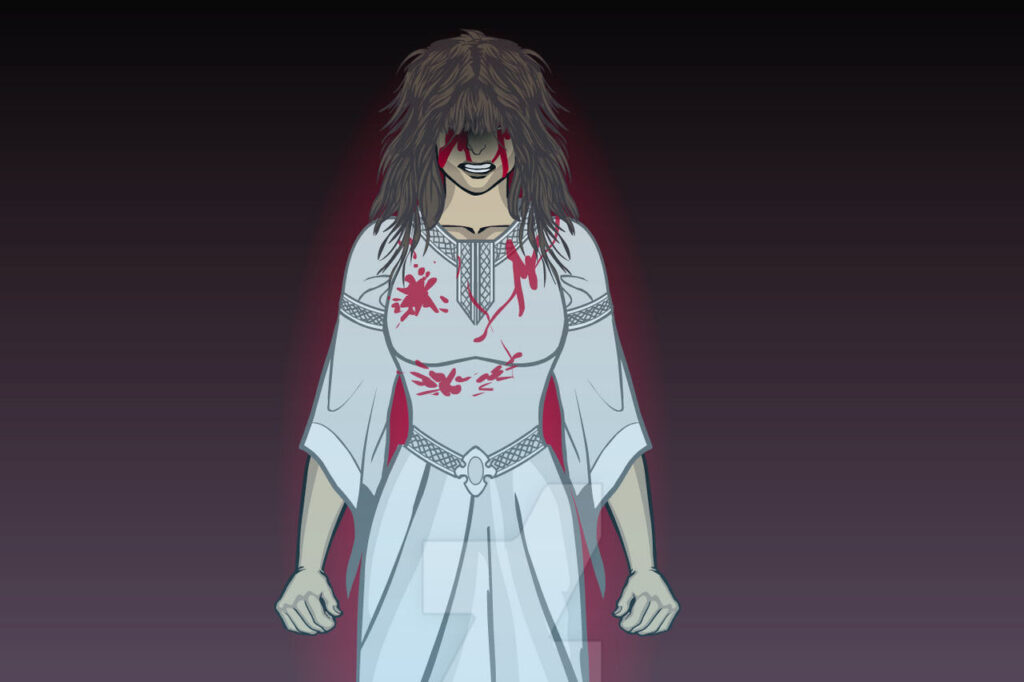
Bloody Mary was the legend that turned an ordinary bathroom into a place you avoided after dark. Kids were told that if you said her name into a mirror three times, she would appear behind you. Sometimes she was described as a witch, other times a murdered woman seeking revenge. Parents didn’t always tell this one directly, but they never rushed to debunk it either. The mirror suddenly felt like a doorway instead of a reflection.
For parents, Bloody Mary had a practical benefit. It kept kids from lingering in bathrooms at night and daring each other to do something reckless. The legend also discouraged sleepovers from getting too wild after lights out. Once you heard it, you never looked at a dark mirror the same way. Even adults sometimes admit they still hesitate before trying it as a joke.
3. The Vanishing Hitchhiker

This legend usually came with a specific road that adults insisted you should never walk alone. The story involved a polite hitchhiker who vanished from the backseat without explanation. Later, the driver would learn the person had died years earlier on that very stretch of road. Parents told it with an air of seriousness, as if it had happened more than once. It made every late-night drive feel heavier.
The lesson was about safety and strangers, even if the method was unsettling. Parents wanted kids to think twice about offering rides or accepting them. The ghostly twist made the warning unforgettable. It also gave local roads an eerie reputation that stuck around for generations. Once a road earned that label, it never really shook it.
4. Crybaby Bridge

Crybaby Bridge stories were especially effective because they involved children, which made them hit closer to home. Parents said you could hear a baby crying if you stopped on the bridge at night. Some versions claimed the cries came from a child thrown into the water long ago. Others added that the sound followed you home if you listened too long. Kids took these warnings seriously, especially when passing by after sunset.
Parents often used this legend to keep kids away from unsafe bridges and waterways. It was easier to scare them than to explain the dangers of old structures. The crying baby detail made the story emotionally unsettling rather than just spooky. Even adults admit they still lower the radio when crossing certain bridges. The legend became part of the town’s identity.
5. The Man in the Woods
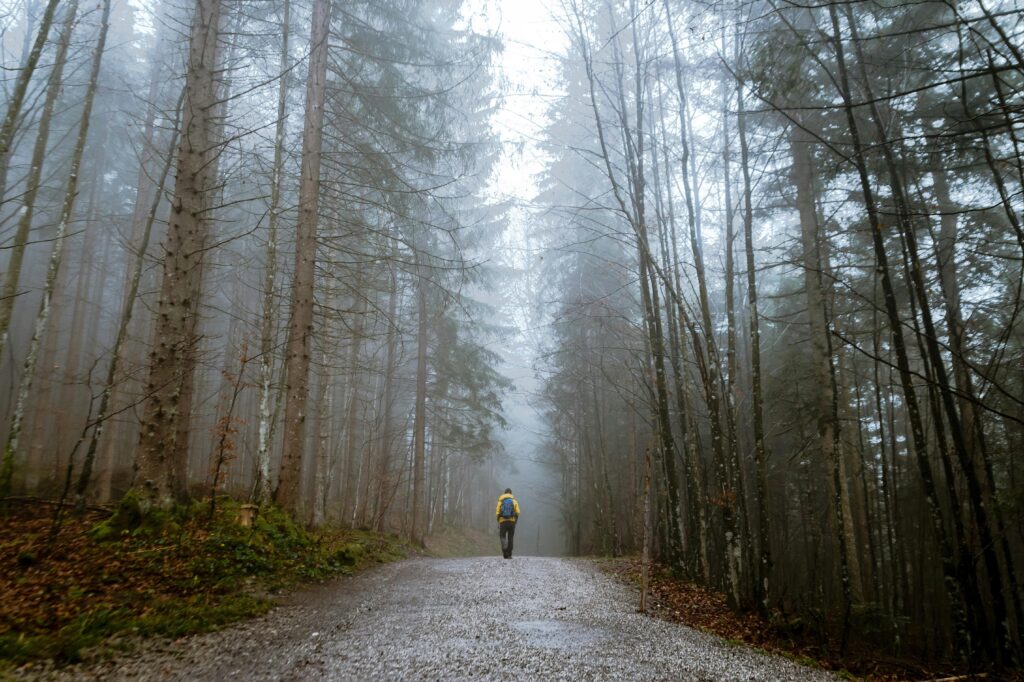
This legend usually surfaced when kids wandered too far from home or played near wooded areas. Parents warned that a strange man lived deep in the trees and watched from the shadows. He was never given a clear face or name, which somehow made him scarier. The story changed depending on who told it, but the fear stayed the same. Every snapped twig suddenly felt like proof.
The goal was to keep kids from roaming into dangerous terrain. Parents knew woods could hide real risks, from wild animals to getting lost. The legend turned those risks into something kids could understand and fear. It worked because it blurred the line between imagination and reality. Once you heard it, the woods never felt entirely empty again.
6. The Babysitter and the Man Upstairs

This legend usually came up when parents hired a sitter and wanted kids to behave. The story involved a babysitter receiving strange phone calls while the children slept upstairs. Eventually, the calls were traced to inside the house. Parents told it with dramatic pauses and lowered voices. It made kids cling a little closer to whoever was watching them.
The lesson was about locking doors and taking strange behavior seriously. Parents also liked that it discouraged kids from sneaking out of bed. The story made homes feel less automatically safe, which was unsettling but effective. Even adults who heard it young still remember the final reveal. It was the kind of story that stayed with you.
7. La Llorona
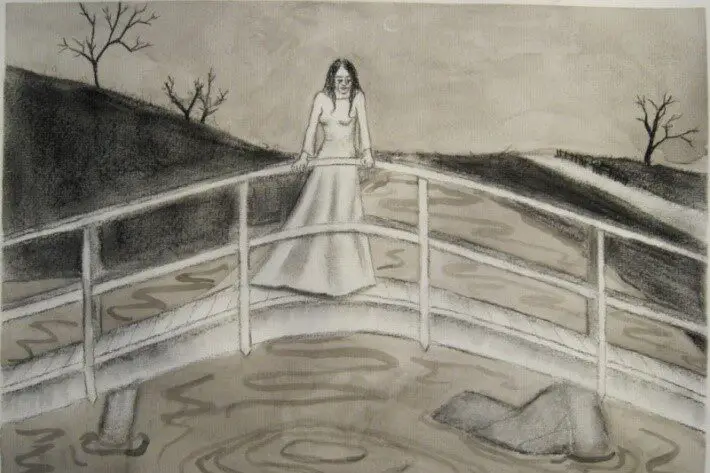
In many towns, La Llorona was used to keep kids away from rivers and canals. Parents said she was a grieving woman who wandered at night searching for her children. Her cries were described as haunting and impossible to forget. Kids were warned that if they heard her, they were already too close. The story carried a deep emotional weight.
Parents relied on this legend because water posed real dangers, especially after dark. The fear of a supernatural presence kept kids from wandering where they shouldn’t. La Llorona wasn’t just scary, she was tragic, which made her more believable. The story passed easily from generation to generation. It became part of family history as much as folklore.
8. The Cemetery Lady
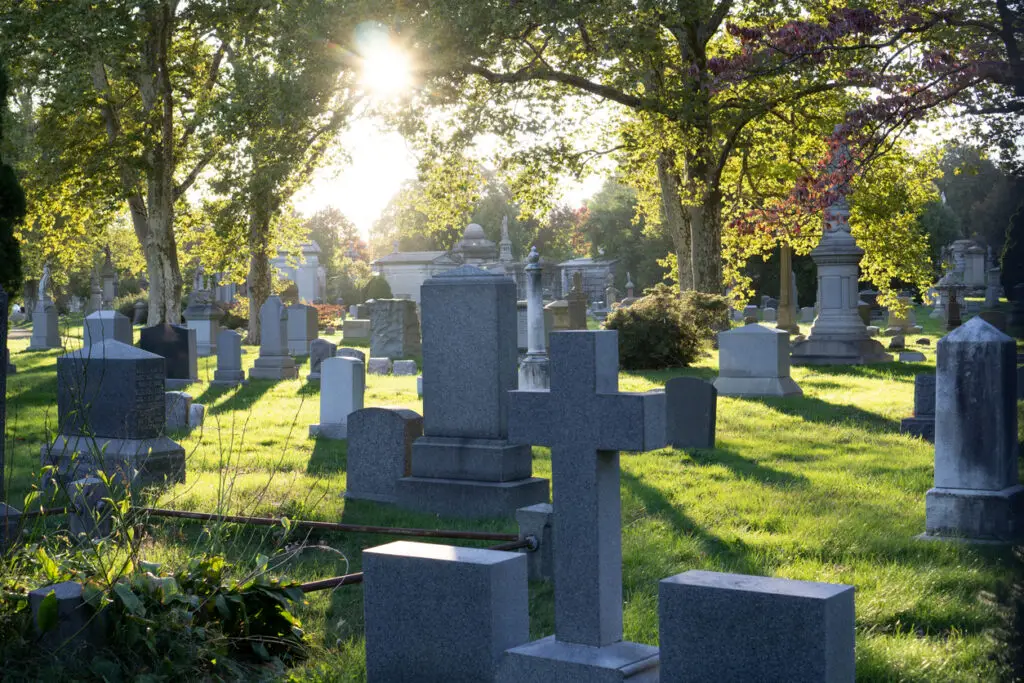
This legend usually involved a woman who appeared in graveyards after sunset. Parents said she would follow kids who disrespected the dead or stayed too late. Sometimes she vanished when you turned around, other times she walked closer. The story made nighttime trips past cemeteries tense. Even daytime visits felt different after hearing it.
Parents used this tale to teach respect and caution. Cemeteries could be uneven, isolated, and unsafe at night. The legend made kids think twice about dares involving gravestones. It also reinforced a sense of reverence for certain places. Fear did the teaching when explanations might fail.
9. The Killer Clown
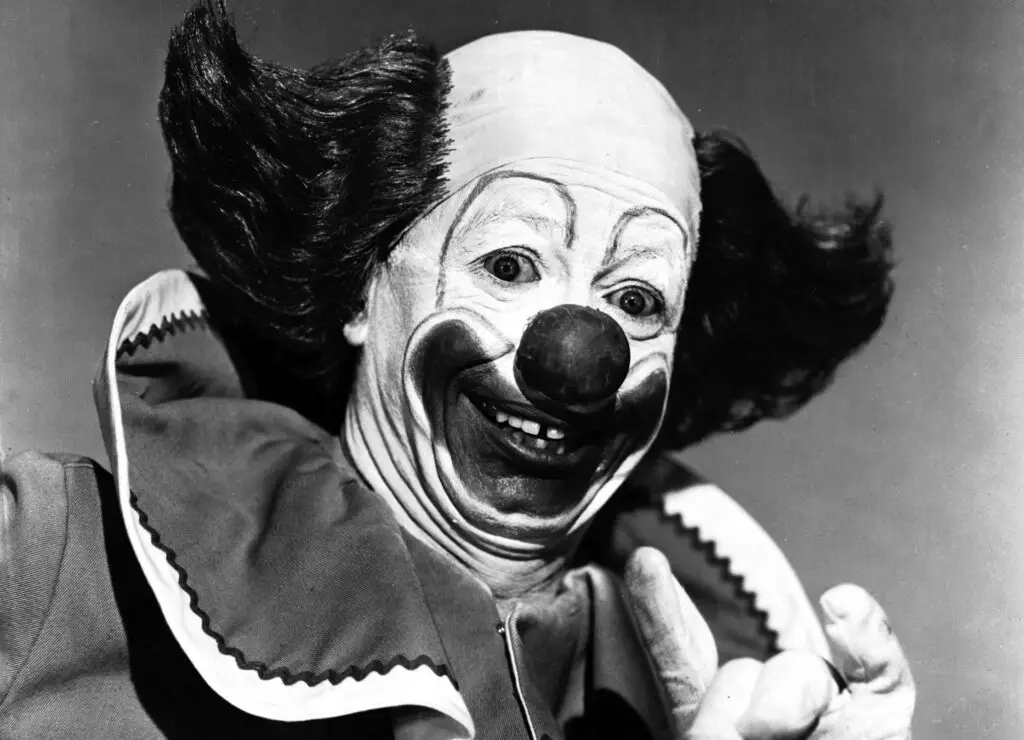
Before clowns became openly creepy, parents already used them as a warning. The story involved a clown driving around town, luring kids into a van. Details changed depending on local rumors, but the fear stayed vivid. Parents emphasized how friendly he seemed, which made the lesson clearer. Trusting appearances became part of the warning.
The real goal was stranger danger, framed in a memorable way. Parents knew kids liked clowns and wanted to flip that expectation. The story made children wary of too-good-to-be-true friendliness. Even seeing a clown at a parade could feel unsettling afterward. The legend stuck because it felt uncomfortably possible.
10. The Black-Eyed Children
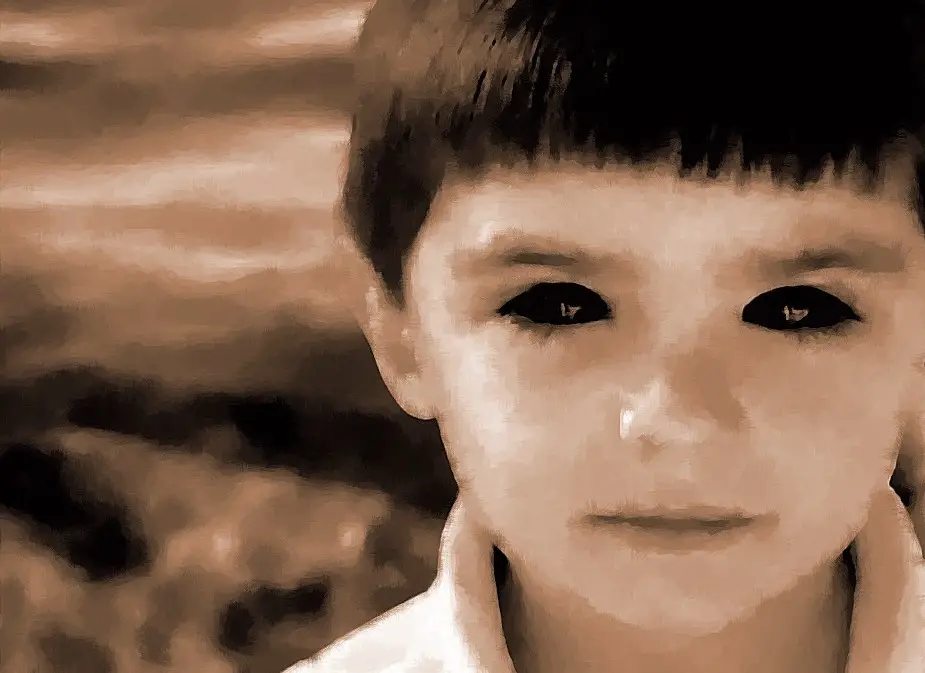
This legend involved strange kids knocking on doors late at night asking to come inside. Parents said they looked normal until you noticed their eyes were completely black. The children always needed help but gave off a wrong feeling. The warning was clear, never open the door after dark. It made nighttime noises far more alarming.
Parents used this story to reinforce boundaries and caution. Kids were taught that politeness should never override safety. The unsettling details made the message unforgettable. Even adults sometimes hesitate before answering late-night knocks. The legend worked because it played on empathy and fear at the same time.
11. The Lake Monster

Many towns with lakes had their own version of a lurking creature beneath the water. Parents said it grabbed swimmers who went out too far or ignored warnings. The monster was rarely described clearly, just hinted at. That mystery made it feel larger and more dangerous. Kids stayed closer to shore because of it.
The story was a way to enforce water safety without constant supervision. Parents knew lakes could hide strong currents and sudden drop-offs. Turning those dangers into a monster made the rule stick. Kids didn’t argue with something they couldn’t see. The lake never felt entirely calm again.
12. The House You Never Knock On
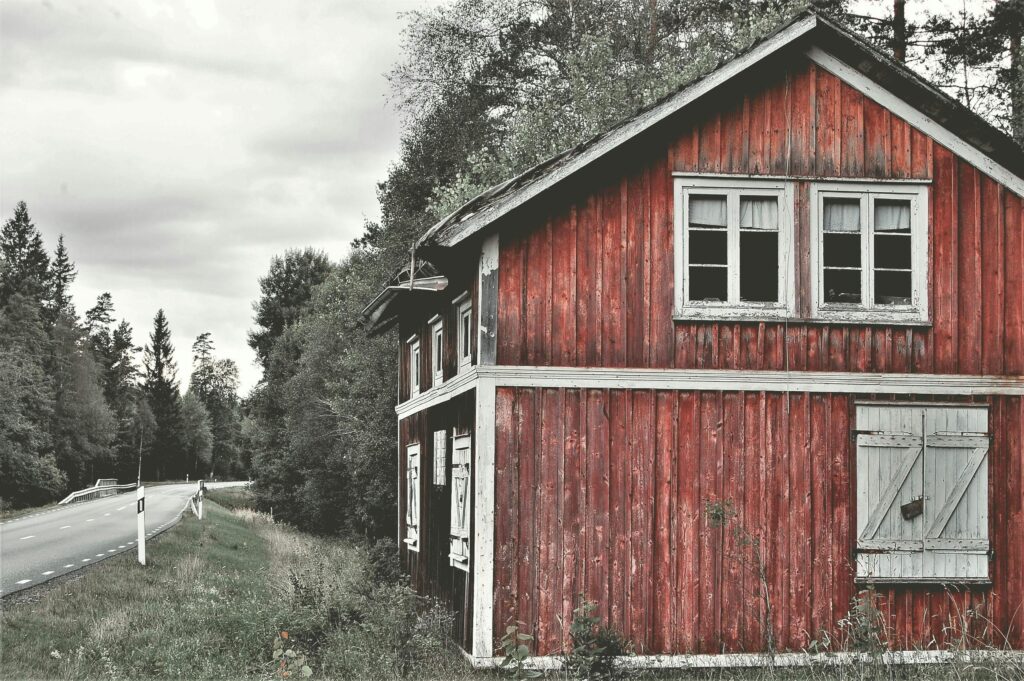
Every town had a house parents warned kids to avoid. They said something terrible happened there and the person inside was dangerous. Details were always vague but ominous. Kids were told never to knock, never to cut across the yard. The house became a landmark of fear.
Parents used this legend to keep kids away from unsafe or unstable situations. The story didn’t need proof, just repetition. It taught kids to trust warnings even without full explanations. The house became part of the town’s shared imagination. Long after the reason was forgotten, the fear remained.