
1. The Crow That Warns of Death
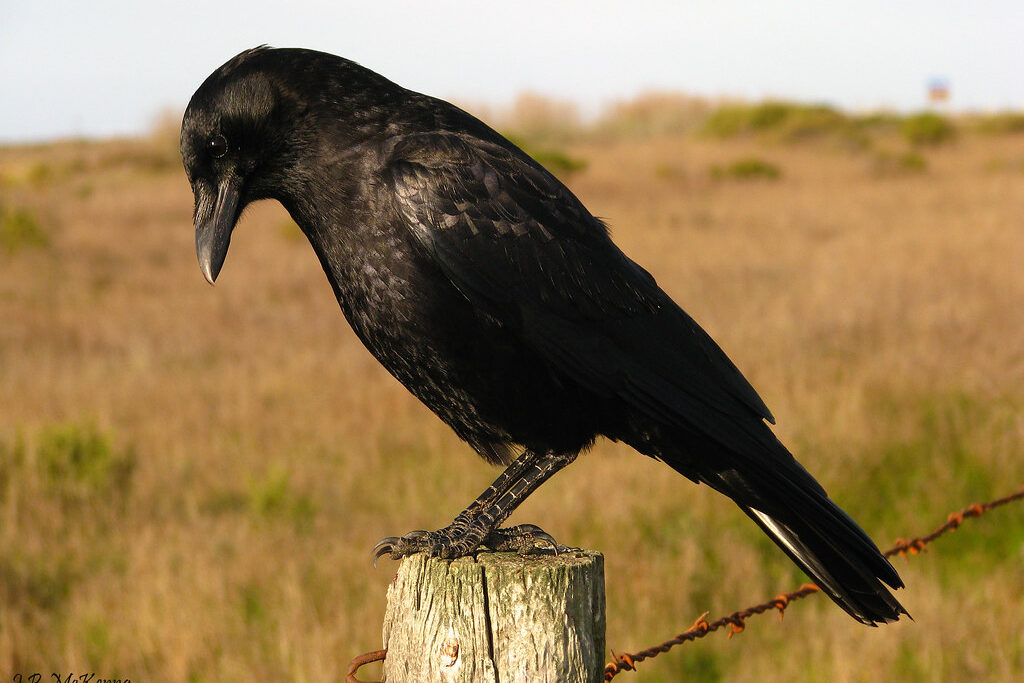
Many cultures have long believed that a crow landing nearby is more than just a curious bird, it’s a warning. People once watched their rooftops and fence posts closely, convinced that a single caw meant misfortune was about to strike. Families in parts of Europe would even shoo them away frantically, almost as if they were chasing off the bad luck itself. That idea spread so far that crows became unofficial messengers of doom in folktales.
The myth stuck around because crows seem a little too smart and a little too observant, almost like they’re in on something. Their habit of gathering around the sick or injured didn’t help their reputation either. Some communities claimed they were communicating with the spirit world, which gave them an eerie kind of authority. Even today, spotting one alone can still make people pause in that old superstitious way.
2. Owls as Silent Harbingers of the Afterlife
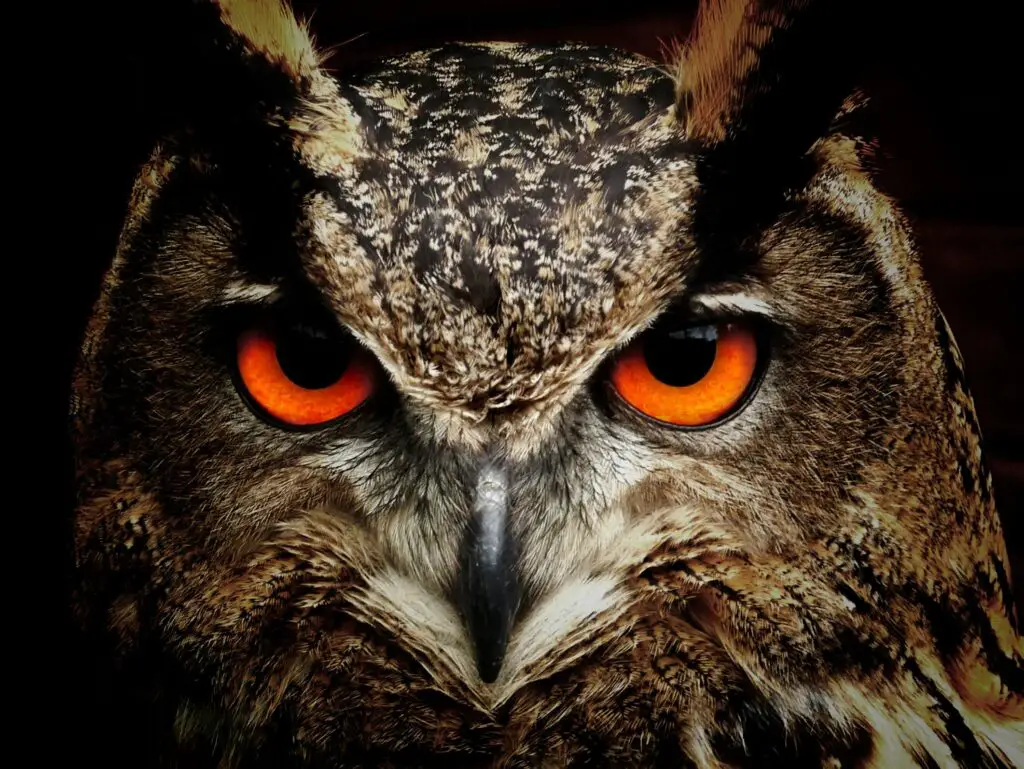
Owls have always had a mysterious reputation because of their quiet flight and piercing eyes. In many stories, an owl’s hoot outside the window was believed to signal someone’s passing. Some ancient civilizations even thought owls guided souls into the afterlife, making them more supernatural than animal. Their nocturnal habits didn’t help calm anyone’s nerves either.
People once carried charms or hung protective symbols to ward off owl omens. In rural communities, hearing an owl during childbirth was terrifying, since it was believed to predict tragedy. Others feared that killing an owl would bring lifelong bad luck, almost like cursing yourself. Even now, owls appear in horror movies the same way they did in old myths, as eerie nighttime watchers.
3. Sparrows Carrying Souls to Heaven

For centuries, sparrows weren’t just cute backyard birds, people genuinely believed they carried human souls. This idea ran so deep that sailors considered it bad luck to harm one, thinking they’d be disrupting the path of the dead. The superstition got so intense that some people would never trap or cage a sparrow at all. They were seen almost as spiritual escorts.
If a sparrow entered your home, some believed it brought a message from a loved one. Others claimed that a sparrow dying near your house foretold coming grief. The connection between sparrows and human spirits made them deeply symbolic, sometimes tender but also unsettling. It’s a myth that still shows up subtly in literature and tattoos today.
4. Ravens as Shapeshifters in Disguise
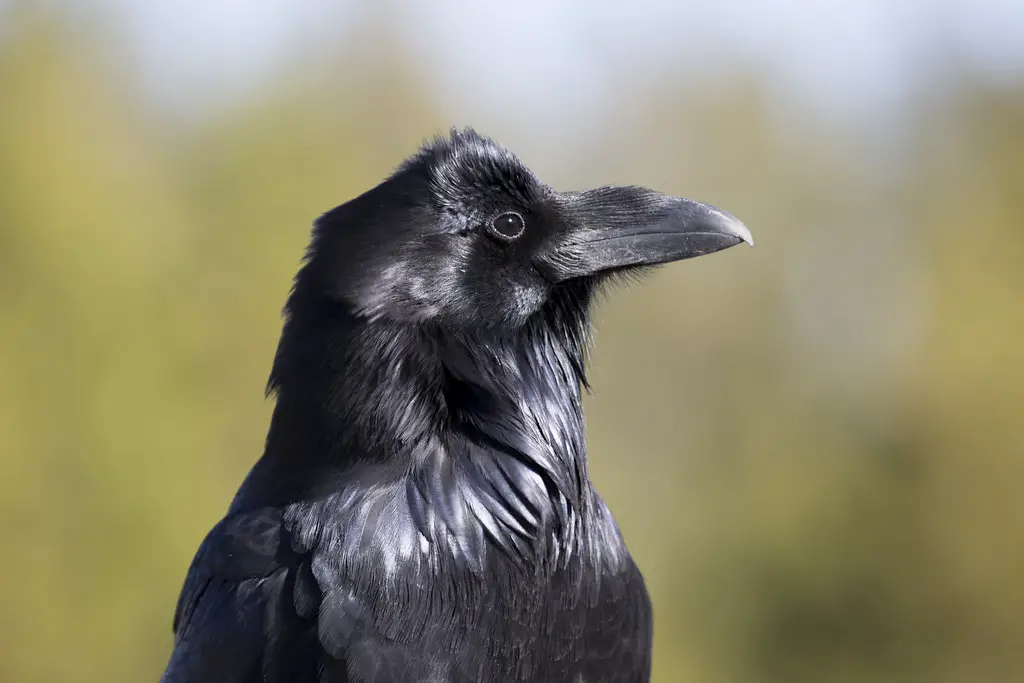
Ravens were once thought to be witches or trickster spirits who had taken bird form. They’re clever and mimic human sounds, which made this idea feel strangely plausible to people centuries ago. In some regions, if a raven watched you too intently, it was believed to be sizing you up for something magical. Travelers were warned not to speak to ravens on the roadside, just in case.
The myth grew because ravens seem to show up at the eeriest times, especially around battlefields and graveyards. People took this as proof that they were connected to dark magic or hidden knowledge. Even today, ravens show up in fantasy stories as shape-shifting beings because of those old beliefs. They carry a sense of mystery that people never quite let go of.
5. Vultures Cleansing Bad Spirits
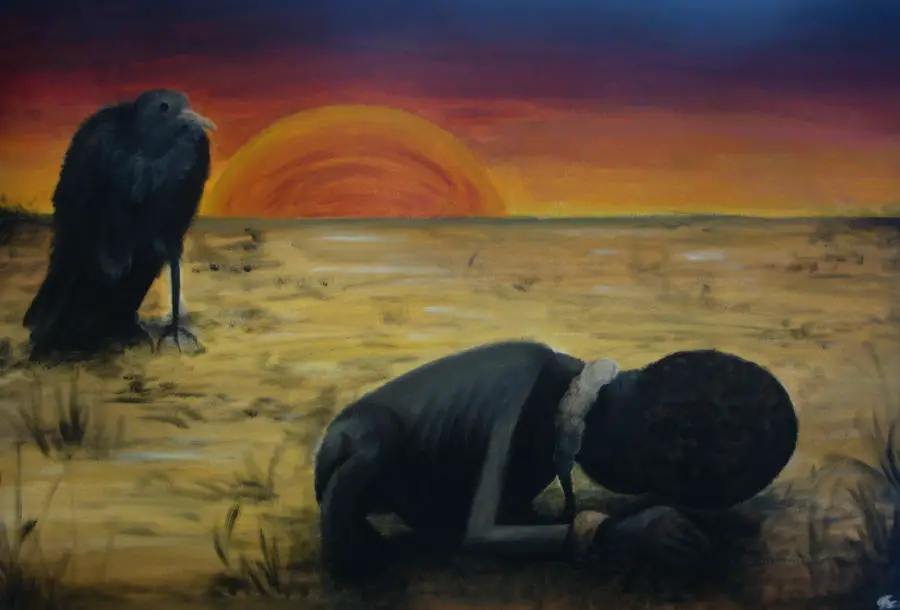
Although vultures are often associated with decay, some cultures believed they served a spiritual purpose. The myth said they consumed not just flesh, but lingering evil spirits as well. This gave them an unsettling but strangely important role in funerary traditions. People thought they purified the world by taking dark energy into the sky.
Because of their scavenging habits, vultures were viewed with both fear and reverence. Their presence after a death was seen as a sign that the spiritual transition was underway. The idea made them guardians of the boundary between life and death. Even now, their slow spiraling flights can feel loaded with old symbolic meaning.
6. Magpies Bringing Either Unbelievable Luck or Terrible Doom
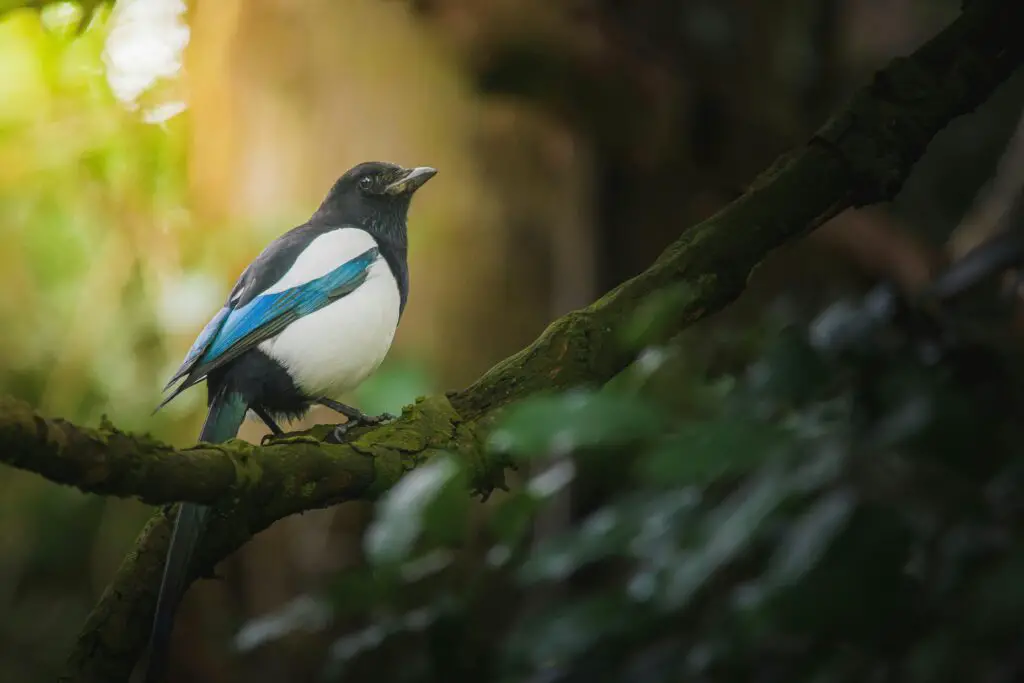
Magpies earned a strange place in folklore because of their flashy personalities and bold behavior. People believed a single magpie meant bad luck, while a pair meant good fortune, and entire poems sprang up to explain the rules. Someone seeing just one would sometimes salute it to avoid a curse. Their reputation changed depending on how many showed up.
The myth grew because magpies seem mischievous, stealing shiny objects and inserting themselves into human spaces. Folks once believed they could predict guests, weddings or even funerals. Some regions claimed magpies could sense lies, which made them feel like little truth-tellers with spooky insight. The superstition became so widespread that many still recite the counting rhyme today.
7. Swans as Cursed Humans from Ancient Times
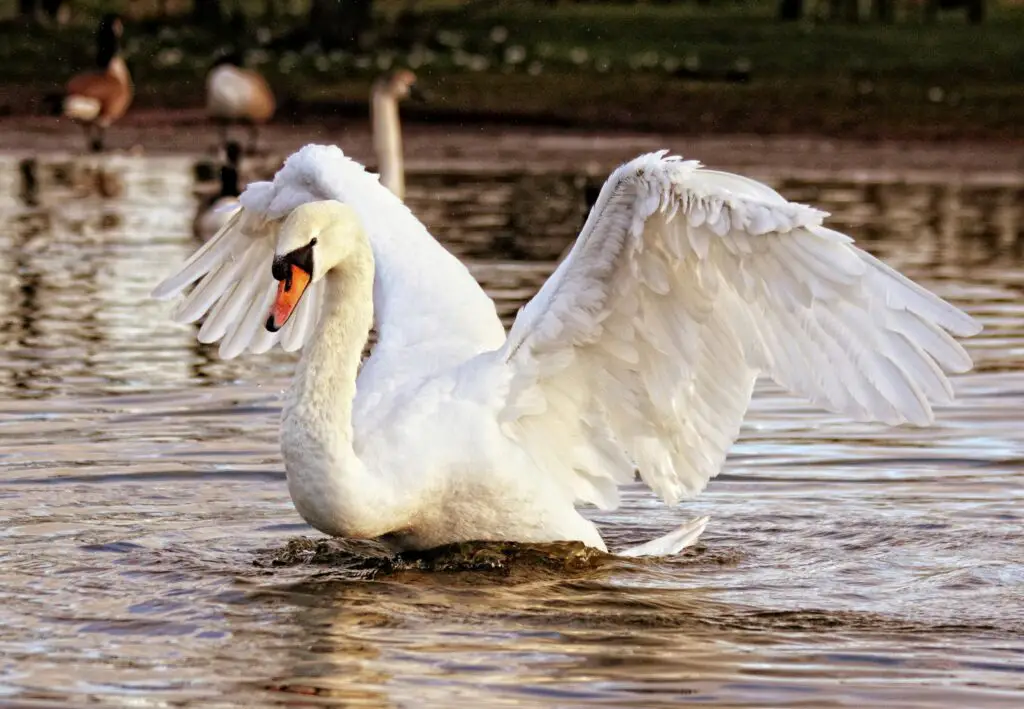
Swans have always appeared graceful, but old stories insisted that many of them were humans trapped in feathered bodies. Some myths described enchanted families cursed to live as swans until a hero could rescue them. Because of their haunting calls and elegant movements, people felt certain there was something deeply human behind their eyes. It gave swans a poetic but eerie quality.
In many regions, harming a swan was considered a terrible act, almost like hurting a person. The myth traveled across different cultures and picked up new variations each time. Parents used these tales to teach children about kindness and consequences. That lingering sense of humanity in swans still shows up in ballets, poems and fairy tales.
8. Blackbirds Forecasting Storms and Illness

Blackbirds were once treated as intuitive forecasters of everything from weather to health. If they gathered in strange numbers, people thought a storm was coming or someone nearby was falling ill. Farmers watched them closely, believing they sensed danger before humans could. Their sudden silence was especially feared.
This myth took hold because blackbirds often behave oddly before natural changes. Their patterns gave people clues long before meteorologists existed. Over time, these instincts were twisted into omens. Even today, flocks of blackbirds can make people feel uneasy because that old association lingers.
9. The Phoenix as a Warning of Great Upheaval

The phoenix myth is famous for rebirth, but some cultures treated it as a terrifying omen. People believed the bird appeared only when a kingdom was about to fall or a major disaster was coming. Its dramatic mythology made it feel like a messenger of cosmic change. Seeing one in dreams was taken as a serious warning.
Because the phoenix is tied to fire, people associated it with destruction more than renewal. The idea of something burning itself alive felt unnerving, even in a myth. Some rulers feared any mention of phoenixes near political unrest. Over time, the bird became both a symbol of hope and a harbinger of chaos.
10. Condors Carrying Away Misfortune

In parts of South America, condors were believed to lift away sickness and bad fortune when they soared overhead. People watched for their massive wings as a sign that negativity was being carried into the mountains. Their appearance felt cleansing, but also a little frightening due to their size. This belief made condors feel almost supernatural.
Because they fly at incredible heights, many thought they communicated with the gods. Their ability to survive in harsh environments only added to their mystique. Some families even believed condors could sense spiritual imbalance. Those myths helped protect the birds for generations, even while their reputation unsettled people.
11. Geese as Nighttime Guardians Against Spirits

Geese may seem ordinary now, but many cultures believed they guarded homes from supernatural danger. Their loud honking at night was interpreted as warning cries against wandering spirits or bad luck entering the household. People trusted them almost like feathery alarm systems. Their aggression made the myth feel believable.
Over time, geese became symbolic protectors, and families treated them with surprising respect. Some even placed goose carvings above doorways for extra safety. Their vigilance gave people comfort in uncertain times. Even today, their unpredictable nature gives them a slightly uncanny reputation.
12. Peacocks Bringing Bad Luck with Their Feathers
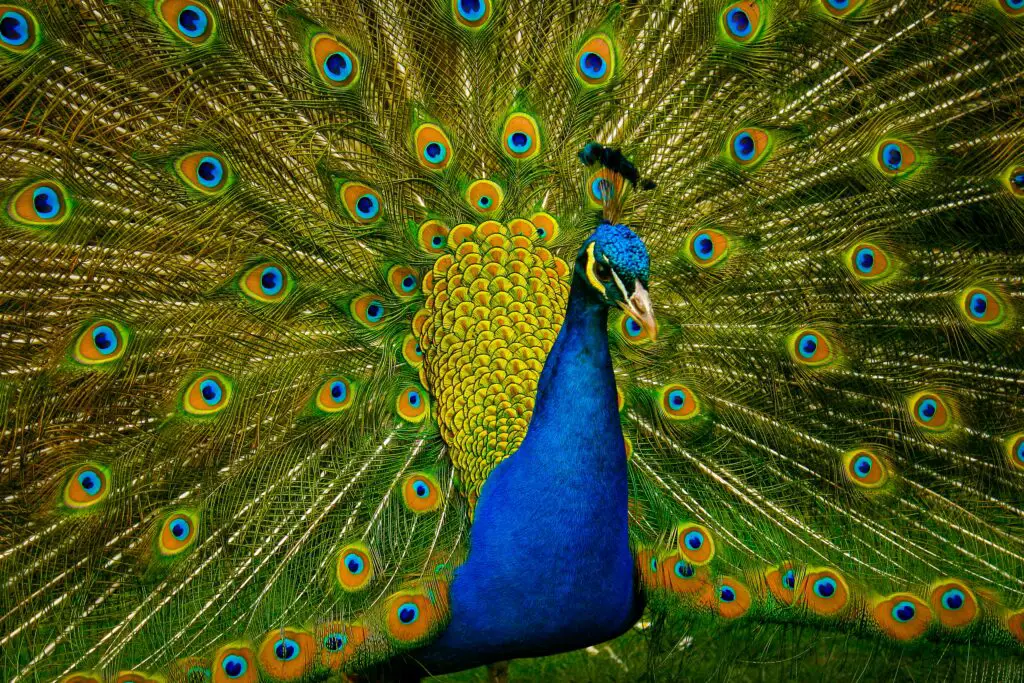
Peacock feathers might look beautiful, but some cultures handled them with caution. People believed the eye-like patterns on the feathers invited unwanted attention from evil forces. Bringing one inside the home was said to bring jealousy or misfortune. Their dramatic plumage made them feel too mystical to be harmless.
The myth may have grown because the “eyes” resemble symbols associated with envy. Some performers even refused to wear peacock feathers on stage out of fear of bad luck. The superstition still pops up in theater circles and folk traditions. It gives peacocks a glamorous but slightly eerie edge that people haven’t entirely shaken.