
1. The Local Roller Rink
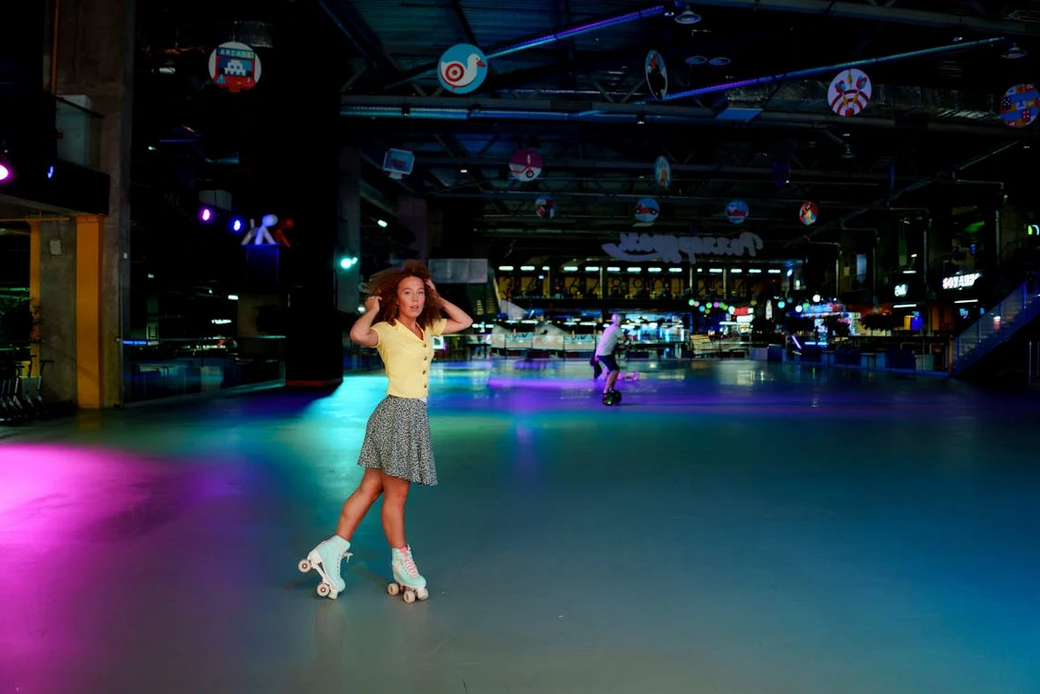
On Friday nights, the roller rink was where friendships were tested and crushes were formed under disco lights. You could smell the popcorn before you even laced up your skates. The same handful of songs played on repeat, and everyone knew exactly when to glide out for a couple’s skate. Parents dropped kids off and trusted they would stay within those four walls. It felt like a small universe that belonged entirely to teenagers. Even the scuffed floors seemed to hold memories.
Then one season it closed for “renovations,” and it never reopened. The building sat empty long enough for weeds to claim the parking lot. Eventually, it became a storage warehouse or a gym with no personality at all. The birthday parties stopped. The awkward slow skates disappeared. And just like that, a whole era of small-town connection rolled away.
2. The Neighborhood Video Store
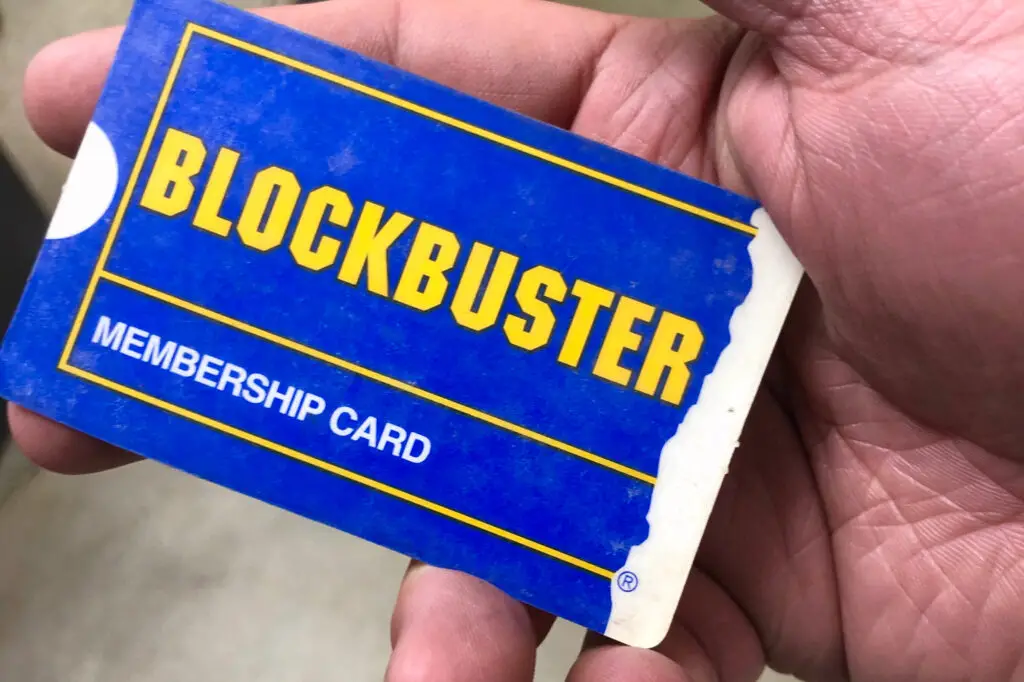
The video store wasn’t just about renting a movie. It was about wandering the aisles, reading the backs of VHS boxes, and debating what to bring home. The staff recommendations shelf felt oddly important. Friday nights meant long lines and the hope that the last copy wasn’t already gone. Kids gravitated toward the candy rack while adults argued over thrillers versus comedies. It was communal decision-making at its finest.
When streaming took over, the lights went out quickly. Shelves that once held hundreds of titles were stripped bare in a matter of weeks. The bell on the door stopped ringing. Now the storefront is often something unremarkable, like a tax office or an empty suite. What vanished was not just the tapes, but the ritual of choosing together.
3. The Corner Soda Fountain
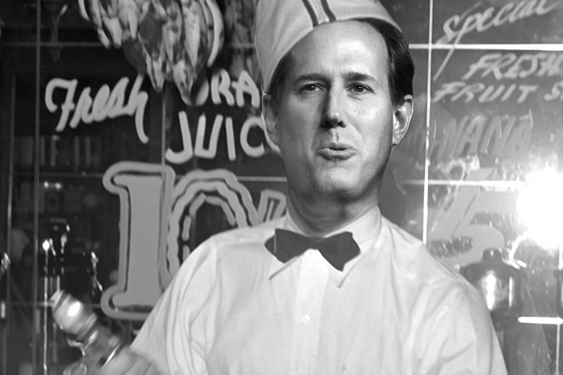
There was something ceremonial about sitting on a spinning stool at a soda fountain. You ordered a malt or a cherry cola and felt like you were part of a tradition. Teenagers lingered after school, pretending not to watch who walked in. Older residents swapped stories over coffee at the counter. The place smelled like syrup and polished chrome. It was simple, but it was steady.
As chain restaurants expanded, the soda fountain struggled to compete. One day the counter was dismantled, and the stools disappeared. The storefront may have become a boutique or a vacant space with dusty windows. The casual conversations faded with it. A small but meaningful hub of everyday life quietly dissolved.
4. The Town Drive-In Theater
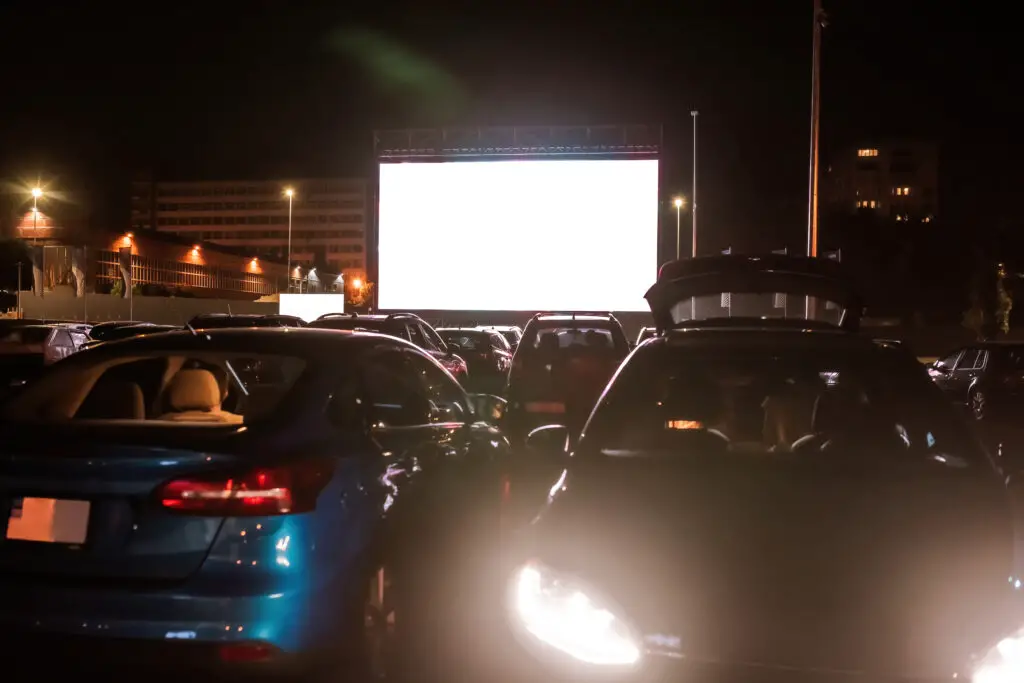
The drive-in theater turned a field into magic after sunset. Families piled into station wagons with blankets and lawn chairs. The giant screen flickered to life as kids chased each other between cars. It felt informal and communal at the same time. Everyone faced the same direction, yet the experience felt personal. The crackle of sound through the car speaker was part of the charm.
As land values rose, many drive-ins were sold off. The screens were torn down, and shopping centers took their place. Where there had been laughter and headlights, there were now parking lots and big-box stores. The shared summer ritual evaporated. All that remains are fading photographs and the memory of movies under open skies.
5. The Community Bingo Hall
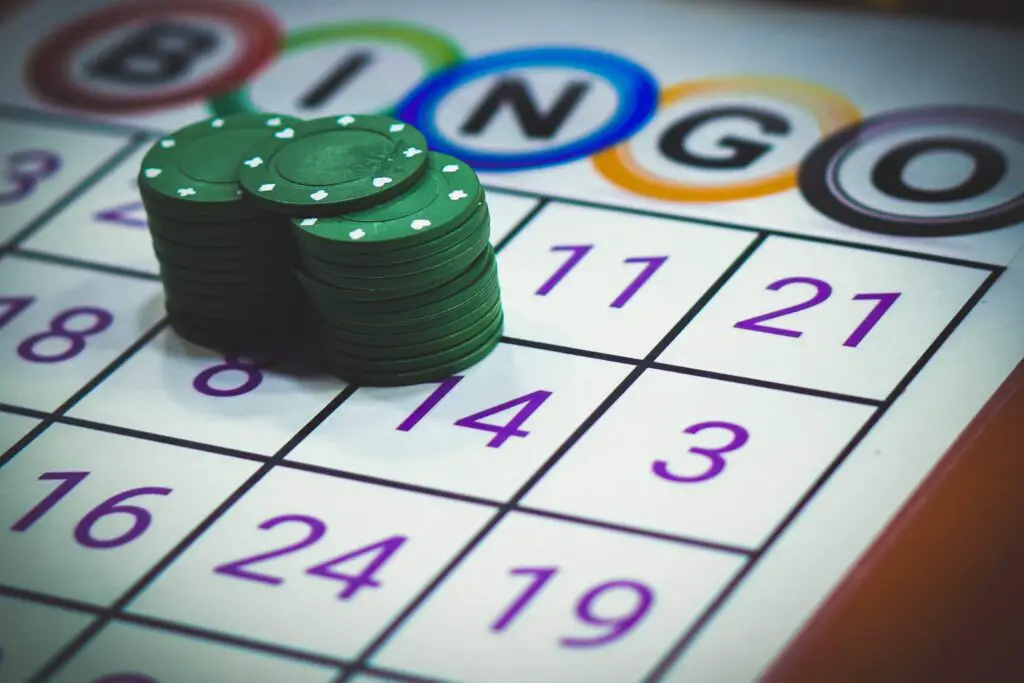
The bingo hall was louder than it looked from the outside. Inside, it buzzed with concentration and whispered strategy. Regulars had their lucky seats and favorite markers. It was as much about companionship as it was about winning. Newcomers were quickly folded into the fold. For many, it was the highlight of the week.
Over time, attendance dwindled. Younger generations did not replace the regulars who stopped coming. Eventually, the building closed with little ceremony. It may now be an office or sit unused entirely. The echo of numbers being called out has long since faded.
6. The Local Teen Center

The teen center offered a supervised space that still felt independent. There were mismatched couches, a pool table, and posters on the walls. It was loud, imperfect, and necessary. Parents felt reassured knowing where their kids were. Teenagers felt like they had a place of their own. It served as neutral ground for different friend groups.
Budget cuts often sealed their fate. Funding dried up, and doors were locked without much notice. The building might have been repurposed or left behind. The informal mentorship and casual friendships that formed there disappeared. A safe gathering space quietly slipped away.
7. The Independent Bookshop

The independent bookshop felt intimate in a way large retailers never quite manage. Owners knew customers by name and taste. Readings and signings brought neighbors together in close quarters. Conversations about books easily turned into conversations about life. It was less about transactions and more about exchange. The creak of wooden floors became familiar.
Online shopping shifted the economics dramatically. Sales slowed, then stopped. Shelves emptied, and handwritten recommendation cards were taken down. The storefront often remains, but the warmth does not. A literary anchor for the neighborhood vanished.
8. The Union Hall
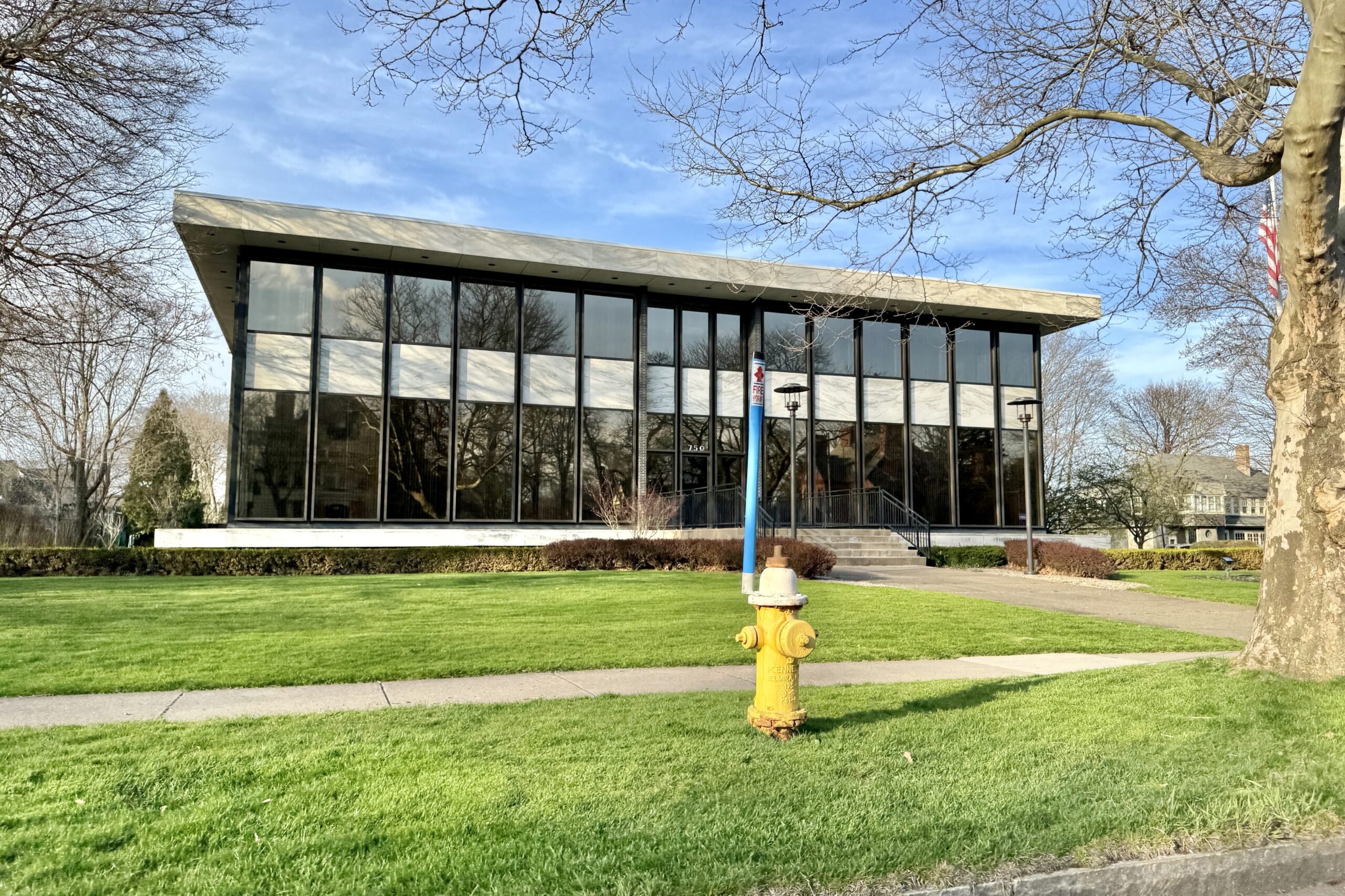
Union halls once hosted meetings, dances, and holiday parties. They were more than political spaces. They were community anchors where families gathered and traditions formed. Potluck dinners filled long tables. Announcements were made face to face. There was a shared sense of identity.
As industries changed and membership declined, many halls closed. Buildings were sold or demolished. The bulletin boards came down. Without them, a central meeting ground dissolved. A key layer of working-class community life quietly disappeared.
9. The Town Square Bandstand
The bandstand in the town square hosted summer concerts and local speeches. Folding chairs filled the grass as neighbors listened together. Children played nearby while music carried through the evening air. It was a simple setup that encouraged lingering. People waved to one another from across the lawn.
When programming stopped, the structure often fell into disrepair. Some were removed entirely. Others stand unused, silent reminders of busier days. The sense of shared anticipation is gone. What remains is often just open space with less purpose.
10. The Community Pool

The community pool was where entire summers unfolded. Swim lessons in the morning, cannonballs in the afternoon, whispered secrets at dusk. Lifeguards became local celebrities. Families packed coolers and claimed the same chairs week after week. It was noisy, bright, and alive.
Maintenance costs and liability concerns closed many of them. Gates were chained shut. Water drained, leaving cracked concrete behind. A space once full of laughter became barren. Neighborhood summers felt smaller without it.
11. The Church Basement Supper
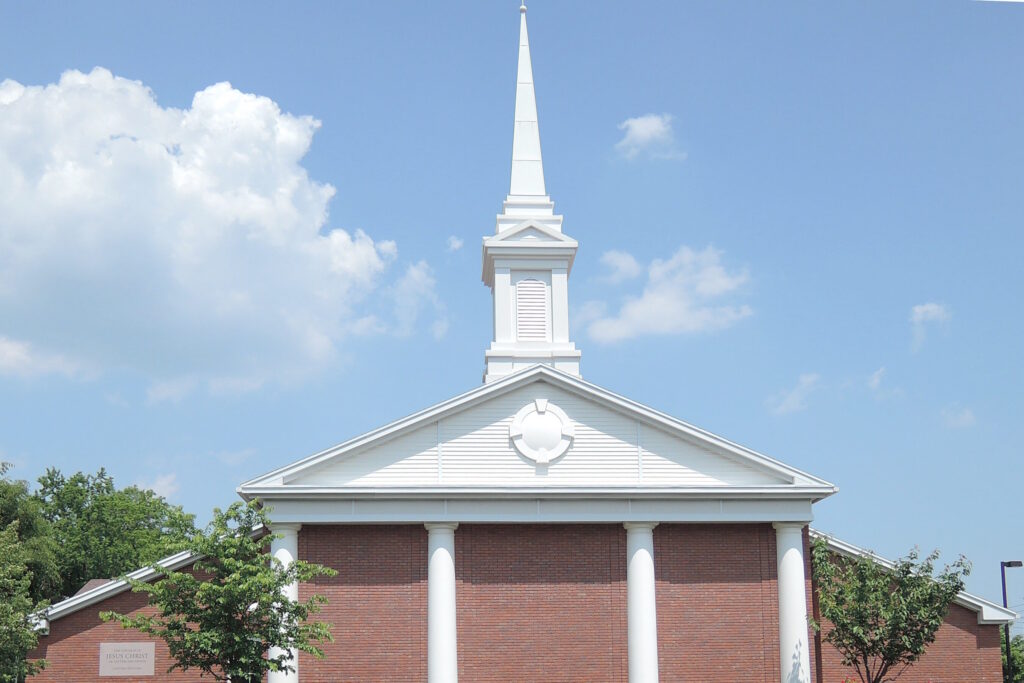
Church basement suppers welcomed everyone, regardless of membership. Long tables were lined with casseroles and homemade pies. Conversations stretched late into the evening. It felt intergenerational and grounded. People checked in on one another in practical ways. The food was secondary to the fellowship.
As attendance declined, so did these gatherings. Kitchens went quiet. Calendars once filled with events turned sparse. The building may still stand, but the weekly meals stopped. A reliable point of connection faded gradually.
12. The Small-Town Arcade
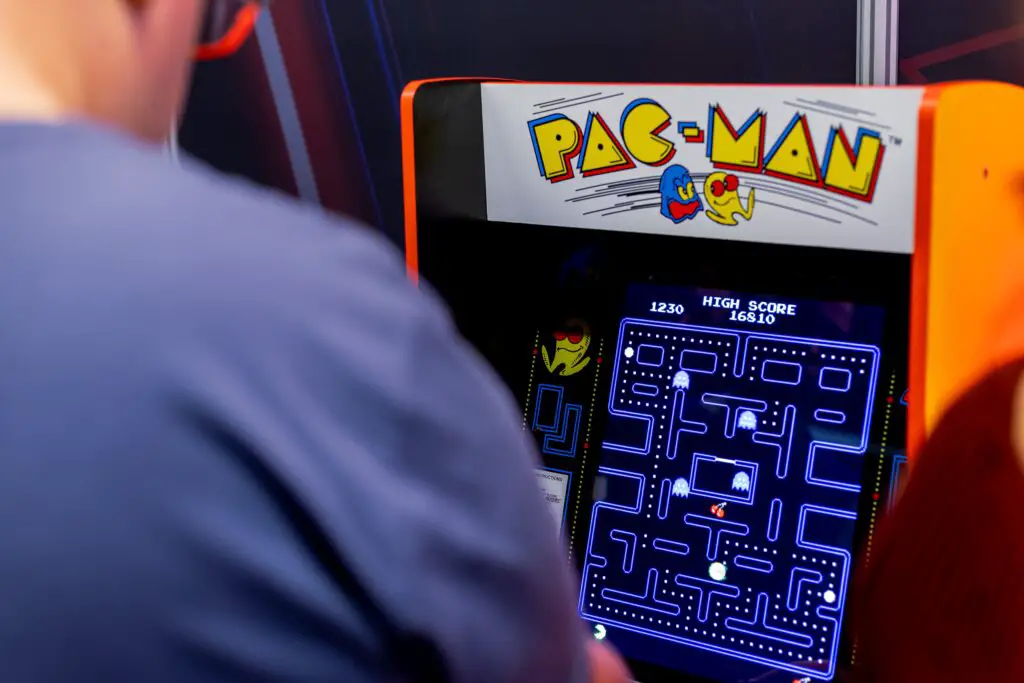
The arcade glowed with neon and constant noise. Teenagers fed quarters into machines and chased high scores. It was competitive but social. Friendships were forged over shared victories and defeats. Parents tolerated it because everyone was in one place. It felt modern at the time.
Home gaming systems changed the landscape. Traffic slowed, then evaporated. Cabinets were sold off or scrapped. The lights dimmed permanently. What had once been electric became empty space.
13. The Community Garden Clubhouse

The garden clubhouse was modest but meaningful. Members swapped seedlings and advice. Workshops brought new faces into the fold. It served as a quiet sanctuary for people who valued growth and patience. The shared labor built quiet bonds. It was unassuming but steady.
When participation waned, upkeep became difficult. The building deteriorated. Eventually, it was shuttered. Plots may remain, but the central meeting space is gone. The sense of shared stewardship weakened.
14. The Public Rec Center Gym
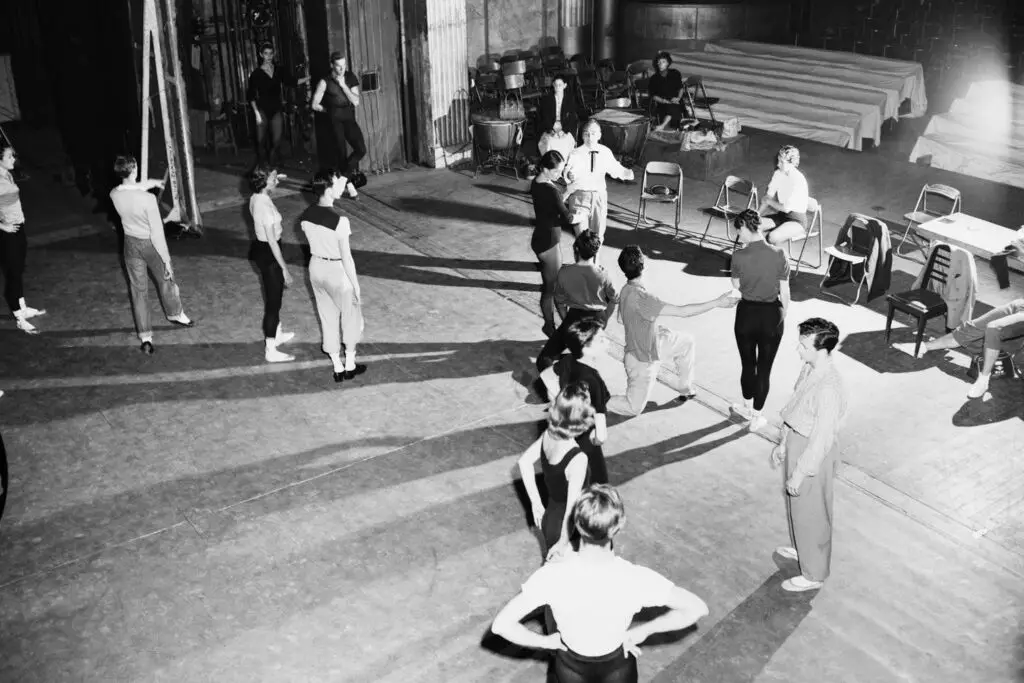
The rec center gym hosted basketball leagues, aerobics classes, and community meetings. It was rarely empty. Different age groups crossed paths daily. It offered affordable access and informal supervision. Many lifelong friendships began on that hardwood floor. It felt accessible to everyone.
Funding challenges and newer facilities pulled people away. The older building closed with little notice. Equipment was removed. The doors stayed locked. A multi-generational meeting place quietly slipped into memory.
15. The Weekly Farmers Market Pavilion

The farmers market pavilion was as much about conversation as produce. Neighbors lingered between stalls. Vendors greeted customers by name. Musicians played softly in the background. It encouraged slowing down. It felt seasonal and grounded.
When organizers stepped down or attendance dropped, markets sometimes dissolved. The pavilion stood empty on Saturdays. Without the weekly rhythm, foot traffic shifted elsewhere. The shared ritual of gathering around food diminished.
16. The Local Coffeehouse Open Mic

The open mic night at the coffeehouse gave people a stage. Amateur musicians, poets, and storytellers shared their work. Regulars showed up to support one another. It fostered vulnerability in a small, supportive room. Applause felt personal. It was imperfect but sincere.
When rents rose or ownership changed, many closed abruptly. The stage was dismantled. The chalkboard schedule was erased. Creative energy scattered to the wind. A small but vital cultural outlet disappeared without much public notice.