
1. Lucy Ricardo and Ethel Mertz
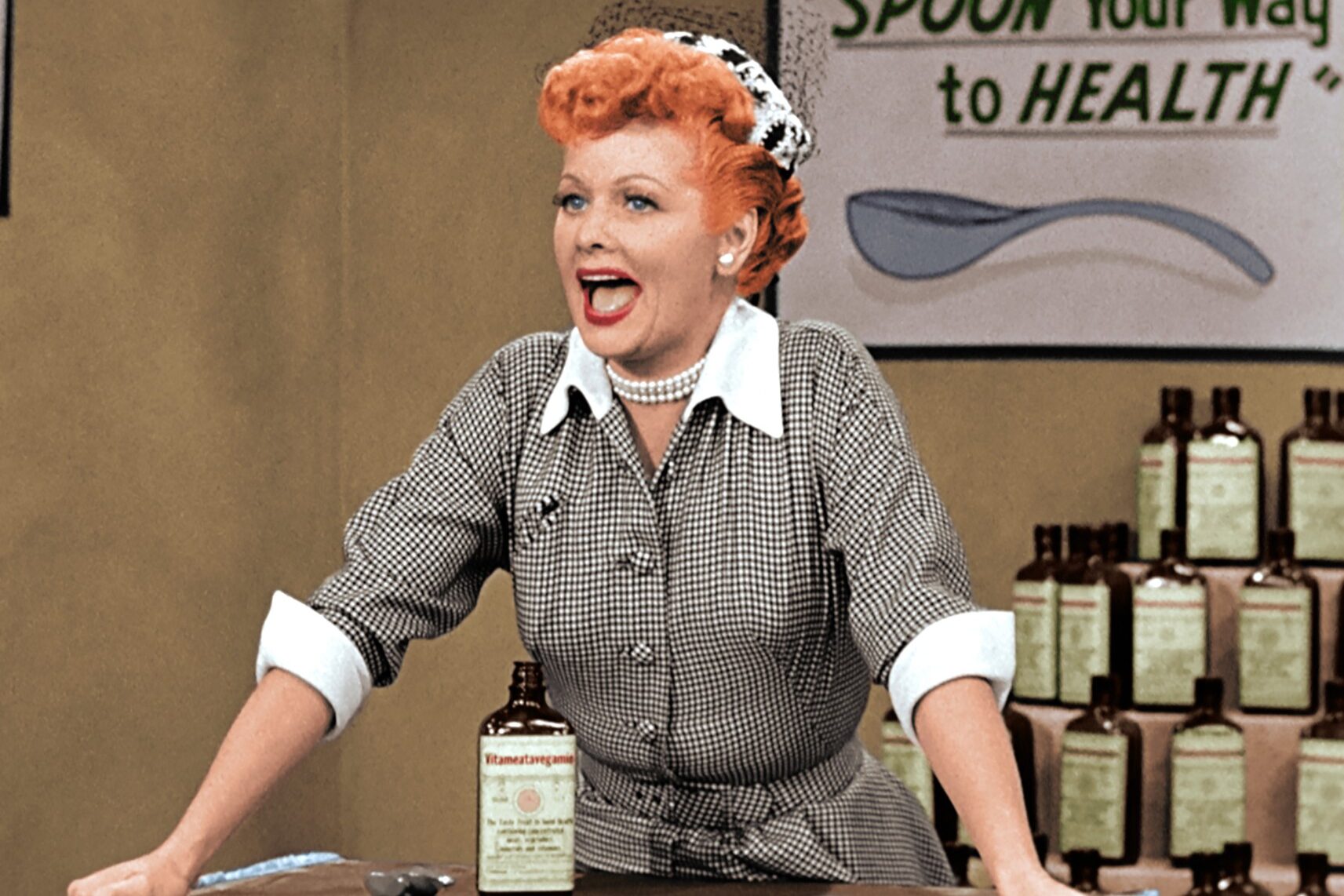
On I Love Lucy, Lucy and Ethel bickered like only the closest friends can, which is probably why the on-screen tension felt so real. Behind the scenes though, things weren’t always quite as warm. Vivian Vance disliked that her character was written to seem older and frumpier than Lucille Ball, and those insecurities sometimes spilled into their working relationship. Ball, who admired Vance’s talent, didn’t love the tension but understood where it came from. Their dynamic mellowed over time, but in the early years, it definitely added a spark to their iconic arguments.
Even so, the two actresses grew to genuinely care for one another as the show went on. Their chemistry remained undeniable, even when real frustrations simmered beneath the surface. By the time The Lucy Show rolled around, they had found more common ground. That said, their early-series disagreements still fuel plenty of classic Hollywood lore.
2. Samantha Stephens and Endora
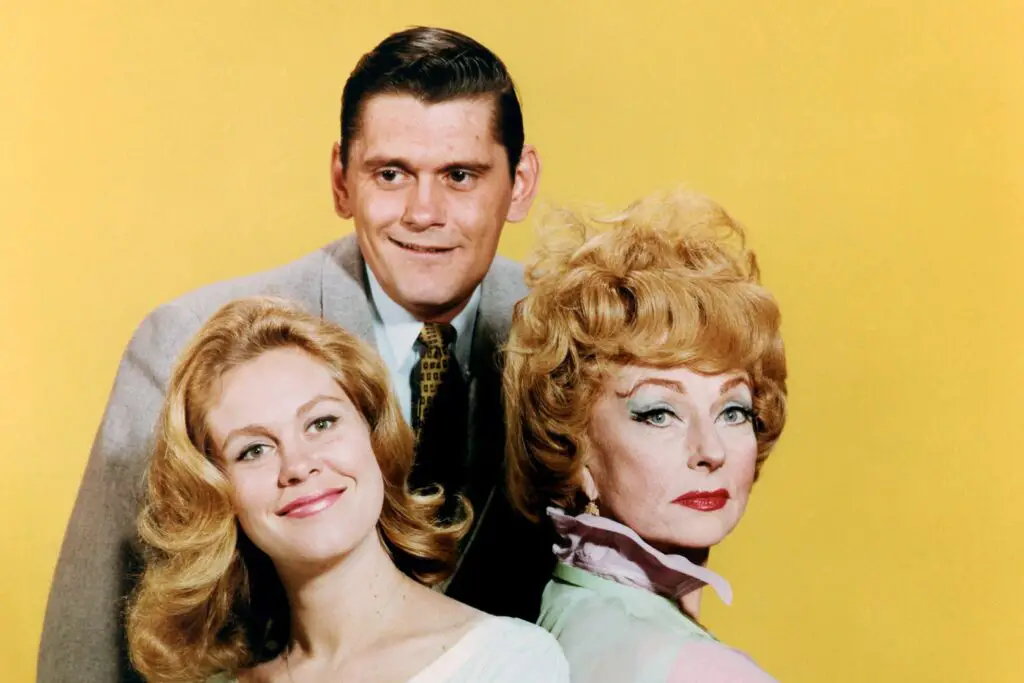
Elizabeth Montgomery and Agnes Moorehead delivered some of the best mother-in-law sniping ever seen on Bewitched. Off camera though, Moorehead was known for being intensely private, while Montgomery was younger, more relaxed and at times intimidated by her co-star. Their personalities didn’t always match, which could create a little tension during long shooting days. Moorehead also had strong opinions about scripts and character motivations, something that occasionally slowed things down.
Still, despite the prickly moments, there was a genuine admiration between them. Montgomery often spoke highly of Moorehead’s immense talent. Moorehead, for her part, saw Montgomery as a gifted actress carrying a very demanding show. Their real-life dynamic may not have been as magical as the one on television, but it brought extra electricity to every scene they shared.
3. J.R. Ewing and Cliff Barnes
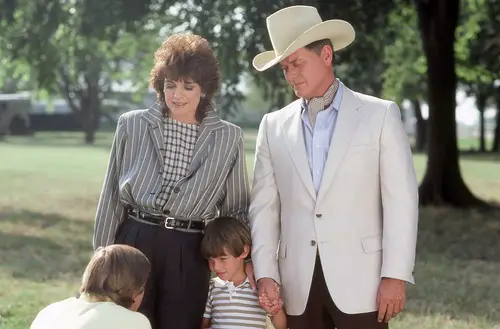
The rivalry between J.R. and Cliff helped define Dallas, and believe it or not, some of that high-stakes energy came from real tension between Larry Hagman and Ken Kercheval. The two actors genuinely respected one another, but they also had very different working styles. Hagman loved to lean into improvisation and humor, while Kercheval took a more methodical approach. That contrast could lead to friction when scenes got complicated.
Even with the behind-the-scenes bumps, they built one of TV’s great feuds. Hagman’s playfulness sometimes frustrated Kercheval, yet it also pushed him to meet the moment. Kercheval delivered some of the best responses to J.R.’s villainy because he took the rivalry so seriously. Their real-life tension made their fictional battles even juicier.
4. Mary Richards and Lou Grant
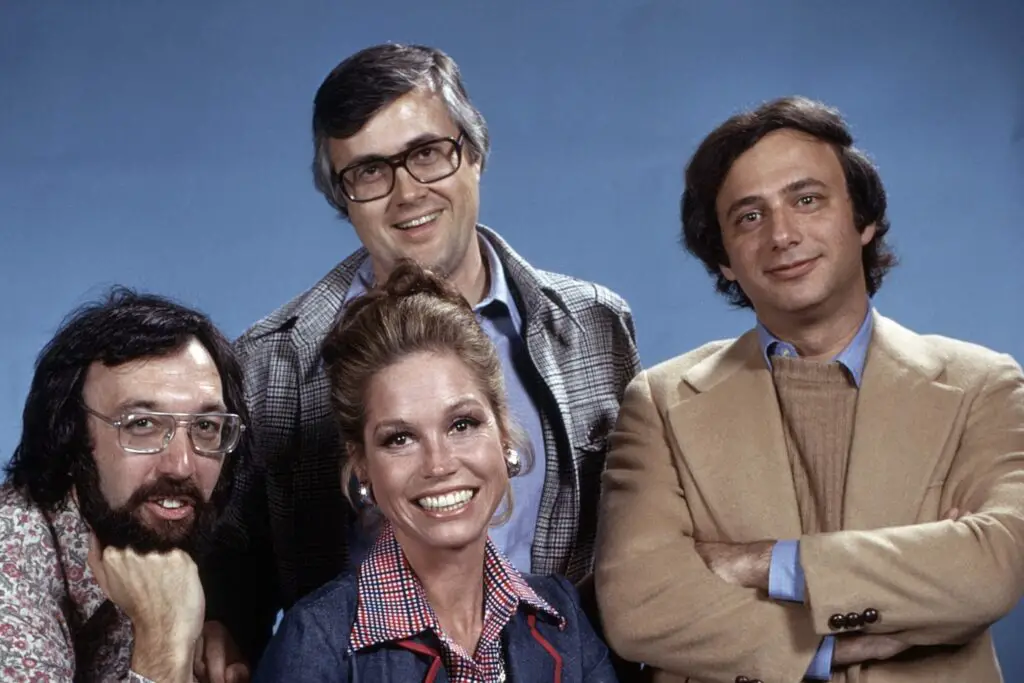
On The Mary Tyler Moore Show, Mary and Lou had a workplace dynamic full of gentle tension and mutual affection. But backstage, Mary Tyler Moore and Ed Asner occasionally clashed over the show’s direction. Asner was famously outspoken and passionate about storytelling choices, which sometimes conflicted with Moore’s instincts. Neither was afraid to voice an opinion, and in the heat of production, that could get messy.
Despite the disagreements, their professional respect always won out. They were both perfectionists who wanted the series to maintain its high standard. Their rare arguments actually came from the same place, a deep investment in the show’s success. In the end, their on-screen tenderness overshadowed any real-world friction.
5. Oscar Madison and Felix Unger
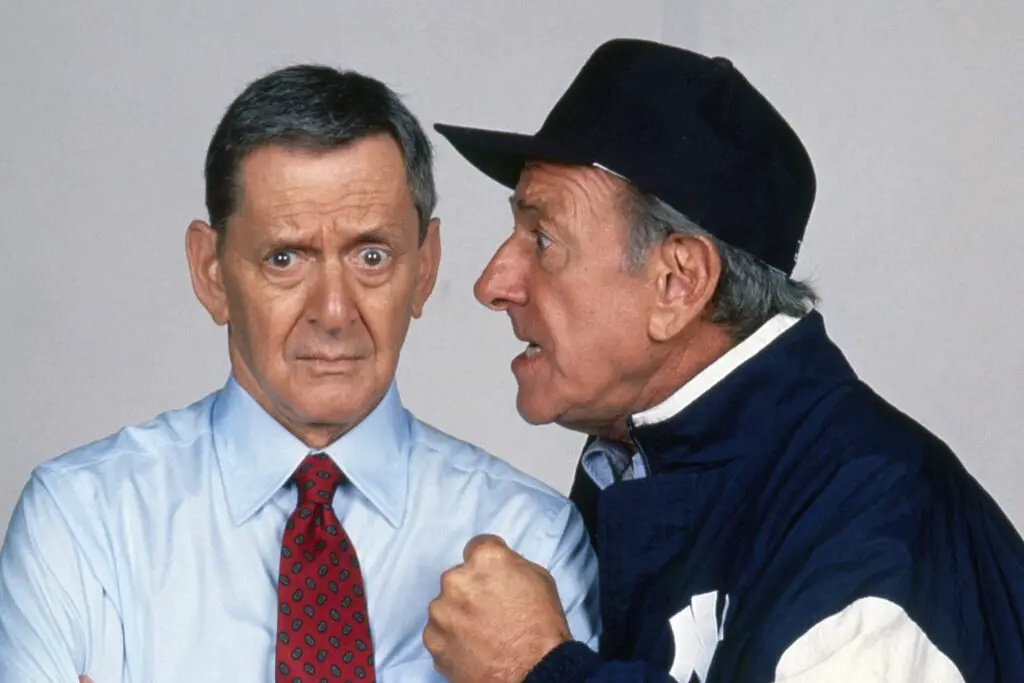
Jack Klugman and Tony Randall were brilliant on The Odd Couple, portraying a pair of mismatched friends whose bickering felt oddly comforting. Off screen, they adored each other, but that didn’t mean things were always smooth. Randall was regimented and exacting, while Klugman preferred a looser, more instinctive approach. That push and pull sometimes led to disagreements about how a joke should land.
Those creative differences could get heated, yet they never threatened the friendship. In fact, the tension often made their performances stronger because they were constantly challenging each other. Their on-screen rivalry mirrored their off-screen debates, even if the real arguments were far friendlier. The result was a chemistry that has held up beautifully over time.
6. Archie Bunker and Mike Stivic
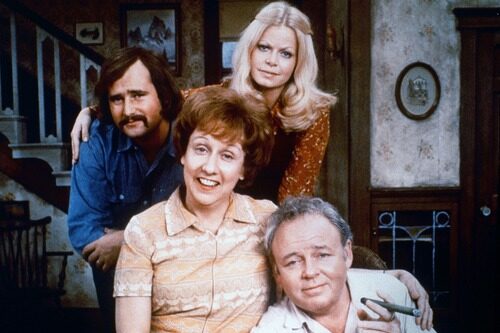
The clash between conservative Archie and liberal Mike was the backbone of All in the Family. Carroll O’Connor and Rob Reiner had a cordial relationship, but they didn’t always see eye-to-eye on political topics, which sometimes bled into rehearsals. O’Connor could be brooding and complex, while Reiner brought youthful energy and a different worldview. Their off-screen debates occasionally got spirited, especially during episodes that tackled controversial issues.
Even so, the two respected each other’s craft immensely. They understood that the tension they felt was part of what made the show groundbreaking. Under Norman Lear’s guidance, their differences became fuel for the show’s most memorable scenes. What could have been messy ultimately helped shape television history.
7. Alexis Carrington and Krystle Carrington

Joan Collins and Linda Evans delivered one of the most glamorous rivalries in primetime history on Dynasty. Off screen though, their relationship had its ups and downs. The show placed enormous pressure on both women, often pitting their characters against each other in over-the-top storylines that spilled into media coverage. Collins was outspoken and confident, while Evans tended to be more soft-spoken and earnest, creating occasional tension.
Despite that, both actresses maintained a mutual professional respect. They were fully aware that their chemistry drove ratings and fan excitement. Over the years, they even laughed about some of their more sensational on-screen confrontations. Their off-screen relationship may not have been perfect, but it was far kinder than the battles their characters waged.
8. Captain Kirk and Mr. Spock
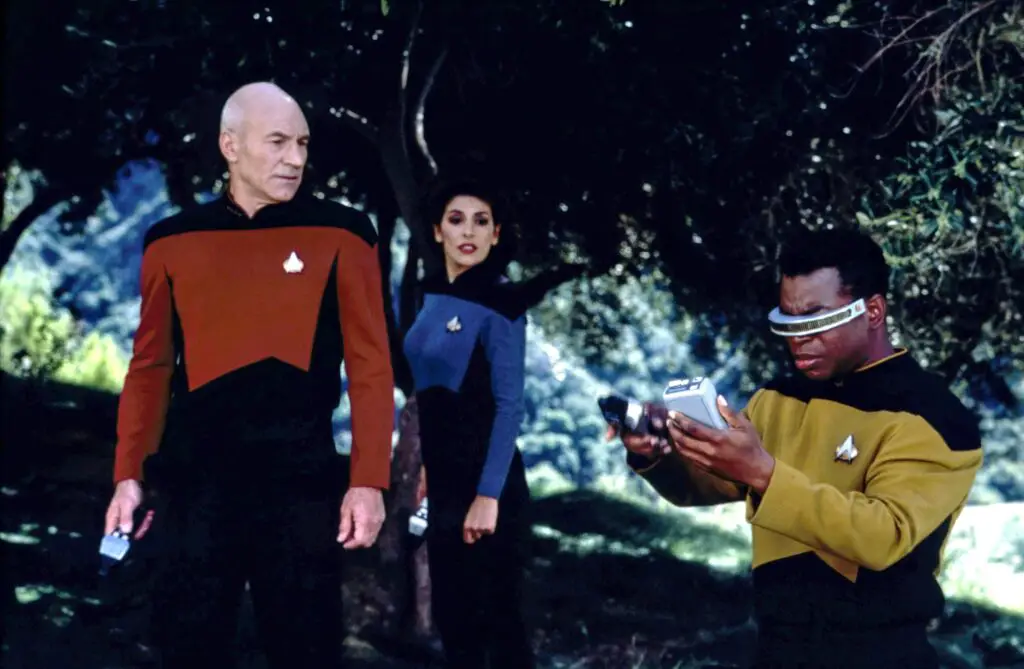
William Shatner and Leonard Nimoy became inseparable in fans’ eyes, but during Star Trek’s original run, their relationship was more complicated. Shatner’s desire for more screen time and prominence sometimes frustrated Nimoy, who had quickly become a breakout favorite. The competition for attention created real tension between them for a time. Shatner, known for his big personality, unintentionally stepped on toes more than once.
Still, as the years went on, they developed a deep friendship. Nimoy later spoke about how their early rivalry dissolved into mutual admiration. Shatner, too, expressed how much he valued Nimoy’s presence both personally and professionally. Their evolution from uneasy co-stars to lifelong friends is one of the franchise’s most touching legacies.
9. Jethro Bodine and Mr. Drysdale
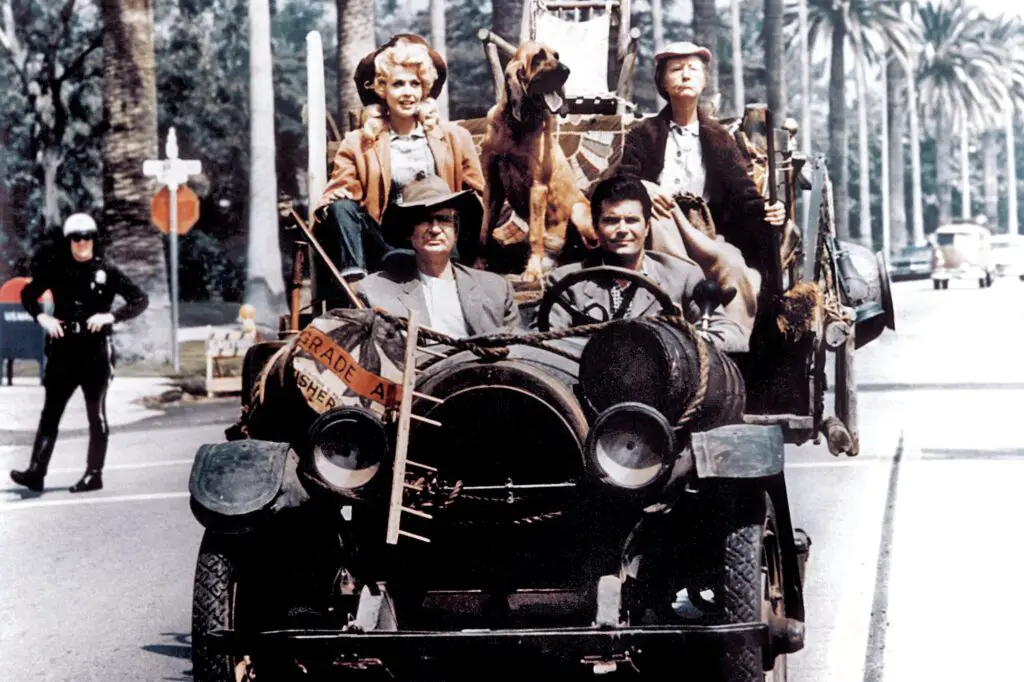
On The Beverly Hillbillies, Max Baer Jr. and Raymond Bailey played beautifully off each other as the wide-eyed Jethro and the perpetually stressed banker. Behind the scenes though, Bailey’s declining health in the later seasons made production challenging. Baer, who admired Bailey greatly, often had to adjust his performance or timing as Bailey struggled through lines. It wasn’t rivalry in the traditional sense, but the tension came from keeping scenes afloat under difficult circumstances.
Even so, both actors maintained enormous respect for one another. Baer has spoken fondly about Bailey’s dedication during those tough final seasons. The behind-the-scenes challenges brought a seriousness that contrasted with the show’s lighthearted tone. Their on-screen dynamic remained strong despite the private hurdles.
10. Hawkeye Pierce and Frank Burns
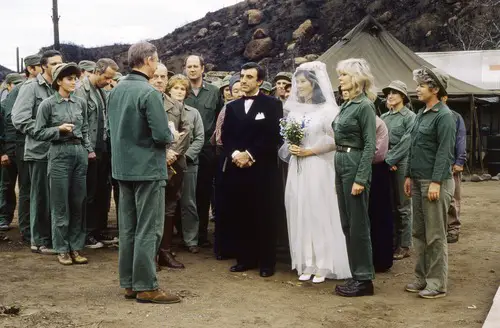
Alan Alda and Larry Linville created one of television’s most iconic comedic rivalries on M*A*S*H. But behind the scenes, Linville grew increasingly frustrated with Frank Burns being written as a one-note foil while Alda’s character grew richer and more nuanced. That imbalance created tension, especially as Alda gained more creative influence on the show. Linville ultimately chose to leave M*A*S*H after five seasons because he felt the character had nowhere left to go.
Still, Alda praised Linville’s talent repeatedly over the years. Their working relationship may have had bumps, but both understood the value of the dynamic they built together. Linville’s decision to move on was rooted in creative limitations, not personal animosity. Their on-screen clashes remain some of the show’s funniest moments.
11. Jessica Fletcher and various Cabot Cove adversaries
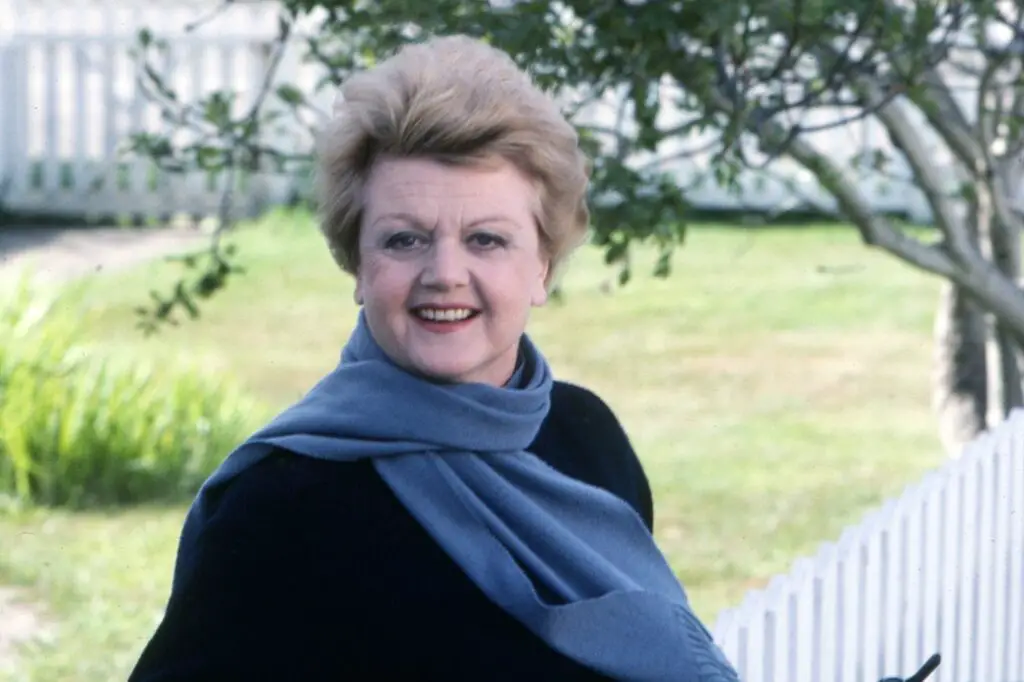
On Murder, She Wrote, Angela Lansbury was the undisputed star, and that sometimes caused minor tensions with guest actors who hoped for more screen time. Lansbury, juggling producing responsibilities, had a demanding workload that could make the set feel intense. Some recurring players found themselves frustrated by limited character development. These feelings weren’t targeted at Lansbury personally, but at the realities of working on a star-driven series.
Even with those issues, Lansbury was known for being gracious and professional. Many guest stars later said she made them feel welcome, even when the production schedule was tight. Any behind-the-scenes friction was usually brief and rooted in the fast pace. The show’s longevity speaks to the strong culture she fostered.
12. Starbuck and Colonel Tigh

On the original Battlestar Galactica, Dirk Benedict and Terry Carter created a snappy, tension-filled dynamic. Off screen, there were occasional disagreements about dialogue and character direction, mostly driven by the rushed production schedule. The cast worked under intense pressure, and Benedict’s playful approach sometimes clashed with Carter’s more serious style. That difference could create sparks when scenes needed precision.
Still, both actors recognized the strengths each brought to the series. They worked through their differences to deliver performances that fans still love. Their off-camera friction never overshadowed the camaraderie of the cast as a whole. In many ways, the messiness made their on-screen rivalry feel even more authentic.
13. Blanche Devereaux and Dorothy Zbornak
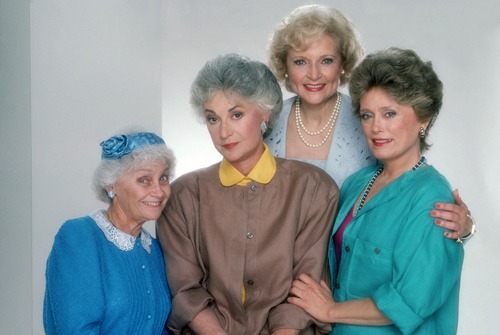
On The Golden Girls, Blanche and Dorothy’s constant jabs felt like the kind of teasing only close friends can get away with. Behind the scenes, Bea Arthur and Rue McClanahan had very different personalities, which sometimes led to tension. Arthur was serious and disciplined, while McClanahan was lighter and more playful. Long taping days could make those differences more noticeable, especially when comedy timing was involved.
Despite that, both women were consummate professionals. Arthur respected McClanahan’s impeccable comedic instincts, even if their approaches didn’t always align. McClanahan, in turn, admired Arthur’s commanding presence and sharp delivery. Their occasional off-camera friction added an edge that made their on-screen sparring feel especially sharp.
14. Fred Sanford and Aunt Esther
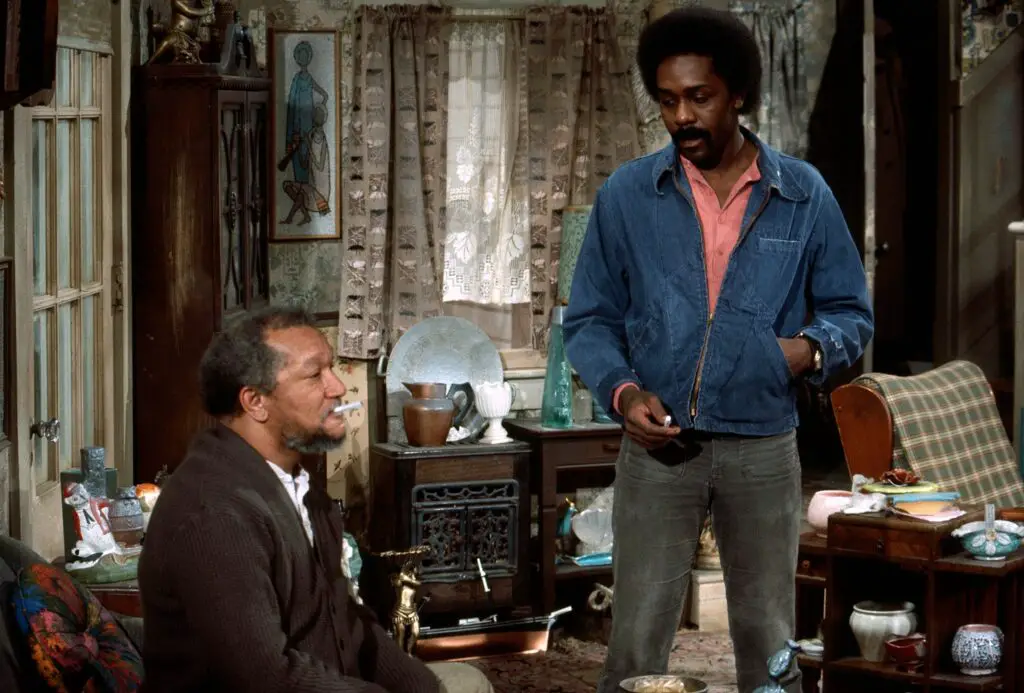
The insults traded between Fred Sanford and Aunt Esther on Sanford and Son were legendary. Redd Foxx and LaWanda Page leaned into that hostility so convincingly that many viewers assumed it was purely for laughs. In reality, Foxx could be difficult on set and had a habit of pushing boundaries. Page, who was a seasoned comic herself, didn’t always appreciate his improvisations that went off script.
Even so, the two shared a long history in stand-up comedy and understood each other’s rhythm. Page could hold her own against Foxx, both on screen and off. Their shared background helped them weather any behind-the-scenes frustration. What came across as pure chaos on camera was built on years of mutual understanding.
15. Al Bundy and Marcy D’Arcy
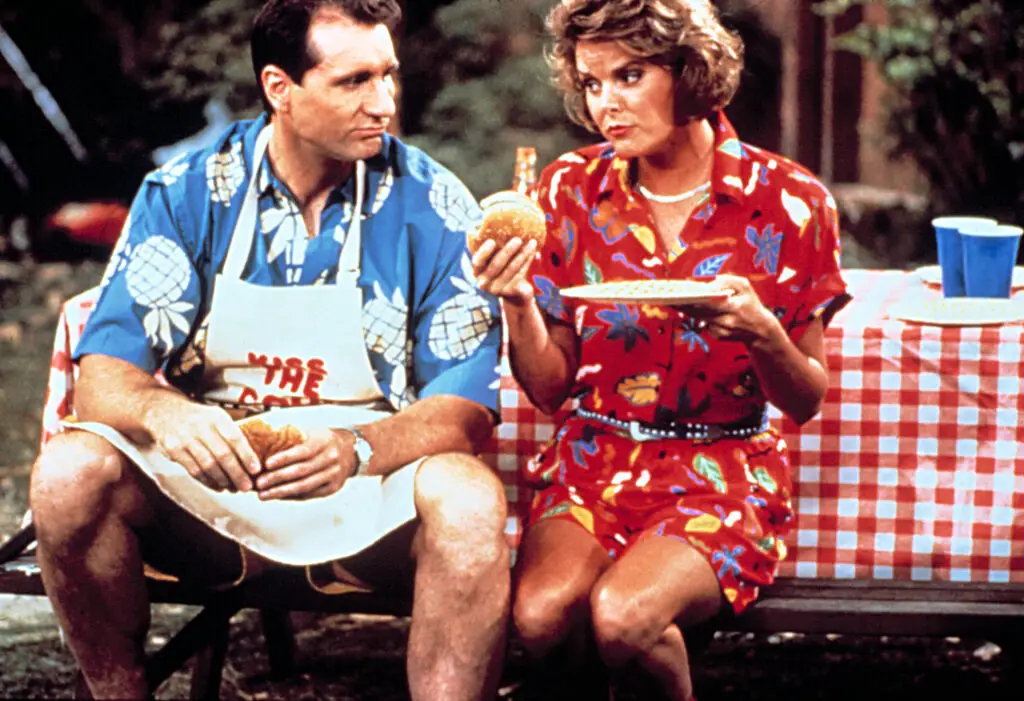
On Married… with Children, Al and Marcy’s feud was a cornerstone of the show’s humor. Ed O’Neill and Amanda Bearse were friendly, but their working relationship wasn’t always seamless. Bearse was deeply invested in Marcy’s character growth, while O’Neill was more relaxed about pushing boundaries for laughs. That difference occasionally caused creative disagreements.
Still, both actors committed fully to the outrageous tone of the show. O’Neill has spoken about Bearse’s professionalism and focus. Bearse understood that Al’s cruelty was essential to the series’ satire. Their off-screen differences never derailed the chemistry that made their rivalry so memorable.
16. Laverne DeFazio and Shirley Feeney
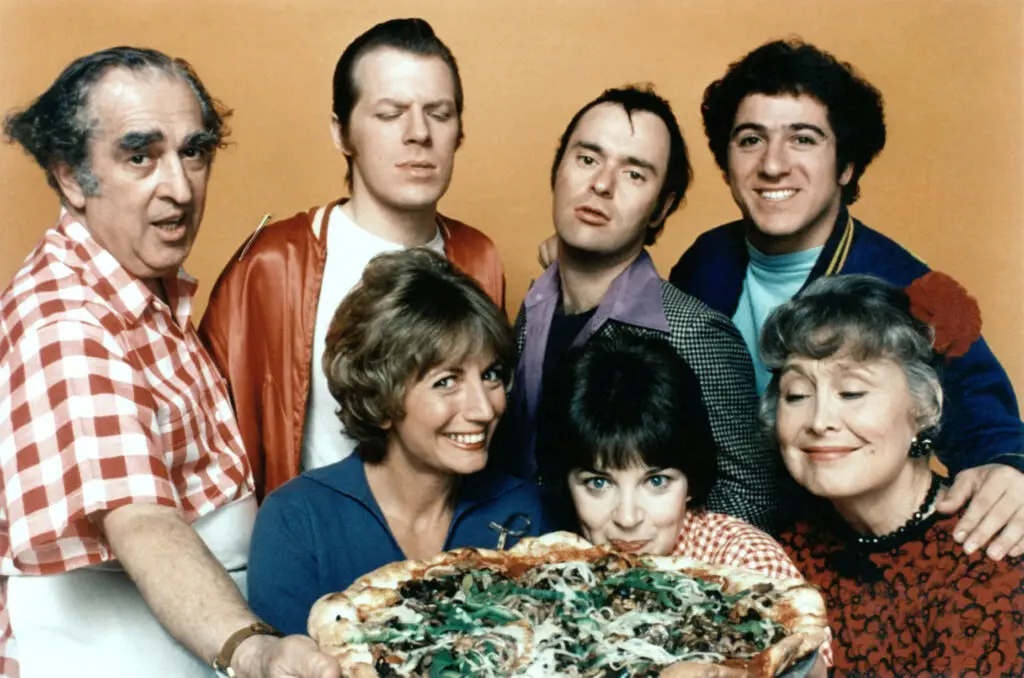
Laverne and Shirley’s friendship on Laverne & Shirley looked rock solid, but things weren’t always so smooth behind the scenes. Penny Marshall and Cindy Williams were close early on, yet the pressures of fame began to strain their relationship. Williams sometimes felt overshadowed as Marshall’s star rose. Creative and personal frustrations eventually made working together more difficult.
Those tensions grew more noticeable in later seasons. Williams ultimately left the show before its final year, citing issues with the working environment. Despite that, both actresses acknowledged the magic they created together. Their early chemistry remains one of classic television’s most beloved friendships.
17. Magnum P.I. and Higgins
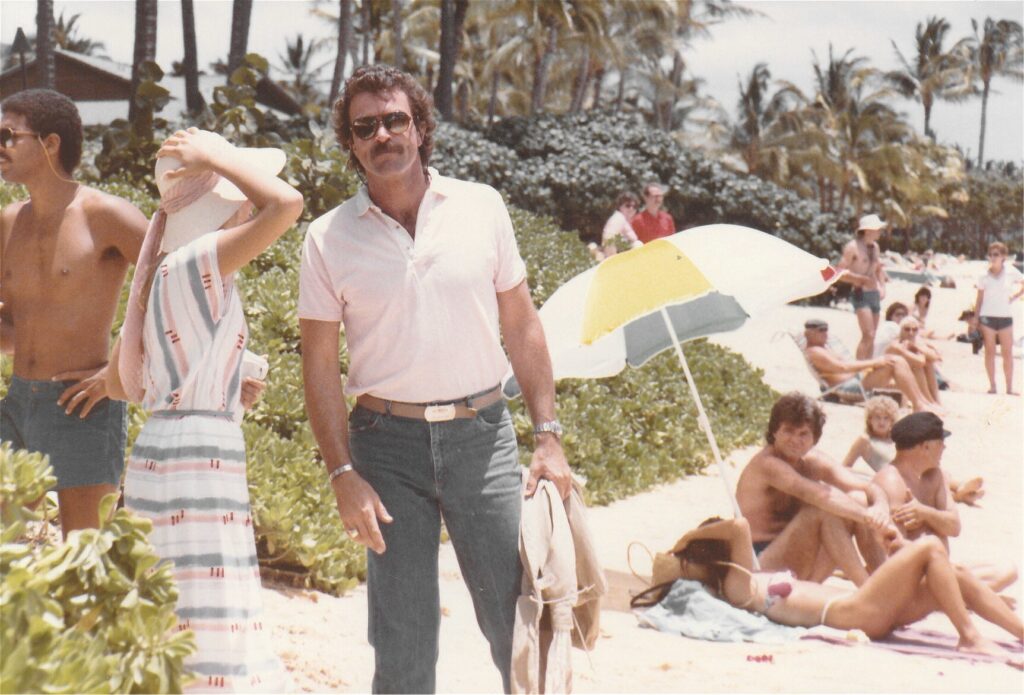
The playful sparring between Magnum and Higgins gave Magnum, P.I. much of its charm. Tom Selleck and John Hillerman got along, but they approached their work very differently. Hillerman was meticulous and precise, while Selleck relied more on instinct. That contrast sometimes caused friction during rehearsals.
Even so, both actors understood the value of their dynamic. Hillerman’s rigidity made Higgins funnier, especially opposite Selleck’s laid-back style. Selleck respected Hillerman’s dedication to the character. Their differing methods ultimately strengthened the show’s central relationship.
18. Lucy Ricardo and Ricky Ricardo
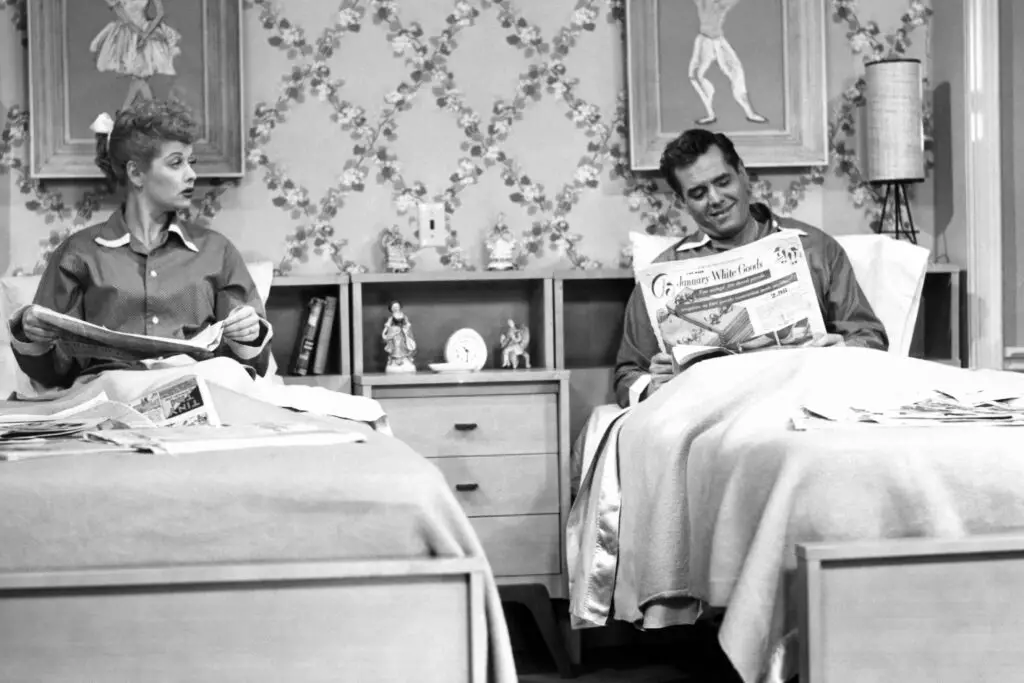
Lucille Ball and Desi Arnaz portrayed one of television’s most iconic married couples on I Love Lucy. Off screen, their real marriage was unraveling under intense pressure. Long hours, public scrutiny, and personal struggles created a painful divide. Filming lighthearted comedy while dealing with real heartbreak was emotionally taxing.
Despite the strain, Ball and Arnaz remained deeply professional. They protected the show’s quality even as their personal lives suffered. Their ability to separate real pain from performance is part of what makes the series so remarkable. The laughter on screen often masked very real behind-the-scenes sadness.
19. Crockett and Tubbs
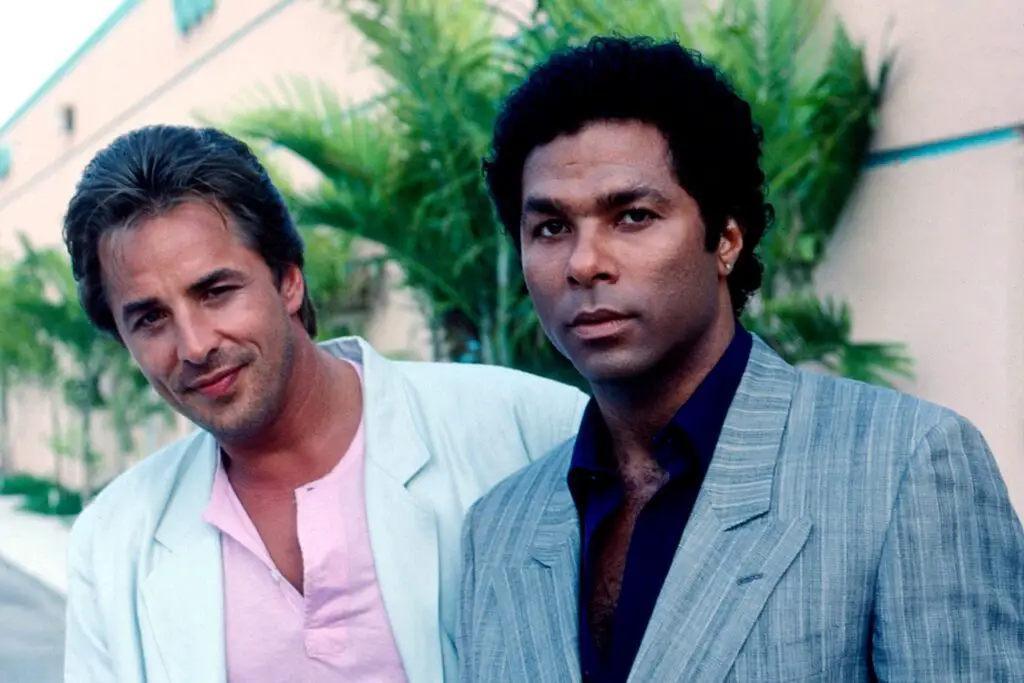
Don Johnson and Philip Michael Thomas defined cool on Miami Vice, but their off-camera relationship was complicated. Johnson’s rising fame and erratic behavior sometimes clashed with Thomas’s expectations. Thomas reportedly felt sidelined as the show increasingly focused on Johnson’s character. That imbalance created real resentment at times.
Still, both actors understood the cultural impact of the series. They delivered strong performances even when tensions simmered. Over time, their relationship cooled into a more distant professionalism. The intensity viewers felt between Crockett and Tubbs wasn’t entirely fictional.