
1. The Bunkers from All in the Family
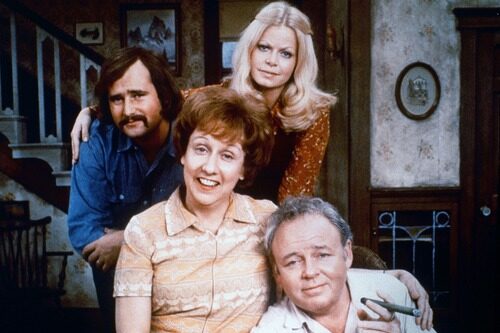
Archie Bunker was designed to be provocative, but his blunt bigotry and casual slurs would face immediate pushback in today’s television landscape. The show relied on discomfort as a teaching tool, trusting audiences to recognize satire and growth over time. Modern writers tend to avoid putting that much unfiltered prejudice into a main character’s mouth, even for social commentary. The pacing of social correction has shifted, with less patience for slow moral arcs.
Edith’s submissive role would also draw scrutiny for reinforcing outdated gender dynamics. Her sweetness often functioned as a foil rather than a fully independent voice. While the series was groundbreaking for its era, current audiences expect more agency and nuance from every character. A contemporary version would almost certainly reframe both Archie and Edith in softer or more layered ways.
2. The Cleavers from Leave It to Beaver
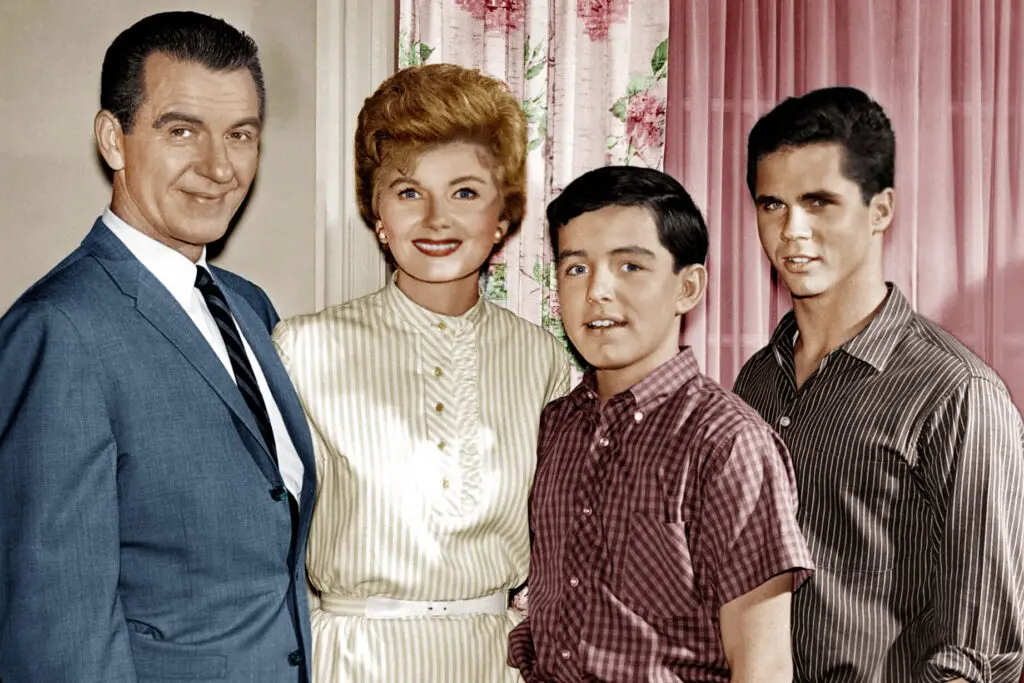
The Cleaver household represented a spotless vision of postwar suburban life that no longer reflects cultural reality. June’s full makeup and pearls at breakfast now feel more like fantasy than aspiration. The show’s strict gender roles and unwavering parental authority would likely feel overly rigid to modern viewers. Today’s family sitcoms lean toward messier, more authentic domestic dynamics.
Ward’s calm, unquestioned wisdom also reflects a time when fathers were rarely challenged on screen. Children now tend to push back, question rules, and express more emotional complexity. The Cleavers’ neatly resolved conflicts feel artificial by current storytelling standards. A modern adaptation would probably inject more ambiguity, humor, and shared responsibility.
3. The Andersons from Father Knows Best
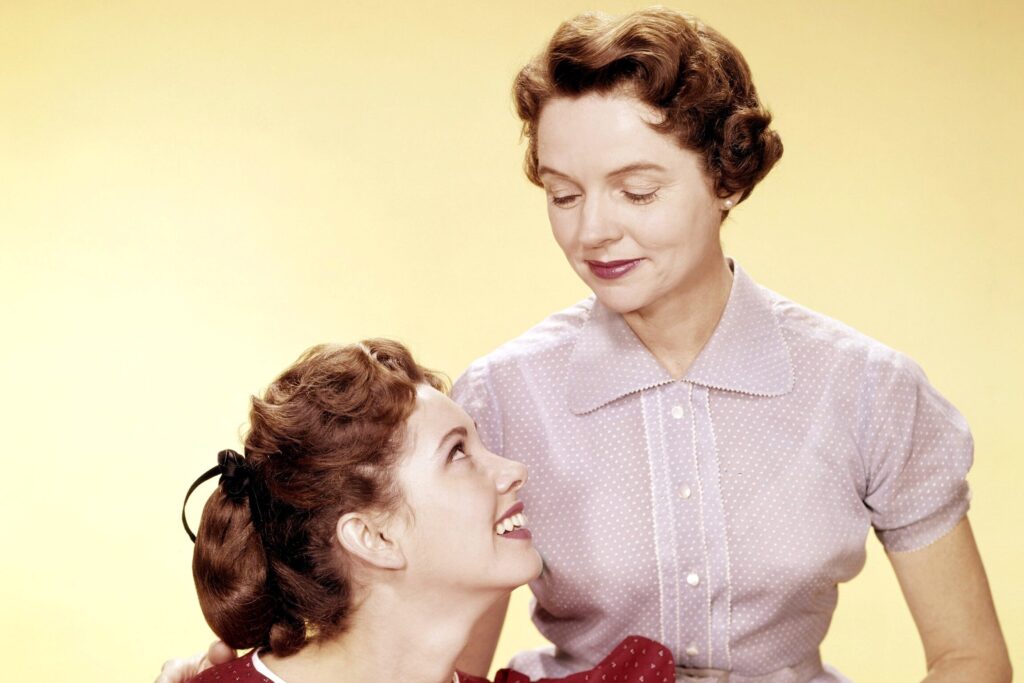
This family leaned heavily into the idea that paternal guidance was the ultimate moral compass. Jim Anderson rarely made mistakes that could not be easily smoothed over within a single episode. That kind of moral certainty does not align well with today’s preference for flawed, evolving characters. Audiences now expect parents to learn alongside their children.
Margaret’s role was largely domestic and deferential, reflecting social norms of the time. Contemporary television usually offers mothers fuller professional and emotional identities. The Anderson household projected stability as perfection rather than growth. A modern version would likely emphasize collaboration instead of hierarchy.
4. The Bradys from The Brady Bunch
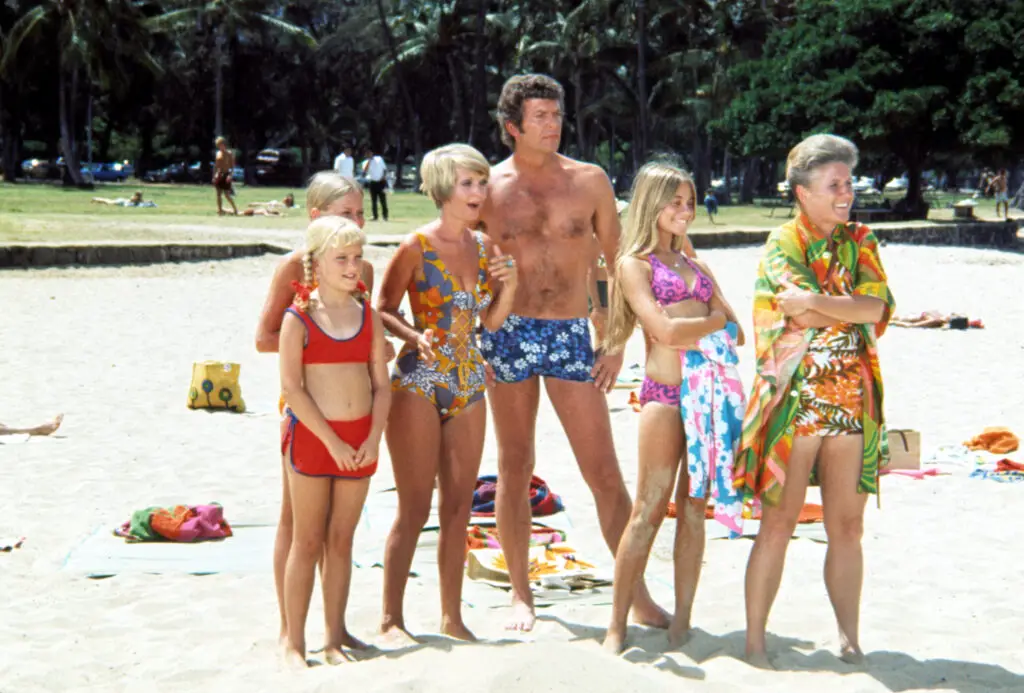
The Brady family’s endlessly cheerful blended household glossed over many real-world complications. Divorce, grief, and blended-family tension were rarely explored with any real depth. Everything reset quickly, preserving a sunny tone that feels unrealistic today. Modern viewers often expect more emotional honesty.
The children’s problems were generally small and neatly solvable. Conflict rarely lingered or shaped long-term character development. Contemporary storytelling tends to allow messier consequences and evolving relationships. The Bradys’ wholesome simplicity would likely feel overly sanitized for current audiences.
5. The Huxtables from The Cosby Show
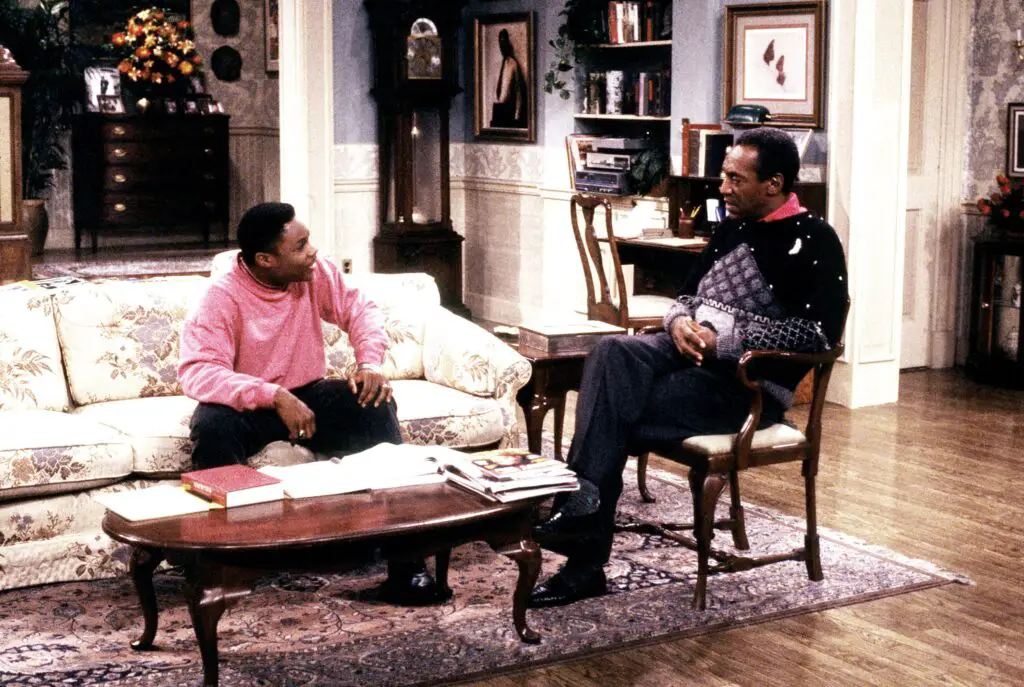
The Huxtables represented an aspirational professional family that reshaped television in the ’80s. However, the cultural legacy of the show has been complicated by real-world controversies surrounding its star. Networks today are far more cautious about separating art from public accountability. That alone makes a direct revival unlikely.
Beyond that, the show’s idealized stability could feel less relatable to modern audiences navigating economic and social uncertainty. Contemporary family comedies often highlight stress, imbalance, and imperfect success. The Huxtables’ polished perfection might now feel distant rather than comforting. A reboot would likely demand deeper complexity and transparency.
6. The Bundys from Married… with Children
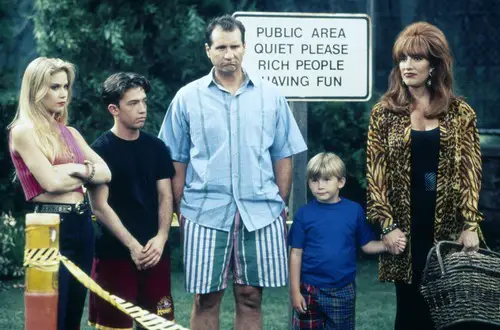
The Bundy household thrived on shock humor, crude jokes, and relentless sarcasm. Many of its punchlines leaned heavily on stereotypes about gender, appearance, and intelligence. That brand of humor would face strong backlash in today’s media environment. Networks now tend to prioritize inclusivity and sensitivity standards.
Al’s openly hostile attitude toward nearly everyone was part of the show’s appeal, but modern comedies often soften extreme cynicism. Peg’s exaggerated caricature also feels dated by current standards of representation. While edgy humor still exists, it is usually framed with more self-awareness. A modern version would likely tone down the cruelty.
7. The Walton Family from The Waltons
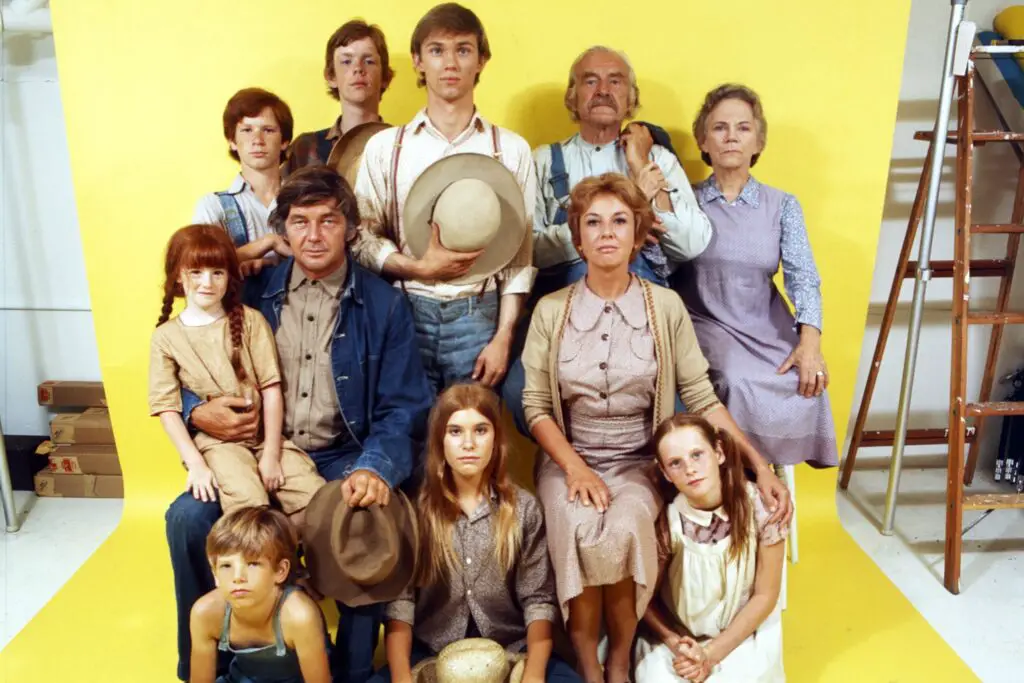
The Waltons embodied a deeply earnest, morally grounded portrayal of rural American life. Their storytelling favored patience, gentleness, and clear moral lessons. Today’s audiences often gravitate toward faster pacing and sharper humor. Long sentimental monologues might struggle to hold attention.
The show also reflected a nostalgic version of hardship that sometimes softened the realities of poverty and social conflict. Contemporary dramas tend to depict economic strain with more grit and complexity. While warmth still resonates, the tone might now feel overly idealized. A current adaptation would likely add more tension and ambiguity.
8. The Ingalls Family from Little House on the Prairie
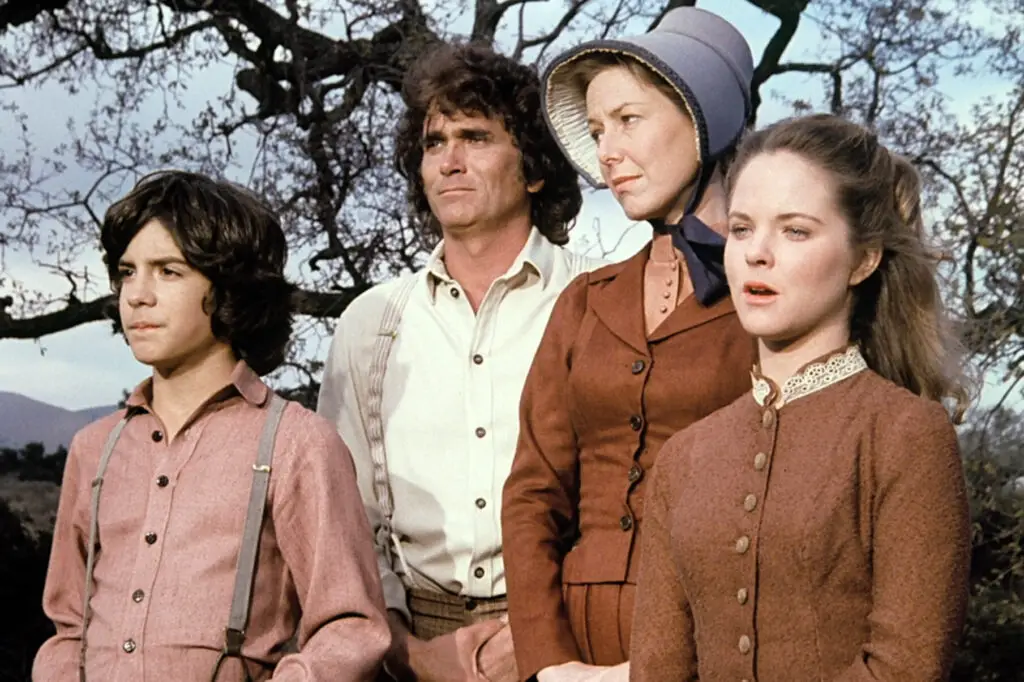
The Ingalls family presented frontier life as morally upright and emotionally resilient. Many storylines simplified or omitted deeper historical realities, especially regarding Indigenous communities and social inequality. Modern television places far greater emphasis on historical accuracy and inclusive perspectives. That shift would require substantial narrative revisions.
The series also leaned into clear moral binaries that resolved neatly. Contemporary audiences often expect layered storytelling and unresolved dilemmas. While the family’s warmth remains appealing, the cultural lens has changed significantly. A modern version would likely address these complexities more directly.
9. The Clampetts from The Beverly Hillbillies
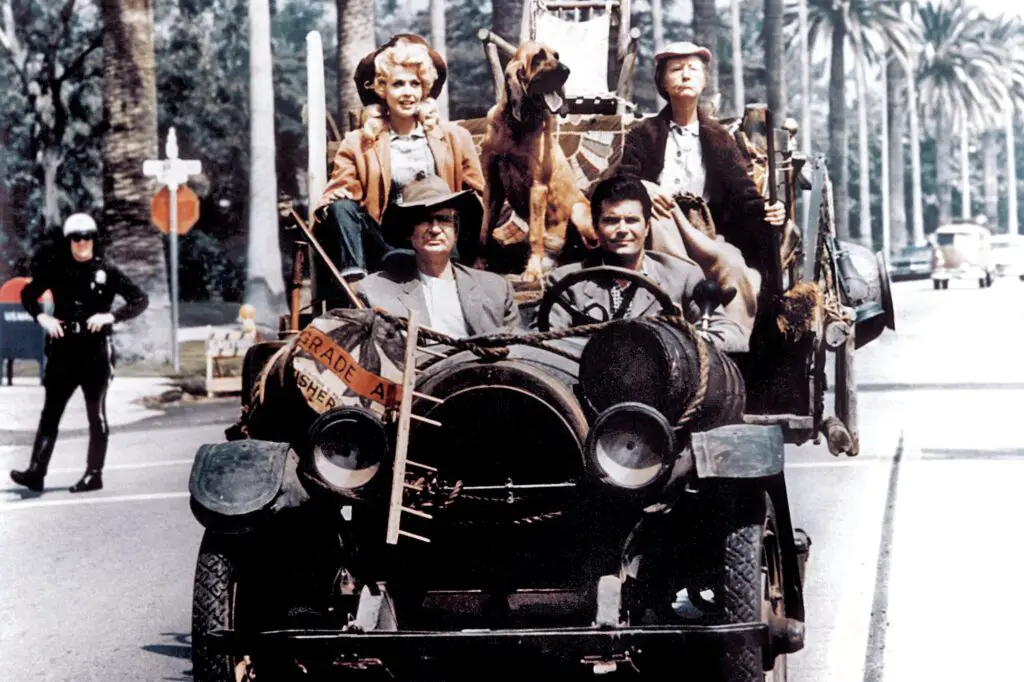
The Clampetts relied heavily on fish-out-of-water humor rooted in class stereotypes. Rural intelligence was often played for laughs in ways that now feel dismissive. Contemporary comedy tends to avoid framing entire communities as punchlines. That shift makes the premise harder to replicate today.
The show’s humor depended on exaggeration rather than nuance. Modern audiences often prefer character-driven comedy with emotional depth. While the original charm still has nostalgic appeal, the underlying caricature would face criticism. A reboot would likely reimagine the family’s intelligence and agency.
10. The Addams Family from The Addams Family
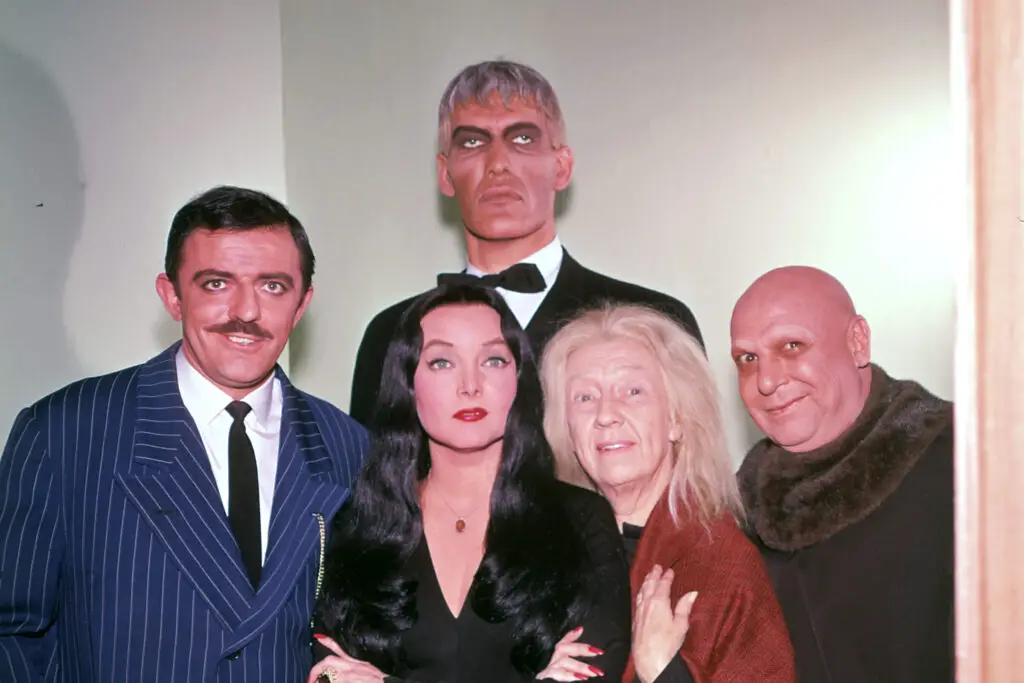
The Addams family delighted in dark humor and playful morbidity, which still resonates today. However, some of the visual and thematic gags were rooted in mid-century sensibilities. Modern interpretations often push the eccentricity further or add emotional backstory. Audiences now expect deeper character psychology.
The original family functioned more like a series of comic sketches than long-term narrative arcs. Contemporary shows usually favor serialized storytelling and character growth. While the Addamses remain culturally relevant, their format would likely evolve significantly. Tone and pacing would shift to match modern expectations.
11. The Munsters from The Munsters
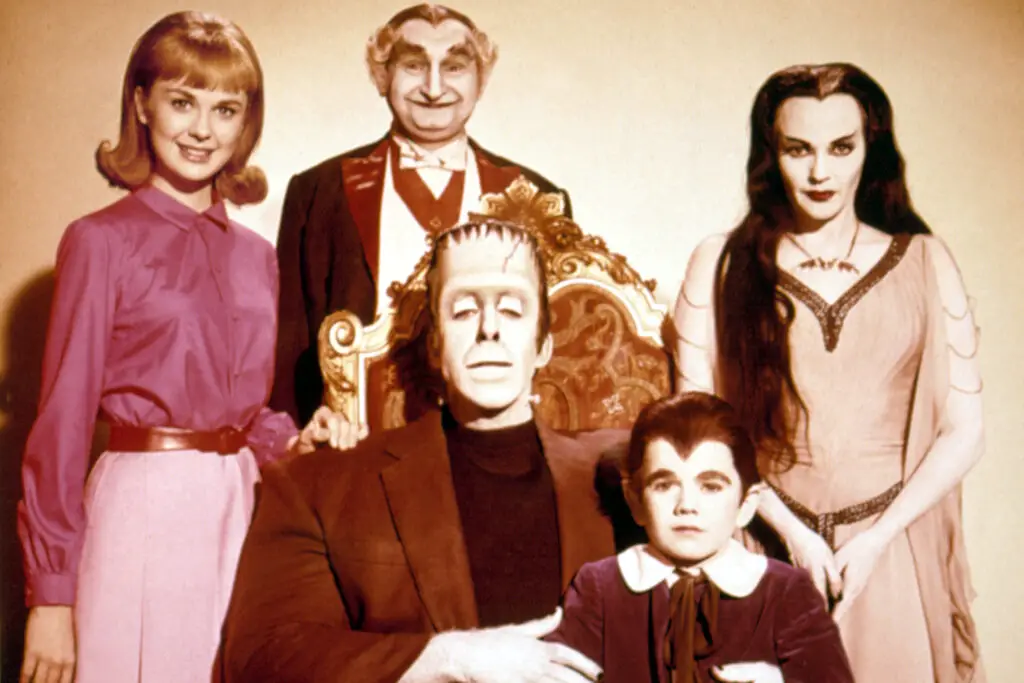
The Munsters used monster imagery to explore suburban conformity through gentle satire. Much of the humor relied on visual novelty and simple misunderstandings. Today’s audiences are more accustomed to genre blending and sophisticated parody. The novelty factor alone would not sustain a series.
The family dynamics were fairly traditional beneath the monster makeup. Modern storytelling tends to challenge conventional domestic roles more directly. A current adaptation would likely lean harder into emotional complexity or social commentary. The original lightness might feel too quaint.
12. The Evans Family from Good Times
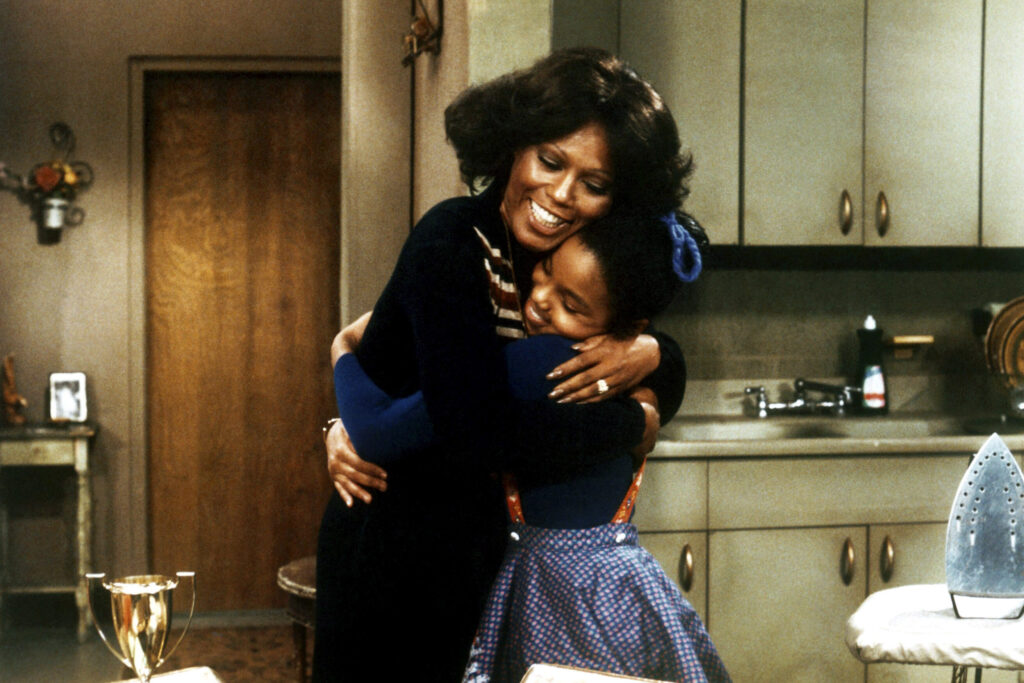
The Evans family depicted economic hardship with honesty and heart, which was groundbreaking for its time. However, the show sometimes drifted into exaggerated humor that risked reinforcing stereotypes. Modern creators are more cautious about balancing comedy with social responsibility. Representation expectations have evolved significantly.
The tension between serious themes and slapstick comedy would likely be restructured today. Contemporary audiences often prefer consistent tonal integrity. While the family’s resilience remains powerful, storytelling approaches have shifted. A modern version would probably deepen character agency and long-term arcs.
13. The Drummonds from Diff’rent Strokes
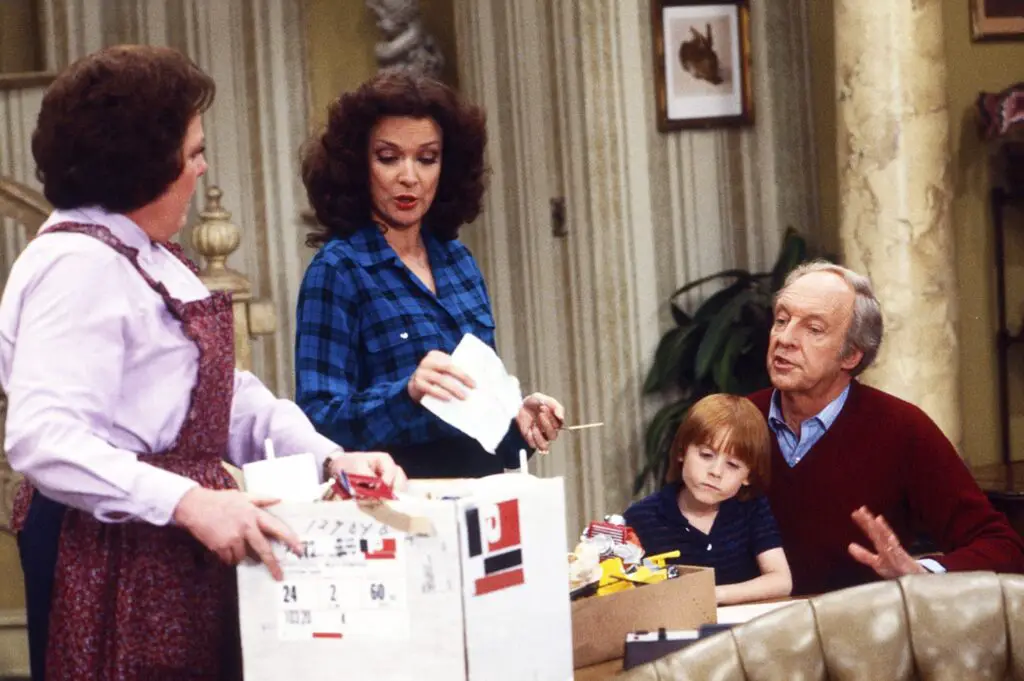
The premise of wealthy guardians adopting children from a very different socioeconomic background relied heavily on cultural contrast. Some of the humor leaned on simplification and broad assumptions. Today’s writers are more careful about depicting race and class dynamics with sensitivity and depth. The original framing would invite substantial revision.
The children’s issues were often resolved quickly without lasting impact. Contemporary storytelling tends to explore emotional consequences more realistically. While the show carried positive intentions, its structure feels dated. A modern adaptation would likely focus on mutual growth rather than novelty.
14. The Tates from Soap
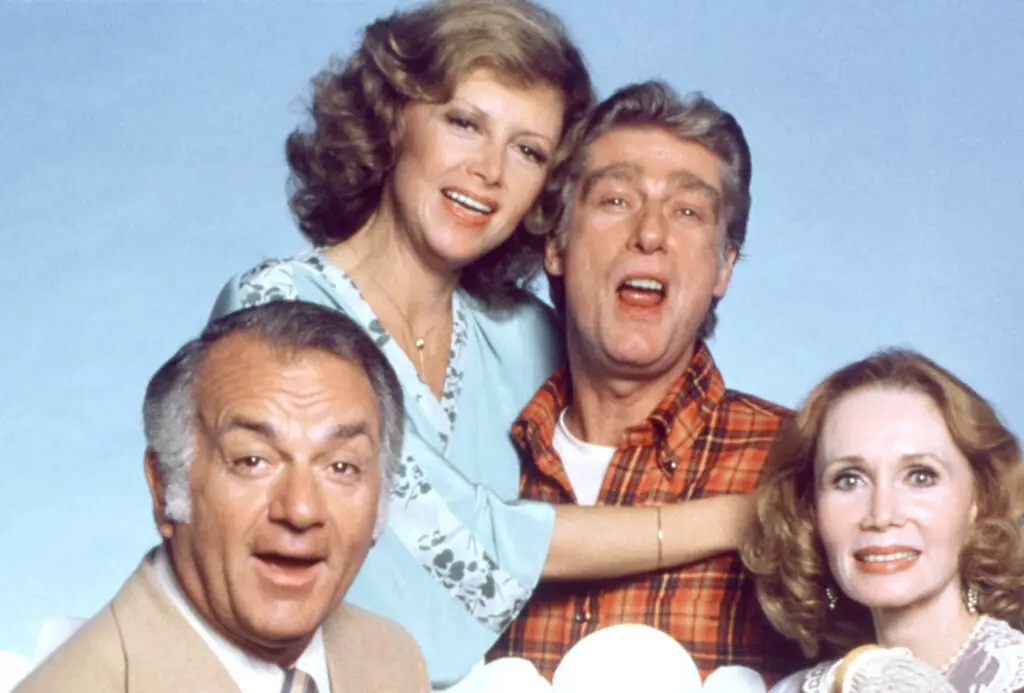
The Tate family thrived on outrageous satire, taboo humor, and constant plot twists. Many storylines pushed boundaries that would now face stricter content standards or cultural scrutiny. Today’s audiences still enjoy satire, but often expect clearer ethical framing. Shock value alone carries less weight.
The show’s rapid-fire absurdity sometimes sacrificed character consistency. Modern series usually prioritize emotional continuity even within comedy. While the format remains influential, execution standards have shifted. A current version would likely refine tone and pacing.
15. The Keatons from Family Ties
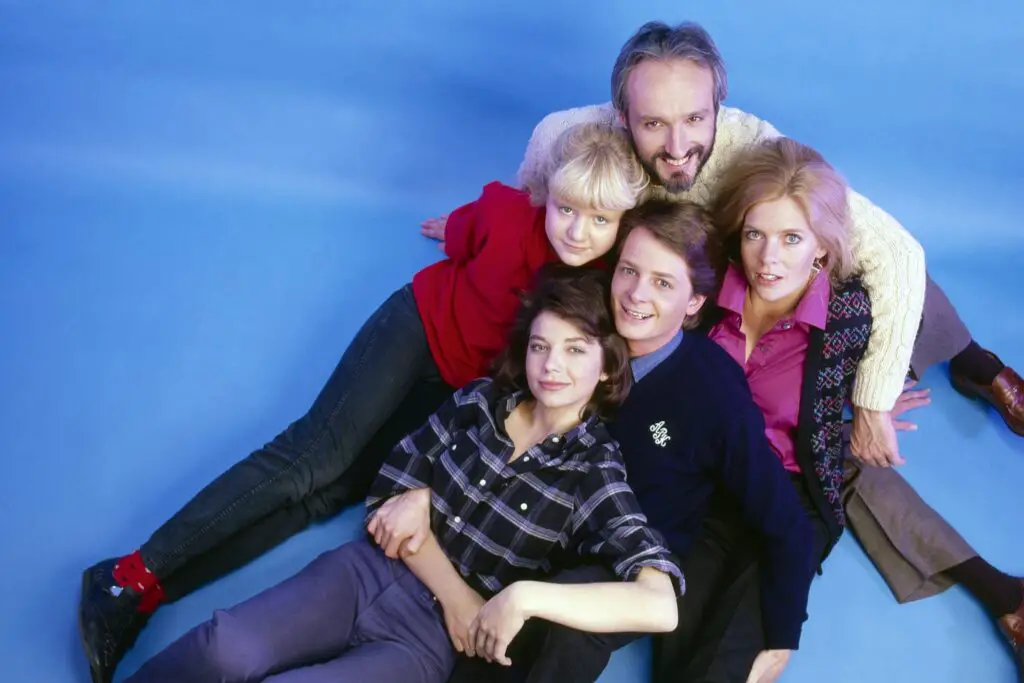
The Keaton household centered on ideological contrast between counterculture parents and their conservative son. The political humor reflected a very specific ’80s cultural moment. Today’s political discourse is far more polarized and sensitive on television. Networks often tread carefully with overt ideological comedy.
The generational conflict was mostly playful and neatly resolved. Modern audiences often expect more lasting consequences and deeper exploration of belief systems. While the family dynamic remains relatable, its simplicity feels dated. A contemporary version would likely introduce more nuance and complexity in political storytelling.