
1. Easy-Bake Oven
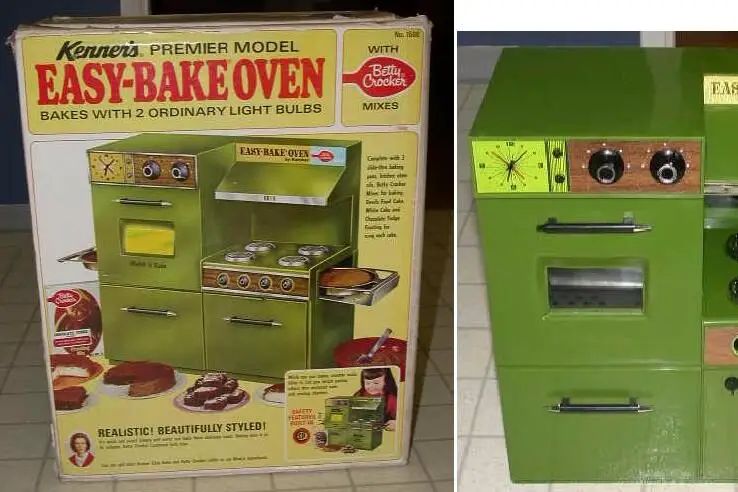
The Easy-Bake Oven proudly promised that kids could cook real food all by themselves. That also meant real heat, which the warning label definitely mentioned, even if no one paid attention to it. Burn warnings were printed right there on the box, but the excitement of baking tiny cakes usually won out. Kids stuck their hands inside without much hesitation, convinced it could not really be that hot. A slightly singed finger became part of the experience.
The oven felt magical, which made it easy to forget it was basically a small appliance. Parents often hovered nearby but did not always intervene in time. The warnings were written in calm, polite language that did not feel urgent. Looking back, it is impressive how many kids learned basic kitchen hazards from a toy. Somehow, it still managed to feel completely normal.
2. Chemistry Sets

Classic chemistry sets came loaded with warnings about chemicals, fumes, and adult supervision. Most kids skimmed past those parts to get to the fun experiments. Mixing powders and liquids felt like real science, not something dangerous. The box art usually showed smiling kids, which did not exactly suggest risk.
Instructions were often treated as optional reading. The warning labels blended into the background while reactions bubbled and smoked. Kids trusted that if it was sold as a toy, it had to be safe enough. Only later did many realize how much trust was involved. It is kind of amazing eyebrows survived the experience.
3. Clackers

Clackers came with warnings about flying plastic balls and possible injury. The noise alone made them irresistible, and kids focused more on speed than safety. The idea that the balls could shatter or fly apart barely registered. Mastering the rhythm felt far more important than reading fine print.
When clackers broke, they did so dramatically. Pieces could shoot off in unpredictable directions, proving the warning label had a point. Most kids learned this only after the fact. The warnings were there, but the fun drowned them out. The louder the clack, the less anyone cared.
4. BB Guns
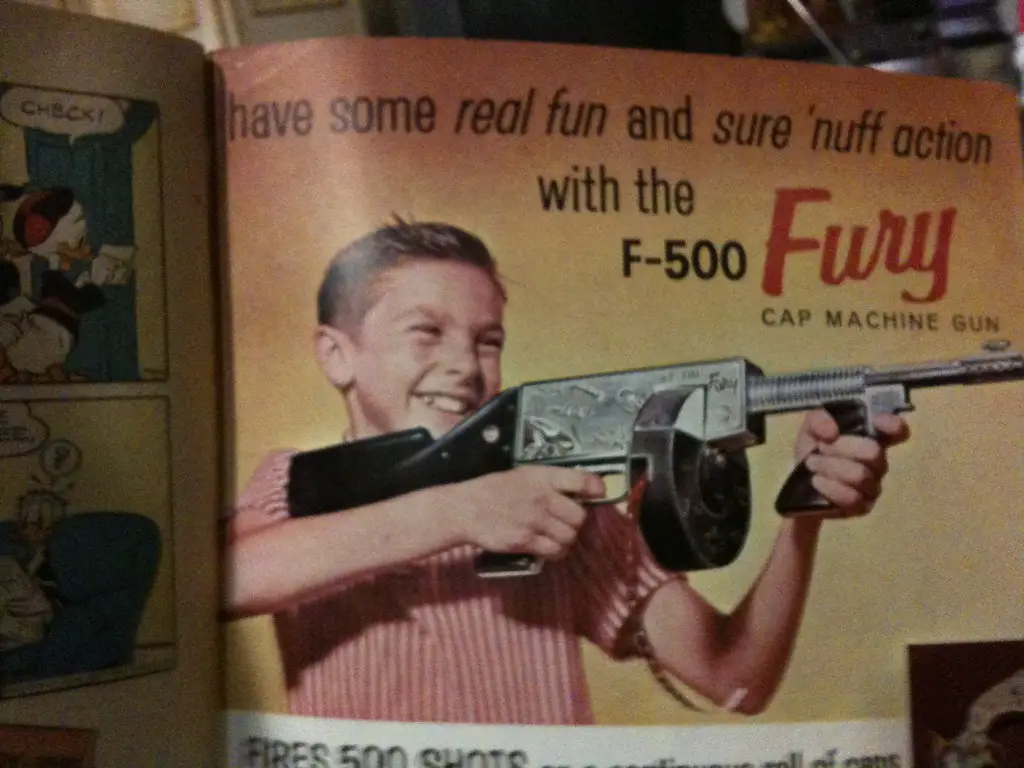
BB guns were usually stamped with warnings about eye protection and proper handling. To kids, they looked like harmless toys meant for backyard fun. The warning label felt overly serious compared to the thrill of hitting a target. Goggles were often ignored in favor of confidence.
Kids trusted their aim far more than they trusted the label. The risks seemed hypothetical, something that happened to careless people. The seriousness of the warnings did not sink in until much later. By then, most people were just relieved no one got seriously hurt.
5. Lawn Darts (Jarts)

Lawn darts came with warnings about adult supervision and safe play areas. Those warnings were usually ignored once the game started. The heavy darts felt solid and sturdy, which somehow made them feel safe. Kids threw them high into the air without much thought.
The danger was always there, quietly waiting. Parents trusted that kids would be careful, which was often optimistic. The warning label was easy to miss once the box was opened. In hindsight, it feels inevitable that these eventually disappeared from store shelves.
6. Trampolines

Trampolines included warnings about one jumper at a time and adult supervision. Those rules were almost immediately broken. The real fun came from launching friends and attempting risky flips. The warning label did not stand a chance against group excitement.
Kids treated trampolines like playgrounds, not equipment. Falls and bumps were brushed off as part of the fun. The risks seemed exaggerated until someone landed wrong. Even then, most kids climbed right back on.
7. Slip ’N Slide
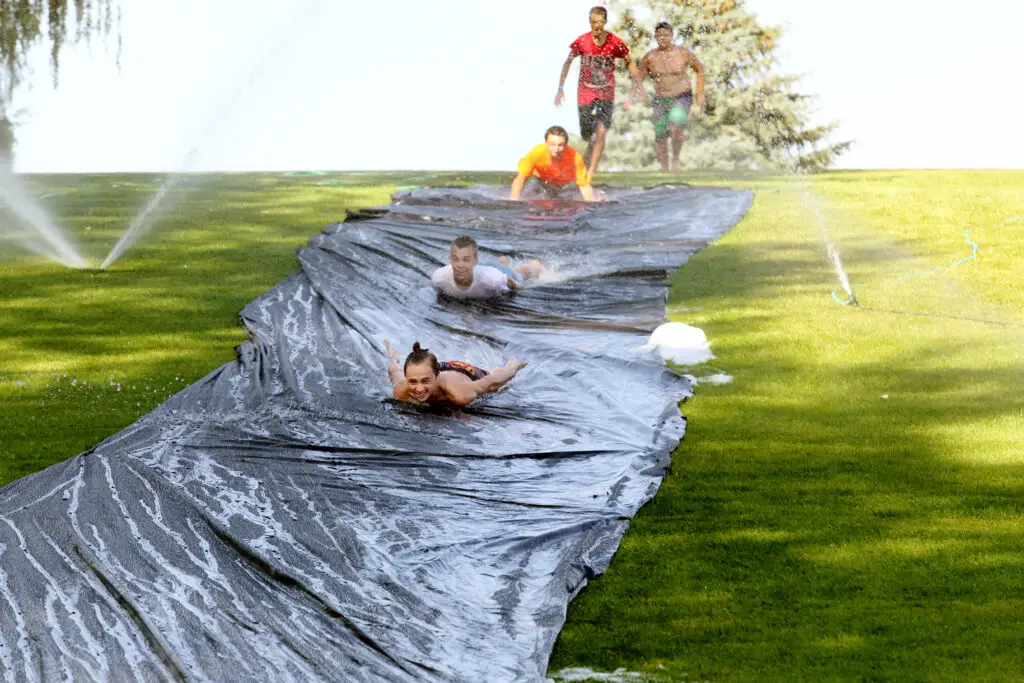
The Slip ’N Slide clearly warned against use by older kids and adults. That warning mostly served as a challenge. Running full speed and diving onto wet plastic felt like peak summer fun. Nobody stopped to consider how hard the ground underneath really was.
Scrapes and bruises were common but rarely surprising. The warning label tried to be specific, but it was easy to ignore. The toy delivered excitement exactly as advertised. The risks just came along for the ride.
8. Toy Cap Guns
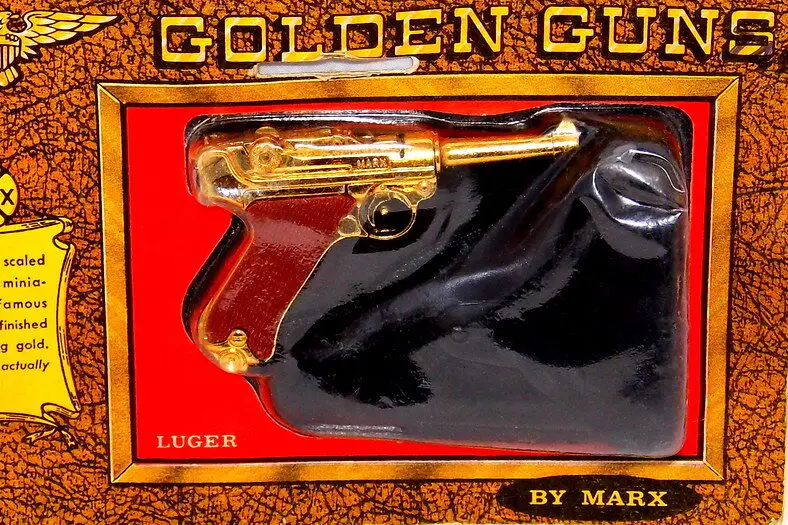
Cap guns carried warnings about noise and small parts. Kids were much more interested in the smoke and smell than the fine print. The tiny caps were easy to scatter and mishandle. The warnings felt minor compared to the fun.
Burned fingers and ringing ears were common complaints. Parents often assumed kids would figure it out on their own. The label existed, but curiosity usually won. The smell of spent caps became part of the memory.
9. Creepy Crawlers
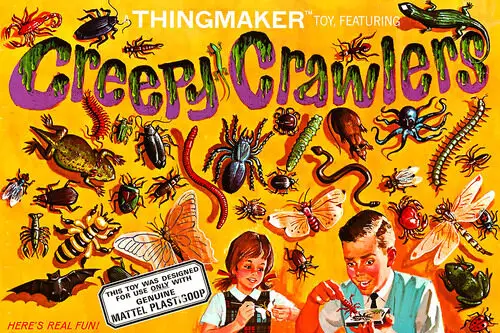
Creepy Crawlers kits warned about hot molds and adult supervision. Kids were focused on making rubber bugs, not reading labels. The heating unit looked harmless enough. The idea that it could cause burns seemed unlikely.
Touching the metal molds was often how kids learned the warning was serious. Even then, the fun outweighed the caution. The label faded into the background of creativity. Bugs were worth the risk.
10. Dart Boards

Dart boards often came with warnings about sharp points and safe placement. Kids saw them as harmless wall decorations with a game attached. Darts were thrown casually, sometimes without much aim. The warnings felt obvious and therefore ignorable.
Missed throws happened more than anyone liked to admit. Walls, doors, and sometimes toes took the hits. The warning label had a point, but it rarely changed behavior. Accuracy improved slowly, caution not so much.
11. Toy Soldier Sets
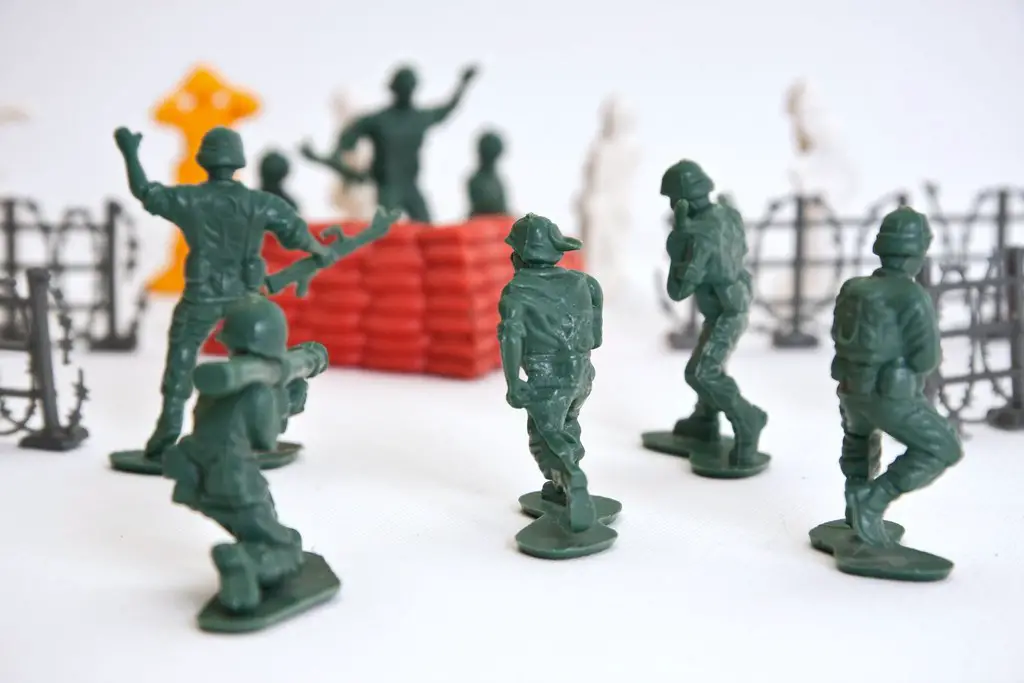
Toy soldier sets occasionally included warnings about small parts and sharp edges. Kids dumped them onto the floor without a second thought. Stepping on one barefoot taught lessons no label could convey. The warnings were easy to overlook during imaginative play.
Parents worried more about choking hazards than foot injuries. Kids accepted pain as part of playtime. The label existed, but experience taught the real lesson. Those little green soldiers were tougher than they looked.
12. Super Elastic Bubble Plastic

This toy warned about fumes and ventilation, but kids mostly ignored that part. The focus was on blowing huge plastic bubbles. The smell was strange, but not enough to stop anyone. The warnings felt overly cautious.
Playing indoors happened more often than it should have. Kids trusted that nothing sold in a toy aisle could be truly harmful. Only later did people realize why those warnings were included. At the time, the bubbles were all that mattered.