
1. Lawn Darts

Lawn darts were supposed to make backyard cookouts feel a little more exciting, but most of us remember them as the sharp, heavy missiles that could turn a family gathering into an ER visit. They looked harmless enough in the box, yet parents quickly realized these things flew with way more force than anyone expected. Kids loved tossing them high into the air, which only made the chances of someone getting hit even greater. After thousands of injuries were reported over the years, regulators finally stepped in and banned them outright in 1988.
Despite the ban, lawn darts have kept a strange place in pop culture thanks to nostalgic adults who remember the thrill, even if it came with a few near-misses. Some collectors still hunt for vintage sets, though most keep them as display pieces only. Newer, softer versions eventually appeared, but the original metal-tipped darts are long gone. In hindsight, it makes perfect sense why they didn’t survive, but they definitely left a mark on childhood memories.
2. Snacktime Cabbage Patch Kids
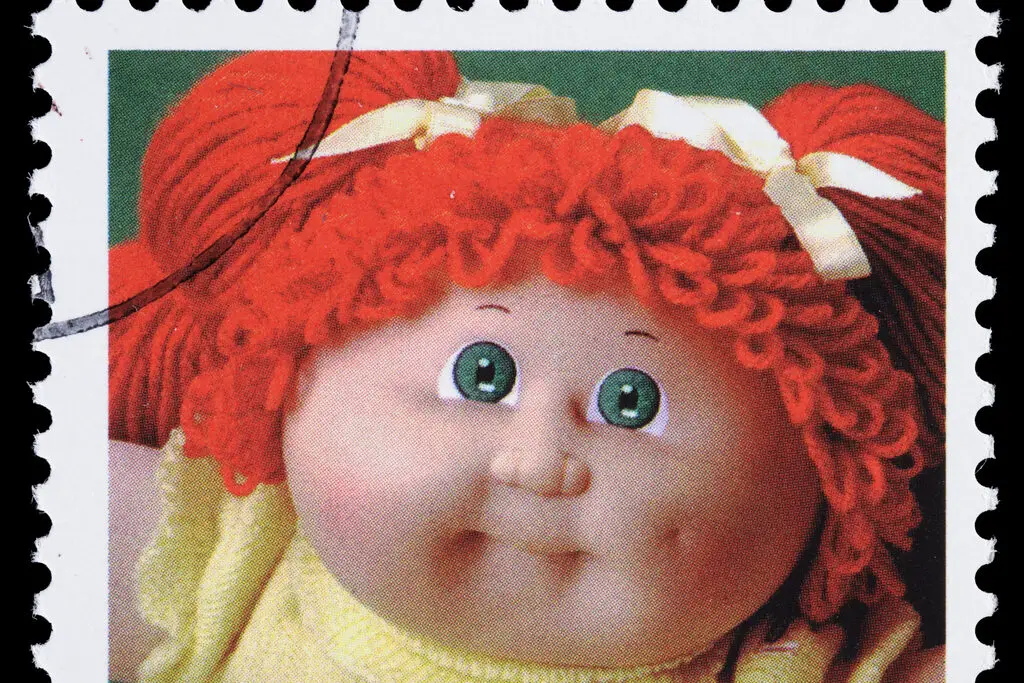
The Snacktime Cabbage Patch Kids looked adorable, but their “eat anything” feature caused way more chaos than charm. These dolls contained mechanical jaws meant to “chew” plastic snacks, yet they didn’t stop when fingers, hair or clothing got caught. Kids found their hair getting pulled in, and some couldn’t get the doll to release them without cutting the doll open. Parents quickly realized that the dolls had no off switch, which only added to the panic.
By the late ’90s, the toy had become a full-blown safety issue, forcing the company to recall hundreds of thousands of dolls. The idea behind the design was fun, but the execution was a little too risky for households with curious little ones. Today, the doll is remembered as a cautionary tale about overengineering kids’ toys. It’s the kind of story parents still tell with a mix of humor and horror.
3. Easy-Bake Oven (2007 Model)
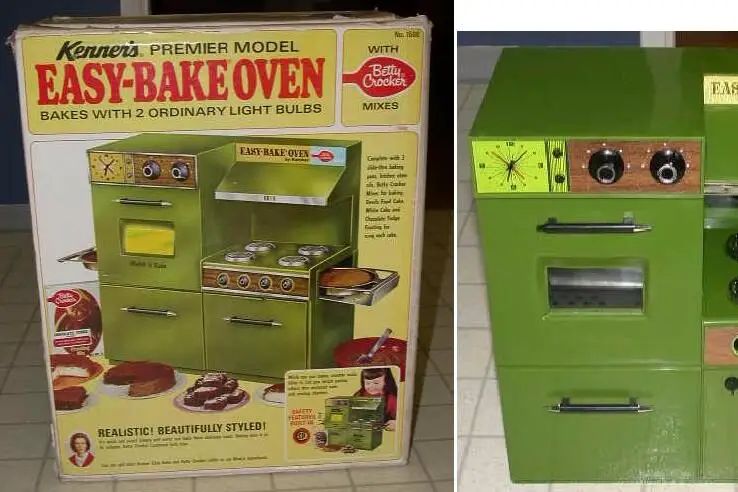
The Easy-Bake Oven has been a classic for generations, but the 2007 redesign brought trouble that no one expected. The model replaced the traditional light bulb with a heating element that got much hotter, and kids discovered the hard way that little fingers could get trapped inside. More than a few burns required medical care, and some were serious enough to raise alarm bells. Hasbro ended up recalling almost a million ovens to fix the issue.
It was disappointing for kids who adored baking tiny cakes, but the recall pushed the company to rethink the design entirely. The newer versions came with safer features that kept the oven tradition going. Even though the recall created a stir, the Easy-Bake legacy survived with a safer, more modern approach. For many, it was a reminder that even the sweetest toys can have sharp edges—sometimes literally.
4. CSI Fingerprint Lab
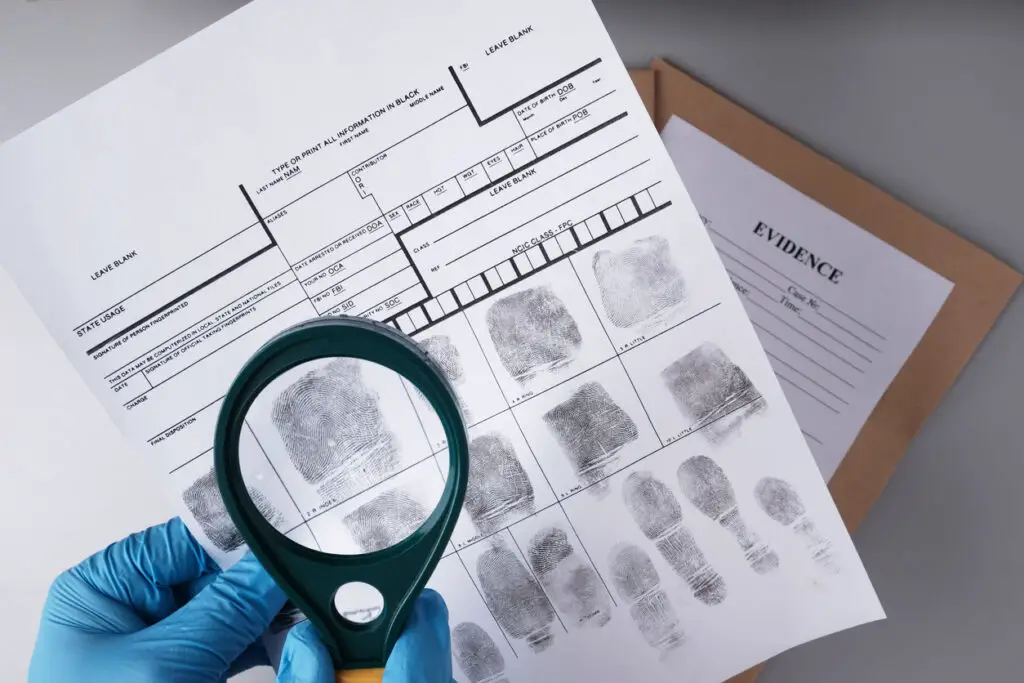
This kit was meant to inspire future detectives, but it accidentally caused a very real hazard. The CSI Fingerprint Lab included a powder that turned out to contain harmful asbestos-like fibers. Parents were shocked to learn that something designed for kids was exposing them to materials associated with serious health risks. Naturally, the recall happened quickly to pull the kits from shelves.
The situation became a wake-up call for many toy makers who realized chemistry kits needed much stricter oversight. Kids were disappointed because the set had been a hit thanks to the popularity of crime shows. But safety took priority, and the toy disappeared almost as quickly as it had arrived. In retrospect, it’s surprising something like this made it to production at all.
5. Magnetix
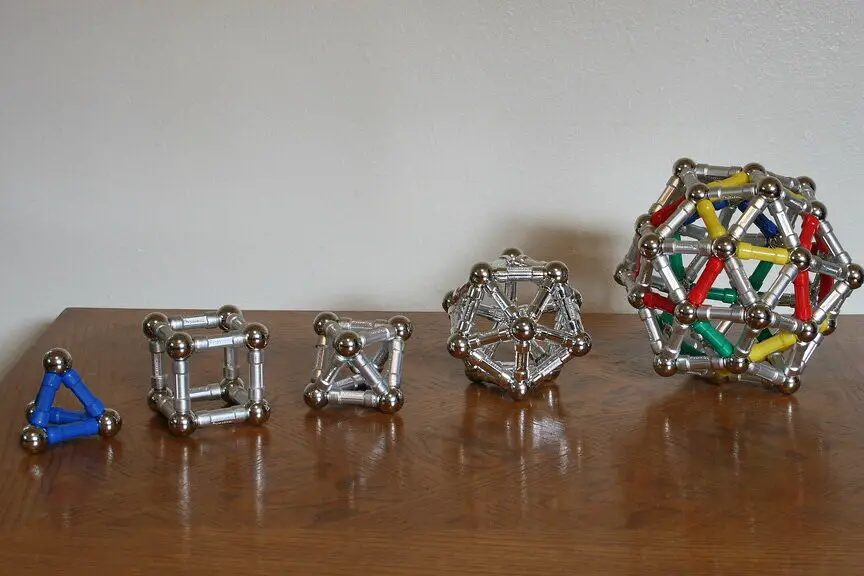
Magnetix sets were hugely popular because kids could build almost anything with the tiny magnetic pieces. Unfortunately, some of those powerful magnets tended to fall out, creating a major danger when swallowed. When multiple magnets stick together inside the digestive tract, they can cause life-threatening injuries. After several hospitalizations and at least one death, regulators took action.
The recall led to sweeping changes in how magnet-based toys were designed. Manufacturers began using stronger enclosures to prevent magnets from coming loose. Parents also became much more cautious about giving magnetic toys to younger kids. Even though Magnetix is remembered fondly by older kids who used them safely, the risks were too great for them to stay on the market in their original form.
6. Slap Bracelets
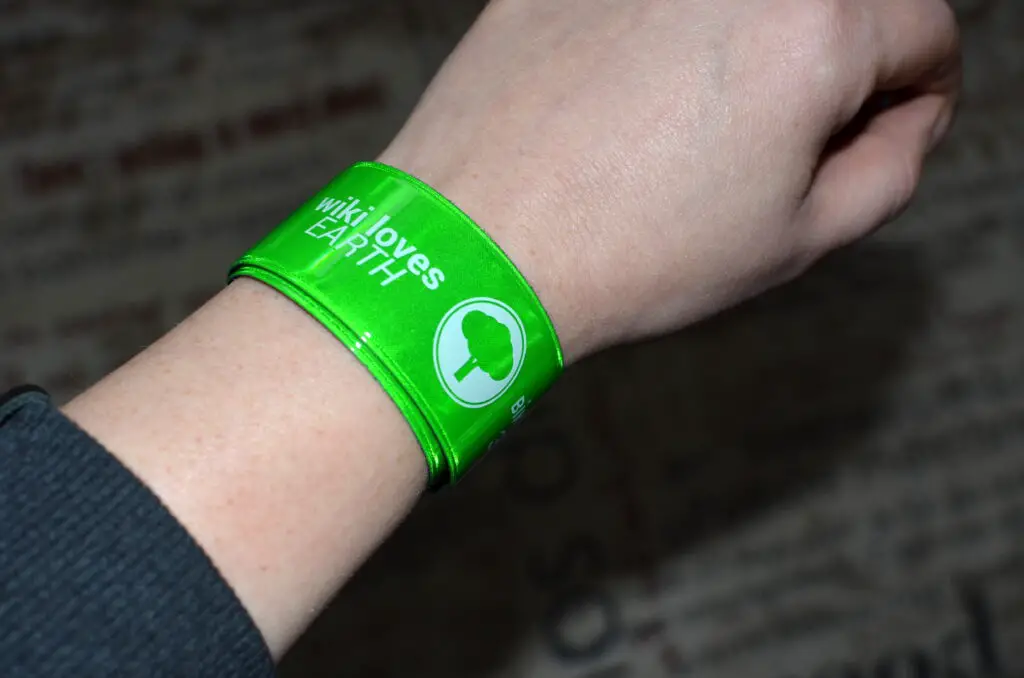
Slap bracelets were a massive ’90s craze, and you couldn’t go anywhere without hearing the snap of one hitting somebody’s wrist. But it didn’t take long for schools to notice that the thin metal inside the fabric could break through and cause cuts. Some cheaper versions made the problem even worse because the protective material wore out quickly. Before long, most schools banned them entirely.
The combination of fun and mild danger made slap bracelets legendary, though. Kids continued sneaking them into school even after teachers confiscated them. Eventually, safer versions appeared, but they never quite replaced the originals’ appeal. Today, slap bracelets are a fun nostalgia item, but their sharp reputation explains why they didn’t last.
7. Gilbert U-238 Atomic Energy Lab

Yes, this toy really existed, and yes, it actually contained small amounts of radioactive materials. Released in the early ’50s, the Atomic Energy Lab aimed to teach kids about nuclear science during a time when the world was fascinated by atomic power. Unfortunately, the kit included real uranium ore, which came with obvious safety concerns. Even in the era before modern regulations, that didn’t last long.
The toy was pulled after poor sales and growing concerns about exposing kids to radioactive materials. It’s now a collector’s item that seems almost unbelievable in hindsight. The idea was ambitious and rooted in science education, but it crossed a line that today feels wild. It remains one of the most iconic examples of the “what were they thinking?” era of toy history.
8. The Sky Dancers
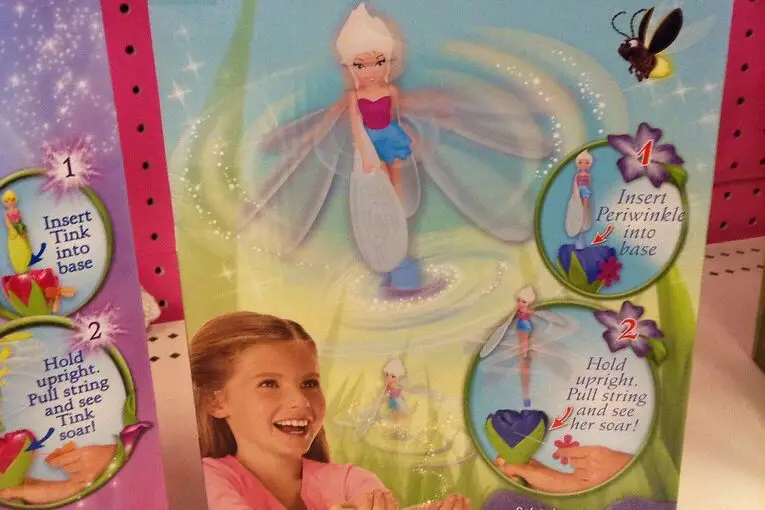
Sky Dancers seemed magical, with their winged figures that launched into the air after pulling a string. Unfortunately, they didn’t always fly gracefully. Kids and adults discovered that the dolls could shoot off unpredictably, hitting faces, eyes and anything breakable nearby. As injuries piled up, the recall became inevitable.
Parents still laugh about the chaos these toys caused, but at the time, the injuries were no joke. The company eventually redesigned them, but the original versions vanished from shelves. Even today, videos of people trying them out still float around online as a reminder of their chaotic flight paths. They were fun while they lasted, but definitely not the safest toy ever made.
9. Battlestar Galactica Missile-Firing Toys
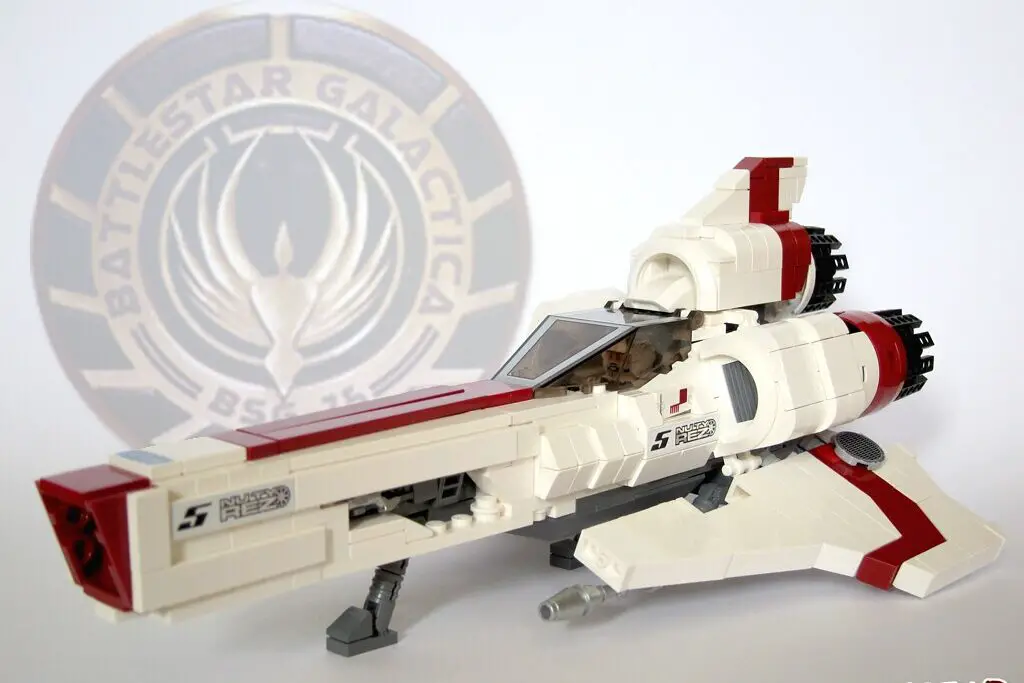
In the late ’70s, missile-firing toys were all the rage, and this line from Battlestar Galactica topped wish lists. The problem was that the small plastic missiles were exactly the kind of thing younger kids could swallow. Tragically, one child choked to death on a missile, prompting an immediate recall. The incident forced the toy industry to rethink small projectiles entirely.
The recall didn’t diminish the popularity of the franchise, but it did change how toy weapons were designed going forward. Many later toys used non-removable missiles to prevent similar tragedies. Collectors still prize the original versions, but they’re handled with care. It’s a somber reminder that small design choices can make big differences in safety.
10. Owleez

Owleez were adorable interactive owl toys that could “learn” to fly with the help of a child. But parents quickly noticed that the mechanical wings and rotating parts posed more risks than expected. Some units overheated, and others had wings that could snap unexpectedly during play. The potential for injury led to a widespread recall.
Kids loved the idea of teaching their own toy owl to take flight, so the recall was a disappointment. But it also showed how tricky it can be to balance ambitious technology with child safety. While Owleez didn’t last long, they paved the way for future interactive toys with more refined designs. Still, many parents remember them as a toy that looked safer than it actually was.
11. Aqua Dots
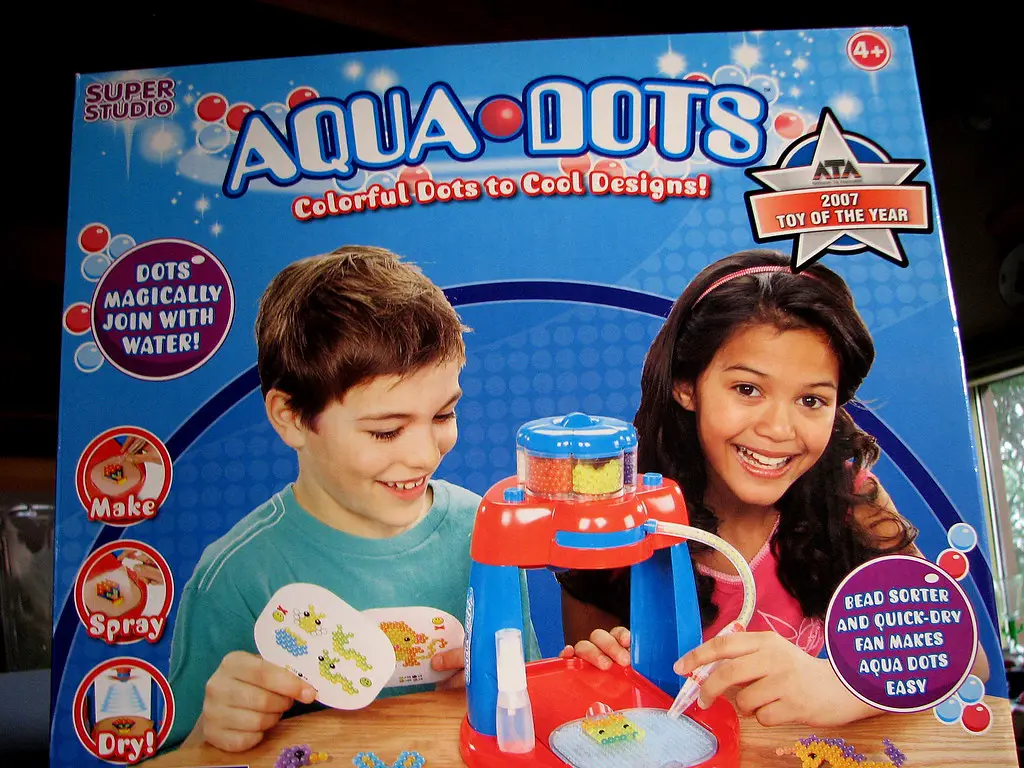
Aqua Dots were a crafty favorite because kids could create colorful designs that fused together with water. But it eventually came to light that the beads were coated with a chemical that metabolized into a toxic substance when swallowed. Several children were hospitalized after ingesting them, causing panic among parents. The recall happened almost immediately once the danger was known.
The toy was later re-released under the name Pixos with a safer formula. Parents appreciated the updated version, but the original scare stuck with many families. It became another example of how even seemingly harmless craft kits can hide unexpected risks. Today, Aqua Dots are remembered more for the recall than their creativity.
12. Yo-Yo Water Balls
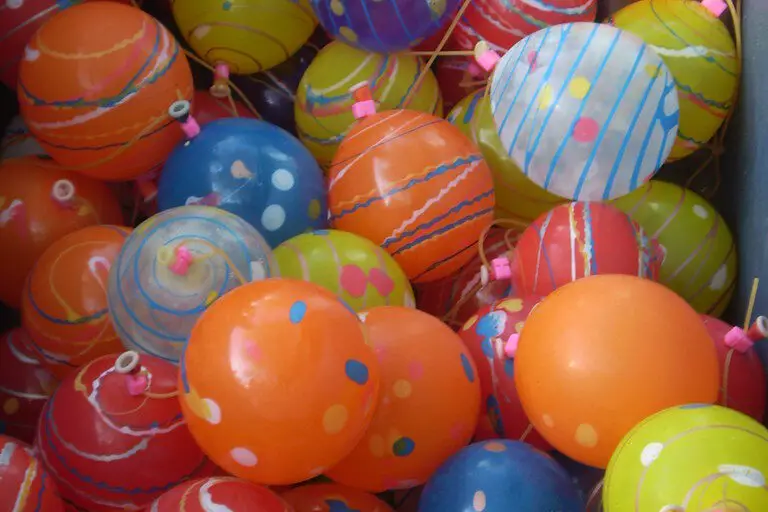
Yo-yo water balls were strangely mesmerizing, with their stretchy cords and squishy liquid-filled orbs. But the very features that made them fun also made them unsafe. Kids accidentally wrapped the elastic cords around their necks, creating strangulation hazards. Others suffered injuries when the balls burst or snapped back too quickly.
The toy was eventually banned in several regions, and many parents threw them out as soon as they heard the warnings. Despite their short time on the shelves, the toy became notorious for its risks. It serves as one of those reminders that even the simplest toys can cause unexpected harm. In the end, their cool factor just couldn’t outweigh the danger.