
1. Becky Conner on Roseanne
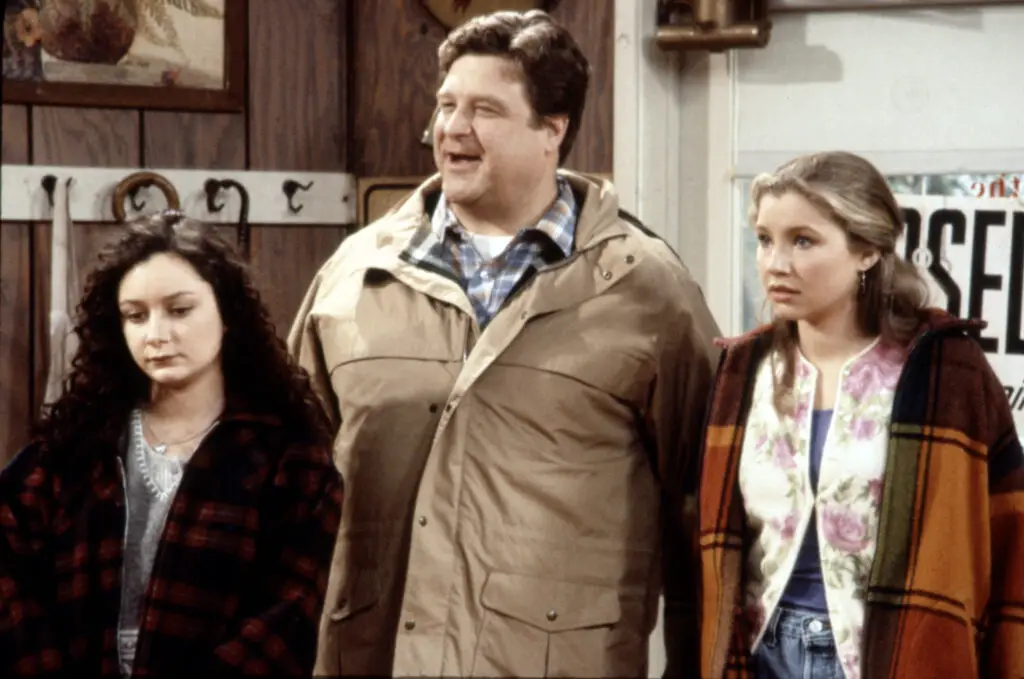
For a lot of us, Becky Conner was the ultimate teen daughter, sarcastic but lovable, and we got pretty attached to Lecy Goranson in the role. Then season five rolled around, and suddenly Sarah Chalke was standing in the kitchen calling Dan and Roseanne “Mom” and “Dad” like nothing had changed. The show didn’t offer an in-universe explanation, so viewers just had to roll with it. Even stranger, Goranson eventually returned, only for Chalke to pop back in again later. Fans joked about needing a scorecard to keep up with who was Becky that week. Both actresses have said they enjoyed sharing the role, which is something you don’t hear every day. Today, it’s one of the funniest recasting stories in sitcom history, especially since the show leaned into the confusion later on.
Goranson originally left to attend college, and Chalke stepped in seamlessly, even though it was jarring for longtime viewers. The back and forth became part of the show’s identity, sparking running jokes and winks to the audience. But during those first swaps, there really was no explanation in the story itself, which made it feel even more chaotic. Fans grew attached to both Becky versions, which is rare for such a high-profile recast. The whole thing became a pop-culture talking point long before social media existed. It even set the stage for future sitcoms to poke fun at sudden casting changes. Looking back, it’s still one of the most memorable recasts ever pulled off.
2. Gladys Kravitz on Bewitched
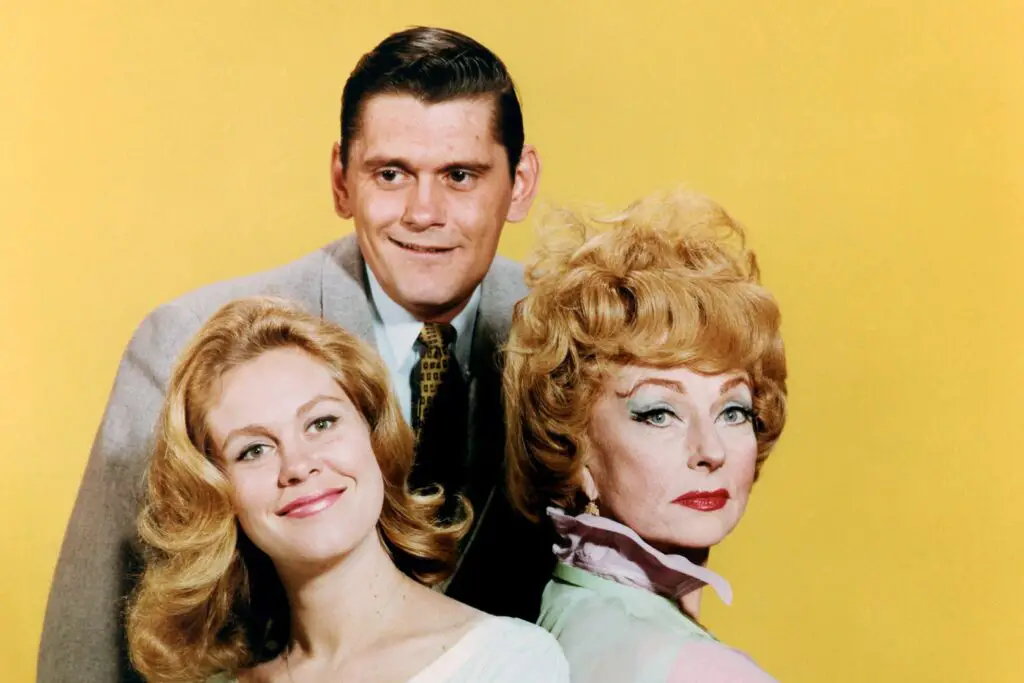
Alice Pearce originated the role of the nosy neighbor Gladys Kravitz, bringing that unique wide-eyed, frazzled energy that made her unforgettable. After Pearce passed away during the show’s run, Sandra Gould stepped in to replace her. The show never acknowledged the change, even though Gould’s take on Gladys was noticeably different. Kids watching Bewitched in reruns for the first time often wondered if they were imagining the switch.
Pearce’s version was softer and more sympathetic, while Gould played the character with louder, more frantic comedy. Viewers eventually adjusted, but the transition felt abrupt, especially since Gladys was such a memorable character. The producers simply moved forward without addressing the shift or explaining it in the story. For a series built on magic, it’s ironic that this was the change they chose not to explain. Still, both portrayals helped shape Gladys into one of TV’s most iconic neighbors. Today, fans remember the role as a blend of two equally distinctive performances.
3. Lionel Jefferson on The Jeffersons
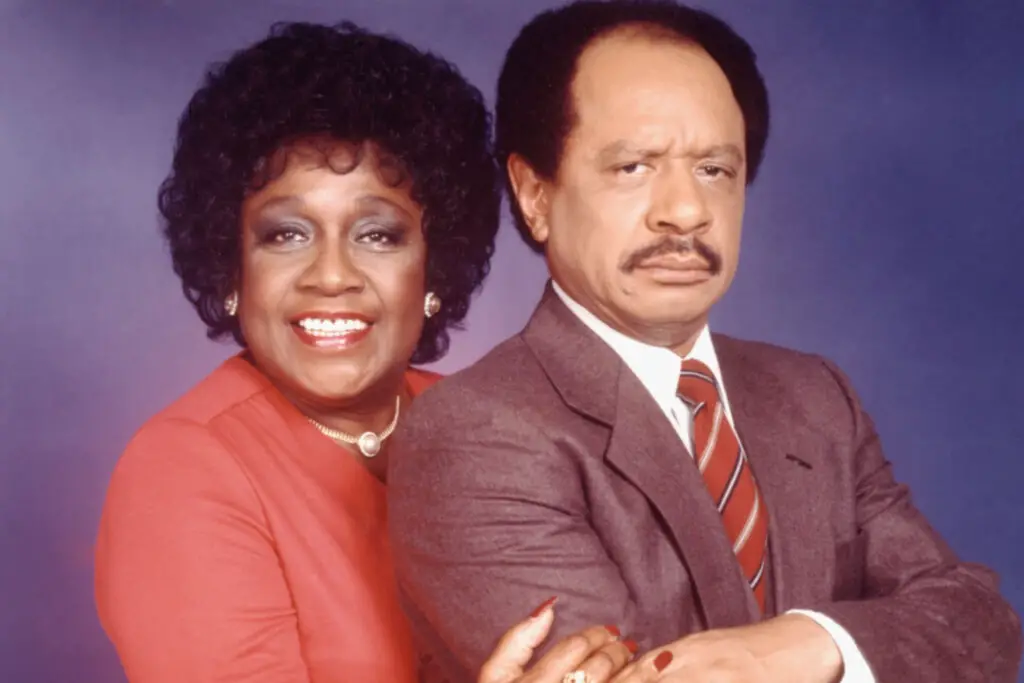
When Mike Evans first played Lionel Jefferson on All in the Family and later The Jeffersons, he brought a smooth, easygoing confidence to the part. But when he left to work on Good Times, Damon Evans (no relation) stepped in as Lionel. The switch wasn’t acknowledged at all, leaving viewers wondering why Lionel suddenly seemed like a totally different person. The two actors had such different styles that it felt like more than a typical recast.
Mike Evans eventually returned, making the whole situation even more confusing. Fans who caught the show in reruns sometimes assumed they were watching a different Jefferson family timeline. Still, both actors contributed to Lionel’s popularity, even though the swapping created a bit of sitcom whiplash. It became one of those “you had to be there” TV trivia moments everyone talked about. Today, it stands out as one of the most talked-about cast switches from ’70s television.
4. Marilyn Munster on The Munsters
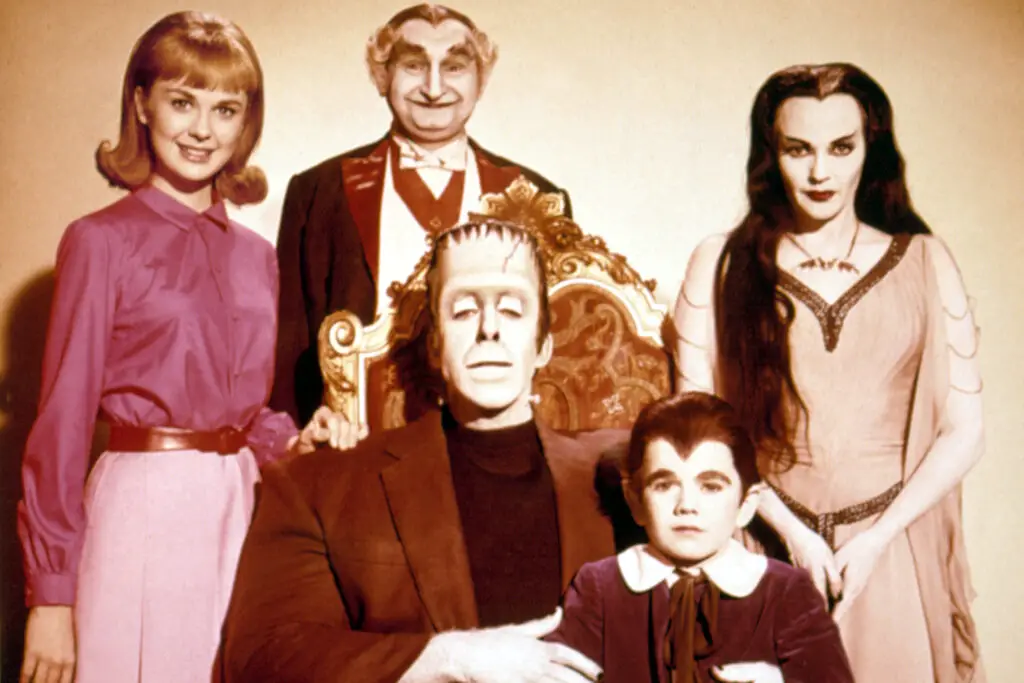
Beverley Owen played Marilyn Munster in the show’s early episodes, offering a warm, sweet presence as the family’s “normal” relative. When she left the series, Pat Priest stepped in, and the show quietly carried on without explaining why Marilyn suddenly had a new face. Many fans didn’t even realize there had been two Marilyns until years later, especially if they grew up on reruns.
Priest stayed with the show much longer, and her portrayal is the one most viewers remember. But Owen’s brief appearance still stands out for those who watched the original run. Since Marilyn’s role was often to contrast with her spooky family, some fans felt the actress switch made the character feel unexpectedly different. Still, both actresses became part of the show’s legacy. It’s one of those classic examples of a seamless recast that still leaves people saying, “Wait, wasn’t someone else playing her before?”
5. Lori on That ’70s Show
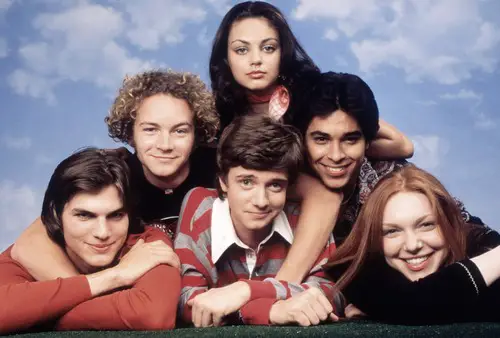
In the early seasons of That ’70s Show, Lisa Robin Kelly’s version of Lori Forman was unforgettable, mixing snark with that mischievous big-sister energy. After Kelly left the show, Christina Moore stepped into the role, but the series never directly addressed the change. Fans immediately noticed, since Lori went from having one vibe to a completely different one almost overnight.
Moore did a great job, but viewers still debated the shift for years. The transition became one of the more modern examples of a noticeable sitcom recast without explanation. Since Lori was already written as unpredictable, the sudden change almost fit her character’s chaos. Still, longtime fans felt the switch pulled them out of the story. Even now, people rewatching the series often pause the episodes trying to figure out exactly when the recast happened.
6. Maggie Seaver on Growing Pains (Pilot Only)

Some fans forget that the pilot episode of Growing Pains featured a completely different Maggie Seaver. Elizabeth Ward played the role in the very first episode, but when the show officially launched, Joanna Kerns took over, and the series never mentioned the change. If you happened to catch that original pilot, it felt like a totally different show.
The producers made the swap before the series aired widely, so most viewers never saw the first version. But those who did always remembered how surprising the shift was. Kerns went on to define the role, becoming the Maggie Seaver fans know best. Still, the recast is one of those early-TV oddities that leaves people saying, “Did I imagine that?” It’s a reminder that sometimes shows change direction at the very last minute.
7. Harriet Winslow on Family Matters
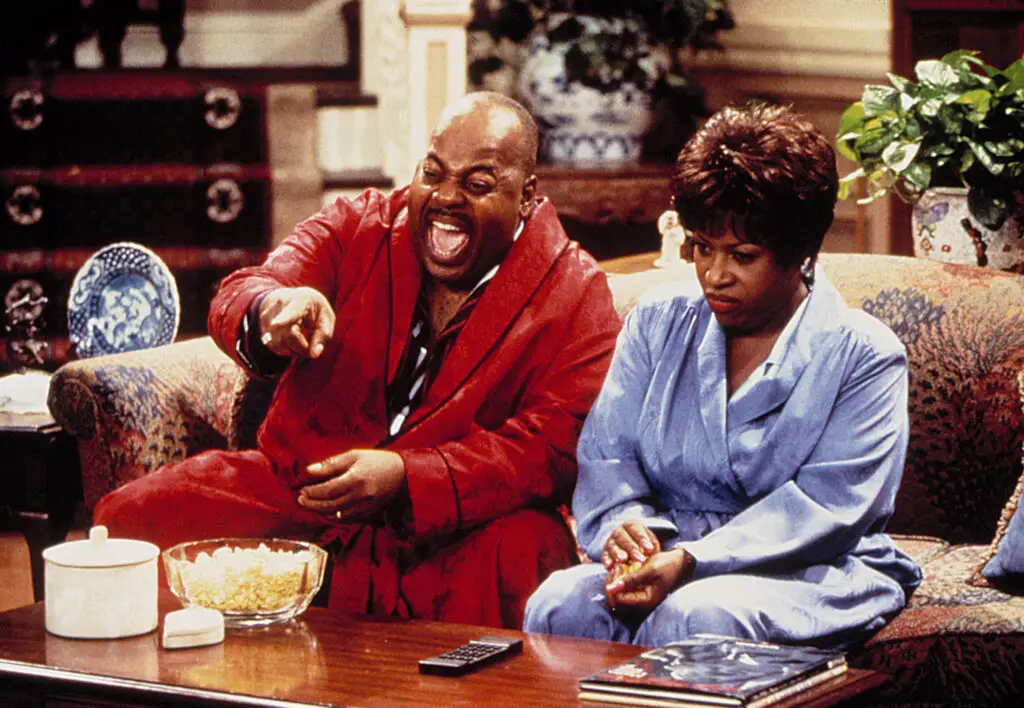
For most of the series, Jo Marie Payton played Harriet Winslow, grounding the show with her tough-but-loving presence. But late in the ninth season, Payton departed, and Judyann Elder stepped into the role without any explanation. Since the show was already nearing its finale, many fans were startled to see Harriet suddenly portrayed by someone new.
Because Harriet was such a central character, the change felt more noticeable than other sitcom recasts. Elder did her best with the short run she had, but the abruptness made it difficult for viewers to adjust. The show never offered an in-story reason for the switch, leaving fans to come up with their own theories. Even today, it’s one of the first recasts from the ’90s that people remember. It marked a surprising shift in the final moments of a beloved sitcom.
8. Vivian Banks on The Fresh Prince of Bel-Air
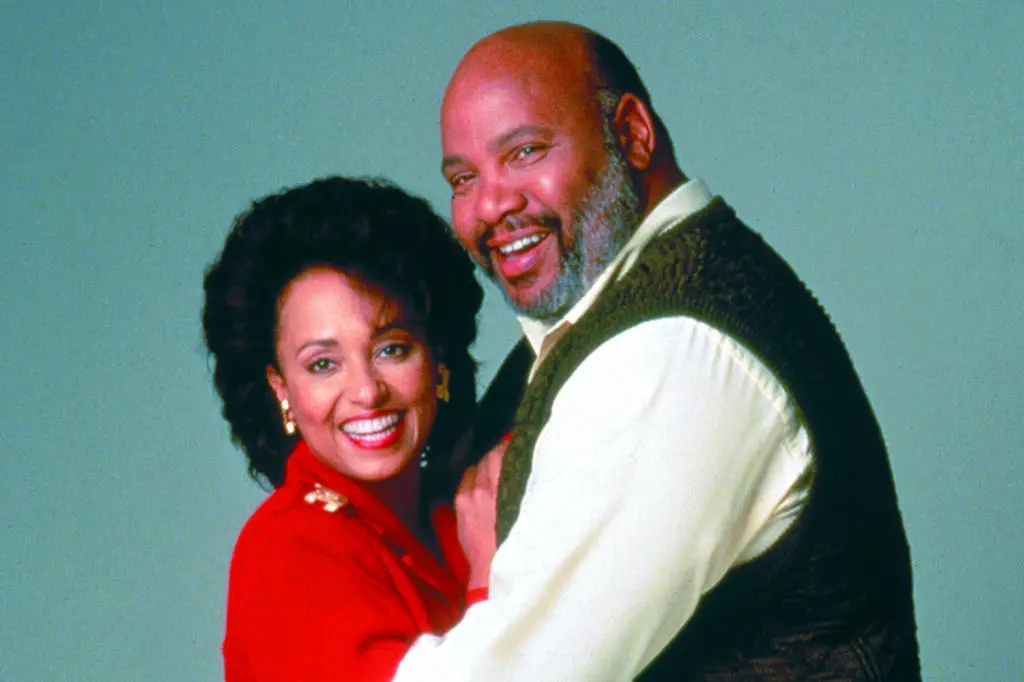
Janet Hubert brought so much strength and charisma to Vivian Banks that her version became iconic from the very first season. When Daphne Maxwell Reid took over in season four, the show addressed it only through a quick joke, with no real explanation in the story. Viewers immediately noticed the difference, since Hubert’s portrayal was more intense and dramatic, while Reid played Vivian with a lighter touch.
The shift sparked decades of fan conversations, especially since the two Vivians feel like totally separate characters. The show moved forward quickly, treating Reid as though she had always been in the role. Rewatching the series now, the switch is still one of the most memorable recasts in sitcom history. The contrast between the two performances remains a popular topic online. It’s the kind of recast that becomes part of pop-culture lore rather than just a footnote.
9. Miss Ellie Ewing on Dallas
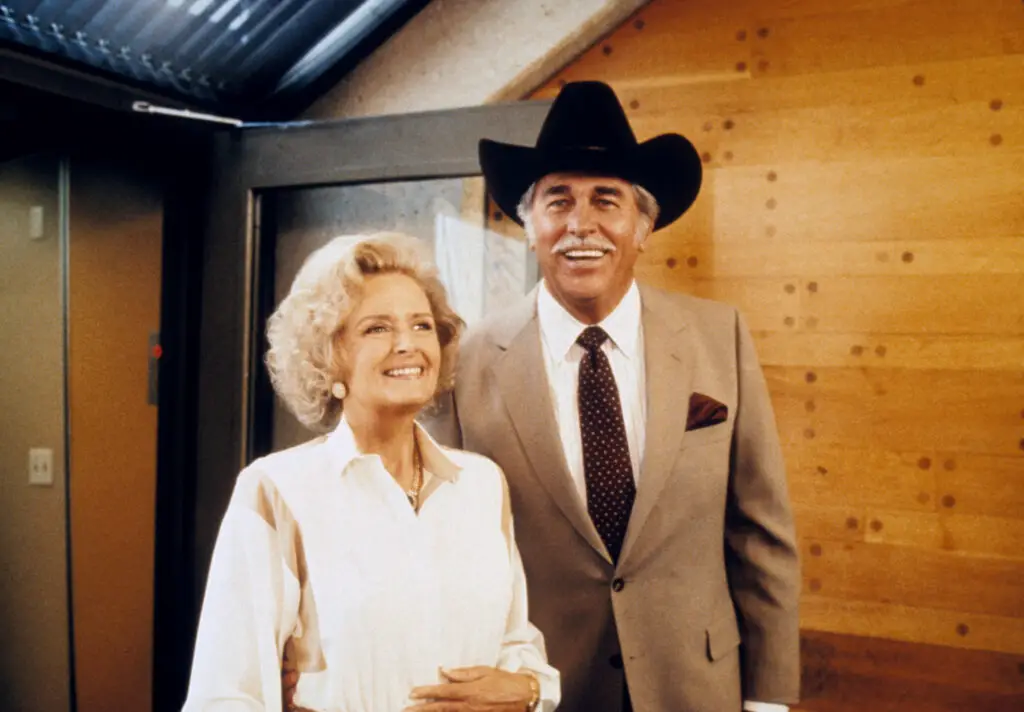
In the early years of Dallas, Barbara Bel Geddes anchored the Ewing family as Miss Ellie, bringing warmth and grit to the role. When Bel Geddes stepped away for health reasons, Donna Reed briefly replaced her. The switch was made without an in-story explanation, leaving viewers confused.
Reed’s version of Miss Ellie had a different tone that didn’t always match what fans expected. Eventually, Bel Geddes returned to the series, making the transition even more surprising. The back-and-forth created buzz among viewers, since Miss Ellie was such a central character. Although Dallas wasn’t a sitcom, it shared enough primetime family-drama DNA with other series that the sudden recast stood out. Today, it remains a unique example of a major character being recast mid-story without comment.
10. Chris Partridge on The Partridge Family
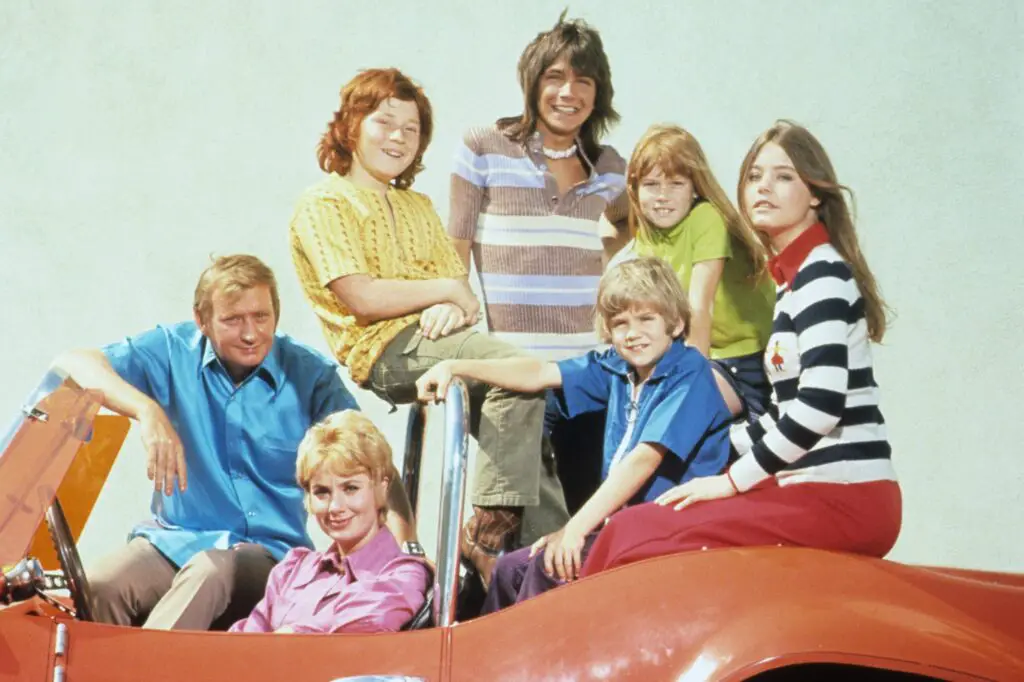
Fans of The Partridge Family may remember that Jeremy Gelbwaks originally played Chris Partridge during the first season. Without any explanation, Brian Forster took over in season two, and the show moved forward as if nothing had happened. The quirky family band kept on singing, but plenty of viewers noticed the switch.
Gelbwaks reportedly left due to clashes with the show’s environment, but none of that was mentioned onscreen. Forster fit right into the cast, but the transition still puzzled fans who watched closely. Since the Partridges were such a tight-knit group, the sudden recast felt more dramatic. Over the years, it’s become one of those trivia facts that surprises even longtime fans. Many people didn’t realize two actors ever shared the part.
11. Judy Winslow on Family Matters (Disappearing Act)
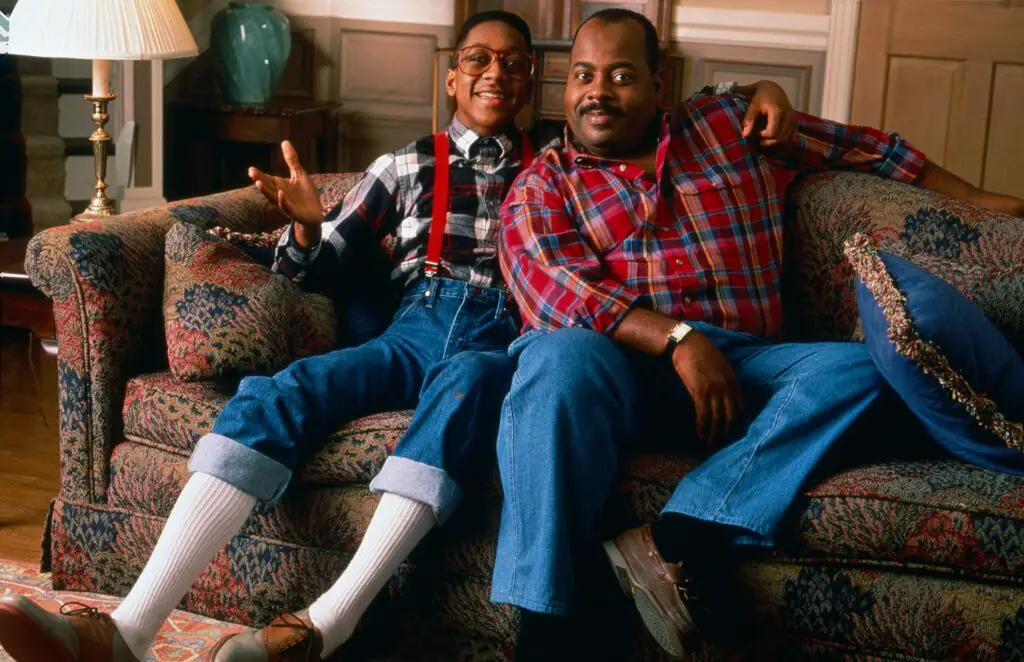
Judy Winslow didn’t just get recast, she disappeared altogether, which is a recast in spirit if not in reality. Played by Valerie Jones in the first season and then by Jaimee Foxworth, Judy was part of the Winslow family… until she suddenly wasn’t. The show never explained why she vanished, and viewers were left scratching their heads.
Because Judy was a child character, the unexplained disappearance felt even more confusing. Some fans joke that she went upstairs and simply never came back down. Her vanishing act became part of TV folklore, especially as the show shifted focus to Steve Urkel. Even though it wasn’t technically a mid-series recast, the switch followed by her erasure made Judy one of the most talked-about sitcom inconsistencies. It’s still one of the most infamous examples of a character being quietly shuffled off.
12. Mandy Baxter on Last Man Standing
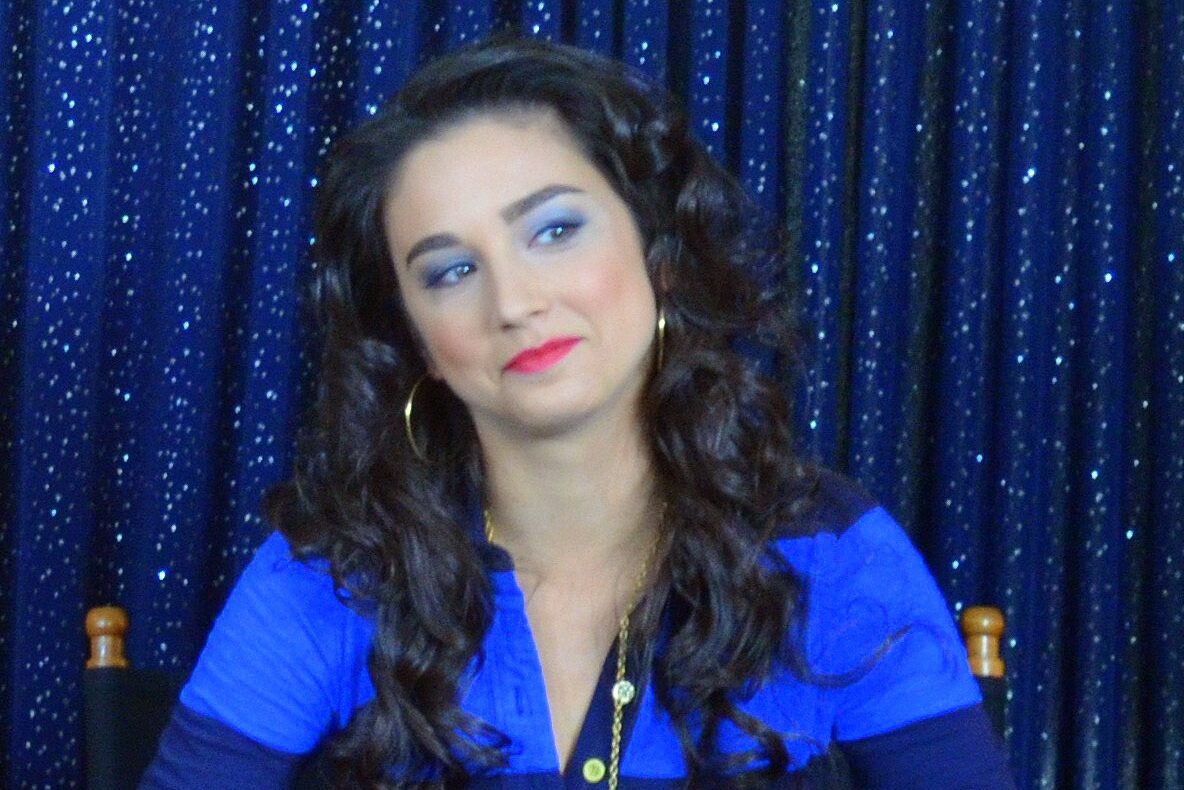
In the early seasons of Last Man Standing, Molly Ephraim played Mandy Baxter with a bold, quirky energy that quickly became a fan favorite. When the show was revived after its cancellation, Ephraim chose not to return, and Molly McCook stepped into the role. The shift came with no narrative explanation, so viewers just had to accept Mandy’s new look and personality.
Because Ephraim’s performance was so distinct, the change felt more dramatic than a typical recast. McCook brought her own charm to Mandy, but fans debated the switch throughout the revival’s early episodes. Eventually, viewers settled in, even though the two Mandys had different comedic rhythms. The recast became one of the show’s most talked-about moments after its return. It’s a perfect example of how sitcoms sometimes expect audiences to simply roll with major changes.