
1. The AT&T “Reach Out and Touch Someone” Commercial
Back in the ’80s, this ad was all about long-distance phone calls, something most of us dreaded because of the cost. Yet looking at it now, it feels like a warm preview of how connected we’d eventually become, even across the world. The commercial showed families keeping in touch across miles, emphasizing emotional closeness over physical distance, which is basically the foundation of texting, FaceTime and every messaging app we use today. It didn’t know it at the time, but it predicted a future where communication would be constant and effortless. It even hinted at the emotional tug of staying connected digitally, something that defines so much of modern life. Watching it now feels strangely familiar.
What makes it even more striking is how the commercial leaned into the idea of technology strengthening relationships. Today, we don’t think twice about video chatting someone across the country or sending quick voice messages to check in. The ad’s emotional core mirrors the way modern communication platforms market themselves, promising closeness despite distance. Even its soft lighting and sentimental tone feel like the early prototype of today’s digital connection campaigns. It wasn’t just a phone company ad, it was a glimpse of a world where connection is constant.
2. Wendy’s “Where’s the Beef?”

This commercial was meant to poke fun at skimpy sandwiches, but it accidentally predicted our obsession with calling out companies publicly. The slogan became a catchphrase, but it also planted the early seed for the idea of demanding transparency from brands. That feels a lot like the modern internet, where people expect companies to be clear about what they’re offering. The spirit of “Where’s the Beef?” pops up every time someone leaves a snarky review on social media. It’s wild how a simple joke turned into something bigger.
It also predicted how quickly catchphrases can take off and become part of everyday language. Today, anything can go viral, from a TikTok sound to a tweet that catches fire. Wendy’s slogan spread the same way, just without the help of the internet. The commercial’s cultural impact mirrors how memes explode across platforms now. In a way, it previewed our culture of instant reactions and quick commentary.
3. Apple’s “1984” Super Bowl Ad
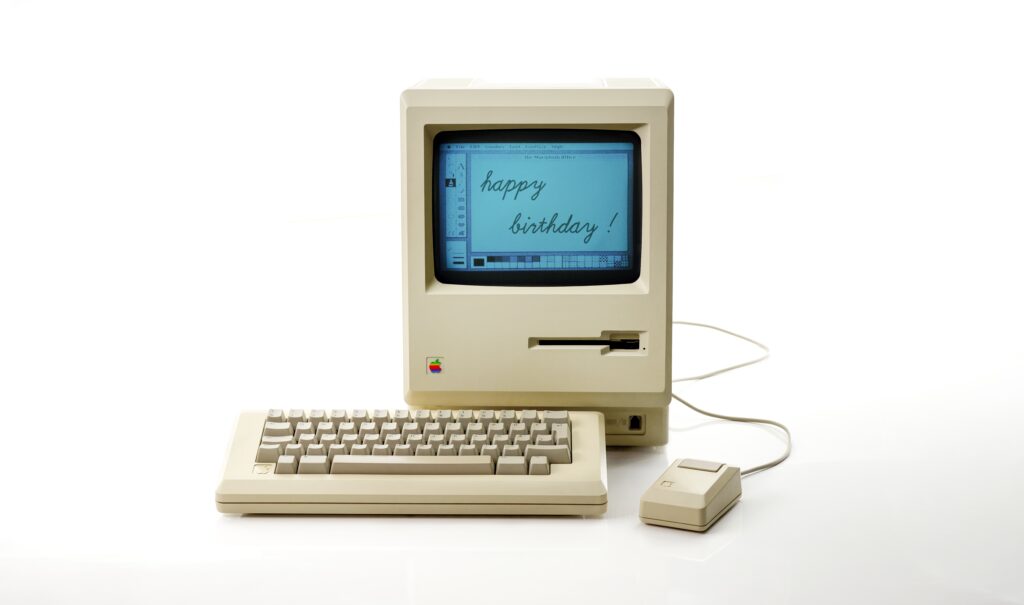
When this ad aired, it positioned Apple as the rebel fighting against conformity, something that felt bold and futuristic. What no one realized was how much personal technology would truly reshape society. The idea of one person breaking free from a controlled, screen-filled world now feels eerily close to what we deal with daily. We’re constantly surrounded by screens and algorithms, sometimes without even noticing. Looking back, the commercial feels like both a warning and a prophecy.
Even the lone-hero imagery looks like modern tech branding, which often leans into individuality and empowerment. The commercial’s style—dark, dramatic and unsettling—reminds us of today’s conversations about tech overreach. It almost hints at our push for digital independence, data privacy and breaking away from big-tech influence. Though meant as a metaphor, it ended up echoing real conversations people have today. It’s one of those commercials that makes more sense now than it did then.
4. McDonald’s “Drive-Thru Convenience” Spots

These cheerful ads in the ’70s and ’80s were all about quick meals without getting out of the car. At the time, it just seemed like a fast-food perk. But watching them now feels like a preview of the curbside-pickup culture that became huge decades later. The idea of speed and convenience being the center of daily life is something we all experience now. It predicted a world where people expect efficiency everywhere.
The drive-thru essentially became the blueprint for contactless living. Today, everything from groceries to prescriptions offers pickup lanes and app-based ordering. Those old commercials look like early prototypes of the systems we rely on constantly. They captured the shift toward valuing time above all else. It’s funny to think a simple burger ad predicted our entire convenience-first lifestyle.
5. Kodak’s “Moments” Campaign
Kodak told us to “share moments, share life,” which sounded poetic at the time. But it also predicted the entire social-media era. The commercial showed families documenting tiny joys, which is exactly what people now do daily on Instagram and TikTok. The emotional push to capture and share everything was already there, just waiting for smartphones. It almost feels like Kodak saw the future but didn’t realize how big it would get.
The nostalgia in those ads mirrors the filters and curated memories we carefully craft today. People take photos of everything from morning coffee to big milestones, and these old commercials encouraged that mindset long before it was accessible. The campaign practically invented the idea of preserving ordinary life. It’s amazing how it ended up foreshadowing the way we tell our stories online.
6. Tootsie Roll’s “How Many Licks?” Commercial
This little cartoon ad became iconic for its silly question, but it also hinted at our obsession with viral challenges. The idea of a simple, repeatable question capturing the curiosity of millions feels very much like the viral content we see now. Even the narrator’s playful tone mirrors modern trending videos. The commercial planted a seed for shared online curiosity decades before the internet took off.
What’s also noticeable is how participatory the ad felt. Kids across the country tried the “experiment,” which is basically the offline version of a viral trend. Today, challenges spread everywhere, from YouTube to TikTok, encouraging people to try something quirky and share it. The commercial accidentally predicted that collective, playful spirit. It feels like the first proto-challenge before hashtags existed.
7. Alka-Seltzer’s “I Can’t Believe I Ate the Whole Thing”

This slogan became such a huge part of pop culture that people were quoting it constantly. In a strange way, it predicted our modern culture of overindulgence and quick fixes. The idea of eating too much and grabbing a remedy feels very relatable today. It hinted at the future landscape of wellness hacks and instant solutions. The ad was funny, but it also tapped into something real.
The commercial’s tone also has a modern flair to it. It embraces honesty about everyday struggles, much like the candid content people post online now. Everyone shares relatable mishaps and imperfections on social media, and this ad pioneered that kind of humor. It was one of the first times a commercial leaned into self-deprecation. That spirit is everywhere today.
8. Coca-Cola’s “Hilltop” Ad
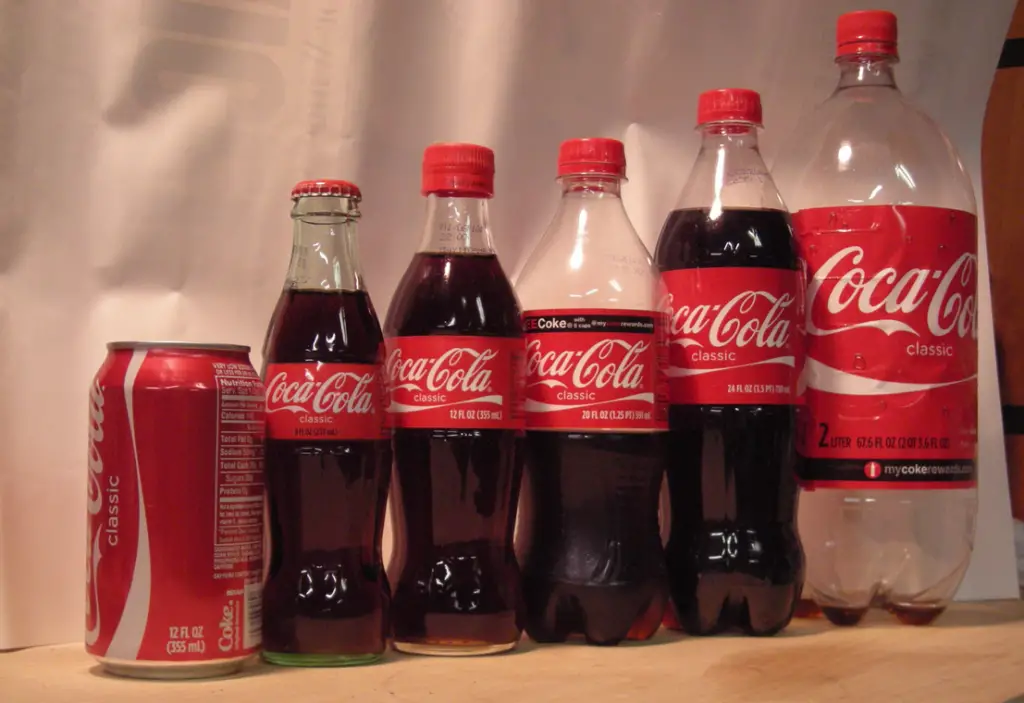
The “I’d like to buy the world a Coke” commercial was all about unity and togetherness. Looking back, it feels like an early version of global connection. It brought people from different cultures together in one message, which mirrors how the internet now connects us in seconds. The ad’s wholesome tone feels like a precursor to modern global campaigns that emphasize harmony.
It also predicted how brands would shape messaging around inclusivity. Today, commercials often highlight diversity and worldwide connection. This ad set the stage for that kind of storytelling long before we had the tools to actually connect globally. It showed how a simple product could be tied to a bigger message. It’s a reminder that advertising was already leaning into global community themes decades before social media existed.
9. Folgers’ “The Best Part of Wakin’ Up”
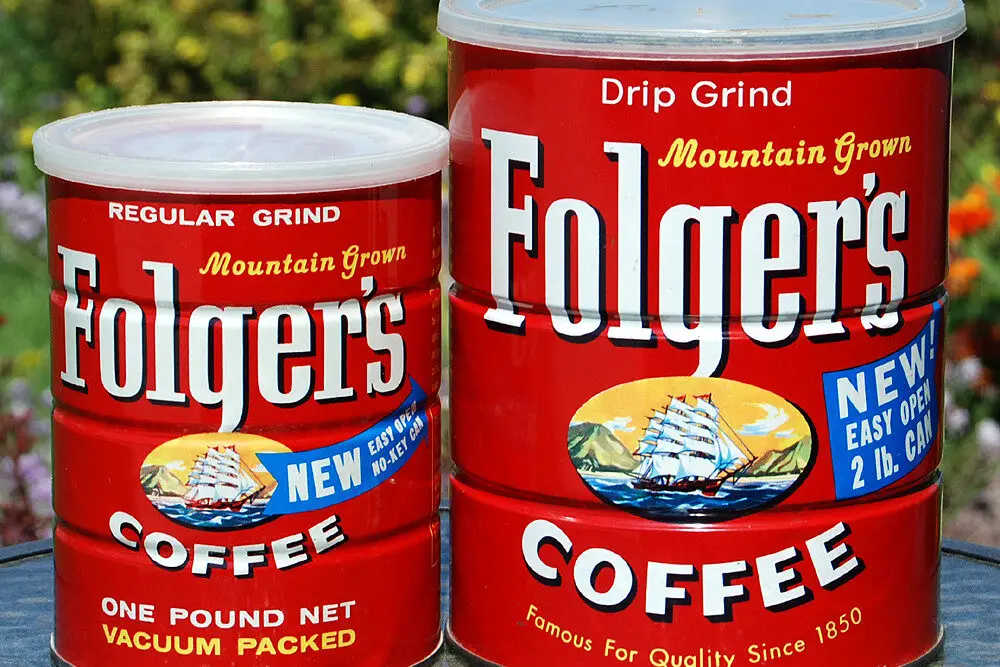
This jingle became permanently stuck in our heads, but its sentiment predicted the way morning routines would become a big part of modern life. Today, people share their whole AM rituals, from pour-over coffee to skincare routines. The commercial romanticized starting the day right, which is exactly what influencers highlight on social platforms. It captured the idea that mornings set the tone for everything.
What makes it feel modern is how aspirational it was. The cozy kitchen, the warm mug, the idealized beginning of the day—all of it foreshadows lifestyle content that thrives now. That sense of curated comfort is everywhere today. It feels like the Folgers ad introduced the concept before we ever knew we needed it. It’s surprisingly ahead of its time.
10. Nike’s Early Motivation Ads
Nike commercials in the ’80s and ’90s were filled with messages about pushing yourself and “just doing it.” Those ads were early previews of personal-development culture. Today, motivational messaging is everywhere, from gym apps to Instagram captions. The spirit of taking charge of your life is baked into modern self-improvement trends. Nike got there early.
Even the visuals—slow-motion athletes, intense training scenes—look like the fitness content we consume every day. People now film every workout and share progress online, but Nike captured that energy decades earlier. The slogans even sound like modern affirmations. Watching them now feels like déjà vu.
11. Energizer Bunny “Keeps Going and Going”
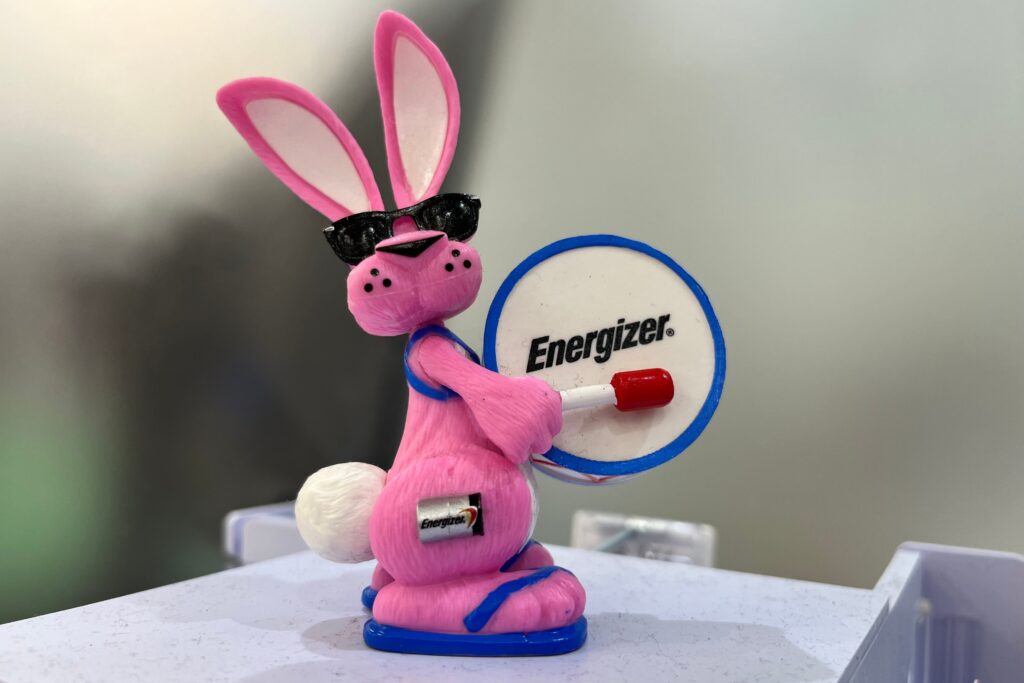
This commercial was known for its endless march of the pink bunny. But it also predicted the nonstop pace of modern technology. The idea of lasting power echoes everything from long-lasting batteries to phones that keep us plugged into life 24/7. The commercial made longevity look fun, and we unknowingly embraced that mindset. It’s a cute metaphor that ended up becoming real.
It also hinted at our desire for products that stay “on” all the time. Today, we expect our devices to keep going without interruption, just like the bunny. It’s funny how a simple gag became symbolic of tech’s constant motion. The ad captured the speed and stamina we now consider normal. It’s almost eerie in hindsight.
12. Sears’ “Wish Book” Holiday Ads
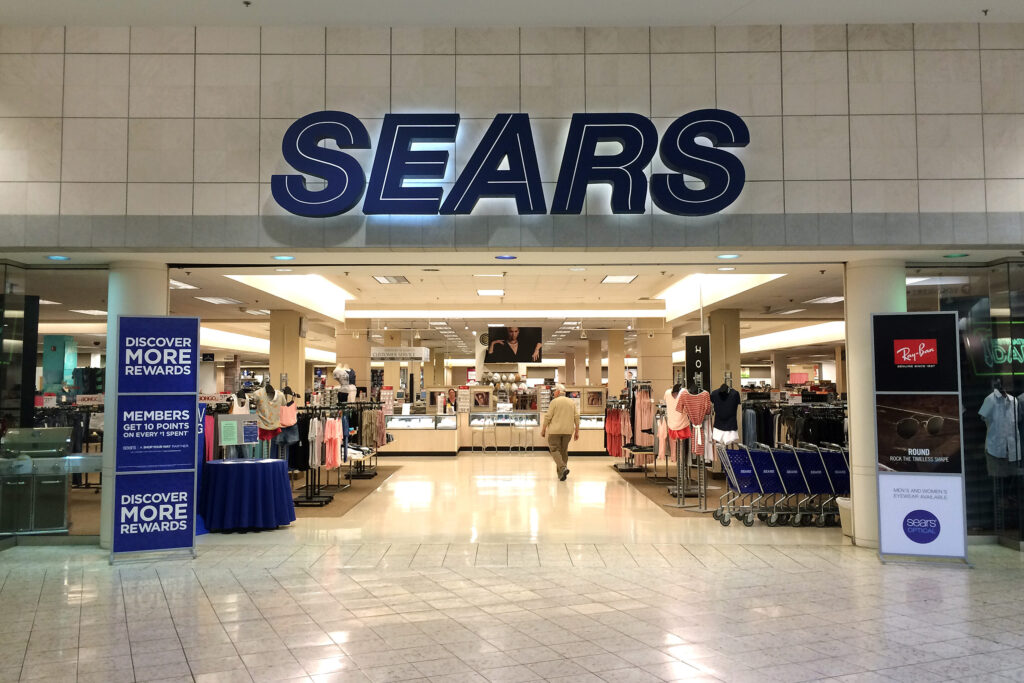
These nostalgic commercials invited families to flip through catalogs and circle what they wanted for Christmas. That simple act predicted online shopping and digital wish lists. The joy of browsing items from home feels incredibly familiar today. Sears unintentionally created the earliest version of scrolling through products.
The commercials also tapped into a shared experience that’s now replicated through apps and online carts. People loved the ritual of choosing items and imagining what might show up under the tree, something that online shopping amplifies. It predicted the excitement of digital retail long before it existed. The Wish Book was basically Amazon before Amazon.
13. RadioShack’s “New Technology for Everyday Life” Ads
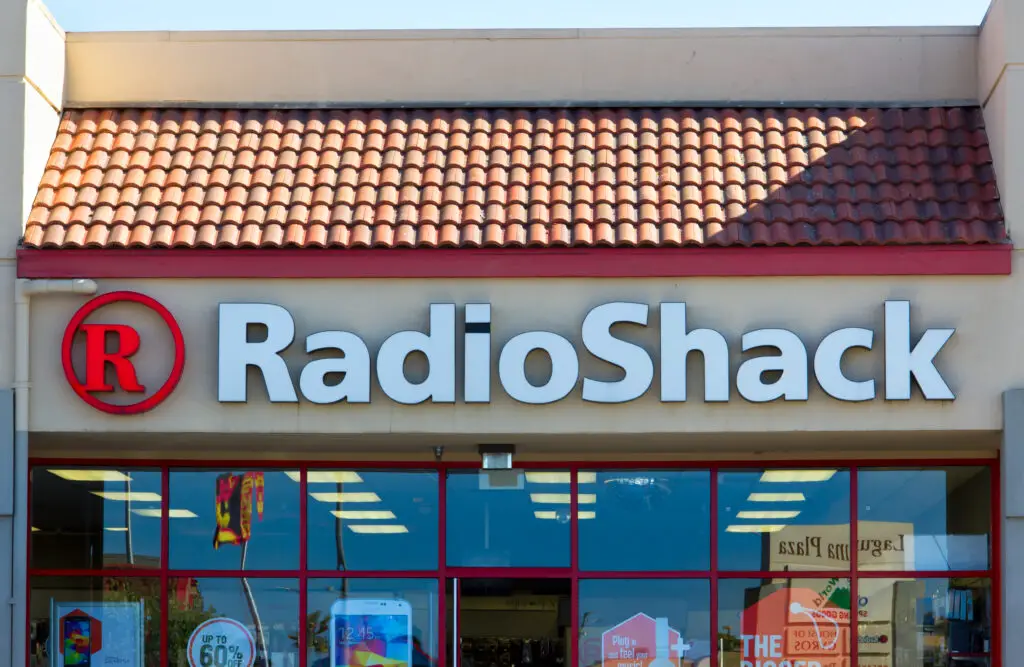
RadioShack commercials were filled with gadgets meant to make life easier, even if many of them were considered futuristic at the time. Watching them now, you can’t help but notice how much they resemble modern smart-home trends. Their promise of convenience foreshadowed the way people now interact with voice assistants and connected devices. The ads imagined a world where tech would be part of every room, which ended up becoming reality. They were unintentionally visionary.
Those commercials also hinted at the rapid pace of innovation. Each year, RadioShack offered something newer and more streamlined, a pattern we now experience constantly. That cycle of upgrading feels like a way of life today. The ads unknowingly predicted the endless march of consumer technology. They were a small window into the future we live in now.