
1. Lawn Darts (Jarts)
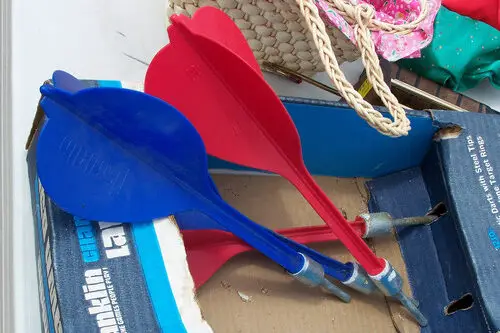
If you grew up in the ’70s or early ’80s, there’s a good chance you remember lawn darts, also known as Jarts. The idea was simple, toss heavy, metal-tipped darts across the yard and aim for a plastic ring. The reality was a little less charming, since those darts could easily land somewhere they shouldn’t. They weren’t toys you casually missed with, because the stakes were literally sharp.
By 1988, the U.S. Consumer Product Safety Commission banned them after multiple serious injuries and several deaths, particularly involving children. Looking back, it’s hard to believe these were ever marketed as a family game. Today, even the idea of handing kids weighted projectiles with pointed metal tips feels unthinkable. It’s probably the clearest example of how much toy safety standards have changed.
2. Clackers
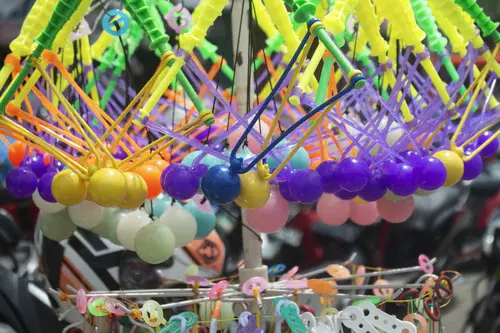
Clackers were those brightly colored acrylic balls attached to a string that you’d swing up and down until they smacked together. The goal was to keep them clicking rhythmically above and below your hand. It looked harmless at first, almost hypnotic, until you realized how fast those balls were moving. And how close they were to your face.
The original versions were made of hard plastic that could shatter on impact, sending sharp fragments flying. Injuries weren’t rare, especially to hands, eyes, and foreheads. Later versions were redesigned with safer materials, but by then the damage was done to their reputation. It’s one of those toys that feels more like a physics experiment gone wrong than a childhood pastime.
3. Chemistry Sets

Vintage chemistry sets were a whole different experience compared to what kids get today. Some actually included real chemicals like sulfur, copper sulfate, and even small amounts of radioactive materials in earlier versions. The idea was to encourage scientific curiosity, but the supervision part was often… minimal. Kids were essentially running tiny labs at the kitchen table.
Over time, safety concerns led to stricter regulations and much tamer kits. Modern versions avoid hazardous substances and focus more on demonstration than experimentation. Looking back, it’s surprising how much trust was placed in kids to handle potentially dangerous materials. Today’s parents would likely hesitate before handing over anything remotely reactive.
4. Creepy Crawlers Thingmaker
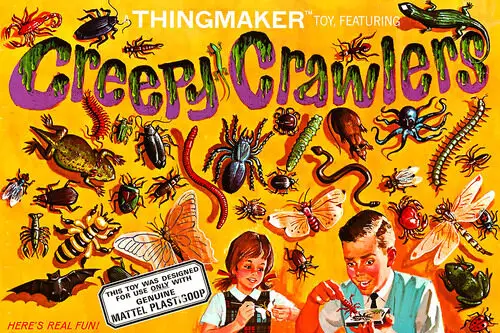
The Creepy Crawlers Thingmaker let kids create rubbery bugs by pouring liquid plastic into metal molds and heating them in a small oven. The result was a squishy toy you made yourself, which felt pretty cool at the time. What didn’t feel so cool was the extremely hot metal trays involved in the process. Burns were a real risk, especially for younger kids.
The heating element and molten plastic made this more of a miniature factory than a toy. It was eventually discontinued due to safety concerns, though it has been revived in safer forms. Even so, the original version feels like something that would never pass modern safety testing. It’s a reminder of how much “hands-on” used to really mean hands-on.
5. BB Guns
For many kids, owning a BB gun felt like a rite of passage. Models like the Red Ryder were widely advertised and often given as gifts. They were marketed as toys, but they were capable of causing serious injury. Eye injuries, in particular, were a major concern, which is why warnings became more prominent over time.
While BB guns are still available today, they’re treated much more seriously and usually come with strong safety guidelines. Protective eyewear and adult supervision are emphasized in a way they weren’t decades ago. The casual way they were once handed to kids is what would raise eyebrows today. It’s less about the object itself and more about how it was treated.
6. Easy-Bake Oven (Early Versions)
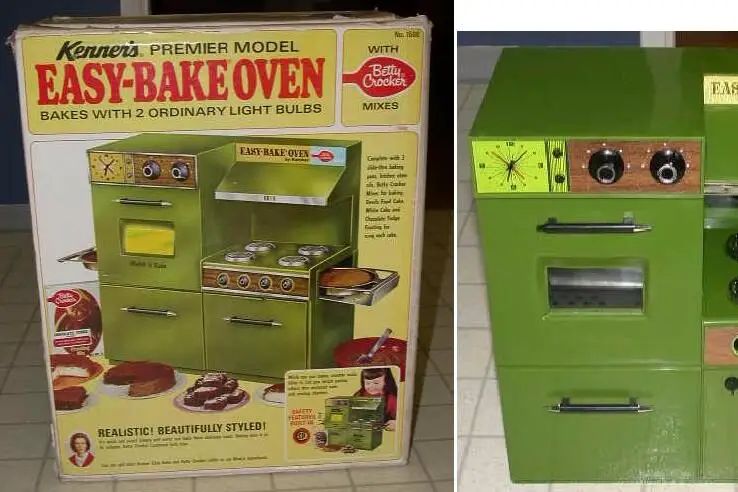
The Easy-Bake Oven is still around, but the early versions were a bit more intense than what kids use now. They used incandescent light bulbs as a heat source, which could get surprisingly hot. Kids were essentially baking small treats using real heat in a plastic device. Burns and minor injuries were not uncommon.
Over the years, the design has been updated to improve safety and reduce heat exposure. Finger entrapment issues in later models also led to recalls in the 2000s. The concept itself isn’t the problem, it’s how little protection early versions offered. Today’s parents expect multiple layers of safety built into anything involving heat.
7. Slip ’N Slide (Original Use Cases)
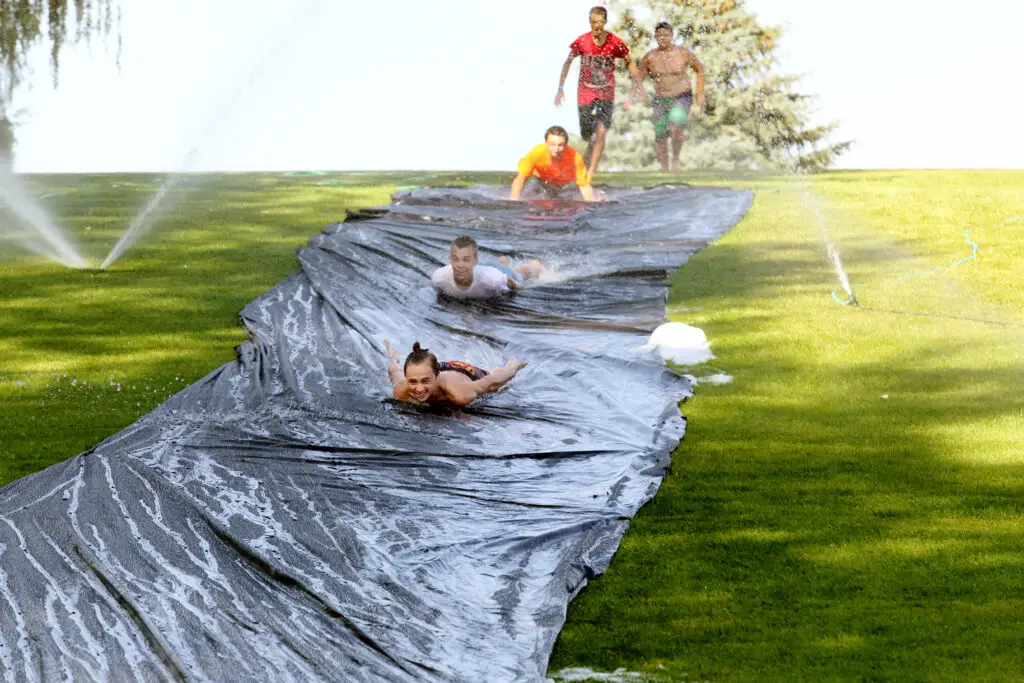
The Slip ’N Slide sounds harmless, just a long sheet of plastic and some water. But it was often used on hills or hard ground, and kids would launch themselves headfirst without much thought. That’s where problems started. Neck and spinal injuries became a serious concern, especially for older kids and teens.
The product is still sold today, but with clear warnings about age limits and proper use. It’s recommended primarily for younger children on flat surfaces. The free-for-all way it was used in earlier decades is what makes it seem risky in hindsight. It’s a classic example of a toy that depended heavily on common sense that wasn’t always there.
8. Toy Cap Guns with Paper Caps
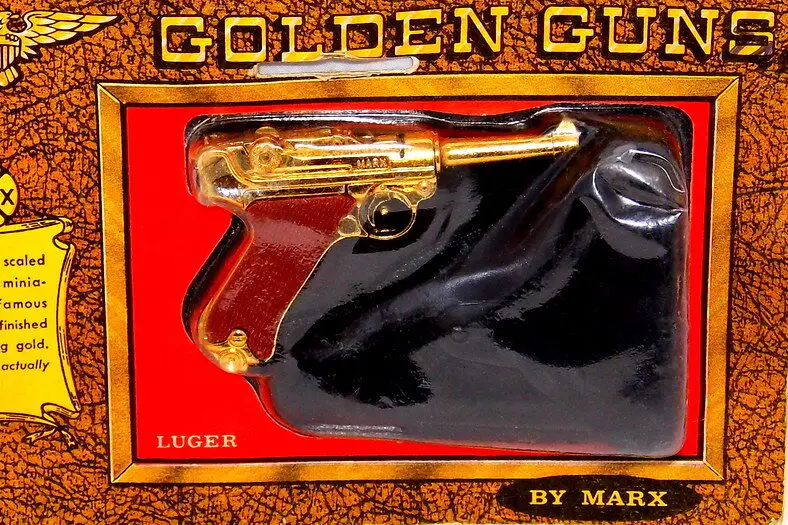
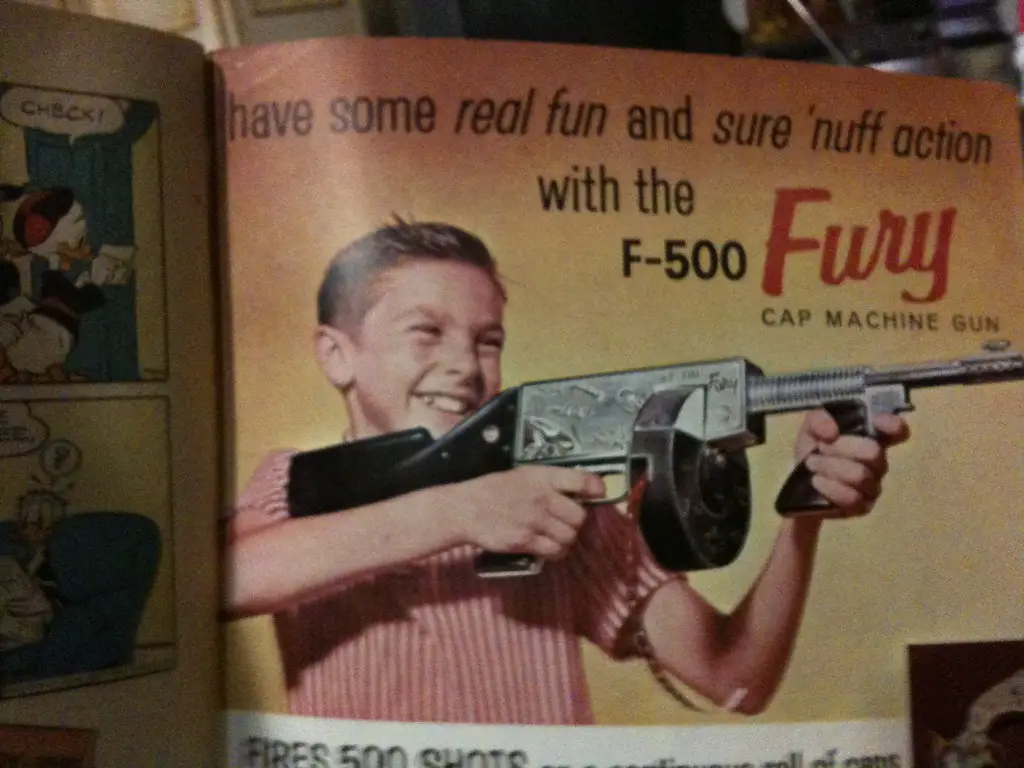
Cap guns were everywhere, especially in Western-themed play. Kids would load paper caps or plastic rings that created a loud popping sound when struck. The noise and small explosions were part of the appeal. But those tiny charges could cause burns if mishandled.
There were also concerns about the chemicals used in the caps, as well as the realistic appearance of some toy guns. Over time, regulations changed to make them safer and less lifelike. Today, many toy guns are brightly colored to avoid confusion. The old versions, both in sound and appearance, would make many parents uneasy now.
9. Metal Playground Slides (As “Toys”)
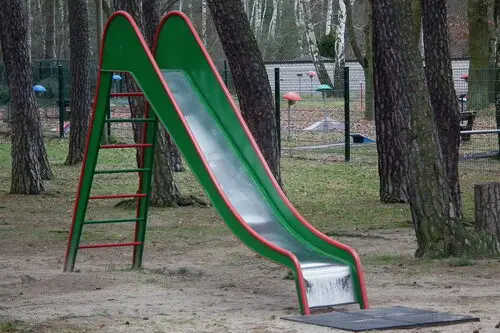
While not a toy you took home, playground slides were a huge part of childhood play. Older versions were often made entirely of metal and sat directly in the sun. On hot days, they could become extremely hot to the touch. Kids would still climb up and slide down without thinking twice.
Burns were not uncommon, especially in summer. Modern playgrounds use plastic materials that don’t heat up as dramatically. There’s also more attention to surface safety and fall protection. Looking back, it’s surprising how much discomfort was just accepted as part of the experience.
10. Super Elastic Bubble Plastic
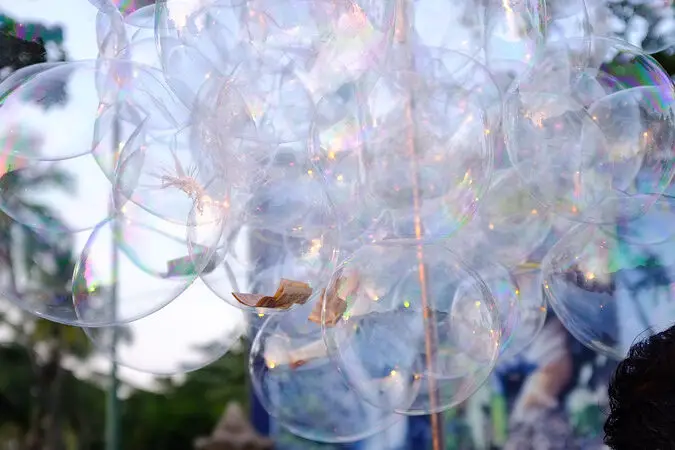
This toy came in small tubes and allowed kids to blow plastic bubbles using a straw. It smelled strongly of chemicals, which was your first clue something wasn’t quite right. The bubbles would harden slightly, creating a strange, rubbery shell. It was fun, but also a bit questionable.
The product contained solvents that could be harmful if inhaled, especially in enclosed spaces. Concerns about toxicity eventually led to it being pulled from many markets. Today, products with strong chemical fumes aimed at children are heavily scrutinized. It’s one of those toys that feels more like a science hazard in retrospect.
11. Roller Skates Without Protective Gear
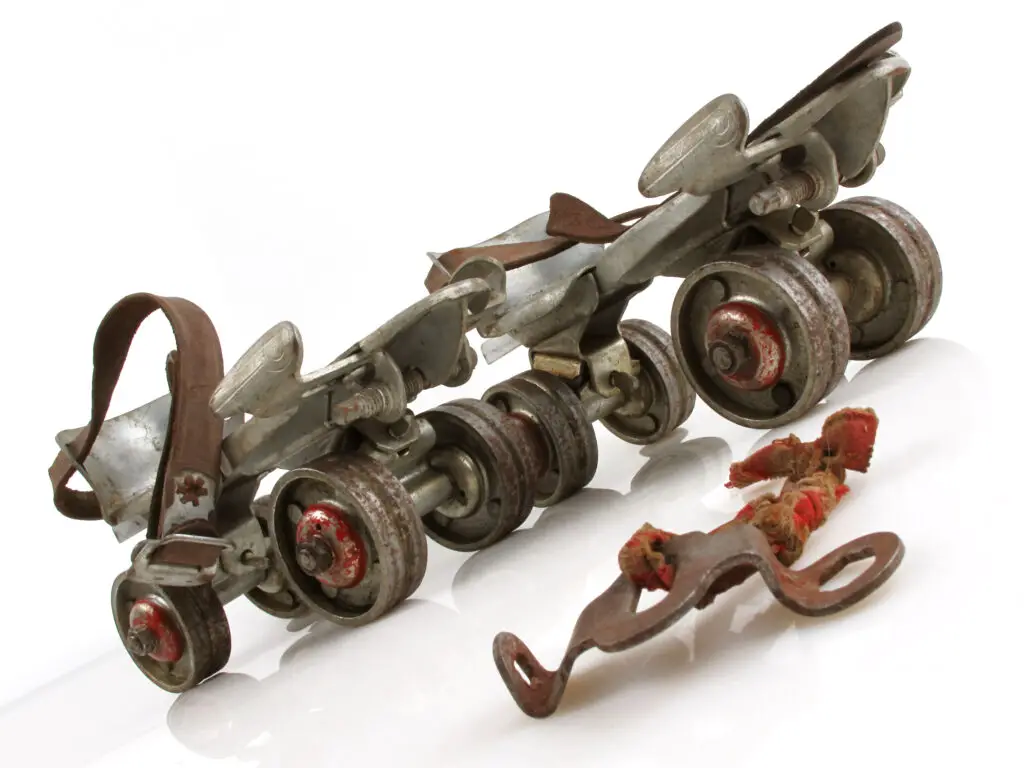
Roller skates themselves aren’t the issue, it’s how they were used. Kids would strap them onto their shoes and head straight to sidewalks or streets. Helmets and pads were rarely part of the equation. Falling was just considered part of the deal.
Injuries, from scrapes to broken bones, were fairly common. Today, protective gear is strongly encouraged, especially for beginners. There’s also more emphasis on safe skating environments. The casual, unsupervised approach of the past is what would concern parents now.
12. Wood Burning Kits
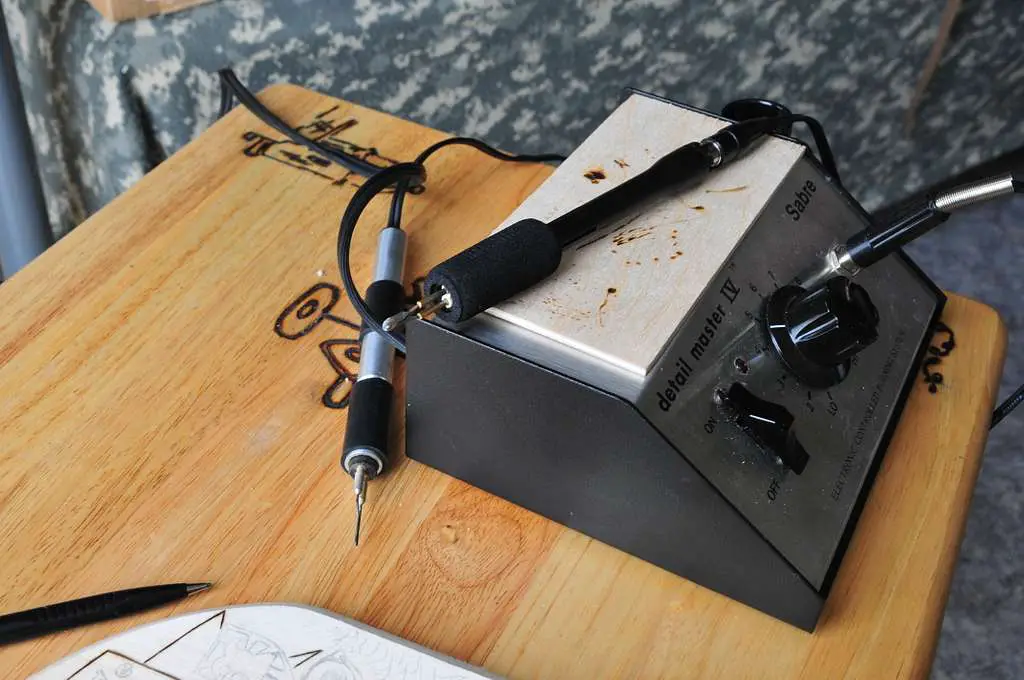
Wood burning kits let kids etch designs into wood using a heated metal tip. The results could be impressive, but the process involved handling a very hot tool. It was essentially a soldering iron marketed for crafts. Burns were a real possibility, especially without close supervision.
These kits still exist but are often recommended for older users with guidance. Safety instructions are much more explicit now. The idea of younger children using them freely is what feels risky today. It’s another example of how responsibility was placed heavily on the user.
13. Trampolines (Backyard Use)

Backyard trampolines became incredibly popular, often without nets or padding. Kids would jump together, try flips, and push the limits of what they could do. It was fun, but also unpredictable. Collisions and awkward landings were common.
Today, many trampolines include safety enclosures and padding around the springs. Even so, pediatric groups still warn about injury risks. The earlier versions lacked many of these protections. It’s not that the toy disappeared, it just became more controlled and safety-focused.
14. Mini Bikes and Go-Karts
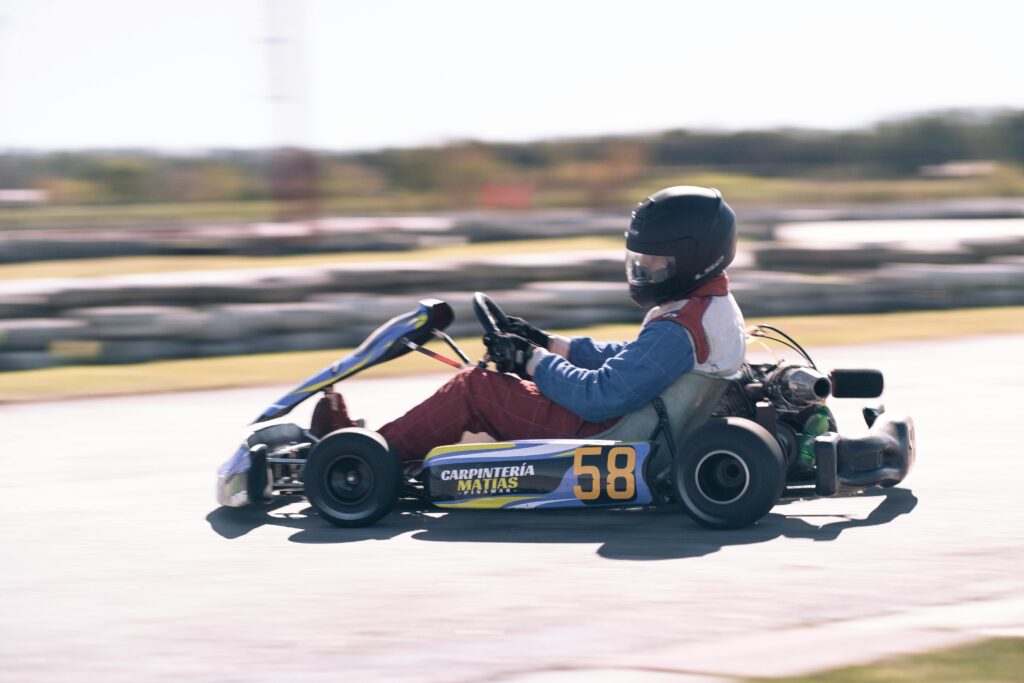
Mini bikes and small go-karts gave kids a taste of independence and speed. They were often gas-powered and could reach surprising speeds for their size. Helmets weren’t always worn, and supervision varied widely. For many kids, it felt like driving before they were legally allowed to.
Accidents were not uncommon, especially on uneven terrain or roads. Today, there are stricter guidelines around youth use of motorized vehicles. Safety gear and designated riding areas are emphasized. The freedom they once represented is exactly what would make parents hesitate now.