
1. Local Video Rental Stores

There was a time when Friday night meant walking into a neighborhood video rental shop, not scrolling through a streaming menu. Independent video stores and even chains like Blockbuster were once everywhere, packed with shelves of VHS tapes and later DVDs. Kids wandered the aisles looking for something new while parents debated late fees and due dates. The ritual of picking a movie felt like an event in itself, complete with candy at the counter and handwritten “Staff Picks” cards.
By the late 2000s, most of these stores had quietly disappeared as streaming services and mail-order rentals took over. Blockbuster filed for bankruptcy in 2010, and thousands of smaller shops had already closed before that. There was no big farewell, just empty storefronts where the posters used to hang. What replaced them was more convenient, but a lot less personal. The experience of physically choosing a movie became something kids today never really knew.
2. Mall Arcades
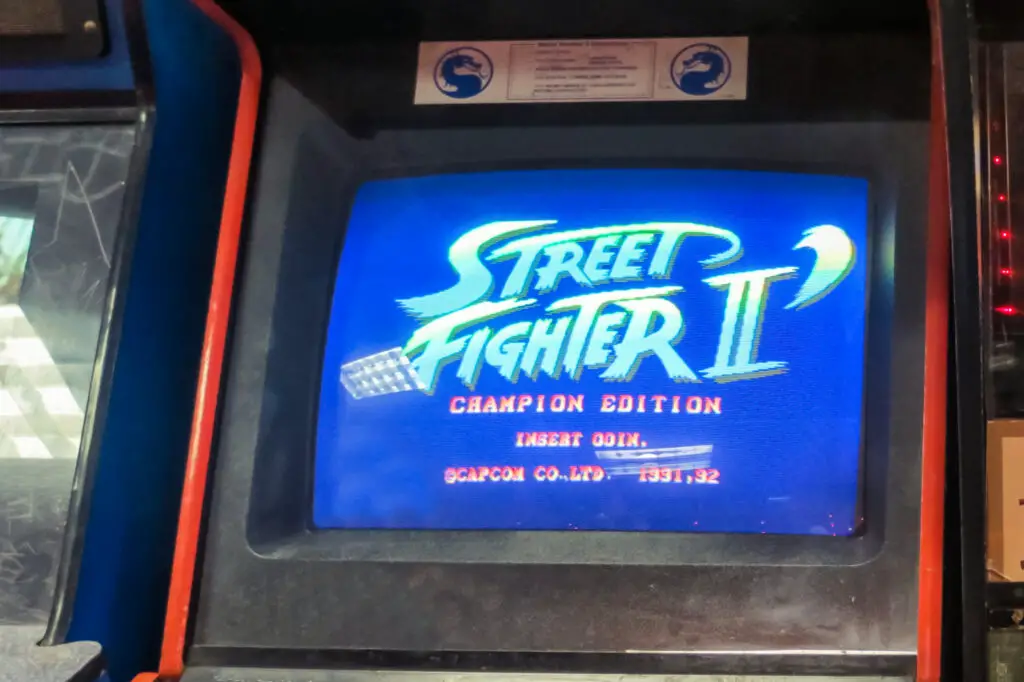
For a lot of kids, the arcade was the loudest, brightest place in the mall. Machines lined the walls with flashing lights and familiar sounds, from fighting games to racing simulators. You could walk in with a handful of tokens and lose track of time completely. It was social in a way that online gaming never quite replicates, with people gathered around watching high scores and cheering each other on.
As home gaming consoles improved in the ’90s and 2000s, arcades slowly lost their appeal. Many mall arcades closed one by one, often replaced by retail stores or left vacant. There was no official goodbye, just fewer machines each year until they were gone. A few still exist in niche or retro form, but the everyday arcade experience largely faded away. For many, it vanished before they even realized it was happening.
3. School Book Fairs

The school book fair felt like a mini event that broke up the routine of the school year. Tables were filled with colorful paperbacks, posters, and novelty items that seemed irresistible as a kid. Even browsing felt exciting, especially when you found something you didn’t expect. It was often the first time kids had a bit of freedom to choose what they wanted to read.
Book fairs haven’t completely disappeared, but they are far less common and often scaled down compared to their peak. Budget cuts and changes in how schools operate have reduced how frequently they’re held. In some places, they’ve been replaced by online ordering systems, which removes the experience of walking through the display. The shift happened gradually, so many people didn’t notice when it stopped being a regular thing. What remains feels quieter and less magical.
4. Neighborhood Corner Stores
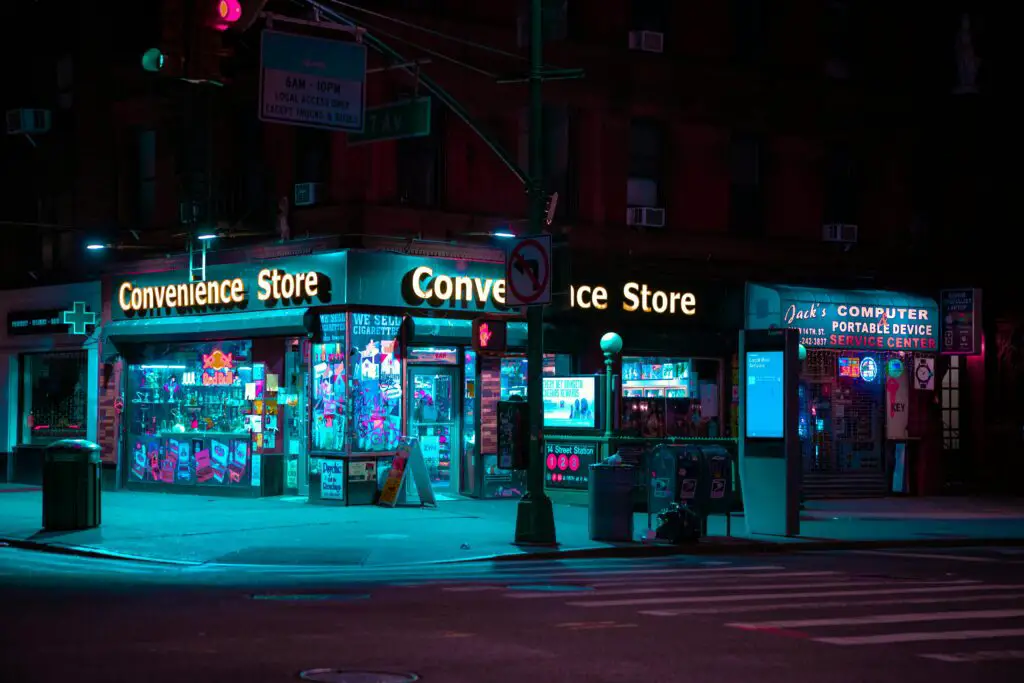
Corner stores used to be a regular stop on the walk home from school. Kids would come in with a dollar or two and leave with candy, chips, or a soda. The owners often knew the neighborhood families, which gave the place a sense of familiarity. It was more than just a store, it was part of the daily routine.
Over time, many of these small shops closed as larger convenience chains and big-box retailers expanded. Rising costs and competition made it harder for independent stores to survive. One day the lights were off, and that was it. There was no replacement that felt quite the same. The casual, everyday stop just faded out of the picture.
5. Roller Skating Rinks
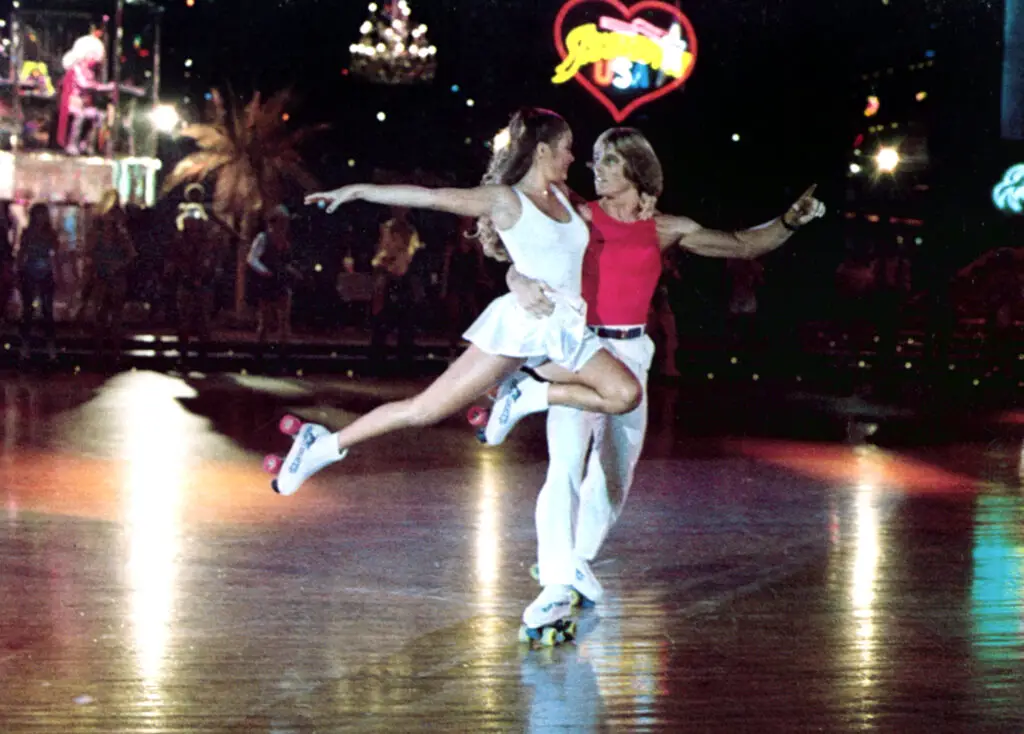
Roller rinks were a go-to spot for birthday parties and weekend outings. Music played over the speakers while kids circled the rink, sometimes confidently and sometimes barely staying upright. There were themed nights, snack bars, and that unmistakable smell of the rental skates. It was a place where a lot of people first learned how to skate, and maybe even held hands with someone for the first time.
Many rinks began closing in the late ’90s and early 2000s as entertainment habits shifted. Rising property values and maintenance costs made them difficult to sustain. Some buildings were repurposed, while others were simply demolished. There wasn’t a single moment when they disappeared, just fewer options every year. Today, they’re far less common than they once were.
6. Toy Store Chains
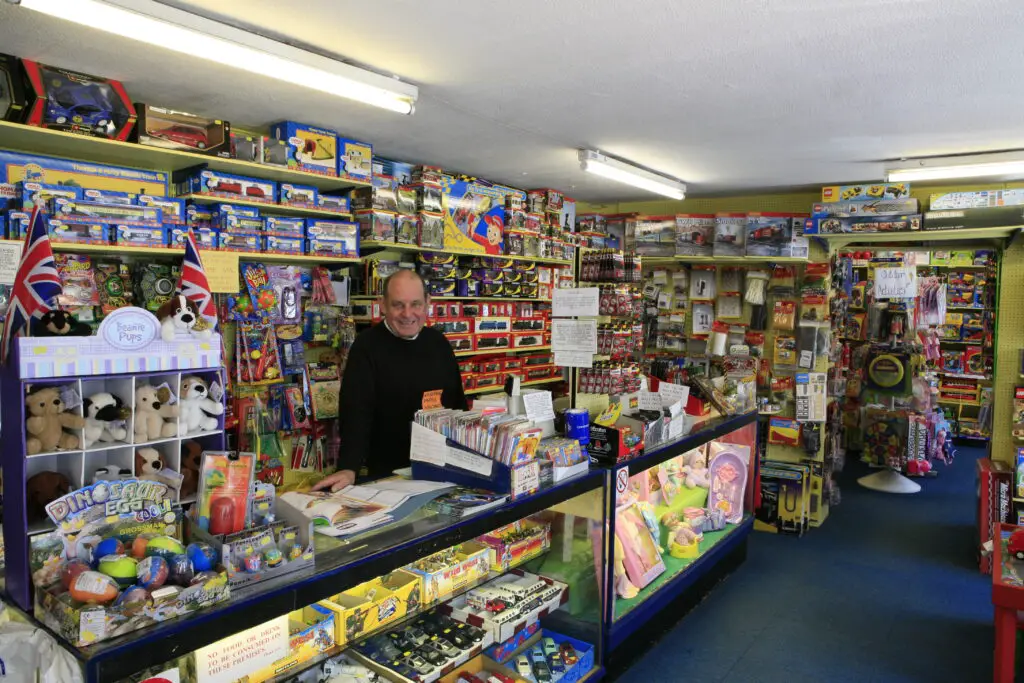
Walking into a large toy store used to feel overwhelming in the best way. Shelves were stacked with everything from action figures to board games, and it felt like there was always something new to discover. Stores like Toys “R” Us became iconic for kids growing up in the ’80s, ’90s, and early 2000s. It wasn’t just about buying something, it was about exploring.
Toys “R” Us filed for bankruptcy in 2017 and closed many of its U.S. locations in 2018, marking a major shift in how people bought toys. Online shopping and big-box competition played a major role in its decline. While the brand has attempted smaller-scale comebacks, the original experience is largely gone. Many former locations now house entirely different businesses. The disappearance felt sudden, but it had been building for years.
7. Drive-In Movie Theaters
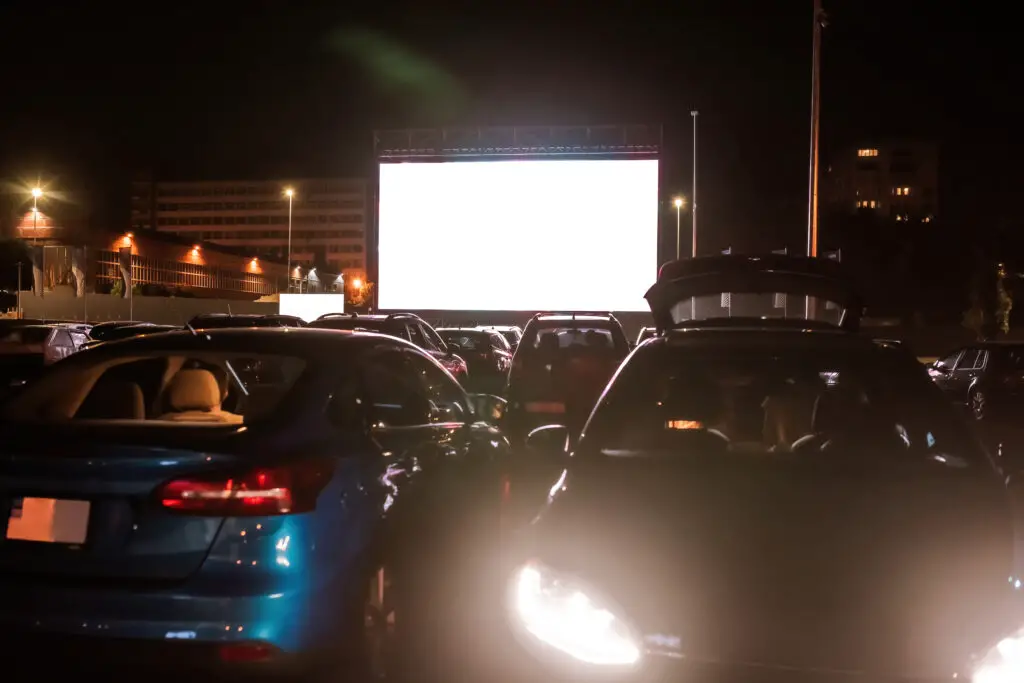
Drive-in theaters offered a different kind of movie experience, one that felt more relaxed and social. Families packed into cars with blankets and snacks, tuning in through car radios or speakers. Kids often played outside before the movie started, turning it into more of a full evening than just a film. It was especially popular in the mid-20th century.
The number of drive-ins declined significantly starting in the ’70s and ’80s due to rising land values and competition from indoor theaters. Many closed quietly as the land became more valuable for development. While a small number still operate today, they are much rarer than they once were. Most people didn’t notice when their local one shut down until it was already gone. It became more of a nostalgic memory than a regular activity.
8. Public Payphones

Payphones used to be everywhere, on street corners, inside malls, and outside stores. Kids were often told to carry change just in case they needed to call home. It was a basic part of navigating the world before cell phones became common. You didn’t think much about them until you needed one.
As mobile phones became widespread in the early 2000s, payphones quickly became obsolete. Many were removed entirely, leaving behind only the occasional empty booth. There was no announcement when they disappeared, just fewer and fewer over time. Today, seeing a working payphone is unusual. It’s something that quietly slipped out of everyday life.
9. Music Stores in Malls

Music stores were once a central part of mall culture. Rows of CDs, cassette tapes, and listening stations made it easy to discover new artists. You could spend time flipping through albums, reading liner notes, and deciding what to buy. It was one of the main ways people interacted with music physically.
With the rise of digital downloads and streaming, most of these stores closed by the late 2000s. Chains like Sam Goody and FYE shrank significantly or disappeared from many locations. The change happened gradually as foot traffic declined. Eventually, the spaces were taken over by other retailers. The idea of browsing for music in a store became less common almost overnight.
10. Saturday Morning Cartoon Blocks
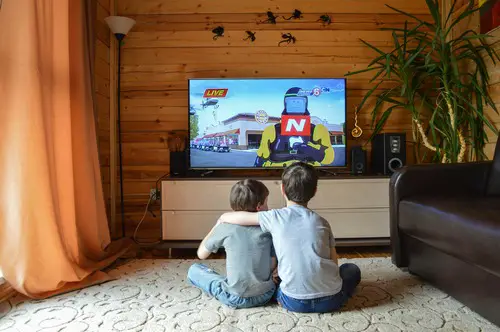
Saturday mornings used to have a very specific rhythm for kids. You’d wake up early, grab cereal, and settle in for hours of cartoons on network television. Channels competed with each other to offer the best lineup, making it feel like a weekly event. It was something many families structured their weekends around.
By the 2010s, most major networks had ended their Saturday morning cartoon programming. Changes in advertising regulations and the rise of cable and streaming services contributed to the shift. There wasn’t a single final broadcast that marked the end for everyone. It just slowly disappeared from schedules. What replaced it is more flexible, but less shared.
11. Neighborhood Movie Theaters
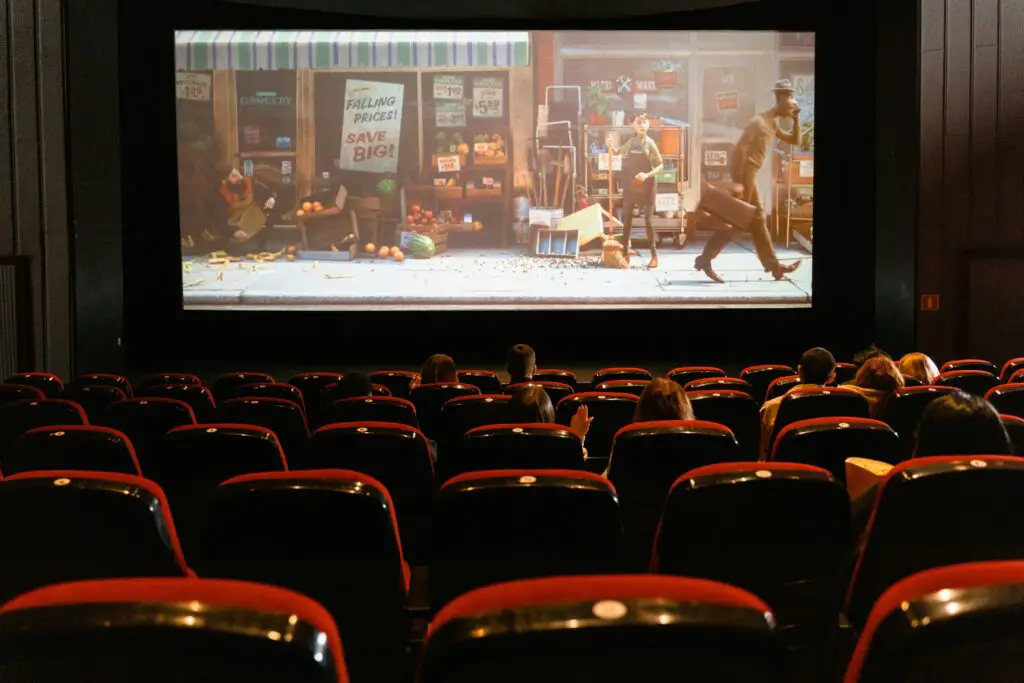
Small, independently owned movie theaters used to be scattered throughout towns and neighborhoods. They often showed second-run films or had lower ticket prices than larger chains. For kids, they were an accessible way to see movies without traveling far. The atmosphere felt more relaxed and familiar.
As multiplex theaters became more dominant, many of these smaller venues closed. Competition and changing audience expectations made it harder for them to survive. Some buildings were converted into other businesses, while others sat empty. There was rarely a formal closing announcement that reached everyone. One day, the marquee just stopped updating.
12. Pizza Hut Dine-In Restaurants
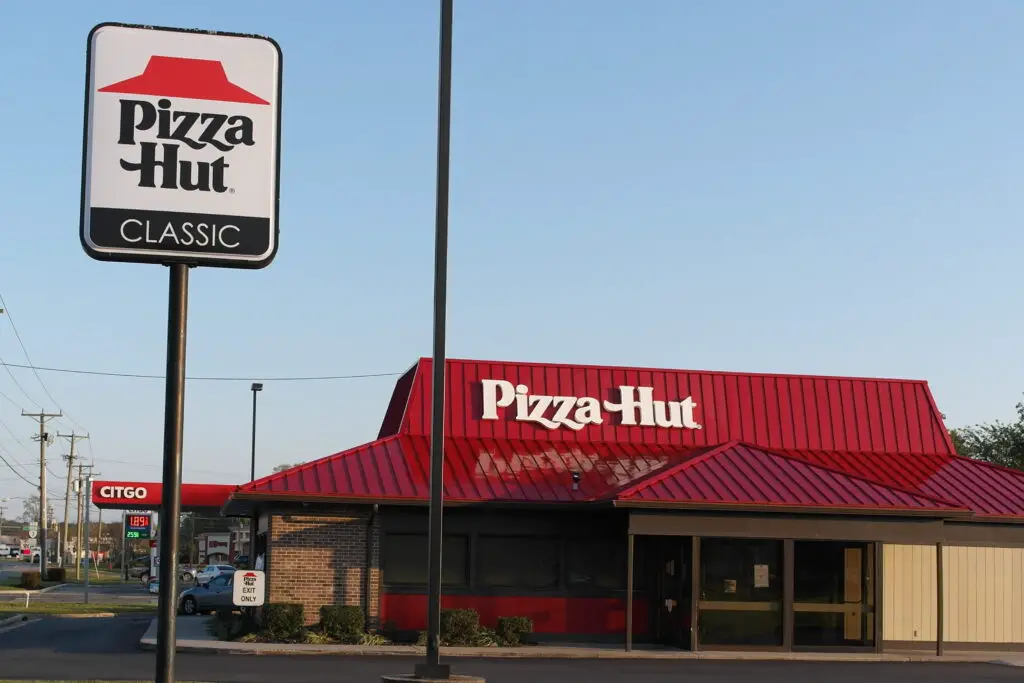
There was a time when Pizza Hut was known as much for its dine-in experience as its food. Red plastic cups, checkered tablecloths, and arcade machines created a distinct atmosphere. Families would sit down for a full meal rather than ordering takeout. It felt like a casual night out rather than just dinner.
Over the years, many dine-in locations closed or shifted to takeout and delivery-focused models. Changing consumer habits and rising costs played a role in the transition. Some of the classic buildings still exist, but the interiors have been remodeled or repurposed. The original experience has mostly faded away. It’s a subtle change that many people only notice in hindsight.
13. After-School Hangout Spots
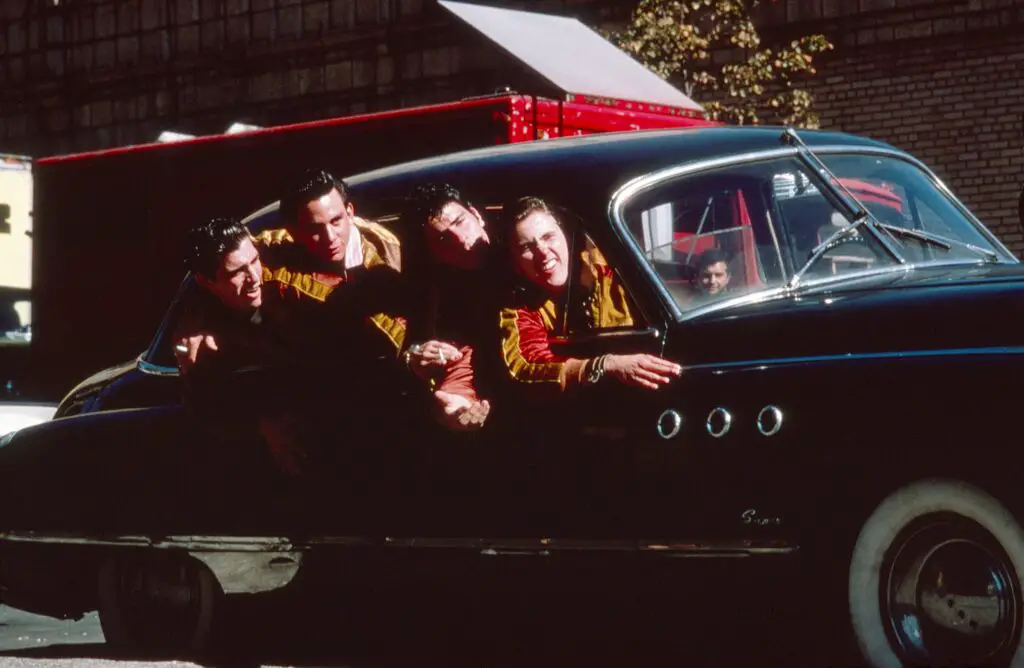
Every neighborhood seemed to have a default after-school hangout, whether it was a patch of woods, an empty lot, or a specific corner. Kids gathered there without much planning, just knowing others would show up. It was unstructured and spontaneous, which made it feel like your own space. No one needed to organize it formally.
Over time, these informal spots disappeared due to development, safety concerns, or changes in how kids spend their time. Many were replaced by buildings or fenced off entirely. Others simply stopped being used as routines shifted toward structured activities or time spent online. There wasn’t a clear ending, just a gradual absence. The place stayed the same, but the people stopped coming.
14. Library Card Catalog Rooms

Before digital systems, libraries relied on card catalogs to organize their collections. Rows of wooden drawers held index cards that helped you find books by title, author, or subject. Learning how to use them was almost like a rite of passage for students. It required patience, but it also made the search feel more hands-on.
As libraries digitized their systems, card catalogs were phased out in the ’80s and ’90s. Many were removed entirely or kept only as decorative pieces. The transition made searching faster and more efficient, but it also removed a tactile part of the experience. There wasn’t a dramatic moment when they disappeared. They were simply replaced, one terminal at a time.