
1. Butterfinger BB’s
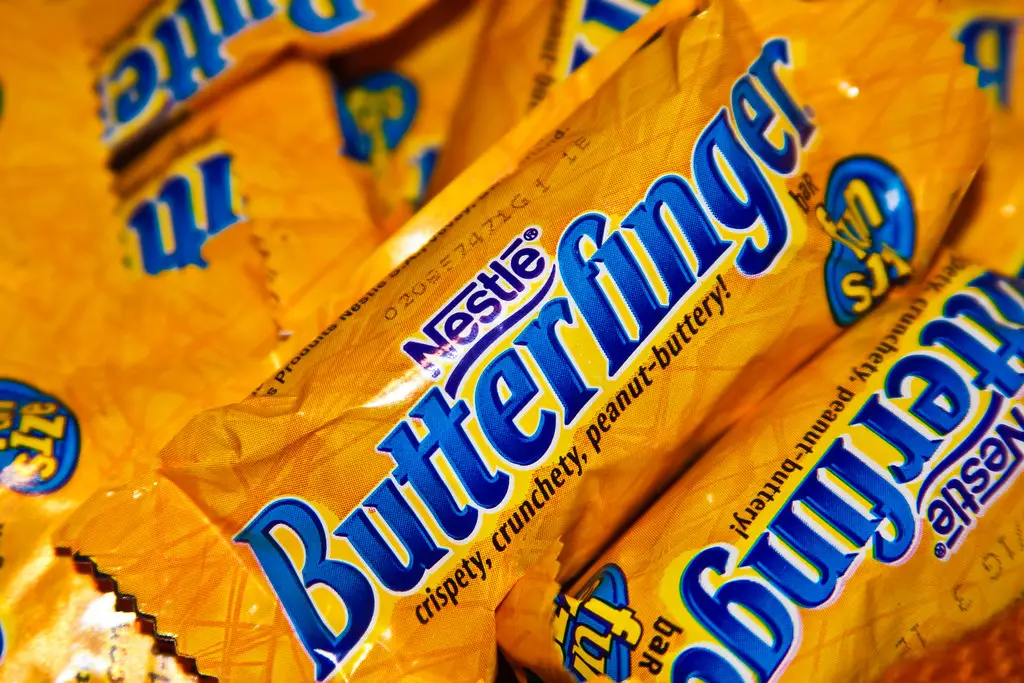
These marble-sized treats were the ultimate movie theater companion back in the nineties. Unlike the standard bar, these little spheres were easy to pop into your mouth without getting neon-orange flakes all over your shirt. The commercials featuring The Simpsons made them feel like the coolest snack in the pantry. You probably remember the satisfying crunch of the flaky peanut butter core wrapped in that thin chocolate shell. They had a specific texture that the modern “Bites” version just hasn’t been able to replicate.
The yellow bag was a staple of many lunchboxes and slumber parties. When they were discontinued in 2006, a small part of our collective childhood disappeared along with them. Fans have spent years petitioning for their return, but the recipe remains locked away in the snack vault. It is one of those rare instances where the bite-sized version actually tasted better than the original. Walking down the candy aisle today feels a little emptier without that iconic yellow packaging staring back at you.
2. Squeezit
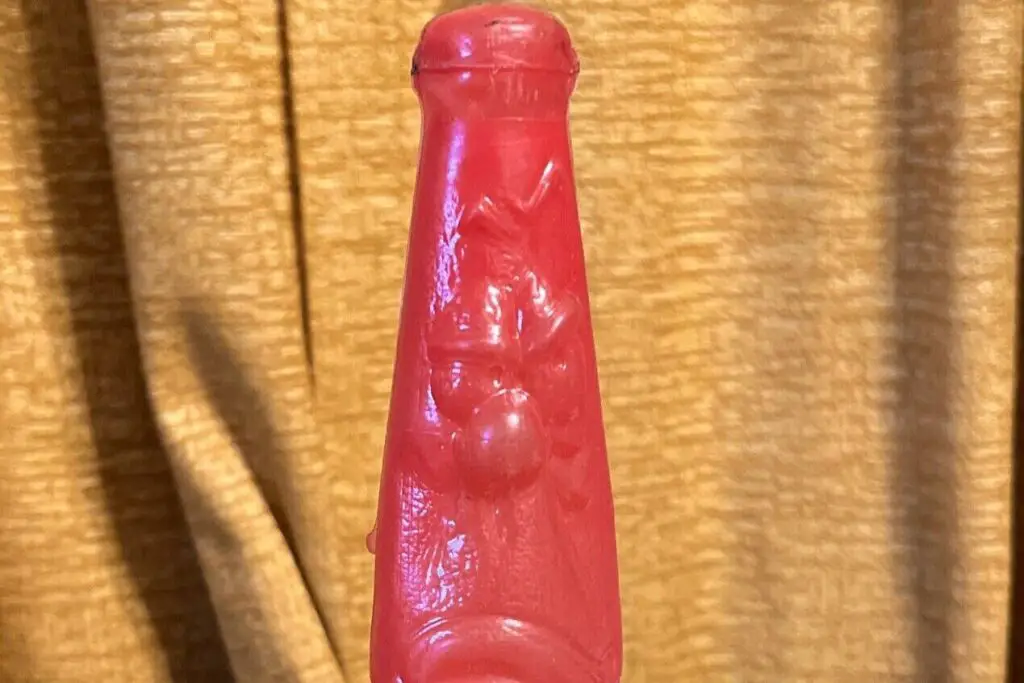
Before everyone was obsessed with electrolyte drinks, we had colorful plastic bottles filled with pure sugary joy. Squeezits were more than just a fruit drink; they were an interactive experience that required you to twist off the plastic character head. Each flavor had a distinct personality, like Chucklin’ Cherry or Grumpy Grape, which made choosing your flavor a high-stakes decision. The bottles were designed to be squeezed directly into your mouth, often resulting in a sticky mess. They were the undisputed kings of the elementary school cafeteria during the summer months.
The sheer novelty of the packaging is what kept us coming back for more. There was something uniquely satisfying about the “pop” when the seal finally broke. However, as parents became more health-conscious about high-fructose corn syrup, these neon liquids began to fade away. By the early 2000s, they had mostly vanished from the refrigerated section. Now, we are left with boring juice boxes that lack the personality of a face-shaped bottle. It was a simpler time when hydration was mostly about how cool the bottle looked.
3. Dunkaroos
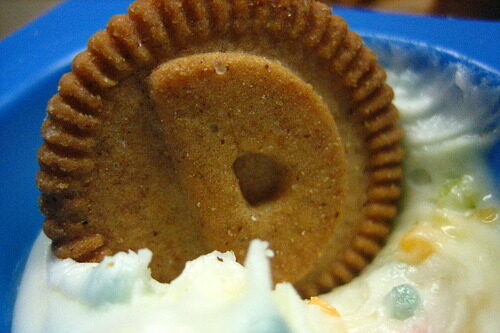
Dunkaroos represented the pinnacle of snack engineering for any kid who loved frosting. The little tray with two compartments—one for kangaroo-shaped graham crackers and one for rainbow sprinkle dip—was a masterpiece. You had to be strategic with your frosting-to-cookie ratio to ensure you didn’t run out of dip prematurely. Some kids were “scrapers” who used every bit of icing on the first few cookies, while others were “spreaders” who paced themselves. It was the only time your parents actually encouraged you to play with your food.
While they have made a limited “throwback” comeback recently, the original 1990s versions hit different. The vanilla frosting with those tiny, crunchy multicolored beads was a flavor profile that defined an entire decade. For a long time, you could only find them in Canada, leading to a weird black market of snack smuggling. They eventually disappeared from American shelves due to changing nutritional standards and shifting brand priorities. They remain the gold standard for what a dessert snack should be. Even the new versions can’t quite capture the magic of the original blue packaging.
4. 3D Doritos
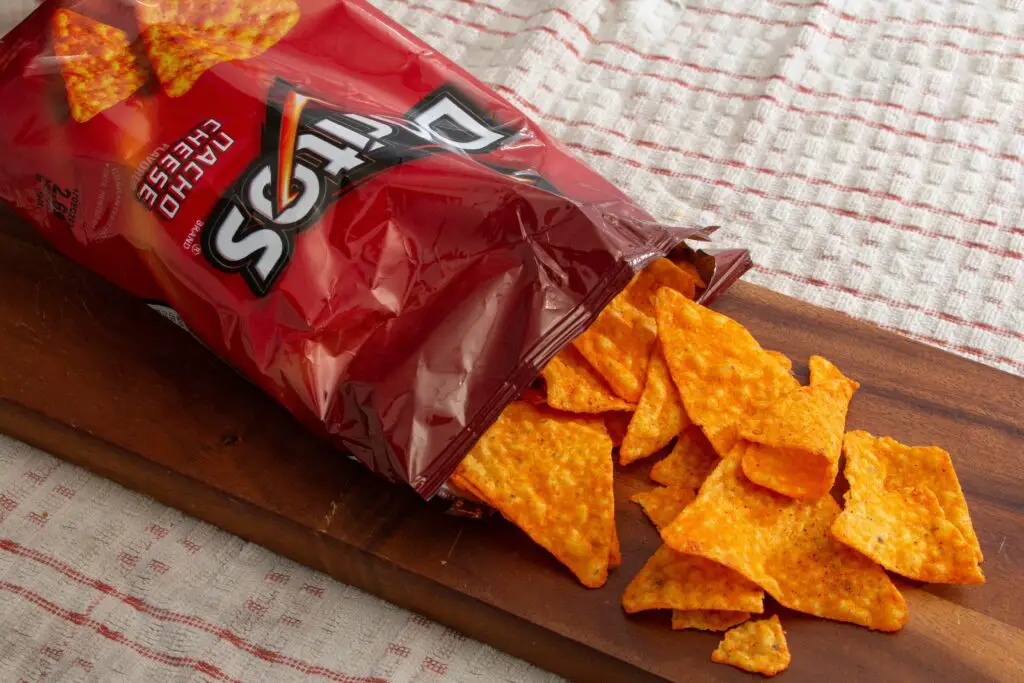
In the late nineties, everything had to be “extreme,” and Doritos decided that their chips needed an extra dimension. 3D Doritos were puffed-up triangles of corn that were hollow on the inside, providing an incredible crunch. They came in a futuristic-looking canister that doubled as a bowl, making them perfect for sharing. The Jalapeño Cheddar flavor was particularly legendary for its spicy kick. They felt like a snack from a sci-fi movie, completely different from the flat chips we were used to.
Eating them was a specific sensory experience because the air inside the chip seemed to amplify the flavor. They didn’t just sit on your tongue; they shattered in a way that regular tortilla chips never could. Despite their massive popularity and high-profile Super Bowl commercials, they were eventually phased out. Many fans felt betrayed when the “crunch” just wasn’t the same with the standard lineup. While a version returned recently, it lacks the thin, airy walls of the original nineties masterpiece. They were the ultimate Y2K snack, built for a world that was looking toward the future.
5. PB Max
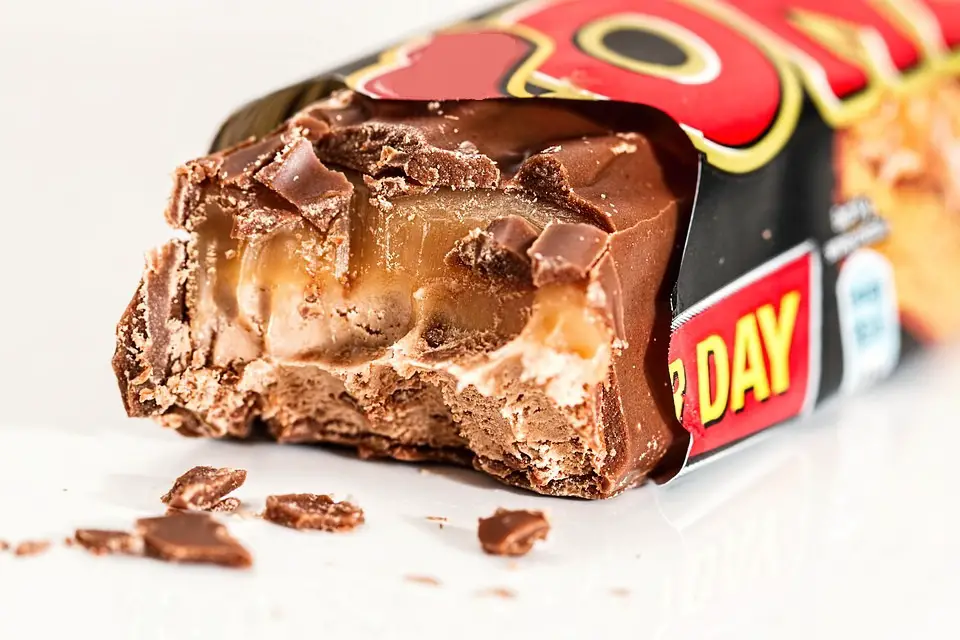
PB Max was a candy bar that understood the assignment: more peanut butter is always better. It featured a thick layer of creamy peanut butter on top of a whole grain cookie, all enrobed in milk chocolate. Unlike many other bars of the era, it didn’t rely on caramel or nougat to fill space. It was dense, satisfying, and had a rich flavor that felt more “premium” than its competitors. Mars produced them, and for a few years, they were a massive hit across the country.
Oddly enough, PB Max didn’t disappear because of low sales; it was supposedly a casualty of corporate preference. Rumor has it that the Mars family didn’t like the taste of peanut butter, so they axed the product despite its profitability. This remains one of the greatest tragedies in snack history for anyone who prefers the PB-and-chocolate combo. You can still find people online reminiscing about the unique texture of that cookie base. It was a hearty snack that felt like a real treat after a long day of school. Today, it lives on only in the memories of those who appreciate the perfect ratio.
6. Jell-O Pudding Pops
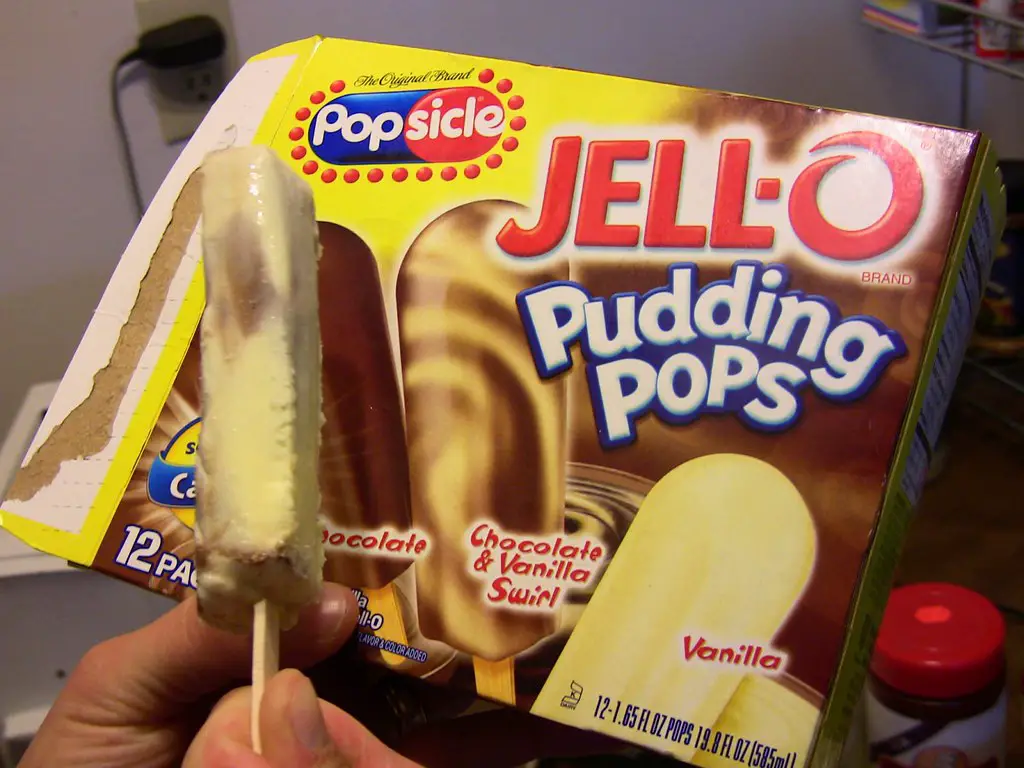
Jell-O Pudding Pops were the sophisticated cousin of the standard popsicle. They weren’t icy or watery; instead, they had a smooth, creamy consistency that felt like frozen velvet. Bill Cosby was the face of the brand for years, and the commercials made them look like the most delicious thing on earth. They came in classic flavors like chocolate, vanilla, and the beloved swirl. The way the frost formed a thin, icy layer on the outside was part of the charm.
The downfall of Pudding Pops is a classic tale of manufacturing logistics and thin profit margins. Jell-O eventually licensed the name to another company, and the recipe was changed to be more like standard ice cream. The unique “pudding” texture was lost, and fans quickly noticed the drop in quality. Eventually, they disappeared from the freezer aisle entirely, leaving a void that no fudge bar can fill. They were a staple of suburban summers and after-school rewards. Now, we are forced to freeze our own pudding cups, which just isn’t the same.
7. Fruit String Thing
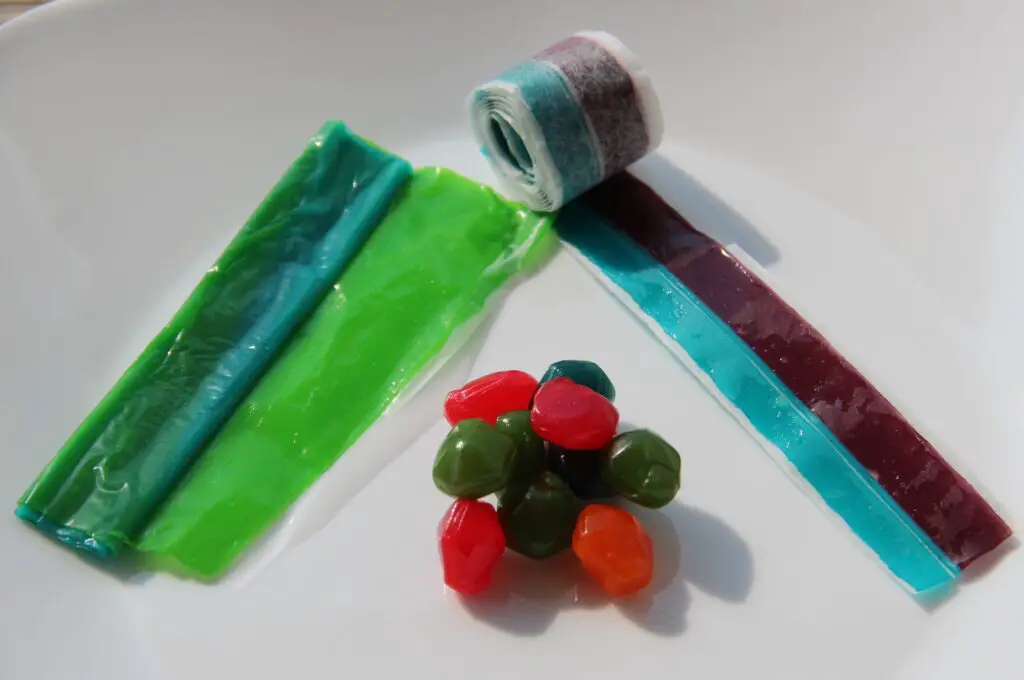
Fruit String Thing was the artistic rebel of the fruit snack world. While other snacks were shaped like fruit or cartoon characters, these were long, continuous loops of fruit leather coiled onto a plastic backing. You could peel the string off in one long piece and create shapes or just stuff the whole thing in your mouth. It had a slightly waxy texture that was strangely addictive and a bright, artificial fruit taste. It was the kind of snack that made you feel like you were playing with a puzzle.
The packaging was bright and energetic, usually featuring a cartoon character made of strings. It was a favorite for moms because it seemed “fruit-based,” even if the sugar content said otherwise. Over time, Fruit Roll-Ups and Fruit by the Foot simply crowded them out of the market. By the early 2000s, the String Thing had quietly untangled itself from the grocery store shelves. It was a niche product, but for those who loved it, nothing else compared. It represented a time when snack food was as much about the “how” as the “what.”
8. Altoids Sours
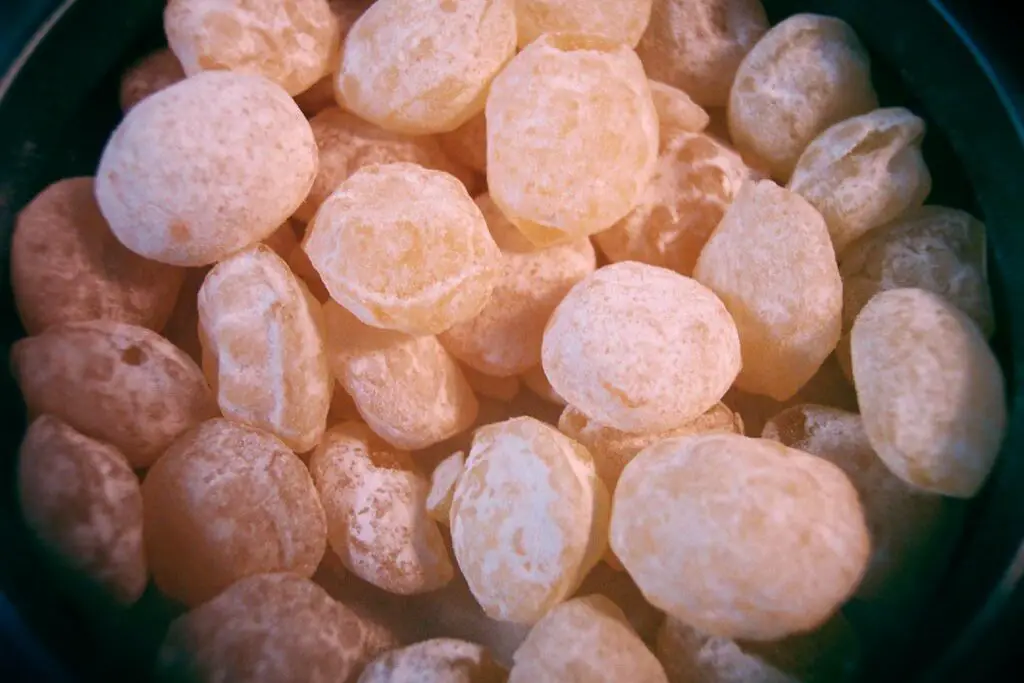
Altoids Sours were the ultimate test of bravery for kids in the mid-2000s. They came in a round tin that was distinct from the rectangular peppermint version. The flavors—Tangerine, Citrus, Raspberry, and Apple—were notoriously potent and would make your eyes water. They were coated in a fine dust of sour sugar that hit your tongue like a lightning bolt. Owning a tin of these was a status symbol on the school bus.
The Tangerine flavor, in particular, has achieved a legendary status among nostalgic snackers. People were devastated when they were discontinued in 2010, citing low sales and production issues. Today, unopened tins of these candies sell for hundreds of dollars on auction sites, which is wild for some old hard candy. They had a way of tearing up the roof of your mouth, but we didn’t care because the flavor was so intense. Every few years, rumors of a comeback circulate, but so far, it’s just wishful thinking. They were the “curiously strong” candy that actually lived up to the name.
9. Gatorade Gum

Gatorade Gum was a staple in the gear bags of every youth league athlete in the eighties and nineties. Known officially as “Gatorgum,” it was marketed as a way to quench your thirst while you were on the field. The initial burst of flavor was incredibly tart and mouth-watering, designed to trigger salivation. It came in the classic lemon-lime and orange flavors that matched the drink. It was less about the chew and more about that first thirty seconds of intense flavor.
The biggest downside was that the flavor lasted about as long as a sprint to first base. After the initial zing, you were left with a piece of rubbery, flavorless mass. However, that first hit was so refreshing that we didn’t mind the short lifespan. It eventually vanished as Gatorade shifted its focus entirely toward drinks and energy chews. There was something very “pro athlete” about pulling a stick of Gatorgum out of your pocket. It’s one of those items that instantly transports you back to a dusty dugout.
10. Crispy M&M’s
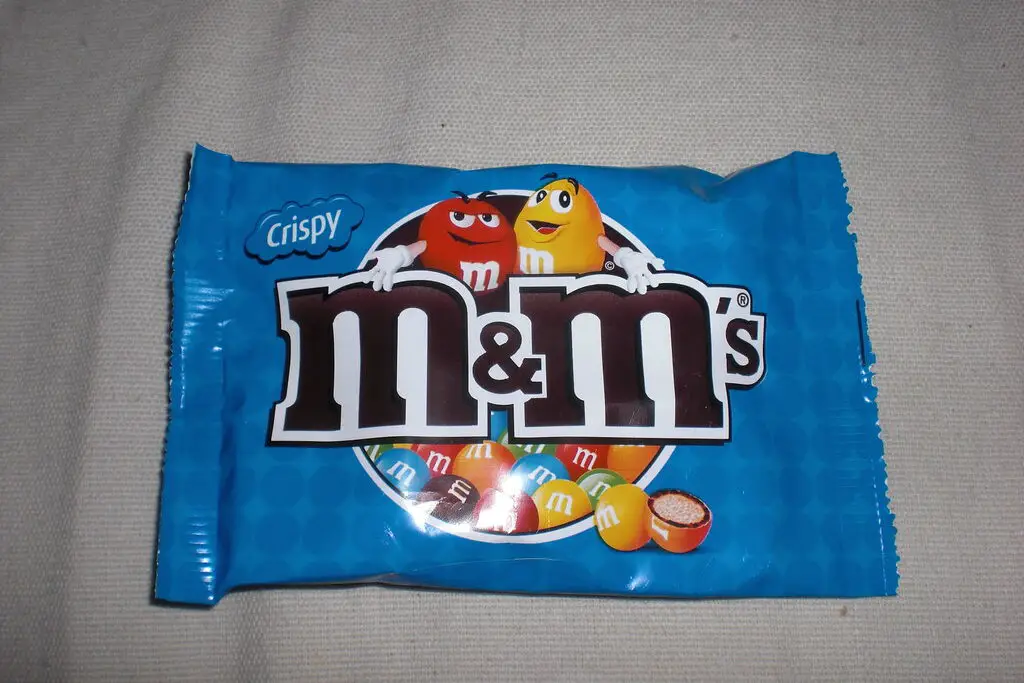
Crispy M&M’s were the lighter, airier alternative to the heavy peanut or plain versions. They had a puffed rice center that gave them a satisfying “crunch” without the density of a Nutrageous bar. The blue packaging made them stand out in the candy aisle, and the “Crispy” mascot was a fan favorite. They were the perfect snack for when you wanted chocolate but didn’t want to feel weighed down. For many, they were the superior M&M variety, hands down.
In 2005, they were pulled from U.S. shelves, leaving fans in a state of mourning. They remained available in Europe and Australia, leading to some very expensive international shipping orders. While they did eventually return to the permanent lineup a few years ago, many purists claim the new version isn’t quite the same. The original 1999 recipe had a specific crispiness that felt more substantial. Still, their disappearance for nearly a decade remains a confusing chapter in candy history. They were the snack that proved sometimes, less really is more.
11. Keebler Munch ‘n Go
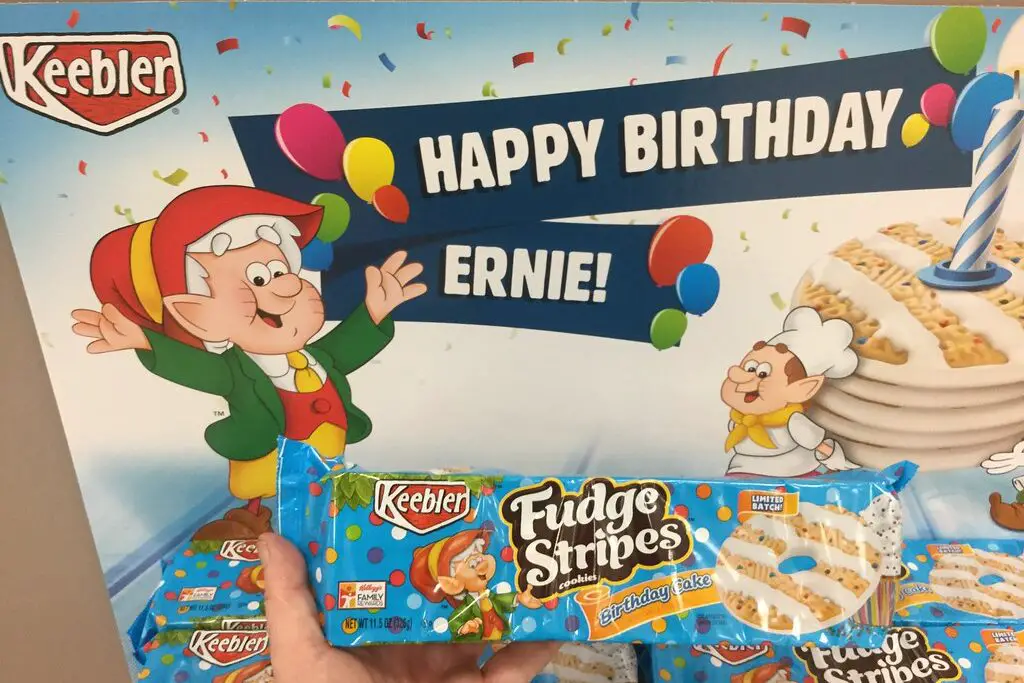
Keebler was the king of the “grab and go” snack packs before everyone had a smartphone to distract them. The Munch ‘n Go line featured various Keebler classics like Fudge Stripes or Pecan Sandies in a tall, handheld cup. It was designed to fit perfectly in a car cupholder, making it the ultimate road trip companion. You didn’t have to worry about a box of cookies sliding around the backseat. The convenience was unmatched for busy families on the move.
The magic was in the portability and the portion control, though most of us just ate the whole cup in one sitting. Eventually, Keebler moved toward different packaging styles, and the iconic cups were phased out. The “Elfin Magic” seemed to work better in the traditional trays, according to the marketing experts. However, for a kid in the back of a minivan, those cups were a luxury. They made eating cookies feel like an organized activity. Now, we just have to settle for bags that never quite stand up on their own.
12. Oreo O’s (The Original Version)
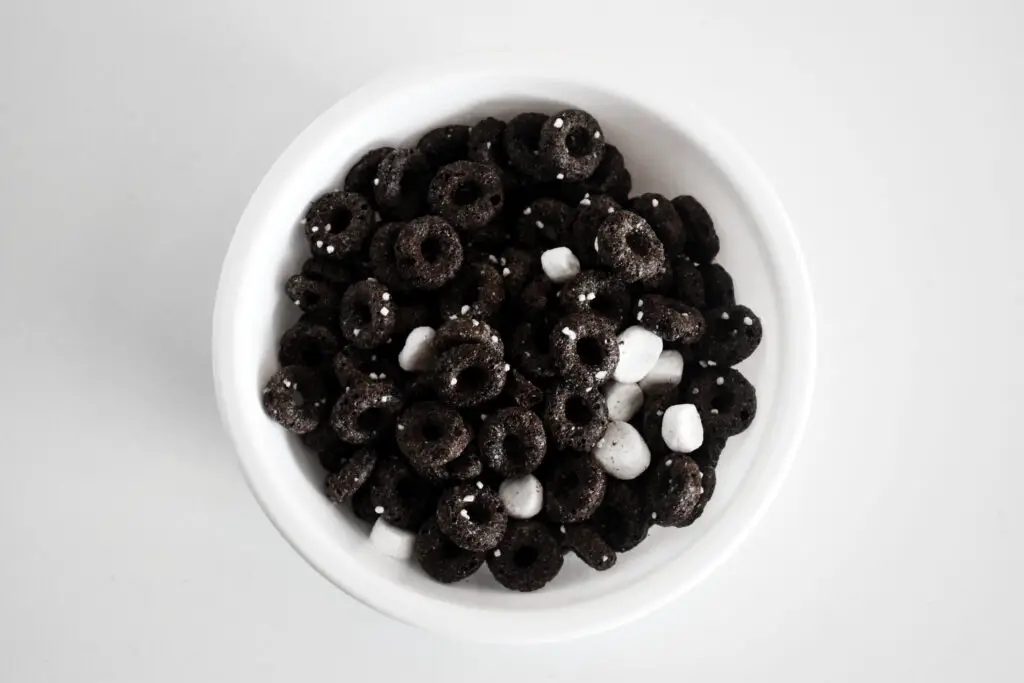
Oreo O’s were the dream breakfast for any kid who ever wanted to eat cookies for dinner. Released in the late nineties, this cereal featured chocolate rings coated in a sugary glaze that tasted remarkably like an Oreo. The best part was the milk at the bottom of the bowl, which turned into a delicious chocolate-cookie elixir. It was the ultimate “sugar cereal” that parents only bought on special occasions. The commercials with the “Cream Team” mascots were unforgettable.
A corporate split between Post and Kraft caused the cereal to disappear from American shelves for over a decade. It became a legendary “lost” snack, with fans paying high prices to have boxes shipped from South Korea. While it finally returned to stores recently, the original 1998 version had a slightly different texture and “cream” bits that some say the new one lacks. It represents the peak of the “dessert as breakfast” trend that defined the era. Eating a bowl felt like a small act of rebellion against health food. It remains a nostalgic heavyweight for anyone who grew up in the Saturday morning cartoon era.
13. Waffle Crisps
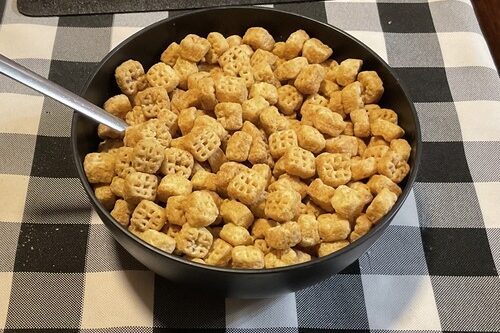
Waffle Crisps were a cereal that actually looked and tasted like miniature maple syrup waffles. They had a unique, porous texture that held onto milk without getting soggy too quickly. The smell of the box alone was enough to wake you up in the morning, filling the kitchen with a buttery, syrupy aroma. It was one of the few cereals that felt “substantial” enough to be a meal. The “grannies” from the commercials became iconic figures of the cereal aisle.
Like many great snacks, it was discontinued to make room for newer, flashier brands. It had a brief revival, but it never regained its spot as a permanent fixture in every grocery store. Fans often talk about the specific “crunch” that no other waffle-themed cereal has been able to match. It was a comforting, warm-tasting snack that worked just as well dry as it did in a bowl of milk. Losing it felt like losing a piece of the weekend breakfast ritual. Now, it’s mostly a memory found on “Top 90s Foods” lists.
14. Hershey’s Swoops
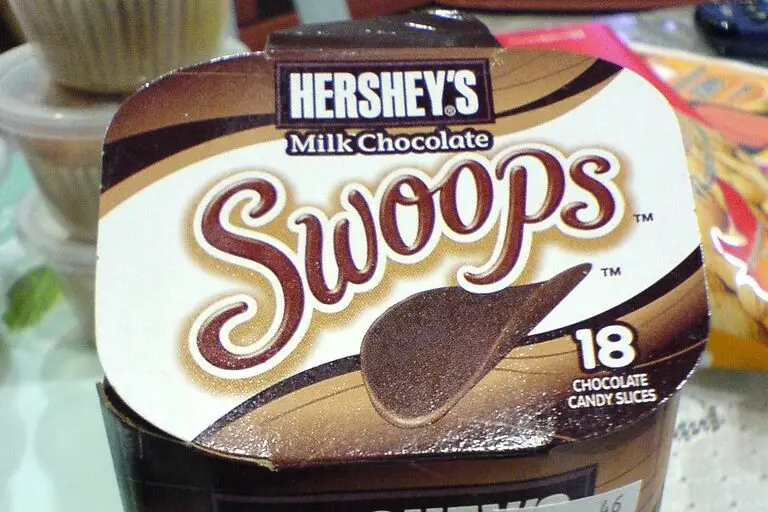
Hershey’s Swoops were one of those snacks that felt fancy even though they were basically just reshaped chocolate. Introduced in 2003, they looked like curved potato chips but tasted like classic Hershey bars. Each plastic container held perfectly stacked chocolate “chips,” making them feel more sophisticated than grabbing a candy bar. They came in several varieties, including Reese’s, Almond Joy, and York Peppermint Pattie versions. For a few years, they were everywhere, especially in movie theaters and checkout lanes.
Despite the clever concept, Swoops never quite caught on the way Hershey hoped. People loved the novelty, but many realized they were paying extra for the same chocolate in a different shape. By 2006, the entire line quietly disappeared from shelves. Fans still talk about how satisfying it was to eat chocolate like a crunchy snack. Nothing about them made logical sense, and maybe that was part of the charm. Today, they remain one of the strangest and most missed experiments in candy history.
15. Nestlé Wonder Ball
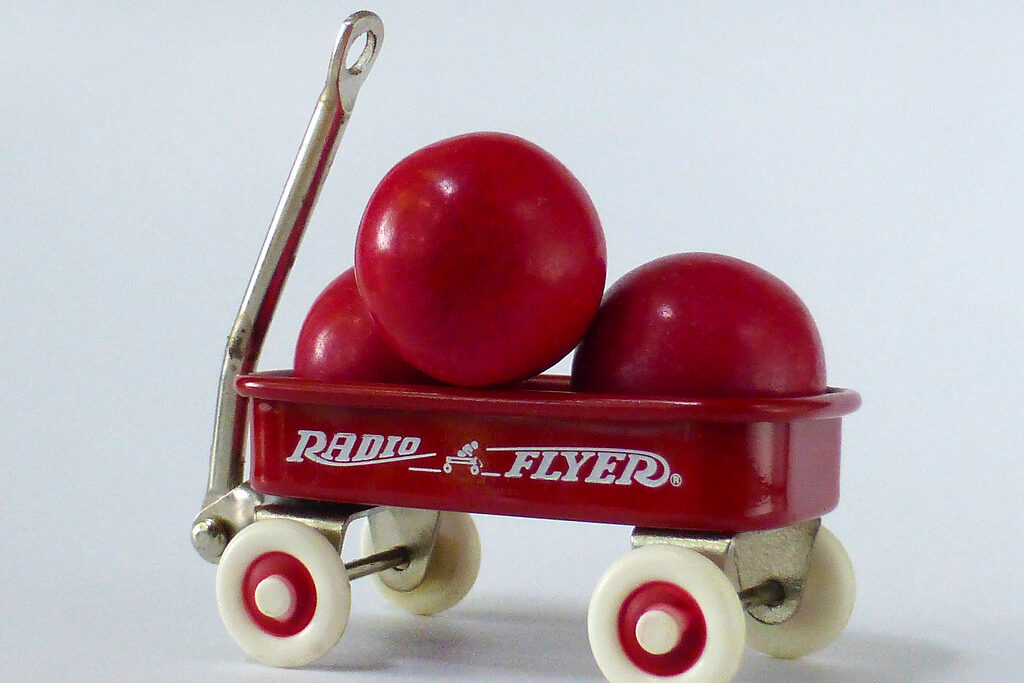
The Wonder Ball was the edible definition of excitement wrapped in foil. Originally released in the late eighties and then brought back in the nineties, it was a hollow chocolate sphere filled with tiny candies. Breaking one open felt like cracking a treasure chest made entirely of sugar. Early versions even contained small plastic toys inside, which made them feel like the ultimate surprise treat. Later editions switched to candy-only fillings, but the thrill was still there.
Unfortunately, safety concerns about small parts eventually doomed the original concept. Even after the toy-free version returned, the product never fully regained its momentum. By the mid-2000s, Wonder Balls had vanished again, leaving only memories of chocolate-covered anticipation. Modern versions under different brand names have tried to recreate the idea, but they never feel quite the same. There was something magical about that bright wrapper and the mystery inside. It was less a snack and more an event.
16. Kudos Granola Bars
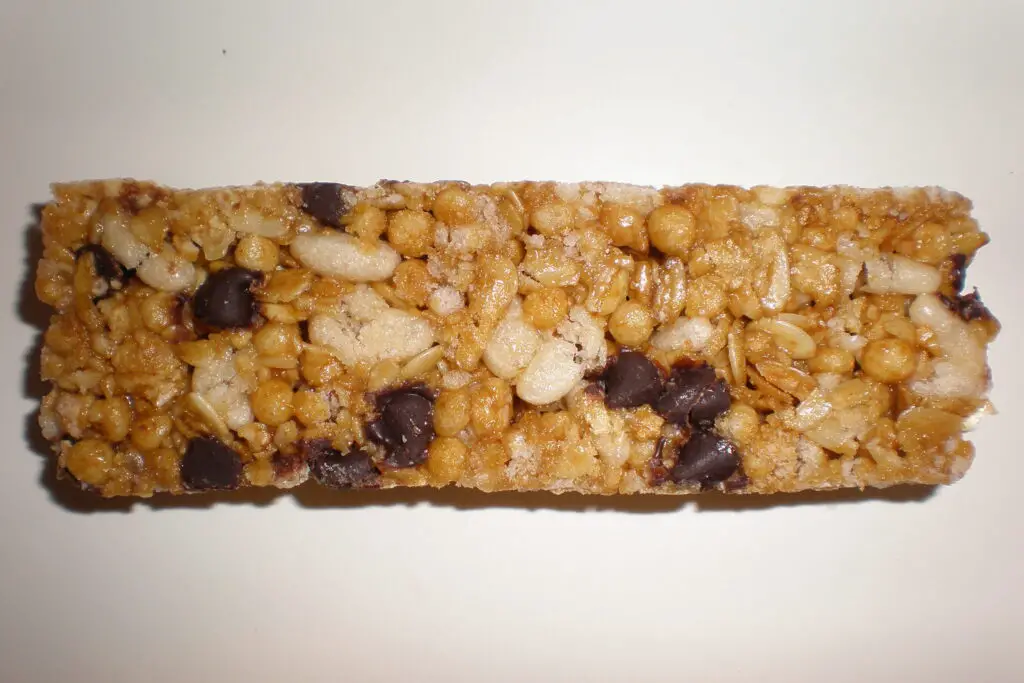
Kudos bars were the snack that convinced an entire generation that candy could count as health food. Marketed as granola bars, they were really candy bars wearing a sensible disguise. Most versions had a thin granola base topped with chocolate chips, M&M’s, or Dove chocolate drizzle. Parents felt good about putting them in lunchboxes, and kids felt like they were getting away with something. They were sweet, chewy, and just substantial enough to pass as an afternoon pick-me-up.
Over time, tastes shifted and “better-for-you” snack standards became stricter. Compared to newer protein bars and organic options, Kudos started to look a little too much like dessert. Production quietly ended around 2017, breaking the hearts of loyal fans who had grown up with them. No other granola bar has ever managed to walk that same line between candy and snack quite so perfectly. They were the ideal compromise between what kids wanted and what parents allowed. The pantry has felt a little less fun ever since.
17. Magic Middles Cookies
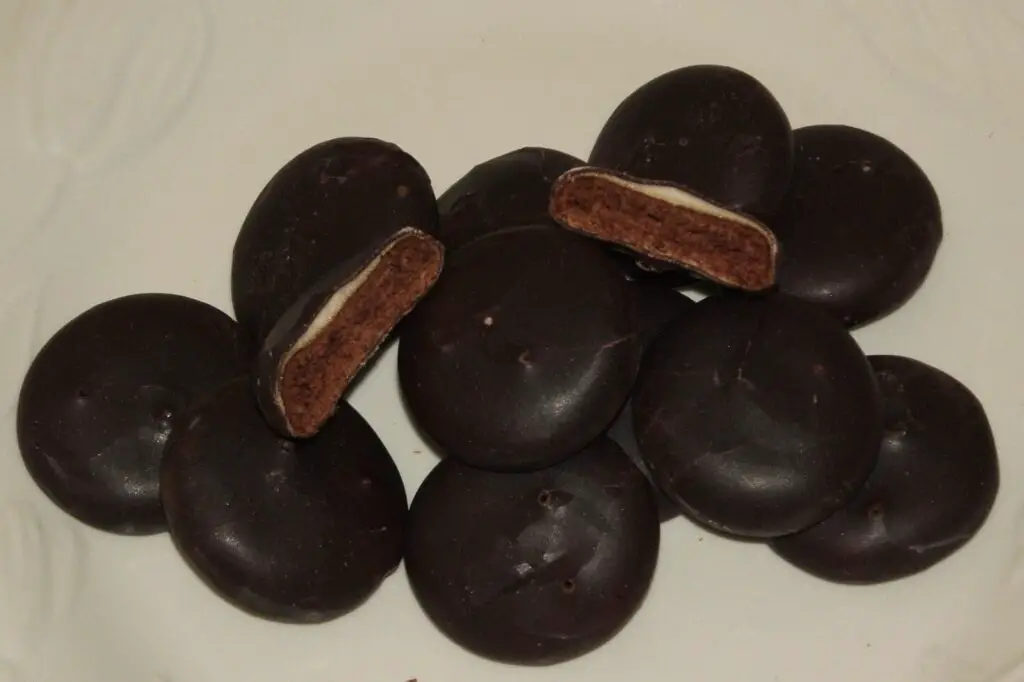
Keebler Magic Middles were proof that cookies could still surprise you. From the outside, they looked like ordinary shortbread cookies, but inside was a hidden pocket of creamy fudge or peanut butter. Biting into one for the first time was a genuinely delightful experience. They felt like something out of a cartoon, the kind of treat you couldn’t believe was real. For kids of the late eighties and early nineties, they were an absolute lunchbox flex.
Then, without much warning, they were gone. Fans have spent decades asking Keebler to bring them back, launching petitions and online campaigns. No other filled cookie has ever captured the exact texture balance they had. The ratio of crisp outer cookie to soft inner filling was practically perfect. Even today, people recreate homemade versions trying to chase that original flavor. Magic Middles remain one of the most requested discontinued snacks of all time.
18. Philadelphia Cheesecake Snack Bars
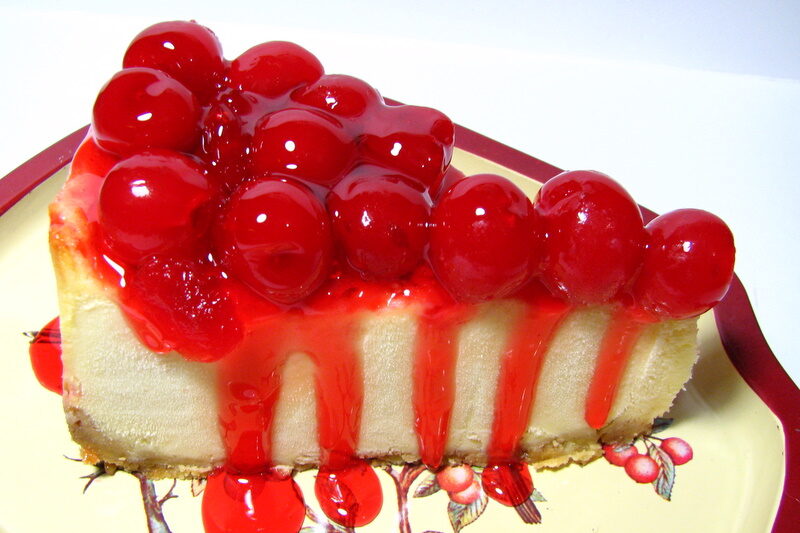
Long before cheesecake became a trendy dessert flavor, these frozen snack bars were ahead of their time. Made by Philadelphia Cream Cheese, they featured a creamy cheesecake center dipped in chocolate and served on a stick. They felt like an ice cream bar but richer and smoother, almost luxurious for a grocery store treat. Kids loved them, and adults secretly did too, because they tasted surprisingly gourmet. Pulling one out of the freezer felt like a special occasion.
Sadly, they disappeared sometime in the nineties as healthier frozen snacks began taking over the market. The bars were indulgent in a way that didn’t quite fit the low-fat craze of the era. Nothing on shelves today really compares to their dense, tangy sweetness. Every so often, nostalgic snack lovers remember them and wonder why they were ever discontinued. They were a rare dessert that felt both playful and grown-up at the same time. For many, they remain the gold standard of frozen treats on a stick.