
1. Walking Yourself to School

For a lot of kids, independence started with a backpack that felt too big and a front door that closed behind you without an adult in sight. Walking to school alone meant learning traffic rules in real time and figuring out which shortcuts were actually safe. You memorized which houses had friendly dogs and which porches to avoid. If you forgot your homework, there was no turning back. You learned to manage your time because the bell was not going to wait. Even the weather became something you had to plan around. That daily walk quietly built confidence before first period even began.
There was something empowering about knowing you could get yourself somewhere important. You felt a little taller crossing the street on your own. If you were nervous, you learned to steady yourself without anyone holding your hand. Small mistakes, like leaving too late, turned into practical lessons about responsibility. Over time, that routine became less scary and more automatic. By middle school, it felt normal, even expected. What started as a short walk slowly turned into a belief that you could handle things alone.
2. Babysitting Younger Siblings

Being put in charge of a younger sibling was like being handed a tiny management role. Suddenly you were the one answering questions and solving disputes. You had to make snacks, referee arguments and decide what counted as “too rough.” It was not glamorous, and it was rarely paid. But it came with trust. Adults left the house knowing you could keep things under control. That trust changed how you saw yourself.
You learned quickly that authority requires patience. If your sibling cried, you had to figure out why. If something broke, you were expected to explain it. Those moments forced you to think before reacting. You started planning ahead because chaos was exhausting. Over time, you developed instincts about safety and fairness. Long before a first job, you were already practicing leadership at home.
3. Doing Your Own Laundry

At first, laundry felt like a chore designed to ruin a Saturday. Sorting colors from whites seemed unnecessarily complicated. But once you were responsible for your own clothes, the stakes changed. If you forgot to wash your favorite shirt, you simply did not wear it. If you shrank something, that was on you. There was no blaming anyone else.
Learning the machine settings felt oddly technical and grown up. You became aware of labels and fabric care in a way that surprised you. Folding taught patience and order. Keeping track of socks became its own small challenge. Over time, laundry stopped feeling like punishment and started feeling like competence. You were maintaining your own daily life. That shift made independence tangible.
4. Earning and Managing Allowance

An allowance was rarely large, but it carried weight. It taught you that money was finite. If you spent it all on candy, there was no backup fund. Saving for something bigger required discipline that did not always come naturally. Waiting weeks for a toy built a new kind of patience. You began to understand tradeoffs.
Budgeting forced you to think ahead instead of just reacting. You learned to compare prices and make decisions. Even mistakes became instructive. Overspending once often meant thinking twice next time. Handling your own money created a sense of control. It was one of the first times you saw the direct result of your choices.
5. Making Your Own Lunch

Packing your own lunch seemed minor, but it changed your mornings. You had to think about what would actually hold up until noon. If you forgot utensils, you dealt with it. If you packed something you did not want later, there was no swap. The responsibility made you more aware of planning ahead.
You started to notice what fueled you through the day. Simple tasks, like sealing containers properly, mattered more than expected. There was pride in opening a lunchbox you prepared yourself. It felt practical and self sufficient. Over time, it encouraged better decision making. Food became part of personal responsibility rather than something that just appeared.
6. Completing Homework Without Supervision

Homework done alone required self regulation. No one hovered over your shoulder to keep you focused. You had to choose when to start and when to stop procrastinating. Distractions became your own problem to manage. If you rushed and earned a lower grade, that consequence was personal.
You learned how to organize your time. Breaking large assignments into smaller tasks became essential. It forced you to evaluate your own effort honestly. Sometimes you struggled quietly and had to seek help yourself. That initiative built resilience. Academic independence often mirrored emotional growth.
7. Taking Care of a Pet

Feeding a pet every day created a routine that did not bend to your mood. Animals did not care if you were tired. If you forgot, they reminded you loudly. Cleaning cages or walking a dog required consistency. It taught you that living beings depend on reliability.
You began to anticipate needs instead of reacting. Veterinary visits and food refills entered your awareness. There was a sense of accountability that felt serious. When a pet trusted you, it reinforced responsibility. Caring for another life deepened empathy. That experience translated into maturity beyond your years.
8. Running Small Errands

Being sent to the corner store alone felt like a milestone. You had money in your pocket and a specific task to complete. You had to interact with adults confidently. If you received the wrong change, it was up to you to speak up.
Those brief errands strengthened communication skills. You practiced navigating public spaces independently. Even memorizing a short list required focus. Each successful trip built quiet assurance. Mistakes became learning moments rather than disasters. Over time, independence felt less intimidating.
9. Waking Yourself Up

Setting an alarm and trusting yourself to get up changed mornings. There was no backup call from a parent. If you overslept, you dealt with the rush. That responsibility forced you to develop discipline. You learned how much sleep you truly needed.
Morning routines became self directed. You adjusted bedtime accordingly. Time management shifted from theory to reality. Being punctual became a personal standard. Over time, reliability became part of your identity. That small daily act built lasting accountability.
10. Cooking Simple Meals

Learning to cook basic meals introduced practical self sufficiency. Even simple recipes required attention. Measuring ingredients and watching the stove demanded focus. If something burned, you learned from it. There was satisfaction in feeding yourself successfully.
Cooking built confidence step by step. You began experimenting cautiously. Grocery shopping became more purposeful. Food preparation stopped feeling mysterious. It reinforced that survival skills were learnable. That knowledge reduced dependence on others.
11. Managing a Paper Route or Lawn Jobs
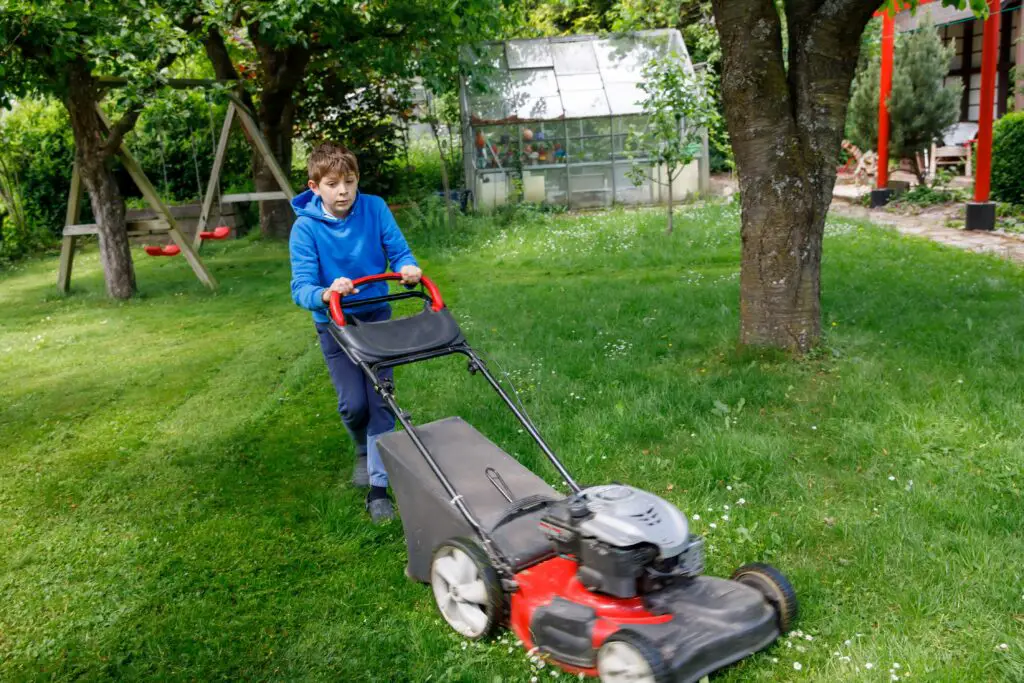
Earning money outside the home elevated responsibility. Delivering newspapers early in the morning required commitment. Mowing lawns demanded effort in heat and humidity. You experienced direct feedback from customers. Reliability mattered.
Handling payments introduced real world accountability. Weather did not excuse missed deliveries. You balanced school with work. Pride came from earning your own spending money. These early jobs fostered independence quickly. They often marked the first true sense of autonomy.
12. Keeping Your Room Clean

Maintaining your own space reflected internal organization. A messy room eventually became your problem. Cleaning it required effort without applause. You learned that comfort often follows discipline.
You began noticing how environment affects mood. Organization improved efficiency. Misplacing items taught you consequences. Over time, tidiness became less about rules and more about self respect. The habit extended beyond childhood. It quietly shaped adult living standards.
13. Navigating Public Transportation

Riding a bus or train alone expanded your world. You had to understand schedules and routes. Missing a stop meant problem solving quickly. You learned situational awareness.
Public transit required independence in unfamiliar spaces. You observed social dynamics carefully. Confidence grew with each successful trip. Even small navigation errors improved judgment. It encouraged adaptability. That mobility widened both perspective and maturity.
14. Speaking Up for Yourself

Advocating for yourself in school or activities built emotional independence. Asking a teacher for clarification required courage. Resolving conflicts with peers demanded composure. You learned that your voice mattered.
Those moments strengthened communication skills. Expressing needs without aggression was a learned balance. Each successful conversation reduced fear. Independence became less about tasks and more about identity. Over time, self advocacy turned into self trust. That trust remains one of the strongest forms of independence built in childhood.