
1. Sugar Sandwiches
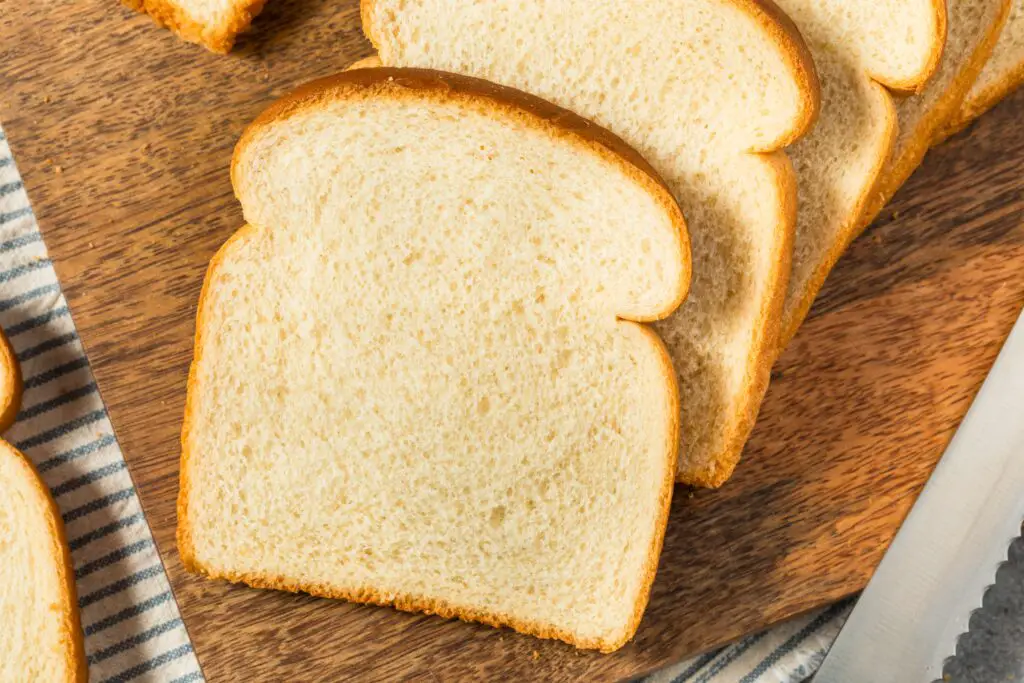
There was a time when a slice of white bread, a slick of butter and a heavy shake of white sugar counted as a legitimate snack. It was sweet, crunchy and somehow completely acceptable as an after-school treat. No one worried about glycemic index or processed carbs. You just grabbed the sugar canister and hoped the butter held everything in place. It felt indulgent even though it was made from the most basic pantry staples. Some kids folded the bread in half to keep the crystals from spilling everywhere. It was simple, messy and wildly satisfying. Today, it sounds more like a dare than a meal.
Looking back, it is hard to imagine serving that without at least one raised eyebrow. Modern kitchens are full of almond flour and natural sweeteners instead. The idea of straight sugar between two slices of bread feels almost rebellious now. But at the time, it was just resourceful and normal. It showed how creative families could be with very little. It was less about nutrition and more about filling a gap until dinner. Somehow, we survived it.
2. Bologna and Cheese on White Bread
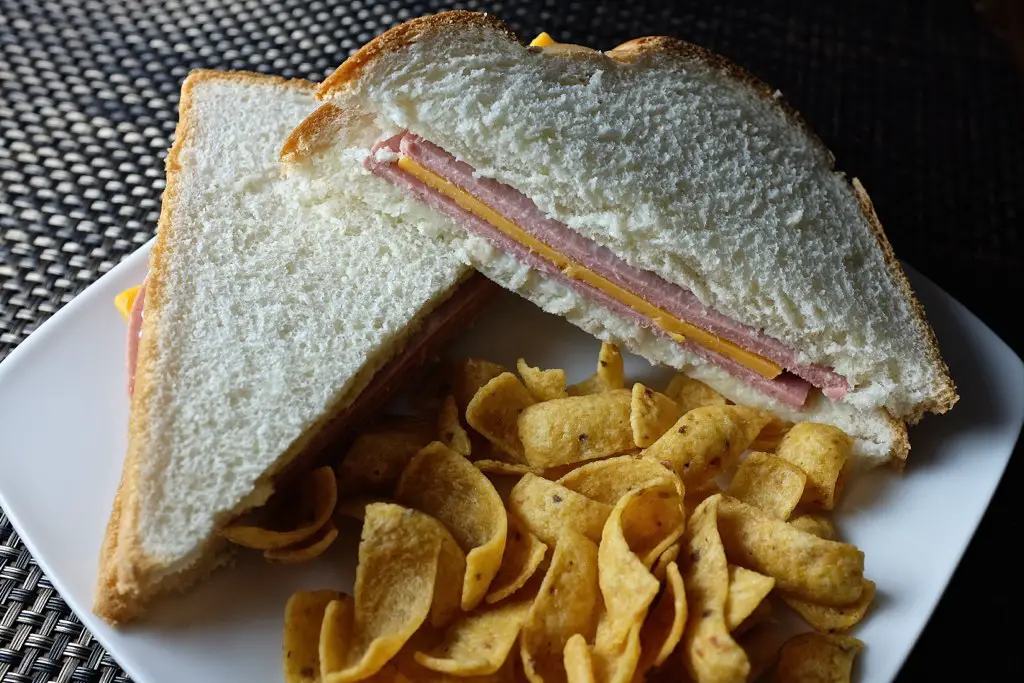
The classic bologna sandwich was practically a childhood rite of passage. A floppy pink slice or two, a square of American cheese and plain white bread made up countless lunches. There were no artisan rolls or specialty mustards involved. Maybe you added a smear of mayonnaise if you were feeling fancy. It traveled well in a metal lunchbox with a thermos of soup. It was dependable and cheap, which made it a staple in many homes. Kids did not question what bologna actually was. It was just lunch.
Today, processed deli meat is often scrutinized for sodium and additives. Parents debate nitrate-free options and whole-grain alternatives. The old-school version feels almost nostalgic in its simplicity. Back then, convenience mattered more than ingredient lists. It filled you up and kept you moving through recess. It was a practical solution in busy households. And somehow, it tasted better than it probably should have.
3. TV Dinners on Folding Trays

Sliding a foil tray into the oven felt futuristic at the time. The compartments held turkey, mashed potatoes and a brownie that always cooked faster than everything else. Eating in front of the television on a folding tray was part of the experience. It felt like a special break from the dinner table routine. The food was never gourmet, but it was consistent. There was comfort in knowing exactly what you were getting. The tiny sections made it feel almost customized. It was dinner and entertainment rolled into one.
Now, frozen meals still exist, but the culture around them has shifted. Family dinners are often framed as important bonding time. Eating off a metal tray while watching a sitcom feels like a snapshot from another era. Nutrition labels have grown more complex, and expectations have changed. Back then, convenience was the selling point. It was affordable and required almost no effort. For many kids, it felt like a treat rather than a shortcut.
4. Cereal for Dinner

On certain nights, cereal was not just breakfast, it was dinner. A big bowl of sugary flakes or colorful loops felt like winning the lottery. Milk sloshed over the sides while you watched your favorite show. It was quick, required no cooking and made everyone oddly happy. Parents framed it as a fun change of pace. Kids saw it as total freedom. There was no side salad or protein discussion. Just cereal and maybe a second helping.
Today, cereal is often marketed as fortified or high in fiber. Families are more conscious of sugar content and portion size. Serving it for dinner might spark a debate about balanced meals. But in the past, it felt harmless and practical. It saved time on busy evenings. It also gave kids a sense of novelty. Somehow, a breakfast food at night made the whole day feel upside down in the best way.
5. Hot Dogs Cut Into Macaroni and Cheese
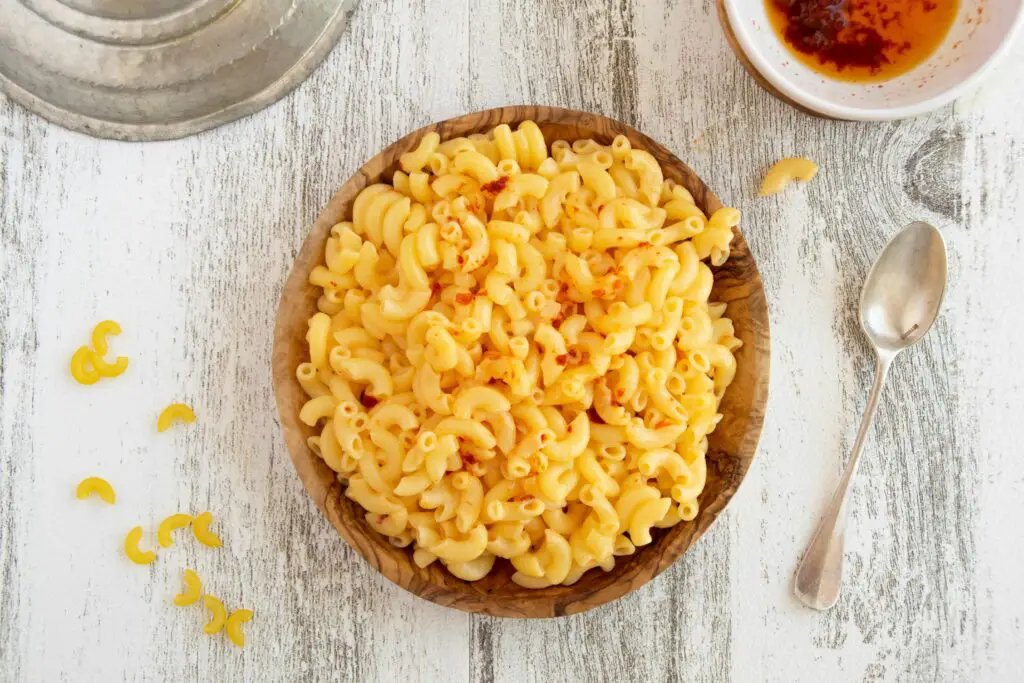
Hot dogs sliced into coins and stirred into macaroni and cheese created a kind of childhood masterpiece. The bright orange sauce clung to everything. It was salty, creamy and undeniably filling. You could smell it from across the house. It required little more than boiling water and opening a package. It was the definition of comfort food. No one worried about how many processed ingredients were involved. It was just good.
Today, parents often look for organic pasta or uncured meats. The original boxed version has become a nostalgic symbol. It represented ease in the middle of hectic days. It was affordable and stretched to feed multiple kids. The combination was hearty and predictable. It may not win awards from nutritionists. But it still holds a powerful place in childhood memory.
6. Mayonnaise and Tomato Sandwiches
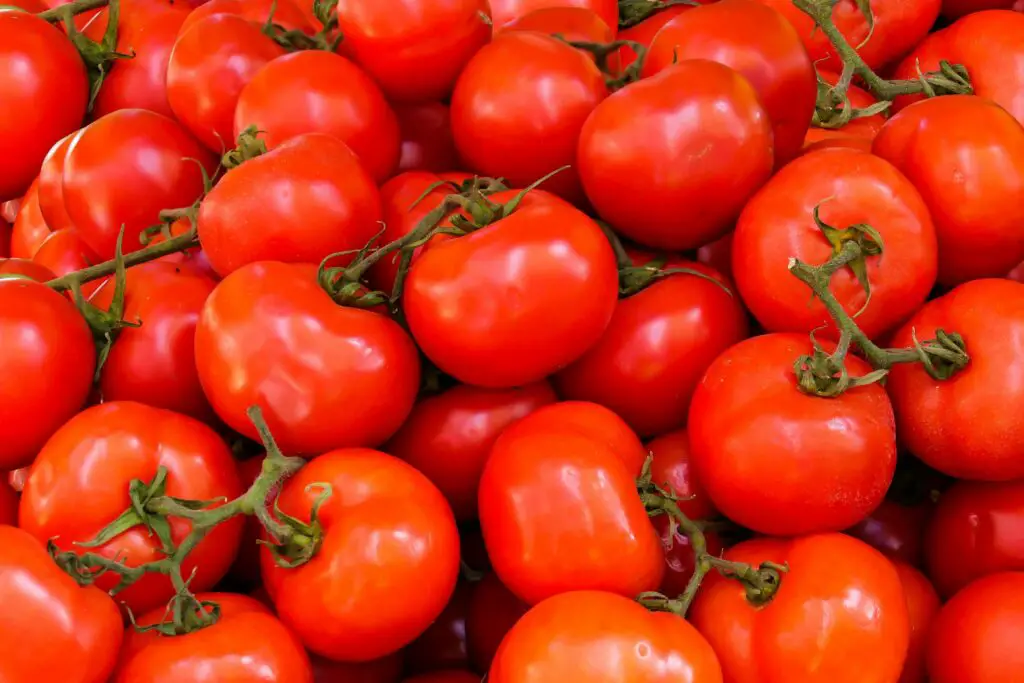
When gardens were overflowing, a thick slice of tomato and a generous spread of mayonnaise were enough. Layered on soft white bread, it became a full meal. There was something refreshing about its simplicity. The juice from the tomato soaked into the bread. Salt and pepper were optional but appreciated. It felt like summer on a plate. No one added avocado or microgreens. It was uncomplicated and seasonal.
Today, sandwiches often come stacked with multiple ingredients. The idea of mayo and tomato alone seems almost minimalist. Yet it worked because the tomato carried the flavor. It was inexpensive and relied on what was available. It felt light but satisfying. For many families, it was a go-to when money was tight. It is hard to imagine kids choosing that now over more elaborate options.
7. Sloppy Joes From a Can
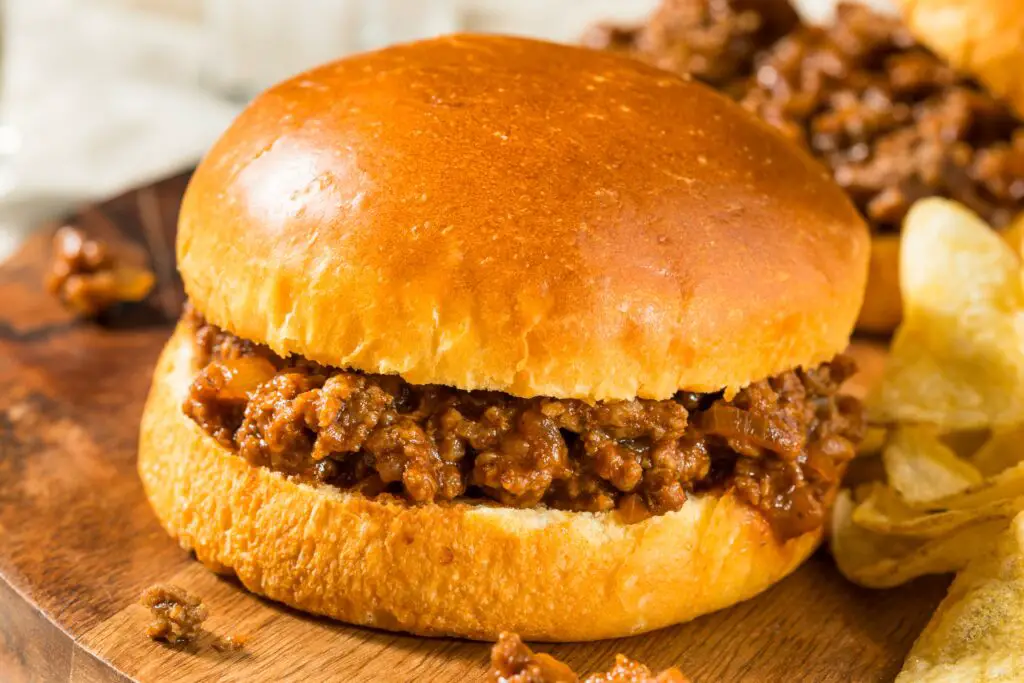
There was a certain thrill in heating up canned sloppy joe mix. The sweet, tangy meat spooned onto a hamburger bun was always messy. Paper towels were essential. It was casual and perfect for busy weeknights. The flavor was bold and a little sugary. It did not require chopping onions or measuring spices. You simply opened the can and stirred. Dinner was ready in minutes.
Modern kitchens often lean toward homemade sauces and fresh ingredients. The canned version feels like a relic of convenience culture. It symbolized efficiency and affordability. For kids, it was fun to eat something that dripped down your hands. It felt less formal than other meals. Parents appreciated the speed. It was chaotic in the best possible way.
8. Buttered Noodles With Salt
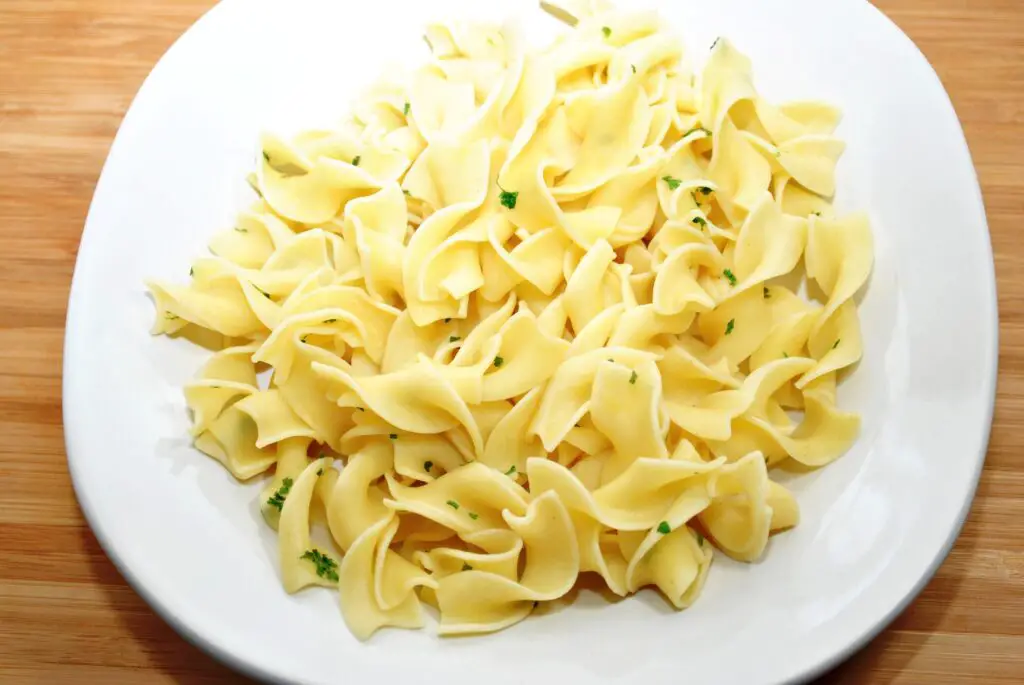
Sometimes dinner was just noodles, butter and a sprinkle of salt. No sauce, no garnish, no explanation. It was warm and soothing. The simplicity made it universally liked. It worked as a main dish or a side, depending on the night. There was comfort in its predictability. It required almost no effort. It filled stomachs quickly.
Today, pasta often comes with elaborate sauces or added vegetables. Serving plain buttered noodles might feel incomplete. But back then, it was practical and inexpensive. It stretched a box of pasta into a family meal. It was gentle on picky eaters. It felt safe and familiar. In its own way, it was quietly perfect.
9. Creamed Chipped Beef on Toast
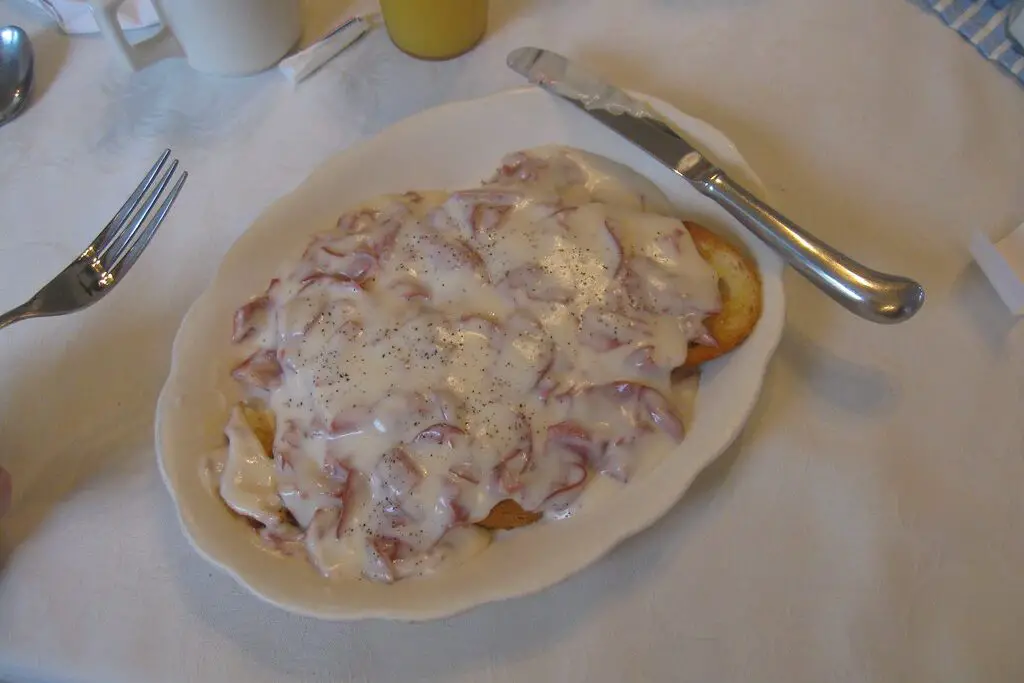
Creamed chipped beef, often nicknamed with less polite language, was a staple in many households. The thick white gravy poured over toast looked heavy but tasted comforting. It was salty and rich. The texture was unmistakable. It often appeared at breakfast or dinner. It was economical and filling. Toast served as the foundation for everything. It was not glamorous, but it did the job.
Today, the idea of dried beef in cream sauce feels dated. Gravy-heavy dishes are less common in many homes. Back then, it was considered hearty and practical. It stretched small amounts of meat. It kept people full for hours. It reflected a time when thrift mattered deeply. For many, it remains a powerful memory.
10. Jell-O With Fruit Cocktail

Bright gelatin studded with canned fruit cocktail showed up at countless gatherings. It wobbled on the plate and felt festive. The syrupy fruit suspended inside gave it texture. It was often served as a side dish rather than dessert. The colors alone made it appealing to kids. It required little more than boiling water and a mold. It felt almost scientific to make. It was both sweet and strangely refreshing.
Today, gelatin salads are less common on dinner tables. Fresh fruit and yogurt have largely taken their place. The combination now feels distinctly retro. Yet it represented creativity with pantry staples. It added color to otherwise simple meals. It was affordable and easy to prepare in advance. For many families, it signaled celebration.
11. Peanut Butter and Marshmallow Fluff Sandwiches
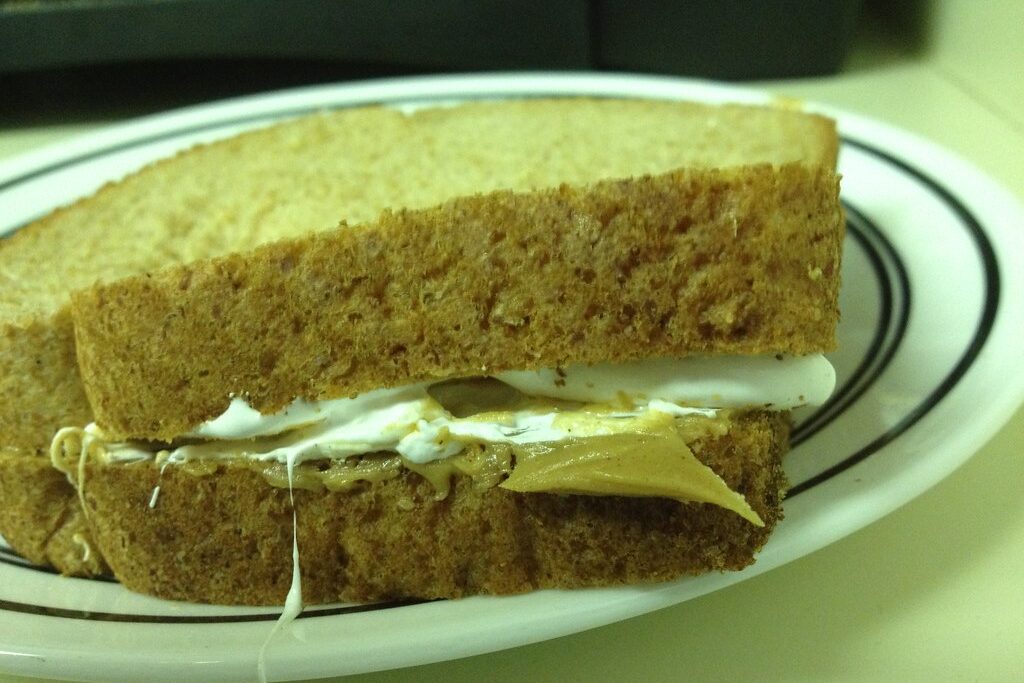
The peanut butter and marshmallow fluff sandwich was unapologetically sweet. Sticky and rich, it clung to the roof of your mouth. It felt indulgent even if it was made at home. Some kids preferred it grilled like a dessert panini. It was quick to assemble and wildly satisfying. No one counted grams of sugar. It was about taste and convenience. It felt like a reward disguised as lunch.
Today, nut allergies and sugar awareness have changed the conversation. The fluff jar itself feels like a relic of another era. But at the time, it was a pantry staple. It was inexpensive and shelf-stable. It required no cooking. It delivered maximum sweetness with minimal effort. It remains one of those meals that feels almost unreal now.
12. Liver and Onions
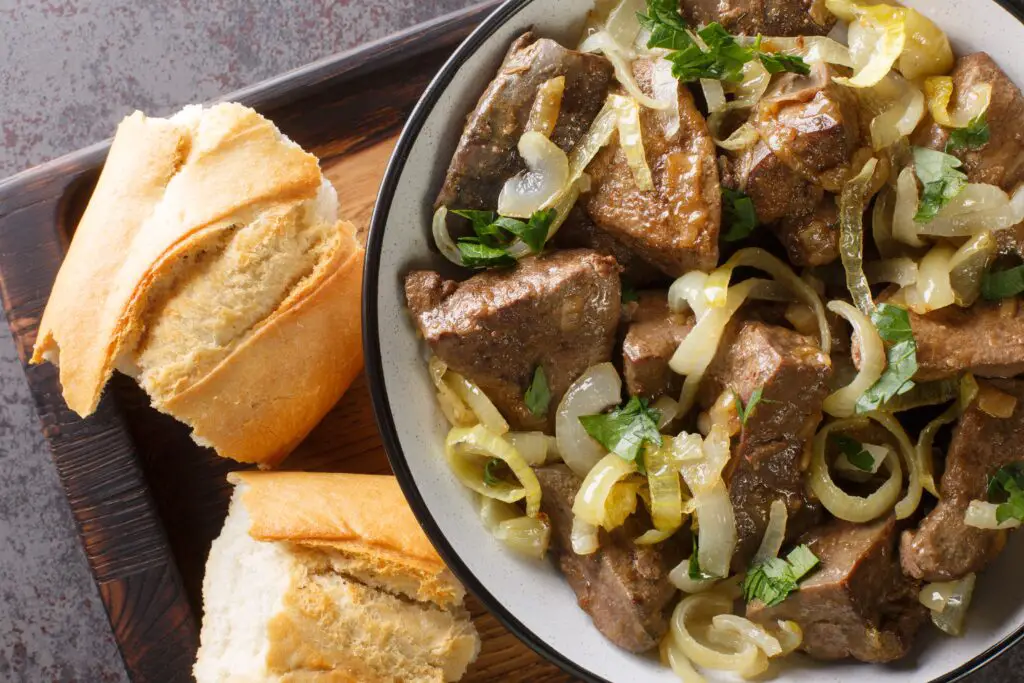
Liver and onions was once considered a perfectly respectable dinner. The strong aroma filled the kitchen long before it hit the plate. It was often framed as nutritious and necessary. Parents encouraged kids to at least try a few bites. It was rich, earthy and unmistakable. Onions caramelized alongside it to soften the flavor. It was not always loved, but it was common. It reflected a nose-to-tail approach to eating.
Today, organ meats are far less common in everyday meals. Many children have never tasted liver at all. The shift reflects changing preferences and availability. In earlier decades, wasting food was not an option. Liver was affordable and packed with nutrients. It was seen as responsible cooking. For many, the memory is vivid and not always pleasant.
13. Potato Chips on White Bread
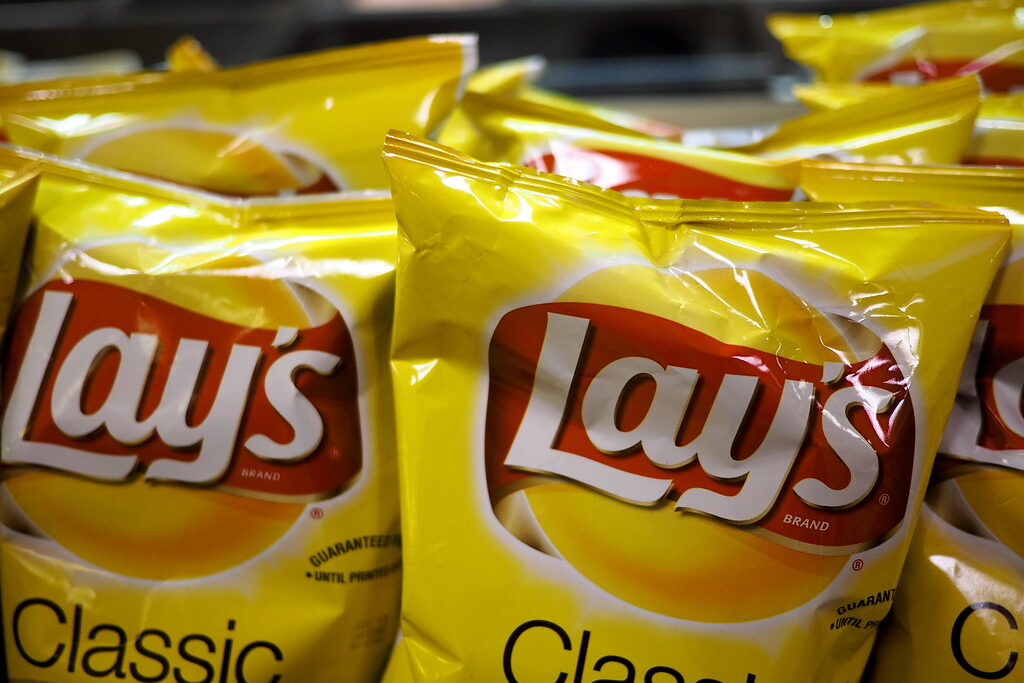
Yes, a sandwich made almost entirely of potato chips was real. A layer of chips pressed between two slices of white bread created crunch and salt in every bite. Sometimes a little butter held it together. It required no stove, no fridge and almost no thought. It was assembled in minutes. Kids loved the texture contrast. It felt playful and slightly rebellious. It was often a solution when the pantry looked bare.
Today, that combination might raise questions about balance. Snack foods are usually kept separate from main meals. But back then, practicality won. It filled a gap and used what was available. It showed how inventive kids could be. It was cheap and surprisingly satisfying. Looking back, it feels almost impossible that it counted as lunch, but it absolutely did.