
1. Calling Friends Just to See Who Was Home

Before texting made everything instant, calling a friend’s house felt like a small adventure. You never knew who would answer, a sibling, a parent, or maybe the friend you were hoping for. Sometimes the conversation turned into polite small talk with someone’s mom before you even got to your real reason for calling. There was a weird thrill in dialing from memory instead of clicking a name on a screen. If the line was busy, that was it, you simply tried again later and hoped for better luck.
Those random phone calls shaped how friendships worked after school and on weekends. Plans were loose and flexible because nothing could be updated in real time. Missing a call sometimes meant missing the entire afternoon’s plan. It taught patience without anyone really noticing. Now most kids grow up assuming instant contact is normal, and that slightly awkward but charming ritual has quietly faded away.
2. Riding Bikes Until the Streetlights Came On

Bikes weren’t exercise equipment or weekend hobbies, they were freedom on two wheels. Kids roamed neighborhoods, cut through empty lots, and made up routes that felt like secret highways. You didn’t track distance or speed, you just rode until your legs felt tired or someone yelled your name from a porch. The streetlight rule acted like an unspoken curfew everyone understood. When those lights flicked on, bikes magically turned toward home.
That kind of roaming independence has become rare in many neighborhoods. Busy streets, packed schedules, and screens competing for attention changed how kids spend outdoor time. Parents understandably keep closer tabs now. The idea of disappearing for hours on a bike feels almost nostalgic instead of normal. It’s one of those freedoms that quietly slipped away without much fanfare.
3. Memorizing Everyone’s Phone Numbers

Once upon a time, knowing phone numbers by heart was practically a survival skill. You memorized your own number, your best friend’s number, your grandparents’ number, and maybe a neighbor’s just in case. Writing them on scraps of paper felt risky because paper could get lost. Your brain became the backup system. Dialing correctly felt oddly satisfying, like solving a tiny puzzle every time.
Now phones remember everything for us, which is convenient but changes how memory works. Many adults can barely recall their own number without checking their contacts. Kids grow up never needing to store those strings of digits in their heads. That mental muscle simply stopped getting used. It’s a small habit that vanished as quietly as it arrived.
4. Passing Notes in Class
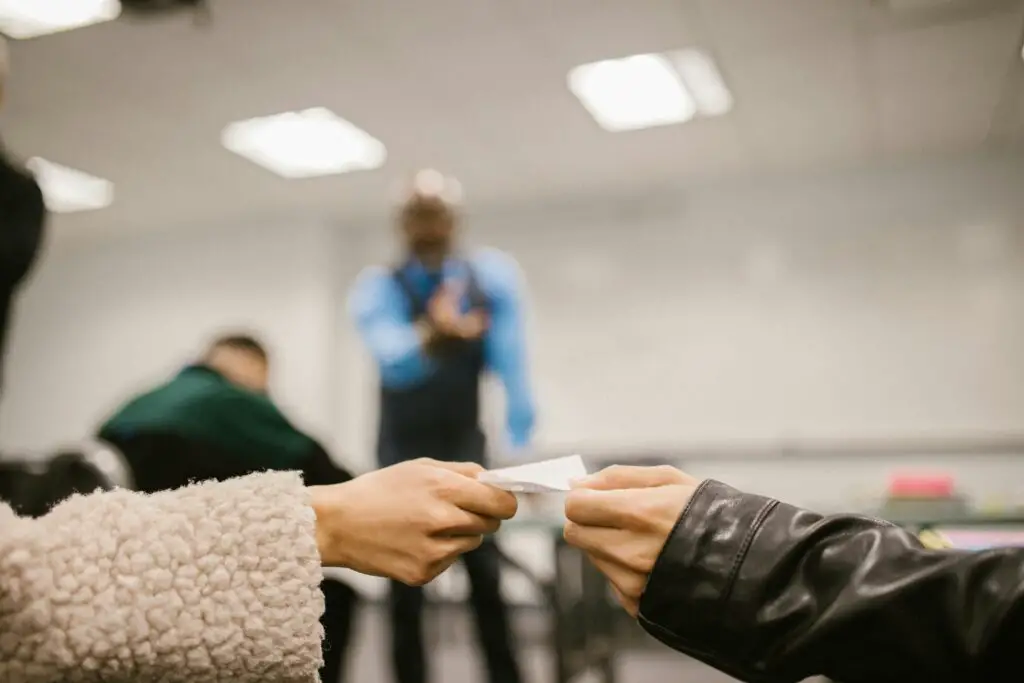
Folded paper notes were an art form all their own. Some were passed carefully under desks, while others traveled openly during group work. Doodles, inside jokes, and dramatic crush confessions filled every inch of the paper. There was always the risk of a teacher intercepting the message, which made it feel slightly thrilling. Even opening the note felt like opening a tiny secret.
Digital messaging replaced that entire ritual almost overnight. Now communication happens silently through screens, even when people sit side by side. The tactile joy of unfolding a note and seeing someone’s handwriting is mostly gone. That small personal touch carried a lot of emotional weight back then. It’s hard to recreate that same feeling with a quick text.
5. Making Up Games With Whatever Was Nearby
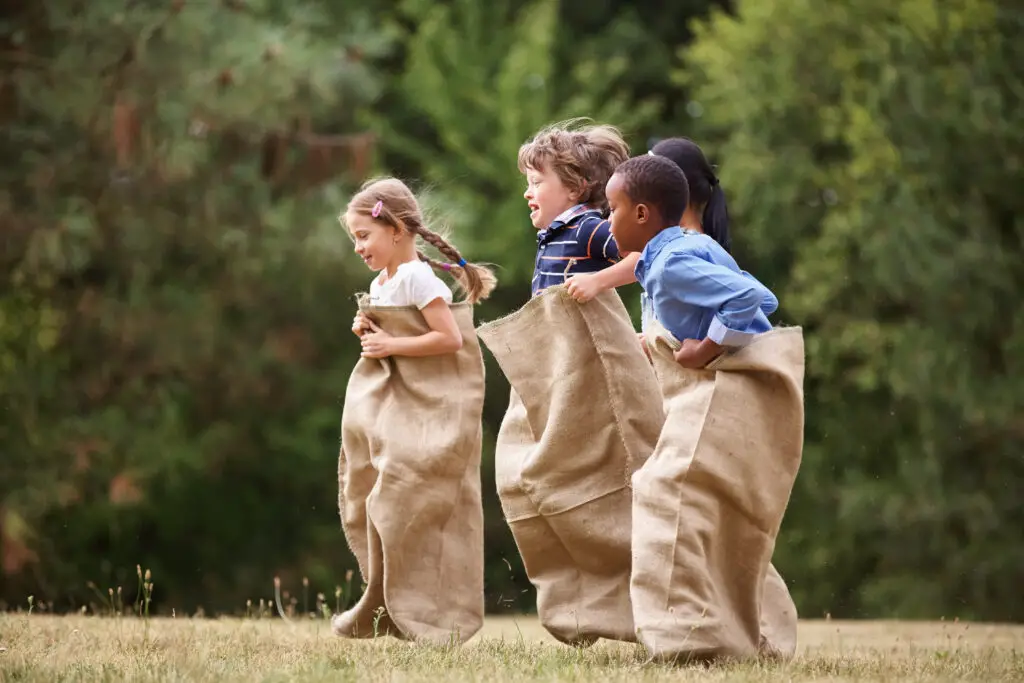
Kids used to turn anything into a game without thinking twice. A stick became a sword, a cardboard box became a spaceship, and sidewalk chalk created entire imaginary cities. Rules were invented on the fly and changed whenever someone disagreed. Creativity mattered more than having the right equipment. Boredom rarely lasted long when imagination kicked in.
Today’s play often comes prepackaged through apps, consoles, and structured activities. There’s nothing wrong with that, but it shifts how imagination gets exercised. Spontaneous, unstructured play happens less often than it once did. The skill of inventing entertainment from nothing quietly faded. It’s a change many people only notice when reminiscing.
6. Waiting All Week for a Favorite TV Show

Missing an episode used to feel like a real tragedy. You had to be home at a specific time or hope someone recorded it on a VHS tape. Commercial breaks became snack runs or bathroom sprints. Talking about the episode at school the next day felt like a shared event. Everyone experienced it at the same time.
Streaming changed all of that in the best and worst ways. Shows are available instantly, whenever you want. The anticipation and collective timing disappeared along with the frustration of missing an episode. Kids no longer build their schedules around television. That shared rhythm quietly faded into on demand convenience.
7. Collecting Physical Stuff Just to Trade

Stickers, cards, marbles, and tiny toys once fueled entire playground economies. Kids negotiated trades with serious intensity and personal value systems. Owning a rare piece felt like social currency. Collections lived in shoeboxes, binders, or coat pockets. Trading taught negotiation skills without anyone realizing it.
Digital collectibles and games shifted how collecting works. Physical swapping isn’t as common when items live inside screens. The face to face bargaining and excitement of a good trade feel less central now. It’s another small social habit that slowly disappeared. Many adults still remember the thrill of completing a set.
8. Writing Letters or Thank You Notes by Hand

Handwritten notes once felt like a normal part of growing up. Birthday gifts almost always came with a reminder to write a thank you. Penmanship mattered because someone else would actually read it. Choosing stationery and stamps added personality to the message. Mailing something felt ceremonial and important.
Digital communication made writing quicker but less personal. Kids rarely practice longhand writing outside of school assignments now. Thank you messages often arrive as quick texts instead of keepsakes tucked into drawers. The physical connection of handwriting carries a different emotional weight. That tradition slowly faded without much resistance.
9. Playing Board Games for Entire Afternoons
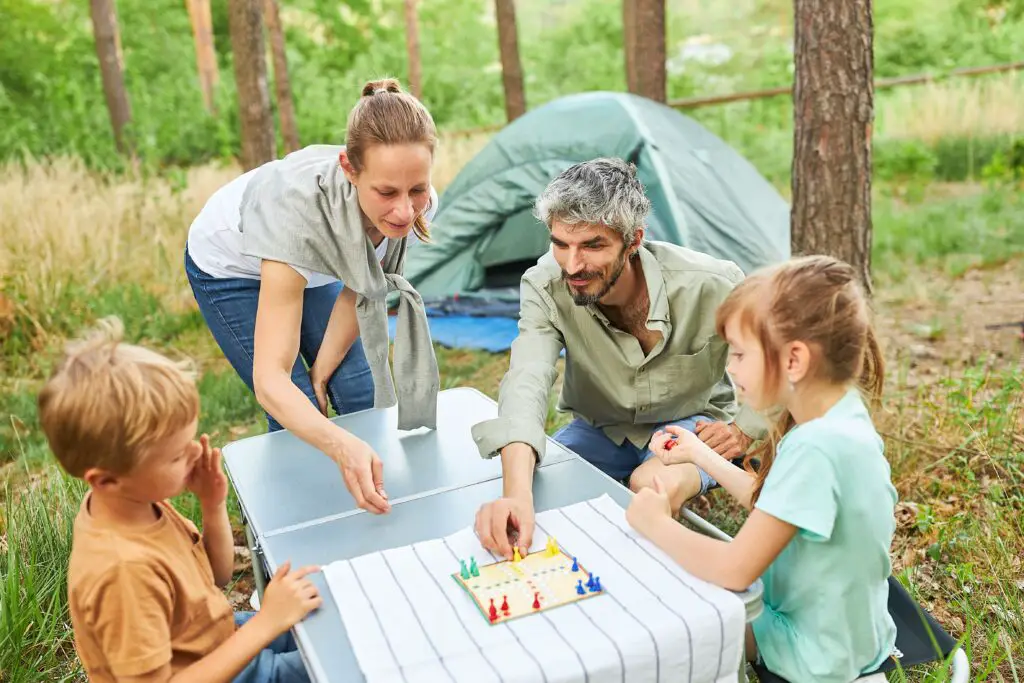
Rainy days often meant spreading board games across the living room floor. Pieces went missing, rules were debated, and someone always accused someone else of cheating. Games stretched on for hours with snacks and laughter mixed in. Winning mattered less than the experience of being together. Cleanup usually took longer than the game itself.
Screens compete heavily for that same downtime now. Digital games provide faster rewards and solo entertainment. Board games still exist, but they’re less central to everyday childhood routines. That slow, communal style of play quietly declined. Many families only rediscover it during holidays or special occasions.
10. Wandering the Neighborhood Without a Plan

Kids once knocked on doors asking if someone could come out to play. Plans formed in real time based on who happened to be available. Sometimes nothing happened at all, and that was okay. The freedom to drift between houses created strong neighborhood bonds. Every yard felt like shared territory.
Modern schedules are often tightly planned with activities and supervision. Spontaneous wandering feels less common and sometimes discouraged. Kids interact more online than in physical neighborhoods. The casual social web of door to door play slowly unraveled. It’s one of those shifts that reshaped childhood without a clear moment of change.
11. Keeping Scrapbooks and Memory Boxes
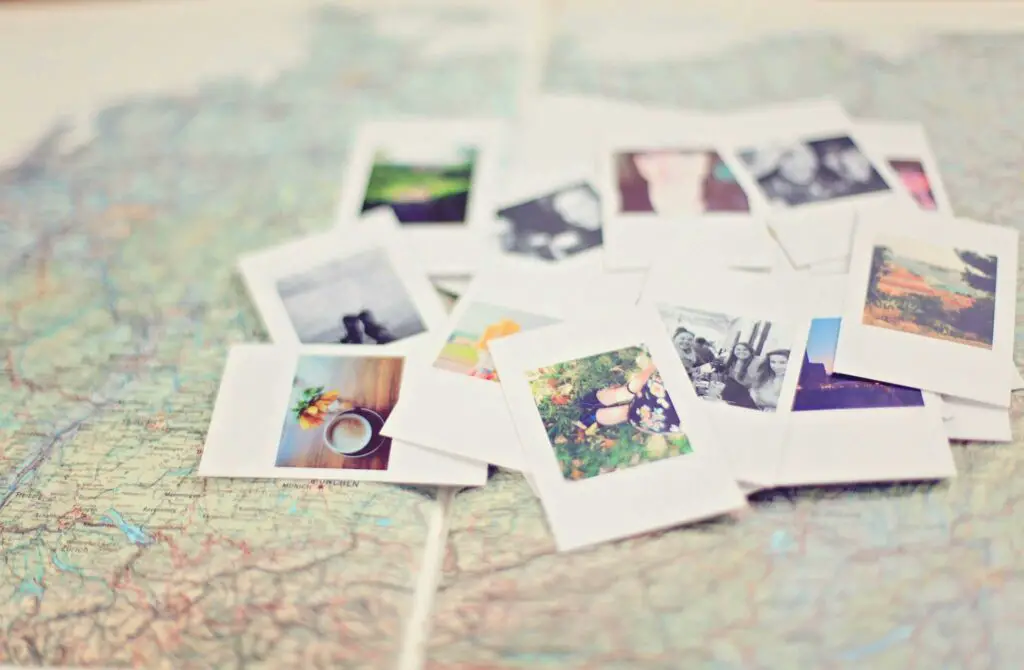
Ticket stubs, photos, notes, and tiny souvenirs once lived in boxes under beds. Kids saved things simply because they felt meaningful. Flipping through old scraps sparked memories in ways screens sometimes don’t. It was a physical archive of growing up. Each item had a story attached to it.
Now memories often live digitally in photo galleries and cloud storage. Fewer kids create tangible keepsakes. The sensory experience of touching old paper and objects gets lost. Nostalgia becomes something you scroll instead of hold. That quiet shift changed how memories are preserved.
12. Using the Library as a Hangout Spot

Libraries once served as quiet after school gathering places. Kids browsed shelves, worked on homework, or just explored books for fun. Librarians often knew regular visitors by name. Discovering a new book felt like uncovering a hidden treasure. Time passed slowly and peacefully inside those walls.
Digital access to books and information reshaped that habit. Many kids still use libraries, but not as casually or socially. Screens provide faster answers and entertainment. The library’s role as a daily hangout quietly diminished. It remains important, just used differently now.
13. Waiting for Photos to Be Developed
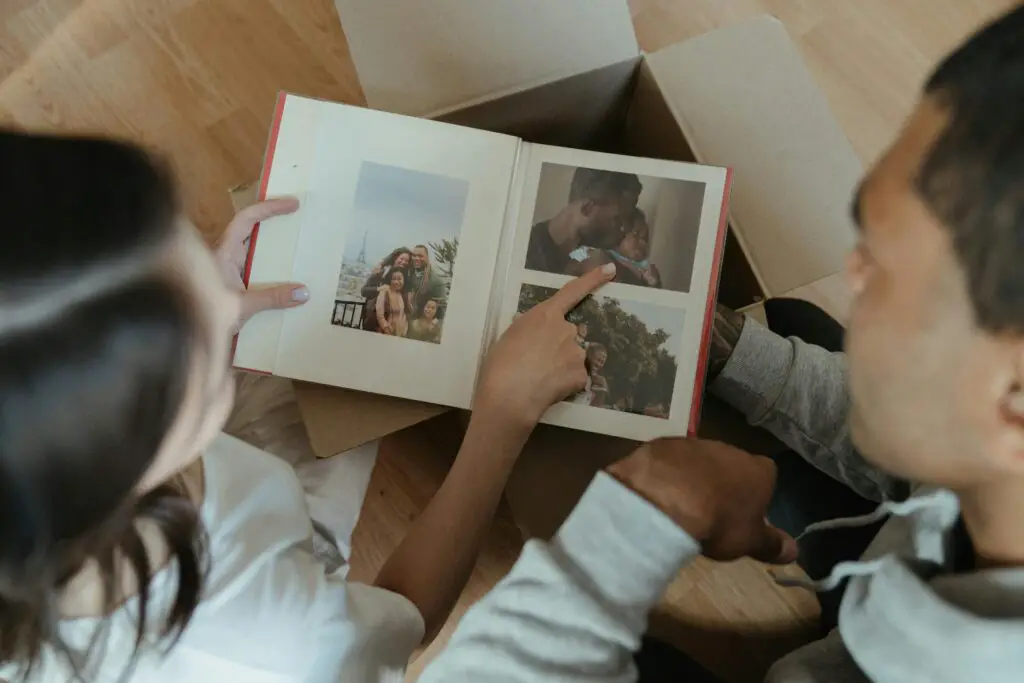
Taking photos meant you couldn’t see them right away. You waited days or even weeks to see what actually turned out. Sometimes half the roll was blurry or badly framed. That surprise element made opening the envelope exciting. Each photo felt more precious because there were fewer of them.
Instant cameras and phones removed the waiting entirely. Kids now see and delete images immediately. The anticipation and surprise disappeared along with the patience it required. Photography became casual instead of special. That slow ritual quietly vanished.
14. Spending Long Stretches Being Bored

Boredom used to be a regular part of childhood. There were quiet moments with nothing planned and nothing available. Those gaps often pushed kids to invent games, daydream, or explore. Being bored wasn’t considered a problem that needed fixing. It was simply part of the day.
Now entertainment is always within reach. Phones, tablets, and streaming fill every idle minute. Kids rarely sit with boredom long enough for imagination to kick in. That mental downtime quietly disappeared. It’s one of the biggest changes in how childhood feels today.