
1. Kick the Can
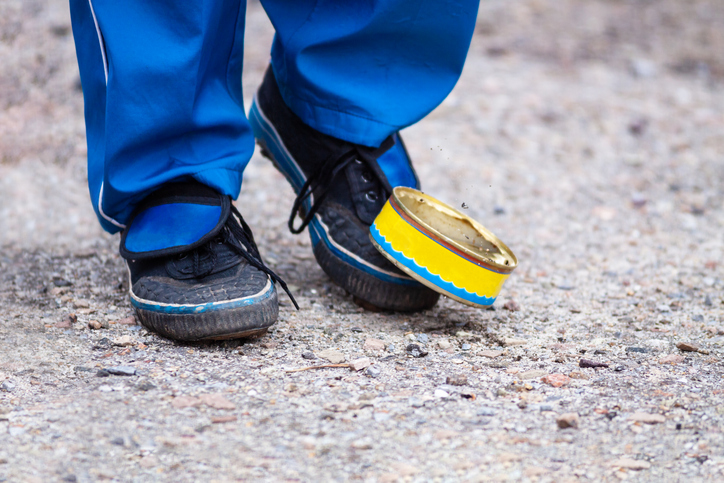
Kick the Can was the kind of game that usually started with one kid holding an old soup can and a group of others arguing over the rules. One person became “it,” guarding the can while everyone else scattered into the neighborhood to hide. The goal was to sneak back and kick the can before the guard spotted you. If someone managed to send the can flying, all the captured players were freed at once. It felt a little like hide and seek, but with higher stakes and more running.
Kids loved it because the game could stretch across yards, driveways, and even the edges of nearby woods. Someone always tried a daring sprint toward the can while the guard looked the other way. If the guard caught you first, you were stuck in “jail” waiting for a hero to save you. The game could go on for hours as dusk slowly rolled in. It was chaotic, loud, and somehow completely organized by whoever happened to shout the loudest.
2. Ghost in the Graveyard

Ghost in the Graveyard usually started just after sunset, when the light was dim enough to make everything feel a little mysterious. One kid secretly became the ghost and hid somewhere while the rest of the group wandered around searching. Everyone whispered nervously, calling out “Ghost in the graveyard!” as they looked behind trees or around fences. The moment someone spotted the ghost, the race back to home base began.
Suddenly the ghost would chase everyone, and the quiet searching turned into full-speed panic. Whoever got tagged became the ghost for the next round. The thrill was half fear and half laughter as kids tripped over their own feet trying to escape. The darker it got, the more exciting the game became. Somehow the rules were always a little unclear, but nobody cared as long as the chase was good.
3. Red Rover
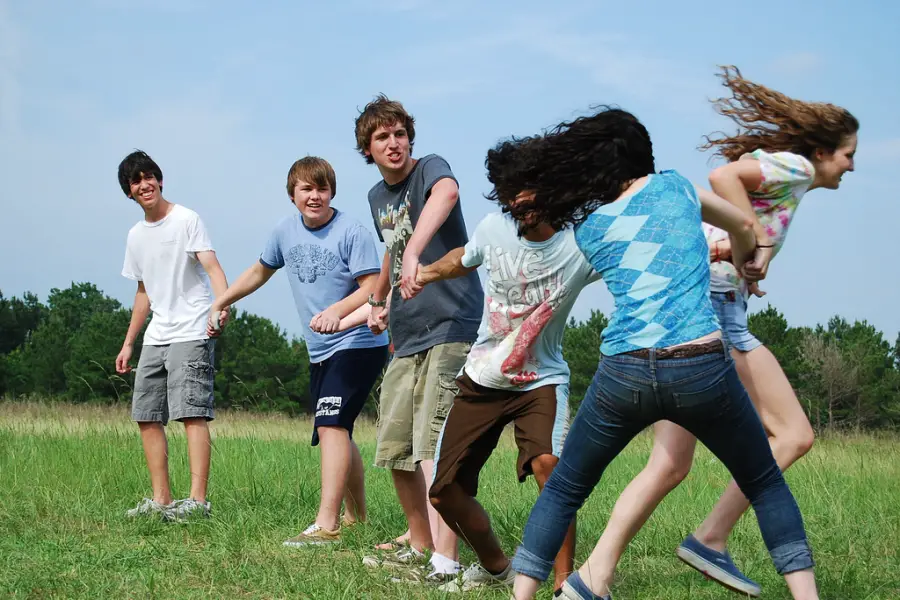
Red Rover was a classic playground game that needed nothing except a group of kids willing to run straight into each other. Two teams formed long lines while everyone locked arms as tightly as possible. One side would shout, “Red Rover, Red Rover, send someone right over!” and call the name of a player from the opposite team. That kid then ran as fast as possible, trying to break through the human chain.
If they broke through, they brought someone back to their side. If they didn’t, they were stuck joining the opposing line. The whole thing depended on momentum, timing, and sometimes pure stubbornness. Kids argued constantly about whether someone really “broke the chain.” But that was part of the fun, too. The game kept going until one team slowly absorbed the other.
4. Capture the Flag
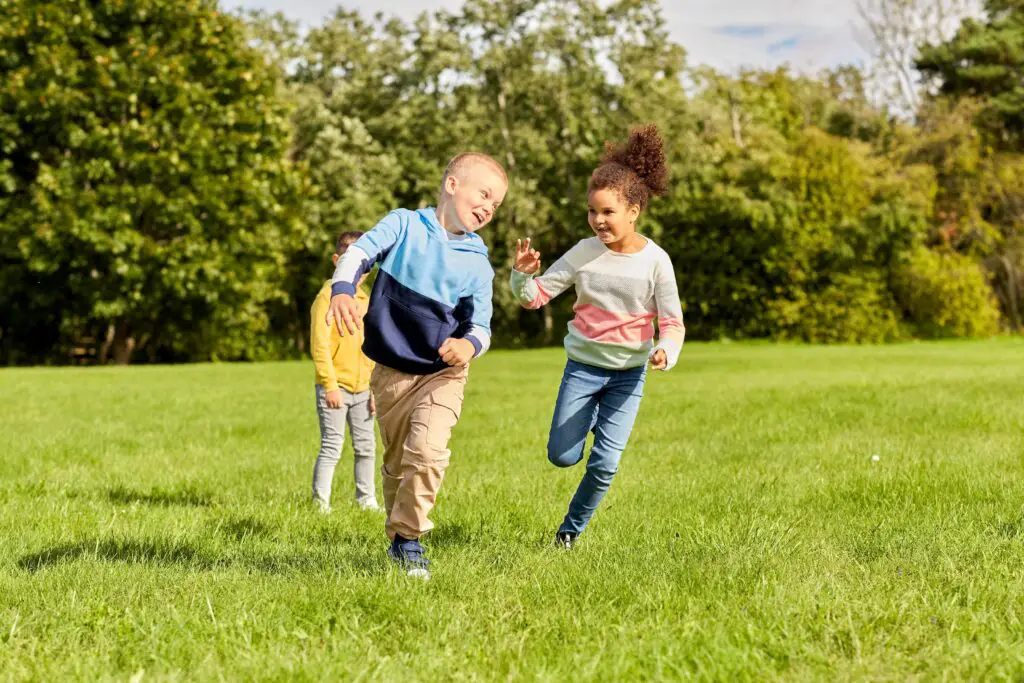
Capture the Flag felt like the most serious game kids could organize on their own. Two teams claimed different sides of a yard, field, or neighborhood block. Each team hid a flag somewhere in their territory while guarding it from the other side. The goal was simple in theory: sneak across enemy lines, grab the flag, and get back without being tagged.
In practice, it turned into elaborate strategies and dramatic rescues. Players who got tagged often ended up in a makeshift “jail” waiting for teammates to free them. Kids crawled behind bushes, dashed across open grass, and whispered plans like tiny generals. Someone always insisted they knew a secret route to the flag. When a player finally ran back with the flag waving in their hand, the celebration was huge.
5. Sardines
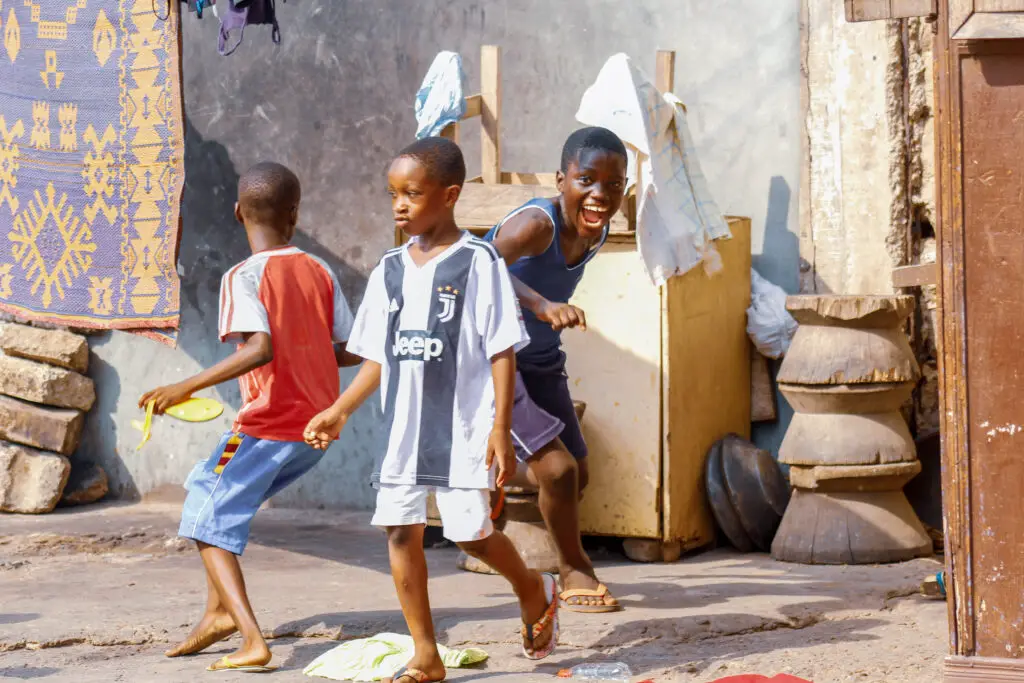
Sardines was basically hide and seek turned completely inside out. One person hid while everyone else searched. When someone found the hiding spot, they squeezed in quietly beside the first player instead of announcing it. Soon the hiding place became more and more crowded as players piled in.
Eventually the last kid wandering around would discover a bizarre clump of giggling children stuffed behind a shed or inside a bush. That player became the next one to hide. The fun came from the ridiculousness of trying to stay quiet while crammed together. Someone always burst out laughing at the worst possible moment. The game worked best when the hiding spots were truly terrible.
6. Four Square
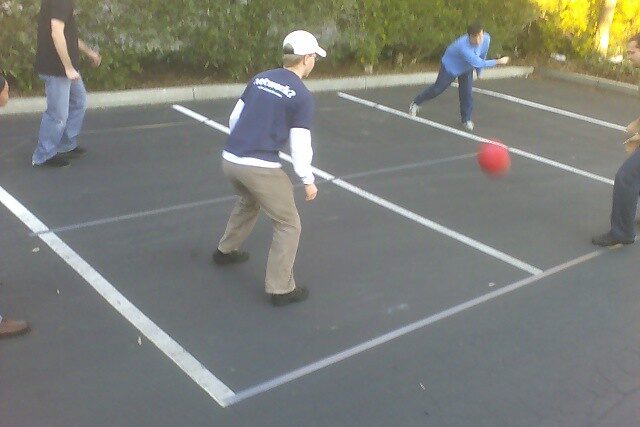
Four Square turned a simple chalk drawing into hours of competition. Kids divided a square on the pavement into four sections and bounced a rubber ball between them. Each player guarded their square and tried to knock others out by bouncing the ball in tricky ways. If the ball landed in your square and you missed it, you were out.
Players rotated through the squares depending on who got eliminated. The top square was the place everyone wanted because it meant you were winning. Kids developed all kinds of unofficial tricks and spins to make the ball harder to return. Arguments about “double bounces” or unfair hits were common. Somehow the game always restarted within seconds.
7. Mother May I?

Mother May I? looked calm compared to most playground games, but it was full of strategy. One child stood at the front as “Mother” while the others lined up far away. Players asked questions like, “Mother, may I take three giant steps?” and waited for permission. If they forgot to say “may I,” they had to go back to the start.
Kids tried to guess what kinds of steps would get them closer without being sent backward. Sometimes Mother allowed baby steps, crab walks, or giant leaps. The first person to reach Mother took over the role in the next round. The game was surprisingly suspenseful for something so simple. Every step forward felt like progress in a tiny race.
8. Red Light, Green Light
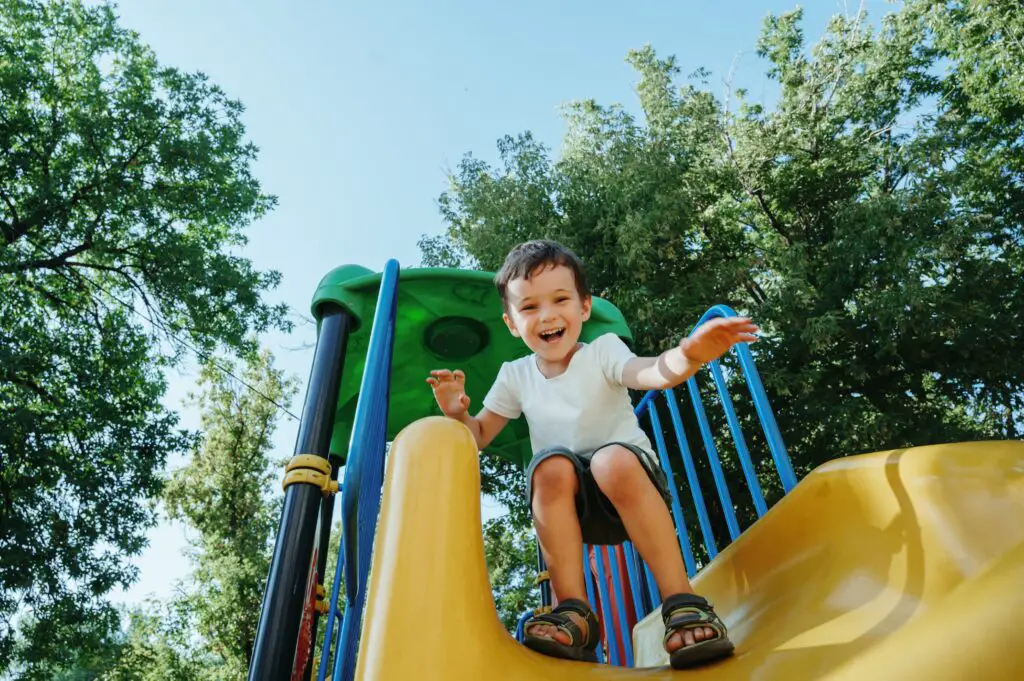
Red Light, Green Light worked best when someone took the role of a strict traffic cop. One player stood at the finish line facing away from everyone else. When they shouted “green light,” the other kids ran forward as fast as they could. The moment “red light” was called, everyone had to freeze instantly.
Anyone caught moving had to go back to the starting line. Kids tried to inch forward carefully or stop mid-stride without wobbling. The closer players got to the finish line, the more nervous they became. Someone always lost their balance and ruined a perfect run. The winner usually reached the front with one dramatic final step.
9. Tag Variations

Tag might have been the most flexible game kids ever invented. The basic idea was simple: one person was “it” and had to tag someone else. But the variations were endless. There was freeze tag, flashlight tag, TV tag, and dozens of others depending on the neighborhood.
Each version added a twist that changed the strategy completely. In freeze tag, players had to be unfrozen by teammates. In TV tag, shouting the name of a show could save you for a moment. Kids invented new rules on the spot and everyone somehow understood them. The game kept going as long as people had energy to run.
10. Duck, Duck, Goose
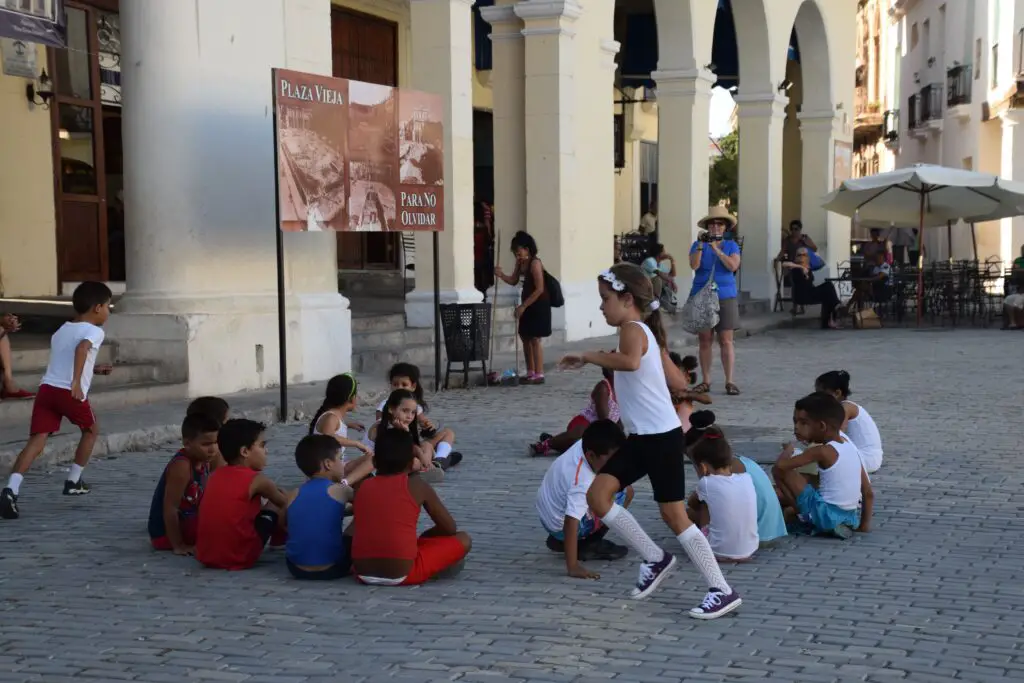
Duck, Duck, Goose usually started with kids sitting in a circle on the grass. One player walked around tapping heads while saying “duck” over and over. At any moment they could suddenly say “goose” and take off running. The chosen player had to jump up and chase them around the circle.
If the runner reached the empty spot first, they were safe. If the chaser tagged them before they sat down, the roles switched again. The suspense built with every tap around the circle. Kids tried to keep a straight face while waiting to see if they would be the goose. The chase usually ended with a burst of laughter.
11. Hide and Seek
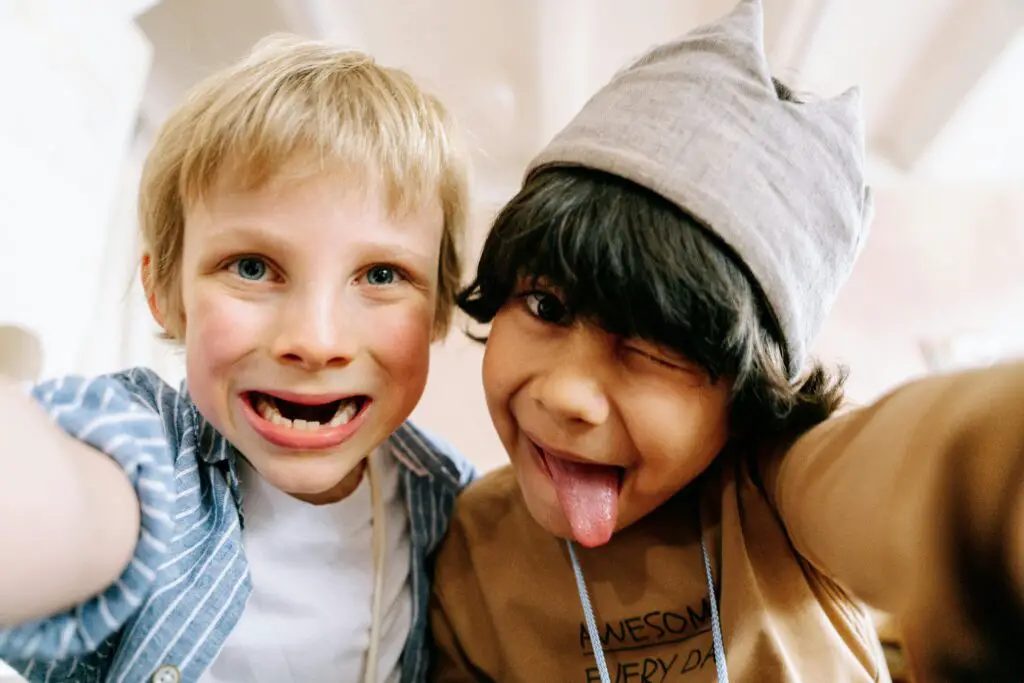
Hide and Seek was one of the oldest games kids could organize with almost no discussion. One person counted loudly with their eyes closed while everyone else ran to hide. The seeker then tried to find each player scattered across yards, garages, and behind trees. Whoever got found first often helped search for the others.
The real excitement came from sneaking back to base without getting caught. Kids waited patiently for the seeker to walk past before making a dash for safety. Sometimes players stayed hidden so long the game nearly restarted without them. The boundaries were always a little unclear, which made the hiding spots more creative. It was simple, but it never got old.
12. Marco Polo (Pool Version)
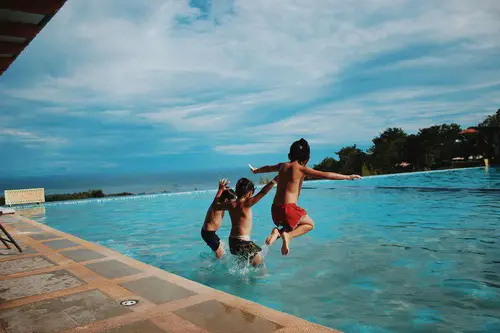
When kids had access to a pool, Marco Polo took over immediately. One player closed their eyes and called out “Marco!” while everyone else answered “Polo!” from somewhere in the water. Using only sound, the seeker tried to locate and tag the other swimmers. Everyone else paddled around quietly trying to stay out of reach.
The moment the seeker got close, the splashing started. Kids dove underwater or glided silently across the pool to avoid detection. Someone always forgot to answer “Polo” and got called out immediately. The game mixed a little strategy with a lot of chaos. It often ended with everyone laughing too hard to keep playing.
13. Statue

Statue games tested who could stay perfectly still the longest. One player turned away while the others moved toward them. The moment the leader spun around, everyone had to freeze like statues. Anyone caught moving had to go back to the start or leave the round.
Kids tried to stop in ridiculous poses just to make others laugh. The challenge was keeping a straight face while balancing awkwardly. Sometimes someone sneezed or wobbled at exactly the wrong moment. The closer players got to the leader, the harder it became to stay still. The winner usually reached the front with impressive self-control.
14. Hopscotch Competitions

Hopscotch started with a simple chalk grid drawn on the sidewalk. Kids tossed a small rock into a square and hopped through the pattern on one foot. The trick was avoiding the square with the rock while keeping your balance. Missing a hop meant your turn was over.
Players took turns trying to complete the full sequence without mistakes. Kids often customized the chalk boards with new shapes or longer paths. Someone always insisted their version was the official one. The competition stayed friendly but surprisingly intense. Mastering the perfect hop felt like a real accomplishment.
15. Flashlight Tag

Flashlight Tag usually began once the sun went down and someone brought out a flashlight. One player searched the dark yard or neighborhood while everyone else hid. Instead of tagging with a hand, the seeker had to shine the beam on a player and call their name. Being caught in the light meant you were out.
The darkness made every hiding spot feel more dramatic. Kids crouched behind cars, fences, or trees trying not to move. The beam sweeping across the yard could send everyone scrambling. Someone always ran too soon and got caught immediately. It was one of the few games that somehow felt even better after dark.