
1. Pizza Night
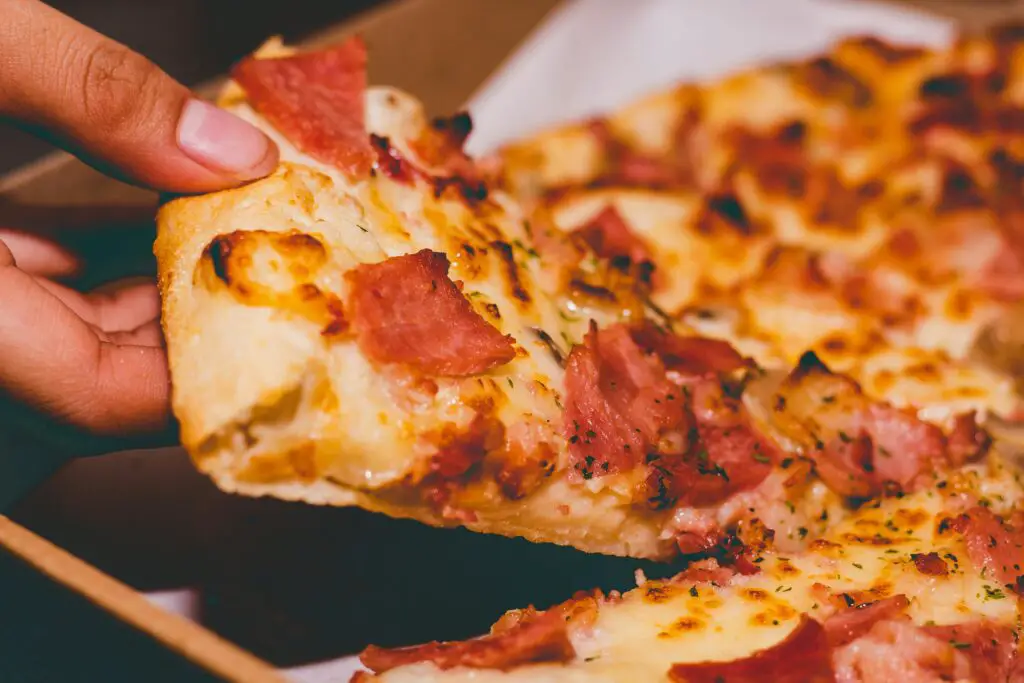
Pizza was rarely an everyday dinner, which is exactly why it felt so special when it finally showed up. It usually meant something good had happened, a good report card, a birthday, or a Friday when everyone was too tired to cook. Kids didn’t care if it was delivery or frozen, the excitement was the same. The box on the counter felt like an event all by itself. Even waiting for it to cool felt like torture.
Eating pizza often came with extra privileges, like eating in front of the TV or getting an extra slice without much arguing. Parents treated it like a break from routine rather than just food. For kids, it felt like being rewarded with something grown up and indulgent. Long after, pizza still carries that sense of celebration.
2. Ice Cream Sundaes
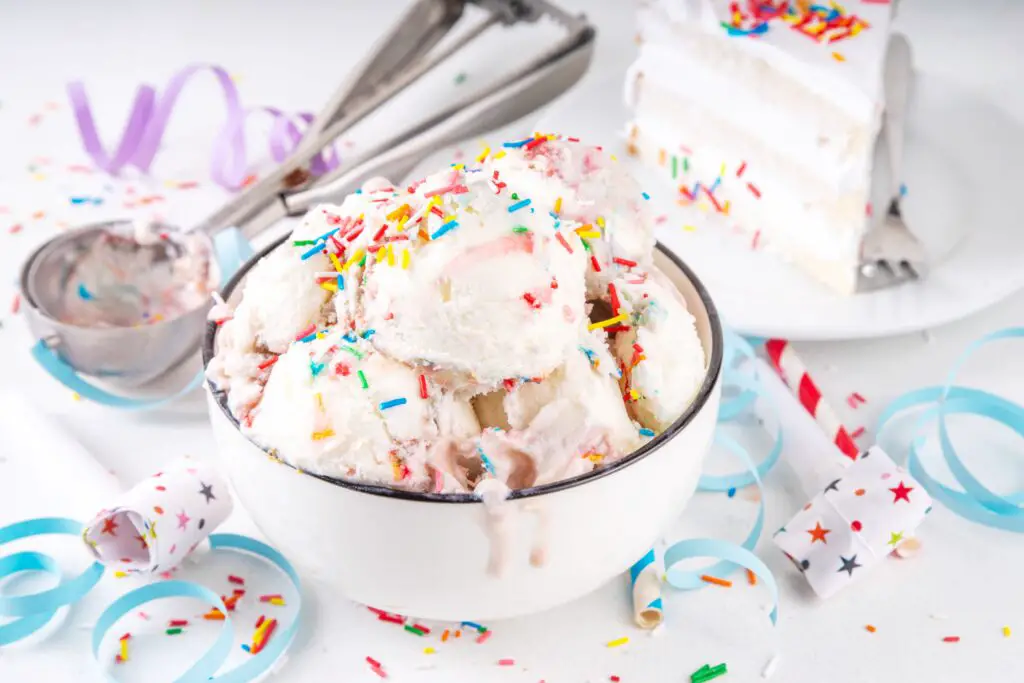
Ice cream was good on its own, but a sundae meant something bigger. It usually came out for birthdays, sleepovers, or nights when the day had gone particularly well. The act of adding toppings made it feel earned rather than expected. Hot fudge or whipped cream turned dessert into a ceremony.
Parents often controlled the toppings, which made the moment feel even more special. Kids watched closely as sprinkles or cherries were added, knowing there would not be a second round. Eating a sundae slowly felt important, like stretching out the reward. It was less about hunger and more about the moment.
3. McDonald’s Happy Meals
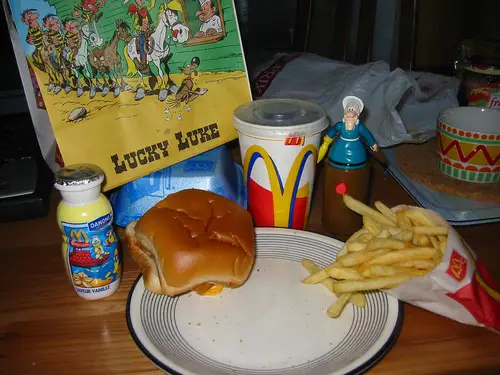
Fast food was not an everyday thing in many households, which made a Happy Meal feel like a prize. It often followed long errands, doctor visits, or good behavior in public. The drive through alone felt exciting. The bag coming home was a signal that the day had gone well.
The toy mattered just as much as the food, sometimes more. Fries tasted better when they came in that familiar red box. Parents framed it as a treat, not dinner. Kids learned quickly that certain behaviors led to that yellow arch appearing.
4. Sugary Breakfast Cereal

Most mornings involved plain cereal or something practical, so sugary cereal felt like breaking the rules. It was often reserved for weekends or sleepovers. Pouring it into the bowl felt sneaky and thrilling. Even the cartoon characters on the box added to the sense that this was not normal food.
Parents might allow it as a reward for a good week or special morning. Kids savored every spoonful, knowing it would not be back tomorrow. The sugar rush felt earned, not routine. Years later, those cereals still feel tied to freedom.
5. Popsicles After Dinner
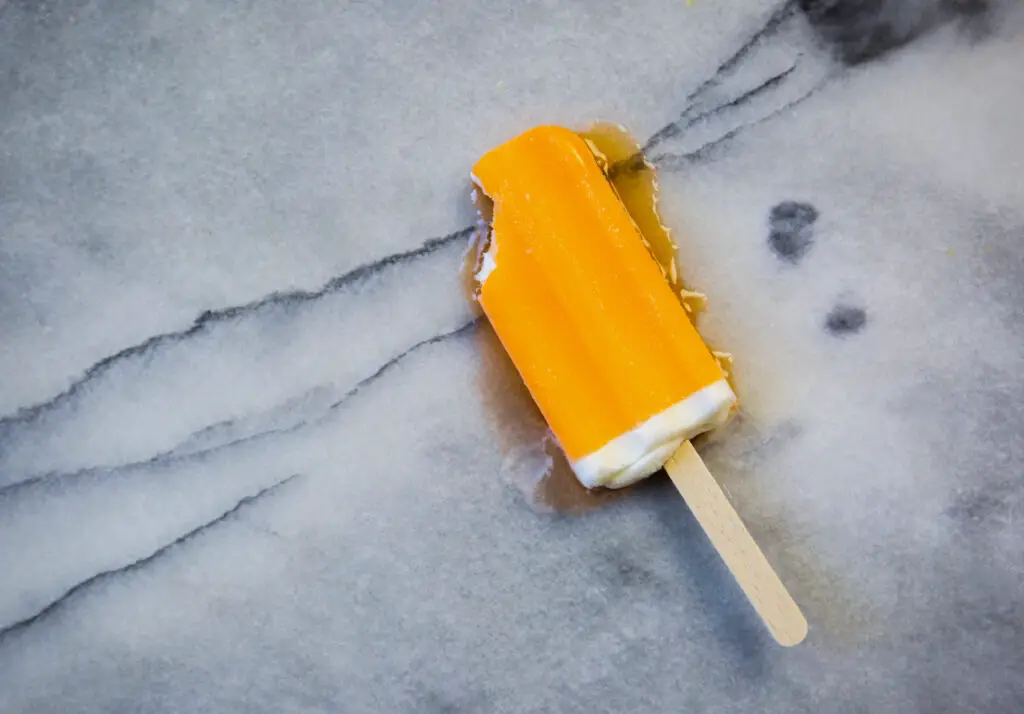
Popsicles were simple, but timing made them special. They often appeared only after dinner on hot nights or after a long day outside. Hearing the freezer open brought immediate excitement. Choosing a color felt like part of the reward.
Parents treated popsicles as a controlled indulgence. One was allowed, two was pushing it. Kids learned to eat them slowly to avoid dripping, stretching out the moment. The treat felt more emotional than filling.
6. Chocolate Milk
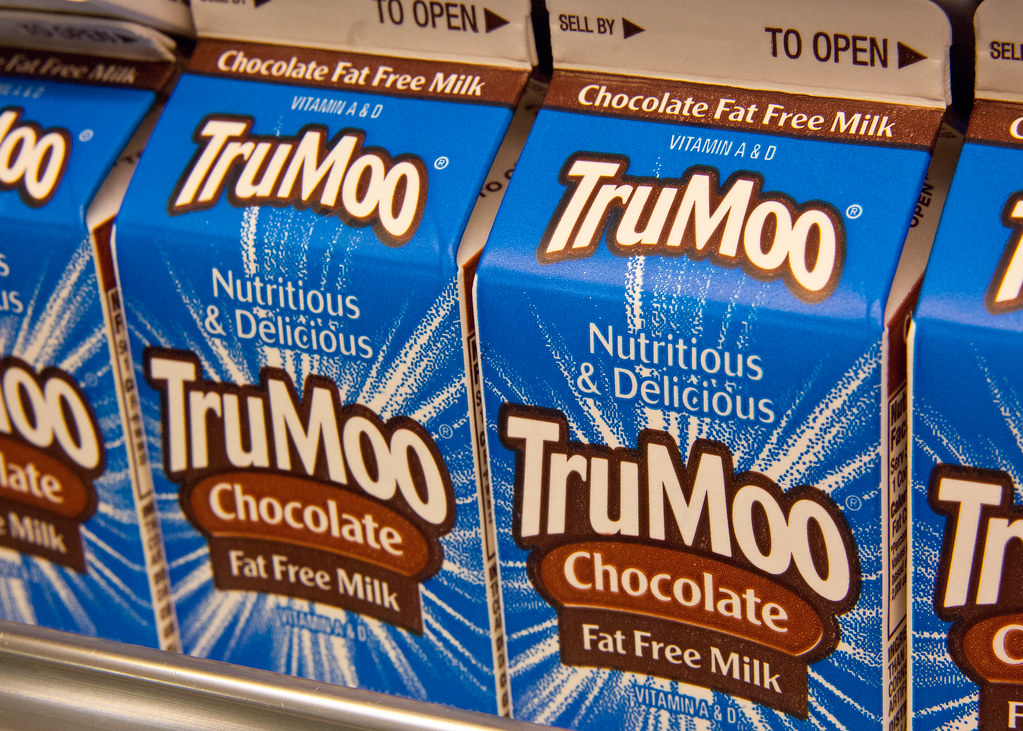
Chocolate milk was not just a drink, it was a privilege. It often came with lunch out or special breakfasts. The swirl of chocolate mixing into the milk felt magical. Even pouring it felt like a small ceremony.
Parents sometimes framed it as a reward for finishing a meal. Kids knew better than to ask for it every day. Drinking it felt indulgent and slightly rebellious. It turned an ordinary moment into something memorable.
7. Homemade Cookies
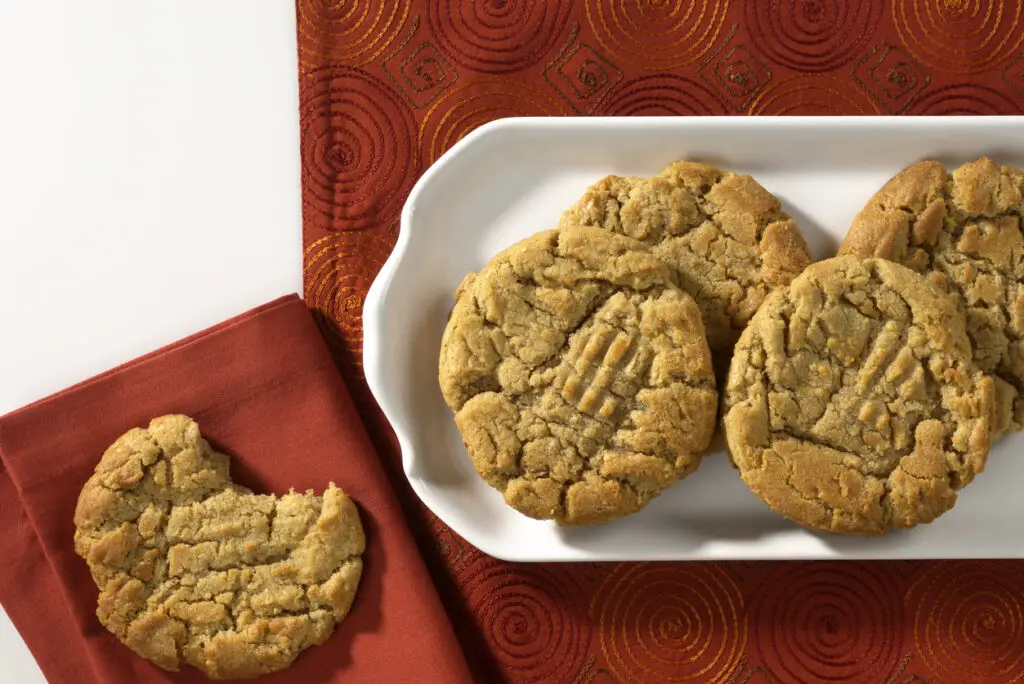
Cookies fresh from the oven felt like a celebration in food form. They often appeared after good news or during holidays. The smell alone signaled that something special was happening. Kids hovered in the kitchen, waiting for permission.
Parents controlled how many were allowed, which made each one feel valuable. Eating a warm cookie felt comforting and earned. It was not just dessert, it was approval. The memory often sticks long after the taste fades.
8. Slushies or Icees
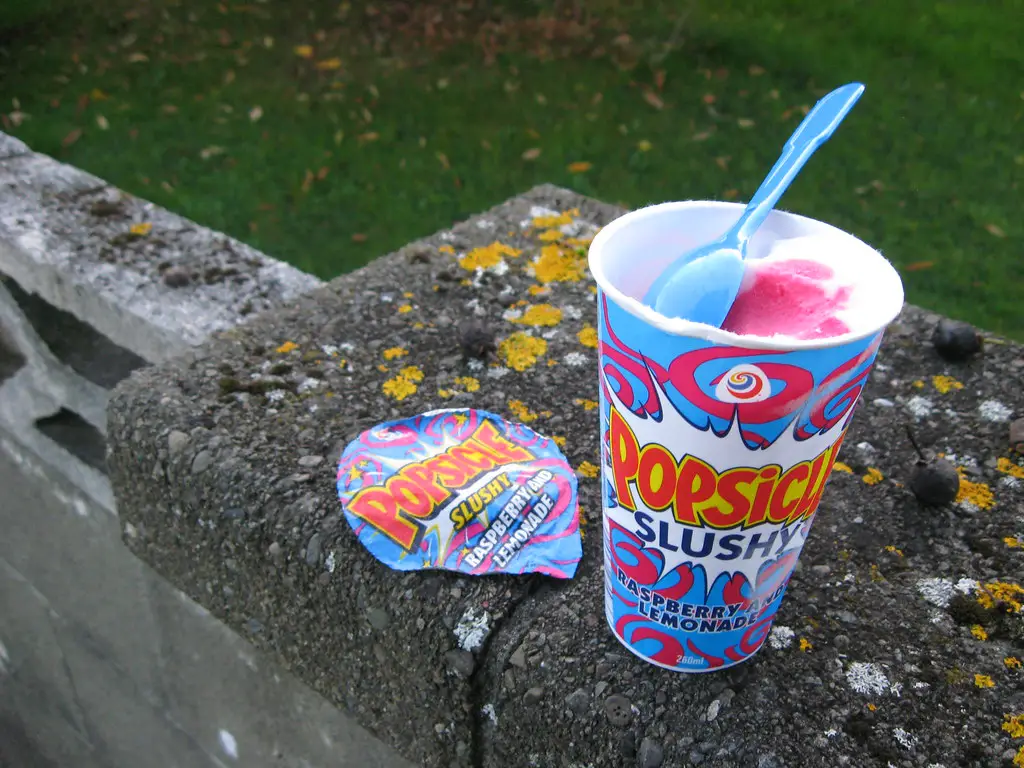
Slushies were rarely found at home, which made them feel extra special. They usually came from movie theaters or convenience stores. Getting one meant the outing itself was already a treat. The bright colors felt exciting and forbidden.
Parents allowed them sparingly because of the sugar. Kids drank them carefully to avoid brain freeze. Holding the cup felt like holding a prize. It was less about thirst and more about being rewarded.
9. Takeout Chinese Food
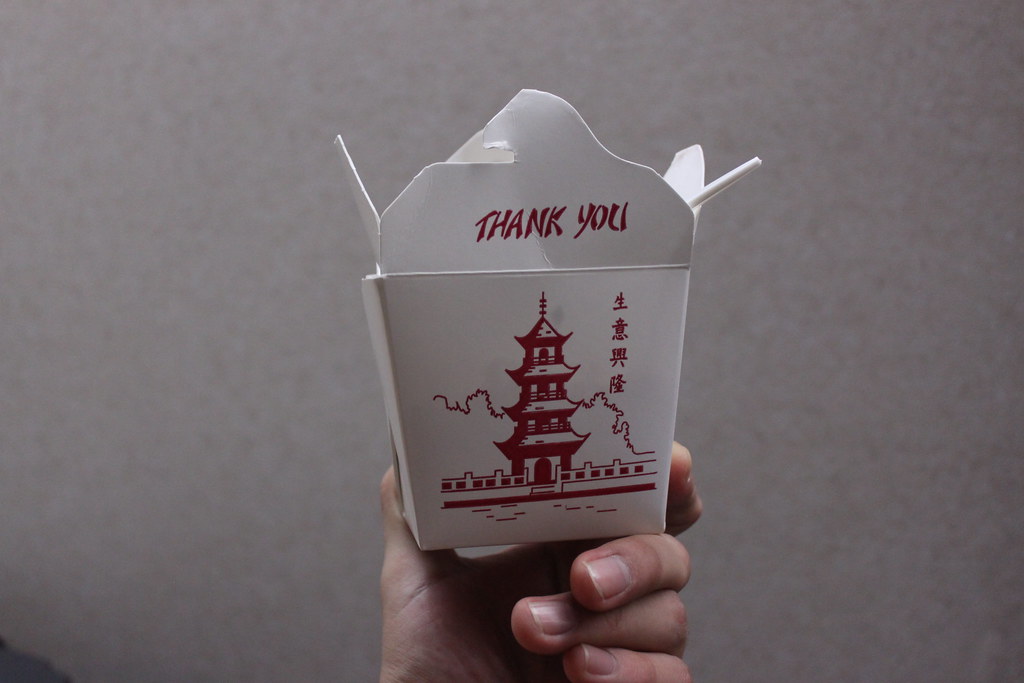
Chinese takeout often arrived in white boxes that felt mysterious and special. It usually meant no one was cooking and the night was relaxed. Kids loved opening containers and finding familiar favorites. The novelty made the meal feel earned.
Parents treated it as an occasional splurge. Eating from cartons felt different from regular dinners. It often came with extra screen time or late nights. The whole experience felt like a reward, not just food.
10. Birthday Cake
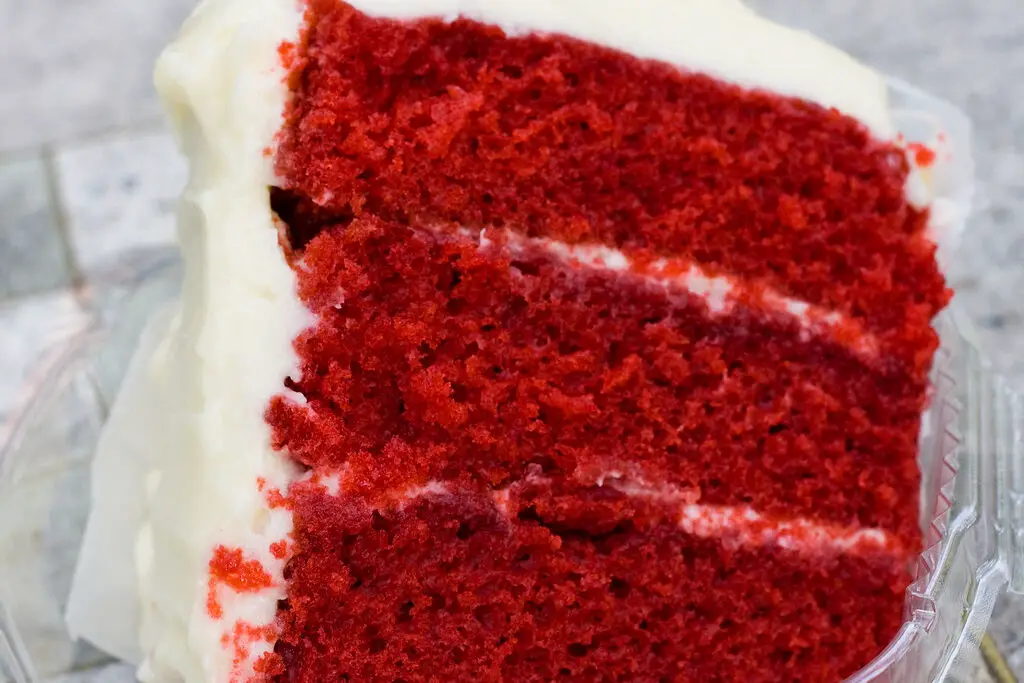
Birthday cake was the ultimate reward food, tied to a single day each year. It represented being celebrated just for existing. The candles, the song, and the first slice all mattered. Even the frosting felt more important than usual.
Parents made it clear this was not everyday dessert. Kids waited all year for that moment. Eating cake felt symbolic, not casual. It marked time as much as it satisfied a sweet tooth.
11. Candy From the Checkstand
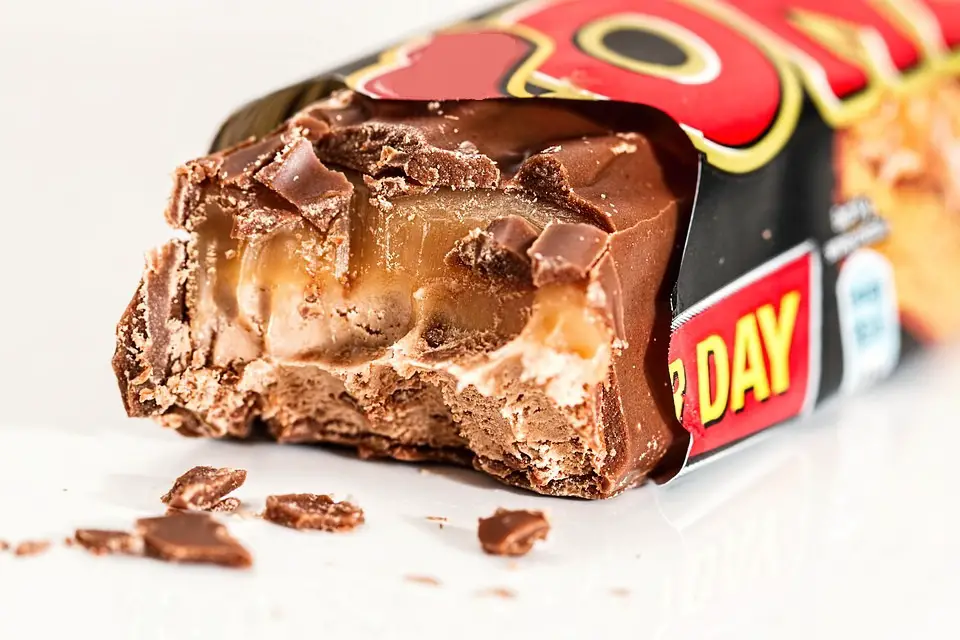
Candy at the checkout line was usually off limits. When it was allowed, it felt monumental. It often came as a reward for good behavior in the store. Choosing just one was part of the lesson.
Parents framed it as a rare exception. Kids clutched the candy tightly on the way home. Eating it felt like proof they had done well. The restriction made the reward sweeter.
12. Frozen Pizza Rolls

Pizza rolls were not everyday snacks in many homes. They often appeared during movie nights or sleepovers. The hot filling made them feel grown up and indulgent. Kids learned quickly to wait before biting.
Parents allowed them during relaxed evenings. Eating them felt informal and special at the same time. They were tied to fun, not nutrition. The association stuck.
13. Milkshakes
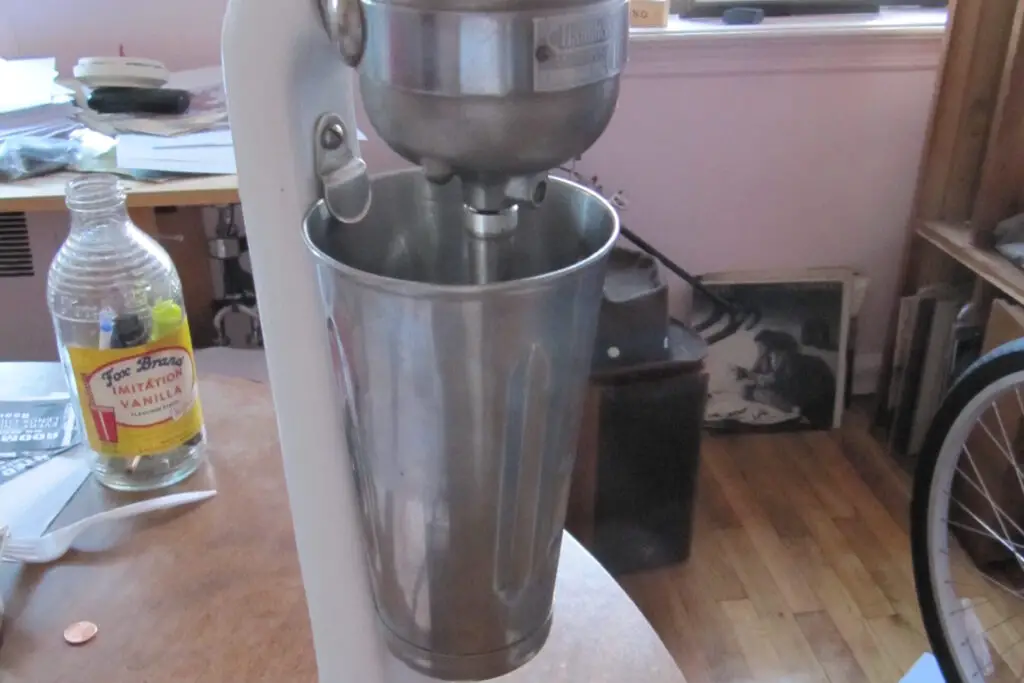
Milkshakes were rarely homemade and often tied to outings. They usually came after something positive, like a good grade or a long day handled well. The thickness made them feel luxurious. Even sharing one felt special.
Parents treated milkshakes as an occasional indulgence. Kids drank them slowly to make them last. The experience felt celebratory, not casual. Milkshakes became shorthand for being rewarded.