
1. Adults Saying “You’ll Understand When You’re Older”

When you were young, that phrase felt like the ultimate brush-off. Adults used it whenever you asked questions about money, relationships, or family decisions. It sounded like they simply didn’t want to explain anything. Kids often interpreted it as mysterious or even unfair. Why couldn’t they just give a real answer?
Years later, the phrase suddenly starts to make sense. Some things really do require life experience to understand properly. Responsibility, loss, and long-term consequences are hard to grasp from a child’s perspective. What once sounded like avoidance turns out to be honest limitation. Sometimes adults truly meant exactly what they said.
2. Parents Being Tired All the Time

As a kid, it could feel confusing that parents were constantly tired. They weren’t running around at recess or doing homework all night like you were. From a child’s point of view, adults seemed to sit down a lot. So why did they keep saying they were exhausted? It didn’t quite add up.
Later in life, the math becomes clearer. Work, bills, responsibilities, and stress quietly pile up in ways kids never see. Adults are often juggling dozens of concerns at once. Parenting itself also requires emotional energy that children rarely notice. Eventually you realize they were probably more tired than they ever admitted.
3. Being Told Money Doesn’t Grow on Trees

This line showed up whenever kids asked for toys, snacks, or something new at the store. It sounded like one of those strange sayings adults used instead of simply saying no. As a child, it could feel overly dramatic. After all, you were only asking for something small. Why make it sound like a huge issue?
Years later, that sentence starts to feel surprisingly accurate. Bills, savings, and unexpected expenses reshape how people view even small purchases. Adults learn that money represents time, effort, and stability. Spending it casually isn’t always simple. Suddenly that old phrase doesn’t sound dramatic at all.
4. Adults Needing Quiet Time

Children often find silence uncomfortable. If a room goes quiet, kids naturally start filling it with conversation, noise, or activity. Adults asking for a few minutes of quiet can seem strange. What’s wrong with talking or playing a little louder? It’s just part of being home.
With age, the need for quiet becomes much easier to understand. Constant noise can feel draining after long days filled with responsibility and decision-making. Silence gives the mind a chance to reset. What once seemed boring begins to feel calming. Eventually quiet becomes something you look forward to.
5. Relatives Talking About the Past for Hours

Family gatherings often included long conversations about events that happened decades earlier. As a child, it could feel confusing or even dull. Why were adults so interested in stories about people you barely knew? The past seemed distant and unimportant. Kids usually wanted the conversation to move on.
Later in life, nostalgia begins to take on real meaning. Those stories become connections to family history and identity. Memories help people keep loved ones and shared experiences alive. What once sounded repetitive begins to feel comforting. You realize those conversations were preserving something valuable.
6. Being Told to Finish Your Food

Many kids remember hearing the familiar instruction to clean their plate. It sometimes felt strict or unnecessary, especially when you were already full. Why did it matter if a few bites were left behind? To a child, food seemed endless and replaceable. Leaving some behind didn’t appear to matter.
Years later, the message often takes on deeper context. Older generations grew up during times when food insecurity was far more common. Wasting food carried emotional weight tied to survival and gratitude. Even today, people recognize how much effort goes into producing a meal. The habit suddenly seems less arbitrary.
7. Parents Worrying About the Weather

Children often find adult concern about the weather slightly exaggerated. A rainy day or approaching storm may not seem like a big deal. Kids usually see weather as an adventure rather than a problem. Puddles, snow, and wind can even be exciting. Adult caution feels overly serious.
With more experience, weather begins to represent real consequences. Storms can affect travel, safety, property, and daily routines. Adults are often thinking about logistics children never consider. A sudden change in the forecast can disrupt an entire day’s plans. Eventually the concern begins to make sense.
8. Adults Locking Doors Even During the Day

Many kids remember adults routinely checking doors and windows. To a child, this habit could feel unnecessary or even paranoid. Home seemed like the safest place in the world. Why would someone need to lock up so carefully? It felt like worrying about something unlikely.
Later in life, small safety habits start to feel normal. Adults become more aware of risks, even minor ones. Locking doors becomes a simple preventative measure rather than a sign of fear. What once seemed overly cautious becomes second nature. Responsibility often changes how people view safety.
9. Being Told to Bring a Jacket

Parents often insisted on jackets even when kids swore they weren’t cold. The request could feel annoying or unnecessary. Children usually focused on the moment rather than what might happen later. If the sun was shining, the jacket seemed pointless. Many kids argued about it regularly.
As adults, planning ahead becomes much more logical. Weather can shift quickly, especially in the evening. Being unprepared can make a simple outing uncomfortable. Suddenly the jacket suggestion feels practical rather than controlling. It turns out parents were usually just thinking a few hours ahead.
10. Adults Saying Time Goes Faster as You Age

When you’re young, a single year can feel incredibly long. Waiting for birthdays, holidays, or summer vacation seems endless. Adults claiming time moves faster sounded puzzling. How could time possibly change speed? Kids assumed adults were exaggerating again.
Over time, the feeling becomes surprisingly real. Responsibilities and routines begin to compress days into quick cycles. Years start passing with little warning. Memory also plays tricks on how time is perceived. Eventually the old statement stops sounding strange.
11. Parents Being Careful About Who Kids Spent Time With
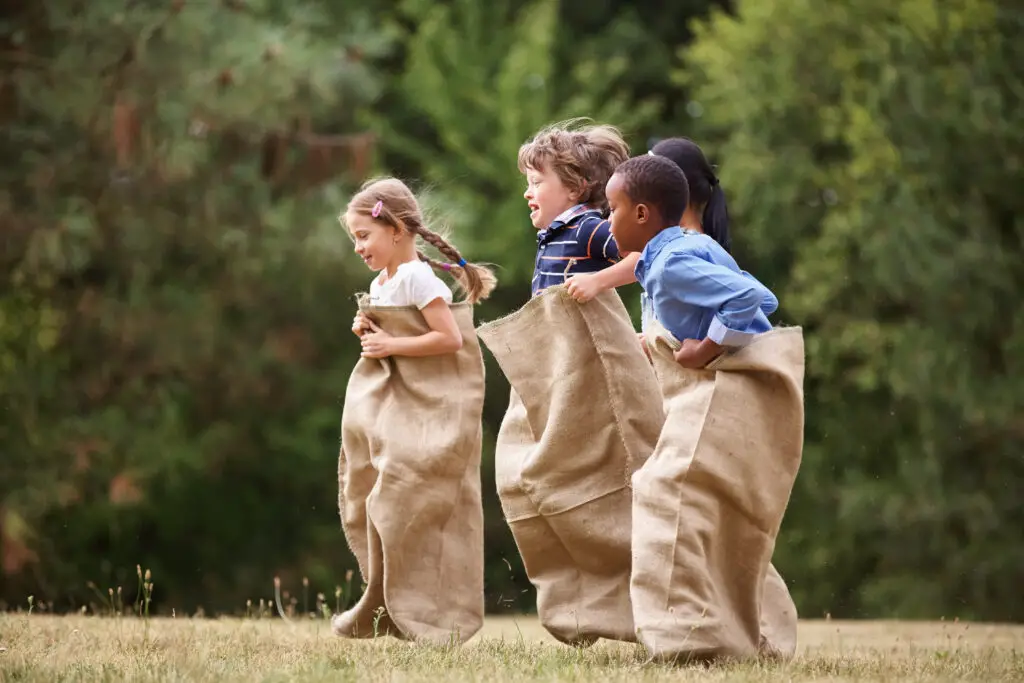
Kids sometimes found it unfair when parents were selective about friends or sleepovers. From a child’s perspective, everyone seemed harmless. If someone was fun to play with, that felt like enough. Adult caution could seem judgmental or unnecessary. It was difficult to understand the concern.
Later in life, social awareness becomes sharper. Adults learn how much influence other people can have on behavior and decisions. Parents were often looking for signals kids simply couldn’t see yet. Their caution usually came from experience rather than suspicion. The reasoning becomes clearer with time.
12. Adults Enjoying Ordinary Weekends at Home

As children, weekends felt like they should always be exciting. Staying home seemed boring compared with outings or adventures. Kids often wondered why adults looked forward to quiet days around the house. Wouldn’t it be more fun to go somewhere? The enthusiasm seemed misplaced.
Years later, quiet weekends can become surprisingly appealing. After busy weeks filled with obligations, rest becomes valuable. Simple routines like cooking, reading, or relaxing begin to feel restorative. The idea of doing very little suddenly sounds perfect. What once looked dull begins to feel peaceful.