
1. Making Your Own Bed Every Morning

It felt like busywork at the time, especially when no one else seemed to care if it was done perfectly. Still, pulling the sheets tight and straightening the pillows gave you an early sense of completion. You started the day having already followed through on something small. That quiet win mattered more than it seemed.
As an adult, that habit translated into confidence with routines. You learned that consistency did not require praise to be worthwhile. Finishing small tasks made larger responsibilities feel less intimidating. You trusted yourself to show up even when no one was watching.
2. Answering the House Phone

Being told to answer the phone forced you to speak clearly and politely to adults you could not see. You had to listen carefully, relay messages correctly, and stay calm if you were unsure. It was uncomfortable, especially when you did not know who was on the line. But it made you engage instead of hide.
Later in life, that skill showed up in meetings, interviews, and unexpected conversations. You learned early how to manage mild pressure without panicking. Speaking up stopped feeling like a risk. Confidence grew from knowing you could handle brief moments of uncertainty.
3. Watching Younger Siblings

Being put in charge of someone else felt heavy, even if it was just for a short time. You had to make decisions, set limits, and stay alert. There was no checklist, just the expectation that things would be fine when the adults returned. That responsibility stuck with you.
As an adult, that early trust became self trust. You learned that others could rely on you, which made it easier to rely on yourself. Leadership did not feel abstract or intimidating. It felt familiar and earned.
4. Doing the Grocery Bagging or Carrying

Helping unload groceries or carry bags inside was not glamorous, but it mattered. You learned to balance weight, move carefully, and finish the job without complaint. It was one of those tasks that needed to be done right away. No shortcuts, no excuses.
That experience quietly built competence. You became comfortable with practical responsibility. When adult life required physical effort or follow through, you already believed you could handle it. Confidence came from being useful, not praised.
5. Setting the Table

Lining up plates, silverware, and glasses taught attention to detail. You learned that preparation mattered before anyone even sat down. It was a way of contributing that felt invisible unless you forgot something. That awareness stayed with you.
In adulthood, this turned into confidence around planning and hosting. You trusted yourself to think ahead. You noticed what others might miss. That kind of quiet competence often reads as confidence to the people around you.
6. Taking Out the Trash

Taking out the trash meant dealing with something unpleasant without much reward. It was heavy, messy, and usually had to happen on a schedule. Complaining did not change the expectation. You learned to just do it.
That habit translated into emotional resilience later. You did not expect every task to feel good or be acknowledged. You knew you could handle necessary discomfort. Confidence grew from not avoiding what needed to be done.
7. Walking to School or the Bus Stop Alone

Walking by yourself required awareness and independence. You learned routes, timing, and how to handle minor problems without calling for help. Even small moments of getting lost or running late taught problem solving. It made you feel capable in the world.
As an adult, that early independence showed up as self assurance. New environments felt less intimidating. You trusted your ability to adapt. Confidence came from knowing you had navigated on your own before.
8. Folding Laundry

Folding laundry was repetitive and easy to rush through. Over time, you learned that doing it well actually made life easier. You developed patience and care with a mundane task. It taught follow through without excitement.
That patience later supported confidence in long term goals. You understood that progress was often unremarkable day to day. You trusted yourself to keep going anyway. Consistency became a source of quiet strength.
9. Cleaning Your Own Room

Cleaning your room forced you to face your own mess. No one could fix it for you, and excuses rarely worked. You had to decide where things went and how clean was clean enough. That ownership mattered.
As an adult, that translated into confidence in managing your space and life. You believed you could reset when things felt out of control. Organization became a tool, not a punishment. Confidence grew from regaining order on your own terms.
10. Ordering for Yourself at Restaurants

Ordering your own meal meant speaking up in front of adults and strangers. You had to know what you wanted and say it clearly. Mistakes happened, but you survived them. That mattered more than getting the order right.
Later, that experience supported confidence in expressing preferences. You became comfortable stating needs without apology. Decision making felt less risky. Confidence grew from learning that your voice belonged in the room.
11. Doing Homework Without Supervision

Being expected to finish homework on your own taught self regulation. You learned how to manage time, frustration, and boredom. There was no immediate reward, just the expectation of completion. That discipline stayed with you.
In adulthood, that became confidence in self directed work. You trusted yourself to meet deadlines without constant oversight. Motivation came from within. That internal accountability built lasting confidence.
12. Helping With Yard Work

Raking leaves or pulling weeds showed you visible results from effort. The work was tiring, but the outcome was clear. You learned that improvement could be gradual but real. It gave you a sense of contribution.
As an adult, that translated into confidence in effort based outcomes. You believed your actions could change situations. Progress did not feel abstract. Confidence grew from seeing cause and effect in action.
13. Keeping Track of Your Own Belongings
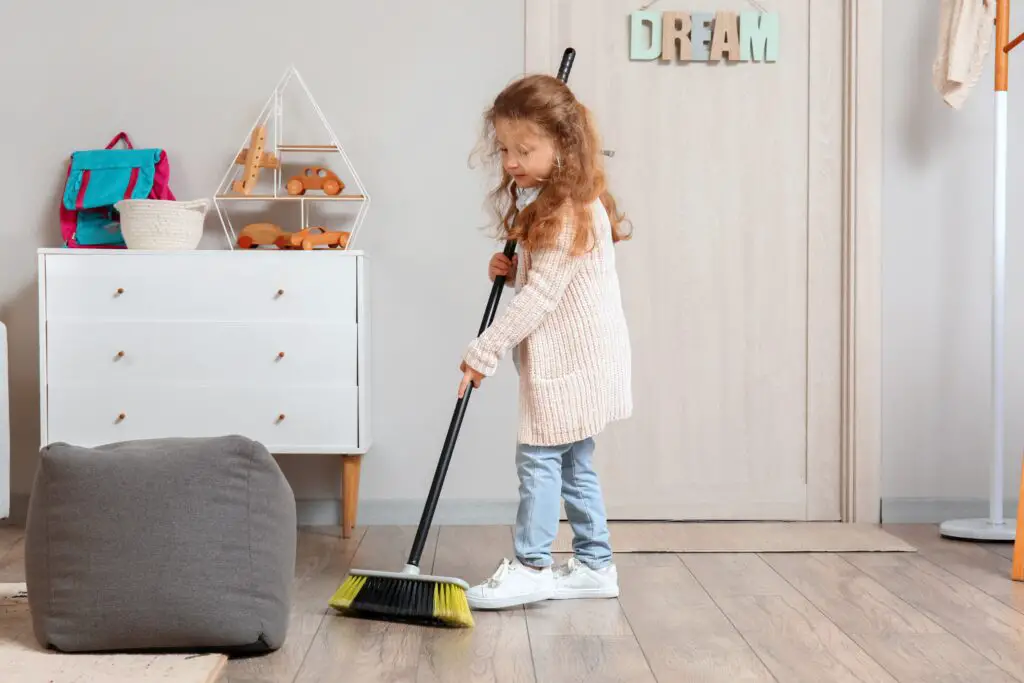
Losing things taught quick lessons. You learned responsibility through consequences, not lectures. Remembering jackets, lunchboxes, and books became your job. That independence mattered.
Later in life, that habit supported confidence in managing details. You trusted yourself to stay organized. Small responsibilities no longer felt overwhelming. Confidence grew from reliability.
14. Following Through on Chores Without Reminders

Doing chores without being asked showed internal motivation. It meant noticing what needed to be done and acting on it. That awareness felt mature even if no one commented. It became part of who you were.
As an adult, that translated into confidence rooted in self awareness. You did not need external pressure to take responsibility. Initiative felt natural. Confidence grew from knowing you could lead yourself.