
1. Doing Your Own Laundry
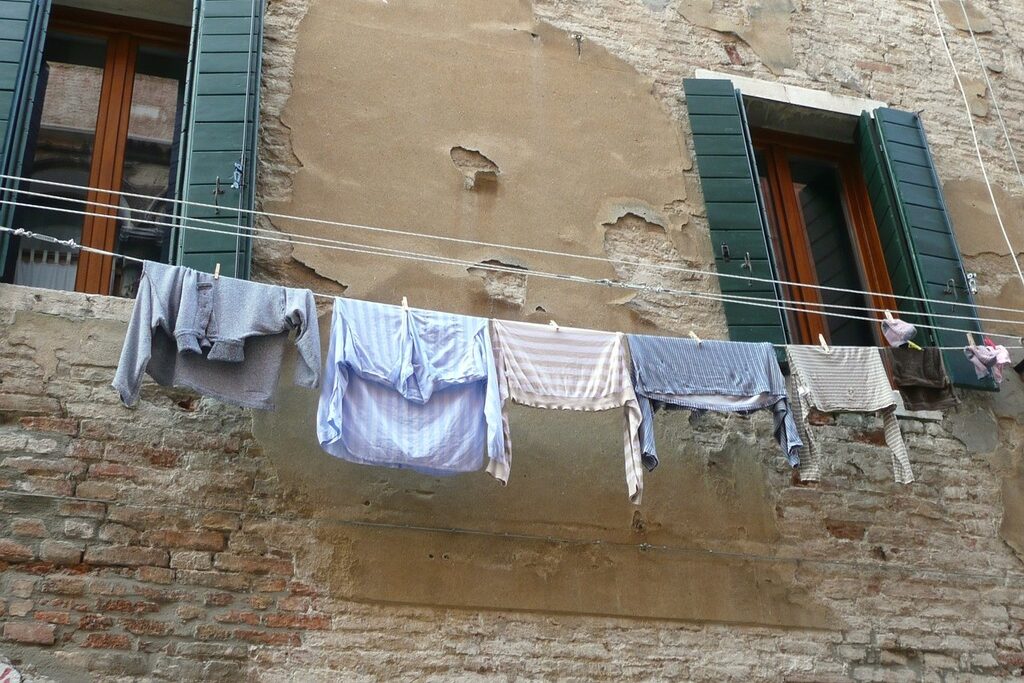
Sorting through a mountain of clothes was usually the first time we realized that our favorite shirts didn’t just magically reappear in the drawer clean and folded. It started with the high-stakes gamble of separating whites from colors, hoping a rogue red sock wouldn’t turn everything pink. You had to learn the cryptic language of detergent measurements and the difference between “permanent press” and “delicate.” This chore was less about the bubbles and more about the realization that looking presentable takes actual effort.
Once the machine finished its cycle, the real test of endurance began with the folding process. Leaving a damp load in the washer for three days taught you a smelly lesson about consequences and the necessity of timing. Finding a rhythm in matching socks and tucking away shirts built a sense of personal pride in your appearance. By the time you were doing your own loads regularly, you weren’t just washing fabric; you were managing a personal cycle of preparation.
2. Washing the Family Dishes
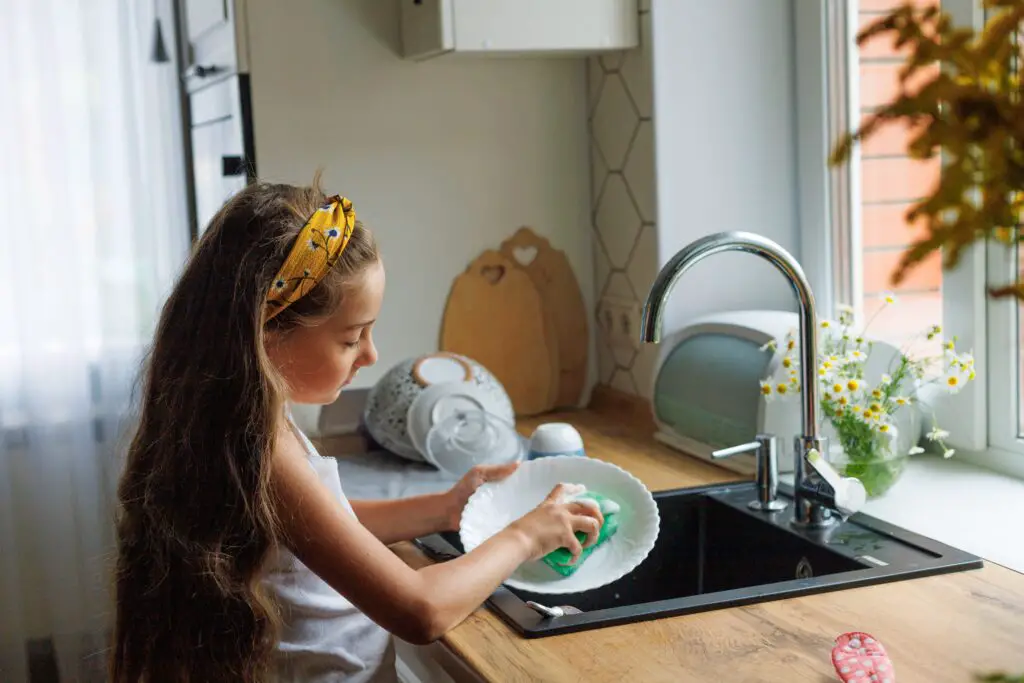
Standing over a sink full of lukewarm, soapy water felt like an eternity when you were ten years old. There was a specific kind of dread associated with touching a soggy piece of leftover food at the bottom of the basin. You learned quickly that soaking a pan was a legitimate strategy, but scrubbing it required actual grit and elbow grease. This chore forced you to face the aftermath of a meal and understand that the “fun” part of eating always came with a cleanup cost.
Beyond the physical scrubbing, drying and putting everything back in its rightful place taught you about spatial organization and household flow. If you didn’t stack the bowls correctly, the whole cabinet would become a chaotic hazard for the next person. It was an early lesson in how your individual actions—or lack thereof—directly affected the rest of the group. Completing the task meant the kitchen was officially closed, providing a quiet sense of closure and a job well done.
3. Mowing the Lawn
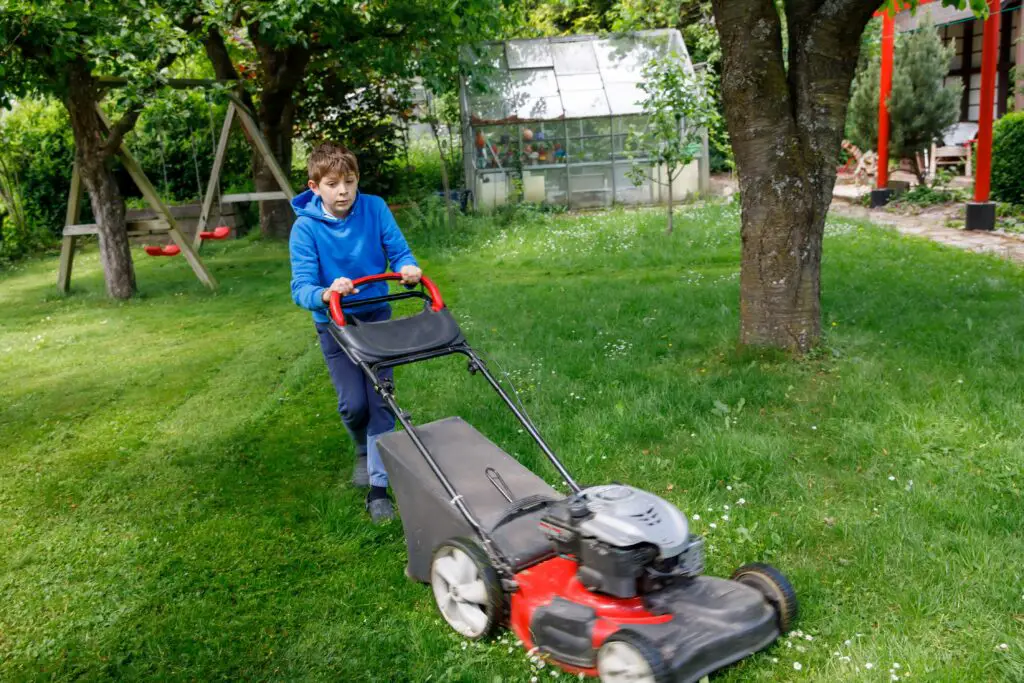
The roar of the lawnmower was the official soundtrack of a summer Saturday morning, and being old enough to push it was a major rite of passage. You had to learn how to prime the engine, pull the cord with just the right amount of force, and navigate straight lines across the grass. There was a physical demand to it that other indoor chores lacked, requiring you to stay hydrated and push through the heat. It was your first real taste of manual labor and the satisfaction of seeing a visible transformation in your environment.
Mowing also taught you the importance of precision and safety, as you had to watch out for hidden rocks or the occasional garden hose. If you missed a patch, it stood out like a sore thumb, forcing you to go back and fix your mistakes. Finishing the yard gave you a sense of ownership over the home’s curb appeal and a deep appreciation for air conditioning. It was a tiring, sweaty process that quietly instilled a work ethic that would eventually translate to the professional world.
4. Setting and Clearing the Table

It seemed like a simple task, but placing the forks on the left and the knives on the right was an early exercise in etiquette and routine. You were the one responsible for creating the environment where the family would eventually gather to connect. This chore taught you to anticipate the needs of others, like making sure there were enough napkins or remembering the salt and pepper shakers. It was a repetitive ritual that emphasized the importance of structure before a shared event.
When dinner ended, clearing the table was the final act of the mealtime play. You had to navigate the delicate balance of stacking plates without causing a landslide or spilling leftover gravy. It taught you that the transition from one activity to the next requires a period of resetting and cleaning. By handling the dishes and wiping down the table, you learned that being part of a household means contributing to the common areas.
5. Taking Out the Trash
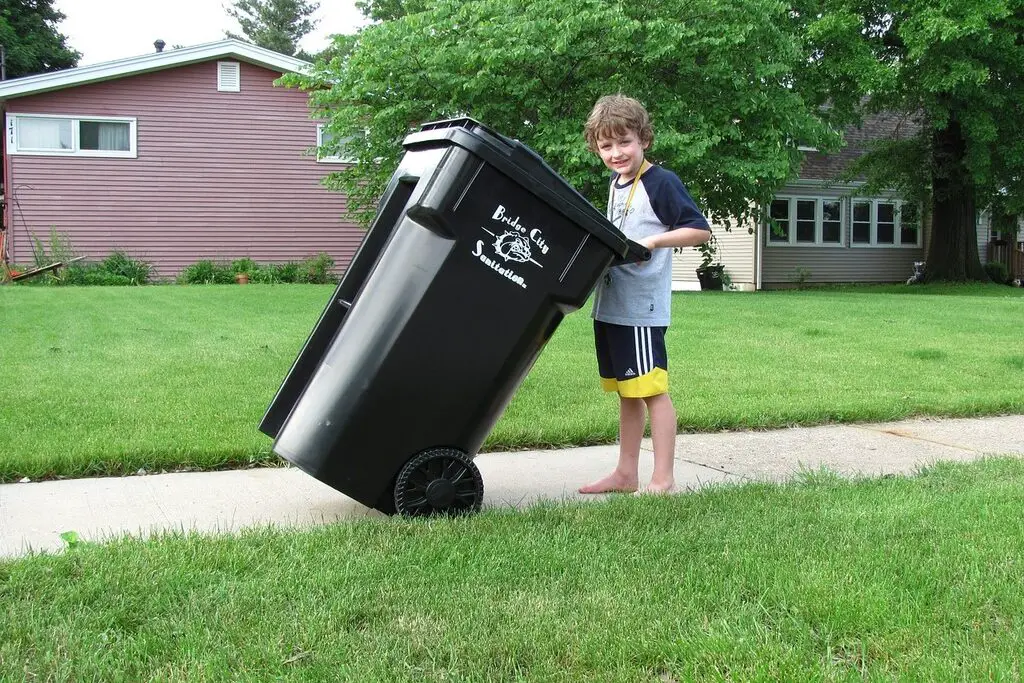
Taking the trash to the curb was a lesson in consistency and the inevitable buildup of life’s waste. It was usually a race against the sound of the garbage truck rumbling down the street early in the morning. You learned the hard way that if you forgot the “bin day,” you would be stuck with the smell of old leftovers for another entire week. This chore taught you to pay attention to schedules and the importance of being reliable for the sake of the household.
There was also the physical aspect of hauling heavy bags that were sometimes prone to leaking or tearing. You had to learn how to double-bag the risky loads and secure the lids against curious neighborhood animals. It wasn’t a glamorous job, but it was essential for keeping the home environment healthy and organized. Mastering the trash run meant you understood that someone has to do the “dirty work” to keep things running smoothly.
6. Making Your Bed

Every morning began with the simple, somewhat annoying task of pulling up the covers and straightening the pillows. It felt redundant since you were just going to mess it up again in twelve hours, but that wasn’t the point. This chore was your first daily win, a way to complete a task before the rest of the world even started their day. It taught you that small, disciplined actions lead to an organized mind and an inviting living space.
Coming home to a made bed at the end of a long day provided a sense of order that a messy room simply couldn’t offer. You learned that you were the primary beneficiary of your own hard work and that self-care starts with your immediate surroundings. It’s a habit that many adults carry into their lives to maintain a sense of control over their environment. This small ritual quietly reinforced the idea that how you do anything is how you do everything.
7. Raking Leaves in the Fall
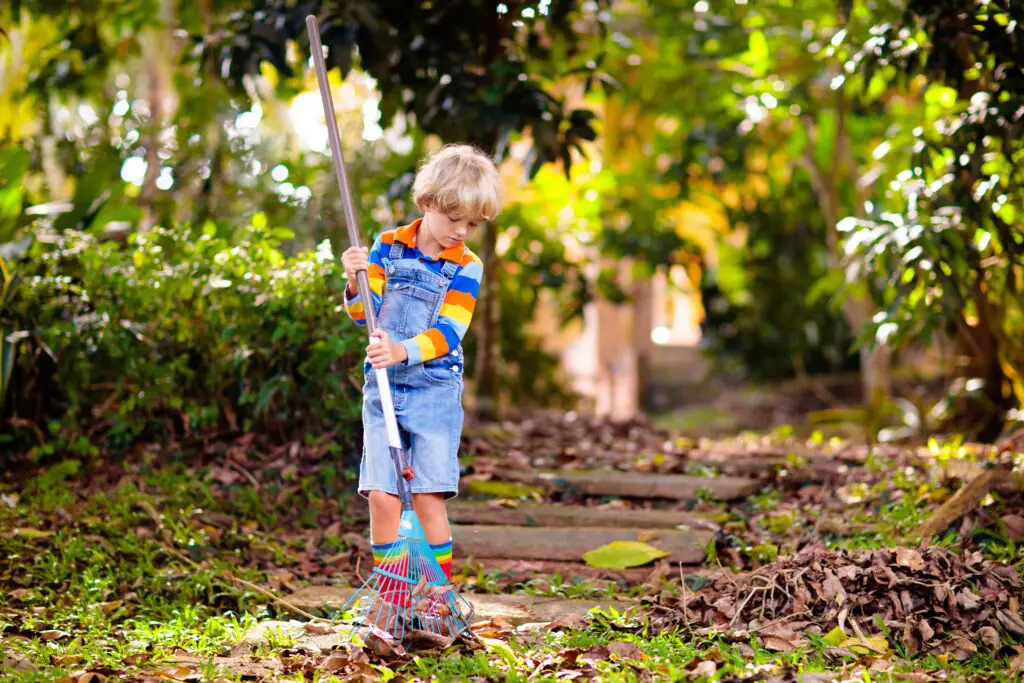
Raking leaves was a seasonal battle against nature that required patience and a very large supply of brown paper bags. You would spend hours gathering vibrant oranges and reds into neat piles, only for a gust of wind to scatter them back across the yard. This chore taught you about the cyclical nature of work and the need for persistence in the face of setbacks. It was a physical, outdoor task that allowed you to enjoy the crisp air while contributing to the yard’s maintenance.
The best part, of course, was the permission to jump into the piles once the hard work was mostly finished. It balanced the necessity of the chore with a bit of childhood joy, showing that work and play aren’t always mutually exclusive. However, you still had to bag them up afterward, which taught you that the fun parts of life usually involve a cleanup phase. It was a lesson in seeing a large project through from the first leaf to the final tied bag.
8. Feeding the Family Pets

Being responsible for another living creature’s dinner was a heavy burden for a child, but it was incredibly grounding. You learned that your dog or cat relied entirely on you for their most basic needs, which fostered a sense of empathy and duty. It wasn’t a chore you could skip just because you were tired or wanted to play video games. The bowl had to be filled, and the water had to be fresh, regardless of your personal schedule or mood.
This routine taught you the importance of a schedule, as pets are often the most demanding alarm clocks. You noticed the subtle cues of hunger or gratitude, building a non-verbal bond through the simple act of service. It was an early introduction to the concept of caregiving and the selflessness required to look after someone else. Over time, this daily task turned into a deep sense of companionship and a lesson in unconditional reliability.
9. Vacuuming the Carpets
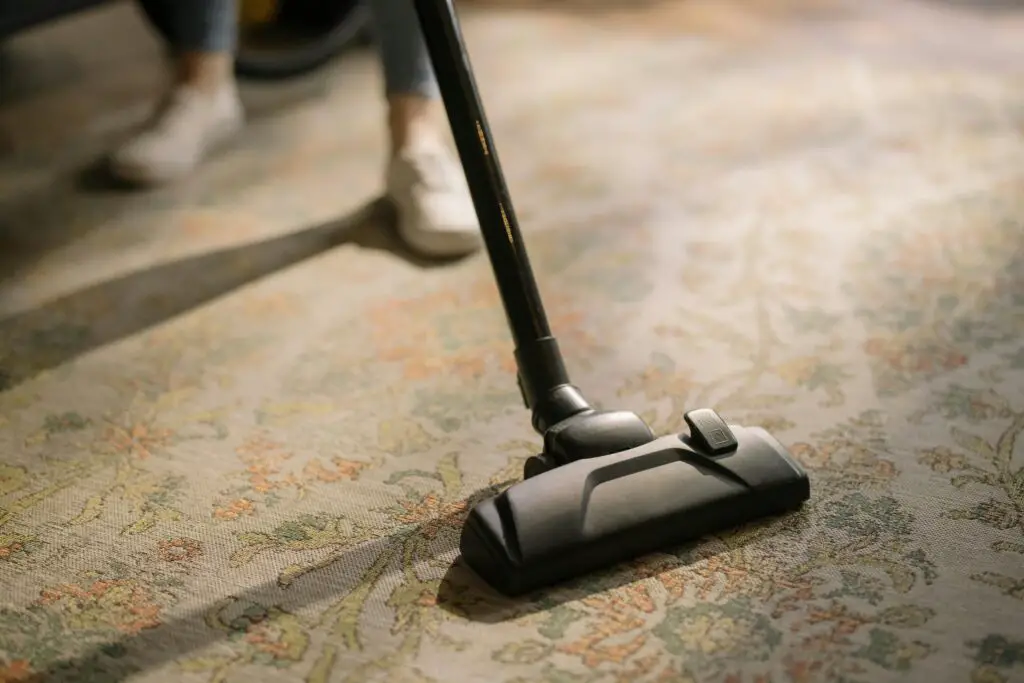
The loud hum of the vacuum cleaner and the satisfying “click-clack” of debris being sucked up were strangely rewarding. You had to learn the art of the overlapping line to ensure every inch of the floor was actually clean. It was a chore that required you to move furniture and reach into dark corners, teaching you that thoroughness is better than a quick fix. You became hyper-aware of how quickly dust and dirt can accumulate when nobody is paying attention.
Emptying the vacuum canister or changing the bag was the final, somewhat dusty step of the process. Seeing the physical evidence of the dirt you removed gave you a tangible sense of accomplishment. It taught you that maintenance is an ongoing battle and that a clean environment requires active participation. Vacuuming wasn’t just about the floor; it was about taking pride in the details of your home’s upkeep.
10. Pulling Weeds in the Garden
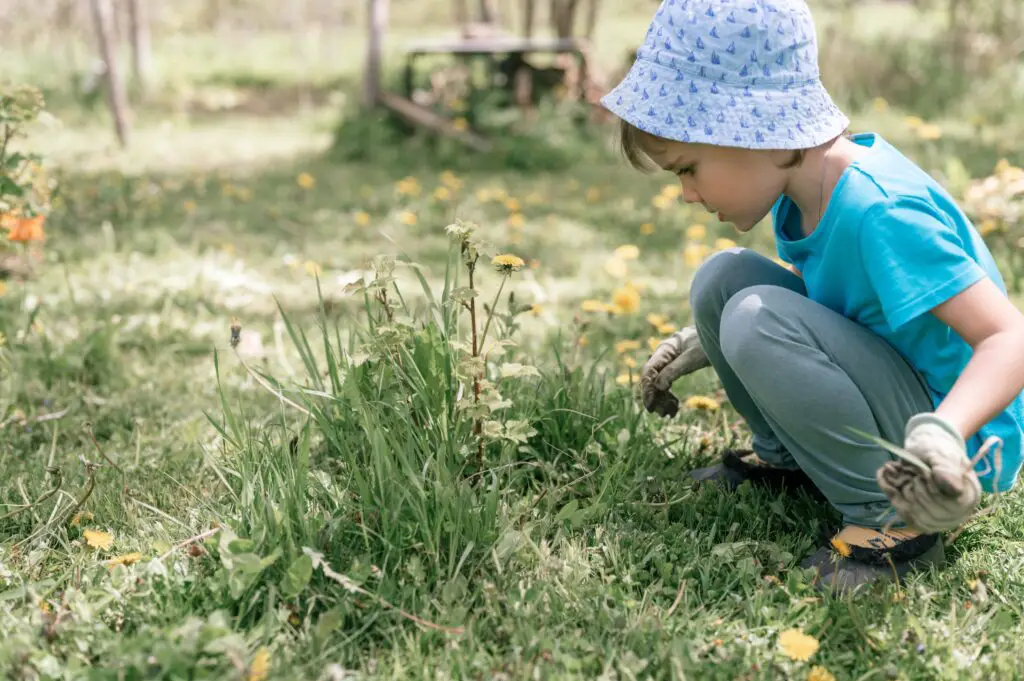
Pulling weeds was a tedious, back-breaking chore that required a surprising amount of discernment. You had to learn the difference between a sprouting flower and a stubborn invader that was trying to choke out the garden. It taught you that if you don’t handle problems while they are small, they will eventually take over the whole yard. This was an early lesson in proactive maintenance and the value of patience when dealing with repetitive tasks.
There was a unique satisfaction in pulling a weed out by the very tip of its root, ensuring it wouldn’t return the following week. It was a meditative process that forced you to slow down and pay close attention to the earth beneath your fingernails. You learned that growth requires a clean slate and that beauty often involves a lot of unglamorous preparation. By the end of the afternoon, your sore back was a badge of honor for a job well done.
11. Folding the Grocery Bags

After a big trip to the store, the kitchen floor was usually covered in a sea of paper or plastic bags. Your job was to smooth them out, fold them into neat squares or triangles, and tuck them away for future use. This chore taught you about resourcefulness and the value of keeping things that might be useful later. It was a quiet, domestic task that emphasized organization and the importance of reducing waste within the household.
Finding the “bag of bags” under the sink was a staple of many childhoods and a lesson in inventory management. You learned that even the smallest items deserve a designated place so they don’t become clutter. It was a simple way to contribute to the family’s efficiency without needing any special tools or skills. This task reinforced the idea that a functional home is built on a foundation of small, organized systems.
12. Dusting the Bookshelves

Dusting was the ultimate test of patience because it involved moving every single item just to clean the surface beneath it. You had to be careful with fragile knick-knacks and learn how to handle books without damaging their spines. It was an exercise in mindfulness, as rushing through it would only result in smearing the dust rather than removing it. This chore taught you that some tasks require a gentle touch and a significant amount of time to do correctly.
As you wiped down the shelves, you often rediscovered forgotten treasures or books you hadn’t looked at in years. It turned a boring task into a moment of reflection and appreciation for the things your family owned. You learned that maintaining your possessions is just as important as acquiring them in the first place. By the time the rags were dirty and the shelves were shining, you felt a renewed sense of order in your personal world.
13. Sweeping the Porch or Sidewalk
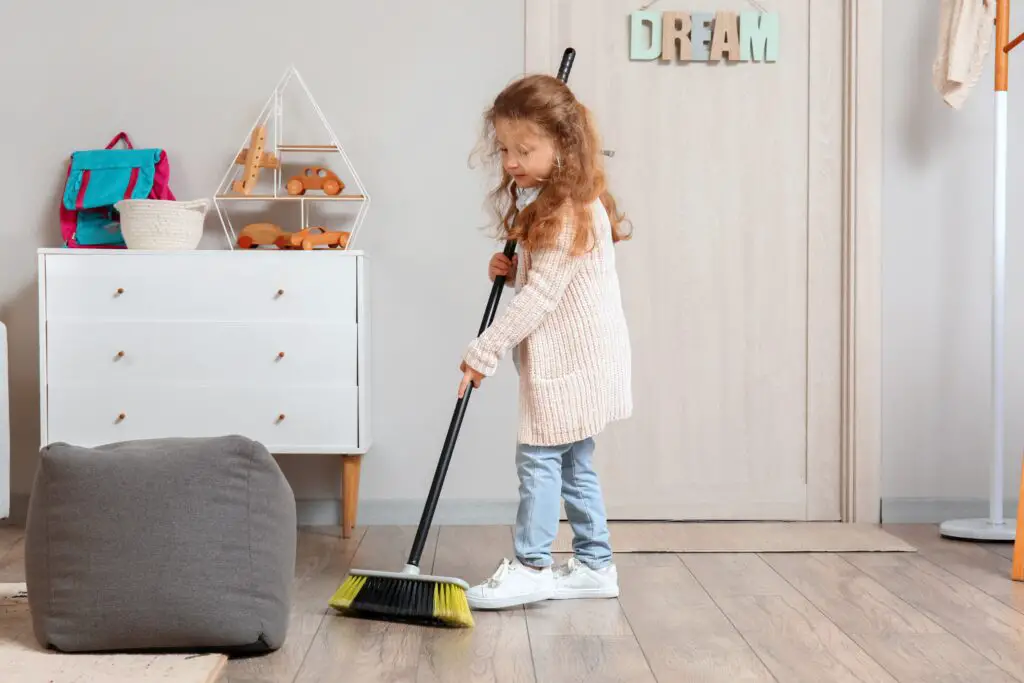
Sweeping the outdoors felt a bit like trying to clean the whole world, but it was essential for a welcoming entryway. You learned how to use a broom effectively, pushing the dirt away from the door rather than just moving it around. It was a chore that connected you to the neighborhood, as you’d often wave to neighbors or watch the street while you worked. This task taught you about the “buffer zone” between your private home and the public space outside.
Clearing away spiderwebs, dried leaves, and stray pebbles gave the house a polished look that didn’t go unnoticed. You realized that first impressions matter and that a clean porch made the whole house feel more inviting. It was a simple way to take pride in your home’s exterior and understand the importance of curb appeal. Sweeping was a repetitive motion that allowed your mind to wander while your hands stayed busy and productive.
14. Helping with Meal Prep

Being the designated “vegetable chopper” or “stirrer” meant you were the sous-chef in the family kitchen. You had to learn how to handle a knife safely, measure ingredients accurately, and follow a series of instructions in order. This chore was your first real introduction to the chemistry of cooking and the labor that goes into every meal. It taught you that nourishment isn’t just about eating; it’s about the careful assembly of different elements to create something better.
Waiting for the water to boil or the oven to preheat taught you the value of timing and patience in the kitchen. You began to understand the effort behind the food on your plate, which made you a lot less likely to complain about dinner. It was a collaborative effort that ended with a tangible, delicious reward that the whole family could enjoy together. Learning to prep a meal was the ultimate step toward independence, proving you could eventually take care of yourself.