
1. Hanging Laundry on the Clothesline
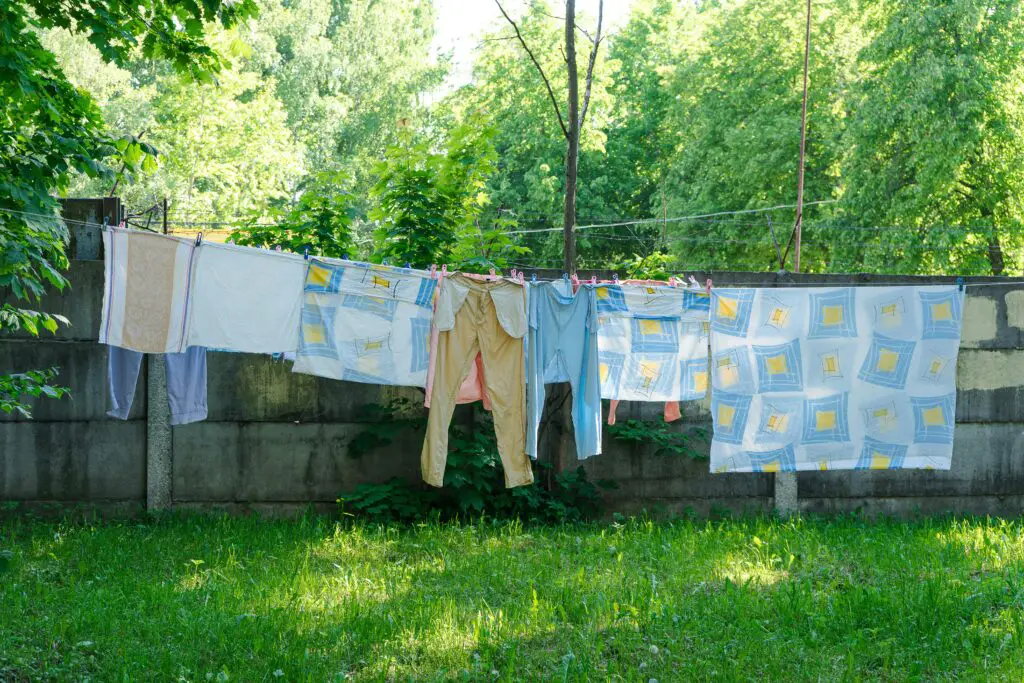
Before dryers became the default, a lot of kids learned how to hang wet clothes outside, and it was more of a skill than it looked. You had to shake out wrinkles, space things evenly so they would dry, and pay attention to the weather. If clouds rolled in, you learned to hustle and get everything inside fast. Clothespins pinched your fingers, but you figured out better grip and hand strength without even realizing it. There was also a quiet satisfaction in seeing a full line of clean sheets flapping in the breeze. It taught patience, timing, and a surprising amount of problem solving. Even the smell of sun dried laundry felt like a small reward for doing it right.
Today most people toss everything into a machine and walk away, which means that hands on awareness is mostly gone. You rarely think about airflow, moisture, or fabric weight anymore. Kids also miss out on learning how to care for clothes in a more mindful way. There was pride in knowing you could handle a full load without help. It quietly built responsibility and follow through. You also learned to notice details like twisted sleeves or sagging lines. Those little habits carried over into other parts of life more than anyone realized.
2. Washing Dishes by Hand
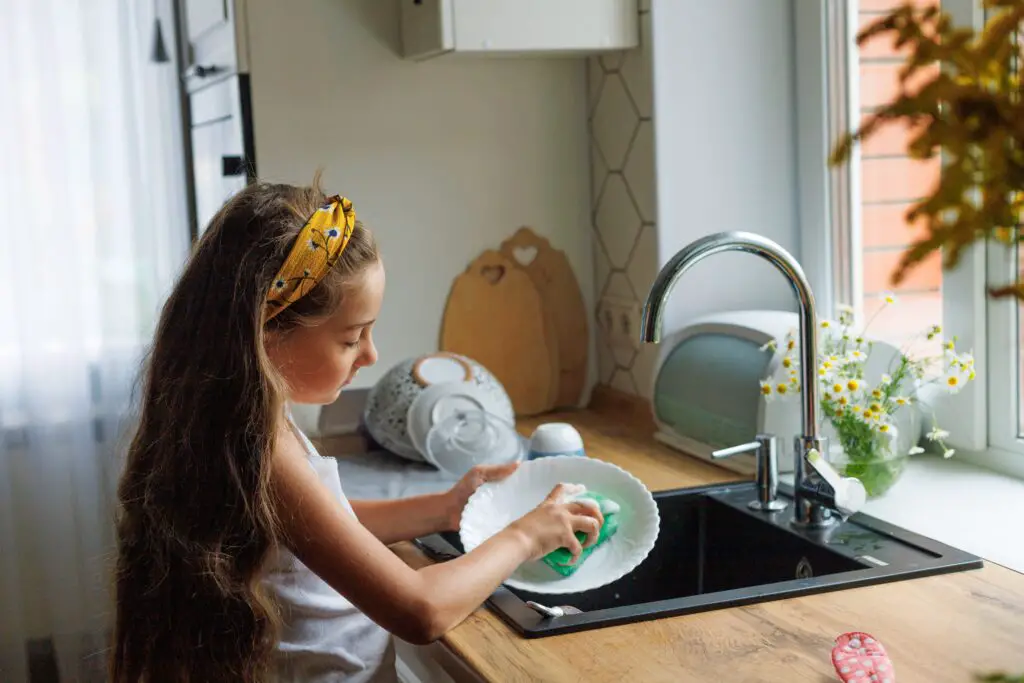
Standing at the sink after dinner was a nightly ritual in many households. You learned how to scrape plates properly, stack them so they fit, and keep the water from getting gross too fast. Hot water toughened your hands, and you figured out which foods needed extra soaking. Breaking a glass taught you to slow down and pay attention. There was a rhythm to washing, rinsing, and drying that felt oddly calming once you got used to it. You learned efficiency without anyone calling it that. It also taught basic hygiene and how to leave something truly clean.
Dishwashers do most of that work now, and the skill side of it barely registers anymore. Many kids never learn how to organize a sink or manage a workflow. The sense of responsibility that came from clearing the whole kitchen has faded. You also lose the chance to practice patience when the job takes longer than expected. It was a simple chore that quietly built focus and consistency. Those habits translate into other tasks later in life. It was less about the dishes and more about learning how to finish what you start.
3. Mowing the Lawn
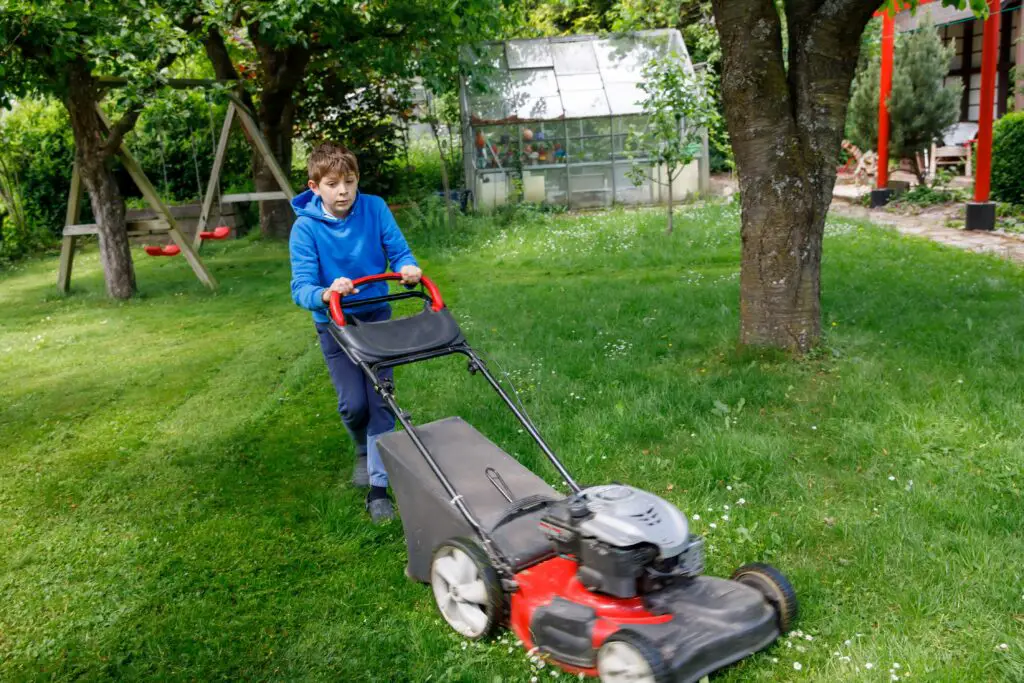
Mowing the lawn felt like a big kid chore, especially the first time you were trusted with the mower. You learned how to push in straight lines, overlap rows, and avoid scalping the grass. You had to watch for rocks, sticks, and sprinkler heads so nothing went flying. It was physical work that built stamina and coordination. You also learned to judge when the grass actually needed cutting instead of just doing it on autopilot. The smell of fresh cut grass became tied to a sense of accomplishment. It was one of those chores that made you feel capable.
Now many families hire lawn services or use automated equipment, so fewer kids learn those basics. There’s less opportunity to build confidence through hands on outdoor work. You also miss out on understanding seasonal maintenance and simple equipment care. Learning how to start a mower, refuel safely, and clean it afterward was practical knowledge. It reinforced responsibility because mistakes had visible consequences. You could literally see your work across the whole yard. That kind of tangible feedback is harder to come by today.
4. Balancing the Checkbook for the Family

Some parents actually showed kids how to track spending in a checkbook register. You learned to subtract deposits and payments carefully and double check your math. If you made a mistake, the numbers didn’t line up, and you had to find the error. It taught attention to detail and basic financial awareness early. You also learned that money wasn’t unlimited and choices had consequences. Seeing bills written out made expenses feel real instead of abstract. It was a quiet introduction to budgeting and responsibility.
Digital banking has made most of that invisible now. Numbers update automatically, and fewer people understand how balances actually move. Kids miss the chance to practice manual tracking and error correction. The connection between spending and available funds feels more distant. Learning this early helped build financial confidence later. It also encouraged careful decision making. That hands on experience created a foundation many people now have to relearn as adults.
5. Cooking a Simple Family Meal
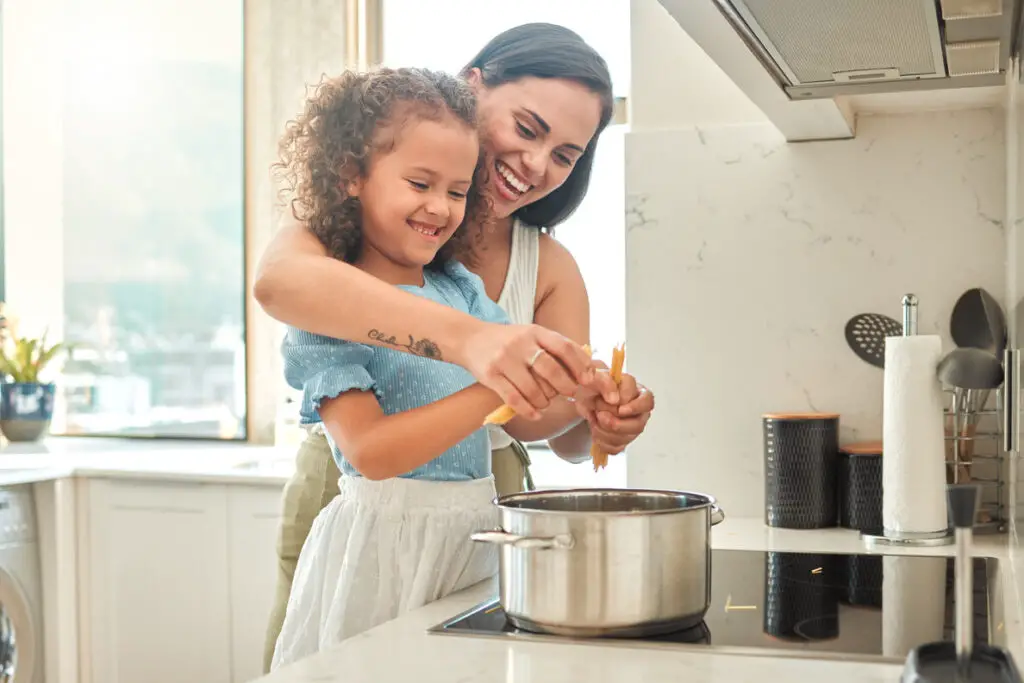
Being trusted to make dinner, even something basic, felt like a big step. You learned how to follow instructions, measure ingredients, and manage timing so everything finished together. Burning something taught you to adjust heat and pay attention. You also learned kitchen safety, from handling knives to not touching hot pans. There was pride in feeding your family something you made yourself. It encouraged independence and creativity in small ways. Even mistakes became learning moments.
Today many meals come from delivery apps, frozen boxes, or pre prepared kits. Kids often miss learning how to plan and execute a meal from scratch. Basic cooking builds confidence and self reliance. It also teaches organization and multitasking. When you know how food comes together, you’re less intimidated by the kitchen later. That comfort level is harder to build if you never practiced early on. Cooking used to be a life skill, not just a hobby.
6. Cleaning and Organizing a Bedroom
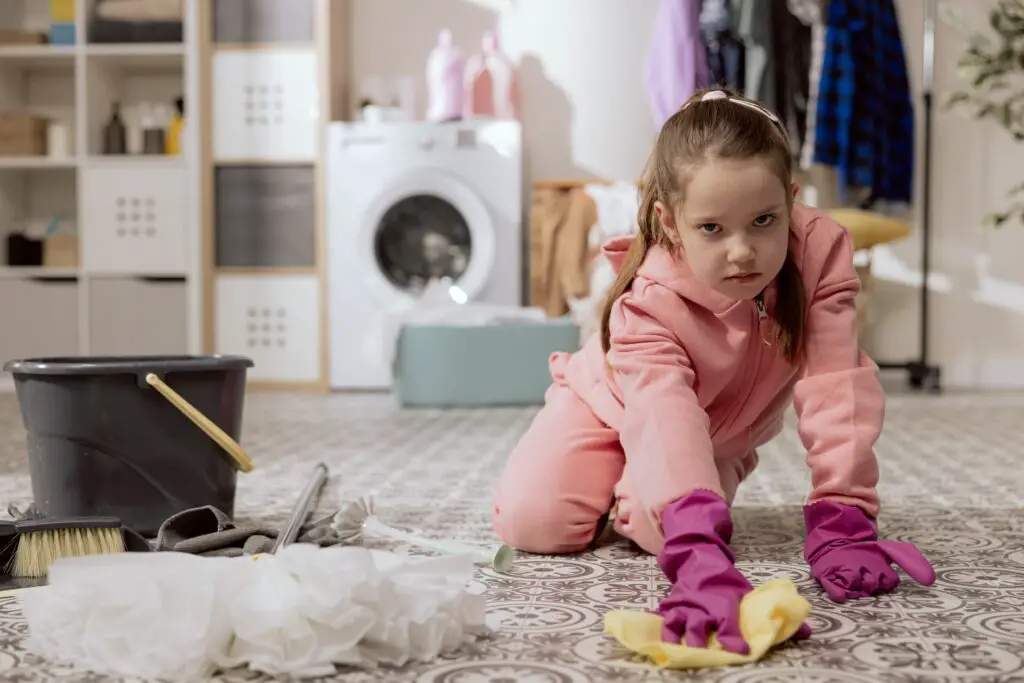
Keeping your room clean wasn’t just about appearances, even if it felt that way at the time. You learned how to sort belongings, decide what stayed out, and what got put away. Making the bed taught consistency and attention to small details. You also learned how clutter affected your mood and focus, even if you couldn’t name it yet. Losing things taught you the value of organization quickly. There was satisfaction in seeing a tidy space you controlled. It created a sense of ownership and pride.
Now storage solutions and minimal routines are often handled by adults or outsourced to organization systems. Kids sometimes miss learning how to manage their own spaces independently. The ability to create order from mess is a transferable skill. It helps with time management, mental clarity, and decision making. When you learn it young, it feels natural instead of overwhelming. That foundation supports many adult responsibilities. A clean room was really practice for managing life.
7. Shoveling Snow or Raking Leaves

Seasonal yard work taught endurance and planning in a way few modern chores do. You learned how to pace yourself so you didn’t burn out halfway through the driveway or yard. Wet leaves and heavy snow forced you to adjust your technique. You also learned how weather could change your workload overnight. There was teamwork involved when siblings pitched in together. The job wasn’t glamorous, but the results were immediate and visible. It built grit without calling it grit.
Today many people rely on snow blowers, landscaping services, or maintenance crews. Kids lose chances to experience physical responsibility tied to weather and seasons. You also miss learning how preparation makes hard jobs easier. Clearing a path for the family felt meaningful. It reinforced reliability and follow through. Those lessons don’t always show up in screen based tasks. Outdoor chores built resilience in quiet ways.
8. Caring for Younger Siblings for Short Periods
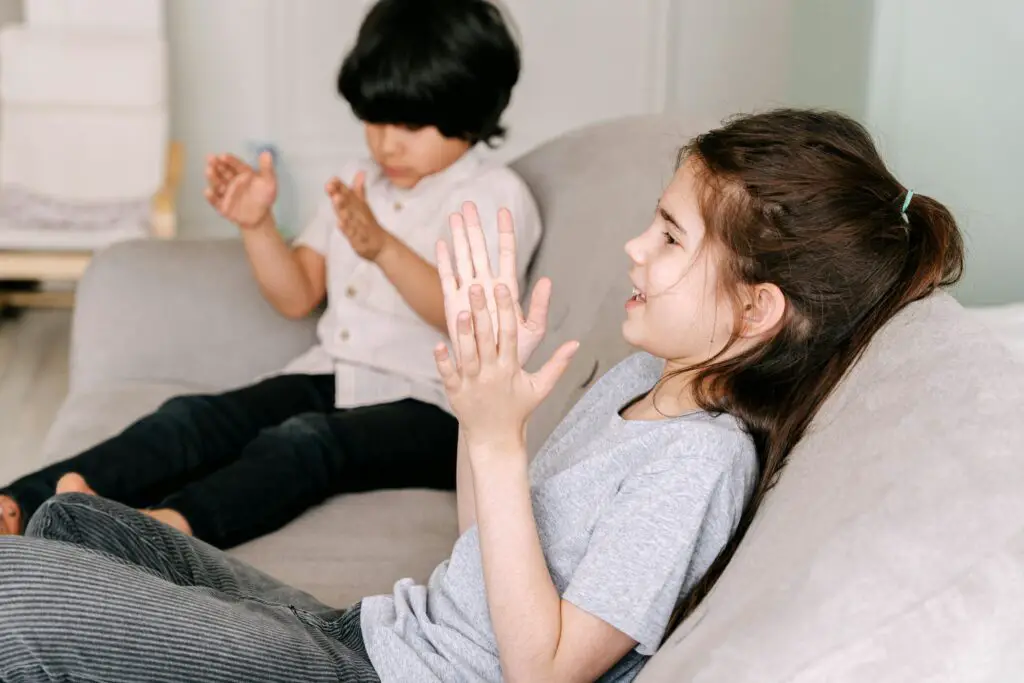
Babysitting a younger sibling for an hour or two was a crash course in responsibility. You learned how to keep someone safe, entertained, and calm at the same time. Problem solving kicked in fast when tears, spills, or boredom showed up. You developed patience and empathy without realizing it. It also built confidence in your ability to handle real world responsibility. Small successes felt big when you managed everything on your own. You learned how to anticipate needs instead of reacting late.
Today supervision is often more structured, with sitters, programs, or constant adult presence. Kids may miss chances to build leadership and caregiving instincts early. Learning how to manage another person’s needs builds emotional intelligence. It also teaches accountability in a very real way. Those skills translate into teamwork and communication later. Even short stints mattered more than they seemed. It was training for maturity long before adulthood.
9. Washing and Maintaining the Family Car
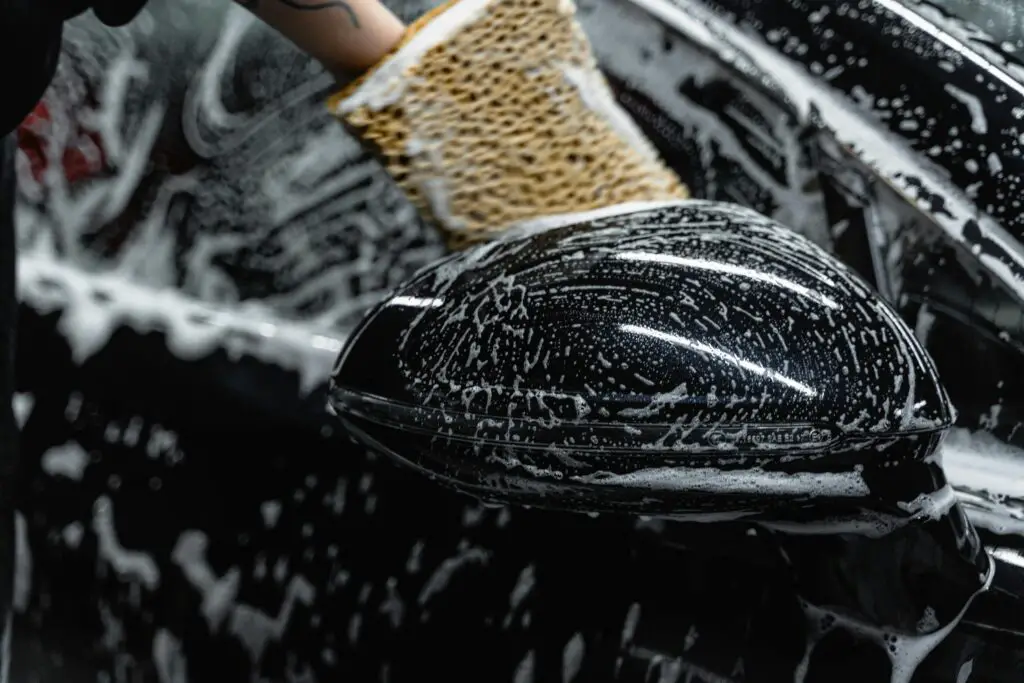
Helping wash the car taught more than just how to use soap and a hose. You learned how dirt builds up, where grime hides, and why regular care matters. Drying without streaks took patience and technique. You also learned pride in maintaining shared property. Checking tires or wiping dashboards introduced basic vehicle awareness. It made you notice details you’d normally ignore. The finished shine felt like visible proof of effort.
Automatic car washes and professional detailing have replaced most of that hands on learning. Kids may grow up without understanding basic maintenance habits. That awareness can affect how responsibly people treat their belongings later. Small care routines prevent bigger problems down the road. Learning that early builds respect for tools and vehicles. It also reinforces consistency and pride in upkeep. Those lessons quietly carry forward into adulthood.
10. Running Small Errands on Foot or Bike
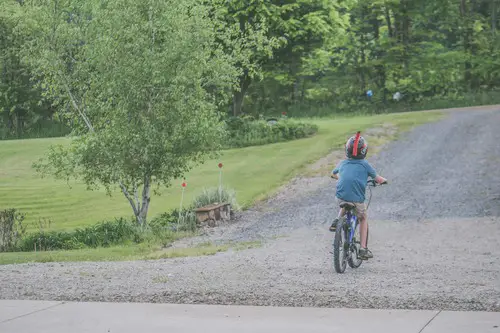
Being sent to the store with a short list taught independence fast. You learned how to navigate streets safely, handle money, and remember instructions. If you forgot something, you owned the mistake and corrected it. You also learned time awareness and responsibility. It built confidence in your ability to move through the world alone. Small conversations with shop clerks strengthened social skills. The freedom felt earned and exciting.
Today errands are often bundled into car trips or delivery apps. Kids have fewer chances to practice independent navigation and decision making. Learning how to manage small tasks builds self trust. It also encourages problem solving in real situations. Those micro experiences add up over time. Independence grows from small responsibilities, not big leaps. Errands used to quietly prepare kids for adulthood.
11. Fixing Simple Household Problems
Tightening loose screws, replacing light bulbs, or unclogging drains were common kid assisted tasks. You learned how tools worked and how systems fit together. Mistakes taught caution and respect for safety. It built mechanical curiosity and confidence. You also learned that many problems could be solved without calling for help. There was satisfaction in making something work again. It encouraged hands on learning instead of avoidance.
Now many people outsource even simple fixes or avoid them entirely. Kids may grow up unsure how to troubleshoot basic household issues. That can create unnecessary dependence later in life. Learning repair skills builds resilience and confidence. It teaches patience and logical thinking. Those skills transfer to many non physical problems as well. Fixing things builds a mindset of capability.
12. Sorting and Folding Laundry

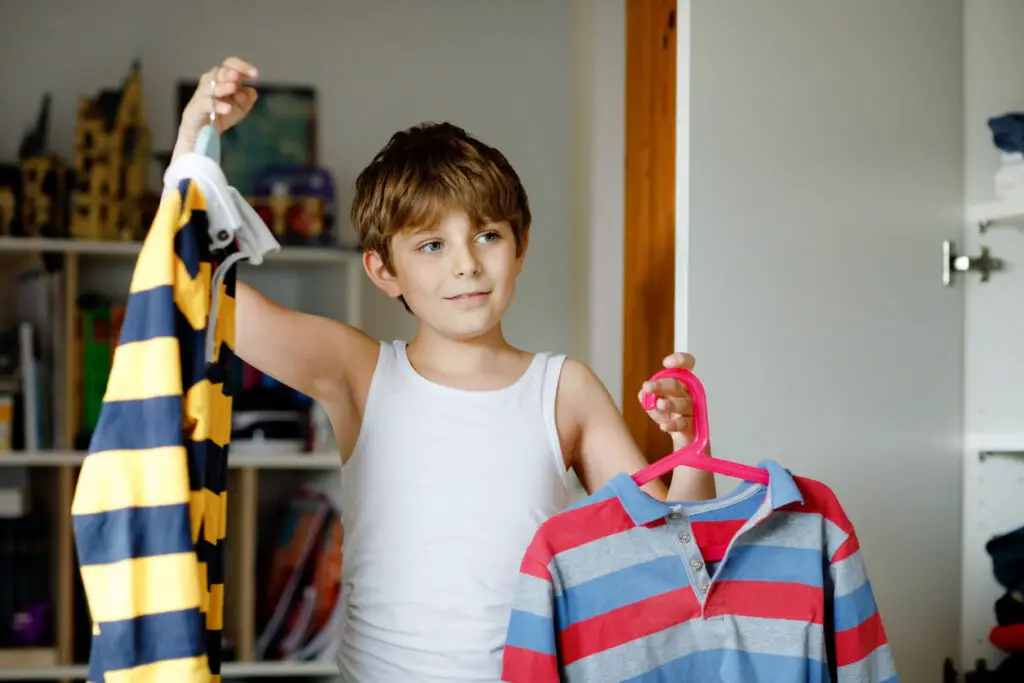
Folding laundry taught organization, spatial awareness, and consistency. You learned how to match socks, smooth wrinkles, and stack neatly. It encouraged attention to detail and completion. You also learned how different fabrics behaved. Keeping piles separated prevented chaos later. There was a calming rhythm to the task once you mastered it. It reinforced personal responsibility for belongings.
Now many people live out of baskets or rely on shortcuts. Kids may miss learning how systems reduce stress and clutter. Small habits like folding create order in daily life. That order supports mental clarity and time management. Learning this young makes adulthood feel more manageable. It also reinforces pride in maintaining your space. Laundry was never just laundry, it was quiet skill building.