
1. Monopoly
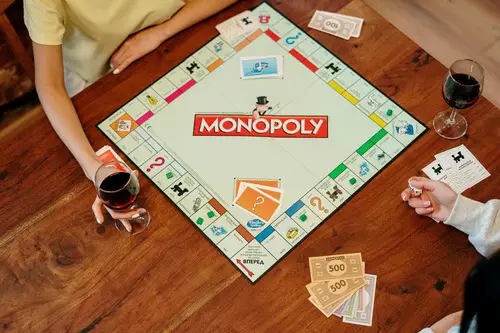
It’s honestly impressive how quickly a friendly round of Monopoly could turn into a full family meltdown. Someone always played banker a little too seriously, someone else always snatched the dog token first, and before you knew it, rent disputes were happening like you were all running actual real estate empires. Half the drama came from those brutal “Pay $200” moments that lurked behind every corner. And if someone landed on Boardwalk with a hotel, it might as well have been the end of the world.
The game had a way of dragging on long after anyone was still having fun, which only made the tension worse. No one wanted to be the first to quit, but everyone wanted to be anywhere except stuck in jail for the third turn in a row. Even the most peaceful households had at least one legendary Monopoly fight that became family lore. To this day, many folks refuse to play it unless they’ve had a deep breath and maybe a snack first.
2. Uno
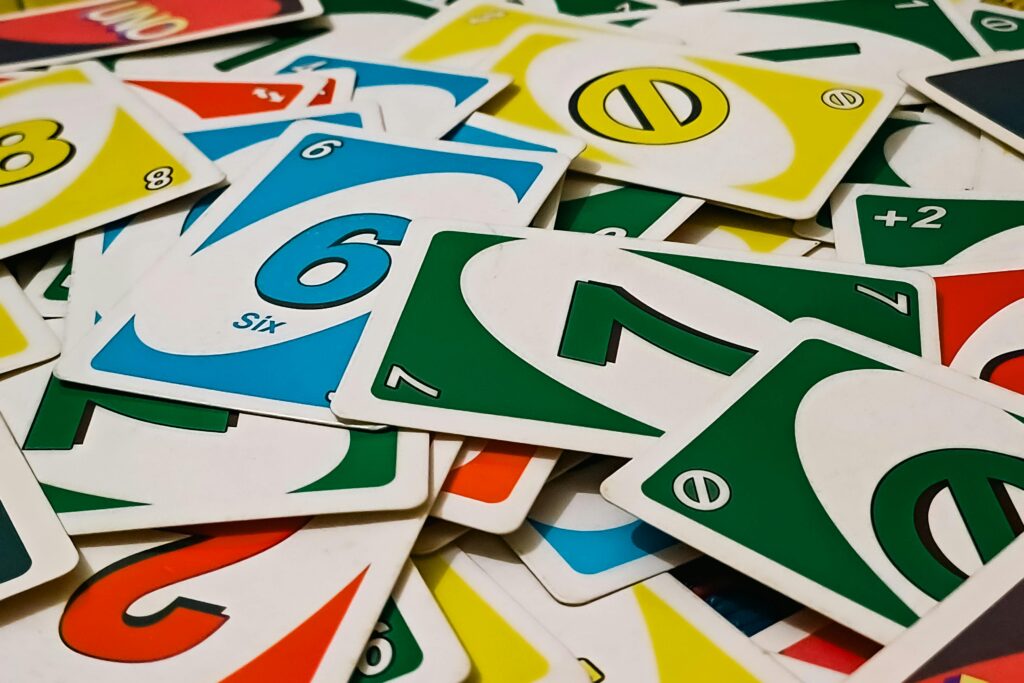
Uno brought out everyone’s inner trickster, and it didn’t matter if you were playing with siblings, cousins, or grandparents, the chaos was always guaranteed. There was nothing more personal than someone hitting you with a Draw Four when you were down to one card. The reverse cards alone could inspire passionate speeches about fairness and decency. And if someone forgot to say “Uno,” well, all bets were off.
What made Uno so explosive was how fast the entire mood could flip. You could be winning one minute and drowning under a pile of penalty cards the next. People remembered grudges for entire rounds, plotting their revenge with every color change. Even now, families still argue over whether stacking Draw Twos is allowed.
3. Sorry!
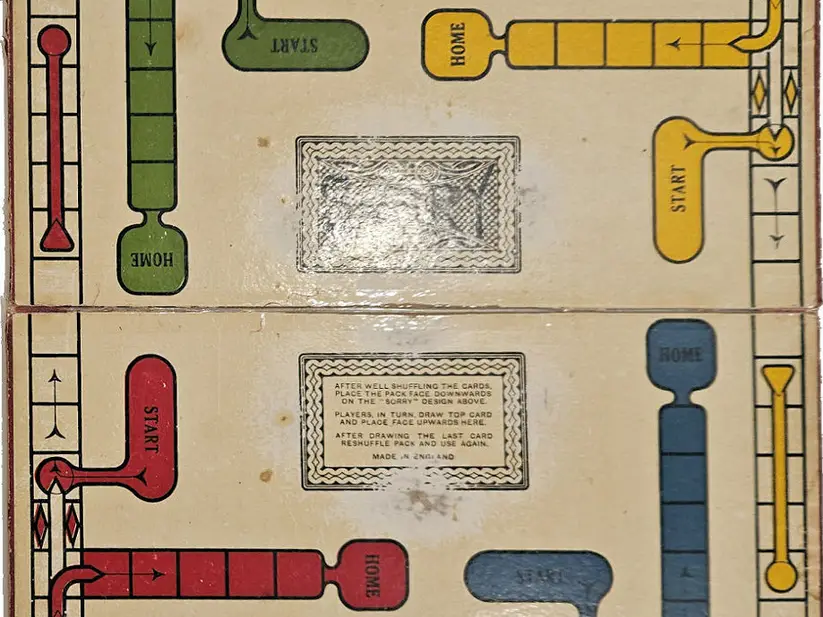
The name sounded polite, but everyone knew Sorry! was anything but. The whole point was to knock someone back to the start and pretend you felt bad about it. Kids learned early on that a fake “sorry!” with a grin could be the ultimate sibling power move. And of course, the person getting bumped never took it gracefully.
Its bright and cheerful board didn’t fool anyone, because beneath that candy-colored design lived pure competitive spite. You could be three spaces from home and still lose it all at the last second. By the end of the game, someone was usually sulking, and someone else was pretending they hadn’t done anything wrong. Sorry! really taught emotional resilience before therapy was mainstream.
4. Risk
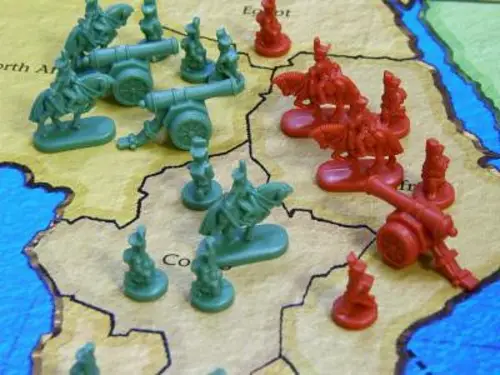
Risk was supposed to be about strategy, but it usually devolved into someone getting way too attached to conquering Australia. Every family had that one player who treated world domination like a personal mission. And once alliances formed, so did the drama. When they broke, it was even worse.
Games went on for what felt like centuries, which only gave everyone more time to stew about perceived betrayals. Rolling the dice became an act of hope, revenge, and maybe a little bit of delusion. Entire continents changed hands in seconds, often followed by arguments about whether someone was “being unfair.” Risk didn’t just start family fights, it practically encouraged them.
5. Clue
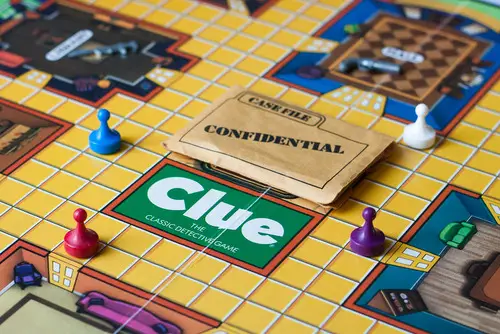
Clue looked classy with its fancy rooms and polished characters, but make no mistake, tension simmered beneath the surface. Accusing someone of murder, even in a game, brought out a lot of feelings. And then there were the players who tried to bluff their way to victory, which never sat well with family members who hated mind games. Everyone wanted to be the brilliant detective, and no one wanted to be wrong.
The shouting usually started when someone made a reckless accusation just to rush the game along. If they were wrong, the groans were immediate and dramatic. Meanwhile, the quiet players were always suspected of knowing more than they actually did. Clue taught families that trust is fragile, especially when Professor Plum is involved.
6. Trouble
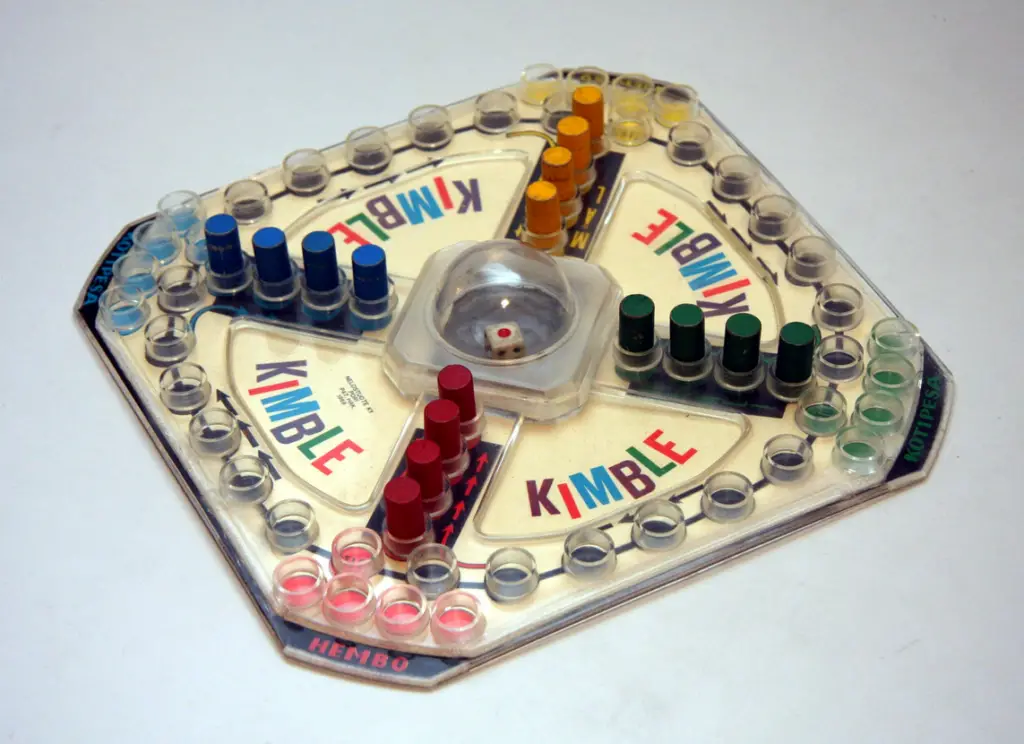
Trouble seemed simple, but that Pop-O-Matic bubble had a strange power to rile people up. The sound alone could make someone brace for disaster, because you never knew whose piece was about to get bumped. Getting sent back to start felt like a personal attack, even though it was just plastic and luck. And trying to get that exact roll to reach home could test anyone’s patience.
Kids got especially heated when someone kept blocking their path just for fun. The back-and-forth of sending pieces home created a subtle but steady stream of frustration. Even cheerful players eventually cracked when the bubble betrayed them for the tenth time. Trouble really lived up to its name.
7. The Game of Life
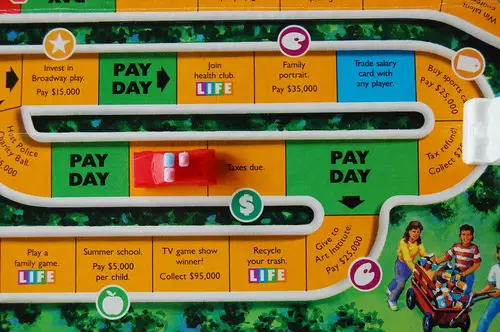
Life looked wholesome, but the arguments it sparked were anything but. Someone always got the good job instantly, someone else got stuck with a low-paying one, and bitterness settled in early. Choices about marriage and kids turned into unexpected debates, and every spin of the wheel carried the threat of financial ruin. It was basically adulthood in board game form.
What made Life so tense was how arbitrary everything felt. One lucky spin could send someone coasting toward victory while everyone else dealt with setbacks. And the moment someone said “Well, that’s just how life goes,” the eye rolls were instantaneous. Families learned quickly that real-life frustration translated beautifully into cardboard form.
8. Connect Four
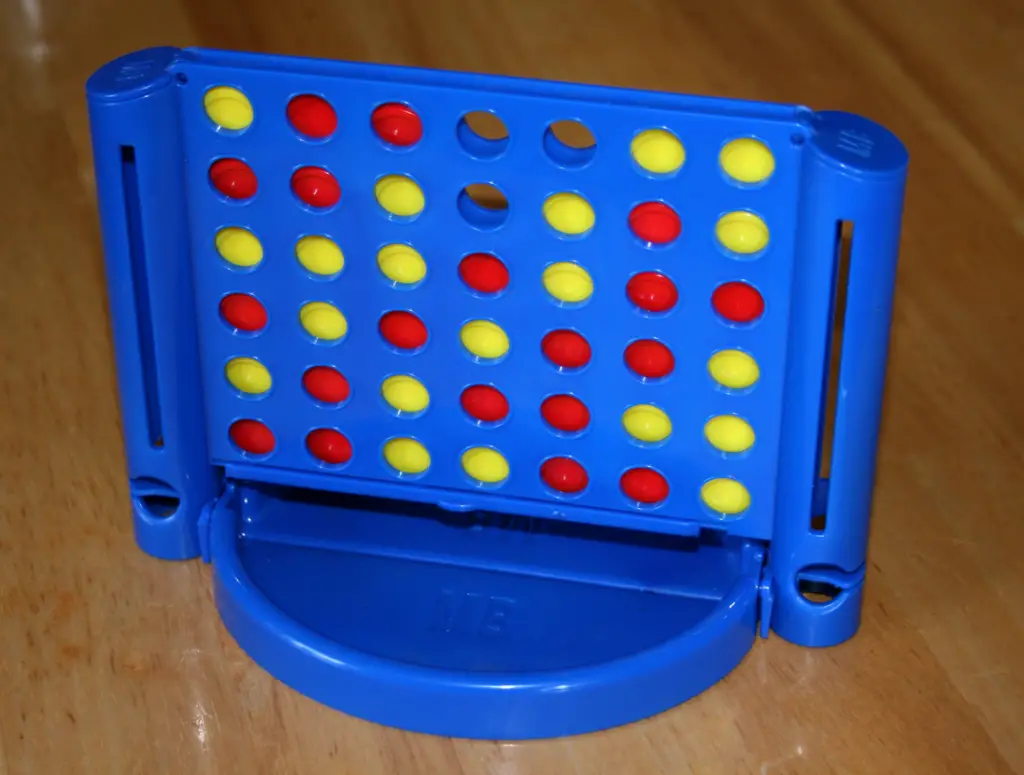
Connect Four seems harmless until you’re actually playing it with a competitive family member. Suddenly it becomes a fast-paced psychological battle. Someone always gloated a little too early, and someone else always missed an obvious move only to regret it forever. And when you realized you’d walked right into a trap, the embarrassment was real.
It didn’t help that the losing pieces clattered loudly to the bottom when you thought you had the upper hand. Players developed grudges that lasted multiple rounds, each one more intense than the last. Siblings especially turned this into a pride match with bragging rights that lasted days. Connect Four proved that simple games could ruin afternoons just as easily as complicated ones.
9. Battleship
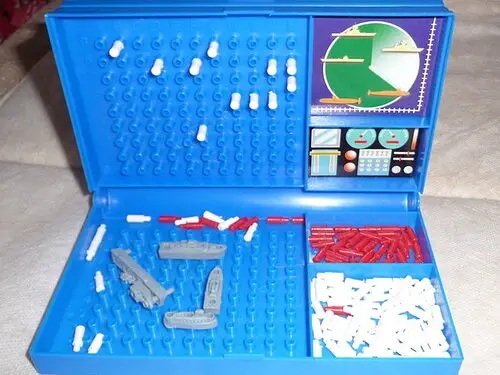
Battleship encouraged bluffing, sneaky grins, and just the right amount of misdirection. But nothing sparked fights faster than accusations of someone “lying about their ships.” Families went back and forth about whether someone really had everything in a straight line or whether they’d quietly moved a ship mid-game. Hearing “You sunk my battleship!” always came with a mix of triumph and bitterness.
The guessing game could get heated because missed shots felt like failures and hits felt like personal victories. And there was always that one player who made sound effects for every move, which didn’t help anyone’s mood. The moment someone guessed two hits in a row, the tension skyrocketed. Battleship taught everyone that trust is optional and suspicion is part of the fun.
10. Jenga
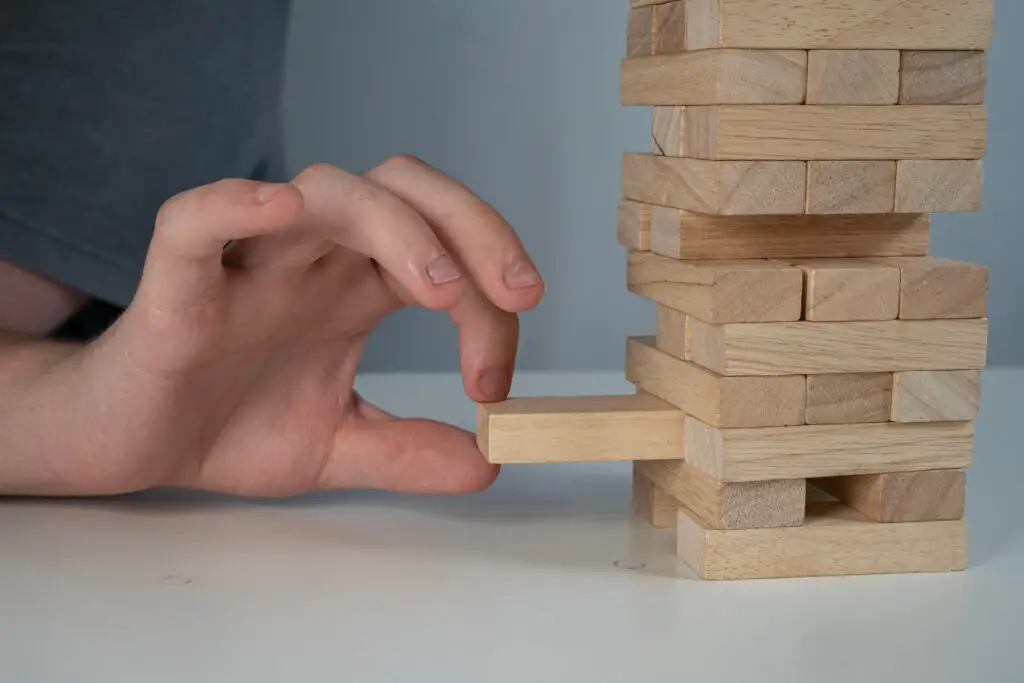
Jenga brought out hand tremors no one knew they had. The whole room went silent when someone touched a wobbly block, as if they were performing delicate surgery. Players insisted they weren’t nervous, which made everyone even more suspicious. And when the tower fell, the laughter was rarely kind.
Arguments usually happened when someone claimed another player used “two hands” or nudged the table. Kids insisted the tower was already unstable before they touched it. Adults weren’t much better, pointing fingers and blaming the slightest breeze. Jenga basically exposed everyone’s inner perfectionist and their willingness to argue about tiny wooden blocks.
11. Scrabble

Scrabble seems calm, but the word disputes alone could fill a dictionary. Families argued over spelling, definitions, and whether or not a word “should count because I say it all the time.” Someone always tried sneaking in a questionable word just to get a triple-word score, and someone else always called them out. Dictionaries became weapons.
The tension came from how personal the game felt. Winning meant proving you were the cleverest in the room, and that came with bragging rights people didn’t handle lightly. Losing to a younger sibling felt like a deep betrayal. Scrabble is still responsible for more vocabulary-related quarrels than most English classes.
12. Hungry Hungry Hippos
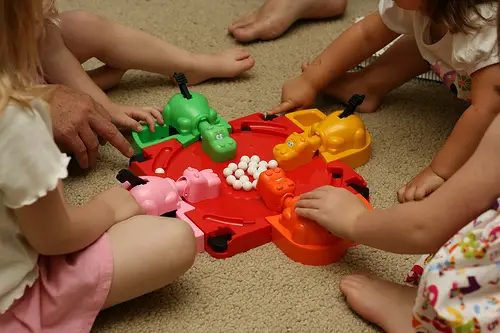
Hungry Hungry Hippos seemed like a fun, energetic game, but it unleashed pure bedlam every time. The frantic clacking of the hippos made everyone panic as they fought for the marbles. Kids slammed those levers like their lives depended on it, and arguments broke out when someone claimed another player’s hippo wasn’t “playing fair.” It was loud, chaotic, and full of wild accusations.
The fights usually centered around who got the most marbles and whether someone “cheated” by starting early. Parents dreaded this one because it practically guaranteed shouting and at least one bruised finger. Even after the game ended, kids counted their marbles like Olympic judges. Hungry Hungry Hippos made sure no family game night ended quietly.